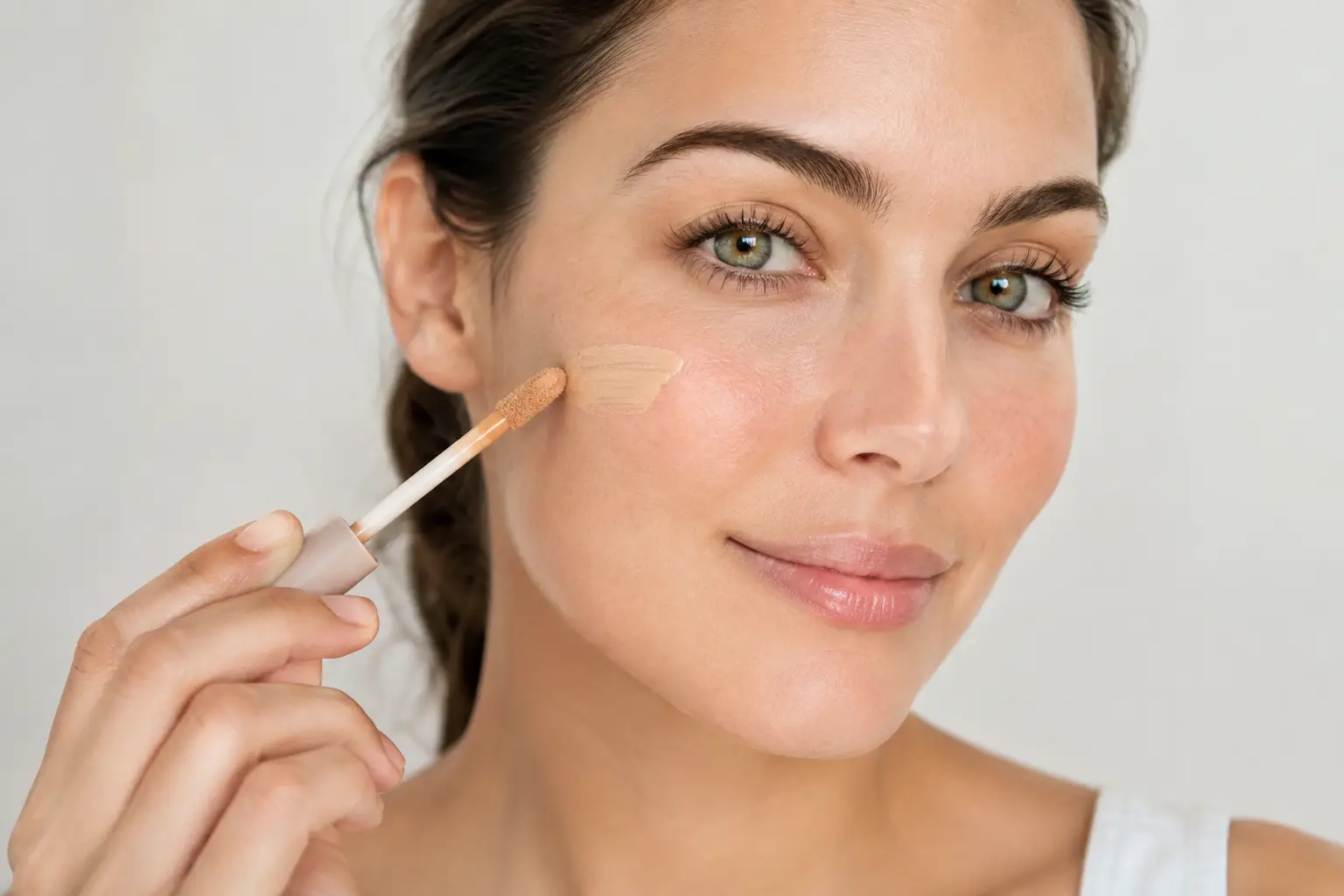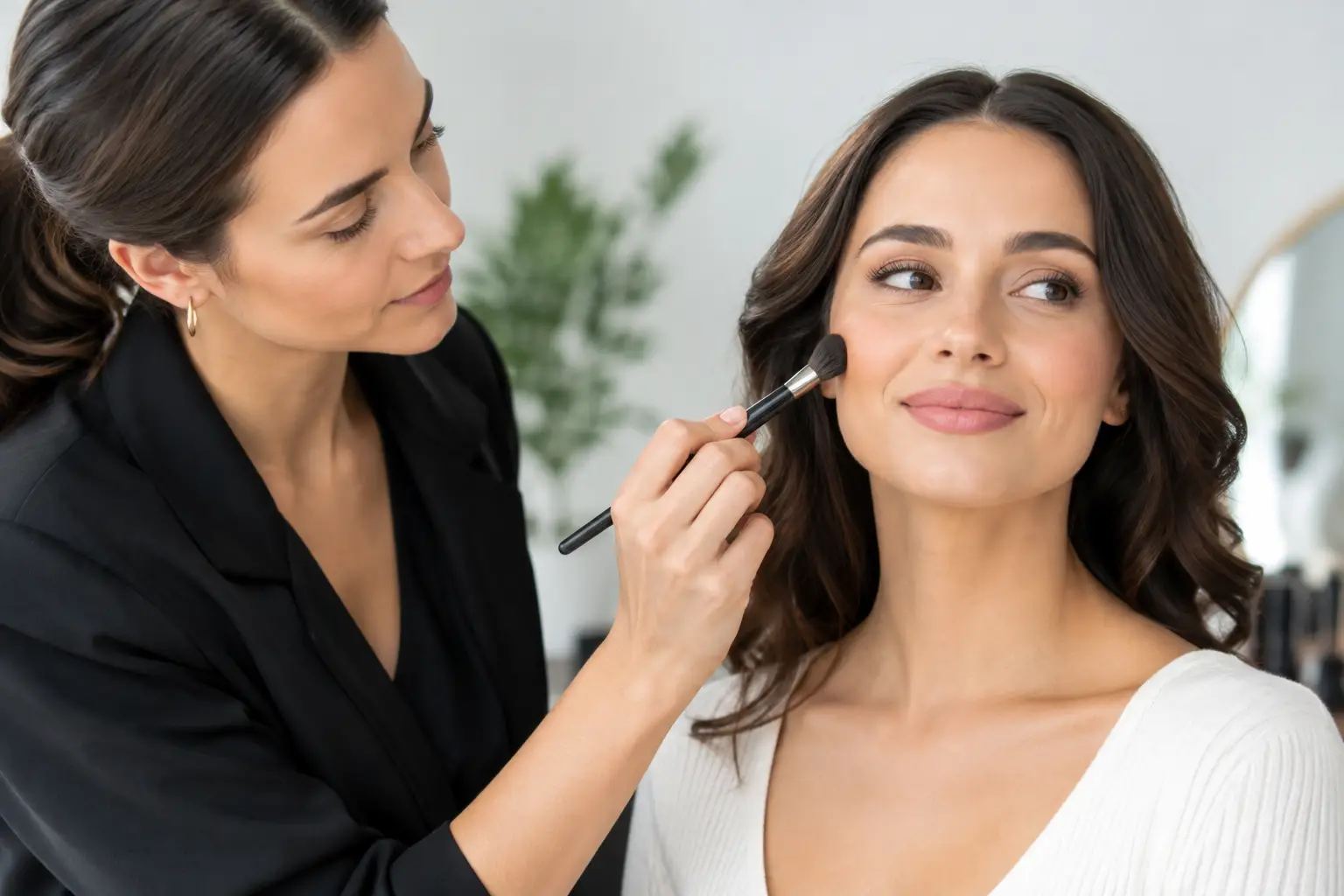
10 Bridal Makeup Trial Tips That Matter
Your makeup trial is the moment where inspiration meets real life. A saved photo can look beautiful on a screen, but your wedding day makeup has to work with your skin, your features, your dress, your lighting, and the pace of a very full day. The best bridal makeup trial tips are not about chasing perfection. They are about creating clarity, comfort, and trust so you walk into your wedding morning already knowing you will look polished and feel like yourself.
For many brides, especially those who do not wear a full face of makeup every day, the trial can feel surprisingly emotional. You want to look elevated, but not unfamiliar. You want the makeup to last, but not feel heavy. You want to photograph beautifully in person and on camera. That balance is exactly why the trial matters.
Why bridal makeup trial tips matter before the wedding day
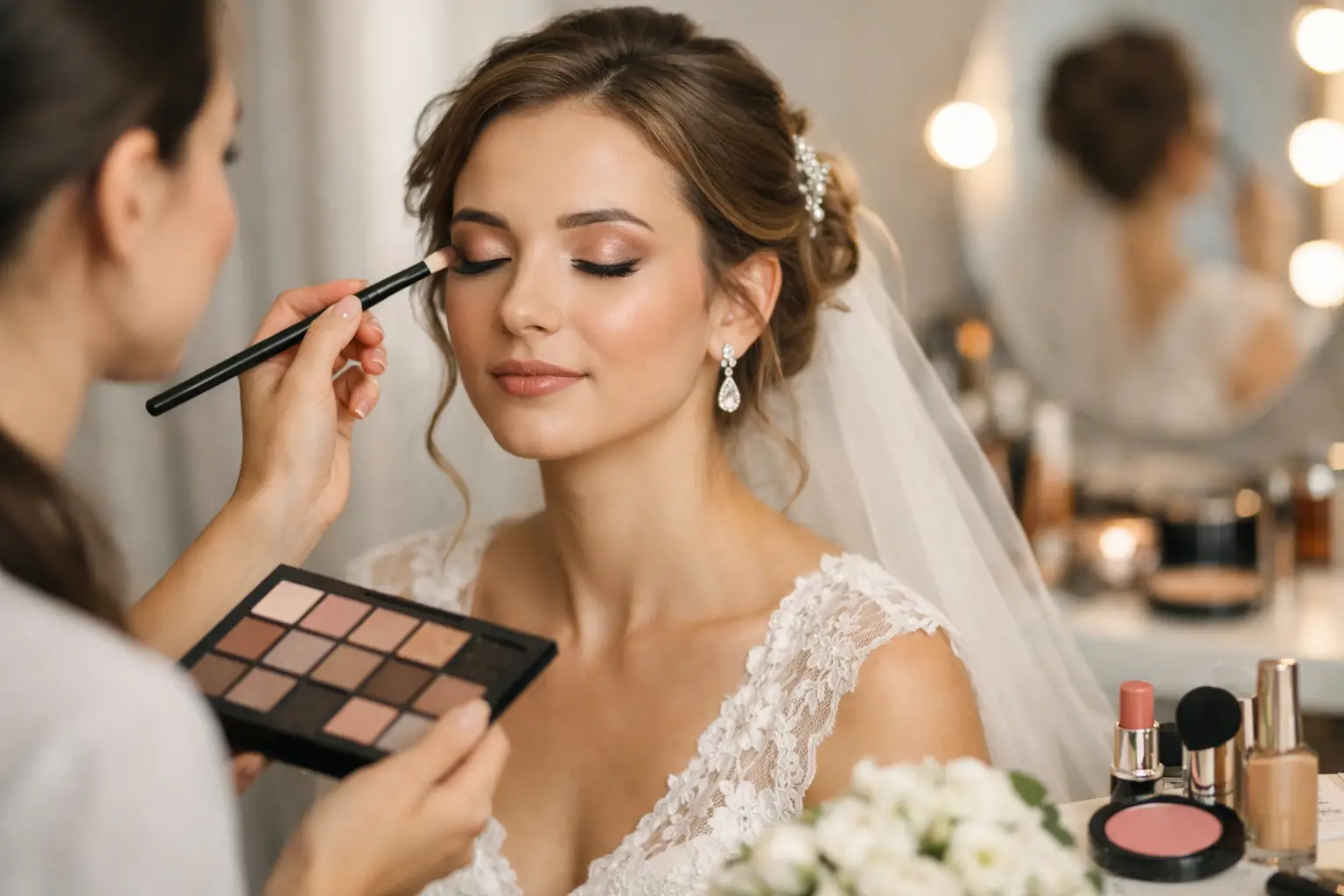
A trial is not simply a preview. It is a working appointment where your artist evaluates skin condition, product compatibility, color balance, finish, and overall wear. It is also where you learn what you like, what you do not, and what needs a slight adjustment.
This is especially valuable if you have sensitive skin, dryness, breakouts, texture, or concerns about makeup settling throughout the day. A look that appears flawless for the first 20 minutes is not necessarily the one that will still feel comfortable after ceremony tears, hugs, photos, dinner, and dancing. Trials help catch those details early.
Come with a vision, but leave room for expertise
Reference photos are helpful, but they work best when they show a pattern rather than a single exact goal. If every image you bring features soft skin, brushed brows, defined lashes, and neutral lips, that gives your artist useful direction. If the photos vary wildly, from barely-there makeup to full glam contour, it becomes harder to identify what you are actually drawn to.
It also helps to choose photos of people with similar skin tone, face shape, or feature proportions when possible. A bridal look should be customized, not copied. What flatters one person may need to be softened, warmed up, lifted, or simplified on someone else.
A good artist will translate your inspiration into something that suits your natural features. That is where trust matters. If one element from your inspiration board does not serve your face or your comfort level, the right adjustment often makes the final result feel more like you, not less.
Arrive with clean skin and honest details
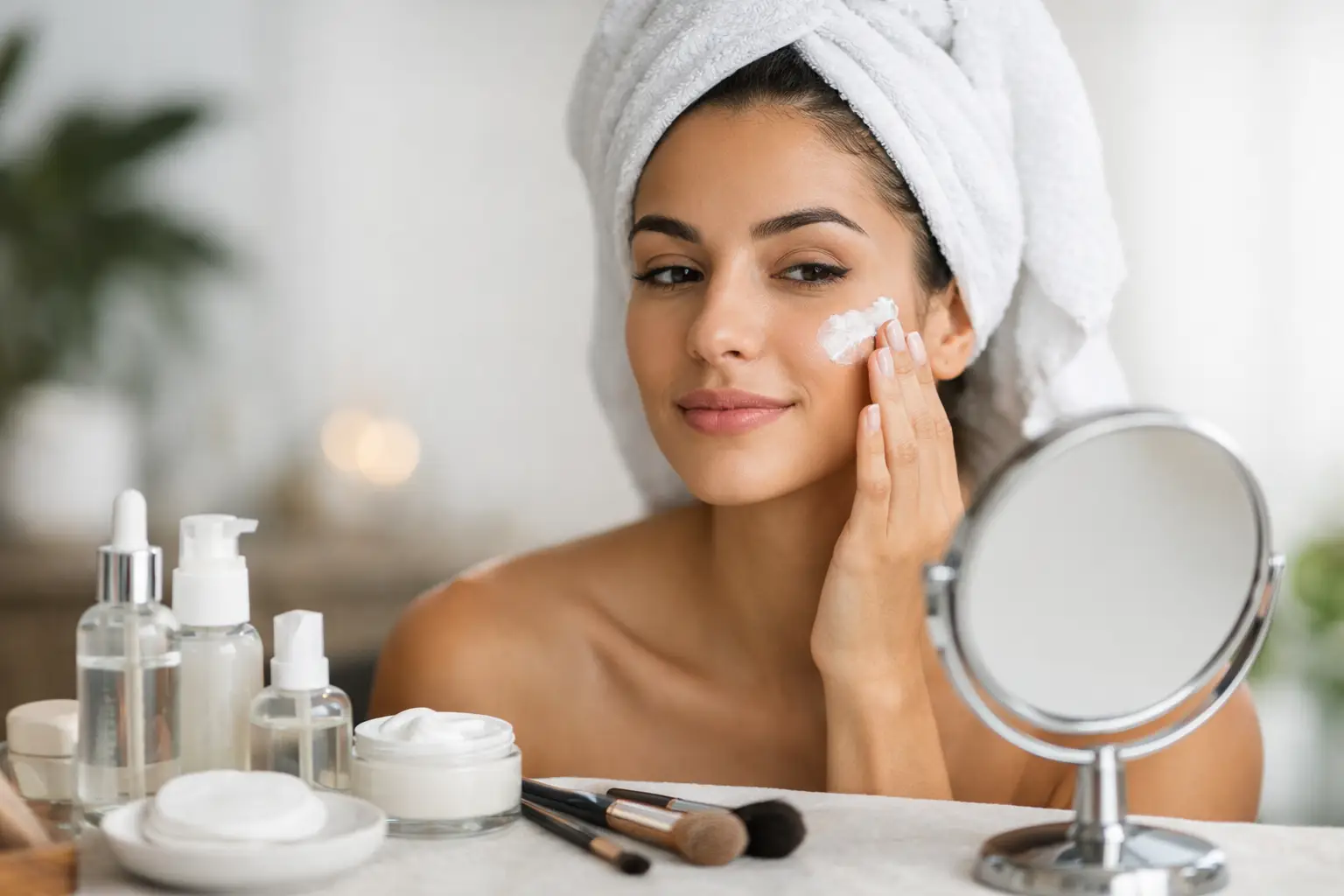
One of the most overlooked bridal makeup trial tips is to show up with skin that reflects your normal routine. Clean, freshly prepped skin is ideal, but avoid doing anything unusual right before the appointment. A harsh peel, a new active product, or an aggressive exfoliation can create irritation that makes the trial less accurate.
Be upfront about allergies, sensitivities, contact lens use, and any history of reactions. Share whether your skin gets oily midday, whether your nose makeup tends to fade, whether your eyes water, or whether you dislike the feel of lipstick. Those details may seem small, but they shape product choices and application technique.
If you are planning any facials, treatments, spray tans, or brow appointments before the wedding, mention that too. Timing affects how makeup sits on the skin, and your artist can guide you on what to schedule and what to avoid too close to the date.
Wear white or a similar neckline if you can
Color reflection changes how makeup reads. Wearing a white top, or something close to your dress neckline, gives a more accurate sense of how the finished look will balance against your wedding attire. A high black shirt can make makeup appear lighter or more dramatic than it will on the actual day.
If you already know your accessories or veil style, bring photos. Makeup does not live in isolation. A soft glam look paired with pearl details and a romantic gown may need a different lip tone or highlight placement than a sleek satin dress with a structured silhouette.
Test the makeup in real light
A trial should never be judged only in the artist’s chair. Before you decide that everything is perfect, look at the makeup in natural daylight if possible. Then check it in indoor light and on your phone camera. A complexion can appear balanced in one setting and too warm, too flat, or too reflective in another.
Photos matter here, but not every phone image tells the full truth. Front-facing cameras, overhead lighting, and car selfies can distort color and texture. What you are looking for is consistency. Does the skin still look like skin? Do the eyes remain defined without feeling heavy? Does the lip color complement your overall look?
If something feels slightly off, say it. The purpose of the trial is refinement, not politeness.
Pay attention to wear, not just first impression
One of the smartest bridal makeup trial tips is to keep the makeup on for several hours after your appointment. Do not remove it right away. Wear it through errands, lunch, or a normal part of your day so you can see how it settles.
This is often when the most useful feedback appears. Maybe the under-eyes still look fresh at hour six, but the chin breaks down faster than expected. Maybe the lip color is beautiful, but you want something a little softer once you see it in daylight. Maybe the lashes feel comfortable for photos but slightly too dramatic for your personal style.
That does not mean the look failed. It means the trial did its job.
Speak clearly about what feels like you
Brides sometimes worry that asking for changes will sound critical. It will not. Thoughtful feedback is part of the process. In fact, it is one of the most important parts.
Try to be specific. Saying “I want it more natural” can mean many different things. It is more helpful to say that you want less depth on the outer eyes, softer blush, a fluffier brow, or a lip color closer to your natural tone. If you love most of the look but want small changes, say that too.
This is particularly important if you are not a daily makeup wearer. Your ideal bridal look may still be polished and camera-ready, but with lighter layers, softer structure, and more familiar tones. There is no prize for wearing more makeup than feels comfortable.
Match the trial to the season and schedule
Wedding makeup should be designed for the actual conditions of your day. A late fall indoor wedding in DC may call for a slightly different complexion strategy than a humid summer wedding in Northern Virginia with outdoor portraits.
If possible, schedule your trial close enough to the wedding season that your skin tone and condition are reasonably similar. If you tan easily in summer, become drier in winter, or flush in heat, that is useful information. A great artist can account for those variables, but the trial is strongest when it reflects reality.
Timing also matters in relation to other beauty services. If you plan to wear a spray tan, have your brows shaped, or get a haircut, the trial should fit around those decisions so the final look is cohesive.
Do not treat the hair and makeup trial as separate worlds
Makeup looks different next to finished hair. Loose waves, a sleek bun, Hollywood glam, or a romantic updo each shift the overall feel of the face. If your features are softly framed by hair, your makeup may not need as much intensity. If your hair is pulled completely back, you may want a touch more balance in the eyes or cheeks.
You do not always need to book hair and makeup trials on the same day, but it helps to consider them together. Your bridal look should feel harmonious from every angle, not assembled in pieces.
Ask practical questions, not just beauty questions
The trial is also the right time to understand logistics. Ask how your look will be adjusted if your skin is breaking out on the wedding week. Ask what touch-up products are worth having on hand. Ask whether lip color reapplication, blotting, or shine control will likely be needed.
These questions matter because beautiful makeup is only part of the experience. Calm preparation matters too. When you know what to expect, you can move through the day with more confidence and less second-guessing.
For brides who want a polished, skin-focused finish, the trial should feel collaborative and unrushed. That is often where the real peace of mind comes from. When your artist understands your skin, your preferences, and how you want to feel, the wedding morning becomes much easier.
The best bridal makeup trial tips lead to confidence
The most successful trial is not the one where every detail is locked in instantly. It is the one that gives you certainty. You should leave knowing your makeup can be adjusted thoughtfully, worn comfortably, and tailored to your version of beauty.
At Taylor Bailey Makeup Artist, that often means soft glam that looks refined in photos, natural in person, and lasting enough for a full celebration without feeling heavy or overdone. And that is the goal worth keeping – not a different face for one day, but your own features, beautifully supported.