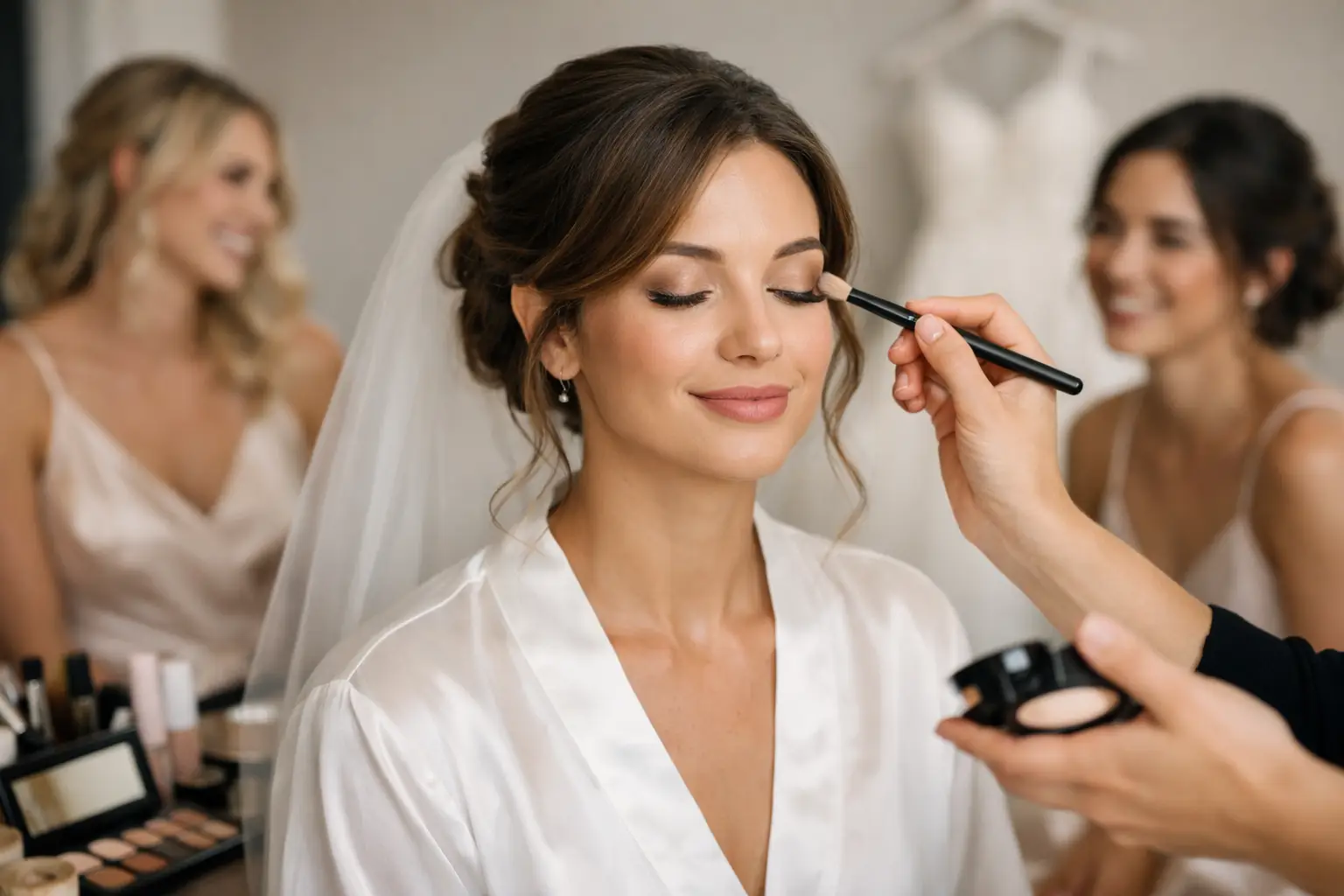
Bridal Party Makeup Timeline That Works
A wedding morning can feel calm and beautifully paced, or it can feel like everyone is getting ready at once with nowhere to sit and no idea who is next. The difference usually comes down to one thing: a thoughtful bridal party makeup timeline.
When the timeline is built well, makeup supports the day instead of competing with it. Everyone knows when to arrive, when to be in the chair, and how the beauty schedule fits with hair, getting dressed, first looks, and photos. That kind of structure matters even more for brides who want a polished, natural result without feeling rushed.
Why the bridal party makeup timeline matters
Makeup timing is not just about fitting appointments into a morning. It affects how the entire day feels. If services start too late, the bride often loses the quiet, enjoyable part of the morning. If they start too early, the first faces finished may need touch-ups long before photos begin.
A strong schedule protects both the artistry and the experience. Skin prep has room to work, each person gets proper attention, and the final look stays refined rather than hurried. This is especially important for weddings with photography, video, outdoor ceremonies, or emotional timelines where tears, heat, and long wear all come into play.
There is also a practical side that many people do not think about right away. Makeup and hair rarely happen in a vacuum. There are vendors arriving, garments steaming, breakfast being delivered, family members coming in and out, and text messages flying. A well-planned beauty schedule creates a buffer against all of that.
How long bridal party makeup usually takes
For most wedding mornings, professional makeup takes about 45 to 60 minutes per person. The bride often needs a bit more time, usually 60 to 75 minutes, because her service includes more detail, more decision-making, and often a little more support during the final finish.
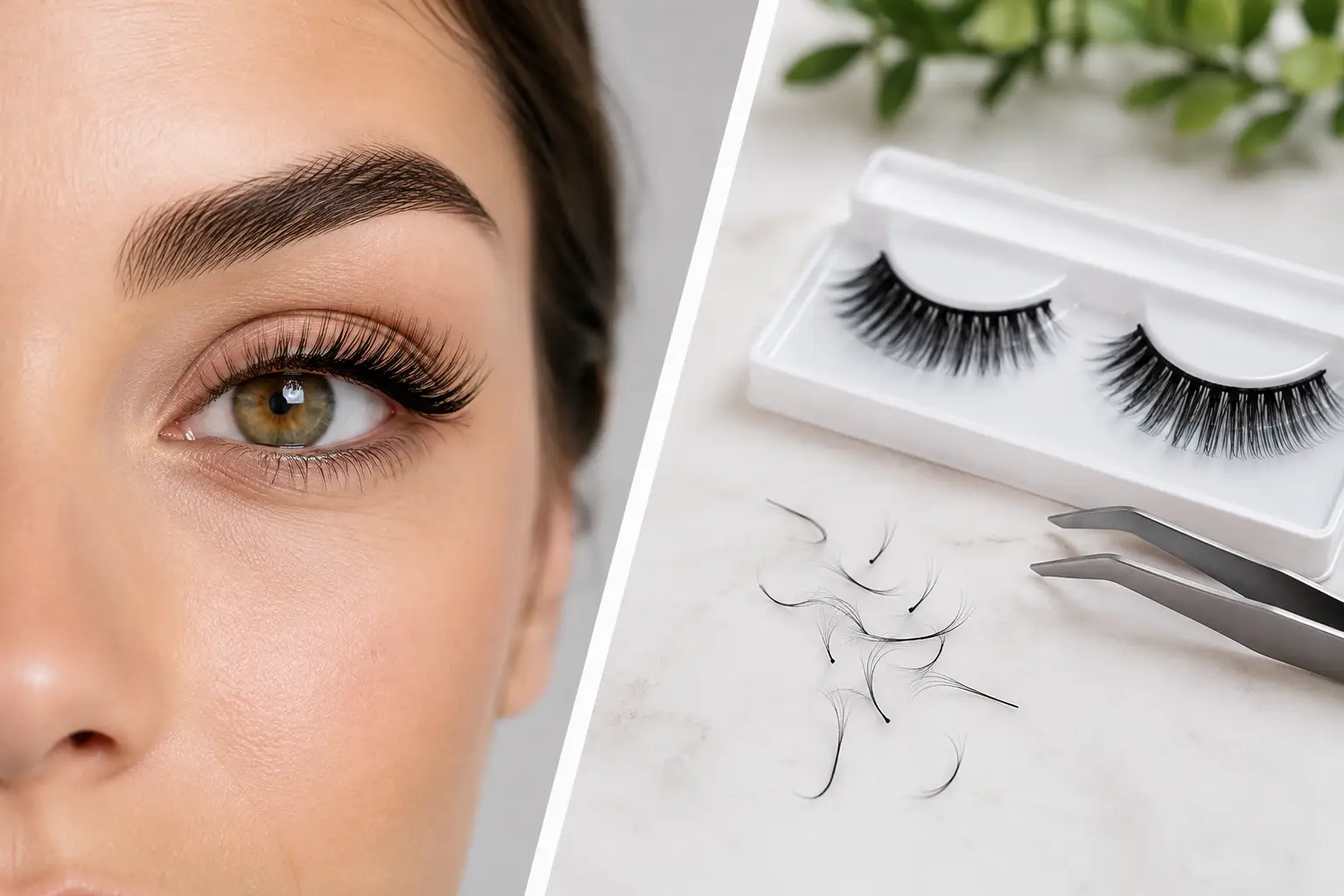
That said, timing is not identical for every group. A bridal party made up of clients who wear makeup regularly may move a little faster because they are more comfortable with the process and their preferences are easier to define. A group with sensitive skin, mature skin, lash applications, or very specific coverage needs may take longer.
This is one reason a custom schedule matters more than using a generic chart from the internet. The right timeline should reflect the actual group, not just the number of faces.
The best order for a bridal party makeup timeline
In most cases, brides are happiest when they are scheduled toward the end, but not absolutely last. This gives the artist time to bring the bride’s look together closer to the ceremony while still leaving a small cushion for final adjustments.
Bridesmaids, mothers, and other attendants usually go earlier in the schedule. Anyone who tends to be especially punctual and low-maintenance can be ideal in the first slots. People who are notoriously hard to locate on a busy morning should not be scheduled first unless someone is prepared to keep them on track.
Mothers often benefit from a mid-morning time slot. Too early can feel tiring, and too late can create pressure if they need to get dressed and help with family logistics. Flower girls, if they are receiving light age-appropriate makeup, should be placed where their timing works best for naps, snacks, and patience.
The bride should have enough breathing room after her makeup is finished. Ten to fifteen minutes can make a big difference. That time allows for lip color checks, a final powder if needed, getting into the dress, and those quiet in-between moments that tend to become favorite memories.
Building the timeline around photography and hair
The easiest way to create delays is to plan makeup without looking at the full morning. Hair, photography, and wardrobe all need to connect.
If first-look photos start at 1:00 p.m., the bride usually needs to be fully dressed before then, not just finished with makeup. That means makeup may need to be complete by 11:45 or 12:00 depending on the dress, jewelry, veil placement, and photo setup. From there, the entire beauty schedule works backward.
Hair and makeup can happen in tandem, but only if the space allows for it and the team has enough room to work comfortably. If there is a smaller getting-ready location, a crowded room can slow everyone down. In those cases, a staggered plan often works better than trying to have every service happen at once.
Photography also shapes who should be ready first. If the photographer wants detail shots of bridesmaids helping the bride into her gown, those attendants need to be finished earlier. If mothers are included in getting-ready portraits, they should not be squeezed into the last possible slot.
A sample bridal party makeup timeline
For a bride plus four attendants, a common schedule might begin around 7:30 a.m. if everyone needs to be photo-ready by early afternoon. One attendant could start at 7:30, the second at 8:20, the third at 9:10, the mother at 10:00, and the bride at 10:50. A small buffer afterward leaves space for touch-ups and dressing.
That sample works well for some weddings, but not for all. If the ceremony is later in the day, there may be room for a more relaxed morning. If the bridal party is larger, an additional artist may be the best way to preserve a calm pace. That is often the turning point between a schedule that technically fits and a schedule that actually feels good.
When to add a second makeup artist
A larger party does not always require a second artist, but it often benefits from one. If the bride has six or more people needing makeup, an early ceremony, or a short window between venue access and photos, adding artistry support can make the day much smoother.
This is not only about speed. It is about maintaining quality and energy. No bride wants her wedding morning to feel like an assembly line, and no artist wants to rush through skin prep or complexion work just to shave off minutes. Extra support allows the schedule to stay realistic while preserving the elevated, attentive experience clients are actually booking for.
What can throw off the makeup schedule
The most common delays are usually simple. Someone arrives with wet hair when they were supposed to be dry. A bridesmaid leaves for coffee during her appointment time. The room has poor lighting or limited outlets. A person who said she wanted soft glam suddenly wants to try a much more dramatic look on the spot.
Skin can also affect timing. Very dry skin, active breakouts, watery eyes, or last-minute self-tanner issues may require extra prep. None of these mean beautiful results are out of reach, but they do mean the schedule should have a little flexibility.
That is why buffer time matters so much. Even 10 extra minutes built into the morning can prevent one small delay from affecting every service after it.
How to help the timeline stay on track
The best makeup mornings are organized, but they do not feel rigid. Everyone knows the order, arrives with a clean face, and keeps personal items contained so the space stays workable. Good natural light helps. So does a clean table or counter near each setup.
It also helps to communicate expectations before the wedding day. If anyone in the party has skin sensitivities, allergies, or a concern about coverage, that should be shared in advance rather than addressed in the chair while the clock is running. The same goes for lash preferences, inspiration photos, or requests for a very minimal look.
For brides who want a polished but authentic finish, a trial is often where the timeline starts to become easier. Decisions are made ahead of time, products are refined to suit the skin, and the wedding morning feels far more settled because the look has already been thoughtfully developed.
Why a calm timeline creates better makeup
Makeup always looks better when the person wearing it feels at ease. That is not just emotional reassurance. It affects the process. Skin tends to be less reactive, communication is clearer, and the final look is more cohesive when there is room to make thoughtful choices.
A rushed morning often leads people to ask for fixes to problems created by the rush itself – too much powder because someone was sweating, extra coverage applied too quickly, lipstick rushed on as the dress is being zipped. A calm timeline gives space for precision, and precision is what makes soft glam look effortless.
For brides in Northern Virginia and Washington, DC, where weddings often involve travel, traffic, and detailed venue logistics, that extra planning matters even more. Mobile beauty services can make the morning far more convenient, but convenience works best when paired with a realistic schedule and clear communication.
The right bridal party makeup timeline should feel supportive, not strict. It should protect the bride’s peace, give each person enough attention, and leave the room feeling polished instead of panicked. When the morning flows well, everyone notices – and the beauty shows up that way in every photo.