Makeup for Sensitive Skin That Still Lasts
If your skin stings the moment a new product touches it, makeup can feel less like a treat and more like a gamble. The good news is that makeup for sensitive skin does not have to mean giving up coverage, longevity, or a polished finish. With the right prep, thoughtful product choices, and a lighter hand in application, sensitive skin can still look radiant, comfortable, and beautifully camera-ready.
For many clients, sensitivity is not just about redness. It can show up as burning, itching, dry patches, breakouts, flushing, or a tight feeling that lingers long after makeup is removed. Sometimes the trigger is fragrance. Sometimes it is exfoliating acids, essential oils, harsh preservatives, or simply too many layers at once. That is why there is no single product rule that works for everyone. Sensitive skin is personal, and the best makeup approach should be as well.
What makeup for sensitive skin really requires
The biggest misconception is that sensitive skin needs less makeup. In reality, it needs better makeup choices and better skin preparation. A full face is still possible, but every step has to earn its place.
That starts with understanding the difference between irritation and compatibility. A product can be popular, expensive, or labeled clean and still not agree with your skin. On the other hand, a formula that looks simple or understated may wear beautifully without causing any reaction. This is especially important before weddings, photoshoots, and formal events, when the goal is not just pretty makeup, but makeup that stays comfortable for hours.
Skin-focused artistry matters here. When the skin is calm, hydrated, and respected, makeup sits better and tends to require less correction. That often means skipping anything overly aggressive in the days leading up to your event, even if it is part of your usual routine. A last-minute peel, new retinol, or strong exfoliant can make sensitive skin far more reactive under makeup.
Start with skin prep, not coverage
When sensitive skin looks uneven, the instinct is often to cover it quickly. But coverage works best when the skin underneath has been prepared properly. If it has not, foundation can cling to flakes, exaggerate texture, or trap heat and irritation.
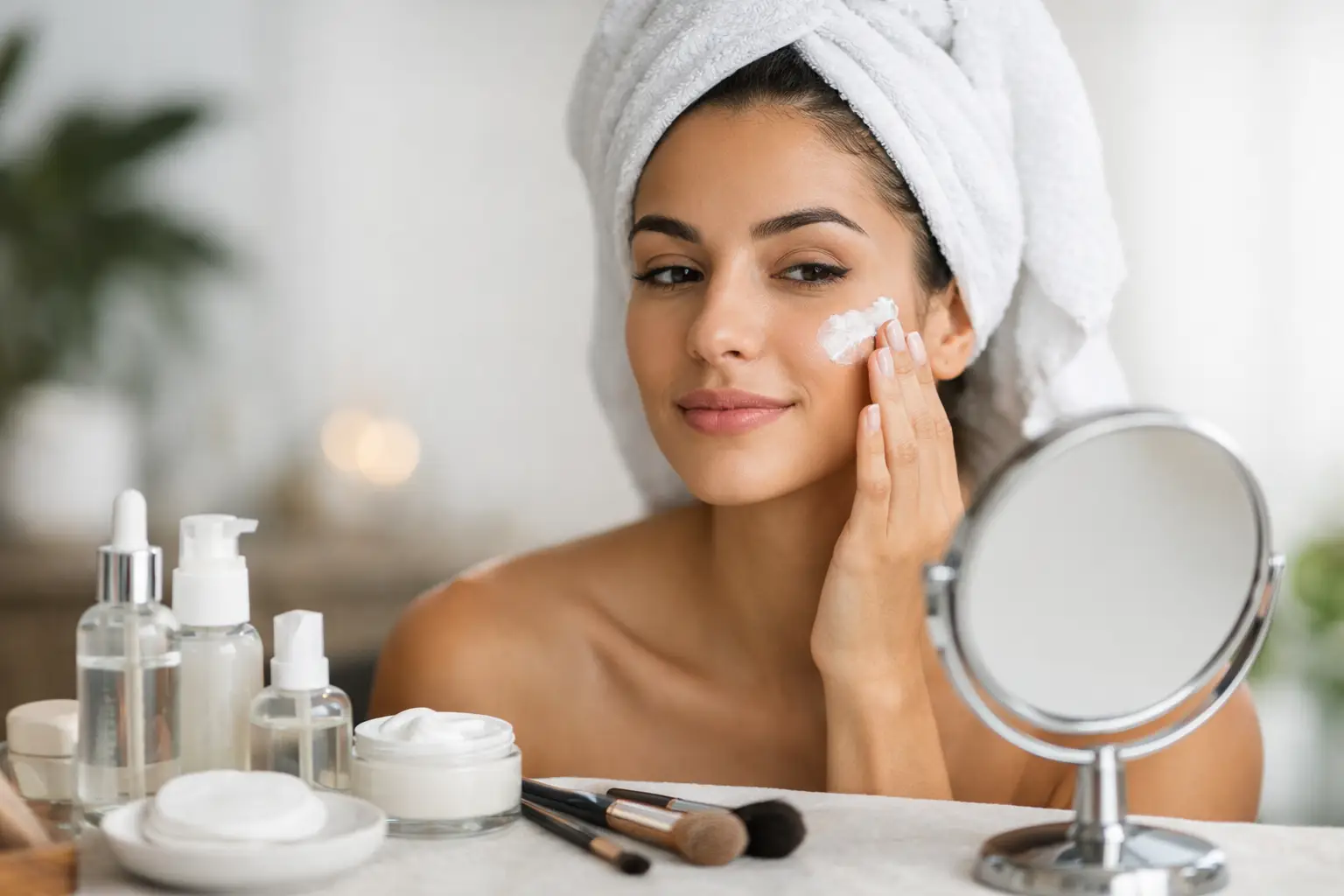
A gentle cleanse is usually enough. Skin should feel clean, but not stripped. From there, hydration becomes the priority. A lightweight, soothing moisturizer can help create flexibility in the skin so makeup moves with it instead of sitting on top in a dry layer. If your skin is both sensitive and easily congested, this step may need balance rather than richness. Too little moisture can lead to tightness. Too much can cause slipping.
Primer is another place where less is often more. Not everyone with sensitive skin needs one. In some cases, a good moisturizer and a carefully chosen foundation wear better than multiple prep layers. If a primer helps with longevity, it should feel calming, not tingly, and it should not pill when layered over skincare.
Ingredients and formulas worth paying attention to
When choosing makeup for sensitive skin, ingredient lists matter, but formula behavior matters too. A product may look fine on paper and still feel uncomfortable after an hour of wear.
Fragrance is one of the most common concerns, especially in complexion products, primers, and setting sprays. Alcohol-heavy formulas can also be tricky, particularly on already dry or compromised skin. Some clients do well with mineral makeup, while others find certain mineral formulas too drying or powdery. Silicone-based products can create a beautiful smooth finish for some skin types and feel occlusive on others. This is where patch testing and timing are so important.
A few categories usually deserve extra caution. Full-coverage matte foundations can be helpful for photography and long wear, but if they set too hard, they may highlight irritation or feel uncomfortable by the end of the day. Highly scented lip products and glitter-heavy eye products can also cause issues, especially around delicate areas.
That does not mean every sensitive client needs only sheer makeup or a minimal look. It simply means the formulas should support the skin rather than fight it.
How to build coverage without overwhelming the skin
The most flattering approach is often strategic rather than heavy. Instead of applying a thick layer everywhere, it is usually better to even out the complexion with a thin base and then build where needed.
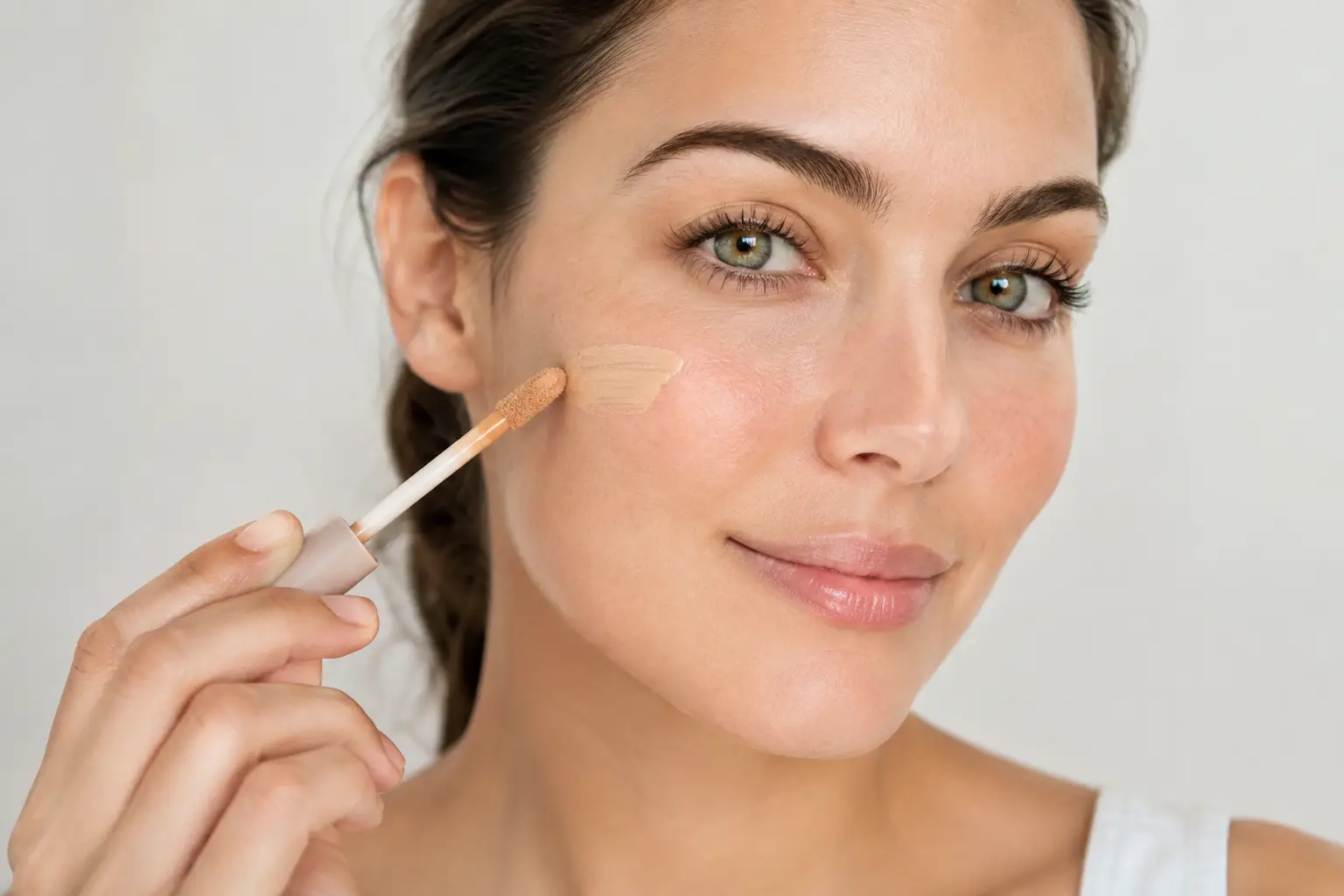
This creates a more natural finish and reduces the amount of product sitting on the skin. Redness around the nose, isolated blemishes, or post-inflammatory marks can be corrected with targeted concealer rather than an extra layer of foundation across the entire face. The skin still looks polished, but it also looks like skin.
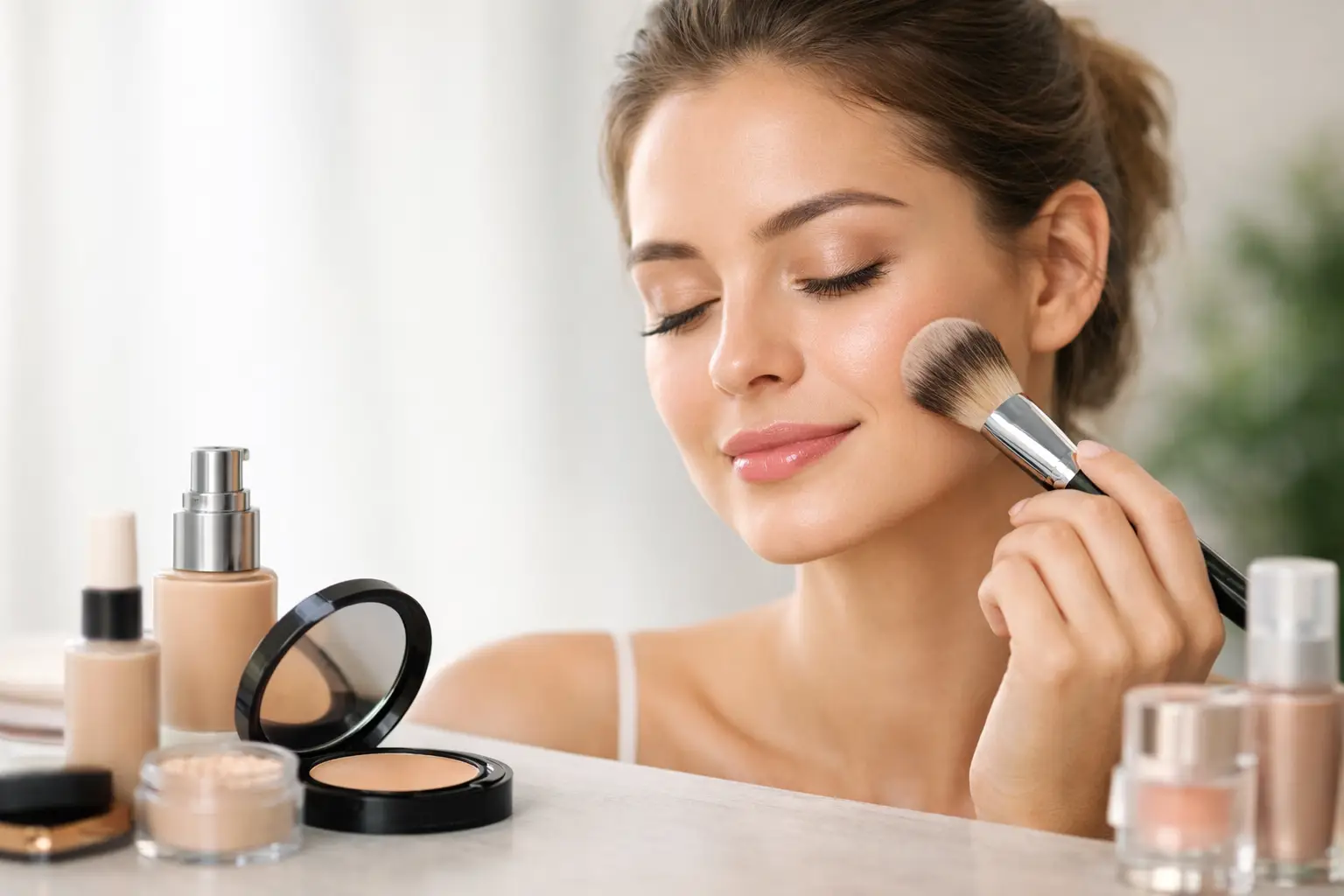
Cream products often work beautifully for this because they can melt in without adding a dry film. That said, some sensitive or acne-prone clients prefer lightweight liquids that set more cleanly. It depends on the skin condition, the event, and the finish you want. A soft glam look for a wedding may call for different textures than makeup for an outdoor summer headshot session.
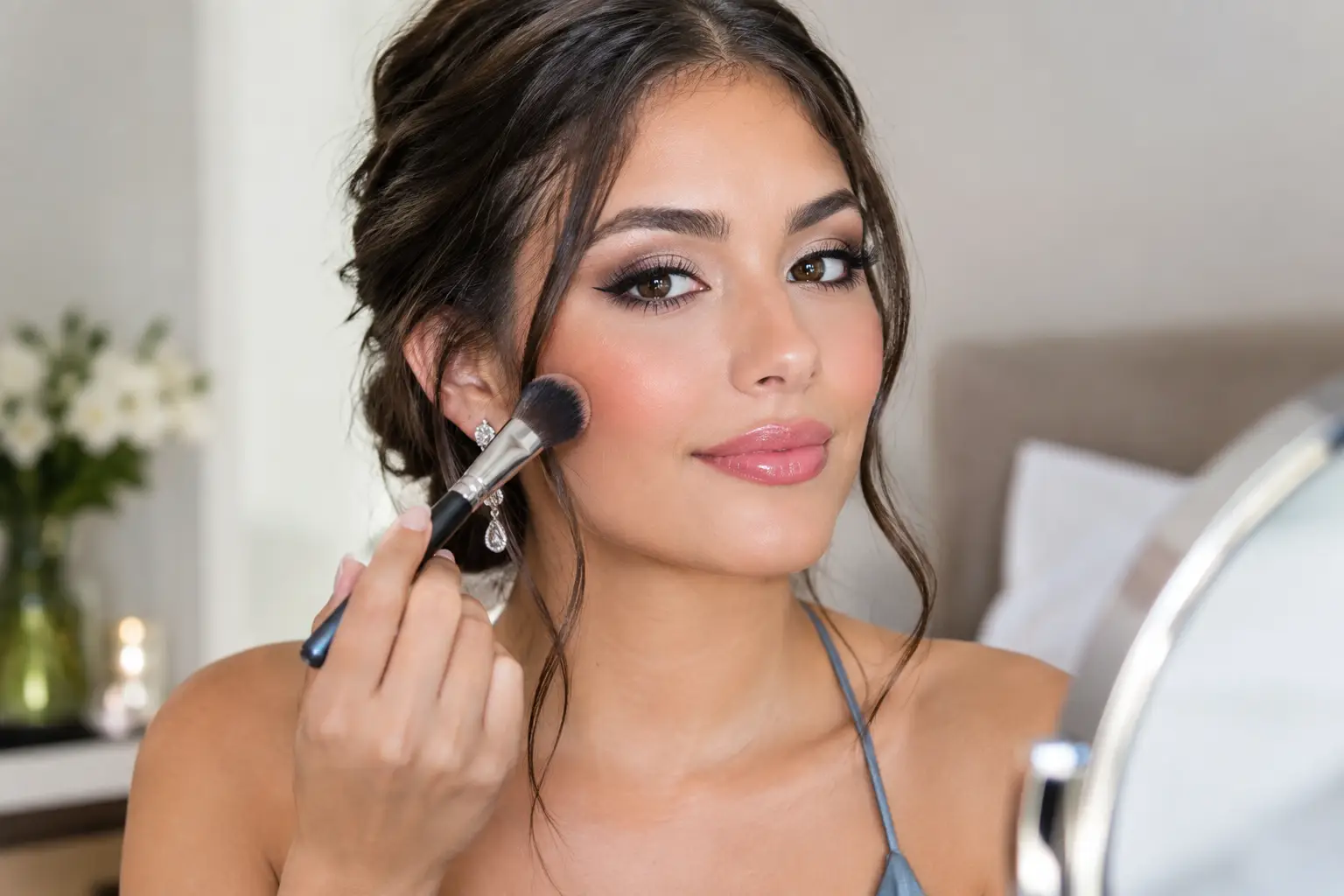
Powder should be used with intention. On sensitive skin, over-powdering can flatten the complexion and make dryness much more visible. A light set through areas that crease or get shiny is usually enough. The goal is long wear with comfort, not a tight, overly matte mask.
Sensitive skin and long-wear event makeup
One of the biggest concerns before a special event is whether gentle makeup can actually last. It can, but longevity comes more from technique than from piling on products.
Thin layers tend to wear better than thick ones. Pressing products into the skin rather than dragging them across the surface can reduce disruption. Allowing skincare to absorb before makeup begins also helps prevent separation. And in many cases, cream-to-powder balance is more effective than relying on a single heavy-duty product to do all the work.
For events like weddings, galas, and professional photography, comfort matters just as much as performance. If your skin feels irritated halfway through the day, you are more likely to touch your face, blot excessively, or want the makeup off altogether. A calm complexion almost always photographs better than one covered in products that looked good initially but became uncomfortable with wear.
This is one reason trials are so valuable for clients with reactivity concerns. A trial is not just about choosing colors. It gives you the chance to see how products behave on your skin over several hours and whether anything starts to itch, separate, or feel too heavy.
Application hygiene matters more than most people realize
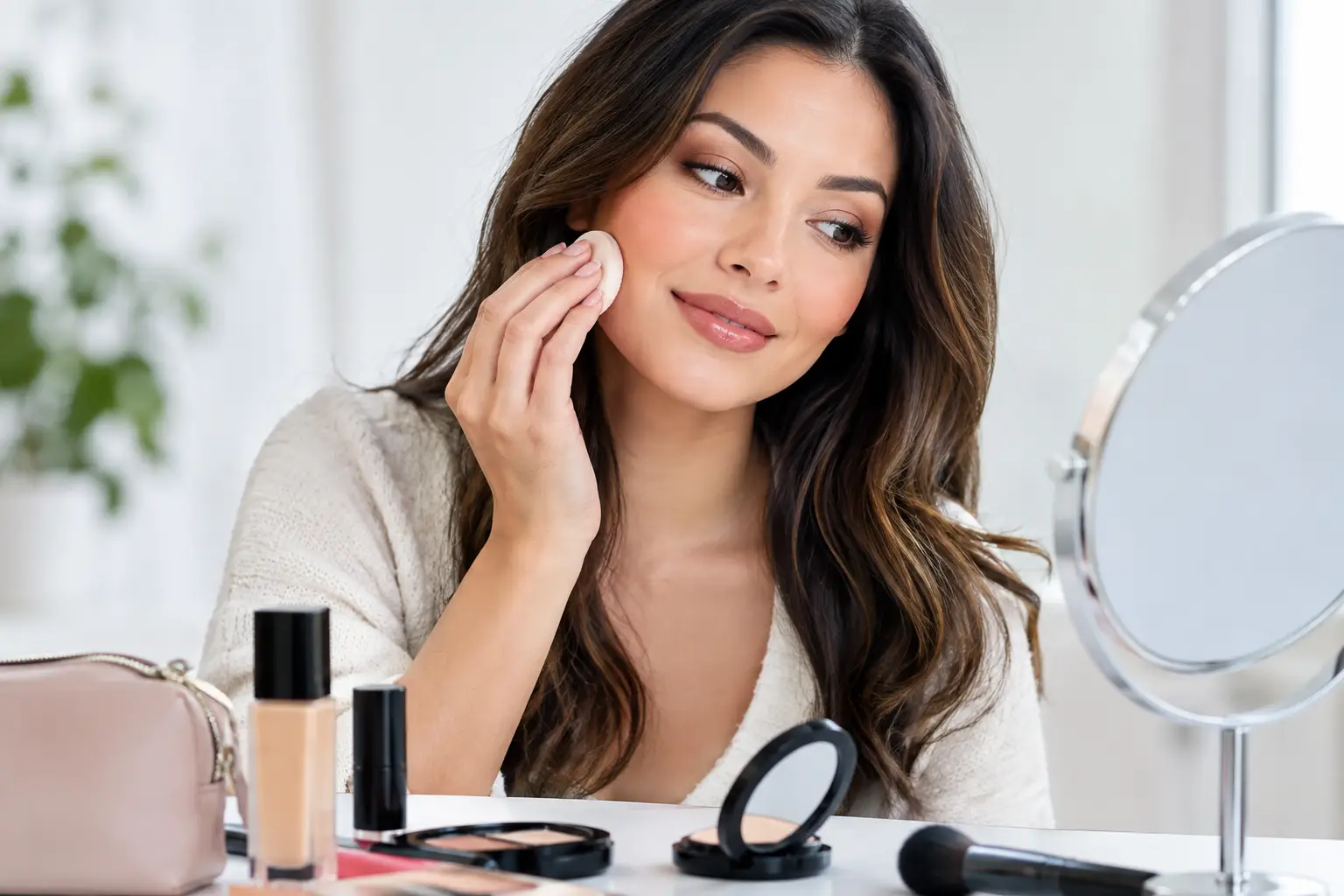
For sensitive skin, even excellent products can become a problem if application is not handled properly. Dirty brushes, old sponges, contaminated cream products, or rushed sanitation can all trigger irritation or breakouts.
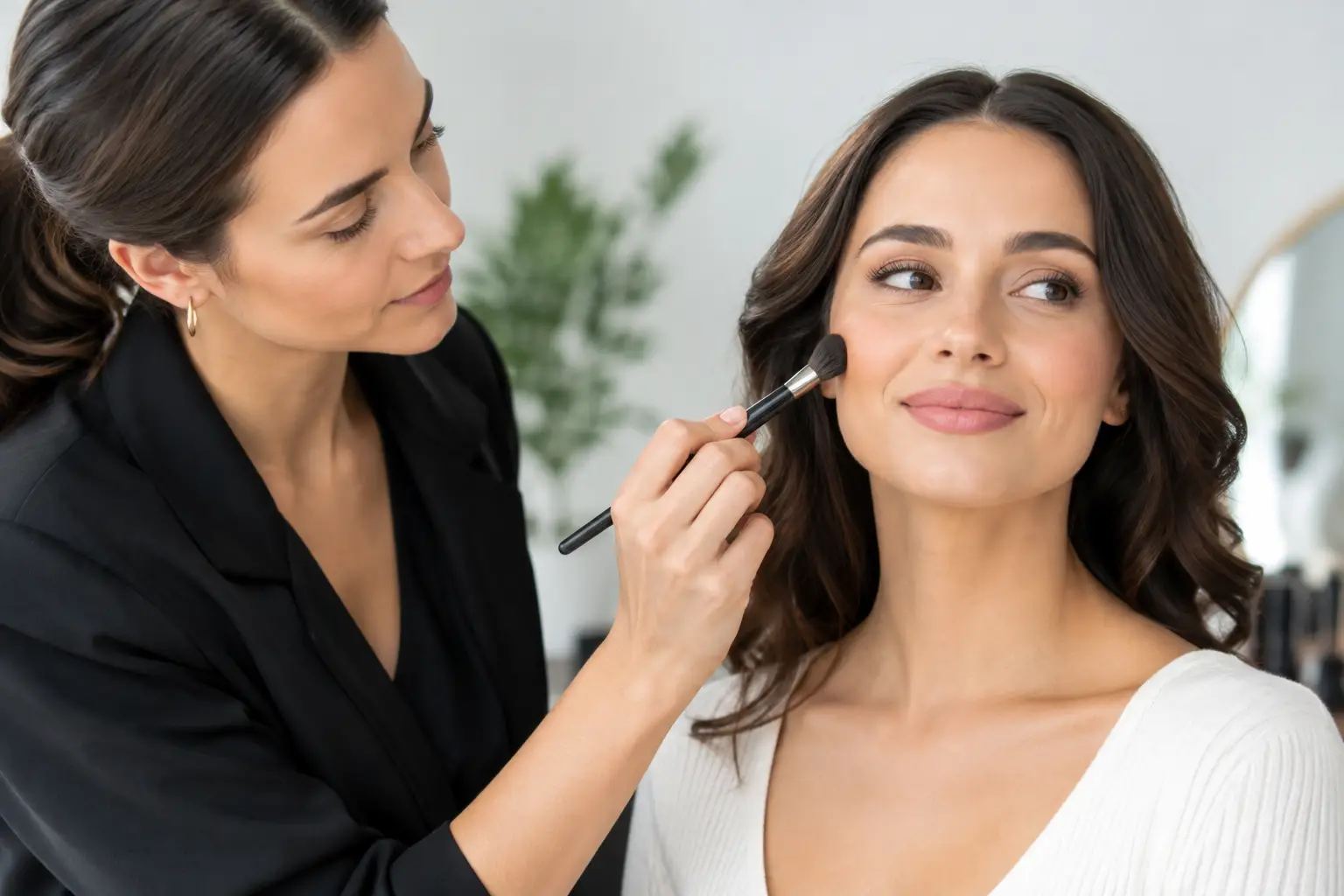
Professional hygiene standards matter, especially for bridal parties and event services where multiple faces are being worked on in one day. Clean tools, careful product decanting, and skin-conscious techniques can make a meaningful difference in how the skin responds. This is part of why working with an artist who understands both makeup and skin can feel so reassuring.
If you are doing your own makeup, regular brush washing is one of the simplest ways to protect sensitive skin. It is not glamorous advice, but it is effective.
When less experimentation is the smartest choice
Before a major event, this is not the moment to test five trending products because they looked good online. Sensitive skin usually does best with consistency. If you know a foundation, concealer, or moisturizer works for you, that predictability is valuable.
If you do want to try something new, give yourself time. Test it in daylight, wear it for several hours, and see how your skin reacts afterward, not just in the first ten minutes. Some irritation is delayed, and some formulas only become problematic once they mix with heat, sweat, or other products.
Clients often assume their skin is simply difficult when the real issue is too much change at once. A new serum, a stronger exfoliant, and a different foundation in the same week can make it impossible to tell what is actually causing the reaction.
A better makeup experience for sensitive skin
Makeup for sensitive skin should feel thoughtful, not restrictive. You should not have to choose between looking refined and feeling comfortable in your own skin. With careful prep, appropriate formulas, and a personalized approach, sensitive skin can wear makeup beautifully for weddings, portraits, and meaningful events without feeling overworked or overdone.
That is especially true when the process is unrushed. At Taylor Bailey Makeup Artist, sensitive skin is approached with the kind of care that helps clients feel seen, calm, and genuinely confident. And when your makeup respects your skin from the start, it shows in every glance, every photo, and every moment you are meant to enjoy.
“Living in Northern Virginia, where humid summers and unpredictable weather shifts are the norm, makes this balance even more important—gentle formulas that respect sensitive skin while holding up through long events and changing conditions.”