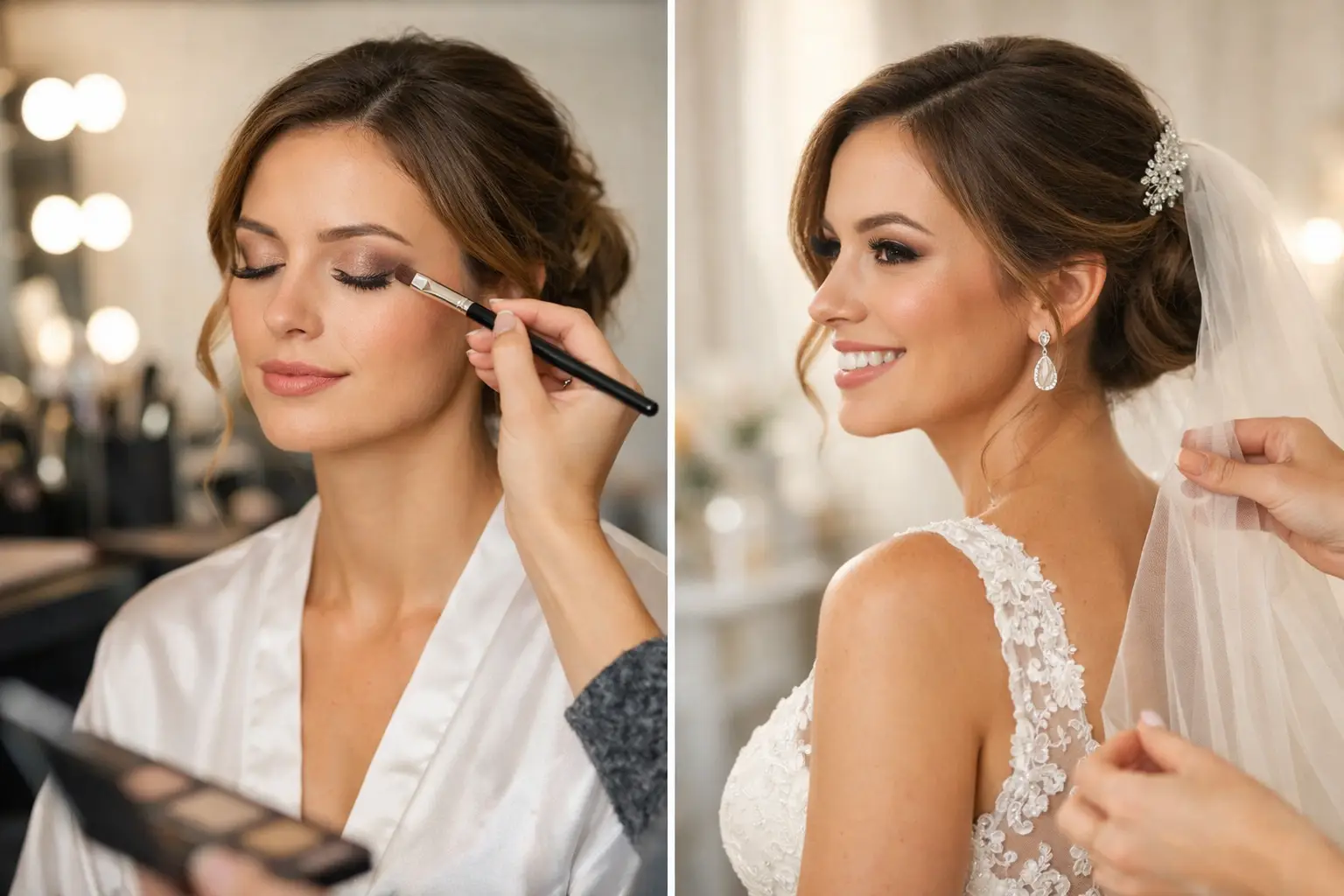
Bridal Trial vs Wedding Day Makeup
Some brides are surprised by how different bridal trial vs wedding day makeup can feel, even when the look is meant to be the same. The trial is where ideas are tested, adjusted, and translated into something wearable for your features, skin, and comfort level. The wedding day is about execution – calm, efficient, and polished – with far less room for experimenting.
That difference matters, especially if you want makeup that looks elevated in person, photographs beautifully, and still feels like you. A soft glam bridal look is rarely about adding more. It is about refining the right details, preparing the skin properly, and making thoughtful adjustments so the final result wears well for hours.
Bridal trial vs wedding day makeup: what changes?
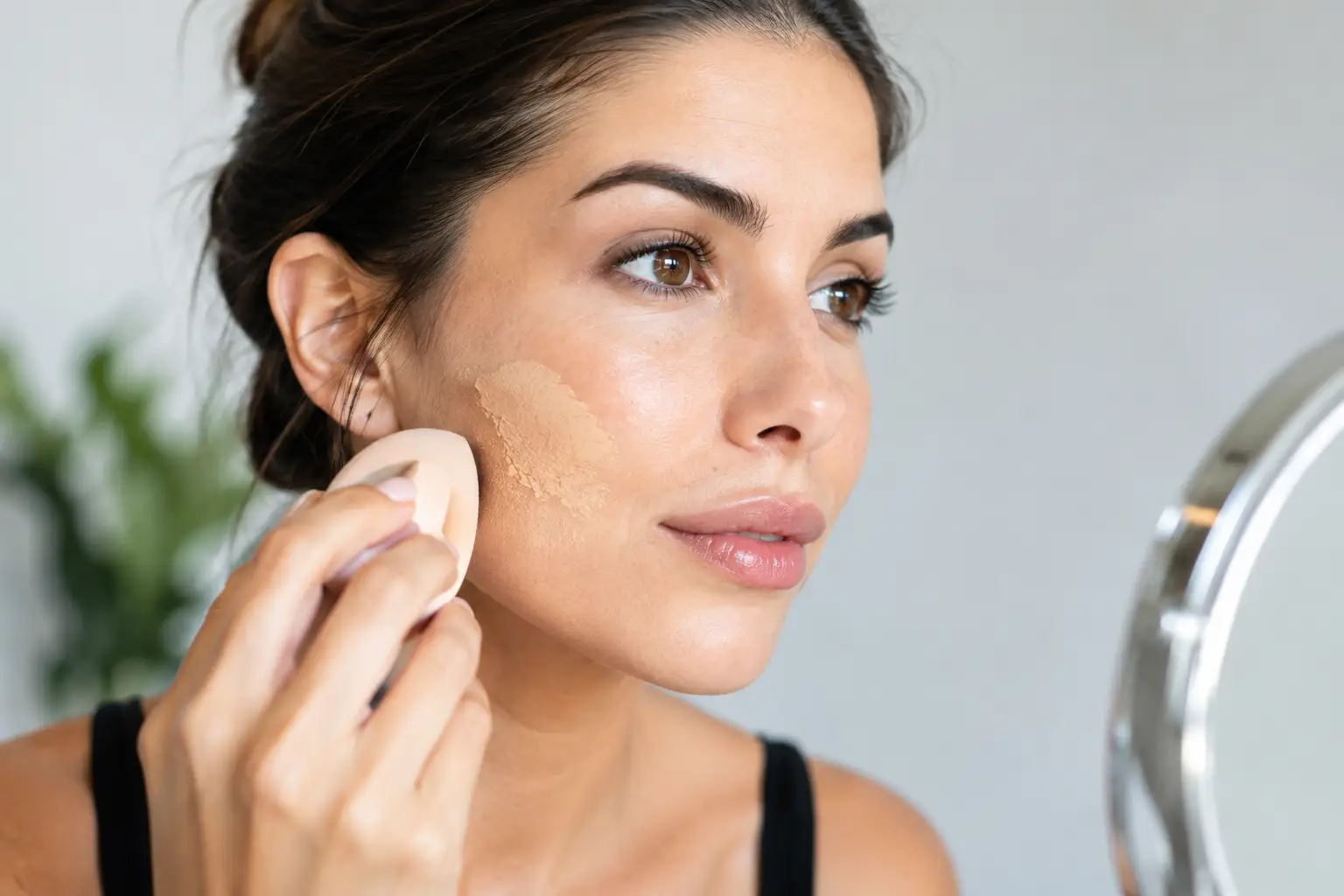
A bridal trial is a planning appointment as much as it is a makeup appointment. You are not just seeing if a lip color looks pretty or whether you prefer a softer lash. You are learning how certain textures sit on your skin, how much definition feels right to you, and how your overall look comes together once it is on your face rather than saved on a Pinterest board.
On the wedding day, the purpose shifts. By then, the questions should be mostly answered. Your artist already knows your preferences, your skin concerns, your timing, and the details that make the look feel complete. That creates a much smoother experience, which is especially valuable on a morning that already has plenty of moving parts.
The biggest difference is not just the makeup itself. It is the mindset behind the appointment. A trial is exploratory. The wedding day is decisive.
What a bridal trial is really for
Many brides assume a trial is only necessary if they are unsure what they want. In reality, even clients with a very clear vision benefit from one. Photos can communicate style, but they cannot fully predict how products will perform on your skin tone, skin type, or facial structure.
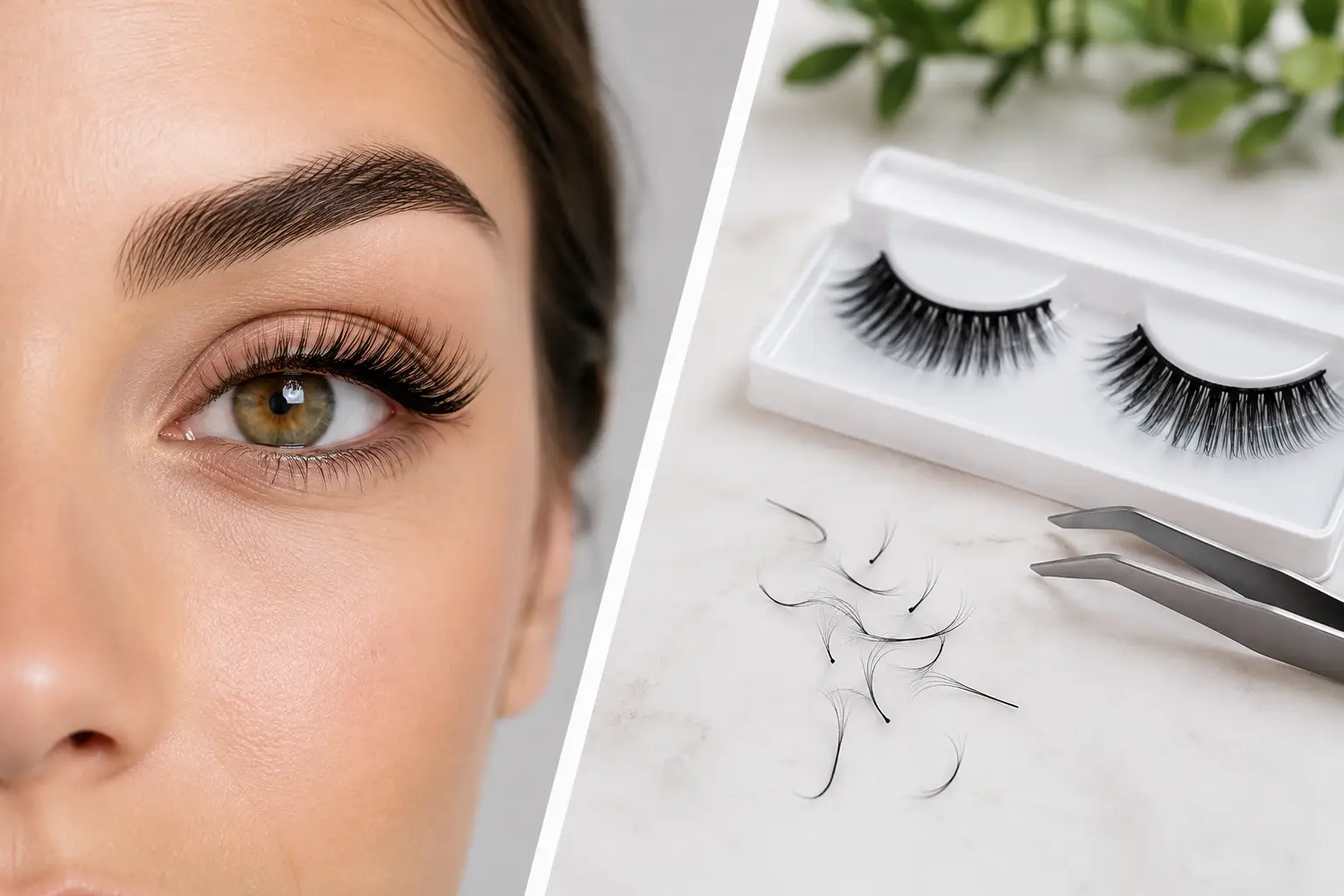
A good trial helps answer practical questions that are difficult to resolve in theory. Do you actually like a fuller lash once it is applied? Does your skin prefer a more hydrated prep or a more controlled matte base? Does the amount of contour you imagined feel polished, or does it start to look less like you than expected?
This is also where your artist can assess the details that affect longevity. If your skin is dehydrated, textured, acne-prone, or sensitive, those factors influence product choice and prep. Brides who do not wear much makeup daily often find a trial especially reassuring because it gives them space to react honestly, ask questions, and make changes without pressure.
Just as important, the trial builds trust. When you know your artist understands your preferences and has already refined your look, it is much easier to sit in the chair on your wedding morning and relax.
The trial is not always the final version
This is one area where expectations matter. A trial should get you very close to your wedding look, but it does not always need to be identical in every detail. Sometimes adjustments are made afterward based on how the makeup wore, how it photographed, or how you felt in it over several hours.
That is normal. In fact, it is often the sign of a productive trial. The goal is not perfection on the first pass. The goal is clarity.
Why wedding day makeup often looks better than the trial
Brides sometimes worry if their trial felt nice but not quite magical. Often, the wedding day makeup ends up looking even more refined. That does not happen by accident.
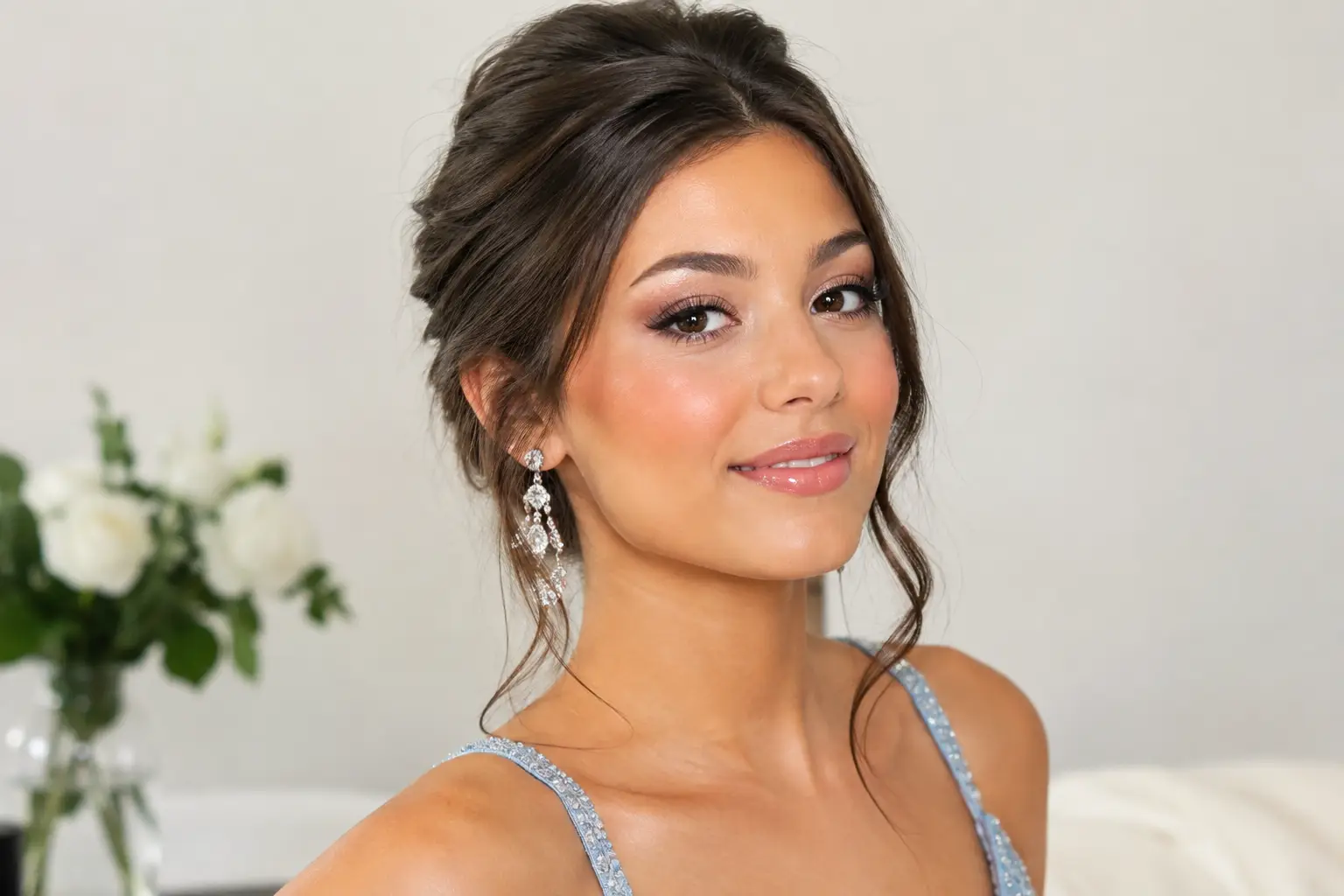
By the time the wedding day arrives, your artist is not making first-time decisions. The shades, balance, and structure of the look have already been worked through. Skin prep can be tailored more precisely. Timing is smoother. There is also usually a stronger sense of the full picture – hair, dress, jewelry, lighting, flowers, and the overall tone of the event.
Your own energy plays a role too. When everything is coming together, the makeup tends to make more sense visually. A bridal look can feel understated during a trial when you are wearing casual clothes in daylight with no veil, no hairstyle, and no occasion around it. On the wedding day, that same level of polish often feels exactly right.
Lighting, photography, and wear time matter
Wedding makeup is designed for a longer and more demanding day than everyday makeup. It needs to look soft up close, balanced in photography, and stable through hugs, happy tears, weather, and hours of wear.
That does not mean it has to be heavy. In fact, heavy makeup can age the skin visually and become more obvious in person. The better approach is strategic layering, thoughtful skin prep, and product choices that hold without masking your natural features. For many brides, this is why professional application feels different from doing more makeup on themselves. It is not just about quantity. It is about placement, texture, and durability.
Do you need a bridal trial?
For most brides, yes – especially if you are particular about looking like yourself, have specific skin concerns, or do not usually wear formal makeup. A trial is not mandatory in every case, but it is often the difference between hoping you will love your makeup and knowing you will.
There are a few situations where a bride may feel comfortable skipping one. If you have worked with the artist before, wear makeup regularly, and want a look very close to your usual style, you may feel less need for a test run. Even then, many brides still appreciate the chance to confirm details in advance.
If your event includes a large bridal party, a detailed timeline, or travel between locations, reducing uncertainty can be especially helpful. The wedding morning tends to move quickly. The fewer beauty decisions left unresolved, the calmer the experience tends to be.
How to get the most out of your bridal trial
Come with inspiration, but keep it realistic. The most helpful reference photos reflect your coloring, features, and preferred level of glam. A picture can communicate mood, but your makeup should still be customized to your skin and face rather than copied exactly.
It also helps to arrive with clean, well-cared-for skin and a sense of how you want to feel. Words like natural, glowing, soft glam, polished, and defined can mean different things to different people. A strong artist will translate those preferences into specifics, but the clearer you are about your comfort level, the better.
Wear the makeup afterward if you can. See it in daylight. Take photos. Notice what you still love after a few hours and what you would tweak. Sometimes the feedback is about color or intensity. Other times it is about something more subtle, like wanting the skin to look a little fresher or the eyes a touch softer.
Small tweaks can make a major difference
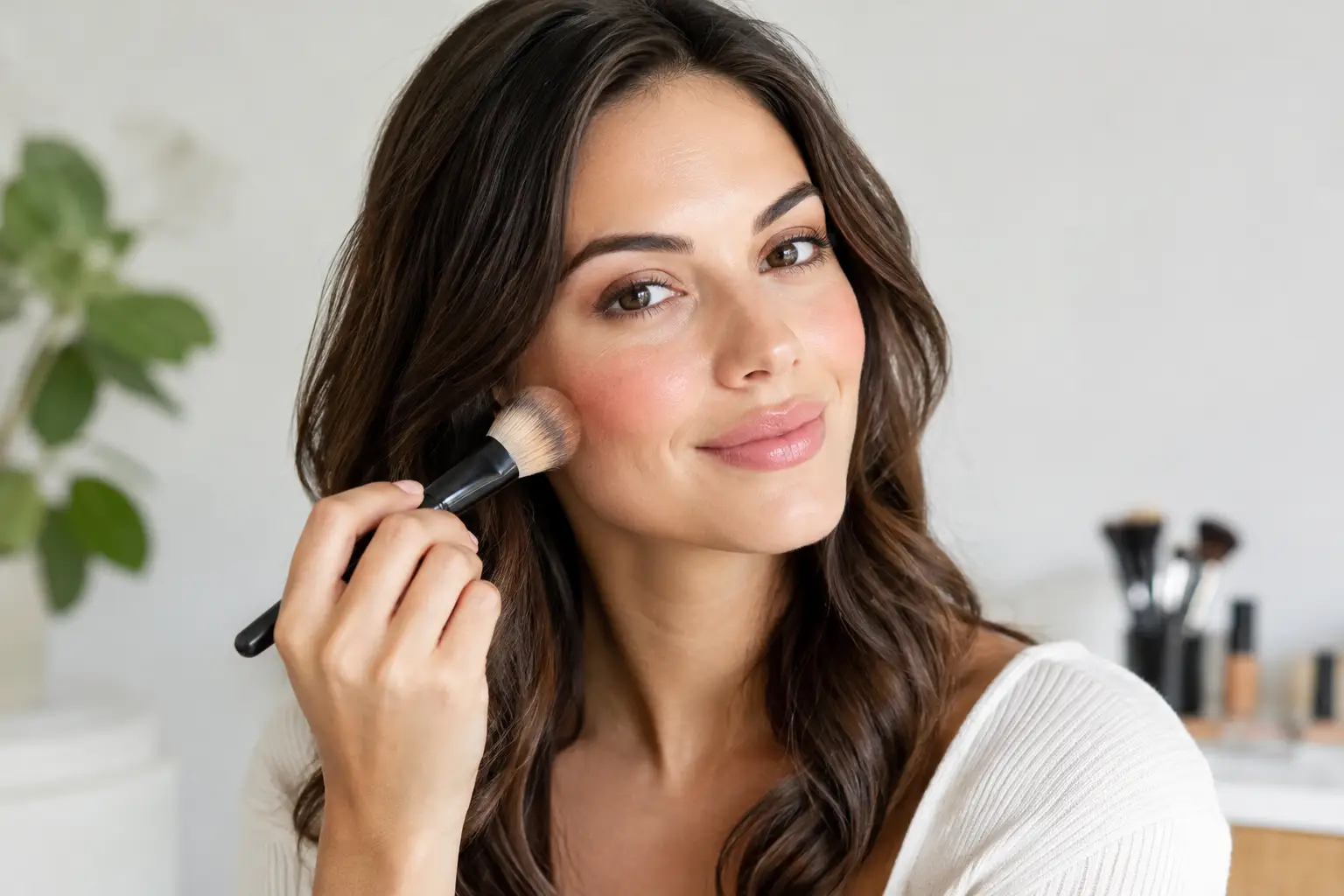
Bridal makeup is usually refined through details, not dramatic changes. A slightly warmer blush, a softer brow, less powder through the center of the face, or a different lip tone can completely shift how the look feels. That is one reason trials are valuable. They give you room to notice those small but meaningful preferences.
For artists who specialize in skin-focused soft glam, the difference often comes down to balance. The skin should still look like skin. Coverage should improve tone without flattening dimension. Features should be enhanced in a way that feels elegant, not overly transformed.
Bridal trial vs wedding day makeup for sensitive or acne-prone skin
If your skin is reactive, textured, or in the middle of a breakout cycle, a trial becomes even more useful. Products that look beautiful on one person may not sit the same way on another, and skin prep can dramatically affect the finish.
A thoughtful artist will consider hydration, sensitivity, texture, and ingredient compatibility when building your bridal look. That is not just about comfort on the day of the event. It also affects how smooth, natural, and long-wearing the makeup appears in person and on camera.
This is one reason many clients in Northern Virginia and the DC area seek a more personalized bridal beauty experience rather than a rushed appointment. When the focus is on your actual skin, not a one-size-fits-all routine, the final result tends to feel both more beautiful and more believable.
The real value is peace of mind
The best reason to book a bridal trial is not simply to test makeup. It is to remove uncertainty. You get to see the look, feel it on your skin, talk through adjustments, and move into your wedding day with confidence instead of guesswork.
For a service as personal as bridal beauty, that peace of mind is worth a great deal. Your makeup should not be another source of stress on an already emotional day. It should be one of the moments that helps you settle in, feel cared for, and recognize yourself in the mirror at your absolute best.
If you are deciding between skipping the trial or making space for it, the better question may be this: do you want your wedding morning to begin with experimentation, or with certainty? For most brides, certainty feels a lot more beautiful.