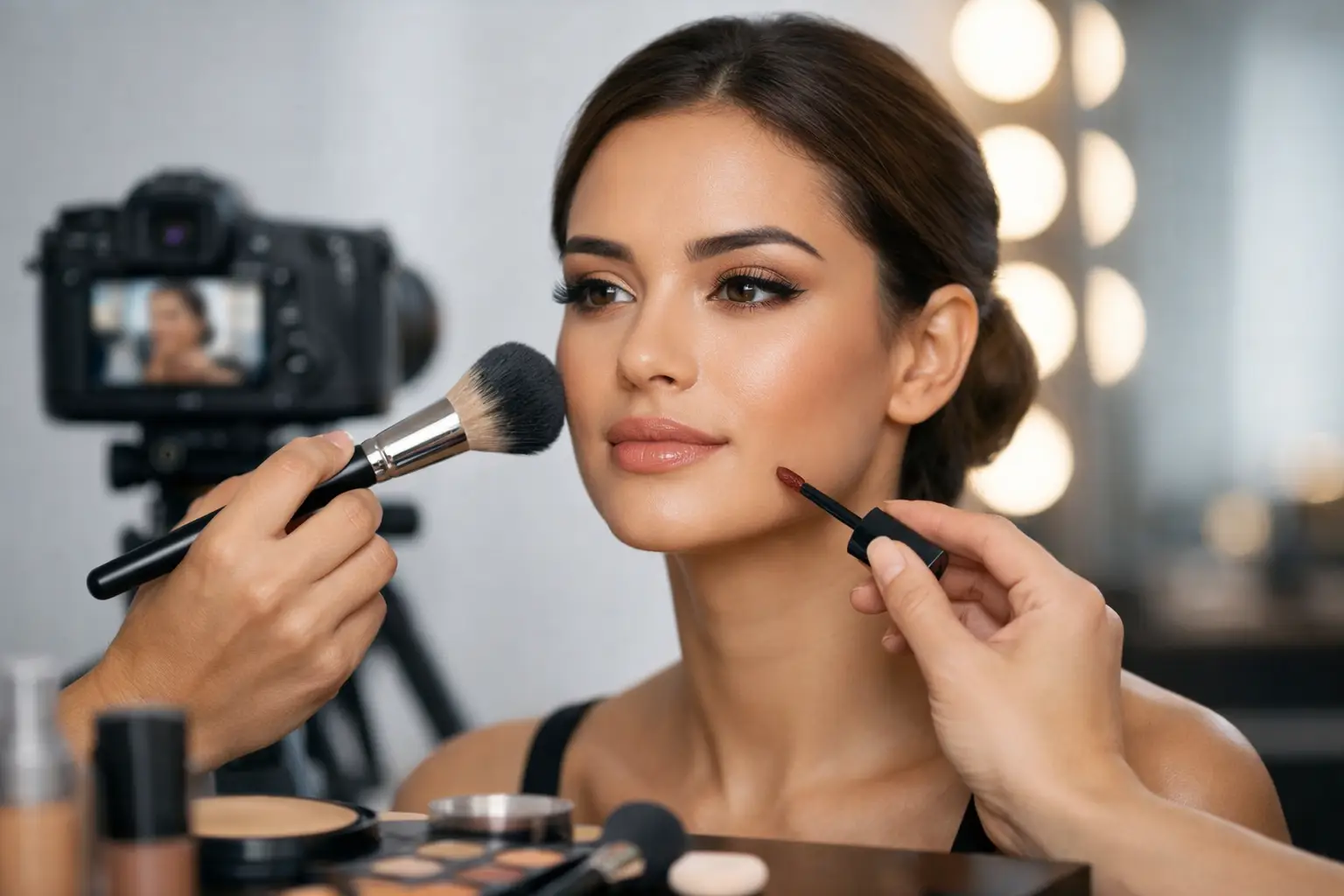
A Camera Ready Makeup Routine That Lasts
Flash photography is honest. So is a close-up video, a ceremony under midday sun, or a headshot session where every detail matters. A camera ready makeup routine has to do more than look pretty in the mirror. It needs to wear well, photograph softly, and still feel like you.
That balance is where many people get stuck. Makeup that looks polished in person can disappear on camera, while makeup that reads beautifully in photos can feel too heavy if it is overdone. The goal is not to pile on more product. It is to build the right amount of structure, color, and longevity so your features stay defined in every kind of light.
What makes a camera ready makeup routine different
Everyday makeup is usually designed for a quick check in natural light. Event and photo makeup has a different job. It needs to hold up through time, movement, changing temperatures, and the flattening effect of cameras.
Cameras tend to soften dimension and reduce contrast, especially under bright lighting. That is why skin can look shiny more quickly on camera, lashes can disappear, and complexion products that seemed perfect in the bathroom can suddenly look uneven in photos. A camera ready makeup routine accounts for that by focusing on skin preparation, strategic coverage, balanced color, and a finish that looks fresh instead of greasy.
This does not mean heavy foundation, sharp contour, or dramatic glam unless that is your preference. For many brides, professionals, and special event clients, soft glam is the best fit because it adds enough definition to translate on camera while still looking refined up close.
Start with skin, not foundation
The most beautiful makeup application usually begins before any complexion product touches the skin. If skin is dehydrated, textured, irritated, or over-exfoliated, makeup tends to cling, separate, or wear unevenly. That is why skin prep matters so much.
A thoughtful prep routine should match your actual skin condition that day, not just your skin type in general. Oily skin may still be dehydrated. Dry skin may also be sensitive. Acne-prone skin may need soothing, not aggressive layering. A well-prepped face usually includes gentle cleansing, light hydration, and targeted moisturizing, with enough time for products to settle before makeup begins.
Primer can help, but it is not a fix for poor prep. In some cases, using too many gripping or mattifying layers makes makeup look tighter and more obvious. In others, a hydrating primer on the perimeter of the face and a more smoothing product through the center creates better balance. It depends on the skin, the event, and how long the makeup needs to last.
Build coverage where you need it
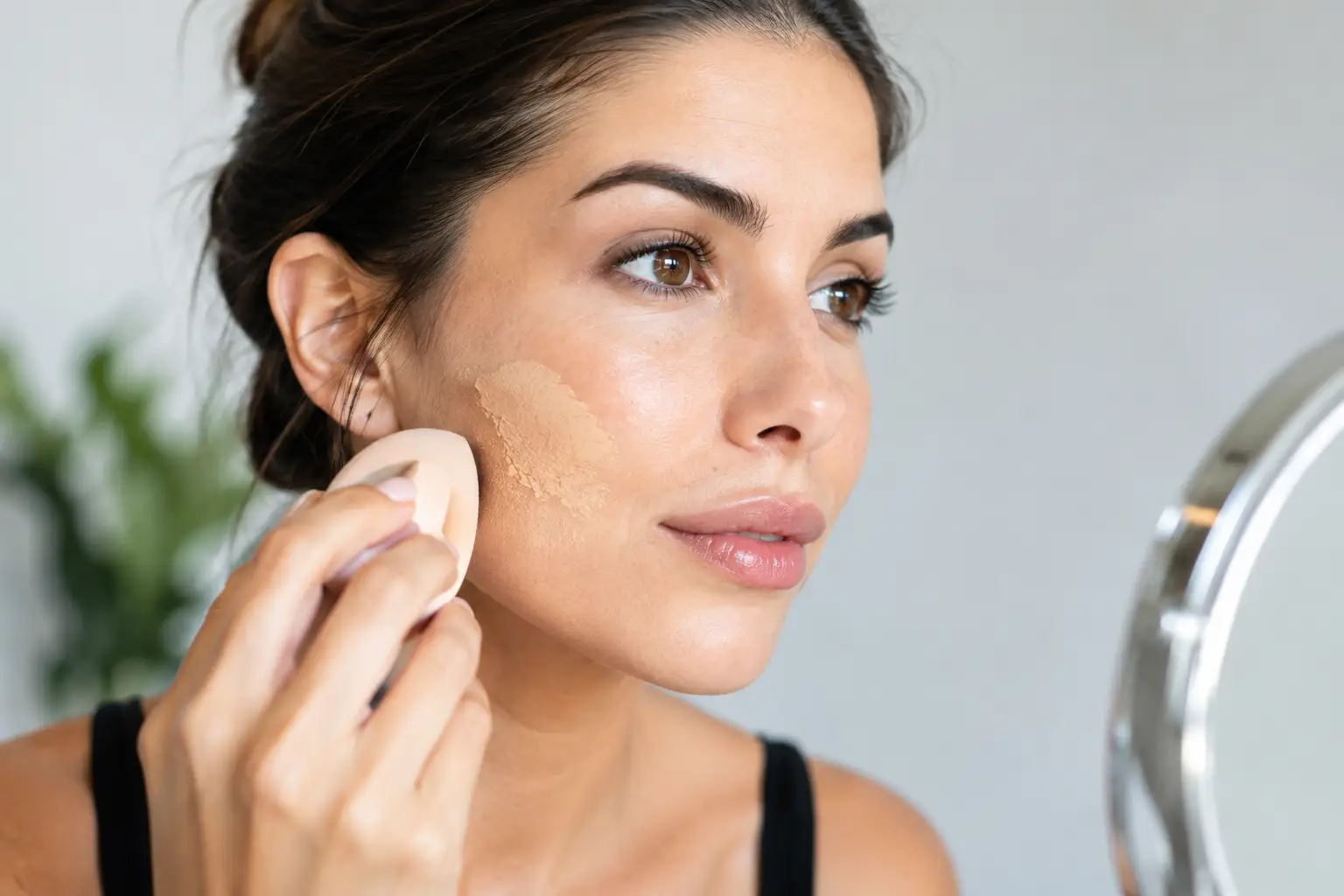
One of the biggest misconceptions about photo-friendly makeup is that full coverage everywhere is the safest choice. Usually, it is not. Skin looks more natural and photographs better when coverage is concentrated only where it is needed.
Foundation should even out the complexion without masking the natural movement of the skin. A thin, well-worked layer often performs better than a thick one. Then concealer can be added strategically around redness, blemishes, under-eye darkness, or areas of discoloration.
This approach is especially helpful for clients who do not wear much makeup day to day. It gives the finish more polish without making the face feel unfamiliar. For sensitive or textured skin, lighter layering also tends to break apart less over the course of the day.
Color matching matters just as much as coverage level. A foundation that is slightly off may be less noticeable in person than it is in photos. Undertone, neck match, and chest match all play a role, especially for events where shoulders and décolletage are visible.
Choose finish carefully
When people ask for glow, they usually do not mean shine. They mean skin that looks healthy, smooth, and alive. That distinction matters on camera.
Very dewy products can read greasy under flash or stage lighting, especially through the T-zone. On the other hand, overly matte makeup can flatten the face and emphasize dryness. The most reliable option is often a soft natural finish with controlled radiance placed intentionally on the high points of the face.
Powder is part of that balance. It does not need to cover the entire face heavily, but it should be used where makeup is most likely to crease, transfer, or break down. Under the eyes, around the nose, through the chin, and in the center of the forehead are common areas that benefit from setting. The perimeter of the face may need much less.
Definition is what helps makeup read on camera
Cameras can wash out natural contrast. Features that feel defined in person may look softer in images, which is why thoughtful shaping matters.
Brows frame the face and should look polished but not stamped on. Soft structure with realistic texture usually photographs more elegantly than a harsh block brow. Eyes benefit from gentle depth at the lash line and crease, even if the look is neutral. Without that dimension, the eyes can seem smaller or tired in photos.
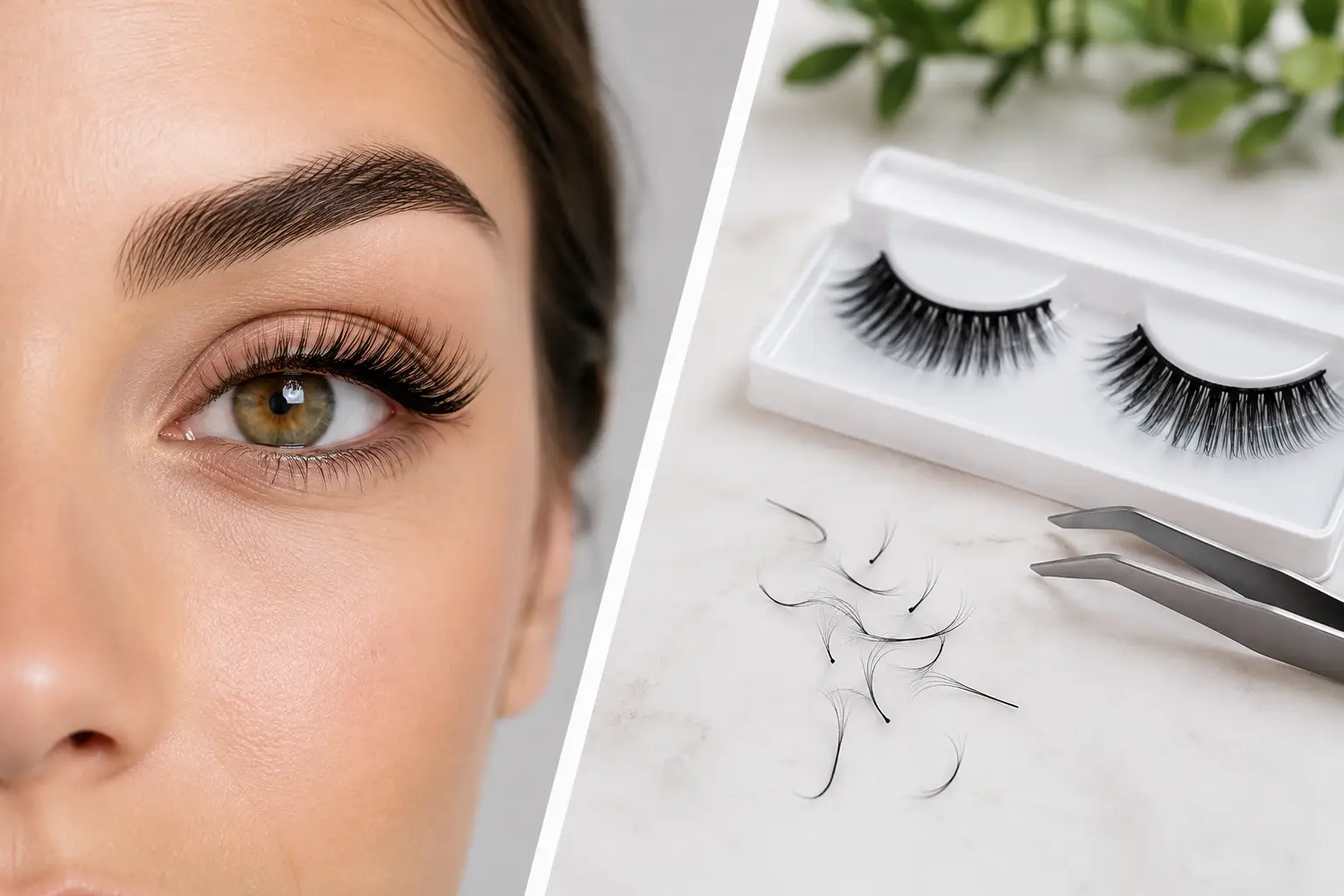
Lashes make a noticeable difference, whether that means mascara layered carefully or a lightweight lash that enhances the eye shape without overpowering it. Eyeliner does not have to be dramatic, but some definition near the lashes helps the eyes stay visible in photographs.
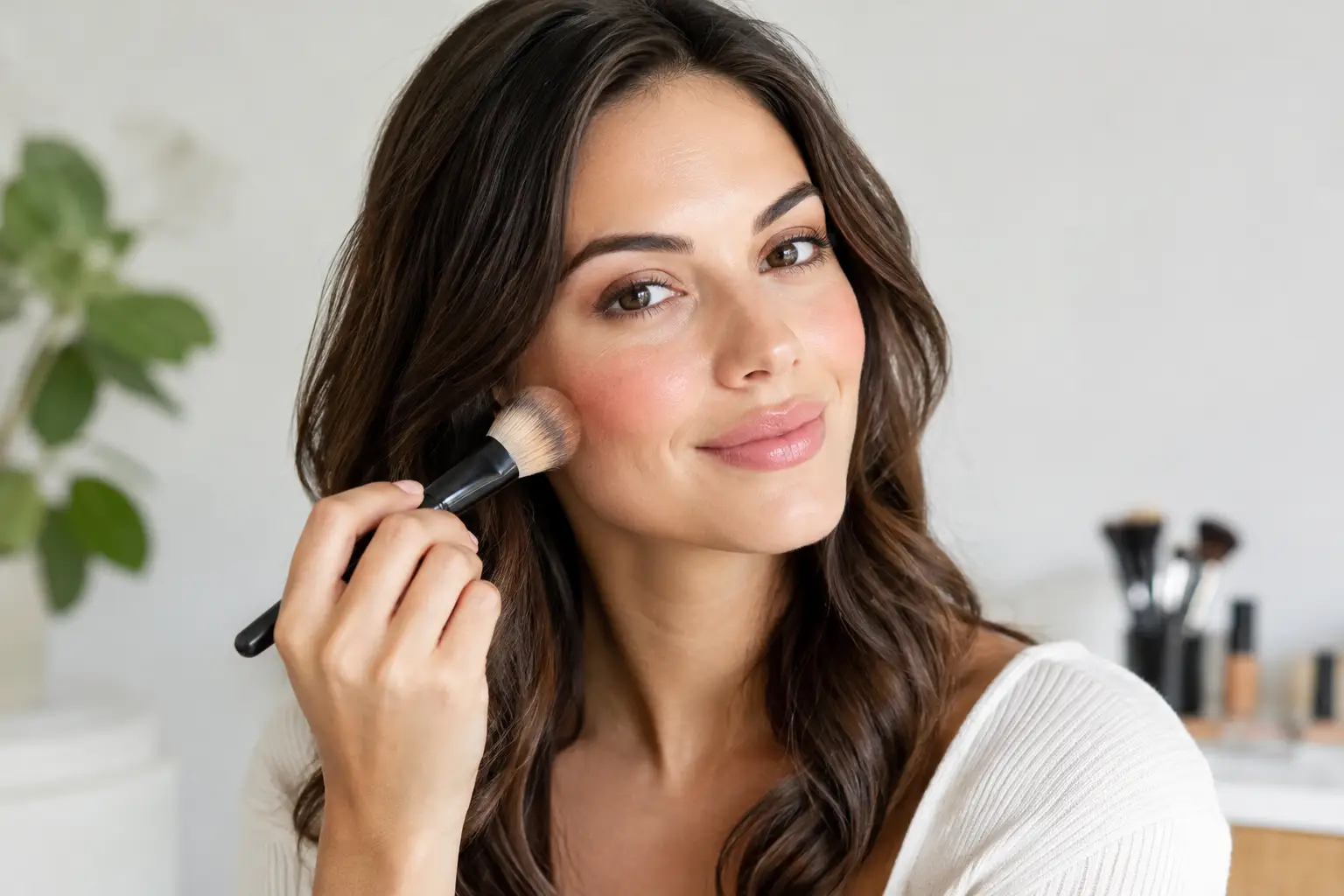
Cheeks and lips also need a little more intention than usual. Blush is especially important because it restores life to the complexion after foundation evens everything out. Bronzer and contour can help, but they should support the face rather than reshape it into something unrecognizable. Lips need enough color to avoid disappearing, even if the final look is a soft nude or rose.
A camera ready makeup routine for different events
Not every occasion needs the same level of durability or definition. A bridal look has different demands than a maternity session or a professional headshot.
For weddings, longevity is usually the priority. The makeup needs to hold through emotion, hugging, weather changes, and many hours of wear. Skin prep, cream-to-powder layering, and setting techniques become more important here.
For headshots, the focus is often polished clarity. Makeup should refine the skin and define the eyes without distracting from expression. In corporate or personal branding photography, less shimmer and cleaner complexion work usually serve the final images best.
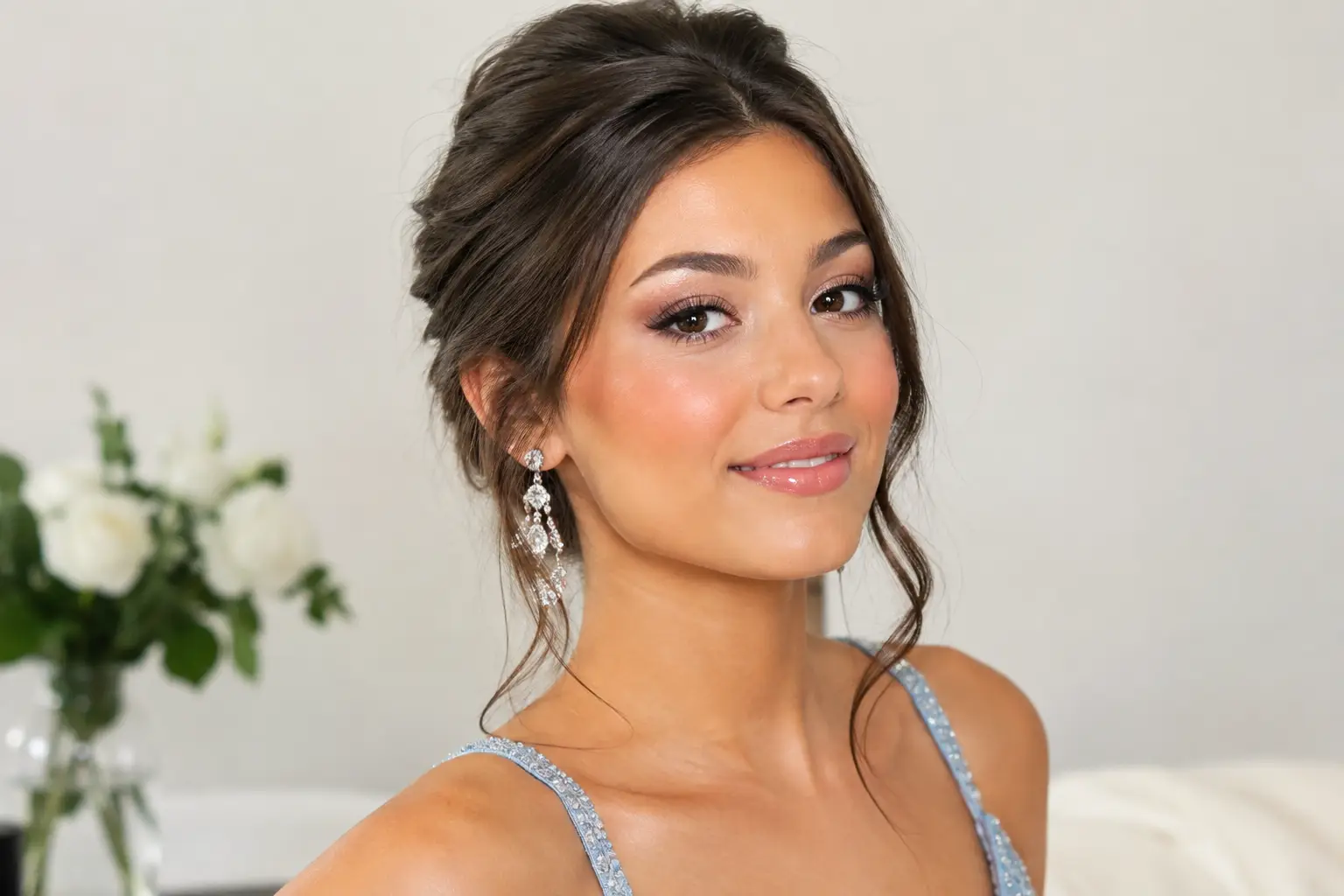
For evening events, there is often more room for depth, contrast, and a touch more glow because the environment is dimmer and the occasion is more formal. Prom, galas, and cultural celebrations may call for a slightly stronger lash, lip, or eye look so the face still feels balanced in photos.
Common mistakes that can work against photos
Some makeup issues are easy to miss until you see the final images. SPF-heavy products can create flashback in certain lighting conditions. Too much powder can collect and look dry. Very light concealer under the eyes can appear stark instead of brightening. Overly reflective highlighter can create hotspots on the skin.
Another common issue is rushing. When products are applied too quickly without time to settle, they are more likely to separate. This is one reason professional application often feels calmer and more precise. The result is not just prettier at the start. It usually wears better because each layer has a purpose.
Trying a completely new look right before an important event can also backfire. If you are not sure how much coverage you like, whether lashes feel comfortable, or how certain tones suit your skin, a trial is often worth it. That extra step creates confidence, which shows up in photos just as much as the makeup itself.
Why personalization matters most
The best camera-ready makeup is not based on trends alone. It is shaped around your skin, your features, your event, and how you want to feel when people are looking at you and when cameras are, too.
Someone with mature skin may need a different powder strategy than someone with oily skin. A bride planning an outdoor summer ceremony in Northern Virginia will likely need a different complexion approach than a client preparing for indoor studio photography in DC. If your skin is acne-prone, sensitive, or reactive, product selection becomes even more important.
That is why a personalized, unrushed approach matters. Good makeup is technical, but it should also feel reassuring. You should not be worrying about whether your concealer is creasing, whether your blush disappeared, or whether your makeup still looks like you.
At its best, a camera ready makeup routine creates quiet confidence. Your skin looks polished, your features are gently defined, and nothing feels forced. When that balance is right, you stop thinking about your makeup and start enjoying the moment in front of you.