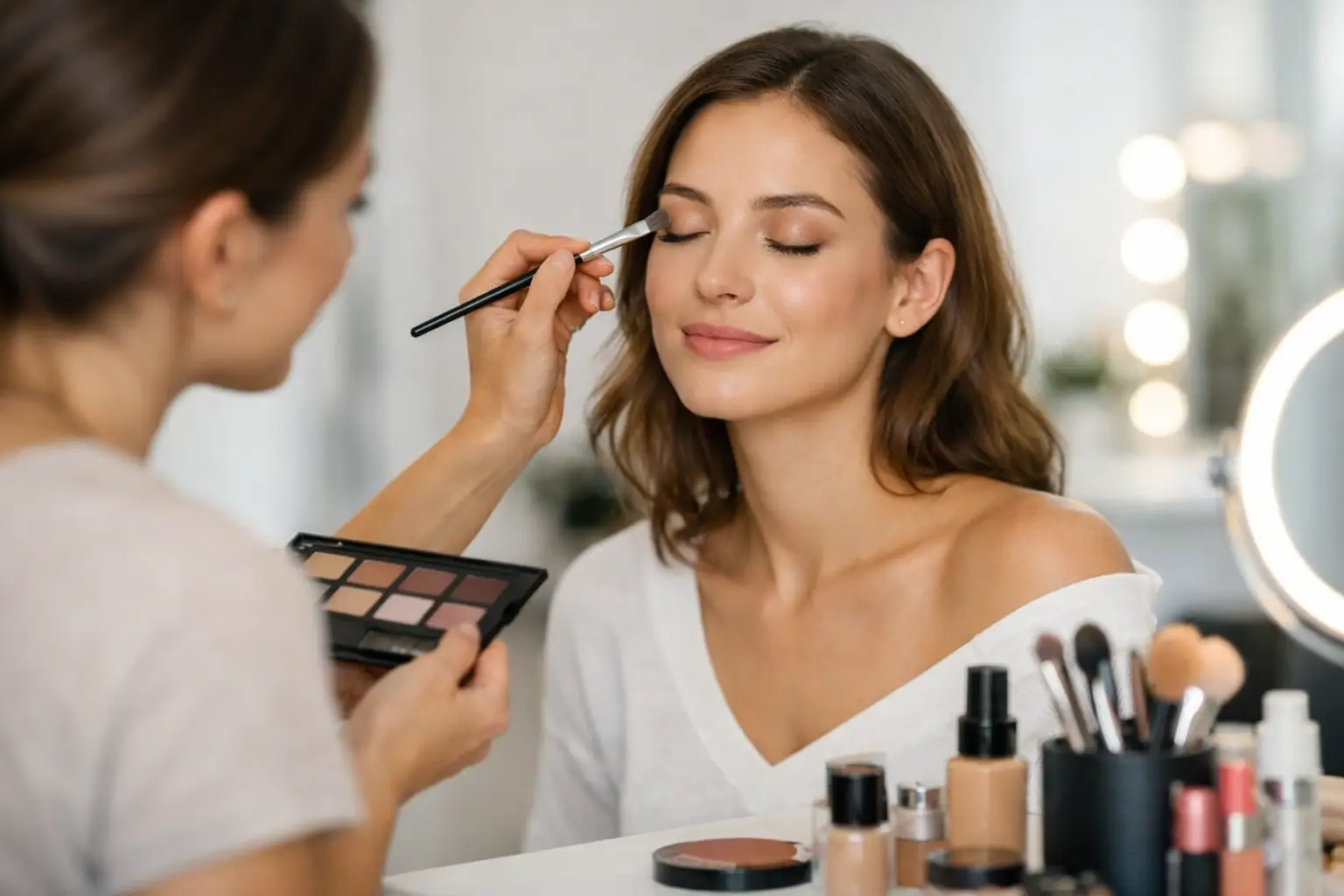
Makeup Lesson for Beginners That Feels Easy
If you have ever sat in front of a mirror with a new makeup bag and no real idea where to begin, you are not alone. A makeup lesson for beginners should not feel like a performance or a test. It should feel clear, calm, and tailored to your face, your skin, and the way you actually want to look.
For many women, the hardest part is not applying makeup. It is sorting through advice that assumes you already know the basics, have endless time, or want a full glam look every day. Most beginners want something much more practical. They want to look polished, fresh, and like themselves, just a little more refined.
What a makeup lesson for beginners should actually teach
A good lesson starts with skin, not color. That surprises people, but it is often the difference between makeup that looks smooth and natural and makeup that feels heavy, patchy, or uncomfortable by lunchtime. If your skin is dry, textured, sensitive, or acne-prone, product choice and prep matter as much as technique.
That is why the first step is learning what belongs on your skin before foundation ever touches it. A beginner does not need ten prep products. She needs a few that support the skin she has. That might mean lightweight hydration for dehydration, oil control in targeted areas, or a primer only where makeup tends to break apart. More product is not automatically better. Often, it is the reason makeup starts to look obvious.
From there, the lesson should focus on a core routine that makes sense for your lifestyle. If you wear makeup a few times a year for weddings, headshots, or formal events, your routine will look different from someone who wants an everyday five-minute face. Both are valid. The right lesson does not force one standard onto everyone.
Start with the products you will truly use
Beginners often think they need a full professional kit to get a good result. In reality, a smaller, carefully chosen set of products is usually better. It is easier to learn with fewer variables, and it saves you from buying products that sit untouched in a drawer.
A strong beginner routine usually includes a skin tint or foundation, concealer, brow product, mascara, blush, and a lip color that feels easy to wear. Depending on your preferences, you may also want a bronzer or a soft neutral shadow. That is enough to create a polished face for work, photos, dinners, and events without feeling overly made up.
The trade-off is that fewer products leave less room for dramatic transformation. But for most beginners, that is actually a benefit. You are learning balance, placement, and blending before adding complexity. Once those foundations are in place, extra steps become much easier.
The base products that make the biggest difference
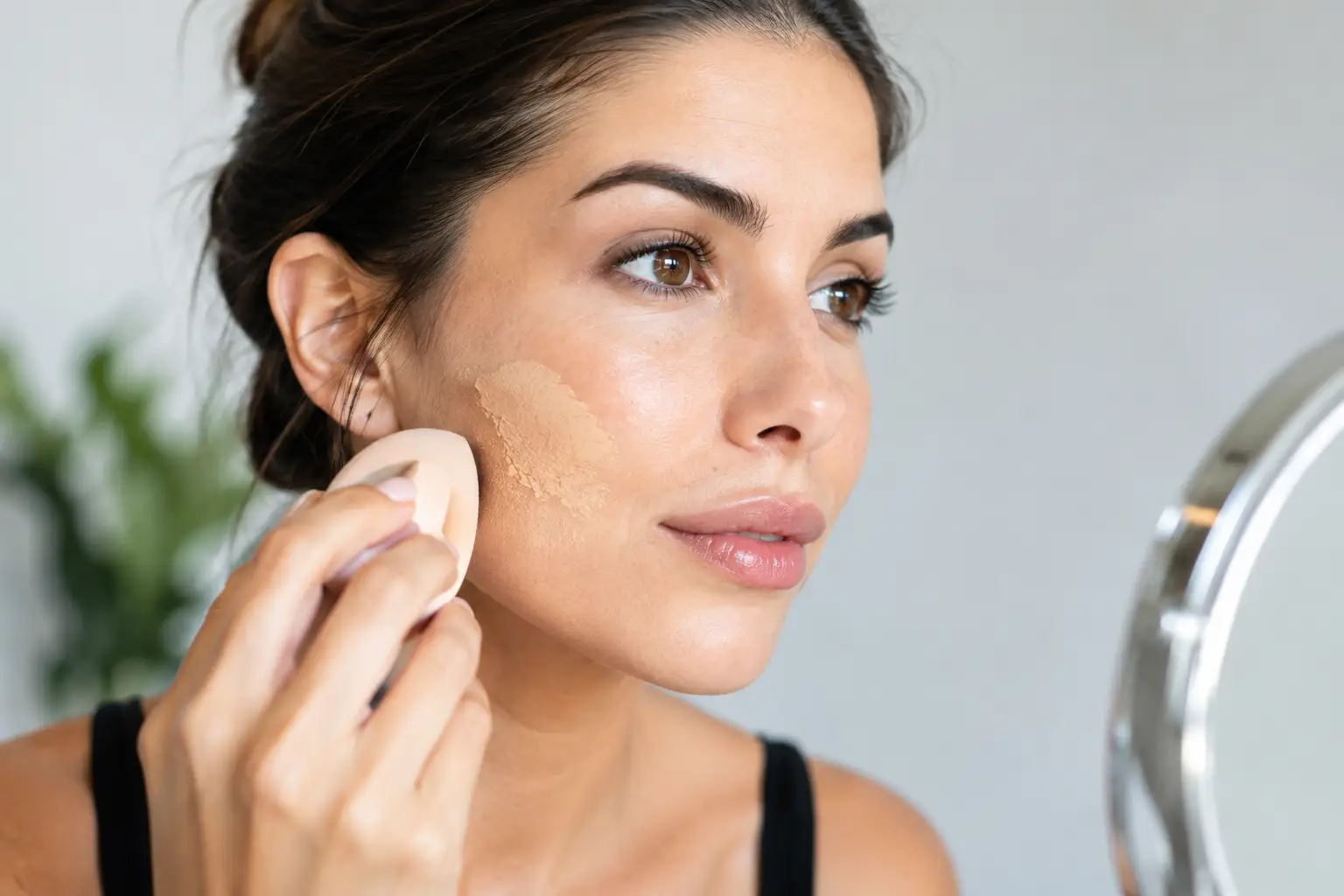
Foundation is where many beginners get discouraged. They expect it to make skin look flawless, but the wrong formula can settle into dryness, emphasize texture, or feel mask-like. A lesson should help you choose the level of coverage that matches your comfort level. For some, that is a light skin tint with spot concealing. For others, it is a medium-coverage foundation for events and photography.
Concealer is another area where restraint matters. It should brighten or correct strategically, not erase every natural variation in the face. When used well, concealer can make you look rested and polished. When overapplied, it can look dry and obvious, especially under the eyes.
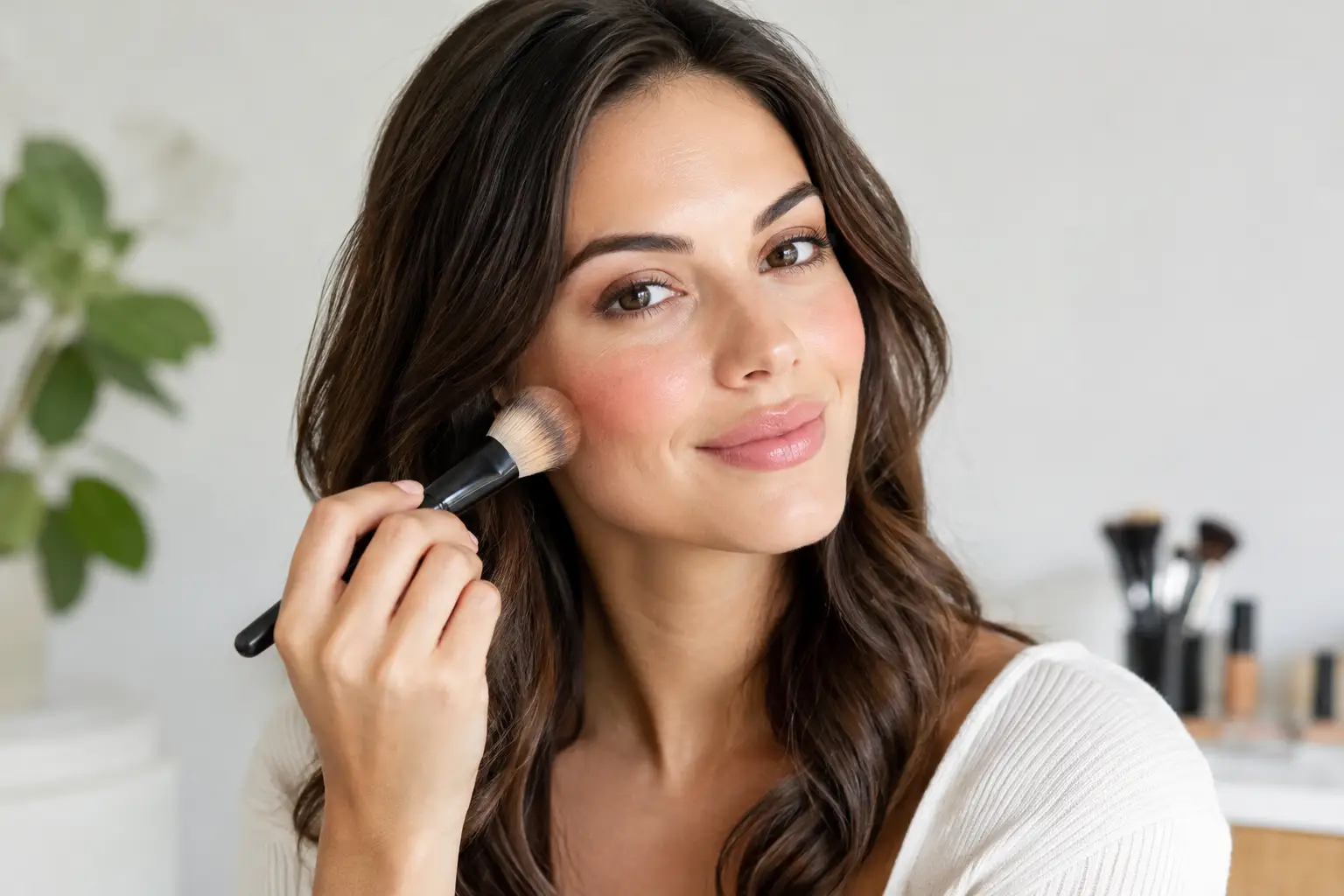
Blush is often the quickest way to make the face look alive. A soft, well-placed blush adds shape and freshness without requiring advanced technique. For beginners, this can be more impactful than contour, which is often less forgiving and easier to overdo.
Technique matters more than trends
Social media has made makeup look more complicated than it needs to be. Full-coverage base, sharp contour, cut crease shadow, baking, and dramatic setting techniques can all have their place, but they are not the starting point for most women. A beginner-friendly approach is about creating clean, believable skin and gentle definition.
That means learning how much product to use, where to place it, and when to stop. Blending is important, but so is intention. If you keep adding product to fix a result you do not love, things usually get heavier, not better.
A lesson should also teach the order of application in a way that feels logical. There is some flexibility, but a simple structure helps. Skin prep first, then complexion, then brows and eyes, then cheeks and lips, and finally setting where needed. You do not need to follow every beauty rule exactly. But having a repeatable sequence builds confidence quickly.
The areas beginners tend to overwork
Brows are one of the most common examples. Beginners often apply too much product, choosing a shade that is too dark or filling the brow too densely from front to tail. Softer pressure and less product usually create a more polished result.
Powder is another. If you are oily, powder can be helpful. If you are dry or textured, too much can age the makeup and make the skin look flat. The right amount depends on your skin type, the finish of your base products, and how long you need the makeup to wear.
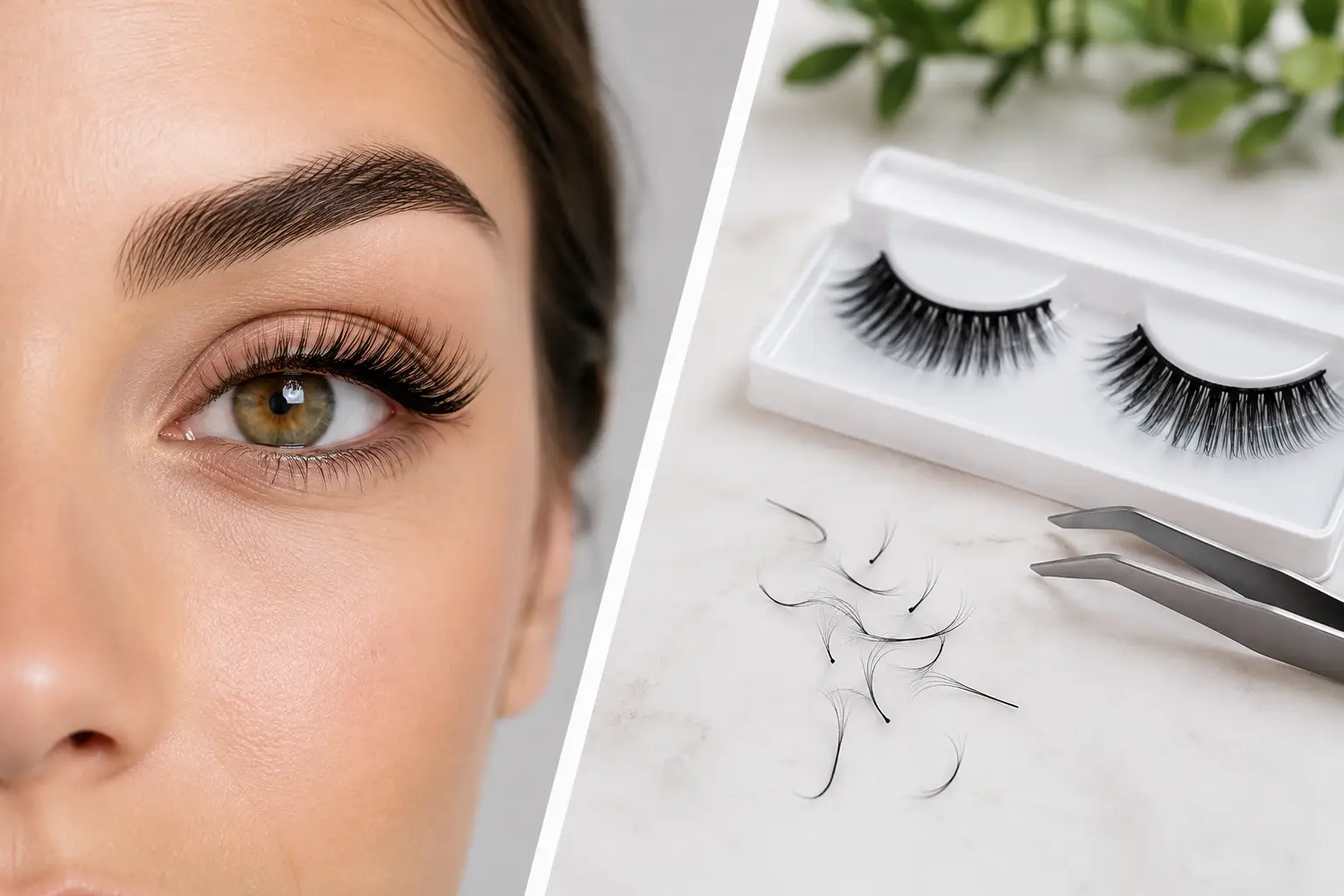
Eyeshadow also does not need to be complicated. A single soft neutral shade through the crease, a subtle lid color, and mascara can create enough definition for most occasions. If eyeliner feels intimidating, start with tightlining or a softly smudged shadow near the lash line instead of a sharp liquid wing.
A makeup lesson for beginners should be personalized
The most helpful instruction is never one-size-fits-all. Face shape, eye shape, skin condition, undertone, age, and personal style all affect what will look best and feel easiest to maintain. Someone with hooded eyes needs different guidance than someone with a lot of lid space. Someone managing redness or sensitivity needs a different complexion strategy than someone with consistently balanced skin.
This is where a professional lesson becomes especially valuable. Instead of guessing from tutorials, you can learn techniques that match your features and products that suit your skin. That saves time, money, and frustration. It also creates a much more realistic routine because it is built around your actual needs.
For clients in Northern Virginia and Washington, DC, that personalization often matters most when makeup needs to perform for a specific event. A daytime makeup look for a baby shower is different from an evening gala look, and both differ from makeup for flash photography or a wedding. The same face can support all of those looks, but the finish, coverage, and longevity strategy may change.
What to expect from your first lesson
Your first lesson should leave you feeling more capable, not more overwhelmed. The goal is not to memorize a complicated script. It is to understand the why behind each step, so you can repeat it with confidence.
In a well-guided lesson, you should learn how to prep your skin, how to choose shades that work in natural light, how to build coverage without heaviness, and how to make a few targeted products do the most work. You should also have room to ask real questions. Why does foundation separate on your nose? Why does concealer crease? Why does lipstick disappear after an hour? These are practical concerns, and they deserve practical answers.
At Taylor Bailey Makeup Artist, the approach to makeup lessons reflects the same philosophy behind event makeup – polished, skin-focused, and natural-looking. That means teaching techniques that enhance your features rather than hiding them, while also accounting for wear time, skin comfort, and the level of finish you want.
Building confidence after the lesson
Confidence usually comes from repetition, not perfection. The first few times you repeat your routine, it may take longer than you expect. That is normal. Speed comes later. What matters at the beginning is learning how your products behave and how your face responds.
It also helps to practice in the conditions where you will actually wear the makeup. Natural daylight is ideal for checking color and blending. If the look is for an evening event, glance at it in indoor lighting too. Makeup can shift depending on the environment, and seeing that difference early helps you adjust.
Be patient with yourself if one step takes time. Mascara smudges happen. Blush can go on too strong. Foundation shades sometimes need adjusting between seasons. None of that means you are bad at makeup. It means you are learning a skill, and like any skill, it gets easier when the process is simple and the instruction is thoughtful.
The best beginner makeup does not announce itself before you walk into the room. It supports how you want to feel when you get there – rested, polished, comfortable, and fully yourself. That is a much better place to start than chasing a version of beauty that was never meant for your face in the first place.