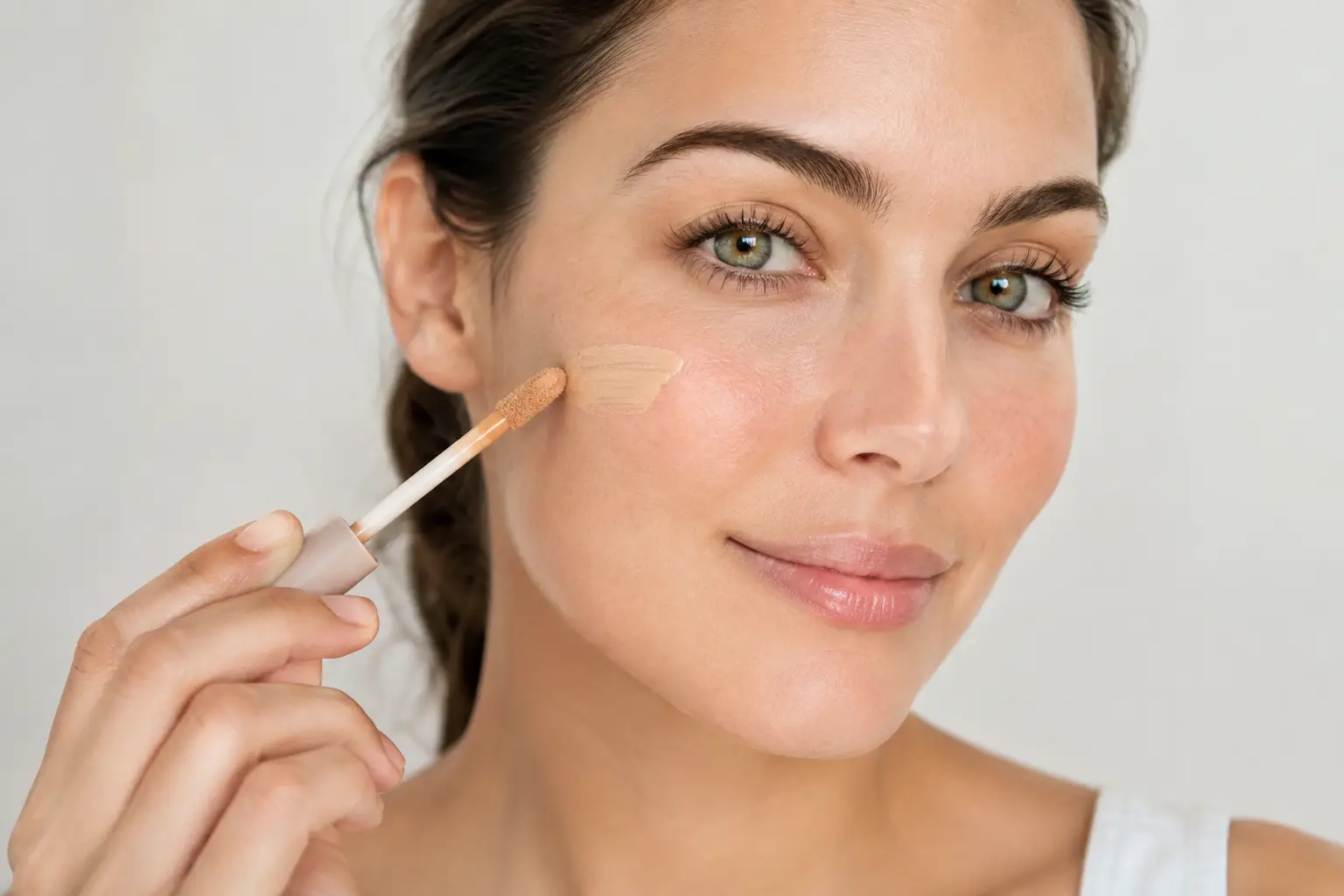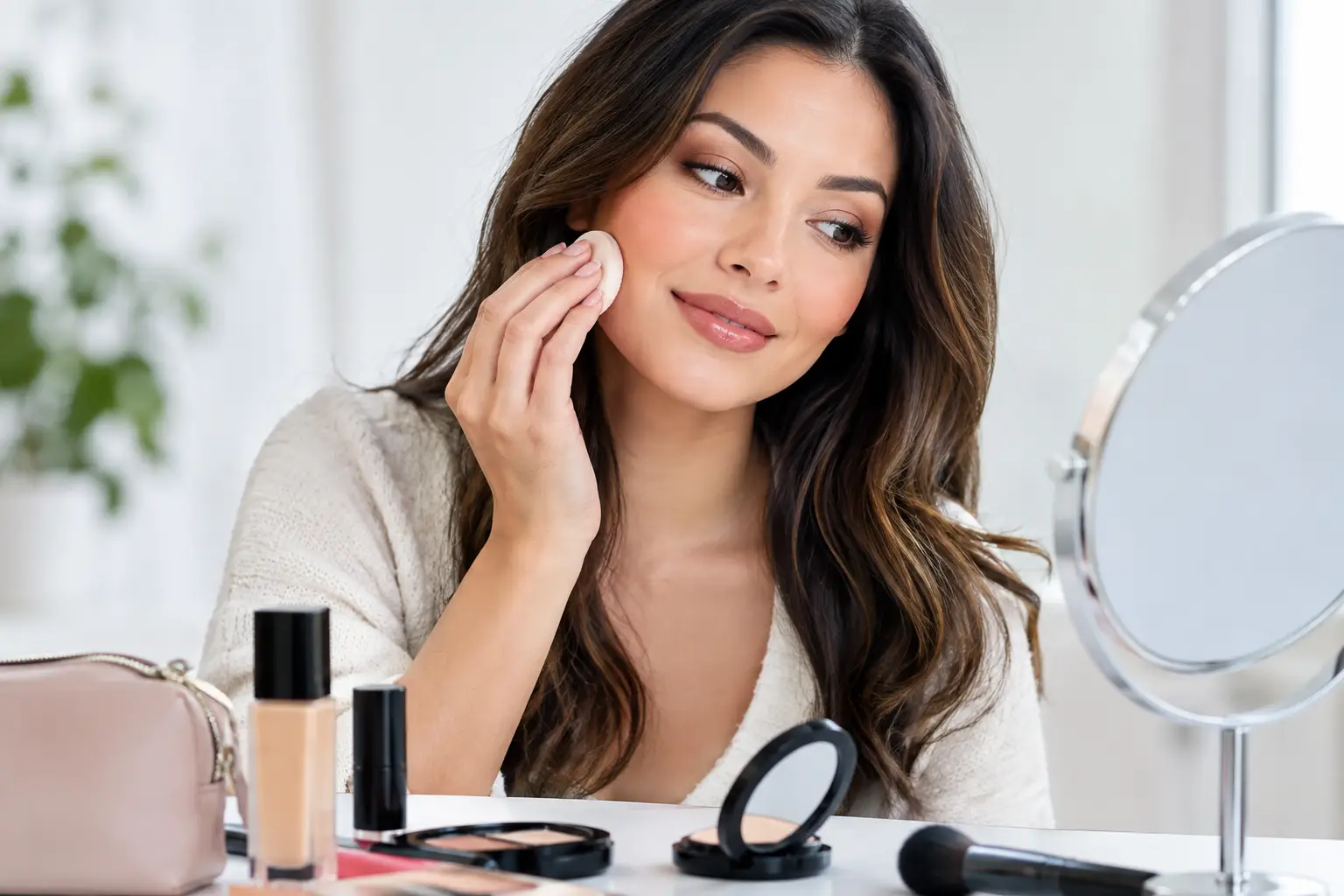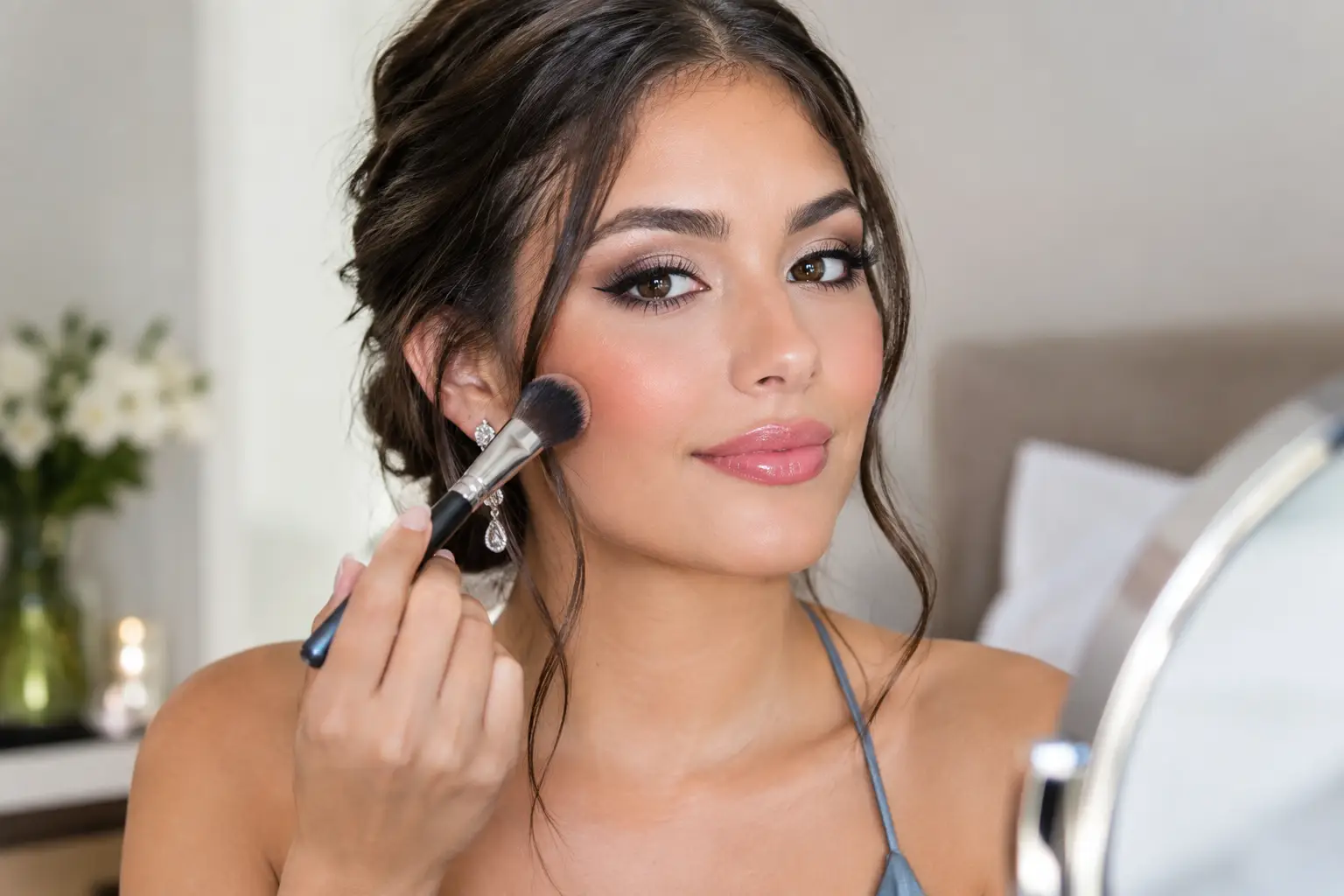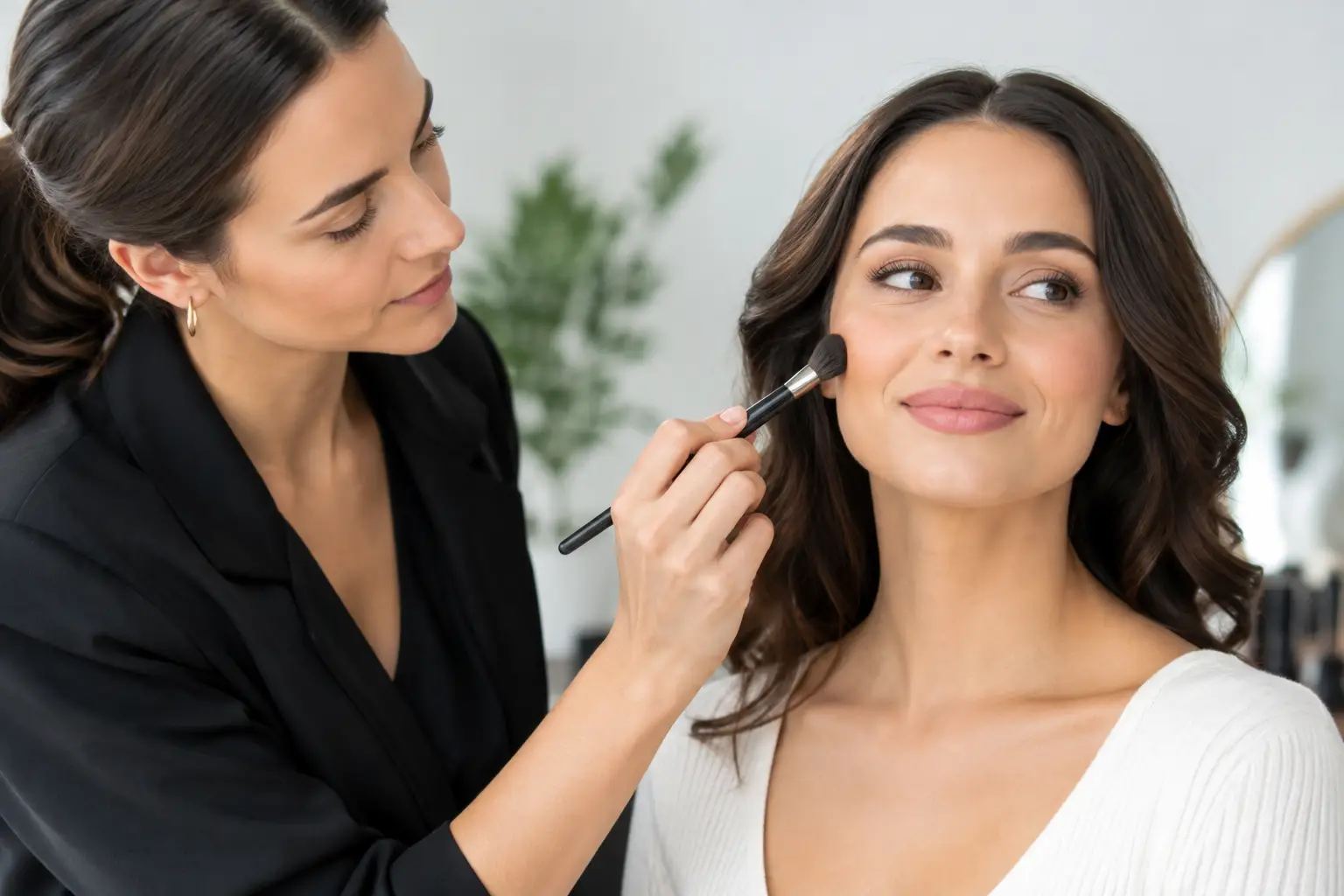
How to Prepare Skin for Wedding Makeup
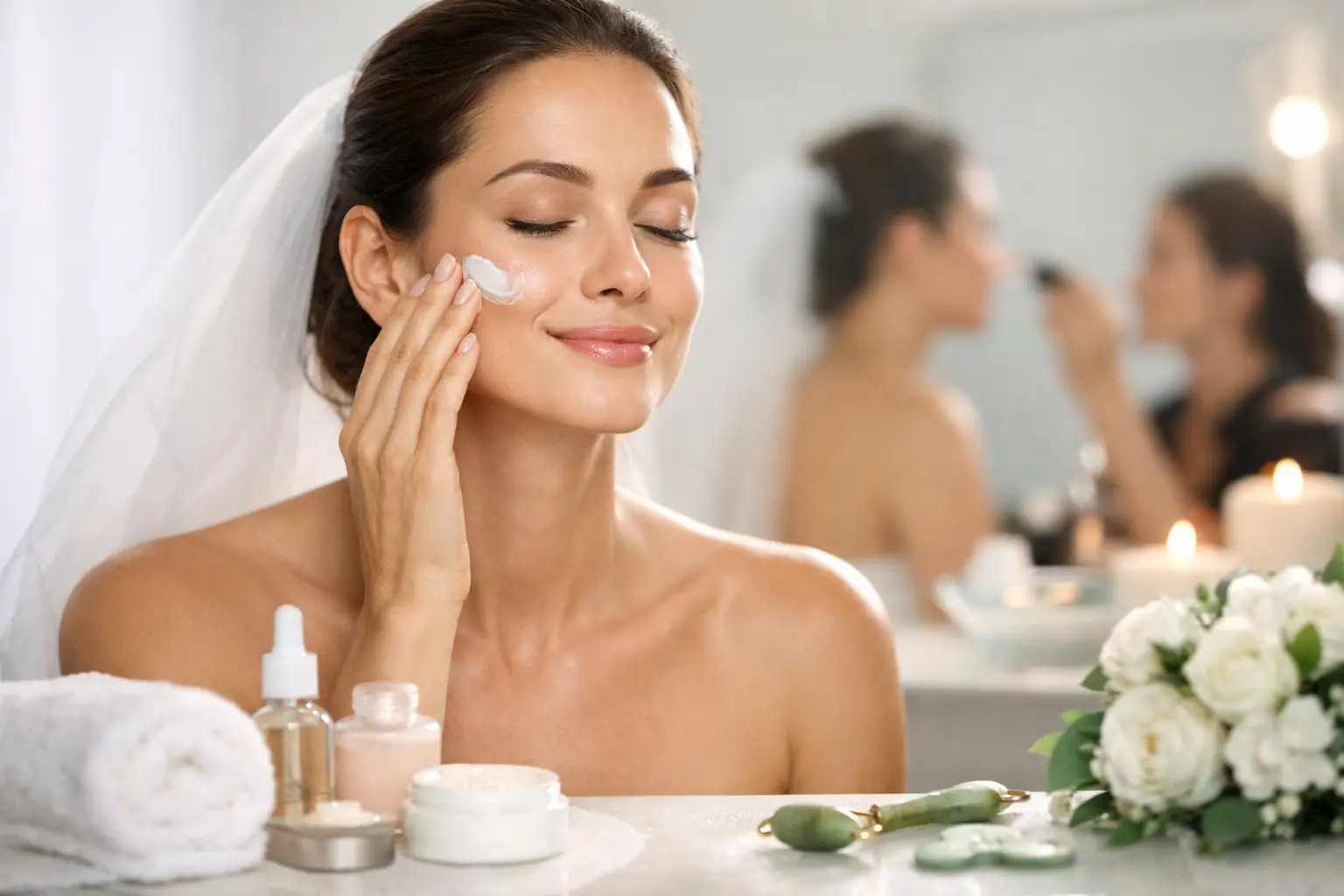
Your wedding makeup can only sit as beautifully as the skin underneath it. If you are wondering how to prepare skin for wedding makeup, the goal is not to chase perfection in the final week. It is to create calm, balanced, well-cared-for skin so your makeup applies smoothly, wears comfortably, and still looks like you in person and in photos.
That matters more than most brides expect. Even the most polished soft glam makeup can cling to dryness, separate over excess oil, or emphasize texture if the skin is irritated or dehydrated. Good preparation helps foundation look more natural, blush blend more evenly, and overall wear stay fresh from the first look through the last dance for your photographer.
How to prepare skin for wedding makeup starts earlier than the wedding week
The best skin prep is gradual. Brides often assume the right facial a day or two before the wedding will solve everything, but last-minute treatments can backfire. Redness, flaking, congestion, or sensitivity tend to show up at exactly the wrong time.
If your skin is generally predictable, start being more intentional about your routine six to eight weeks before the wedding. That gives you enough time to improve hydration, smooth texture, and notice whether a product agrees with your skin. If you are acne-prone, sensitive, or managing concerns like rosacea or eczema, more lead time is even better.
This does not mean you need an elaborate ten-step regimen. In most cases, skin does best with consistency. A gentle cleanser, appropriate moisturizer, daily SPF, and a few targeted products usually outperform a crowded routine full of new actives.
If you plan to book a bridal trial, it helps to arrive with skin that reflects how it will usually look on the wedding day. That gives your makeup artist a more accurate starting point for product selection and finish. It is one of the reasons skin-focused artistry produces better results than simply layering more makeup.
Build a routine that supports makeup, not fights it
The most reliable pre-wedding skincare routine is one that keeps your skin barrier healthy. When the barrier is compromised, makeup tends to reveal it quickly. You may see patchiness around the nose, foundation breaking up on the chin, or dryness around blemishes that looked minor without makeup.
A balanced routine usually includes cleansing without stripping, moisturizing well, and protecting your skin from sun exposure. If your skin is dry, you may need richer hydration and fewer exfoliating products. If you are oily, you still need hydration – just in lighter textures. Skin that is over-cleansed often produces more oil, not less.
For exfoliation, subtle is usually best. Gentle chemical exfoliants can improve texture over time, but they should not leave your skin tight, shiny, or irritated. Physical scrubs are where many people run into trouble, especially close to the wedding. If a product leaves the skin looking a little angry, it is not helping your makeup application.
Retinoids, acne treatments, and brightening serums can be useful, but this is where it depends. If you already use them successfully, stay steady. If you are thinking about starting a strong active shortly before the wedding, it is usually wiser to wait. Your wedding month is not the time to test your tolerance.
What to do in the month before the wedding
The month before your wedding is about maintenance. Keep facials conservative and only schedule treatments you know your skin handles well. Hydrating facials can be lovely if your esthetician understands your skin and the timing is right, but aggressive extractions, peels, or resurfacing treatments too close to the event can create avoidable issues.
This is also the time to pay attention to habits that affect the skin more than people realize. Consistent sleep, water intake, and stress management all matter. Stress does not just affect how you feel – it can show up as breakouts, dullness, inflammation, or increased sensitivity.
If you tend to pick at your skin when you are anxious, wedding planning can make that worse. This is one of the biggest reasons a small blemish becomes a bigger texture problem under makeup. If breakouts happen, treat them gently and keep your hands off as much as possible.
Lip prep belongs here too. If you want lipstick to wear evenly and comfortably, start using lip balm consistently in the weeks leading up to the wedding. Chapped lips are much harder to smooth in one morning than most people expect.
How to prepare skin for wedding makeup the week of the wedding
The final week is when restraint pays off. Do not introduce a new facial, mask, serum, or spot treatment just because it promises instant glow. Even products with great reviews can trigger irritation when your skin is under pressure.
Aim for skin that is hydrated, calm, and clean. That usually means sticking with your regular cleanser, moisturizer, and SPF. If your skin gets congested, a very gentle exfoliation several days before the wedding may help, but avoid doing anything intense within the last 72 hours unless it is part of a routine your skin already knows.
If you wax, thread, or dermaplane, timing matters. These services can create temporary sensitivity and should never be squeezed in at the last minute. Most clients do best when brow shaping happens several days before the event, with enough time for the skin to settle. The same goes for facial hair removal.
Sun exposure is another common issue. A fresh tan, sunburn, or peeling skin can completely change how makeup sits and how your chosen shades look. Protecting your skin in the final week is not just about skincare – it is also about keeping your makeup plan consistent.
Wedding morning skin prep should feel calm and familiar
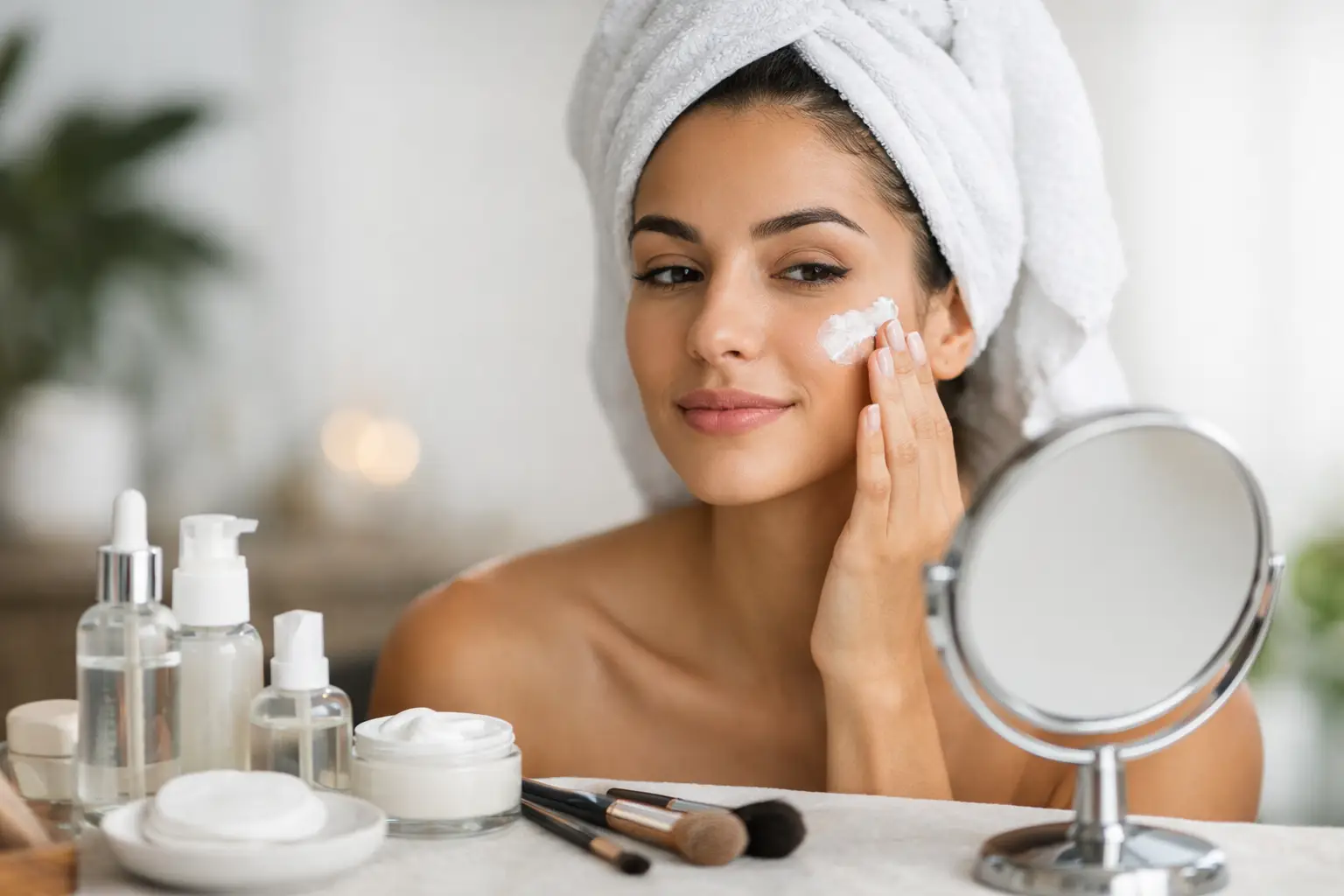
On the day of your wedding, your skin does not need a long ritual. It needs thoughtful preparation that supports long wear. Start with a gentle cleanse if that is part of your normal morning routine, then apply skincare that hydrates without feeling heavy or greasy.
Moisturizer is essential, but the texture should suit your skin type. Very rich creams can be beautiful on dry skin and too much for oily or combination skin. On the other hand, skipping moisturizer because you are worried about shine often leads to makeup that grabs onto dry patches or wears unevenly.
Eye cream can help if you use one regularly and know it layers well. If it tends to pill under concealer, skip it that morning. The same practical rule applies to SPF. If you are getting ready in daylight and wearing sunscreen daily, choose one that sits well under makeup and does not leave a heavy film.
Sheet masks and under-eye patches are popular, but they are not always necessary. If you use them regularly and know they leave your skin smooth and happy, they can be a nice addition. If they make your skin red or overly slick, they are not worth the risk on your wedding day.
What to avoid before bridal makeup application
A few choices can undo otherwise solid prep. Heavy oils are one of them. They can break down makeup faster, especially around the T-zone, and may cause complexion products to slide. Over-exfoliating is another. Skin that feels extra smooth for an hour can become dry and reactive once makeup is applied.
It is also wise to avoid squeezing blemishes, using strong acne spot treatments the night before, or layering too many products in hopes of extra glow. More product does not always create better skin. Often it creates pilling, sensitivity, or imbalance.
If you have very oily skin, do not try to dry it out before makeup. If you have dry skin, do not assume the answer is a thick layer of anything labeled dewy. Bridal makeup lasts best when the skin is balanced, not pushed to an extreme.
If you have acne-prone or sensitive skin
This is where personalized prep matters most. Acne-prone skin often needs hydration as much as clarification, and sensitive skin usually responds best to fewer variables. Fragrance-free, non-irritating products are often the safest route.
If you are dealing with active breakouts, focus on reducing inflammation rather than making them disappear overnight. A flatter, calmer blemish is easier to work with than one that has been over-treated. The same goes for redness. Barrier support usually helps more than aggressive correction in the final stretch.
An experienced artist will adjust products and technique based on what your skin is doing that day. That is one reason Taylor Bailey Makeup Artist emphasizes skin preparation as part of the bridal experience. Long-wear, camera-ready makeup starts well before foundation ever touches the face.
Beautiful wedding makeup is not about covering your skin into submission. It is about giving it the right support so your makeup can enhance what is already there. When your skin feels comfortable, your makeup looks more refined, photographs more naturally, and lets you walk into the day feeling polished, relaxed, and fully yourself.