Sensitive Skin Bridal Products That Perform
Your wedding makeup should not come with a countdown to redness, itching, or a last-minute breakout. The right sensitive skin bridal products make it possible to wear polished, camera-ready makeup for a full celebration while keeping the skin feeling comfortable and looking like skin.
For a bride with reactive, acne-prone, dry, or easily irritated skin, product selection is only part of the plan. Application technique, skin preparation, hygiene, and timing all affect how makeup wears. A soft glam bridal look can still have luminosity and staying power without relying on heavy layers or introducing a long list of unfamiliar formulas the week of the wedding.
Sensitive Skin Bridal Products Start With Your Skin History
Sensitive skin is not one fixed condition. Some clients react to fragrance, certain essential oils, or particular preservatives. Others experience stinging from active skincare ingredients, congestion from richer textures, or flare-ups connected to eczema, rosacea, or acne. The products that work beautifully for a friend may not be the safest choice for your skin.
Before a bridal trial, make a simple note of the products and ingredients that have caused trouble before. Include skincare, sunscreen, foundation, lash adhesive, and lip products. If you have a diagnosed skin condition or a history of significant allergic reactions, speak with your dermatologist or allergist before trying anything new. Makeup artistry can be carefully tailored, but it should never replace medical guidance.
A helpful distinction: fragrance-free is often a more useful label than unscented. An unscented product may still contain masking fragrance. Likewise, hypoallergenic is not a guarantee that a formula will be compatible with every sensitive complexion. Labels offer a starting point, not a personal promise.
Build a Bridal Makeup Kit Around Comfort and Wear
Long wear is not the same as heavy wear. The goal is a flexible makeup routine that grips where it needs to, evens the complexion, and can be refreshed gracefully through photos, hugs, happy tears, dinner, and dancing.
Begin With a Calm, Consistent Prep Routine
The most beautiful foundation tends to start with skin that has not been overworked. In the two weeks before the wedding, resist the urge to test a strong peel, new retinoid, harsh scrub, or trendy mask. Even a product that eventually becomes a favorite can trigger temporary dryness or purging at the wrong time.
A gentle cleanser, the moisturizer your skin already tolerates, and daily sunscreen are often enough. Dry or dehydrated skin may benefit from a lightweight hydrating serum under moisturizer, while oily or acne-prone skin may prefer fewer layers and a more targeted application. The right prep should make skin feel balanced, not slippery, tight, or coated.
On the wedding morning, avoid facial oils unless you know they work well under your chosen foundation. They can be lovely for some complexions, but they can also shorten wear time or cause makeup to separate. A professional artist can adjust prep by area, adding hydration where the skin is dry and using minimal product through the T-zone.
Choose Complexion Products for Flexible Coverage
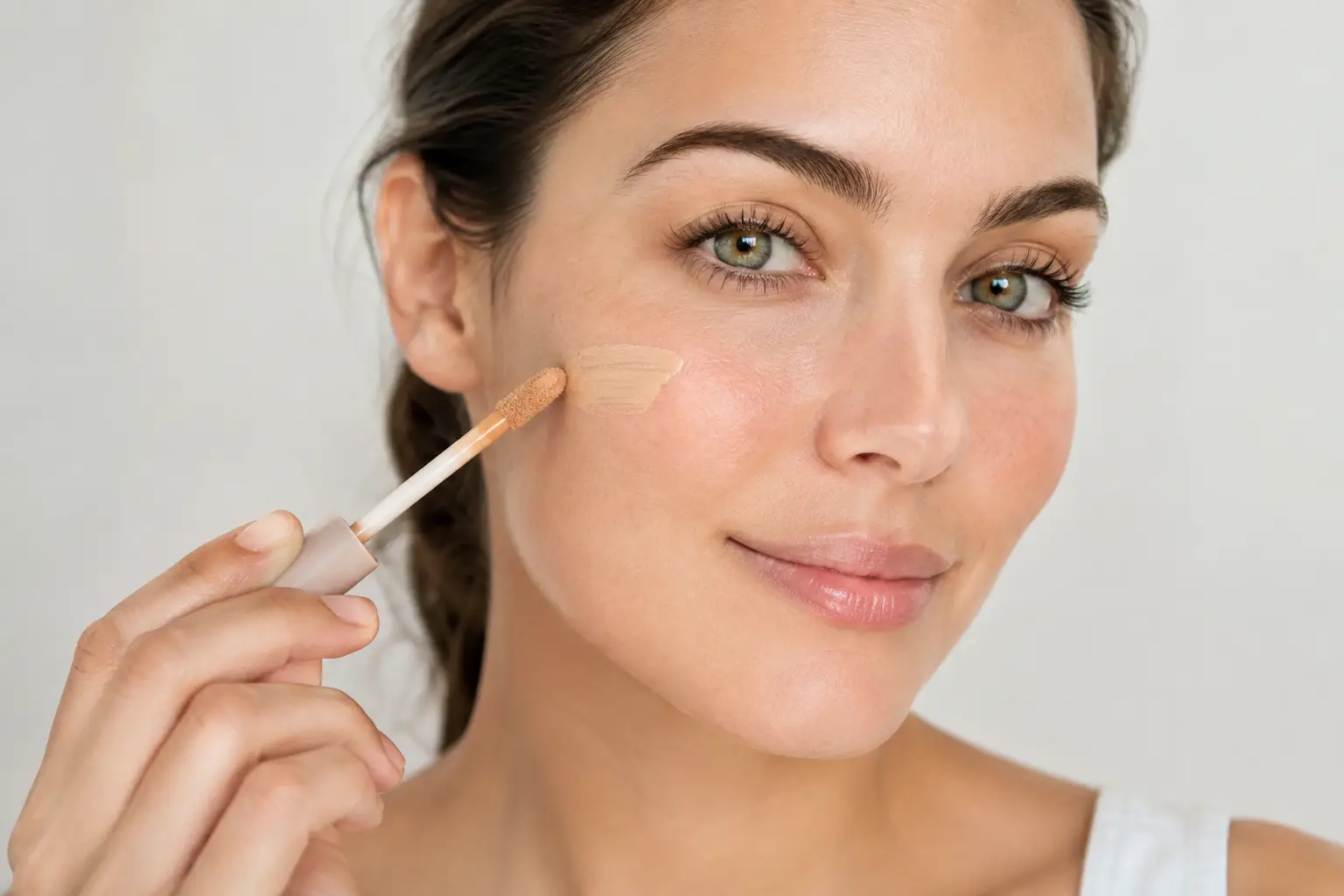
For sensitive skin, a breathable foundation or skin tint with buildable coverage is often more forgiving than trying to cover everything in one thick layer. A thin first layer allows the artist to assess where added concealer is truly needed. This keeps the finish refined and reduces the chance of visible texture, creasing, or cakiness in close-up photography.
Concealer, color correction, and careful spot application can address under-eye darkness, redness, or blemishes without covering the entire face in extra product. Cream formulas may be especially flattering on dry skin, while finely milled setting powder can help set areas that become shiny. Neither option is universally best. The ideal balance depends on your skin, the season, the venue, and how long you need the makeup to wear.
If you are concerned about breakouts, look beyond broad marketing terms such as clean or non-comedogenic. A formula can be well suited to one acne-prone person and not another. Your personal experience and a properly timed trial are more valuable than a trend-driven label.
Be Thoughtful With Eye and Lip Products
The eye area is especially prone to sensitivity. If your eyes water with certain mascaras, liners, shimmer shadows, or lash adhesives, bring that up before the trial. Waterproof mascara can be an excellent choice for emotional moments, but it may feel drier on the lashes and requires more care to remove. For some brides, a water-resistant formula plus a trusted setting technique is the more comfortable option.
False lashes are optional. Individual or small cluster lashes can create soft definition without the weight of a dramatic strip, but even gentle lash adhesives can cause irritation for a sensitive client. If lashes are part of your vision, test the exact adhesive and style before the wedding. Never make the wedding morning the first trial.
For lips, comfort is just as important as color. Matte liquid lipsticks can photograph beautifully and stay in place, though some formulas emphasize dryness or feel tight after several hours. A satin lipstick, lip liner, and a small touch-up product may be a better fit if your lips are easily chapped. The right choice depends on whether you prioritize a transfer-resistant finish or a more flexible, comfortable feel.
Why a Bridal Trial Matters for Sensitive Skin
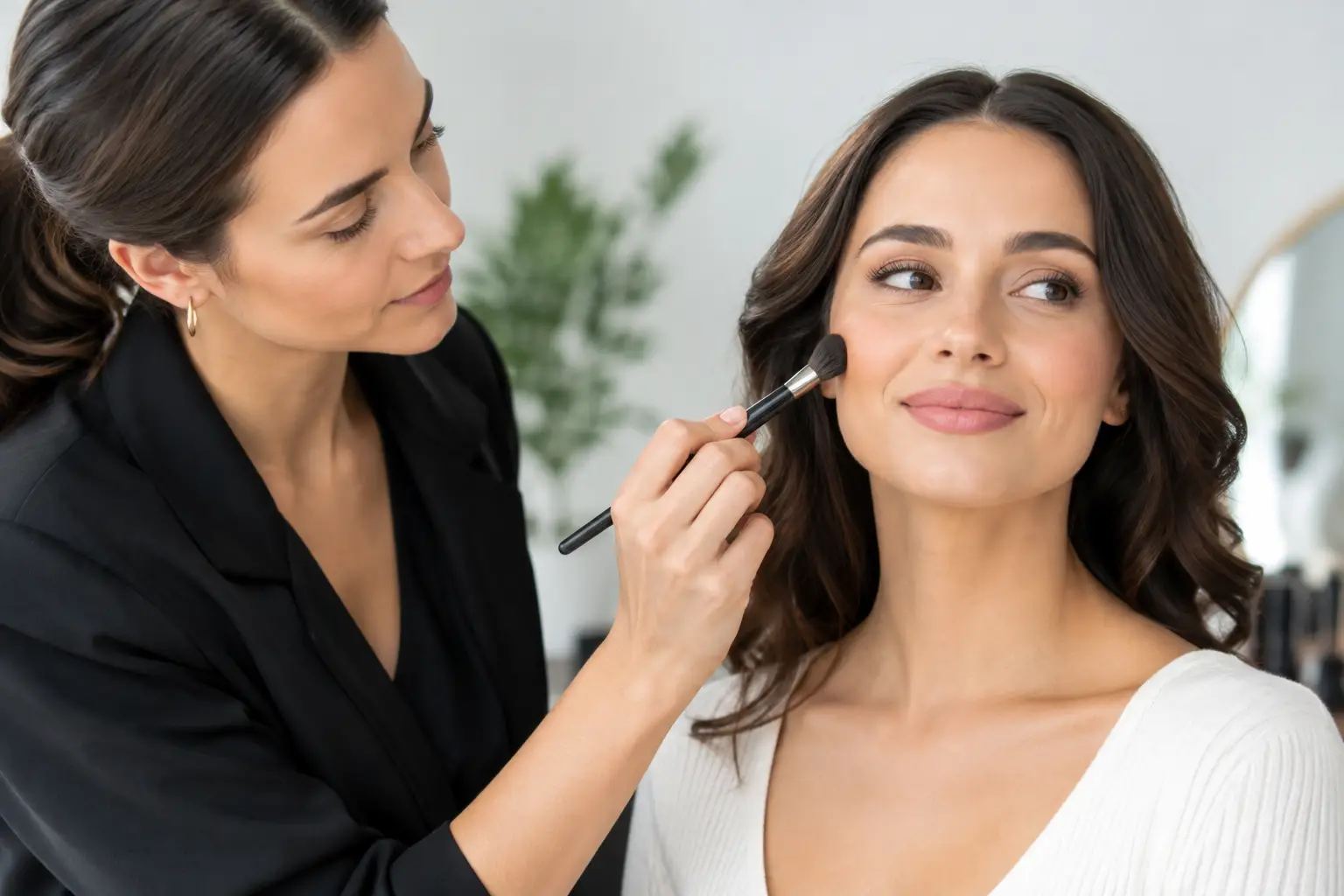
A bridal trial is not simply a preview of your makeup. It is a controlled opportunity to see how sensitive skin bridal products behave on your complexion over several hours. Your artist can evaluate whether the foundation oxidizes, if the under-eye area creases, how the skin responds to prep, and whether a particular formula creates discomfort.
Schedule your trial early enough to make changes if needed, ideally several weeks before the wedding rather than a few days beforehand. Arrive with a clean face and, if possible, photographs of makeup looks you are drawn to. Images help communicate finish and overall feeling, but your final look should be adapted to your coloring, features, dress, lighting, and skin needs.
After the trial, wear the makeup for the rest of the day if your schedule allows. Notice whether you experience burning, itching, watering eyes, new bumps, or unusual dryness. Take photos in daylight and indoor lighting. If you have a reaction, remove the product gently and let your artist know exactly what happened and when. That feedback makes the final plan safer and more precise.
At Taylor Bailey Makeup Artist, a bridal trial is approached as a collaborative planning appointment, not a rushed test run. The details matter because confidence on the wedding morning comes from knowing the makeup plan has already been thoughtfully considered.
Small Habits That Protect Your Skin Before the Wedding
The days leading up to the wedding are not the time for experimentation. Keep pillowcases and makeup brushes clean, avoid picking at blemishes, and do not book an aggressive facial treatment without consulting the professional providing it. If you receive injections, waxing, dermaplaning, or a facial, give your skin enough recovery time and follow the provider’s aftercare instructions.
Bring your own known-safe lip balm, eye drops, or skincare item if it is something you use regularly. Let your makeup artist know if you are taking a medication that affects dryness or sensitivity. Clear communication allows for better choices, from the primer used around the nose to the amount of powder applied under the eyes.
It also helps to plan for touch-ups realistically. A small kit with blotting papers, your lip color, and a clean puff for gentle powder touch-ups is usually more useful than carrying a full makeup bag. Blot before adding powder so skin retains a natural finish rather than becoming overly matte.
A Beautiful Bridal Finish Should Feel Like You
The best bridal makeup does not ask sensitive skin to tolerate more than it can handle. It works with your skin’s natural texture, uses tested products in intentional layers, and leaves room for a little lived-in softness as the day unfolds. When your face feels comfortable, you are free to focus on the people, photographs, and moments you will remember long after the makeup is removed.