What a Makeup Lesson for Professionals Covers
You should not need 45 minutes, a crowded bathroom counter, or a completely different face to feel polished before a headshot, presentation, client dinner, or formal event. A personalized makeup lesson for professionals is designed to make your routine clearer: which steps matter, which products suit your skin, and how to create a refined look that still feels like you.
For many women, the challenge is not a lack of makeup. It is having a drawer full of products that do not quite work together, a base that fades by midafternoon, or a routine that looks different in photos than it did in the mirror. The right lesson replaces guesswork with practical techniques you can repeat confidently.
A makeup lesson should begin with your real life
A helpful lesson is not a demonstration of every trend or a one-size-fits-all product list. It should begin with the occasions you are getting ready for, the time you have in the morning, how comfortable you are applying makeup, and how you want to feel when you walk out the door.
A professional preparing for a leadership headshot may want softly defined eyes and a perfected complexion that reads well on camera. Someone attending a gala may want more dimension, glow, and a lip color with presence. A bride planning to do her own makeup for a smaller celebration may need an elevated routine that holds up through happy tears, hugs, and photography. The goal changes, so the technique should change with it.
Your artist should also ask about your skin. Dryness, oiliness, sensitivity, acne, texture, redness, and hyperpigmentation all affect product selection and application. More coverage is not always the answer. Often, strategic color correction, thoughtful skin preparation, and a lighter base applied in thin layers create a more believable, longer-wearing finish.
What a makeup lesson for professionals should teach
The most valuable lessons focus on the decisions that make makeup look intentional, not just the motions of applying it. You should leave knowing why a technique works for your face and how to adjust it when your skin or schedule changes.
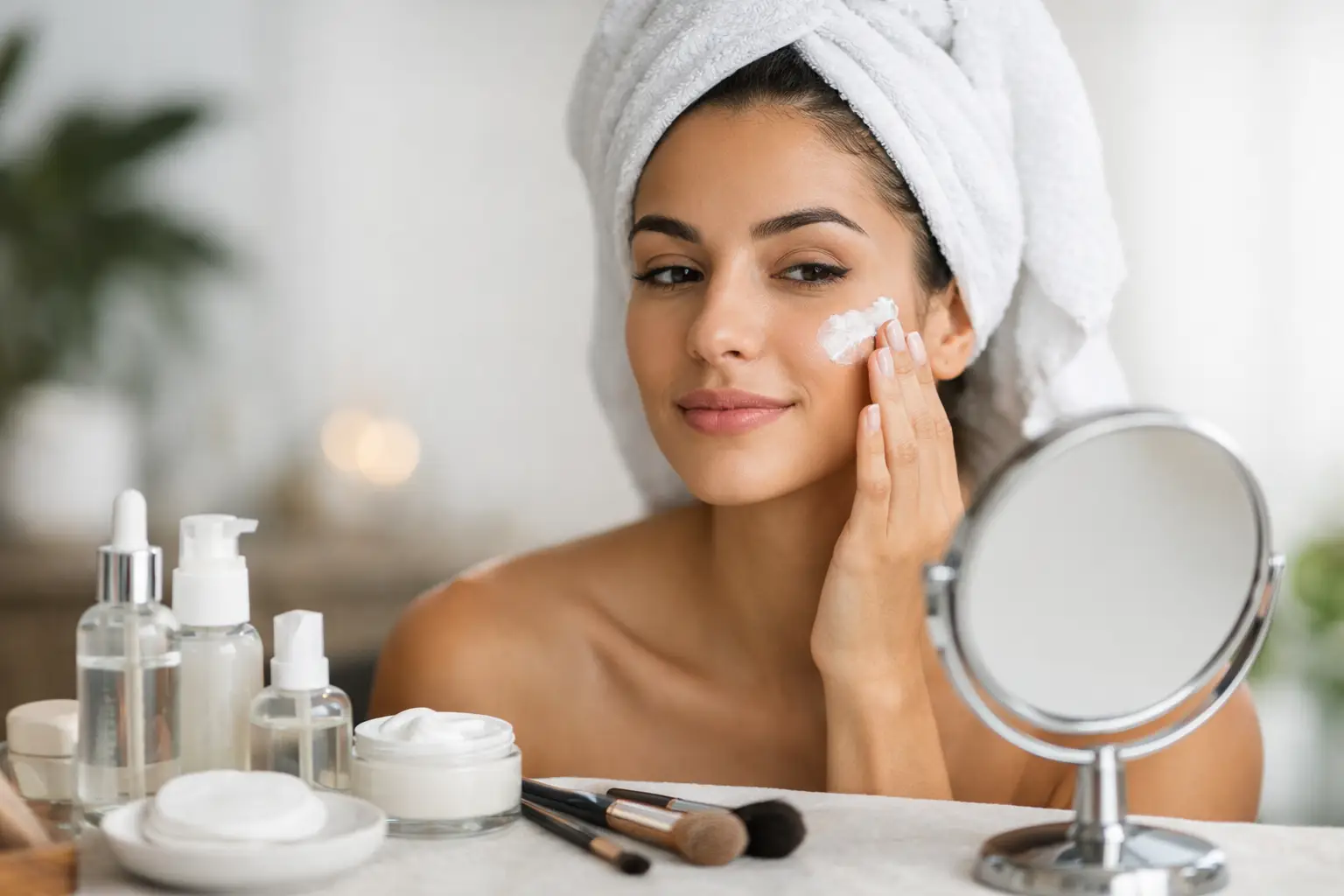
Skin preparation that supports the makeup
Beautiful makeup starts before foundation. A lesson should address how to prep your skin based on its current needs, including hydration, balancing shine, smoothing texture, and choosing a primer only when it serves a purpose.
For example, dehydrated skin can make even an expensive foundation look patchy. Over-powdering may control shine briefly but can leave the complexion flat or emphasize texture. On the other hand, very emollient skin care beneath makeup may cause certain formulas to separate. There is no universal prep routine. The best approach depends on your skin, the products you use, and how long you need the makeup to wear.
A complexion routine that looks like skin
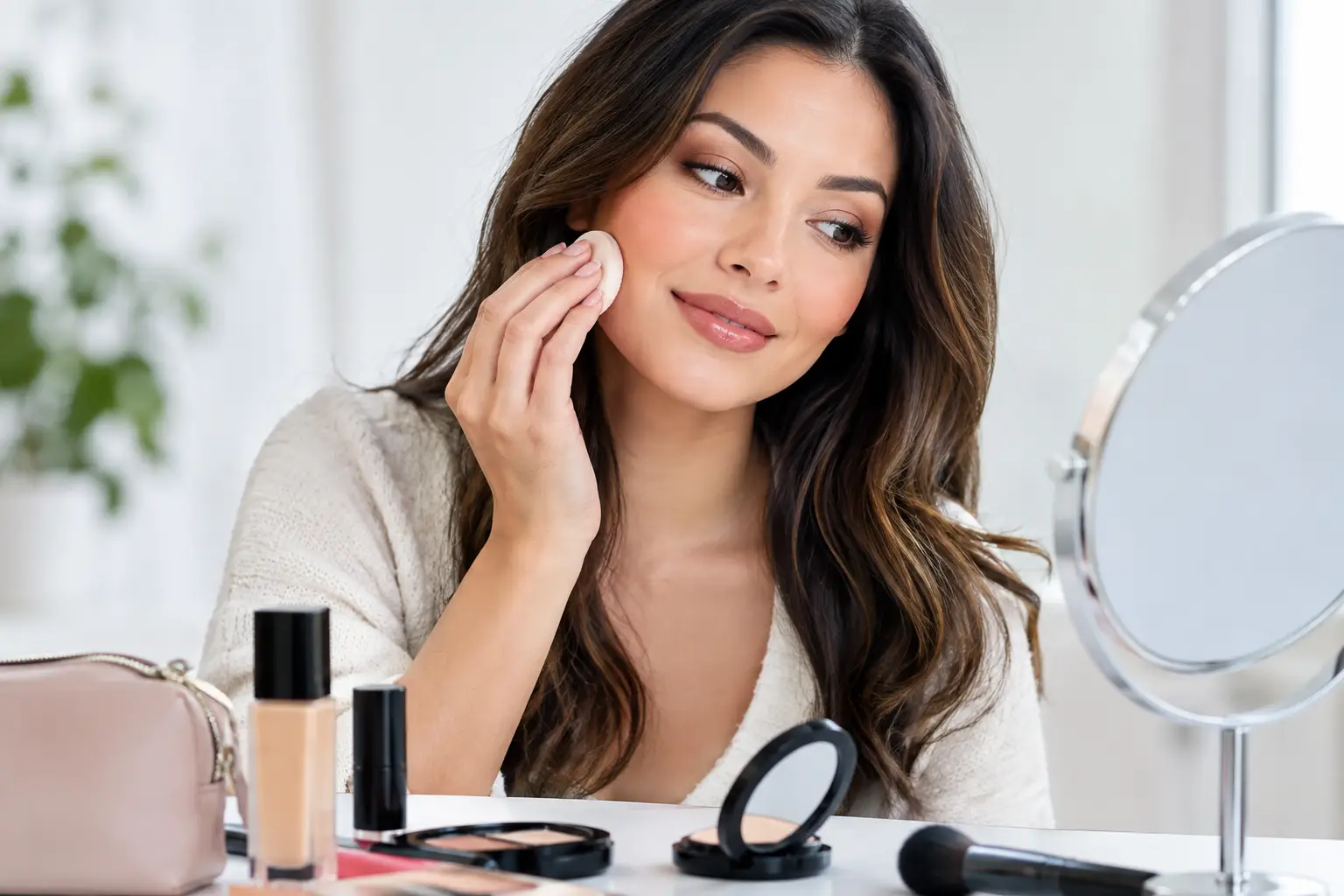
A polished professional look usually relies on targeted coverage rather than a heavy layer of foundation. During a lesson, you may learn how to match foundation to your neck and chest, apply it evenly without masking your natural skin, and build coverage only where you need it.
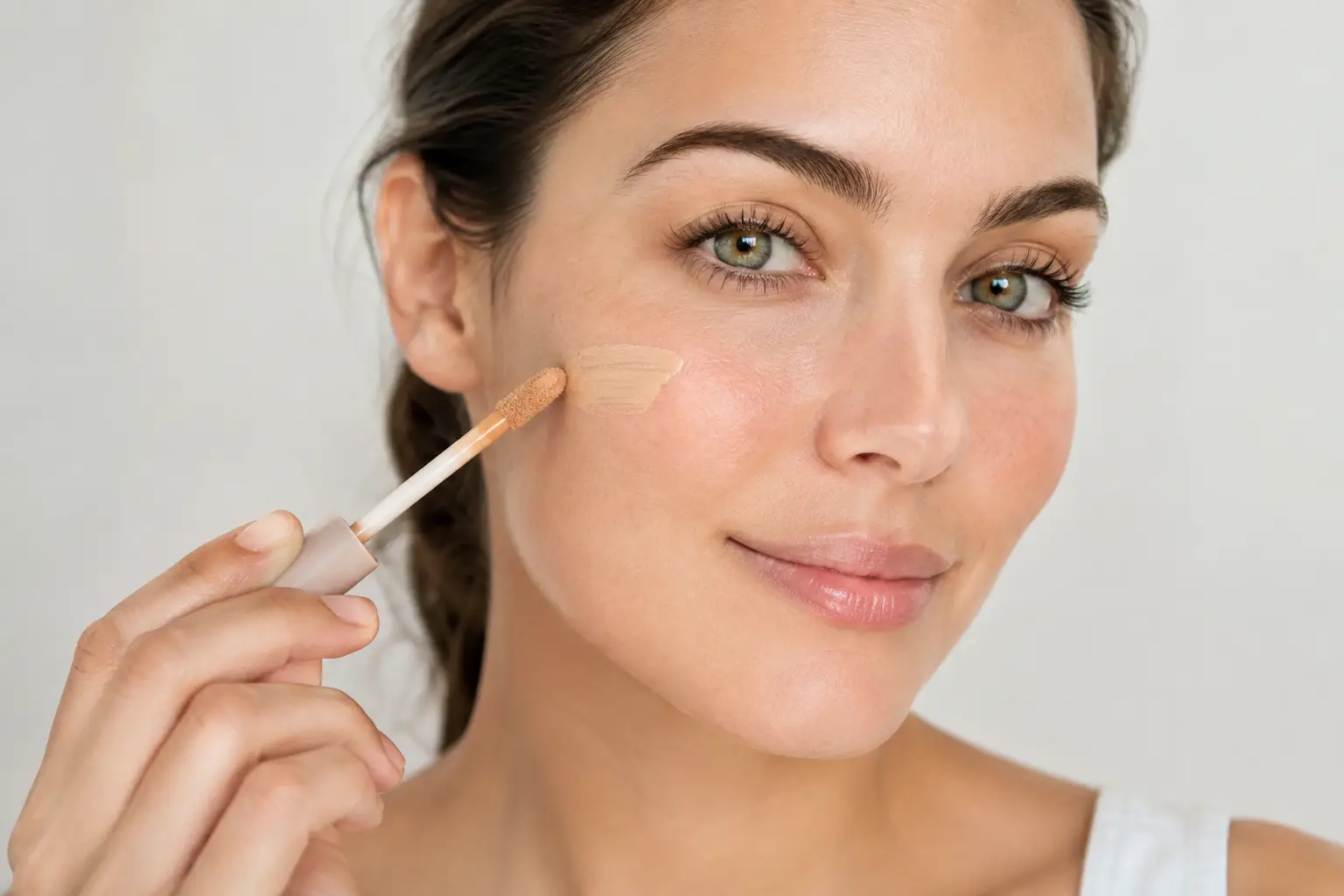
Concealer placement matters just as much as concealer shade. Under the eyes, a small amount placed thoughtfully can brighten and refresh without settling into fine lines. Around the nose, chin, or areas of discoloration, pressing product in rather than dragging it across the skin can provide better coverage with less product.
You should also learn where to set your makeup. Powder is useful, especially for long days, humid weather, or photography, but it does not need to cover every inch of the face. A lesson can show you how to keep the center of the face secure while preserving a natural, skin-like finish elsewhere.
Soft definition for your features
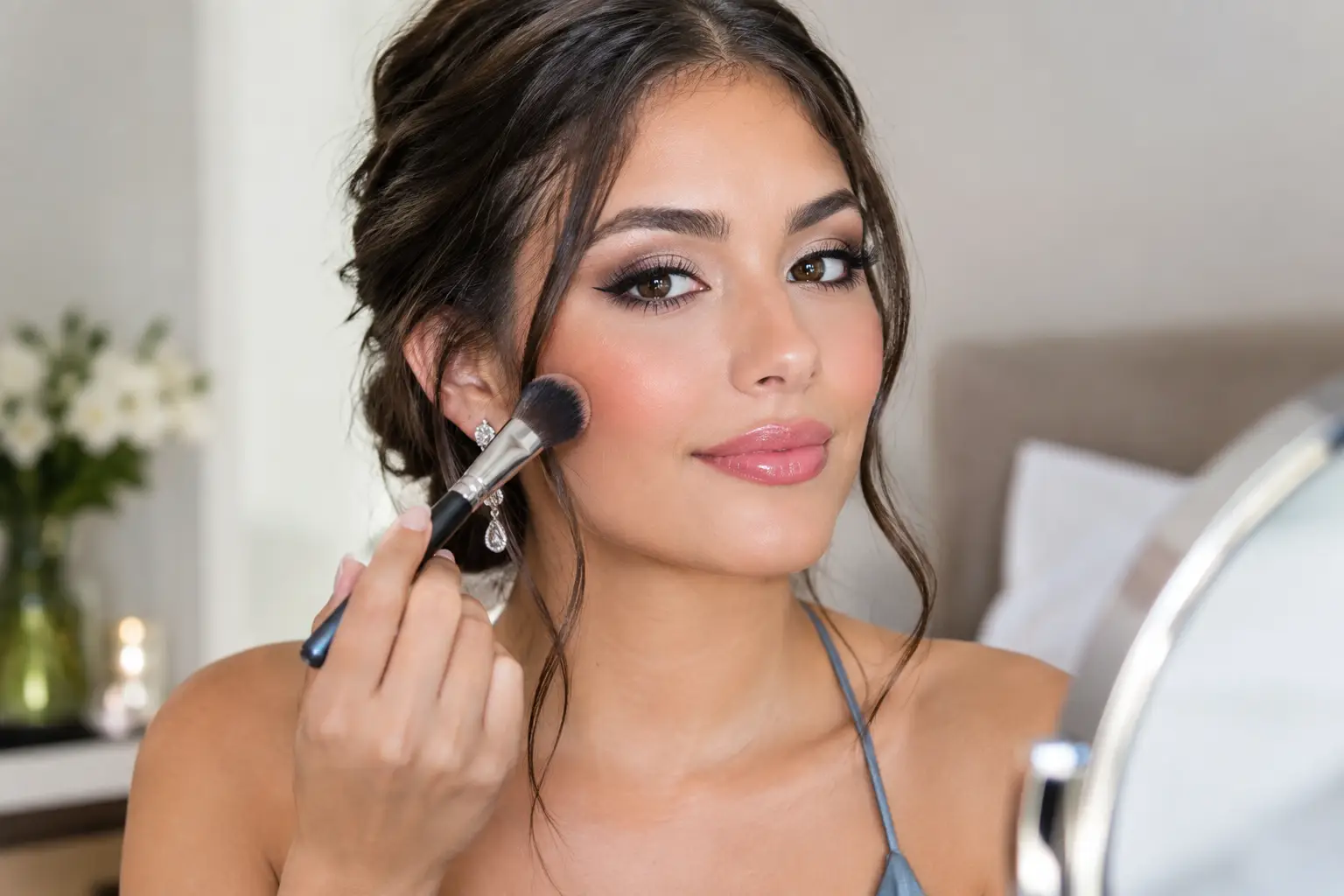
Soft glam is not about making every feature dramatic. It is about creating balance. That may mean shaping the brows so they frame the face without looking overly drawn, adding a neutral eye definition that enhances your eye color, or placing blush where it brings warmth and lift.
A good artist will tailor these choices to your face shape, eye shape, coloring, and comfort level. If you wear glasses, for instance, you may benefit from techniques that keep the eyes visible behind the frames and prevent makeup transfer at the bridge of the nose. If you are new to eyeshadow, learning one dependable placement technique is more useful than trying to memorize a complicated multi-shade look.
Lip color deserves the same personal attention. The ideal shade for a professional portrait may be different from the one you choose for an evening event. Your lesson should help you understand undertones, lip liner placement, and how to keep color looking fresh without constant reapplication.
Camera-ready does not have to mean heavy
Flash photography, office lighting, daylight, and event venues can all reveal makeup differently. A camera-ready application needs enough structure to avoid looking washed out, but that does not require a thick or overly matte finish.
For photos, subtle contour, blush, and eye definition may need slightly more presence than they do in everyday life. Yet products with excessive shimmer can catch light unpredictably, and foundations with certain formulas may not photograph as expected. The answer is not to fear glow or powder. It is to use each intentionally and test the balance in the lighting you expect to be in.
This is especially useful before headshots, engagement photos, maternity sessions, and milestone celebrations. A makeup artist can help you create a look that appears polished from a conversational distance and remains flattering when the camera is close.
Learn with the products you already own, then fill the gaps
Many clients arrive with excellent products that simply have not been matched to the right technique. Bring your current makeup bag to your lesson. An artist can identify what is working, what may be causing frustration, and which items are redundant or no longer suited to your skin.
There may be a few strategic additions worth considering, such as a more suitable foundation shade, a dependable concealer, a brush that makes application easier, or a long-wear lip product for event days. But a good lesson should never leave you feeling that you need to replace everything you own. The point is to build a functional routine, not create a longer shopping list.
At Taylor Bailey Makeup Artist, lessons are approached with the same skin-focused care used for special event and photo-ready makeup. Product recommendations and techniques are chosen around the individual, with attention to comfort, finish, wear time, and the level of polish you actually want.
The difference between watching and practicing
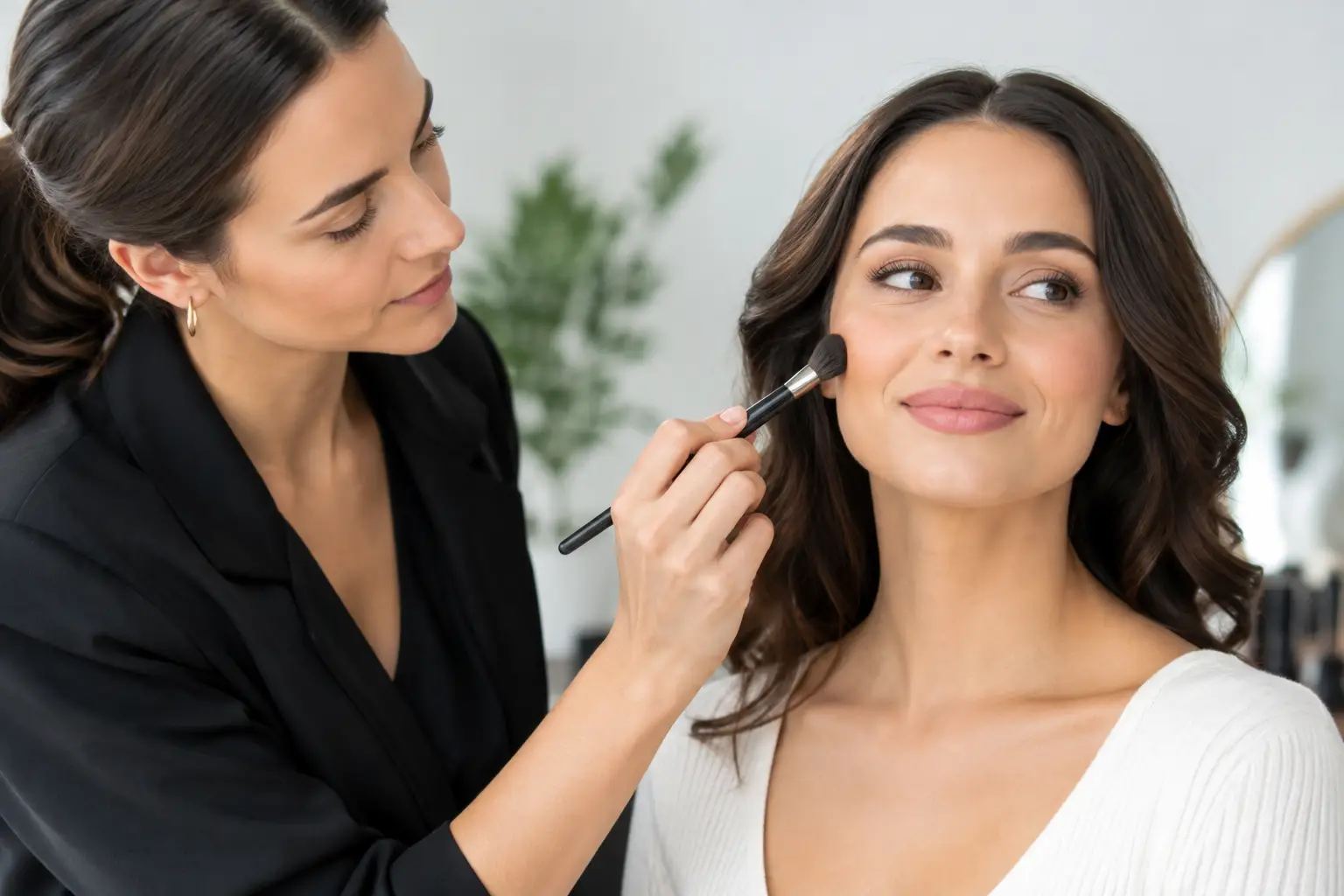
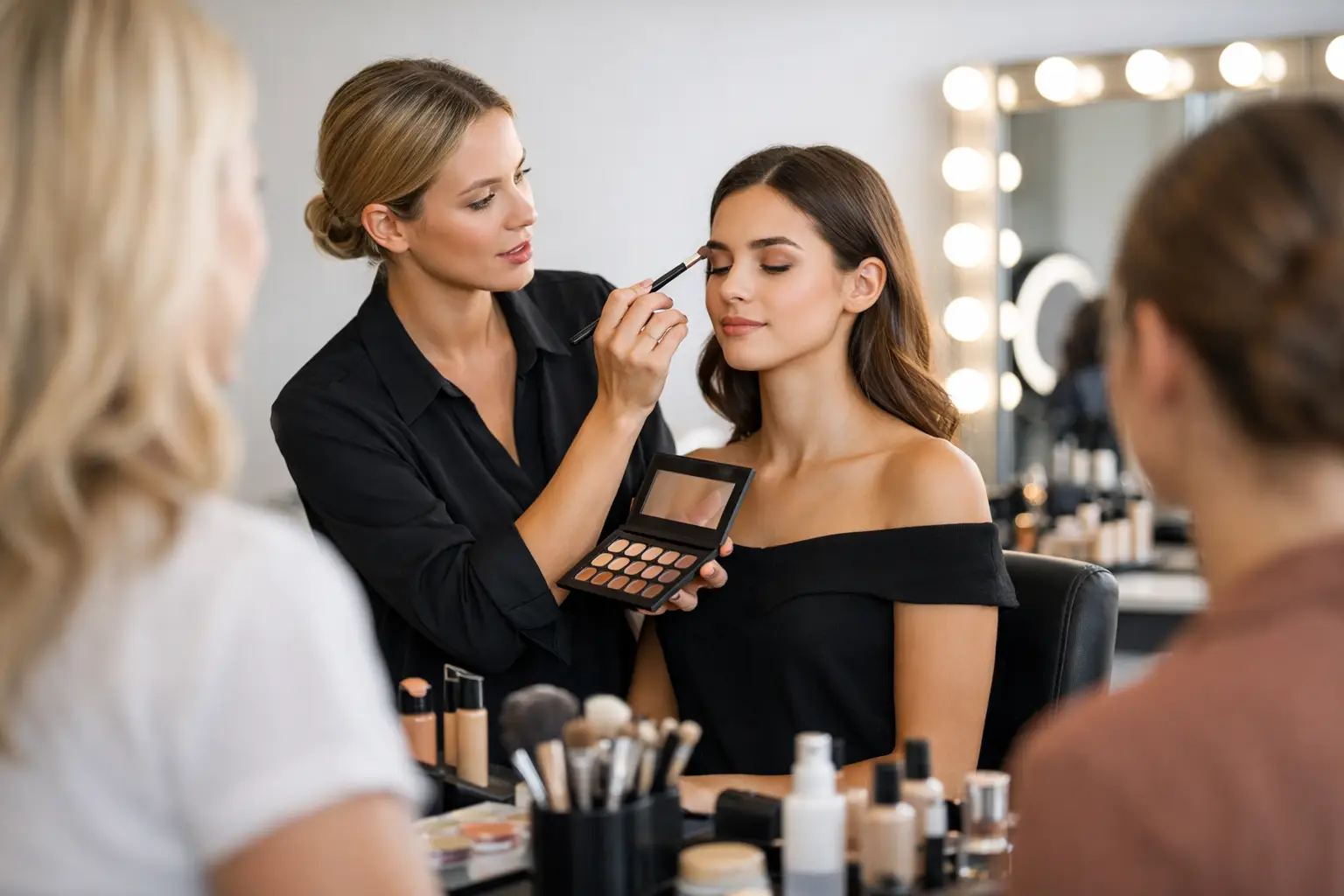
Watching an artist apply makeup can be inspiring, but it is not always enough to make the process feel easy at home. A true lesson gives you time to practice. You might apply one side of your face while the artist demonstrates on the other, or work through the full routine yourself with guided corrections.
That hands-on portion is where confidence grows. You can ask whether you are using too much pressure with a brush, where your blush placement is most flattering, how long to let skin care settle, or why your foundation pills. Small adjustments often make a bigger difference than adding another product.
An unrushed appointment matters here. If you are learning a new technique, you need room to pause, look closely, and try again. The most useful lesson leaves you with a routine you can recreate on an ordinary Tuesday, not only when a professional is standing beside you.
Plan your lesson around an upcoming moment
Booking a lesson before a major event gives you time to practice without pressure. If you have a professional photoshoot coming up, schedule early enough to test the finished look in natural light and take a few phone photos. For a wedding or formal celebration, a lesson can also help you decide whether you would prefer to apply your own makeup or have an artist take care of it on the day.
Be open about your timeline and any skin concerns. If you are introducing new skin care, addressing active breakouts, or testing products for sensitive skin, give yourself a buffer before the event. Trying an unfamiliar formula the night before a photo session is rarely worth the risk.
Bring inspiration photos if they help communicate your vision, but treat them as a starting point rather than a blueprint. The most flattering version of a look is the one adapted to your own features, skin tone, and personal style.
The best makeup routine is not the most elaborate one. It is the one that helps you get ready with a steady hand, look polished in the moments that matter, and recognize yourself when you catch your reflection.