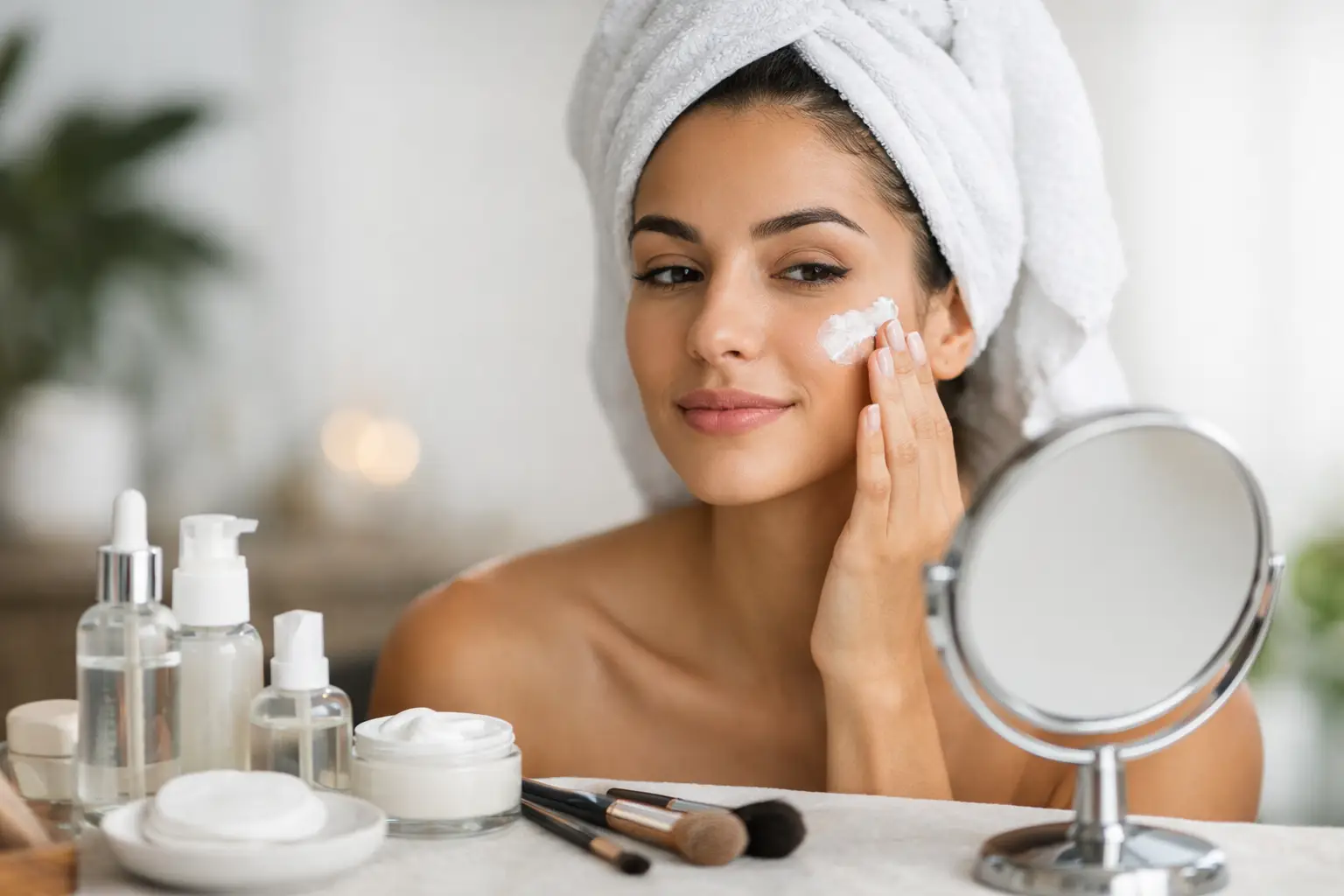
How to Prepare Complexion Before a Makeup Session
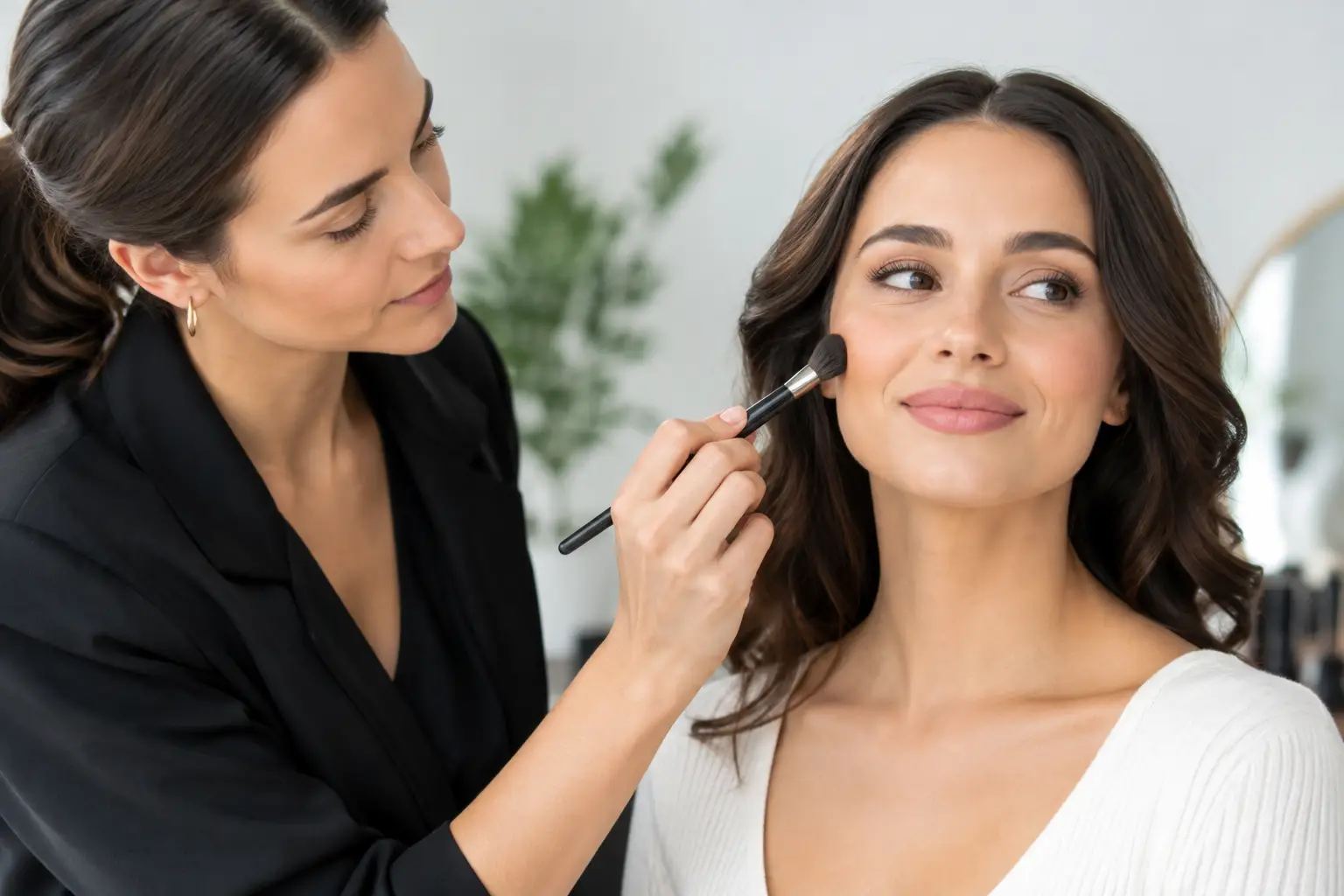
A beautiful makeup application begins well before foundation touches the skin. When you prepare complexion before a makeup session, you give your makeup the best possible surface to wear smoothly, stay comfortable, and look polished in person and in photographs. The goal is not to make your skin look like someone else’s. It is to help your natural complexion look rested, balanced, and thoughtfully enhanced.
For a wedding morning, headshot appointment, gala, or family photo session, skin preparation can make the difference between makeup that settles beautifully and makeup that feels difficult to manage by midday. The right approach is usually simple, gentle, and tailored to what your skin needs now – not a last-minute attempt to change it.
Start Skin Preparation a Few Weeks Before Your Appointment
Your complexion does not need to be flawless for professional makeup to look lovely. Texture, freckles, fine lines, acne, and natural variations in tone are all normal. Still, if you have time before an important event, consistency is more helpful than intensity.
Keep your regular skincare routine steady in the weeks leading up to your makeup session. Cleanse gently, use moisturizer appropriate for your skin type, and wear sunscreen during the day. If your skin is prone to dryness, focus on hydration. If you experience breakouts, resist the urge to pile on harsh products or pick at active blemishes. Inflamed skin is often more difficult to calm than a small breakout is to conceal.
If you are considering a facial, peel, waxing appointment, or new active skincare product, timing matters. A treatment that works beautifully for one person may leave another with redness, dryness, or unexpected sensitivity. Plan facials at least one to two weeks before a major makeup appointment when possible, particularly if your skin is sensitive or you have not had that treatment before. Avoid trying strong exfoliants, retinoids, or new products in the final days before your event.
If You Are Managing Acne or Sensitivity
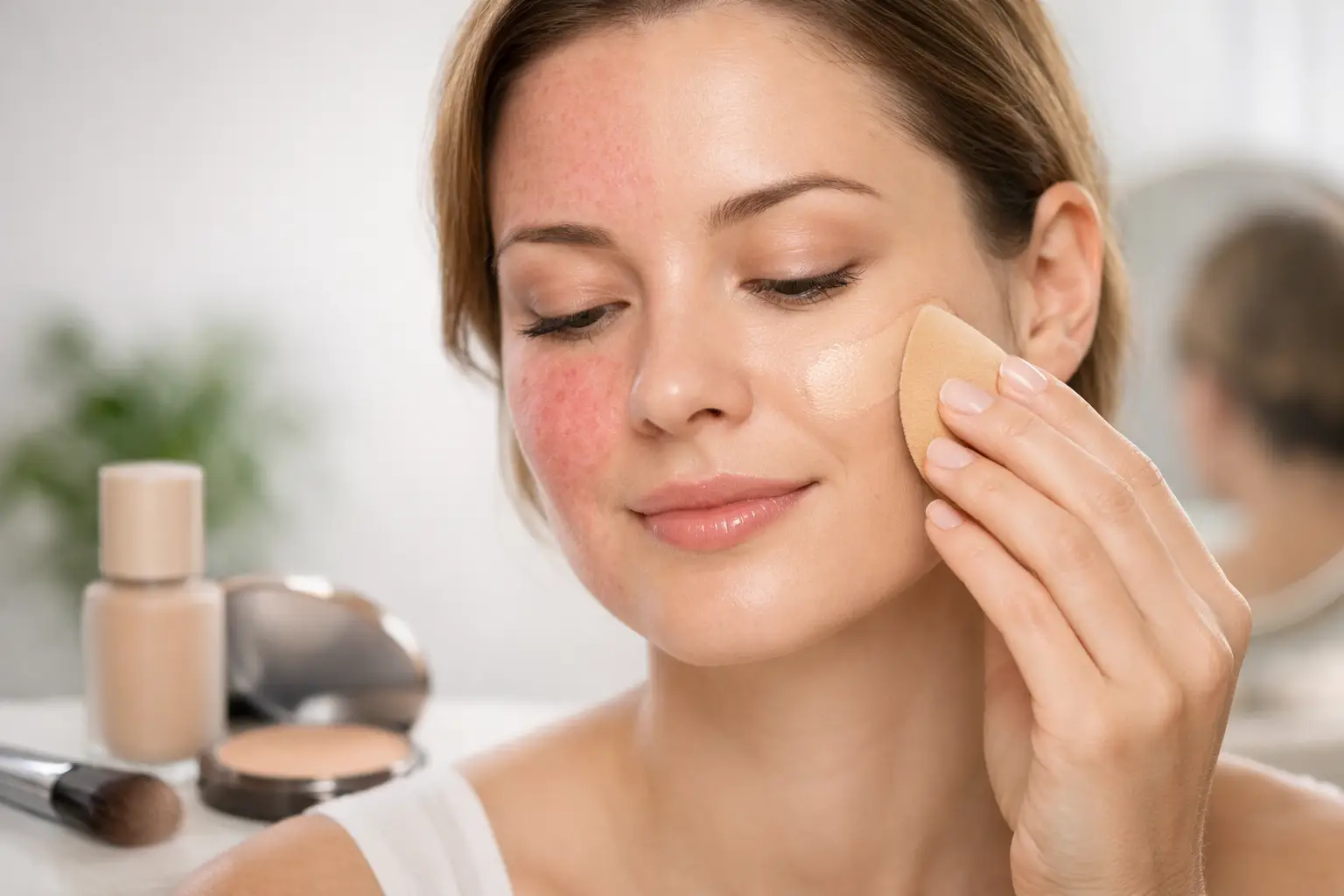
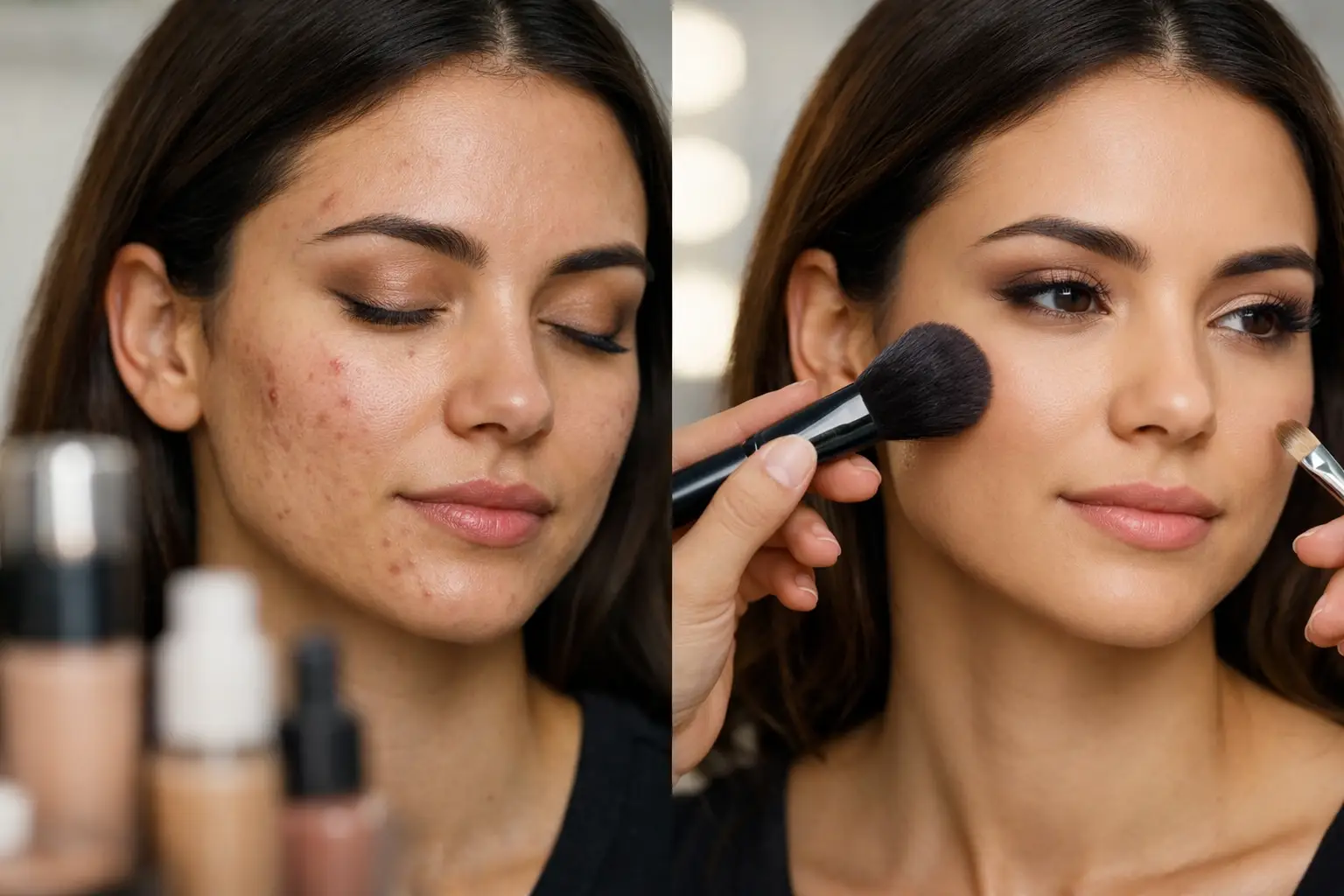
Let your makeup artist know ahead of time if you are dealing with acne, rosacea, eczema, allergies, or skin sensitivity. This information supports better product selection and a more comfortable experience. Professional makeup should be adapted to your skin, not applied according to a one-size-fits-all routine.
On the day, active blemishes can be carefully color-corrected and concealed without making the whole complexion look heavy. Dry patches can be softened with appropriate skin prep. What helps most is honest communication and a calm plan, rather than aggressive treatment right before the occasion.
How to Prepare Complexion Before a Makeup Session That Morning
The morning of your appointment, keep your routine familiar and uncomplicated. Cleanse your face as you normally would, using lukewarm water rather than very hot water, which can cause temporary redness. Follow with a lightweight moisturizer that your skin already tolerates well.
Even oily skin benefits from moisturizer. Skipping it can lead to dehydration, which may cause foundation to cling unevenly or your skin to produce more oil later. The key is choosing the right texture. A richer cream may suit dry or mature skin, while a gel-cream or oil-free lotion may feel more comfortable for oily or combination skin.
If your appointment is during daylight hours and you will be outside before makeup begins, sunscreen is appropriate. Choose one you have worn successfully under makeup before, and allow it time to settle. Some sunscreens can pill, leave a strong white cast in flash photography, or create excess shine when layered with complexion products. Your artist can help guide you based on the needs of your event and the lighting you expect.
Arrive with a clean face unless you have received different instructions. This generally means no foundation, concealer, mascara, or leftover eyeliner from the night before. Light skincare is welcome, but avoid applying facial oil, a heavy sleeping mask, or a thick layer of moisturizer immediately before your artist arrives. Too much slip can affect how complexion products adhere.
The Balance Between Hydration and Longevity
Clients often ask whether they should use more skincare for a glowier result. Sometimes the answer is yes, but more is not always better. Makeup wears best when hydration, texture, and product layers are in balance.
Dry skin usually benefits from carefully layered hydration and a complexion formula that maintains a natural finish. Oily skin may need lightweight hydration, strategic priming, and refined powder placement rather than a completely matte, over-powdered look. Combination skin often needs a customized approach: more moisture around the cheeks and under the eyes, with more shine control through the center of the face.
This is why professional skin preparation is so valuable. Rather than using the same primer across every inch of the face, an experienced artist may treat different areas differently. The result should feel like skin – comfortable, dimensional, and polished – rather than a mask.
Do Not Exfoliate or Shave at the Last Minute
Exfoliation can be helpful when it is part of your established routine, but last-minute scrubs, acids, dermaplaning, or facial shaving can create irritation and micro-sensitivity. Foundation can catch on areas that are freshly over-exfoliated, especially around the nose, chin, and mouth.
If you prefer dermaplaning or facial hair removal, schedule it several days before the makeup session to allow your skin to settle. The same applies to brow waxing, threading, and tinting. Giving yourself a cushion protects against redness and makes the morning of your event feel far less rushed.
What to Avoid Before Professional Makeup
A few small choices can help preserve the work your artist creates. Avoid tanning beds and new self-tanners right before your appointment, especially if you are unsure how the color develops on your face and neck. Uneven fading, orange undertones, or a mismatch between face and body can complicate complexion matching.
Try not to pick at blemishes or dry skin. A picked blemish usually needs more coverage and may remain tender or textured. If a breakout appears, use a gentle spot treatment only if it is already part of your routine, then allow your artist to assess the best way to cover it.
It also helps to avoid excessive alcohol the night before, particularly before an early bridal or photo session. Alcohol can contribute to dehydration, puffiness, and visible redness for some people. Drink water consistently, get as much rest as your schedule allows, and remember that a calm morning supports a fresh-looking complexion just as much as any product can.
Bring the Right Information to Your Artist
Your makeup artist can personalize your complexion application more effectively when they understand the occasion, schedule, and finish you want. Share whether you will be photographed with flash, spending time outdoors, wearing a veil, speaking onstage, or attending a long event where touch-ups may be limited.
It is also useful to mention products that have caused irritation in the past and any areas you prefer to keep lighter or more natural. Perhaps you love your freckles and want them visible. Maybe you feel self-conscious about under-eye darkness but do not want a thick full-coverage foundation. Those preferences are not small details. They shape the entire complexion strategy.
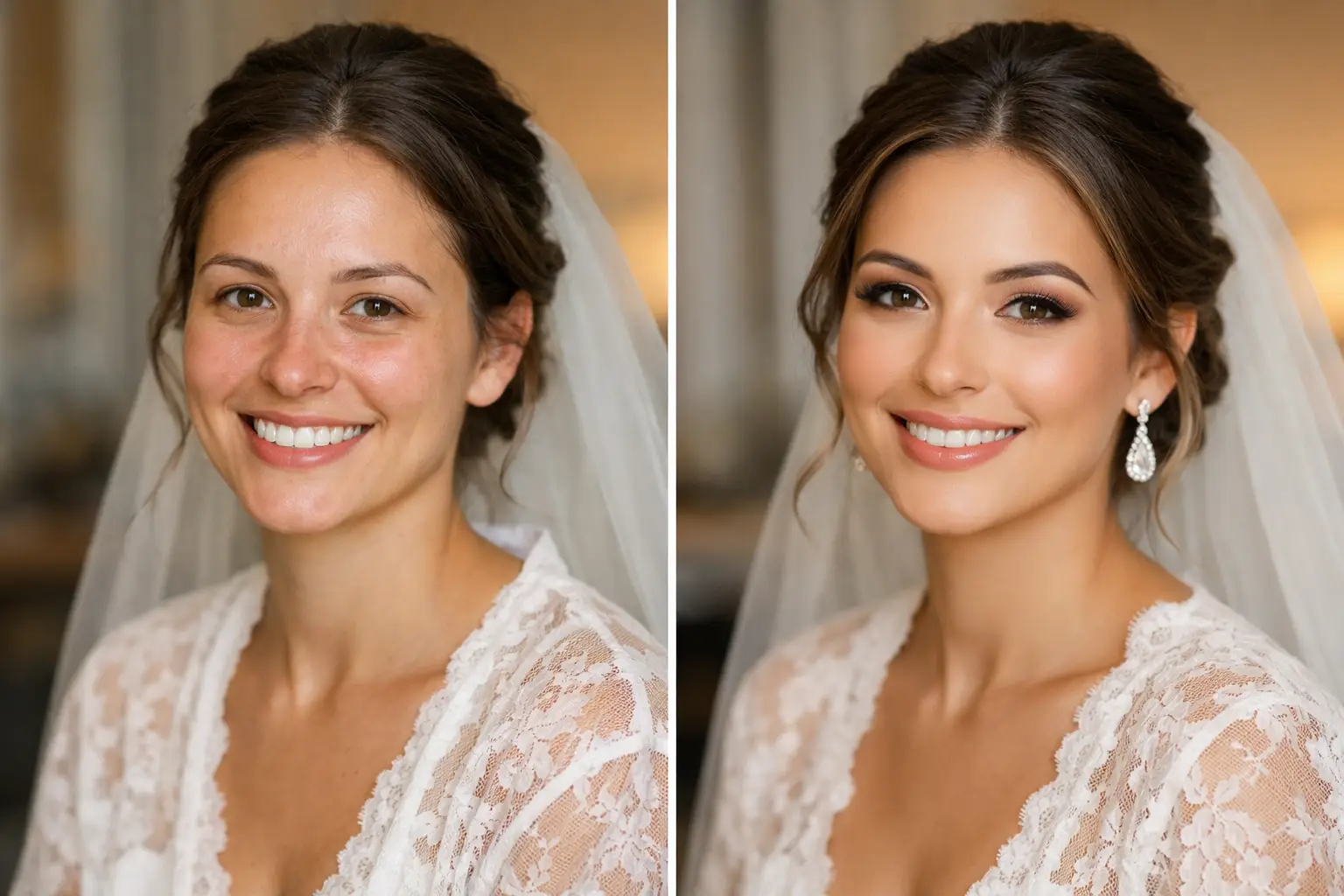
For bridal clients, a trial is an ideal time to discuss how the skin feels after several hours of wear, not simply how it looks immediately after application. The most successful wedding makeup has to perform through photographs, hugs, changing temperatures, happy tears, and a full day of celebration. A tailored trial creates space to refine that balance without pressure.
Let Your Skin Be Part of the Look
The best complexion makeup does not erase every sign of real skin. It creates an even, luminous foundation for the rest of your look while allowing your features to remain recognizable. A soft-glam finish can include coverage where you want it, brightness where you need it, and a natural dimension that still feels like you when you look in the mirror.
At Taylor Bailey Makeup Artist, skin preparation is treated as part of the artistry, not an afterthought. Whether your event calls for a fresh professional headshot, refined special-event makeup, or a bridal look designed to last, the approach should begin with listening to your skin and your vision.
Give yourself permission to keep the preparation simple. Clean, hydrated, comfortable skin and a thoughtful professional application are more than enough to help you walk into your makeup session feeling cared for, confident, and fully yourself.