Long Wear Makeup for Photos That Stays Fresh
A makeup look can feel beautiful in person and still fall flat the moment a camera comes out. Flash can catch dryness, natural light can soften definition, and a long event can wear away the finish you started with. That is why long wear makeup for photos is never just about using more product. It is about building makeup in a way that looks fresh, balanced, and natural from the first image to the last.
For photo-ready makeup, longevity and realism have to work together. A look that is too sheer may disappear on camera, but a look that is too heavy can settle, separate, or read mask-like in close-up images. The goal is polished skin, thoughtful definition, and a finish that still feels like you.
What long wear makeup for photos really requires
The biggest misconception about camera-ready makeup is that long wear comes from matte products alone. In reality, wear time starts with skin condition, product compatibility, and application technique. If the skin is dehydrated, textured, or over-prepped with rich skincare, even premium makeup can break apart faster than expected.
A lasting makeup application begins with prep that suits the person wearing it. Some skin needs lightweight hydration and oil control through the center of the face. Other skin types need calming, smoothing layers so foundation does not cling to dry areas. This is where experience matters. Long wear is not one formula or one primer. It depends on how the skin is behaving that day, the lighting conditions, and how many hours the makeup needs to perform.
For professional photos, the finish should usually sit somewhere between natural and softly perfected. Skin should still look like skin. That soft glam balance tends to photograph beautifully because it gives structure and polish without pushing features into something overly dramatic or unfamiliar.
Skin prep is what makes makeup last
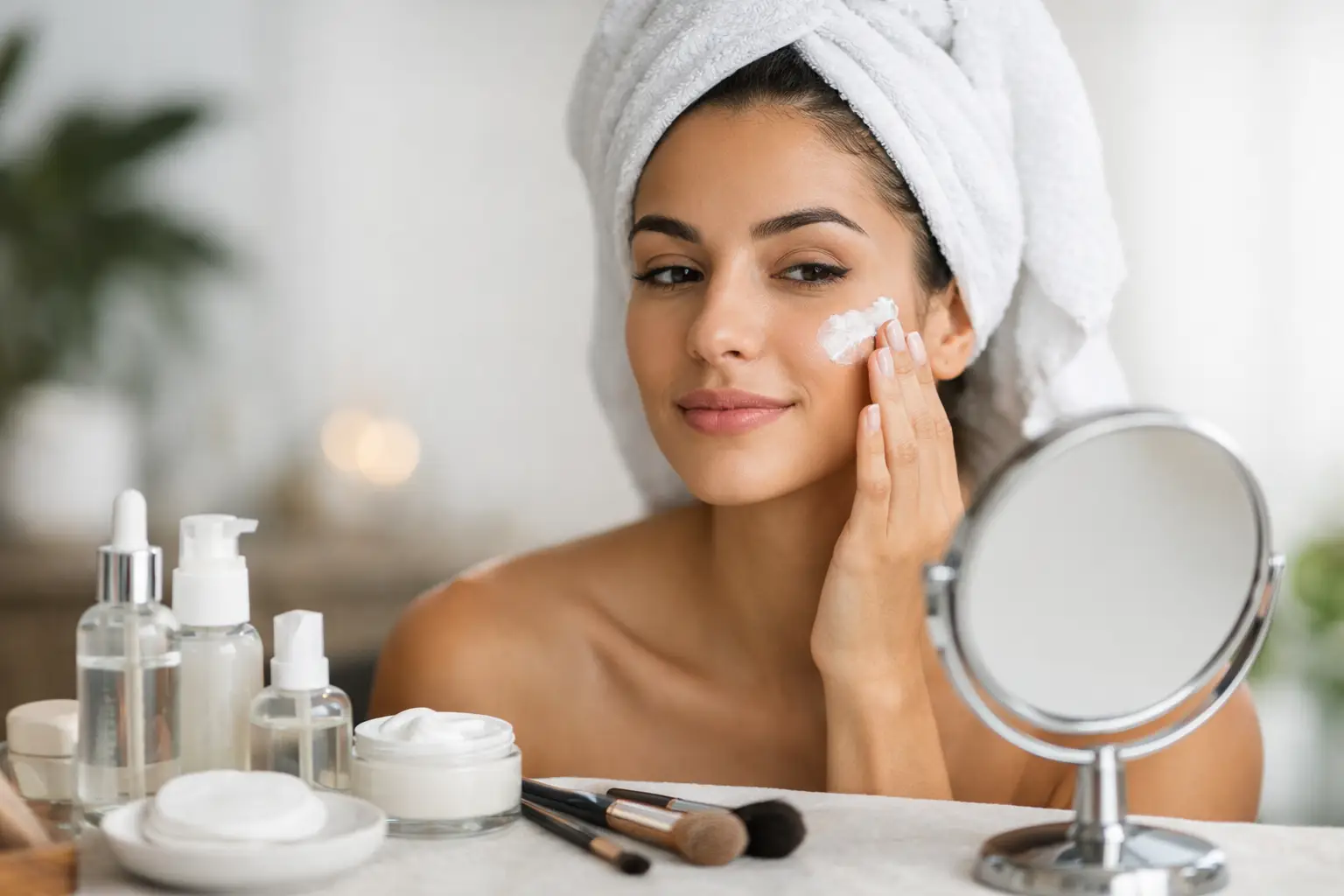
When clients think about photo makeup, they often focus on foundation first. But foundation is only as good as the surface underneath it. Thoughtful skin prep helps makeup adhere more evenly and wear more gracefully throughout a session or event.
Clean, balanced skin is the starting point. From there, hydration should be applied with intention. Too little moisture can make complexion products catch on texture. Too much can cause slipping, especially around the nose, chin, and forehead. For photos, the skin should feel comfortable and smooth, not coated.
This also means timing matters. Skincare applied immediately before makeup may not have enough time to settle. Sunscreen can be another point of consideration. It is essential for daily skin health, but some formulas can create unwanted flashback in photography. For events and sessions where flash is involved, product choice needs to be made carefully.
If you are planning a professional photo session, it helps to avoid trying new active skincare products in the days leading up to it. Exfoliation, peels, or strong treatments can leave skin reactive, flaky, or unusually sensitive. Calm, well-maintained skin is almost always the better foundation for lasting makeup than last-minute correction.
The best makeup finish for photos is not always the most matte
There is a reason many people worry about shine in pictures, but flattening the entire face is rarely the answer. An overly matte complexion can look dry, tired, or heavy once photographed, especially in daylight. On the other hand, too much glow can read as oiliness rather than radiance.
A more refined approach is selective control. Areas that tend to break down first, like the T-zone, benefit from strategic mattifying and setting. The outer parts of the face can usually stay a bit more natural, which keeps the skin looking alive in images. This creates dimension without sacrificing wear time.
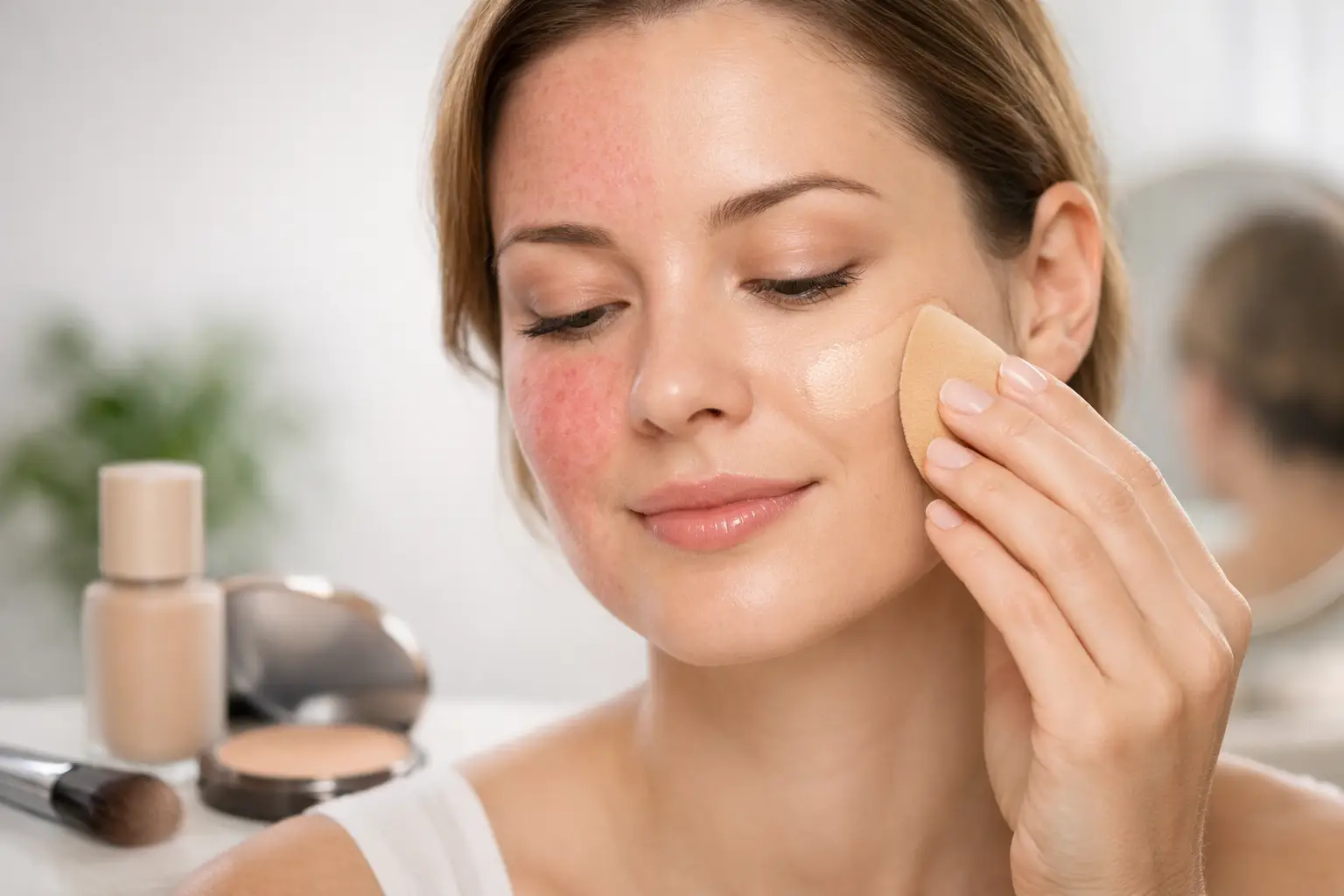
The same principle applies to coverage. Full coverage is not automatically better for photography. In many cases, medium coverage placed carefully where it is needed gives a more flattering result. It lets the complexion look even and polished while preserving natural movement and texture.
Why layering lightly works better than applying heavily
For long-lasting results, thin layers tend to outperform thick ones. A sheer layer of complexion product pressed into the skin, then built only where needed, is more likely to hold than one heavy application all over. The same is true for concealer, cream products, and even powder.
This matters even more in close-up photography. Cameras can pick up buildup around the eyes, around the mouth, and along areas of natural facial movement. When makeup is layered with restraint, it has a better chance of wearing beautifully instead of collecting in lines or separating through the day.
Features need a little more definition on camera
Photography naturally softens certain details. Brows may appear lighter. Lash lines can disappear. Blush can fade in images more quickly than expected. That does not mean every feature needs to be bold, but it does mean makeup for photos often needs slightly more structure than makeup for everyday life.
Brows should be shaped and defined in a way that frames the face without looking blocky. Eyes usually benefit from soft depth near the lash line and enough mascara or lashes to keep the eyes visible in photos. Complexion products need warmth and dimension so the face does not look flat under lighting.
Blush is one of the most overlooked parts of photo makeup. It brings life back into the skin and helps the face look fresh and healthy. Without it, even a beautifully even complexion can appear a little washed out. The right blush placement also supports the overall balance of the look, especially in bridal portraits, family photos, and headshots.
Lip color matters too. A lip that is close to the natural tone but slightly refined often photographs best because it defines the mouth without pulling focus from the rest of the face. Very pale lips can disappear, while extremely dry matte formulas may crack over time. A comfortable long-wear lip often gives the best of both worlds.
Long wear makeup for photos should match the occasion
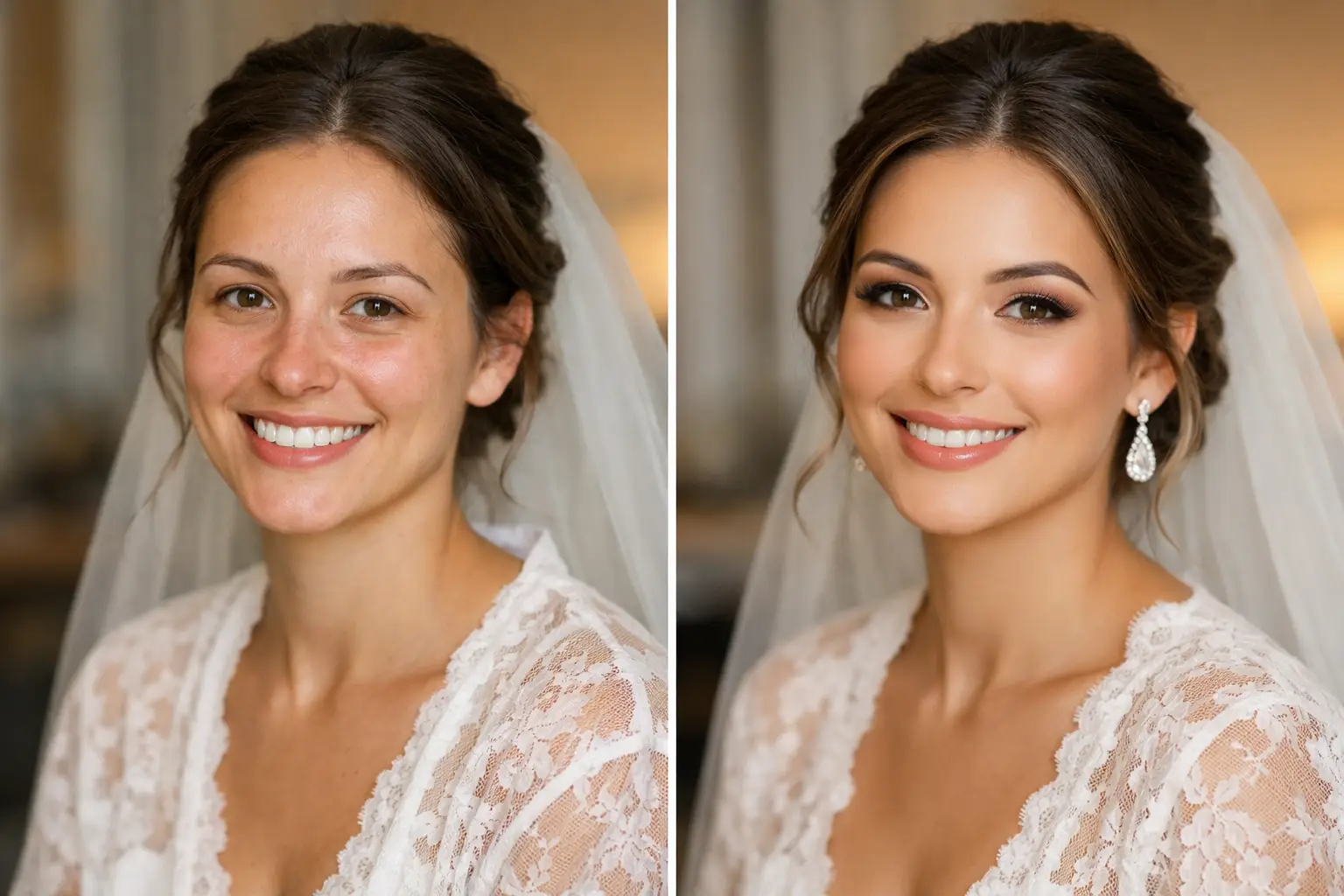
Not every photo session calls for the same level of makeup. Bridal makeup needs to survive emotion, hugs, outdoor transitions, and many hours of wear. Headshot makeup should feel polished and professional without distracting from expression. Maternity, family, and milestone event makeup often needs to look soft, timeless, and flattering in both close-ups and full-length photos.
That is why personalization matters so much. Skin type, outfit color, event timing, weather, and even the style of photography all play a role. A look for golden-hour outdoor portraits may be handled differently than a look for indoor flash photography. Prom or gala makeup may invite a little more emphasis on the eyes, while a professional branding session often benefits from cleaner, more understated definition.
There is also a comfort factor to consider. If someone does not usually wear much makeup, a very full application can feel unfamiliar, even if it photographs well. The best result is one that performs on camera and still feels aligned with the person wearing it.
Common mistakes that shorten wear time
Most makeup issues in photos begin before the camera ever clicks. Overusing skincare, mixing products that do not sit well together, or piling on powder in an attempt to force longevity can all create the opposite result. Makeup that is too dry can break apart just as easily as makeup that is too emollient.
Another common issue is skipping a trial run for a major event. If photos matter, testing the look matters too. A preview allows time to see how the skin responds, whether the colors feel right, and if any adjustments should be made for comfort or longevity.
Touch-ups are worth thinking through as well. Even the best application may need light maintenance after eating, crying, heat, or hours of wear. Usually this is minimal when the makeup is built correctly, but a little planning goes a long way. Blotting, refreshing lip color, and checking under-eye areas are often enough.
When professional application makes the biggest difference
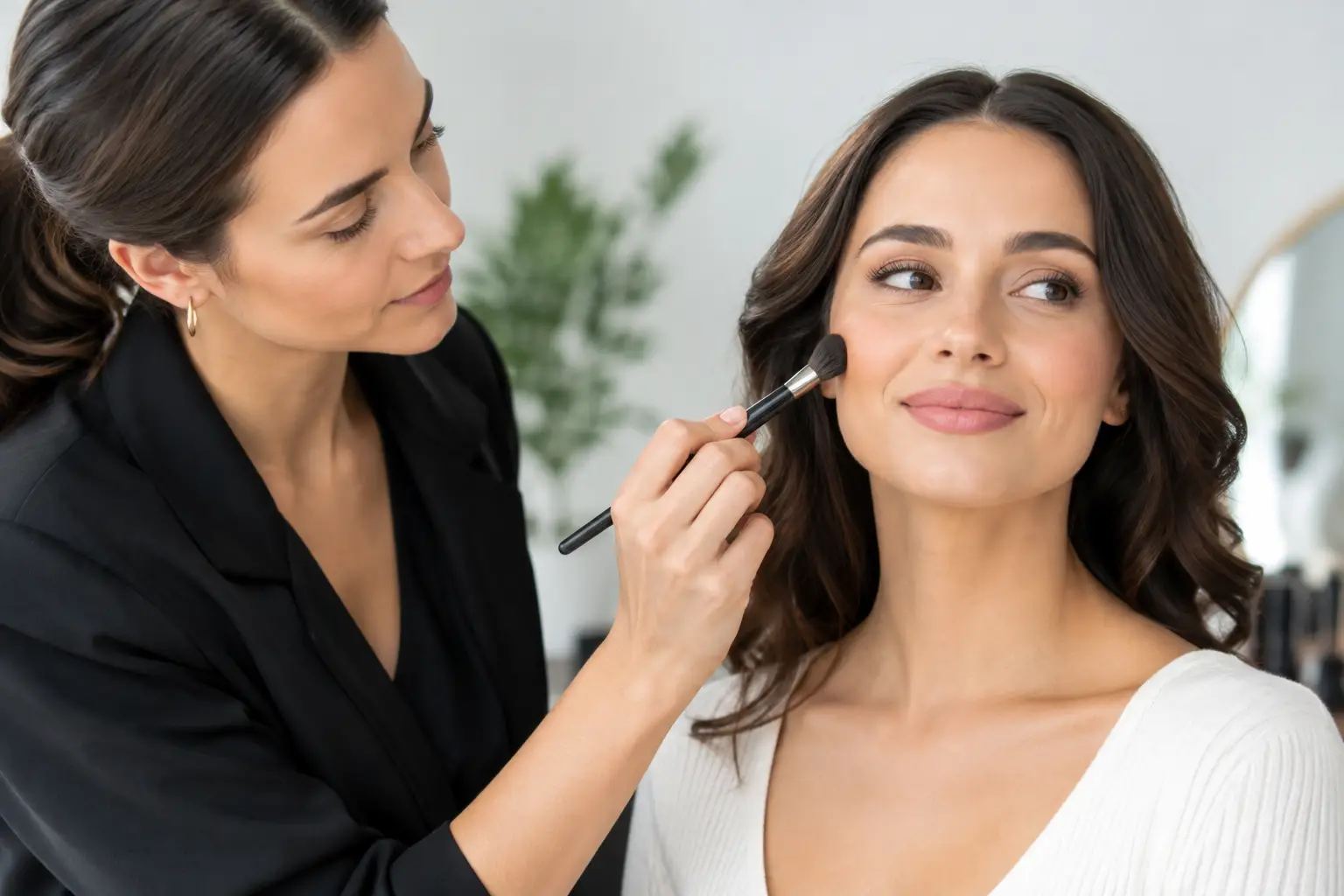
For a casual snapshot, everyday makeup may be perfectly fine. For weddings, engagement sessions, professional headshots, family portraits, and formal events, professional application tends to show up in all the details people notice later. The skin looks more balanced, the feature placement is more intentional, and the wear time is more reliable.
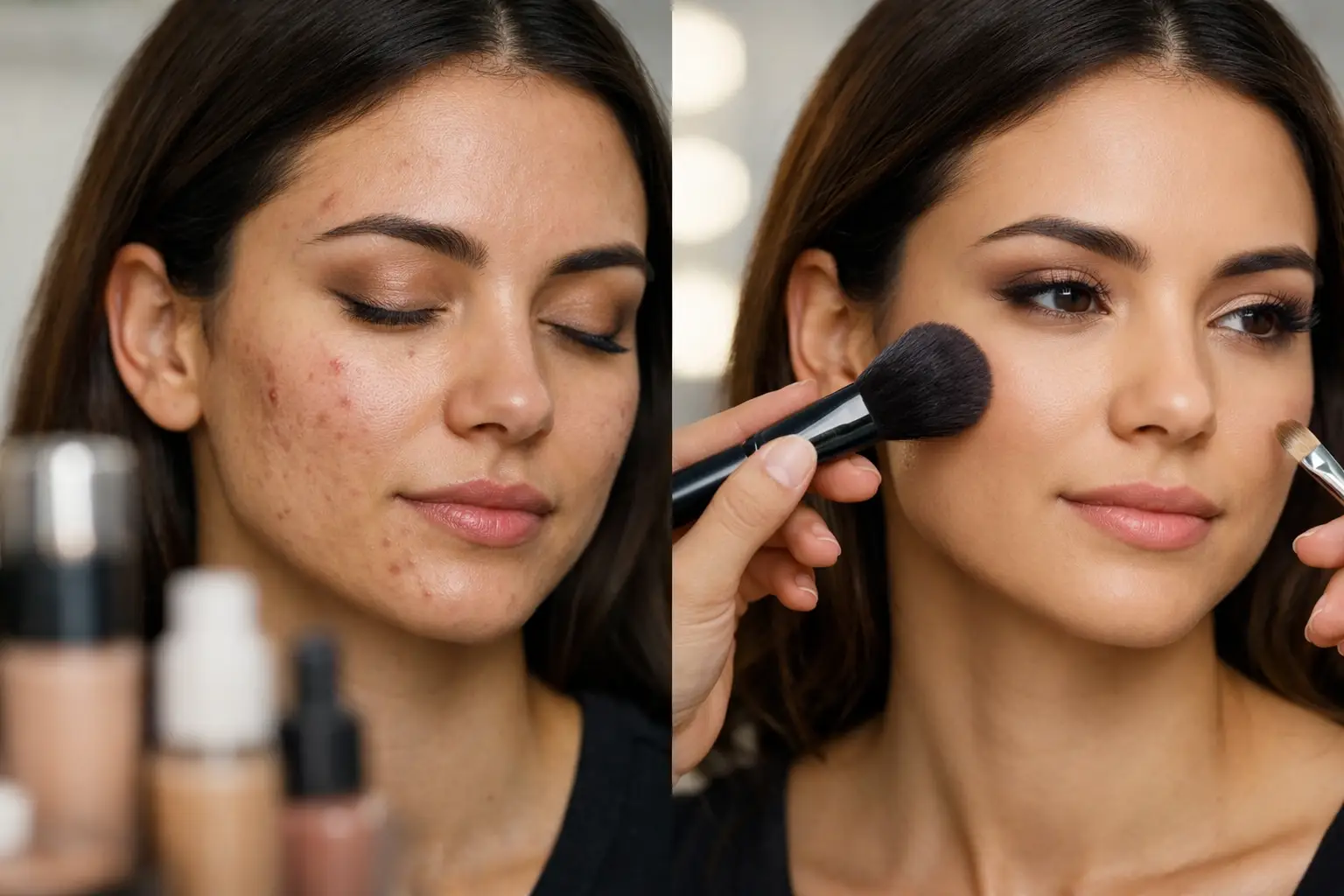
That is especially helpful for clients who do not wear makeup often, have sensitive or acne-prone skin, or want guidance on how to look elevated without looking overdone. A calm, personalized makeup service removes guesswork and creates a result that feels polished rather than forced. This is a big part of the experience at Taylor Bailey Makeup Artist, where camera-ready makeup is approached through skin prep, customization, and a soft glam finish that still looks like you.
The best photo makeup does not ask you to become someone else. It simply helps your features read clearly, beautifully, and confidently in every frame. When the makeup is prepared with care and tailored to your skin, you spend less time worrying about how it is holding up and more time being present in the moment.
If photos will matter long after the event is over, your makeup should be built with that in mind from the very start.