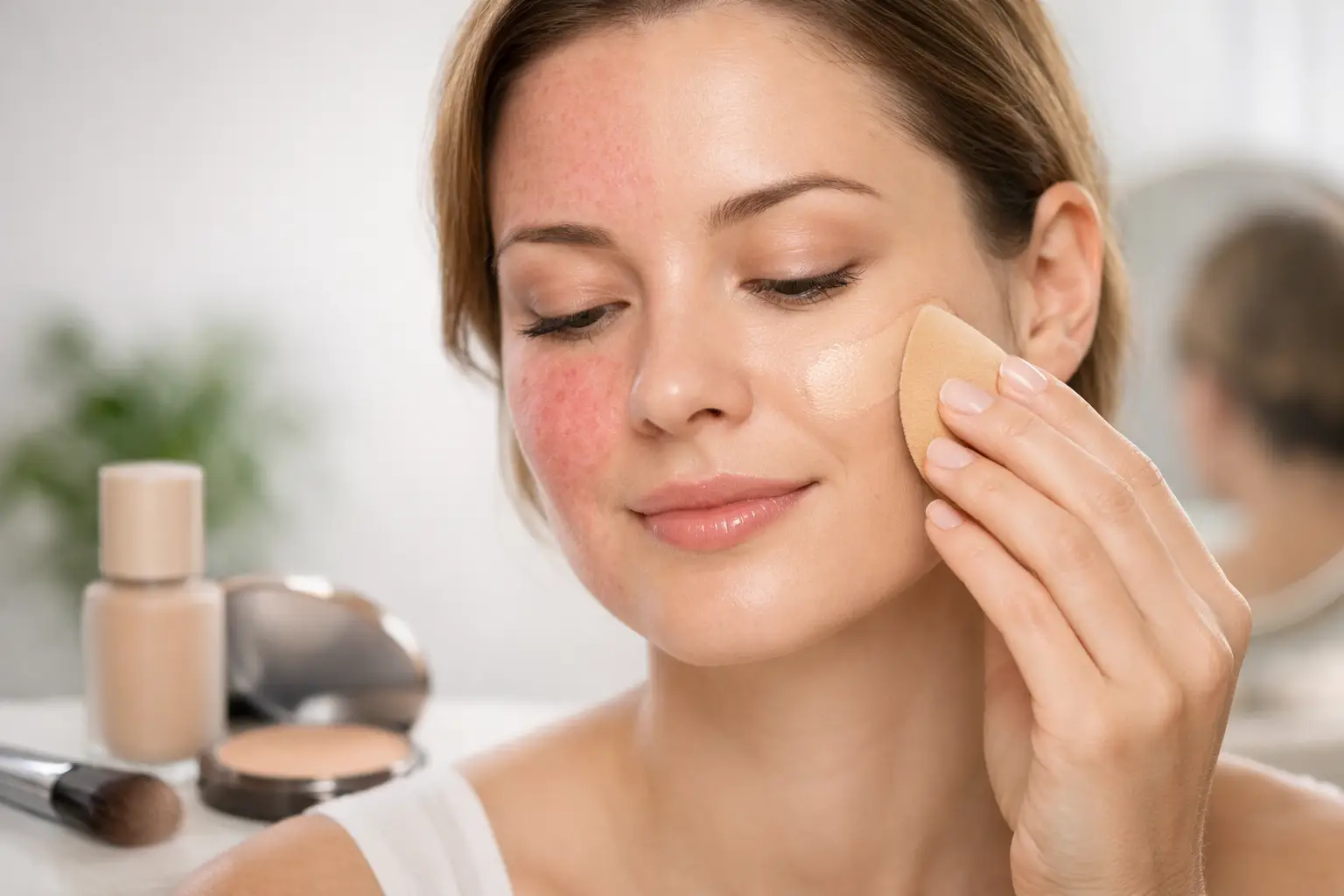
Makeup for Rosacea That Looks Like Your Skin
A rosy flush can be beautiful, but rosacea-related redness often behaves differently on the days you want your makeup to look especially polished. It may be concentrated around the cheeks and nose, shift with heat or stress, or arrive with dryness and sensitivity that makes products sit unpredictably. Makeup for rosacea should not feel like a mask or a battle with your skin. With the right preparation, shades, and application technique, it can create a calm, radiant finish that still looks unmistakably like you.
For a wedding, headshot, gala, or special family photo, the goal is not to erase every trace of natural color. It is to even the complexion thoughtfully, preserve skin-like texture, and make sure you feel comfortable from the first photograph through the last.
Start With Calm Skin, Not More Coverage
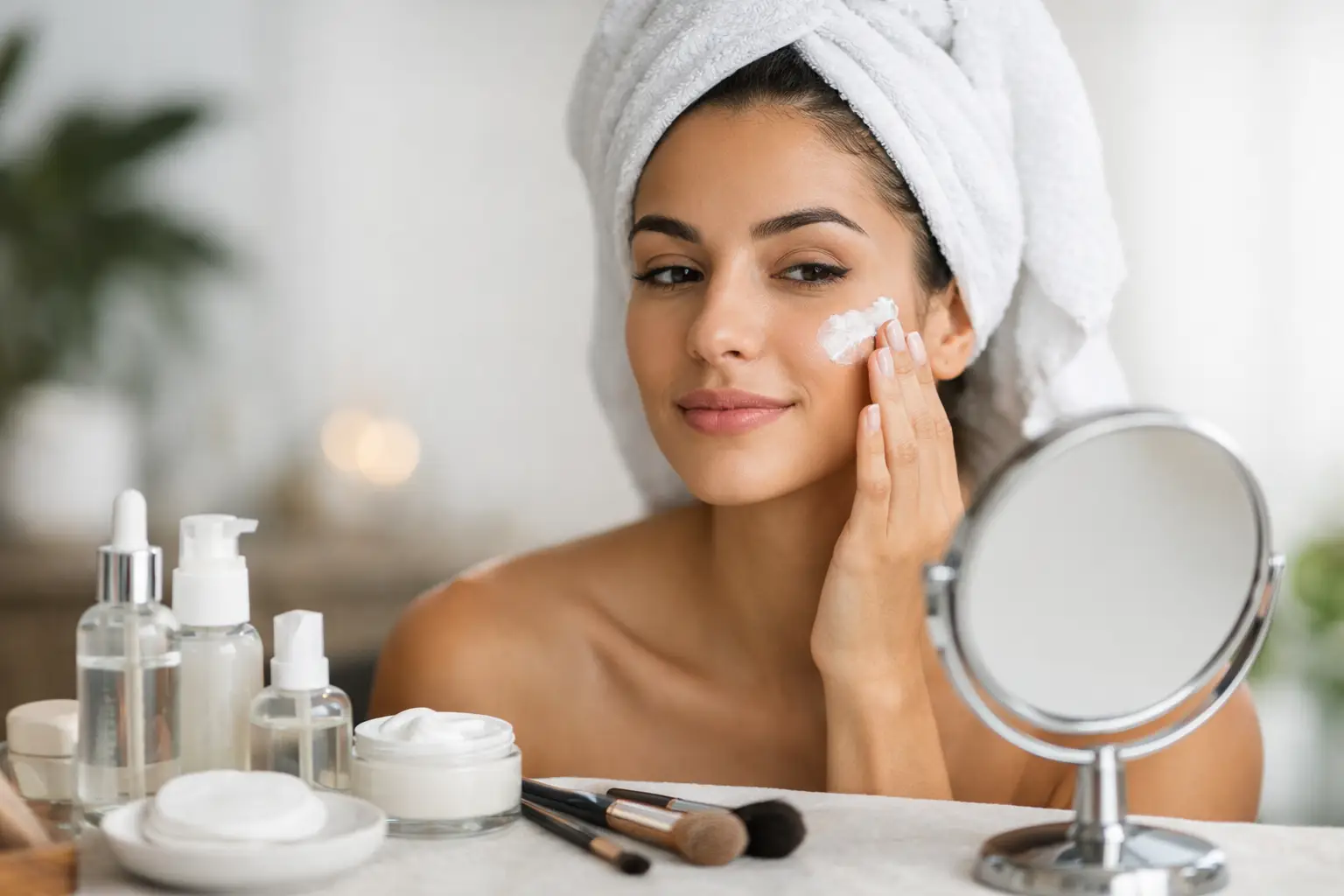
The most flattering base begins before foundation. Rosacea-prone skin can react to friction, excess heat, fragrance, or a rushed routine, so skin prep should be gentle and intentionally simple. A familiar cleanser, a lightweight hydrating moisturizer, and a sunscreen you already know your skin tolerates are often a better event-day plan than trying a new active serum or rich facial oil.
Give skincare time to settle before makeup begins. When moisturizer is still moving on the surface, foundation can separate or become patchy. When skin is dehydrated, adding more foundation rarely solves the issue. It can emphasize flakes and texture instead.
For clients whose skin feels dry or tight, a makeup artist may use light layers of hydration and press them in rather than rub aggressively. If the T-zone tends to become shiny while the cheeks feel dry, preparation can be adjusted by area. Skin is rarely one uniform texture, and treating it that way is one reason complexions can look heavy.
If you are under a dermatologist’s care or use prescription rosacea treatments, keep your normal routine consistent leading up to an important event. A makeup appointment is not the right time to test a peel, a strong exfoliant, or a product marketed as a quick redness fix. Even well-intended changes can leave sensitive skin feeling more reactive.
Choosing Makeup for Rosacea With a Natural Finish
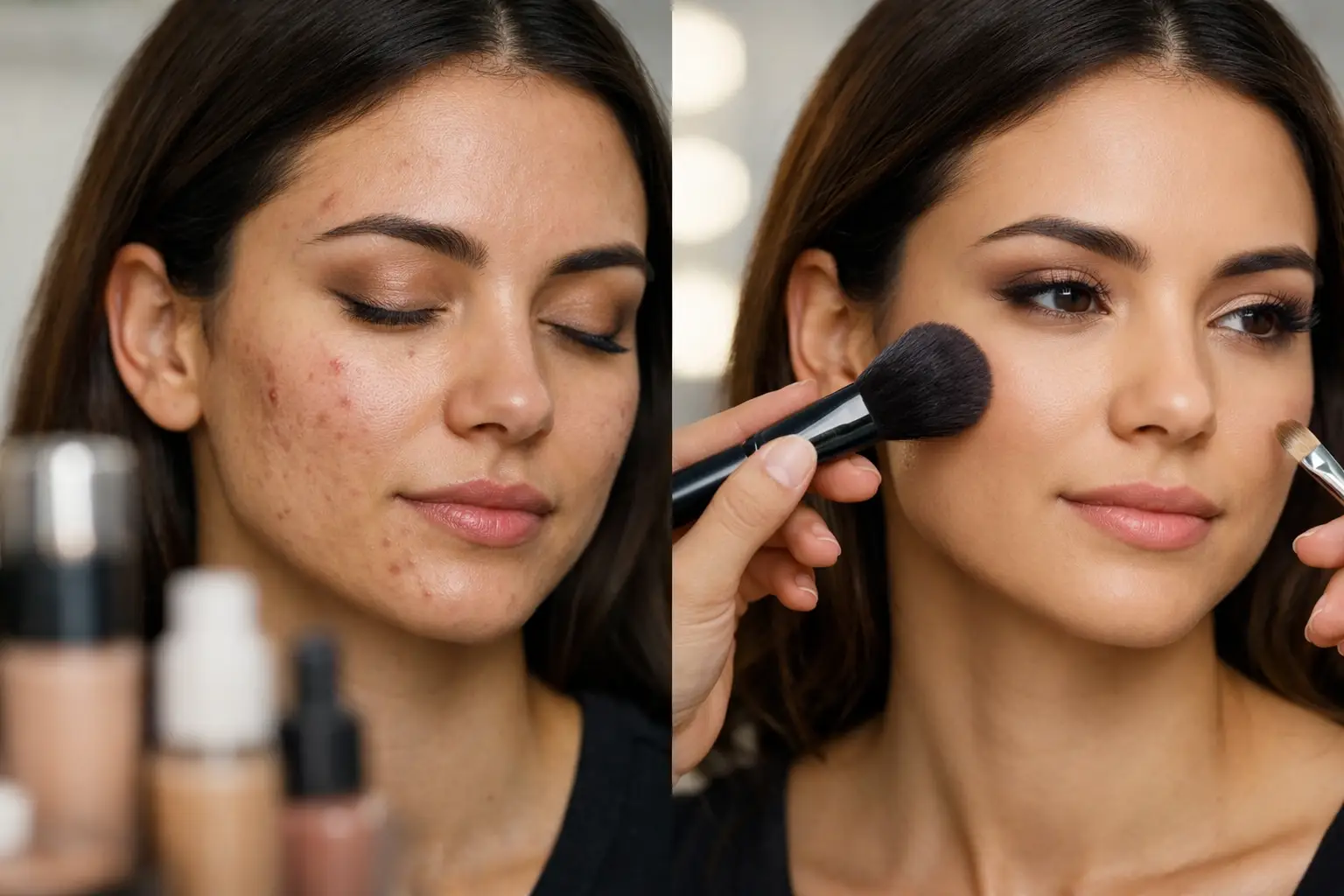
Color correction can be useful, but it works best when it is subtle. A small amount of a muted green corrector can soften visible red tones before complexion makeup. The key is using only where redness is strongest, such as around the nose, the center of the cheeks, or the chin. A full layer of green product across the face may leave the skin looking flat, gray, or harder to match.
From there, choose a foundation or skin tint with a flexible, buildable formula. Medium coverage is often enough for special-event makeup because it evens the overall complexion while allowing natural dimension to remain. If more coverage is needed for photography, it is usually more refined to build in thin layers than to apply one thick coat.
Undertone matters just as much as coverage. A foundation that is too pink can bring more attention to existing redness, while one that is overly yellow or golden can look disconnected from the neck and chest. The most believable match often has a neutral or softly golden balance, but the right choice depends on your individual skin tone. Testing along the jawline and checking the color in natural light helps prevent a mismatch.
Concealer belongs where it adds value
Concealer is most effective when it is placed with purpose. Use it to brighten the inner corners of the eyes, soften any remaining redness in small areas, or provide extra coverage around the nose. Applying bright, opaque concealer over the entire cheek can make the finish look more textured than a carefully built foundation layer.
A small brush or a clean fingertip allows product to be pressed onto the skin rather than swept back and forth. Pressing preserves coverage and reduces unnecessary friction, which can matter when skin is sensitive or warm.
Powder strategically, not automatically
A soft setting powder can help makeup wear beautifully through a ceremony, portraits, or a long evening. But heavy powder can catch on dry areas and make a complexion appear dull in person and on camera. Concentrate it where makeup tends to move – commonly around the sides of the nose, forehead, and chin – then leave the healthier parts of the cheek with a more natural finish.
For clients with a drier complexion, a finely milled powder applied in a light veil is usually more flattering than repeated baking. Setting spray can add longevity, though it should be selected carefully for sensitive skin and misted lightly rather than saturated.
Color Choices That Complement Redness
When the complexion is balanced, the rest of the makeup can feel soft and intentional. Neutral eyes, warm taupes, gentle bronzes, and softly defined lashes bring attention upward without competing with the cheeks. A satin or softly luminous finish often photographs beautifully, while very sparkly shadow may emphasize texture depending on the look and lighting.
Blush is not off-limits with rosacea. In fact, the right blush can make the face look more dimensional after redness has been softened. Choose a shade that looks deliberate rather than identical to the natural flush. Soft peach, muted rose, warm nude, and gentle berry tones can all work well, depending on your coloring. Placement also helps: applying blush slightly higher and farther outward on the cheek can create lift while keeping the center of the face more calm.
A carefully chosen lip color completes the balance. A rosy nude, polished pink, or soft berry can make the overall look feel fresh without asking the complexion to do all the work. For more formal events, a classic satin lip often offers a beautiful middle ground between comfort and definition.
What to Avoid Before a Major Event
Sensitive skin rewards consistency. In the week before your event, resist the urge to overhaul your routine based on a trend or a single social media recommendation. Avoid introducing unfamiliar retinoids, acids, scrubs, masks, or fragranced products, particularly if you have had reactions in the past.
Heat can be a personal trigger for many people with rosacea, so it may also help to plan the practical details. Allow enough time to get ready without rushing, keep the room comfortably cool when possible, and avoid placing very hot tools or drinks close to the face right before makeup. This is not about eliminating every variable. It is about giving your skin its best chance to feel settled.
If you are scheduling a spray tan, facial, waxing service, or brow treatment, plan it well ahead of your makeup appointment and choose services you have tolerated before. Last-minute appointments can introduce irritation, especially around the brows, upper lip, and cheeks.
Why a Trial Can Make Event Makeup Easier
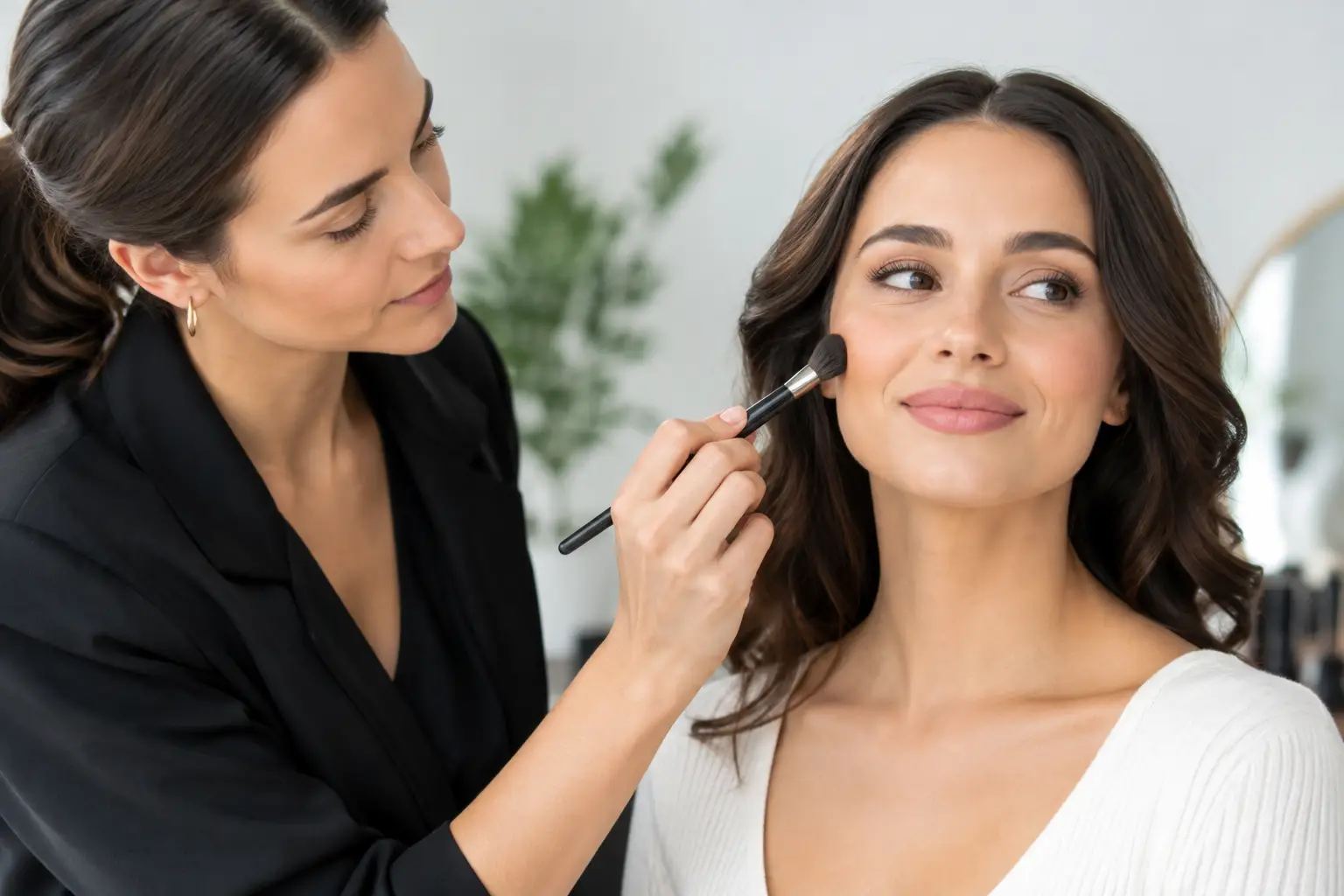
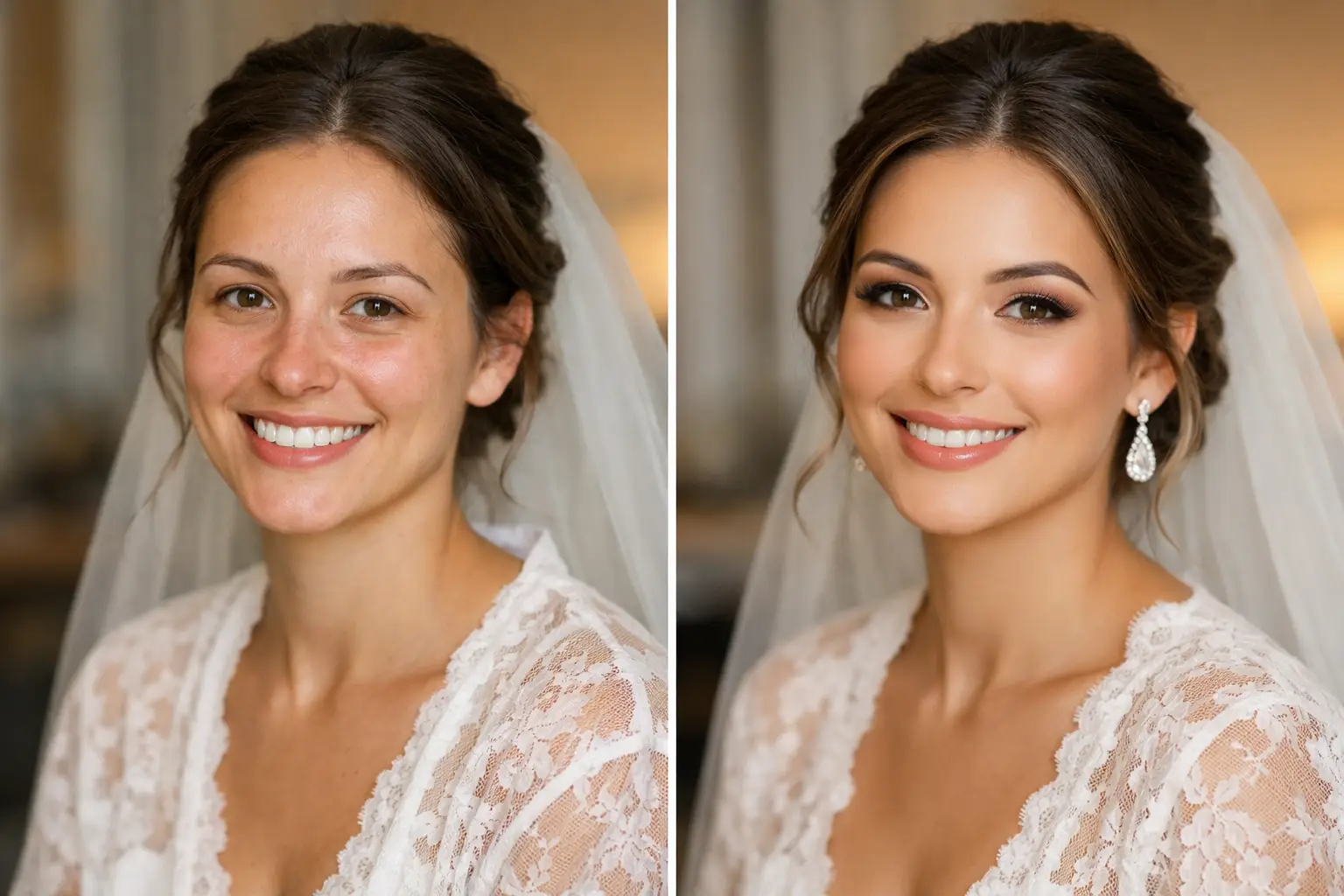
For a bride or anyone with a high-stakes event, a makeup trial offers valuable peace of mind. It creates time to assess how products feel on the skin, how coverage wears, and how the makeup reads in photographs. It also lets you share the details that matter: products that have caused stinging, areas that get dry, whether you prefer a more matte or luminous look, and how much of your natural flush you would like to keep visible.
Bring a few photos as a reference, but use them as a starting point rather than a strict formula. Skin tone, facial features, lighting, and camera settings all influence the final result. A skilled artist will translate the feeling of your inspiration into a look that works for your face and your comfort level.
At Taylor Bailey Makeup Artist, skin-focused application is central to creating soft glam that wears beautifully without looking overly transformed. Clean tools, thoughtful product selection, and an unrushed approach make space for adjustments, especially when skin has its own preferences.
A Comfortable Look Is the Most Convincing One
Long-wear makeup does not have to mean a tight, overly matte complexion. It means selecting products and techniques that work with your skin, then building coverage only where it is needed. Some clients will prefer a more perfected finish for flash photography. Others will feel most confident when freckles, natural color, and skin texture remain visible. Both choices can be polished.
On the day of your event, tell your artist how your skin is feeling. If you are warmer than usual, dry around the nose, or experiencing a flare, that information helps guide the application. The most beautiful makeup is not about forcing your skin into someone else’s idea of perfection. It is about creating a finish that lets you walk into the room feeling comfortable, cared for, and fully yourself.