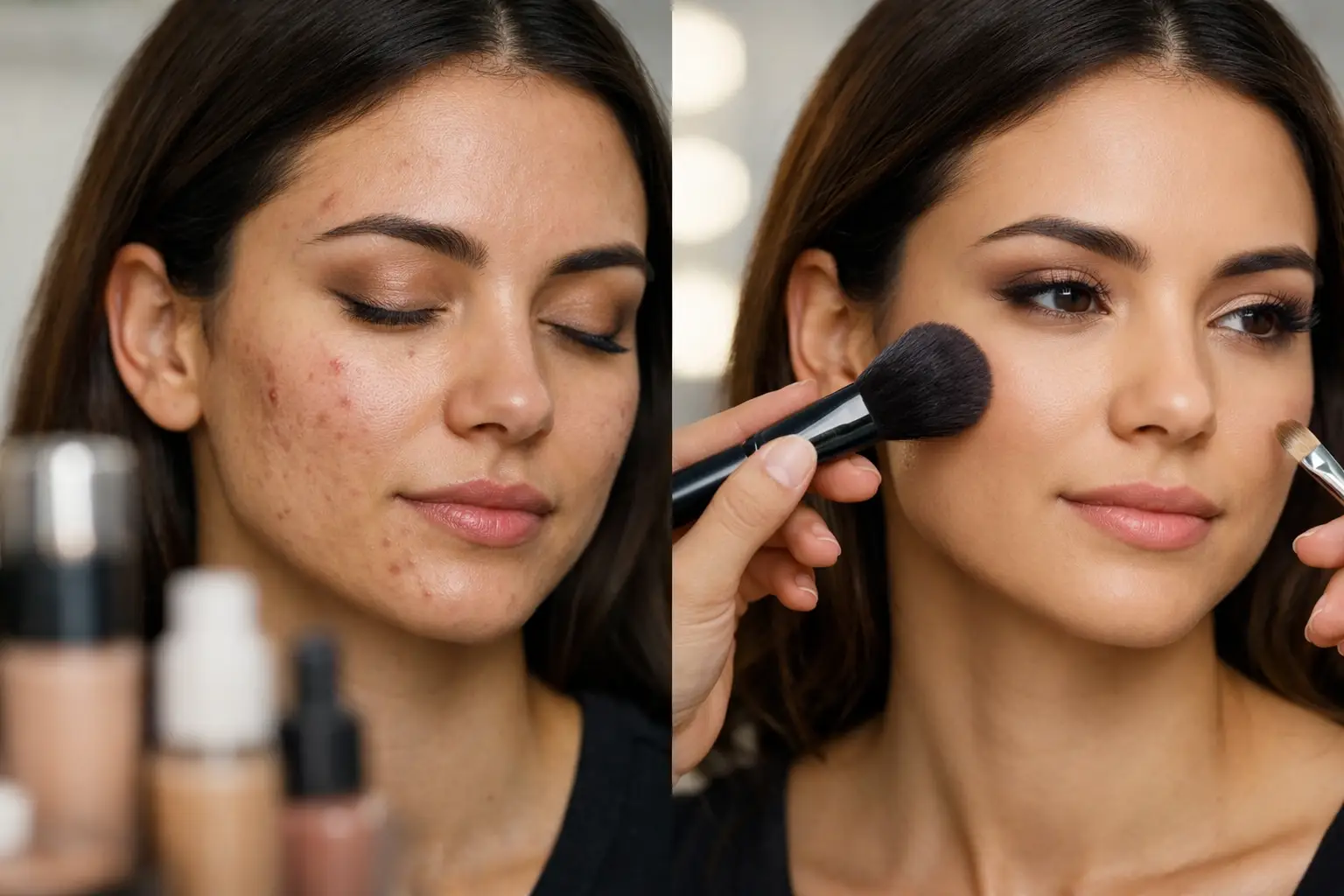
Can Professional Makeup Help With Acne Scars?
A close-up photo, a wedding-day hug, a presentation under bright lights – these are the moments that can make old acne scarring feel more visible than it does in everyday life. So, can professional makeup help acne scars? Yes. With the right skin preparation, product choices, and application technique, professional makeup can noticeably soften the look of discoloration and texture while keeping your complexion looking like skin.
The goal is not to create a perfectly flat, filtered finish. Acne scars are a normal part of skin, and makeup cannot permanently erase them. A skilled artist instead works with your skin’s texture, light, and undertone to create a polished, balanced result that feels comfortable in person and photographs beautifully.
Can professional makeup help acne scars for an event?
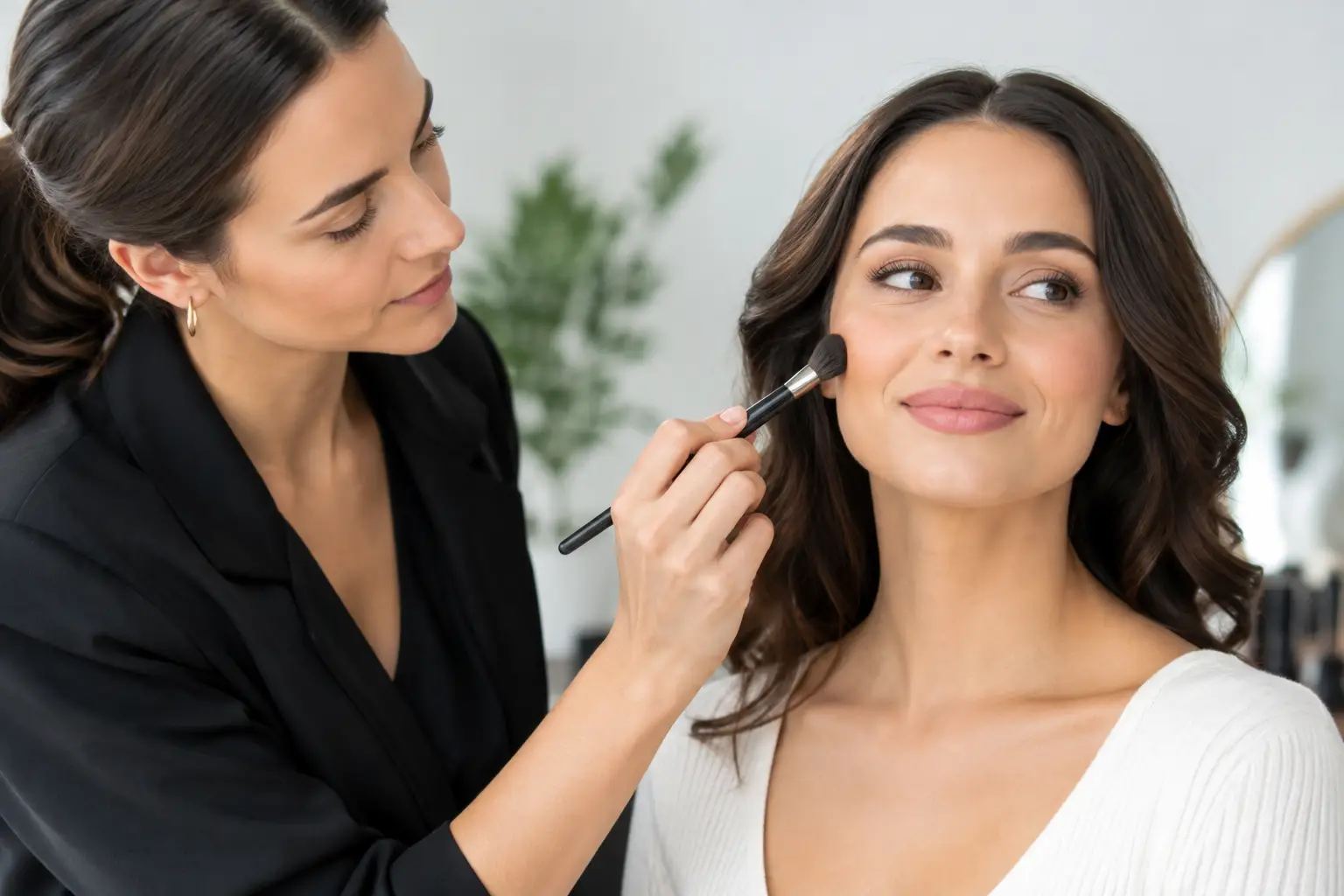
It can make a meaningful difference, especially for weddings, headshots, galas, and other occasions when you want your makeup to wear well for hours. Professional application is more than adding extra foundation. It is a considered process of assessing what kind of scarring is present, how your skin is behaving that day, and what finish will suit the event, lighting, and your personal comfort level.
Post-acne marks that are red, pink, brown, or purple often respond very well to strategic color correction and light layers of complexion makeup. Raised scars and indented scars can also look softer once surrounding redness and uneven tone are balanced. Texture, however, catches light differently than smooth skin. Applying a heavy layer of product in an attempt to cover it usually draws more attention to it as the day goes on.
That distinction matters. The most flattering result is rarely the fullest possible coverage. It is coverage placed precisely where it is needed, with enough natural dimension left in the skin that your makeup does not look mask-like in photographs or across the table from someone you love.
What professional makeup can and cannot do
Makeup can neutralize uneven color, reduce the contrast between scars and the rest of the complexion, and create a more even-looking surface from a normal conversational distance. It can also help minimize the shine that sometimes emphasizes texture, without taking your skin all the way to a dry, powdery matte finish.
What it cannot do is fill a deep indentation or change the physical structure of a scar. It also cannot promise that every trace of texture will disappear under direct flash, side lighting, or a high-resolution camera held inches from the face. An experienced makeup artist will be honest about these limits while still showing you how beautiful, fresh, and refined your skin can look.
For many clients, that honest approach is a relief. You do not need to arrive with “perfect” skin to receive beautiful event makeup. You need a plan that respects the skin you have and supports the way you want to feel.
Skin preparation makes the coverage look better
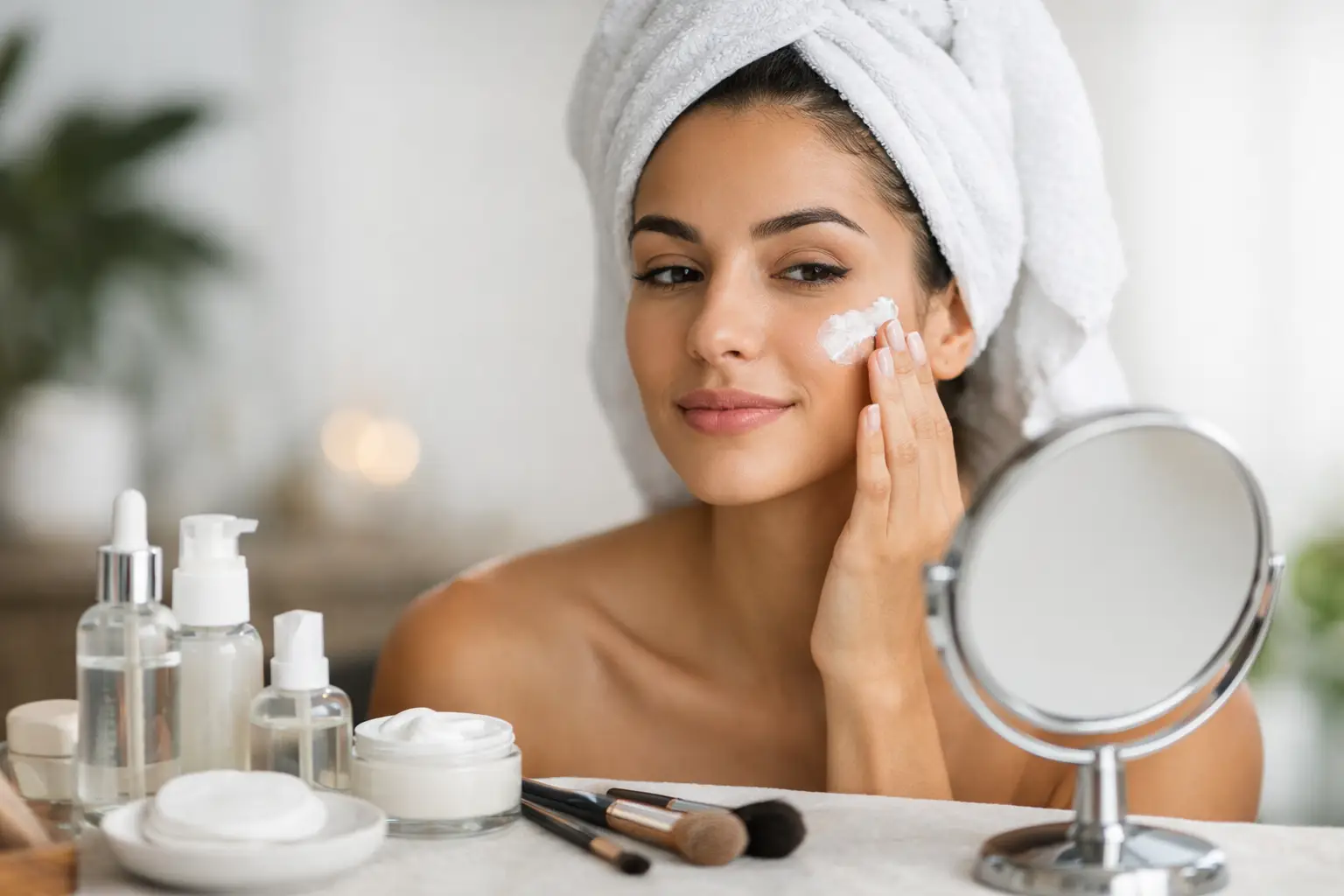
Complexion makeup performs best when the skin beneath it is calm, hydrated, and not overloaded. Skin preparation is especially important for acne-prone or scarred skin because dehydration, surface flaking, and excess oil can all make texture more apparent.
A professional artist begins by observing your skin rather than automatically using the same routine on every face. Some clients need lightweight hydration to prevent foundation from clinging. Others need careful oil control through the T-zone while keeping drier areas comfortable. If you have active breakouts alongside scars, product placement becomes even more intentional to avoid disturbing sensitive areas.
The days before a major event are usually not the time to try a strong new exfoliant, peel, retinoid, or facial treatment. Even if a product normally works well for you, introducing something new can lead to irritation, dryness, or a flare-up at the wrong moment. Keep your routine gentle and familiar, and let your makeup artist know about any sensitivities, prescriptions, or products that affect how your skin behaves.
The techniques that create a natural-looking finish
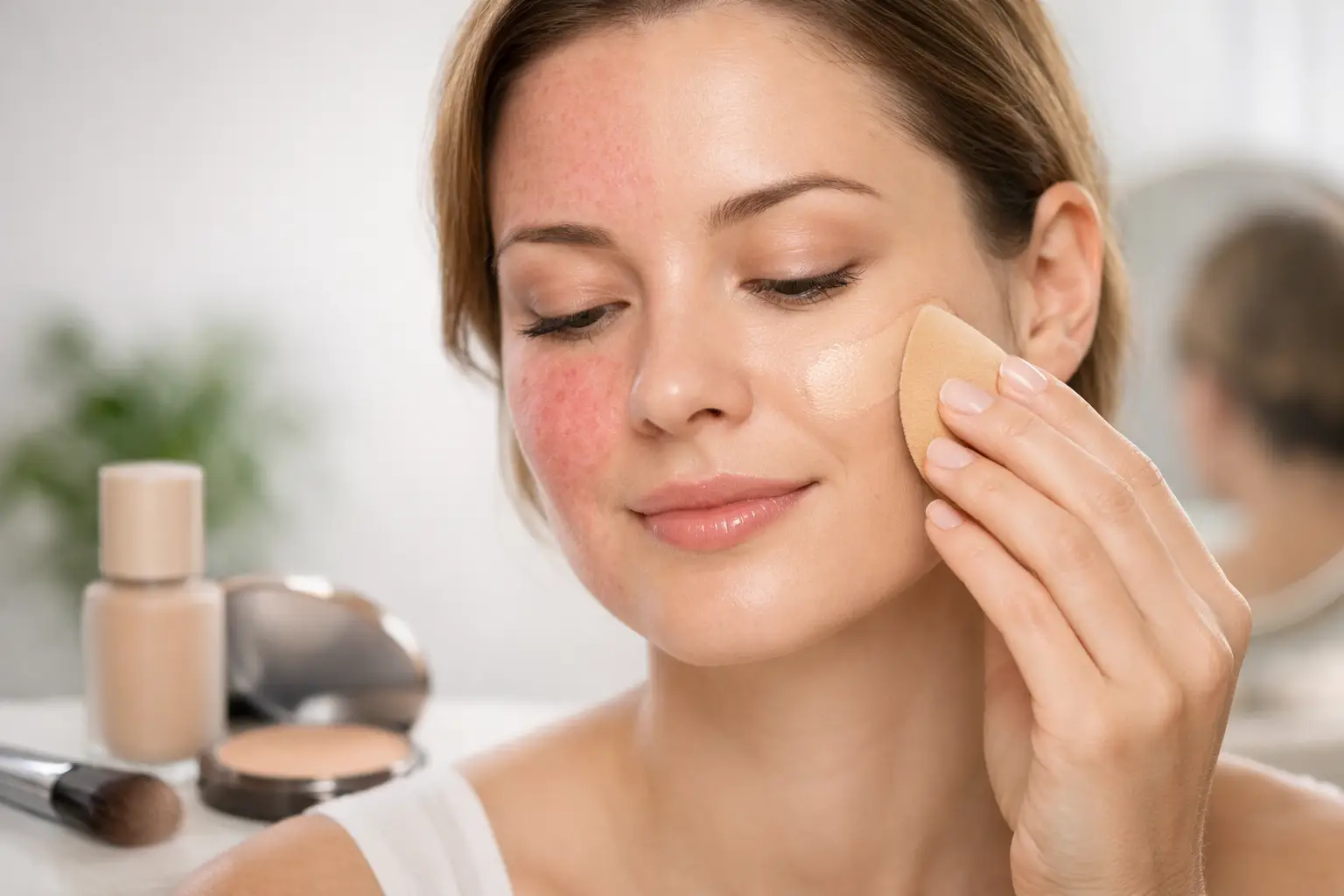
A professional complexion application often starts with correction only where discoloration needs to be neutralized. For example, a soft peach, orange, or green-toned corrector may be used in tiny amounts depending on the color of the mark and your skin tone. This helps prevent the need for a thick layer of concealer over the entire face.
Foundation is then applied in thin, buildable layers, often pressed into the skin rather than swept broadly over textured areas. Pressing helps create an even veil of coverage without moving product around or catching dry patches. Concealer can be added selectively, allowing the rest of the complexion to remain lighter and more skin-like.
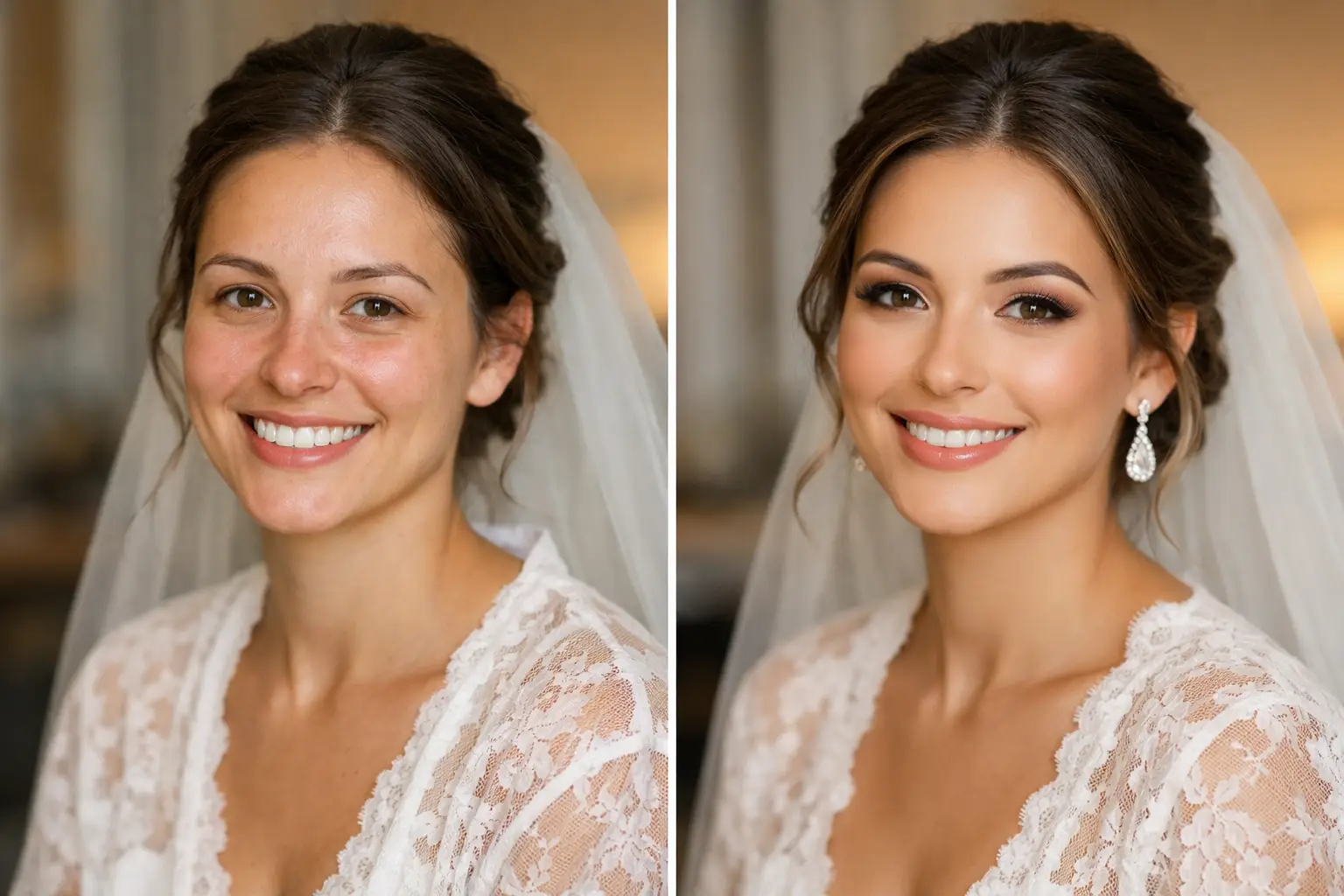
The final finish is adjusted for your skin and the occasion. A bride spending time outdoors in Northern Virginia humidity may need a different balance of hydration and setting products than a client preparing for an indoor DC headshot session. For flash photography, a makeup artist also considers products that may create unwanted shine or flashback.
Powder is useful, but more is not always better. Too much powder can settle into uneven areas and make texture appear more pronounced. A thoughtful artist sets only where needed, then uses setting techniques designed to preserve the natural finish of the skin.
Why a makeup trial or consultation can be worthwhile
If acne scars are a significant concern for your wedding day or a milestone event, a trial gives you space to discuss them without rushing. You can share reference photos, explain what has and has not worked in the past, and see how different coverage levels feel on your own skin.
This is also the time to communicate what “natural” means to you. One client may want soft glam with visible freckles and a radiant finish. Another may feel most confident with more coverage through the cheeks and jawline while still wanting luminous skin elsewhere. Neither preference is wrong. The right application is one that aligns with your vision and wears comfortably for the full event.
At Taylor Bailey Makeup Artist, skin-focused artistry is built around that kind of personalization. The intention is never to make you look like someone else. It is to create a calm, elevated experience and a finish that lets your features, expression, and confidence remain the focus.
How to prepare for your appointment
Arrive with clean skin and avoid picking at any active blemishes, even when it is tempting. Picking can create fresh redness, swelling, and tenderness that are harder to calm before makeup. If you use acne treatments, follow your established routine but avoid applying a strong spot treatment immediately before your appointment unless your dermatologist has advised it.
Bring up your concerns before the makeup begins. Let your artist know whether certain areas tend to separate, become shiny, feel sensitive, or photograph differently than expected. If you have a product allergy or are using prescription acne medication, share that information as well. A professional kit should be handled with careful hygiene, including clean tools and disposable applicators where appropriate, which is particularly reassuring when the skin is active or sensitive.
For long events, a few simple touch-up items can help you stay fresh: blotting papers for shine, a small amount of lip color, and a clean puff if your artist recommends one. Resist the urge to keep layering powder throughout the day. Blotting first usually protects the finish better.
The confidence piece matters, too
Acne scars can carry history. They may remind you of a difficult season with your skin, years of trying products, or the feeling of being overly aware of your face in photos. It is completely reasonable to want professional support before an occasion that matters to you.
The best makeup experience should not make you feel scrutinized. It should feel attentive and reassuring. When coverage is thoughtfully customized, you can spend less time checking your reflection and more time being present for the toast, the photos, the dance floor, or the moment you step up to speak. Your skin does not have to be flawless for you to look polished, memorable, and entirely yourself.