How a Photoshoot Makeup Artist Prepares You
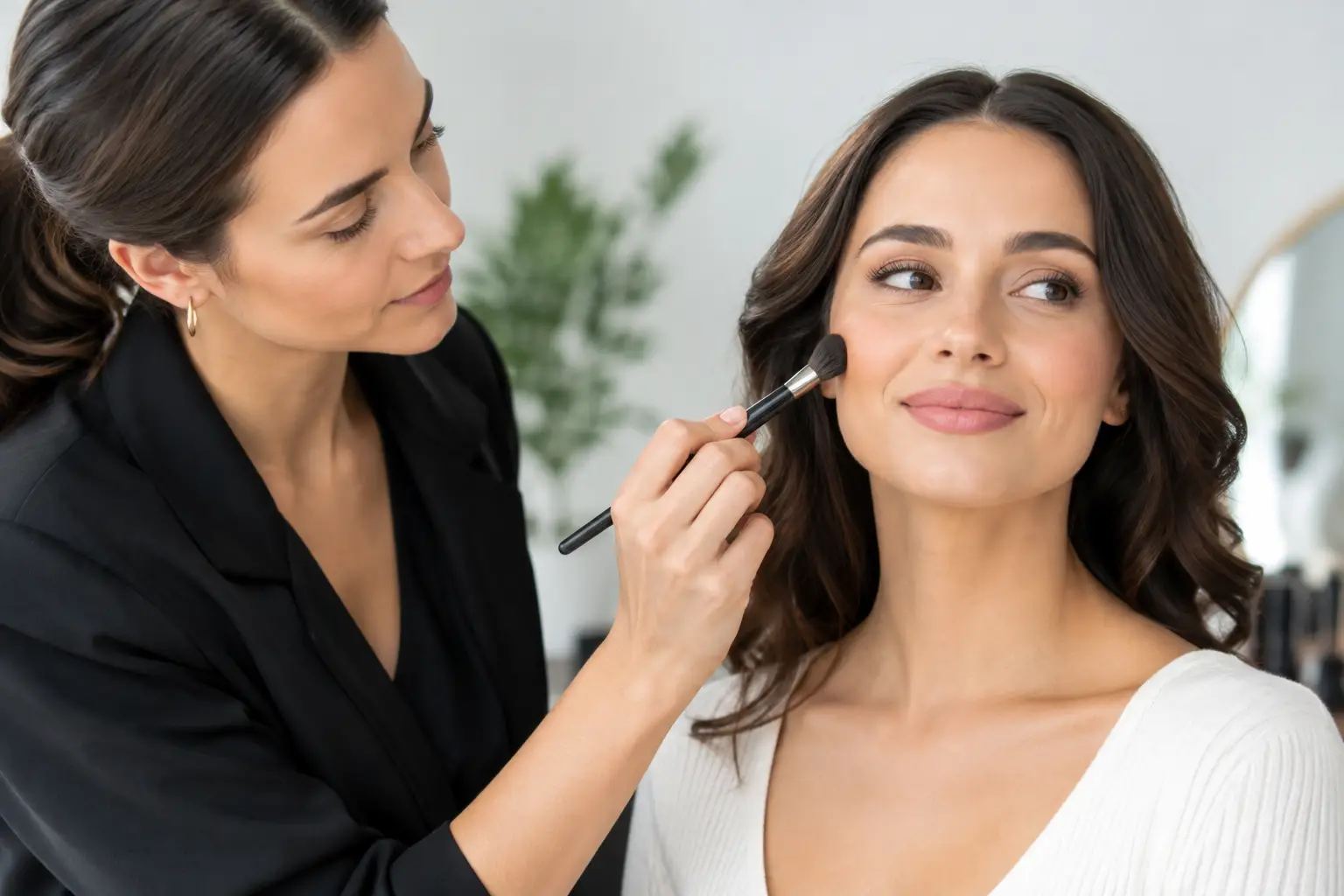
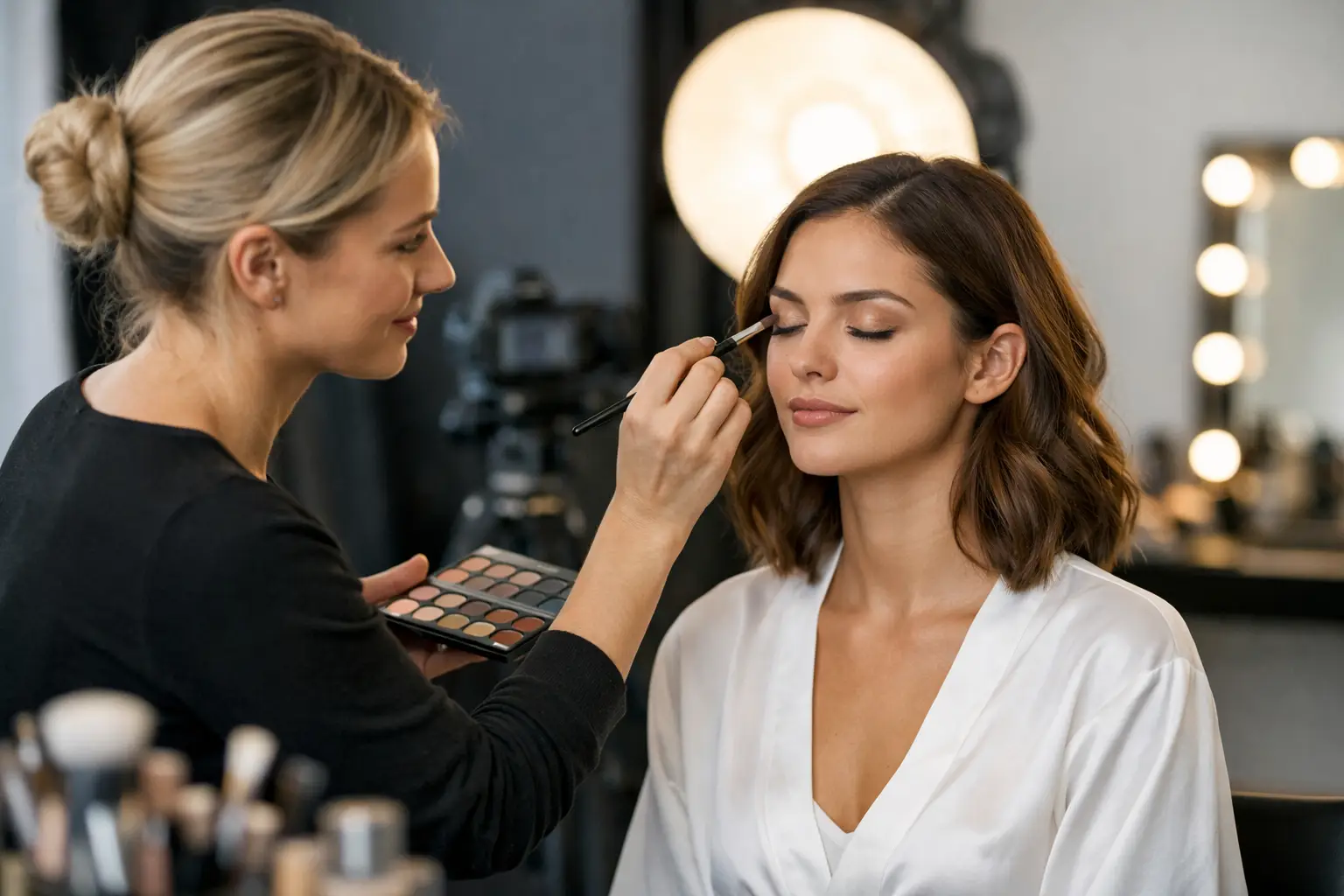
A camera can catch details that feel nearly invisible in person: a dry patch around the nose, shine across the forehead, makeup that has settled into fine lines, or a foundation shade that shifts under flash. A photoshoot makeup artist prepares for those details without turning your face into someone else’s. The goal is polished, comfortable makeup that complements your features, suits the setting, and still looks like you when you see the images years from now.
For professional headshots, family portraits, maternity sessions, branding photography, and milestone celebrations, makeup should be designed for both the lens and the person wearing it. That balance is where experienced artistry matters.
What a Photoshoot Makeup Artist Does Differently
Photoshoot makeup is not simply everyday makeup with more product. It is a considered process that accounts for lighting, camera distance, the length of the session, your wardrobe, and the finish you want in the final images.
A photographer may use natural window light, golden-hour sun, studio strobes, or direct flash. Each can change how skin, color, and texture appear. Makeup that looks lovely in a bathroom mirror can look flat under bright studio lighting, while too much powder or contour can make the complexion appear dry or overly sculpted in close-up portraits.
A professional artist works to create dimension without heaviness. Skin preparation, strategic complexion products, softly defined eyes, and colors selected for your undertone can help the makeup translate naturally in photographs. The best result is rarely the most dramatic one. It is the one that feels aligned with your personal style and the purpose of the shoot.
For example, a corporate headshot may call for refined skin, defined brows, and a neutral lip that keeps the attention on your expression. A maternity or engagement session may invite a little more warmth, radiance, and softness. For a fashion-forward branding shoot or evening editorial session, you may prefer a stronger eye or bolder lip. There is room for your vision, but the application should be adjusted for the camera rather than copied directly from a social media reference.
Skin Preparation Is the Foundation of Camera-Ready Makeup
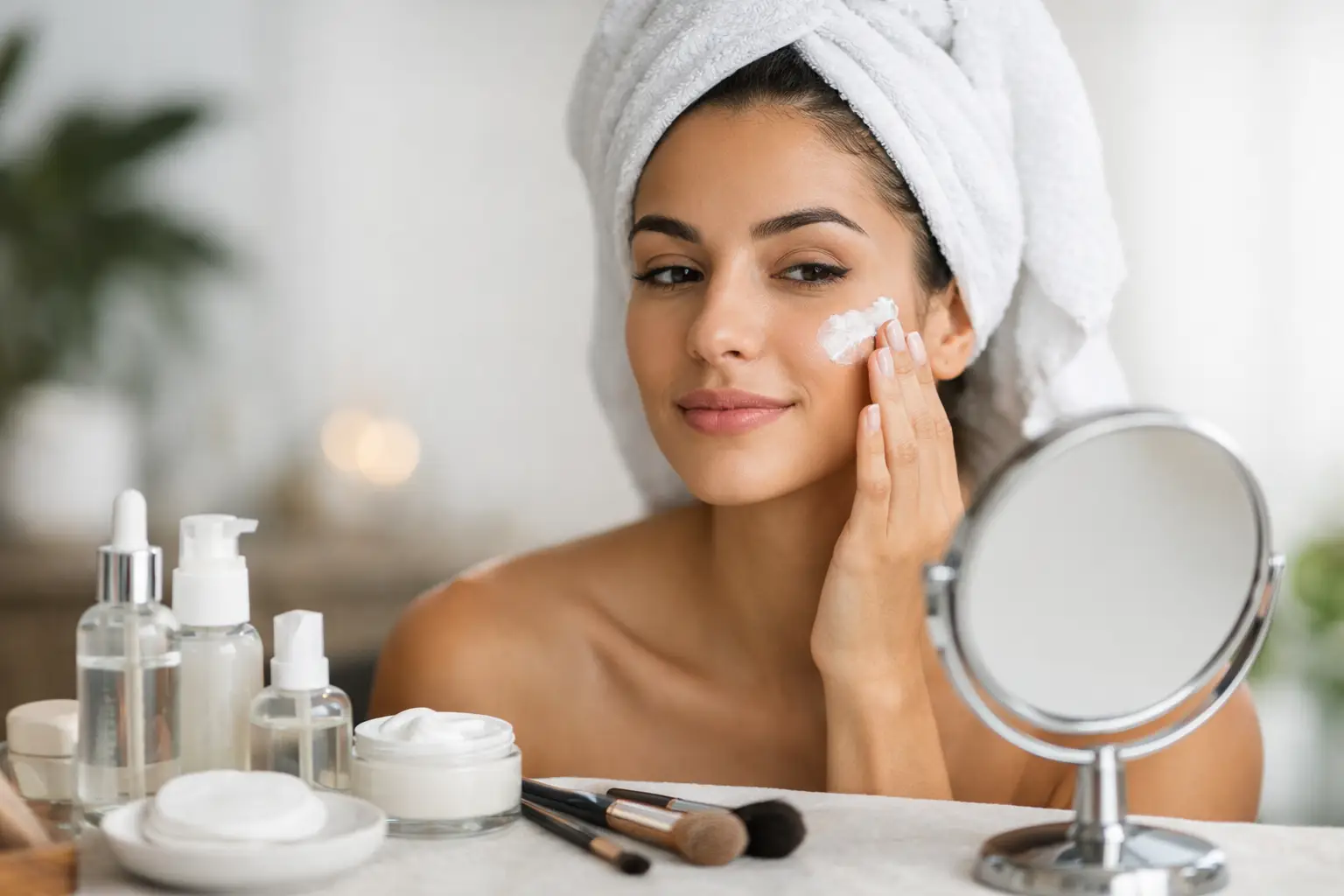
Beautiful makeup begins before foundation. When skin is dehydrated, irritated, or carrying excess oil, even premium products can wear unevenly. A skin-focused approach starts by assessing what your complexion needs that day: hydration, calming moisture, oil control in key areas, or a lightweight base that will not feel congested.
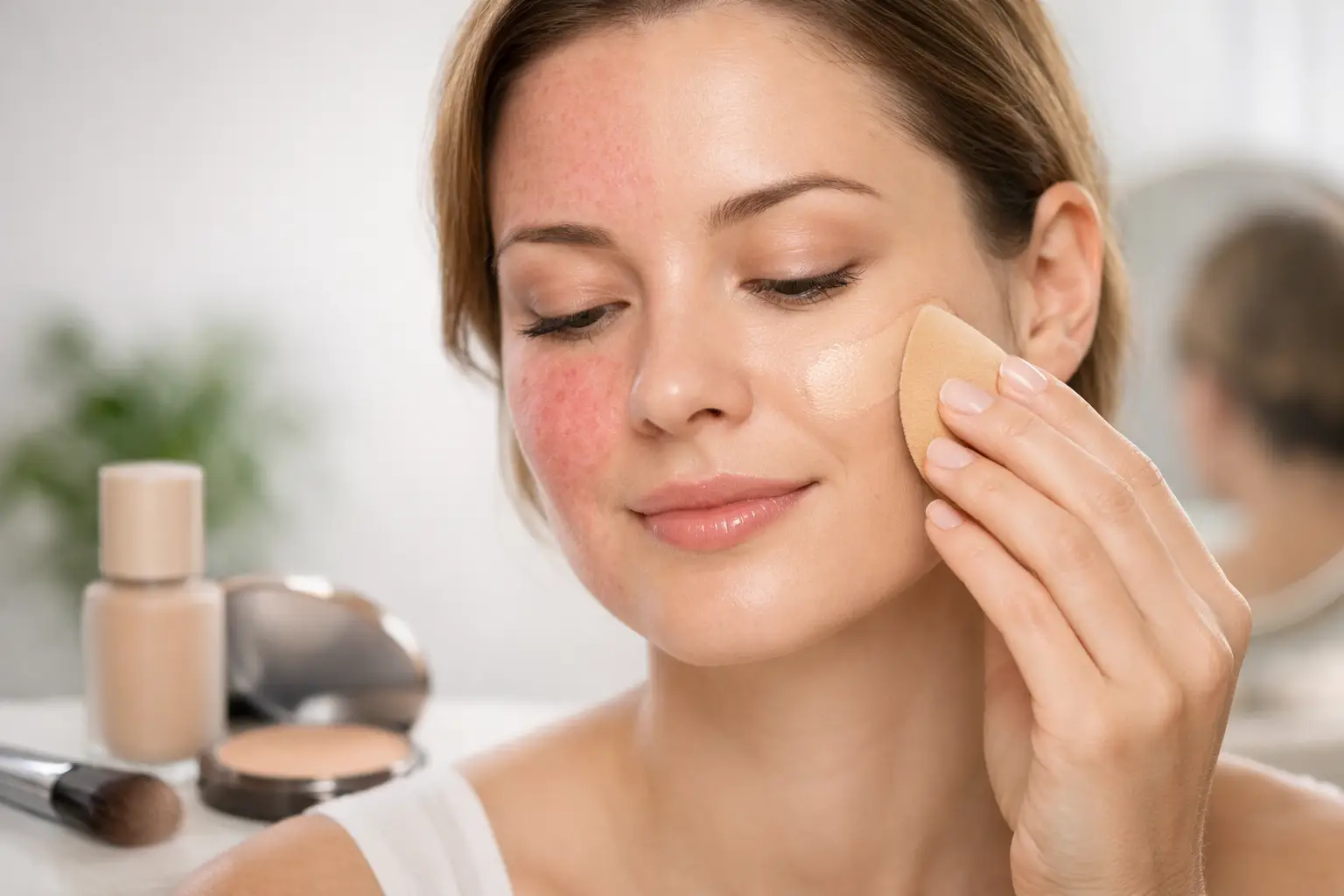
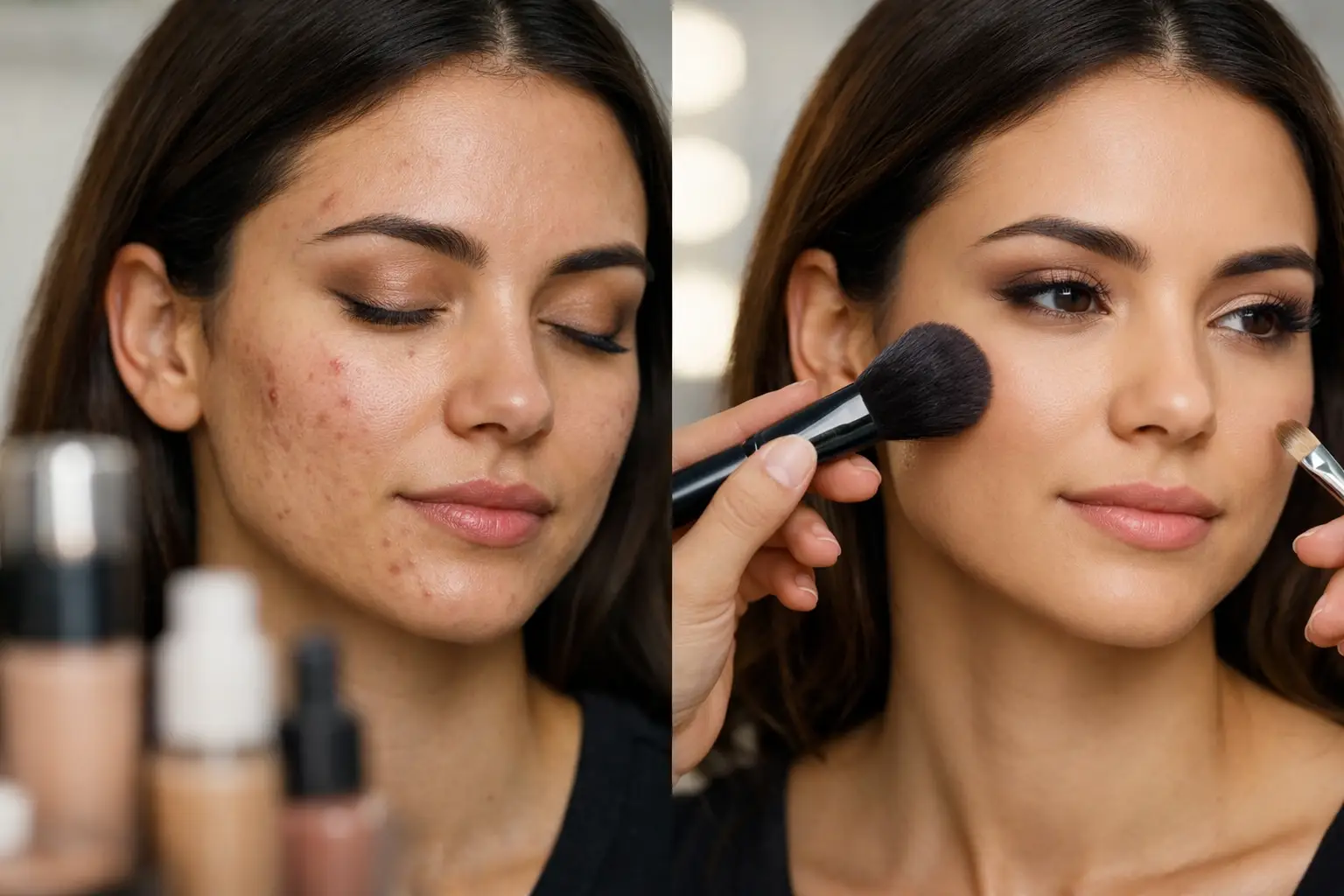
This is especially valuable for clients with sensitive, acne-prone, mature, or combination skin. Coverage does not have to mean a thick, mask-like finish. With thoughtful prep and appropriate product selection, redness, discoloration, and blemishes can be softened while the natural character of your skin remains visible.
The right finish depends on your skin and the shoot. A luminous complexion photographs beautifully for many clients, but excess shine can become distracting under flash or summer sun. Conversely, an entirely matte finish may feel too dry or one-dimensional in close-up images. A skilled artist can place glow where light naturally hits the face while keeping the T-zone and other shine-prone areas controlled.
If you are booking makeup for a photoshoot, avoid introducing new skincare products in the days immediately before the session. A reaction, breakout, or unexpected peeling is not worth the risk. Keep your routine gentle, wear sunscreen, and arrive with clean skin unless you have been given different instructions. If you use prescription skincare, have allergies, or are managing a skin condition, share that information before your appointment so products and prep can be chosen with care.
Choosing a Look That Will Still Feel Like You
Many clients bring inspiration photos, and they can be helpful for communicating mood, color, and level of definition. The most useful references show makeup on someone with a similar skin tone, eye shape, or overall coloring. Still, inspiration is a starting point, not a formula.
Your artist should ask how you normally wear makeup, what makes you feel most confident, and what you would prefer to avoid. Someone who rarely wears foundation may feel uncomfortable in full glam, even when it is beautifully applied. Another client may love a polished, defined eye but want skin that remains fresh and breathable. Both preferences are valid.
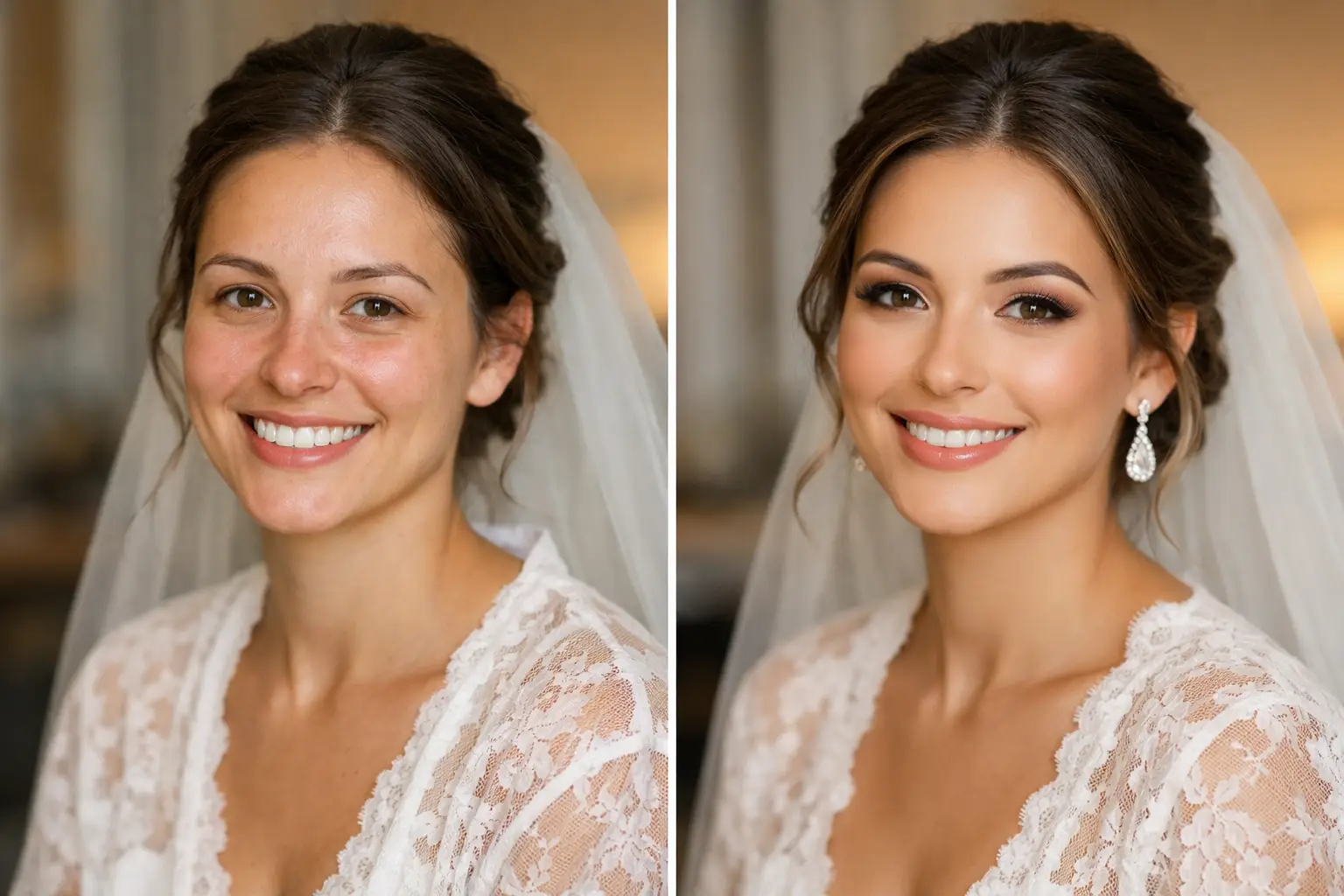
Soft glam is often an ideal choice for portraits because it creates enough definition for the camera without becoming overly transformative. Think even, radiant skin; softly sculpted cheeks; lashes that open the eyes; and lips that enhance your natural tone. It can be adjusted in either direction depending on the occasion. The key is intentionality, not a one-size-fits-all trend.
Your wardrobe and location matter
A cream blouse, a black formal gown, a bright brand color, and a floral maternity dress each create a different visual story. Makeup should support that story rather than compete with it. If your outfit has a strong color or your shoot includes a statement accessory, a more balanced makeup palette may photograph best. If the wardrobe is minimal, a richer lip or slightly more defined eye can add presence.
Location matters, too. Outdoor photos often benefit from skin that has warmth and life, while studio portraits may need slightly more definition so features do not disappear beneath lighting. Share your wardrobe, shoot location, and any creative direction in advance whenever possible.
Timing, Touch-Ups, and Long-Wear Comfort
Makeup application should be scheduled with enough room to feel calm. Rushing tends to affect both the experience and the finish. For an individual photoshoot appointment, allow time not only for application but also for a brief consultation, skin preparation, and final refinements.
If your session is later in the day, makeup can often be scheduled a few hours beforehand. For early morning shoots, an on-location artist can be particularly helpful, allowing you to get ready in the comfort of your home, hotel, office, or venue. Mobile service also makes it easier to coordinate makeup with hair styling, wardrobe changes, and photography call times.
Long-wear makeup is built in layers. It is not about applying as much product as possible. Thin, well-set layers generally wear more comfortably than heavy coverage applied all at once. Setting techniques, cream-to-powder balance, and thoughtfully chosen formulas all contribute to a finish that holds up through movement, weather, and hours in front of the camera.
Touch-up support can be worth considering for longer shoots, outdoor summer sessions, or events with multiple looks. An artist can keep complexion, lip color, and under-eye areas fresh between setups, especially after eating, changing outfits, or working in humid conditions. For a short headshot session, a small touch-up kit and clear guidance may be all you need. It depends on the timeline and how much variety the photographer plans to capture.
Questions to Ask Before You Book
The right artist should make you feel heard, not pressured into a look that does not fit. Before confirming your appointment, ask about experience with your type of session, on-location availability, sanitation practices, timing, travel, and what is included in the service.
It is also reasonable to ask how the artist approaches sensitive skin, acne coverage, false lashes, and makeup that photographs well without looking heavy in person. If you are planning a major shoot, such as branding images you will use for years or a maternity session you have been anticipating, a trial can provide reassurance. It gives you space to refine the look before the day of the shoot and helps the appointment itself feel more relaxed.
At Taylor Bailey Makeup Artist, the approach is centered on customized skin preparation and natural enhancement, so clients can arrive at their session feeling polished, comfortable, and fully themselves.
Arrive Ready to Enjoy the Experience
Wear a button-down, zip-front, or wide-neck top to your appointment so you can change without disturbing your makeup. Bring your lip color if you have a personal favorite, and mention any products or ingredients you cannot use. If you are having hair styled as well, coordinate the order of services based on your hairstyle and the space available.
Most of all, allow yourself to be cared for. A photoshoot can feel vulnerable, particularly if you are not used to being in front of a camera. Professional makeup is not meant to create perfection. It is there to help you show up with a little more ease, knowing your skin is prepared, your features are beautifully defined, and your attention can stay where it belongs: on the moment you are there to capture.