Makeup Guide for Photo Sessions That Lasts
The mirror can say one thing, and the camera can say another. That is exactly why a thoughtful makeup guide for photo sessions matters. Makeup for everyday wear often disappears under flash, studio lighting, or bright outdoor sun, while makeup that is too heavy can photograph flat or feel unlike you in person.
The goal is not to look more made up. The goal is to look polished, rested, and like yourself in every frame. Whether you are preparing for family portraits, maternity photos, branding images, engagement photos, or professional headshots, the right approach starts well before foundation ever touches the skin.
Why makeup for photography is different
Photography changes how color, texture, and dimension appear. Strong lighting can wash out the face, soften natural contours, and make redness or unevenness look more obvious. At the same time, high-resolution cameras can pick up dryness, cakiness, and product buildup that might go unnoticed in real life.
That is why camera-ready makeup usually sits in a very specific middle ground. It needs enough coverage and structure to register on camera, but it also needs to remain skin-like up close. For most clients, that means strategic complexion work, carefully placed definition, and finishes that are luminous without looking shiny.
This is also where skin prep makes a visible difference. Beautiful makeup in photos is rarely just about makeup. It is about how well the skin has been prepared to hold it.
A makeup guide for photo sessions starts with skin
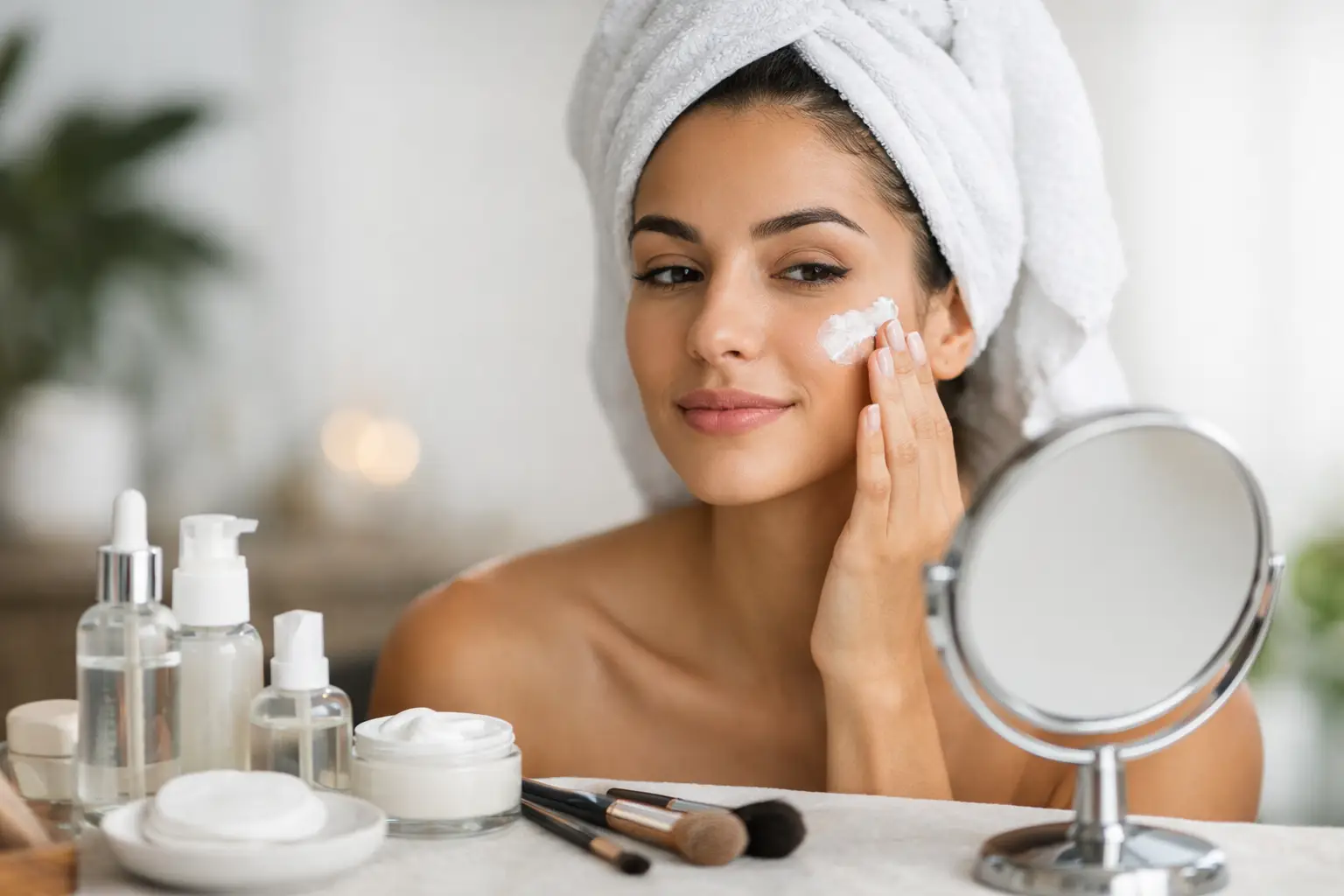
If your photo session is coming up, think of skin prep as part of the makeup itself. Smooth, balanced skin helps products wear better and photograph more naturally.
In the week leading up to your session, consistency matters more than experimentation. Stick with skincare you already know works for you. A new exfoliant, facial, or active ingredient too close to photo day can trigger dryness, irritation, or purging, and none of that is easy to camouflage beautifully.
Hydration is especially important, but it has to be balanced. Skin that is dehydrated can make foundation cling to texture. Skin that is overly saturated with heavy products can cause makeup to slide. On the day of your session, clean skin followed by moisturizer suited to your skin type creates the best base. If you are prone to oiliness, that does not mean skipping moisture. It usually means choosing a lightweight formula instead.
Lip prep deserves attention too. Dry lips tend to show quickly in close-up portraits, especially with satin or matte lip colors. A gentle lip treatment applied in advance gives lipstick or liner a smoother finish.
When treatments should wait
It can be tempting to schedule everything at once before photos – waxing, peels, extractions, aggressive exfoliation, lash lifts, or self-tanner. Sometimes that works beautifully, and sometimes it creates last-minute surprises. If your skin is sensitive, acne-prone, or reactive, it is usually safer to keep the pre-session routine simple and schedule any major treatment with enough buffer time for your skin to fully settle.
The most flattering makeup choices on camera
Camera-friendly makeup is less about following trends and more about choosing products and finishes that create balanced dimension.
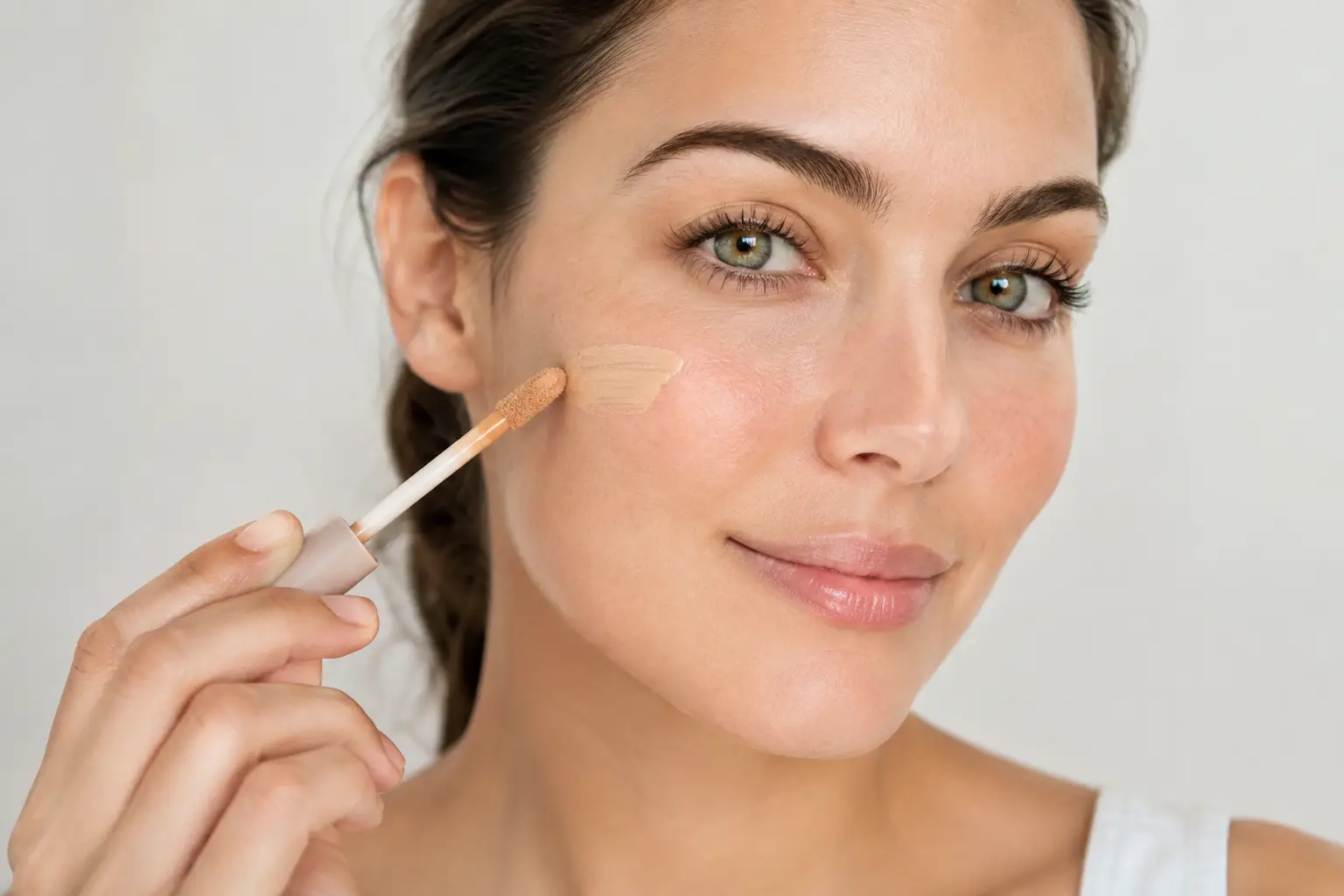
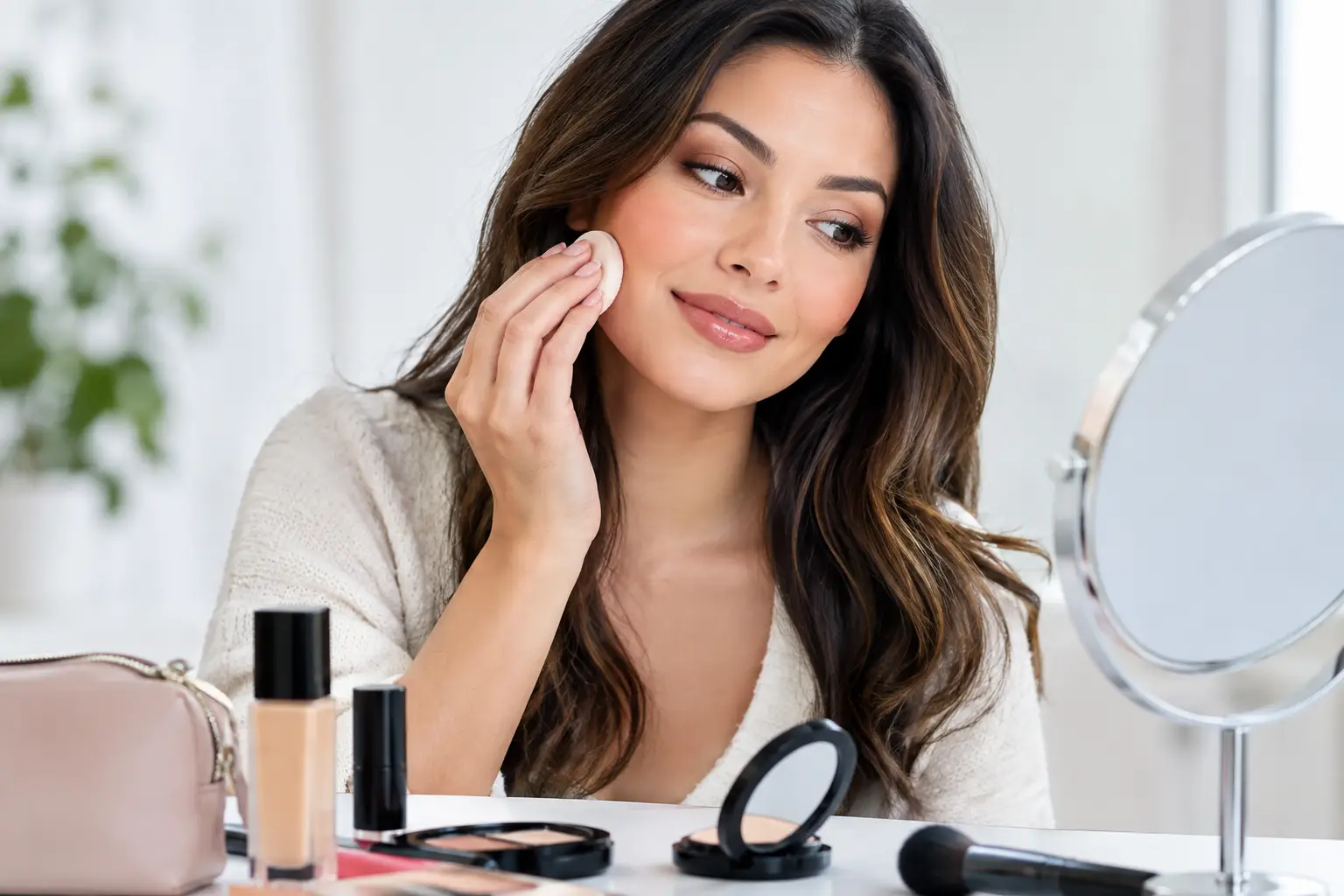
Foundation should even out the complexion without masking it. This is where formula selection matters. A very sheer tint may not provide enough evening for professional images, but a thick full-coverage layer can emphasize texture and feel heavy. In many cases, a buildable medium-coverage complexion product paired with targeted concealing gives the most refined result.
Color matching matters just as much as coverage. A foundation that is slightly too light can make the face look flat under flash. One that is too dark or too warm can become more obvious in daylight photography. The best match should disappear into the skin and blend naturally into the neck and chest.
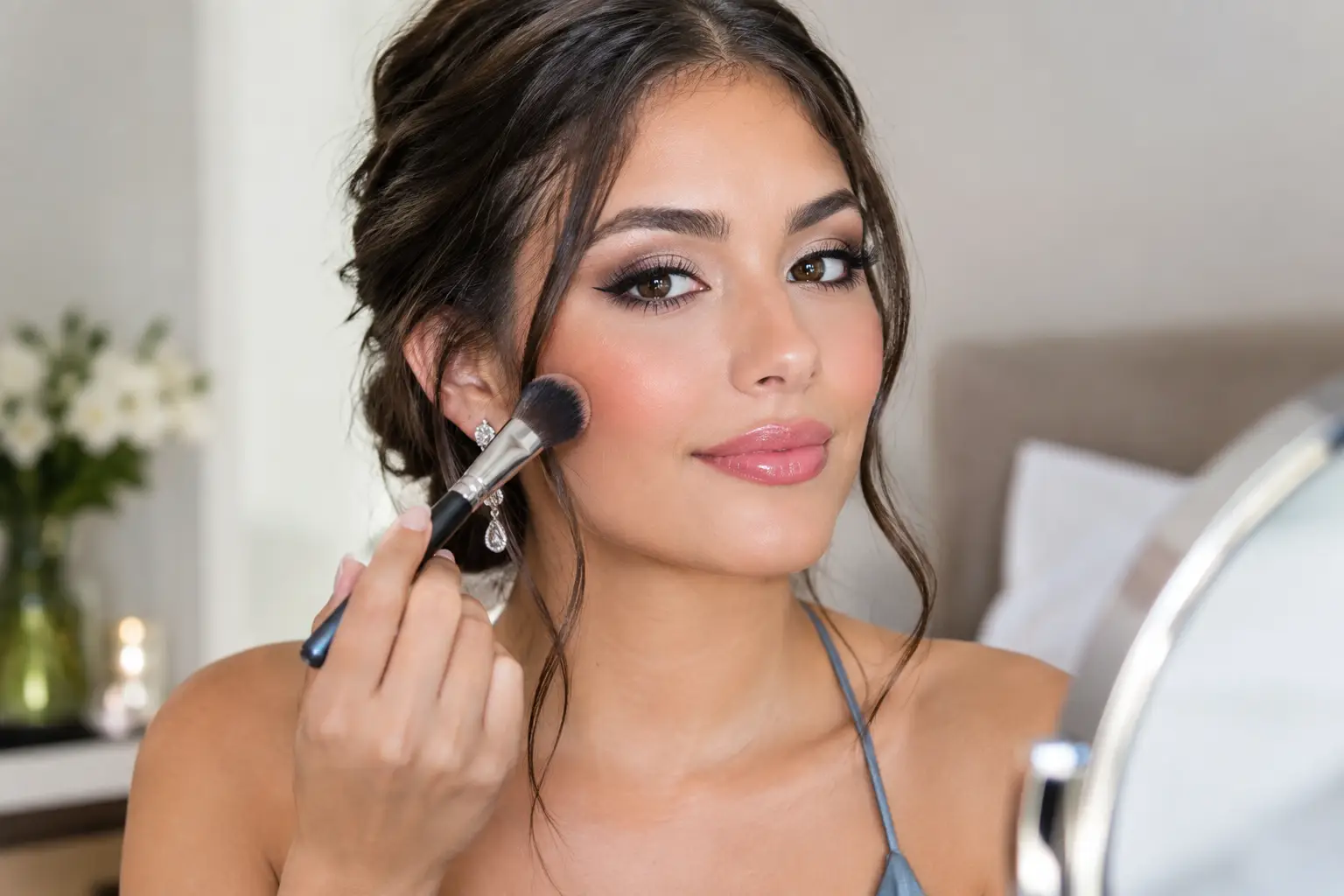
Blush, bronzer, and soft contour are often what keep the face from looking washed out. Cameras can reduce natural depth, so a little added structure helps restore shape. The key is restraint. You want definition that reads beautifully in photos, not stripes or obvious product placement.
Eye makeup usually needs a touch more emphasis than everyday wear, but not necessarily more drama. Well-groomed brows frame the face. Soft shadow definition adds depth. Liner and lashes can help the eyes stand out, especially if you are being photographed from a distance. The right amount depends on the session. A clean professional headshot calls for a different balance than an engagement session or evening formal portrait.
Lip color should support the overall look rather than compete with it. A lip that is too pale can disappear on camera. A lip that is too intense can dominate the image if the rest of the makeup stays very soft. For many clients, a polished neutral, rosy nude, or soft pink brings life to the face while still feeling timeless.
Soft glam tends to photograph best
There is a reason soft glam remains one of the most requested styles for portraits and milestone events. It offers enough structure, polish, and longevity to hold up in photographs while still looking modern and approachable.
For clients who do not wear much makeup day to day, this is often the sweet spot. You still see skin. You still recognize your features. But everything looks a bit more refined – complexion more even, eyes more defined, lips more finished, and overall balance more intentional.
That balance matters even more for sessions that carry emotional weight. Family portraits, maternity photos, engagement photos, and graduation images tend to live with you for years. Most people want to look elevated, not unrecognizable.
Matching your makeup to the type of session
Not every photo session calls for the same makeup plan. A polished headshot often benefits from controlled shine, softly defined eyes, and a look that feels credible both on camera and in person. Branding photos may need slightly more intentionality, depending on wardrobe, setting, and how you want to present yourself.
Family sessions usually call for flattering, long-wear makeup that holds up through movement, weather, and a lot of real-life emotion. Maternity makeup often leans radiant and fresh, but still needs enough structure to photograph clearly. Engagement sessions may allow for a bit more romance in the eyes or lips, especially if the setting is dressier.
This is where personalization makes all the difference. Skin type, comfort level, outfit colors, time of day, and location all affect what will look best.
What to avoid before and during photo day
A practical makeup guide for photo sessions also includes what not to do. Heavy SPF formulas, especially those with flashback potential, can create a pale cast in certain lighting. Extremely shimmery highlighters can read as sweat or texture rather than glow. Very powdery makeup can look dry and flat in close-up images.
It is also wise to avoid trying a completely new look on the day of your session. If you never wear a sharp cut crease, ultra-matte lipstick, or dramatic false lashes, photo day is probably not the time to test them. The most successful looks usually feel like a refined version of your own style.
If you are doing your own makeup, check it in natural light before leaving. Indoor bathroom lighting can be misleading. A look that appears blended inside may show harsh edges outside, especially around the jawline, under the eyes, or through the brows.
Why professional application can be worth it
Many clients can do their everyday makeup well. Photo makeup is different because it asks more of every product and every technique. It has to hold up through lighting changes, weather, movement, and time while still reading beautifully in person.
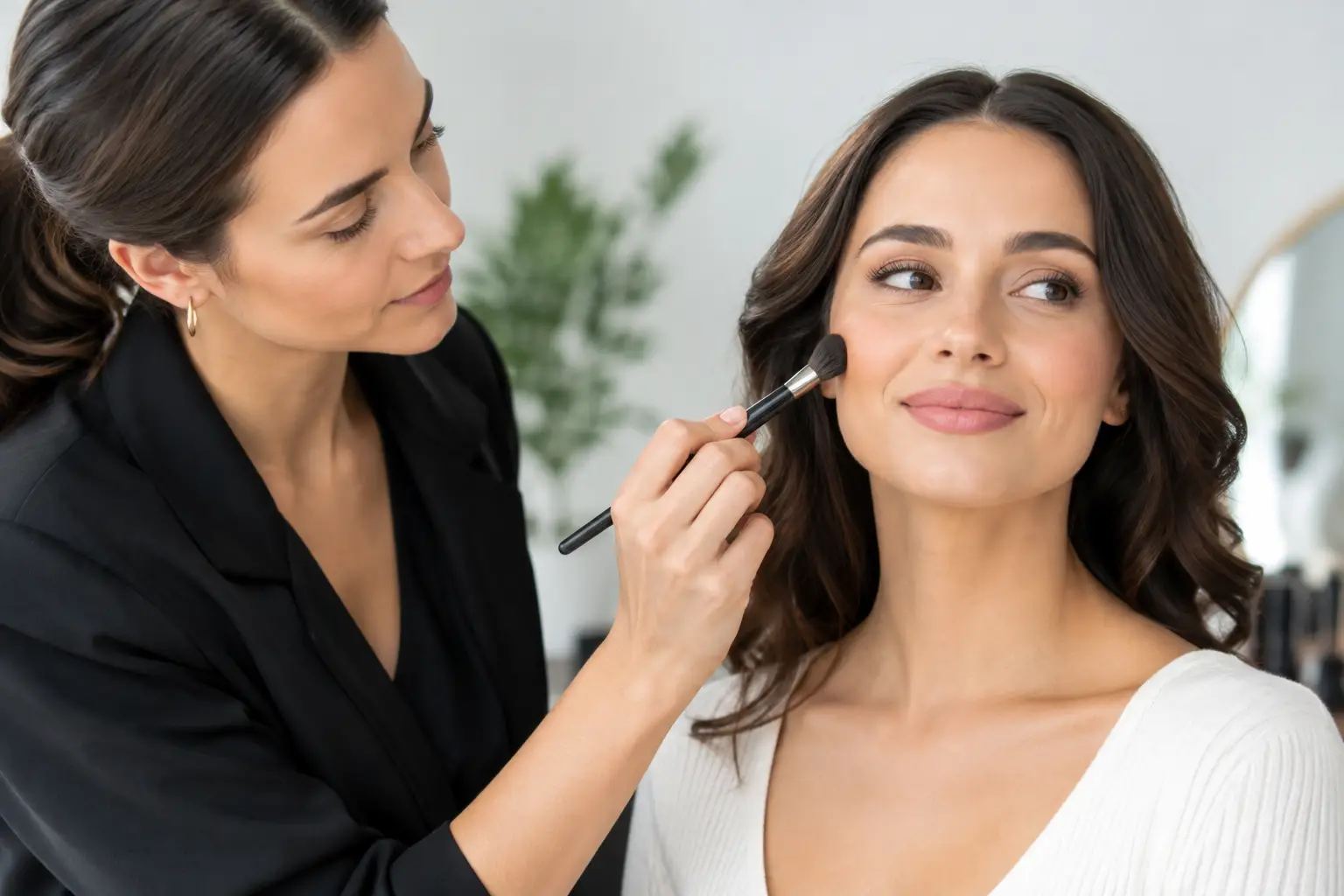
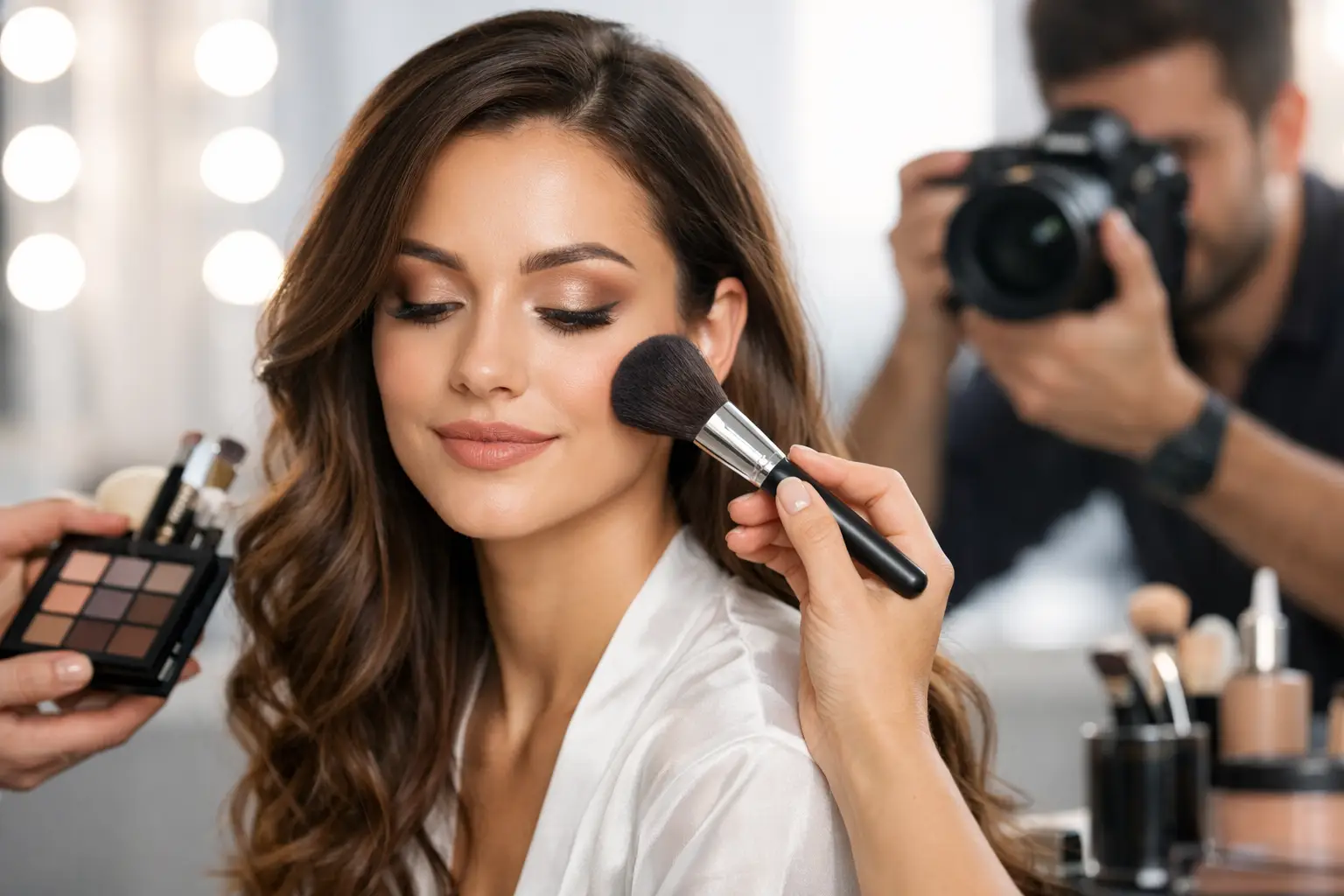
Professional application helps remove the guesswork. It allows for customized skin prep, shades that are matched correctly, and product choices that fit the demands of the session. It also creates a calmer start to the day, which matters more than people expect. When you are not rushing through your own makeup while thinking about outfits, timing, children, traffic, or call times, you show up more relaxed – and that confidence shows in photos.
For clients in Northern Virginia and Washington, DC, that is often part of the value of mobile artistry. Having an artist come to you simplifies the experience and makes getting ready feel more supported and less hectic.
Planning ahead for the best results
If your photo session is tied to an important event or you know you are particular about how you like to look, a trial can be helpful. It gives you the chance to fine-tune coverage, lip color, lash style, and overall finish ahead of time. That is especially useful if you are not a regular makeup wearer or if you have sensitive, textured, or acne-prone skin and want a thoughtful plan.
It also helps to wear a button-down or wide-neck top while getting ready, so your makeup and hair stay undisturbed when you change. Keep a few touch-up essentials nearby, especially lip color and blotting materials if your session will last several hours.
At Taylor Bailey Makeup Artist, the focus is always on polished, skin-focused makeup that feels like you – just a little more rested, radiant, and ready for the camera.
The best photo makeup does not announce itself. It lets your expression, your features, and the moment lead, while quietly making sure everything translates beautifully when the shutter clicks.