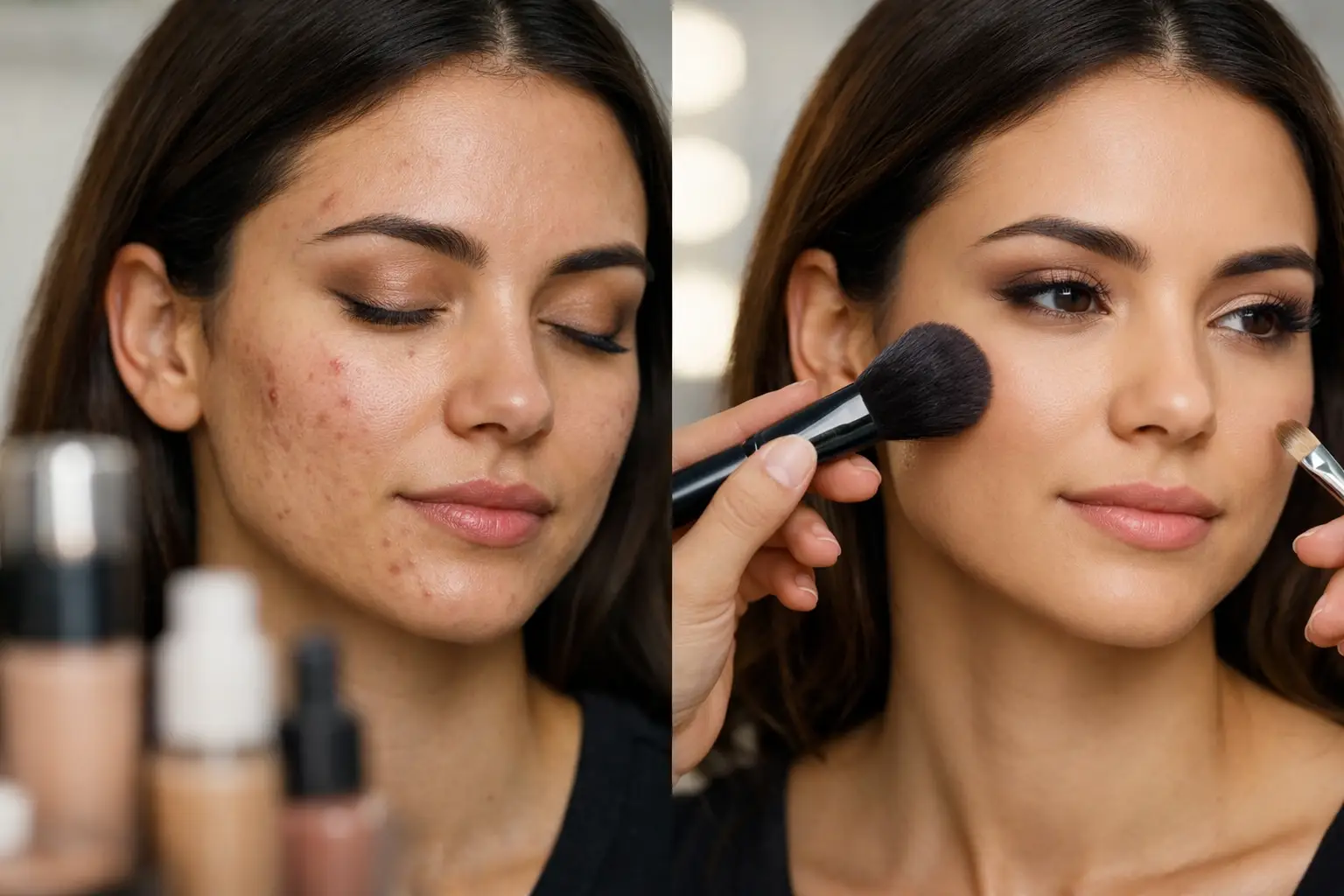
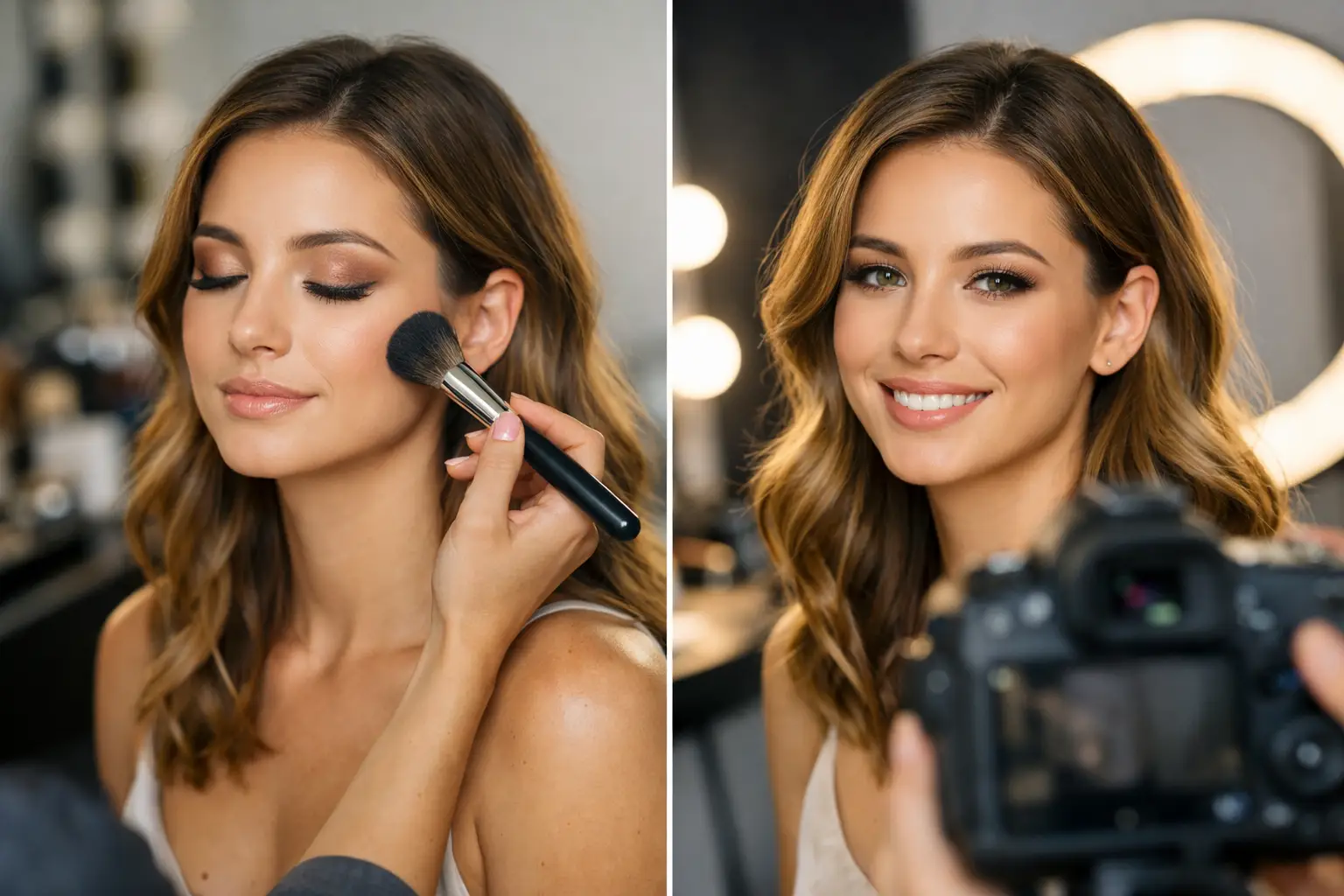
Does Professional Makeup Photograph Better?
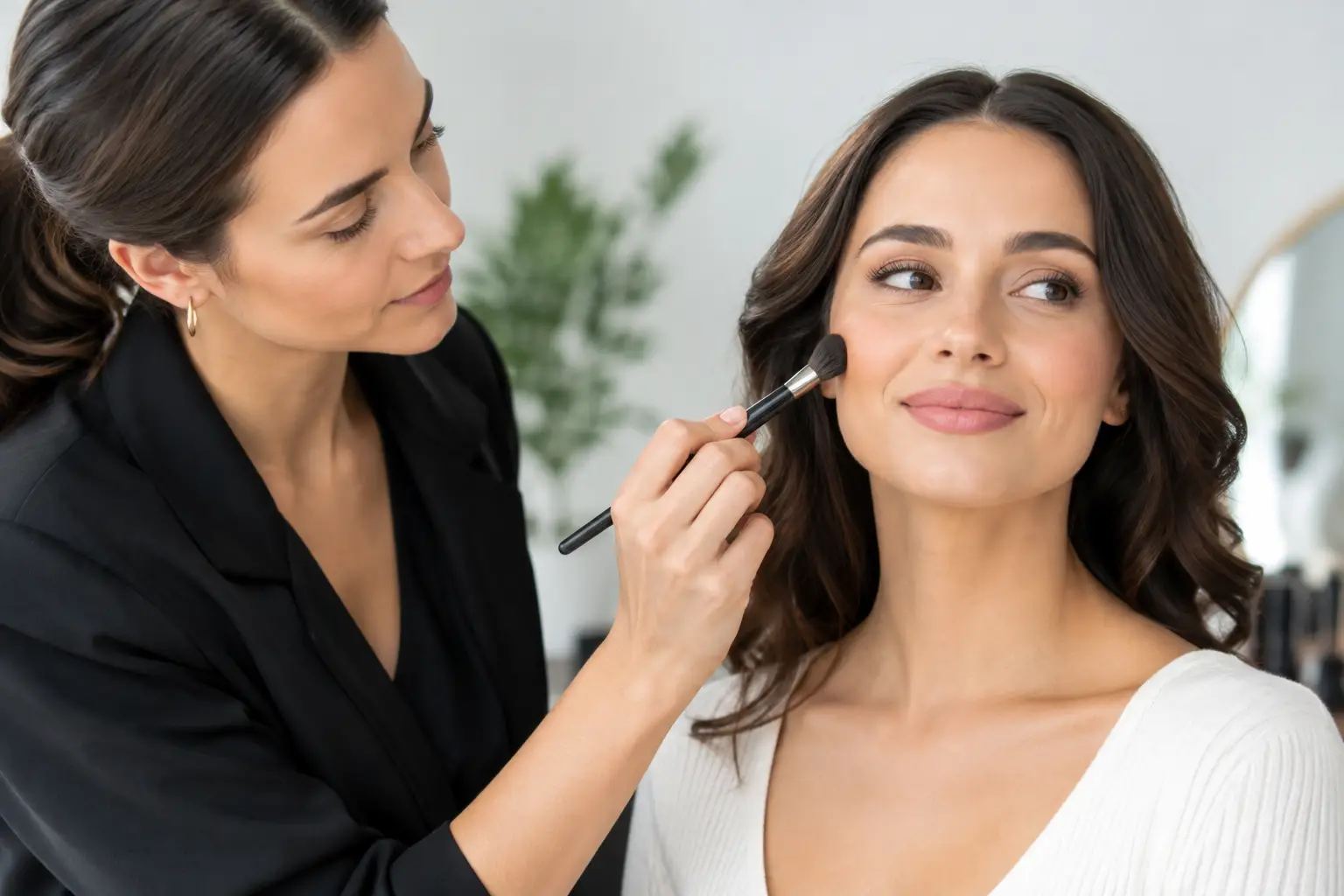
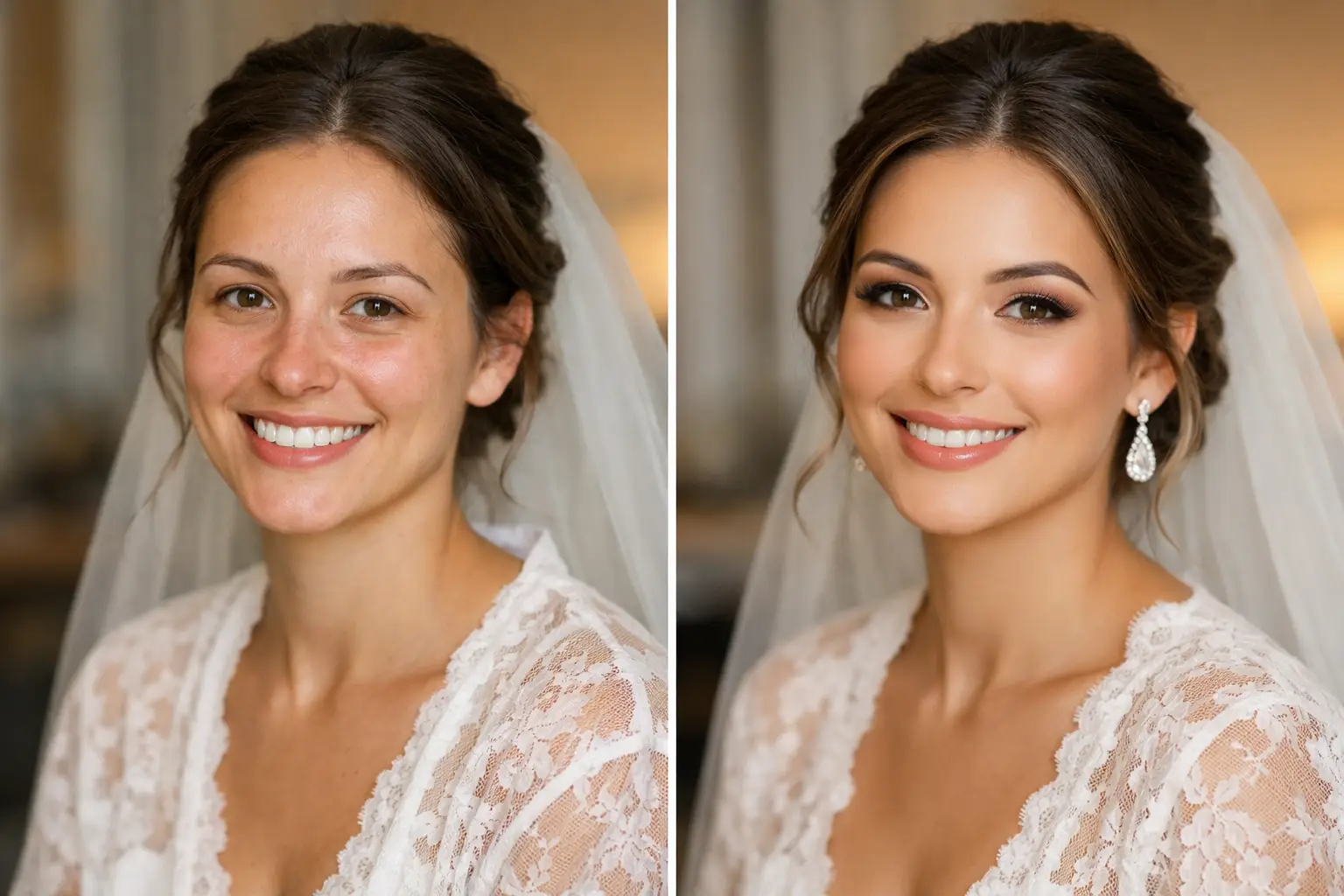
If you have ever looked in the mirror, loved your makeup, and then felt disappointed when the photos came back, you are not imagining things. Does professional makeup photograph better? In most cases, yes – but not because it is heavier or more dramatic. It photographs better because it is designed with lighting, skin texture, color balance, and long wear in mind.
That distinction matters, especially for weddings, headshots, maternity sessions, family portraits, and formal events where you want to look polished without feeling overdone. Makeup for real life and makeup for the camera overlap, but they are not exactly the same. A beautiful in-person finish can still fall flat in photos if the skin prep, product selection, or placement is off.
Why does professional makeup photograph better?
Photography changes how makeup reads. Cameras tend to soften dimension in some areas and exaggerate texture in others. Flash can wash out warmth, overhead lighting can create shadows, and high-resolution images can highlight every dry patch, uneven blend, or mismatched undertone.
Professional makeup accounts for those variables before the first photo is taken. It is less about wearing more makeup and more about wearing the right makeup in the right places. A trained artist understands how to build coverage strategically, balance tones, and create definition that still looks natural on camera.
This is especially helpful for clients who do not wear much makeup day to day. Many people assume camera-ready makeup means a full, heavy look. In reality, soft glam often photographs more beautifully than a makeup style that feels too flat, too shiny, or too minimal to register in professional images.
The camera sees makeup differently than the mirror
One of the biggest reasons clients choose professional application before a photo session or special event is that mirrors are forgiving in a way cameras are not. In person, a touch of concealer and mascara may feel finished. In photos, that same face can appear underdefined, tired, or uneven simply because the camera reduces contrast.
Foundation is a common example. A formula that looks fresh in person may contain SPF or reflective ingredients that create flashback in photography. Another may be perfect for everyday errands but separate around the nose or cling to dry areas after a few hours under lights, heat, or humidity.
Blush and bronzer also tend to disappear faster on camera than most people expect. So do brows, lash definition, and subtle lip color. Professional application restores that balance without pushing the look into something harsh. The goal is not to make you look like someone else. It is to help your features hold their shape and softness in photographs.
Skin prep makes more difference than most people realize
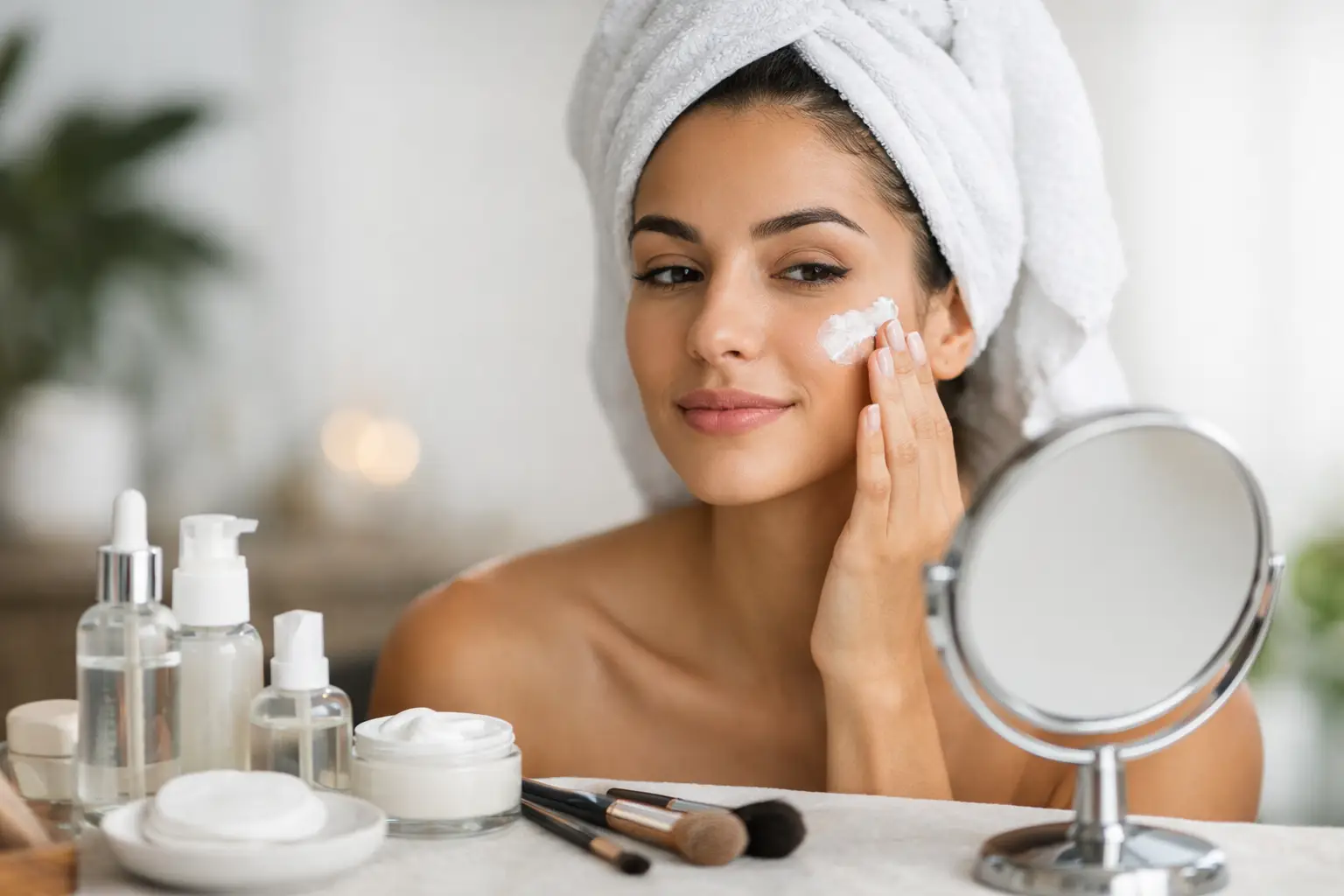
When people ask whether professional makeup photographs better, they often focus on foundation or contour. The real answer usually starts with the skin underneath.
Well-prepped skin helps makeup sit smoothly, wear evenly, and reflect light in a flattering way. If skin is dehydrated, irritated, textured, or overly oily, even expensive makeup can struggle in close-up photography. An experienced makeup artist evaluates what your skin needs that day and adjusts accordingly.
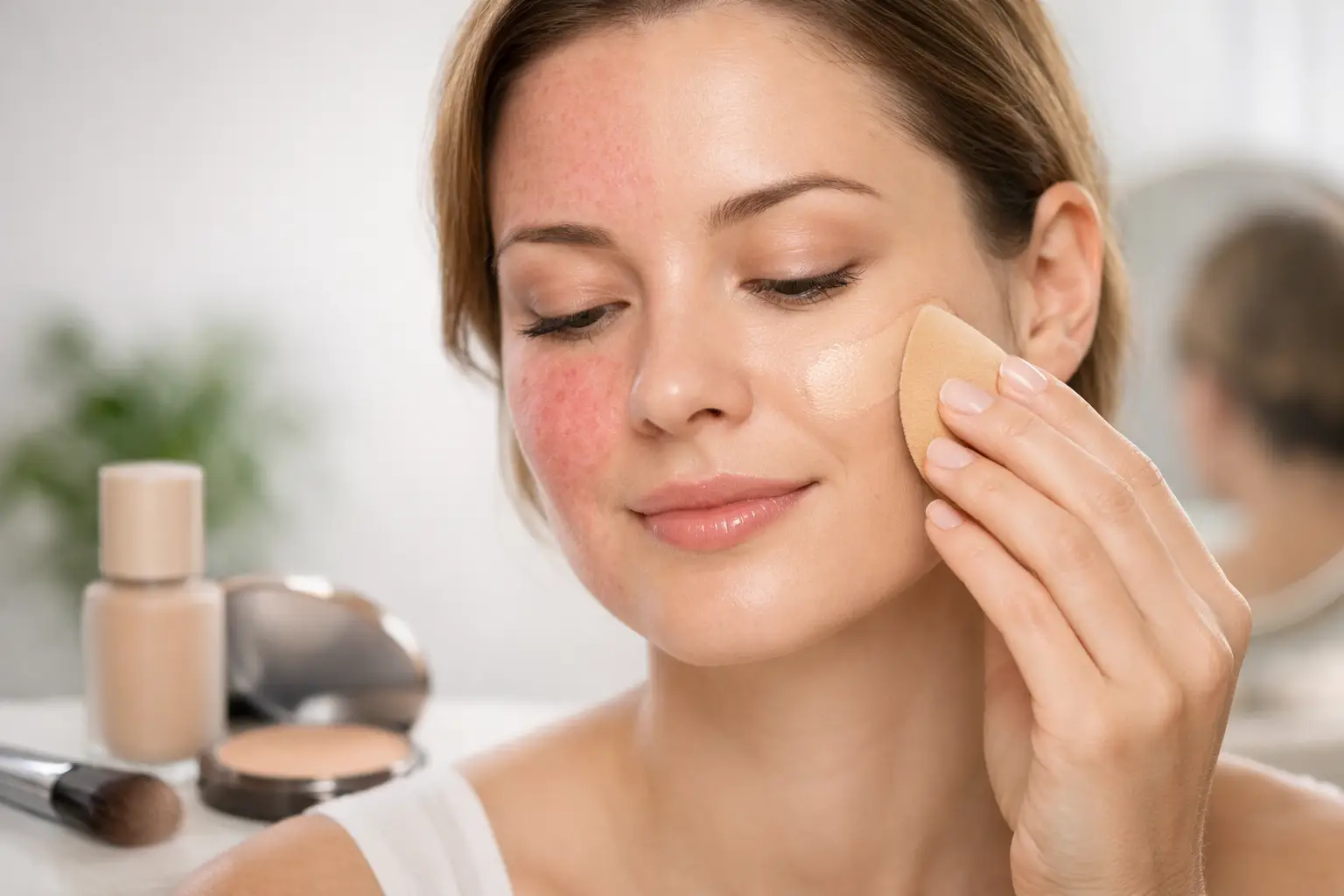
That may mean adding hydration in dry areas, controlling excess shine through the T-zone, or choosing formulas that are less likely to emphasize acne, flaking, or sensitivity. For clients with mature skin, it often means avoiding overly powdery finishes that can settle and age the complexion in photos. For acne-prone skin, it means thoughtful layering and hygiene so coverage looks clean, not heavy.
This skin-first approach is one of the reasons professional makeup often appears more natural in images. The finish looks integrated rather than sitting on top of the face.
Technique matters as much as product
A professional makeup artist is not just bringing a kit. She is bringing judgment. That includes knowing how much product to use, where to place it, and when to stop.
Blending is one obvious factor, but there is more to it than that. Under-eye correction has to brighten without turning gray. Foundation has to match both your face and body. Concealer has to add freshness without creating a flat, over-highlighted center. Powder has to control shine without dulling the skin.
Eye makeup is another area where technique changes everything in photos. Liner, lashes, and shadow need enough structure to define the eyes, but they should still suit your features and the occasion. For a bride, that often means soft definition that reads beautifully from ceremony to reception to close-up portraits. For headshots, it may mean polished restraint so the focus stays on your expression.
Lip color also plays a bigger role on camera than many clients expect. A shade that seems slightly deeper than your everyday preference may actually photograph more balanced and flattering, especially under bright lighting.
Does professional makeup photograph better for every kind of event?
Usually, yes, but the ideal approach depends on the setting.
For weddings, makeup needs to perform across multiple environments – natural daylight, indoor ceremony lighting, flash photography, and hours of wear. It has to hold up through emotion, movement, and often weather. Professional bridal makeup is built for that level of performance while still feeling elegant and timeless.
For headshots and branding sessions, the makeup should support your professional image. That usually means even skin, subtle structure, bright eyes, and a finish that reads polished but believable. You want to look rested, confident, and like yourself on your best day.
For maternity, family, or engagement photos, the goal is often softness and glow. These sessions benefit from skin-focused makeup that enhances warmth and definition without looking stiff or overly matte.
For prom, galas, and milestone celebrations, there is often more room for glamour. Even then, professional artistry helps keep the look refined so shimmer, contour, or bold lip color still photograph beautifully.
When professional makeup may not mean heavy makeup
This is where many clients feel relieved. Better photography does not automatically mean heavier foundation, dramatic contour, or a full glam look that feels unlike you.
In fact, makeup tends to photograph best when it is tailored. If you prefer a natural look, a professional can create skin that appears fresh and even, add strategic definition to the eyes and brows, and choose tones that bring life to the face without making the makeup itself the main event.
That personalized balance is especially valuable if you are not a daily makeup wearer. A good artist will ask how you want to feel, what you normally wear, what features you want emphasized, and what kind of photos you are taking. The result should feel recognizable, comfortable, and elevated.
For clients who want soft glam, this is often the sweet spot. Soft glam offers enough structure to read in photos while keeping the finish smooth, modern, and natural-looking.
The trade-offs to keep in mind
There are a few. Professional makeup can feel slightly more polished than your everyday routine because it needs to show up on camera. That is not a drawback, but it can be an adjustment if you are used to wearing very little.
Lighting also matters. Makeup that looks perfect for outdoor portraits may need a different finish than makeup for evening flash photography. A skilled artist adjusts for this, but it is one reason photo-ready makeup is never one-size-fits-all.
And while professional application improves how makeup photographs, it cannot override every variable. Poor lighting, lack of sleep, or skin that is suddenly very reactive can still affect the final result. The difference is that expert prep and technique give you the best possible starting point.
How to know if it is worth booking a makeup artist
If the photos matter to you, the answer is often yes. Professional makeup is especially worthwhile for weddings, headshots, formal events, and any session where you want to feel confident without second-guessing your appearance.
It is also worth considering if you struggle with makeup longevity, shade matching, texture, sensitivity, or simply do not want the stress of doing it yourself. For many clients, the value is not only in the final photos. It is in feeling calm, cared for, and fully ready before an important event begins.
At Taylor Bailey Makeup Artist, that experience is built around skin-conscious preparation, personalized product choices, and a finish that looks polished in person and on camera.
The best makeup for photos does not hide you. It supports you. And when it is done well, the first thing people notice in your images is not the makeup at all – it is how radiant, rested, and genuinely confident you look.