How to Prep Sensitive Skin for Makeup
Redness that appears out of nowhere, a dry patch that catches foundation, or eyes that start watering the moment makeup begins – sensitive skin rarely gives much warning. If you have an event coming up, knowing how to prep sensitive skin can make the difference between makeup that looks polished and makeup that feels uncomfortable by the second hour.
The goal is not to force your skin into behaving. It is to calm it, support it, and create the kind of balanced surface that allows makeup to sit beautifully without adding stress. That matters even more for weddings, photos, and formal events, where long wear and flash photography can make texture, flaking, and irritation more noticeable.
How to prep sensitive skin starts before makeup day
Sensitive skin prep does not begin when the makeup chair is set up. Ideally, it starts several days ahead, especially if your skin tends to react to weather, stress, fragrance, active ingredients, or even lack of sleep.
In the week leading up to your appointment, consistency matters more than intensity. This is not the time to experiment with a new exfoliant, try a peel, or schedule an aggressive facial. Even treatments that work well for other skin types can leave sensitive skin inflamed, dehydrated, or uneven right before an important event.
Instead, keep your routine simple and familiar. Use the cleanser, moisturizer, and sunscreen your skin already tolerates well. If your skin is prone to both breakouts and irritation, resist the urge to over-correct. A compromised barrier often looks like acne and dryness at the same time, which means harsh products can make the situation worse rather than better.
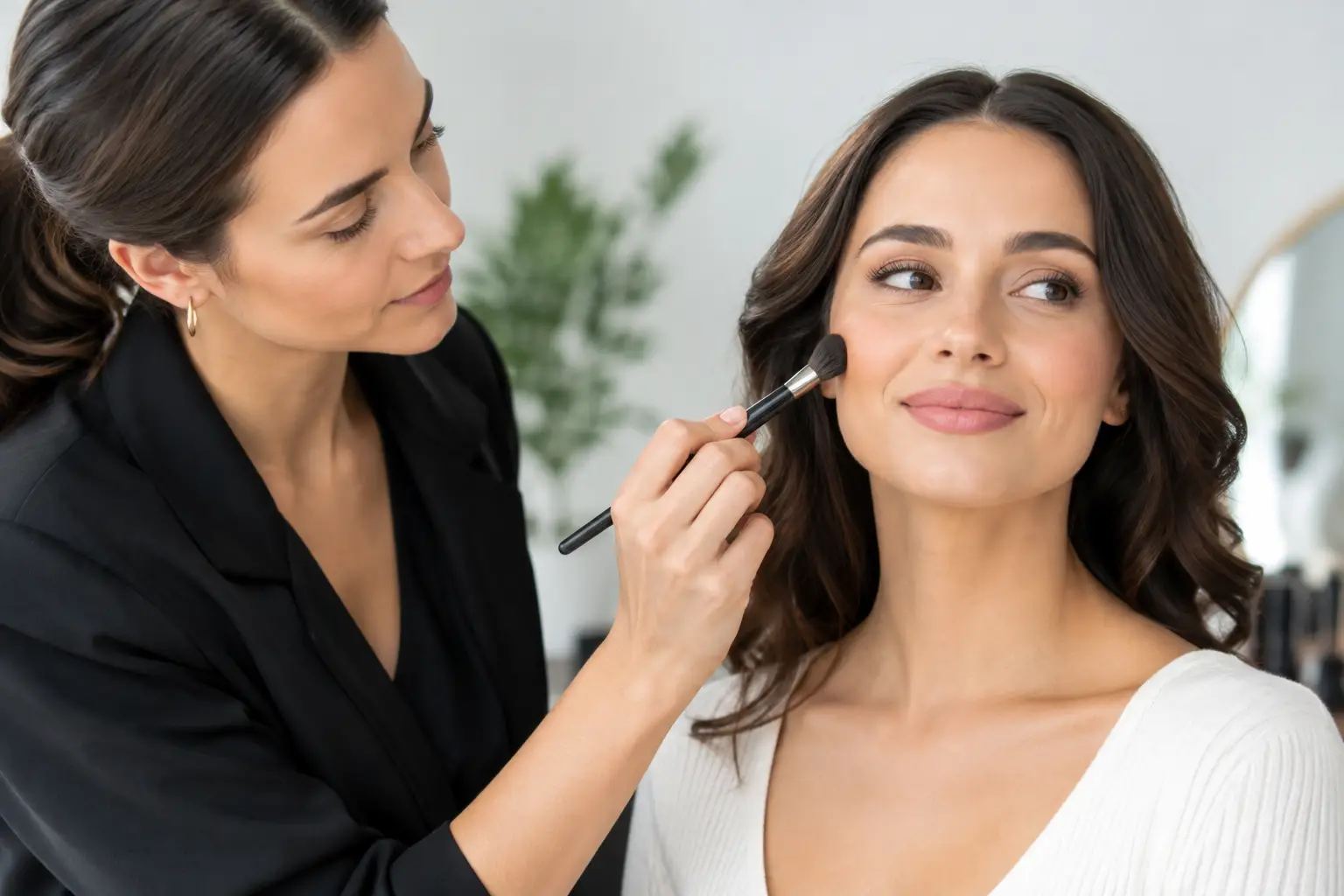
If you are planning professional makeup, this is also the right time to communicate any allergies, sensitivities, recent reactions, or prescription skincare use. That information helps your artist make thoughtful product choices and avoid ingredients or textures that may not wear comfortably on your skin.
What sensitive skin needs most: less friction, more support
When clients think about prep, they often focus on what to add. For sensitive skin, it is just as important to think about what to remove. Too much rubbing, too many layers, or too many active products can all create the kind of irritation that makeup cannot fully hide.
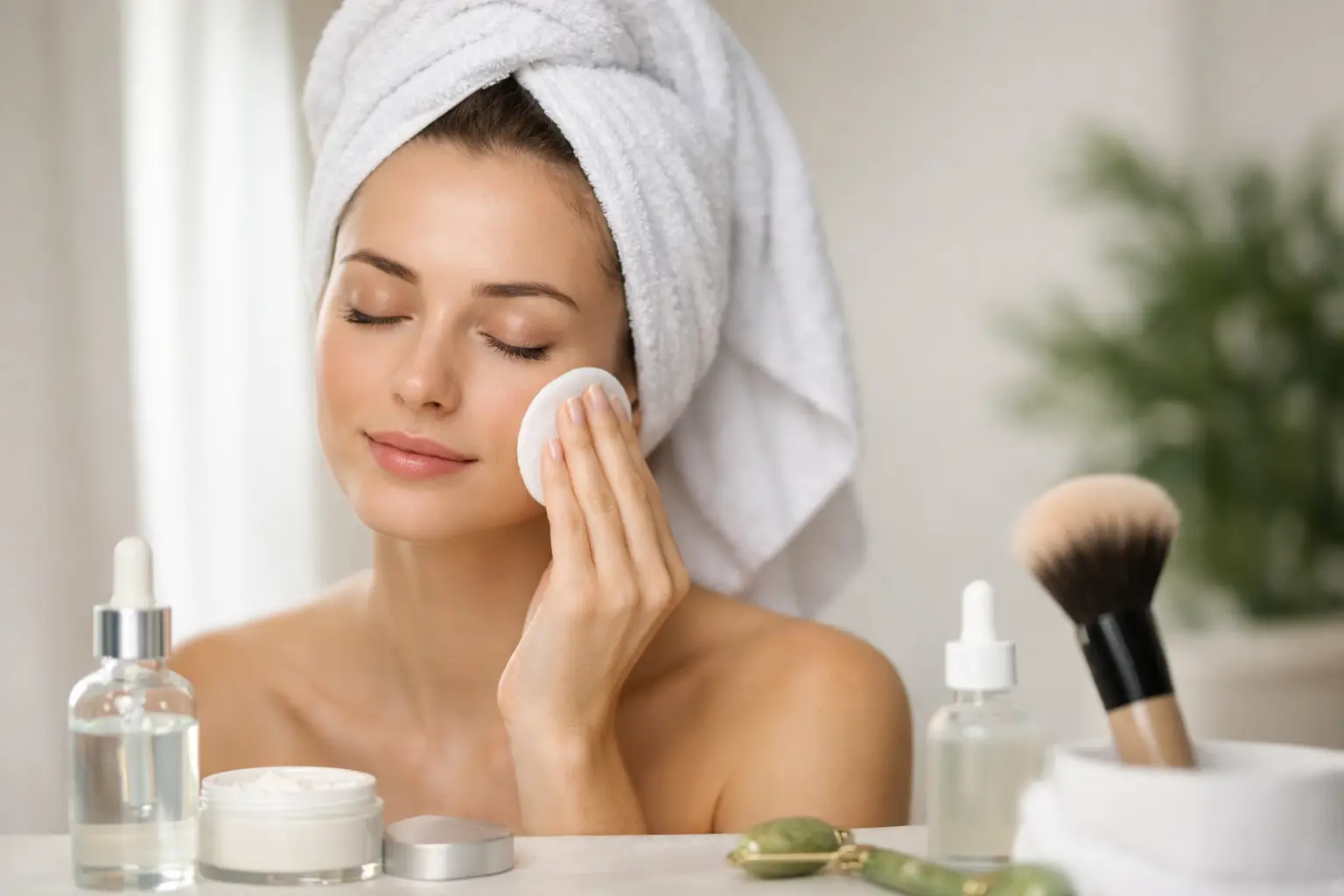
A gentle cleanse is usually the best place to start. Your skin should feel clean, but never tight or squeaky. That stripped feeling is often a sign that your barrier has been disrupted, which can lead to redness, stinging, and uneven makeup application.
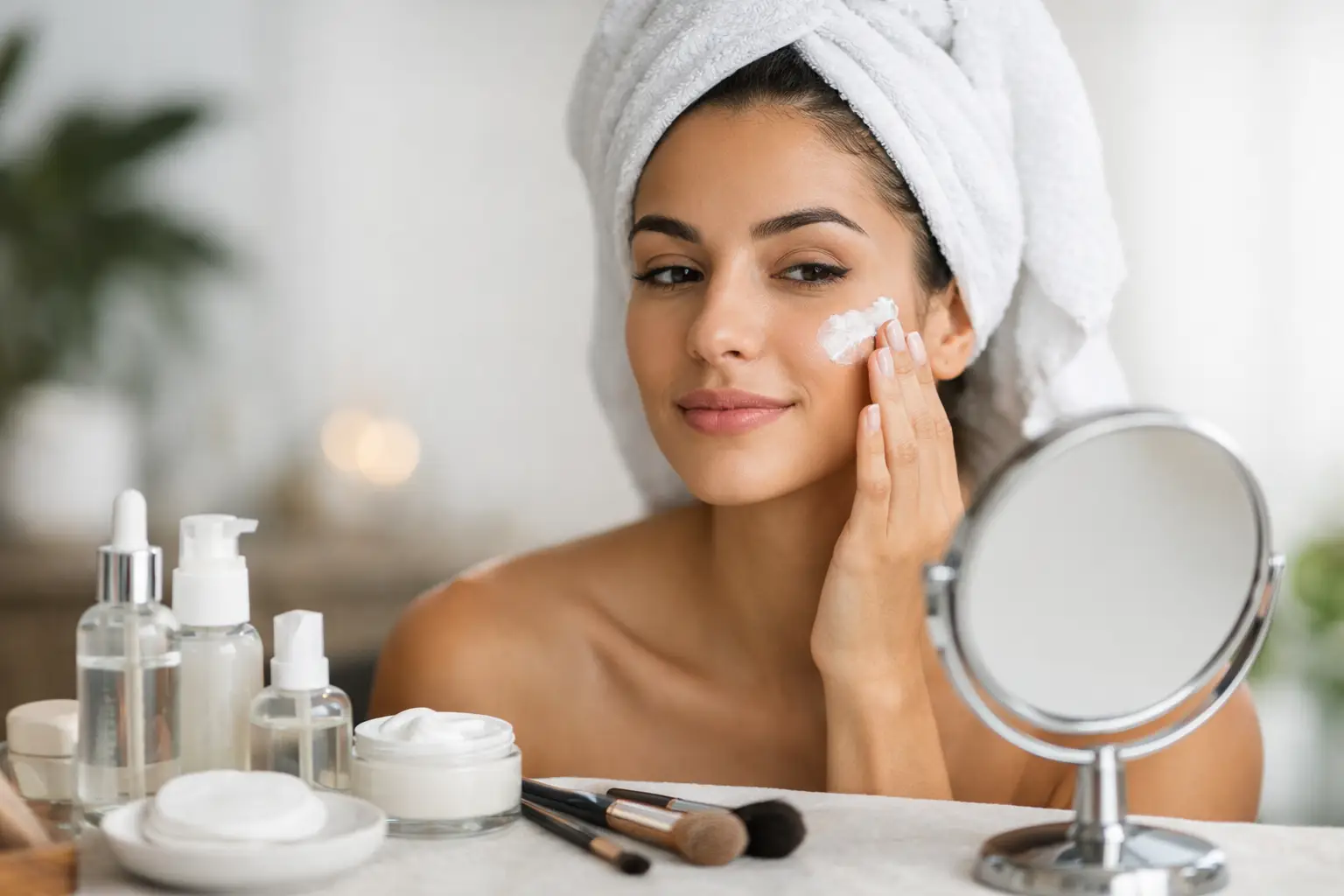
After cleansing, hydration is the priority. Sensitive skin often does best when it is comfortably moisturized but not heavily coated. A lightweight, fragrance-free moisturizer can soften dry areas and reduce that flaky, textured look foundation tends to emphasize. If your skin is extremely dry, you may need a richer cream. If you are more combination or acne-prone, a lighter lotion may sit better. This is one of those areas where it depends on your skin, not trends.
If your skin runs hot or red, a few quiet minutes can help more than another product. Let your skincare absorb fully before makeup begins. Rushing from cleansing straight into foundation can create pilling, patchiness, or extra sensitivity simply because the skin has not had time to settle.
How to prep sensitive skin on the day of your event
The morning of your event should feel calm, not corrective. A gentle cleanse or even a rinse with lukewarm water may be enough, depending on your normal routine and how your skin feels that day.
Apply a moisturizer that you know works for you, then give it time to absorb. If you use sunscreen daily, continue to do so, especially for daytime events, engagement photos, or outdoor ceremonies. The key is choosing formulas your skin already knows. Event day is not the moment to test a new tinted SPF or trendy gripping primer.
Primer can be helpful, but it is not automatically necessary. For some sensitive skin types, a well-moisturized base is enough. For others, a carefully chosen primer can create a smoother finish and improve wear time. If your skin reacts easily, fewer layers often work better than piling on products in the name of longevity.
One common mistake is trying to scrub away texture right before makeup. Dry flakes may seem like they need exfoliation, but if your skin is sensitive, physical scrubs and strong acids can make the area angrier and more visible. Gentle hydration usually gives a better result. Softened skin tends to accept complexion products more evenly than freshly over-exfoliated skin.
Ingredients and product types to be careful with
Not every sensitive skin trigger is obvious. Fragrance is a common one, but it is far from the only culprit. Essential oils, alcohol-heavy formulas, harsh exfoliating acids, and some long-wear products can create discomfort for reactive skin.
That does not mean every full-coverage or long-lasting formula is off-limits. It means product selection should be thoughtful. Some clients need extra wear time for summer weddings, tearful ceremonies, or full-day events, but the formula still has to respect the skin underneath. There is always a balance between durability and comfort.
Eye products are another area to watch closely. If your eyes water easily or your lids become irritated, cream shadows, certain glitters, or heavily fragranced products may not feel their best. The same goes for lip prep. Smooth lips matter, but aggressive scrubs can leave them raw before color is even applied.
If you know you have a true allergy rather than general sensitivity, share that clearly in advance. There is a difference between “my skin gets a little red” and “this ingredient causes a rash.” That distinction helps shape a safer, more customized makeup plan.
When sensitive skin is also dry, acne-prone, or textured
Sensitive skin rarely shows up alone. Many people are also dealing with dehydration, hormonal breakouts, rosacea, eczema-prone areas, or post-blemish texture. Prep should reflect the full picture.
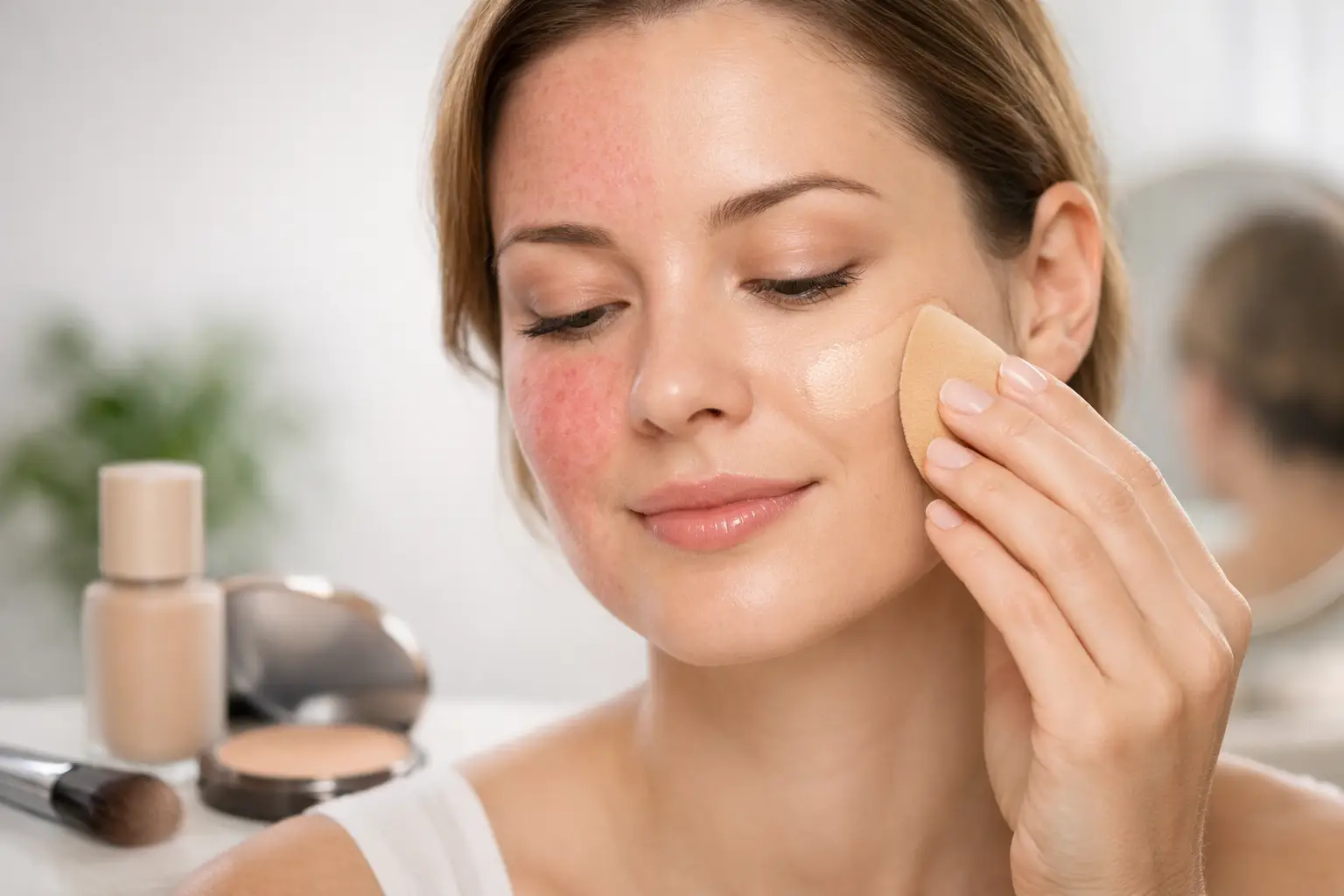
Dry and sensitive skin usually needs extra moisture and minimal powder. Acne-prone and sensitive skin may need hydration too, just in lighter textures that do not feel suffocating. Redness-prone skin may benefit from cooling, calming prep, but heavy layers of skincare can sometimes cause slipping around the nose or chin. This is why a personalized approach matters so much.
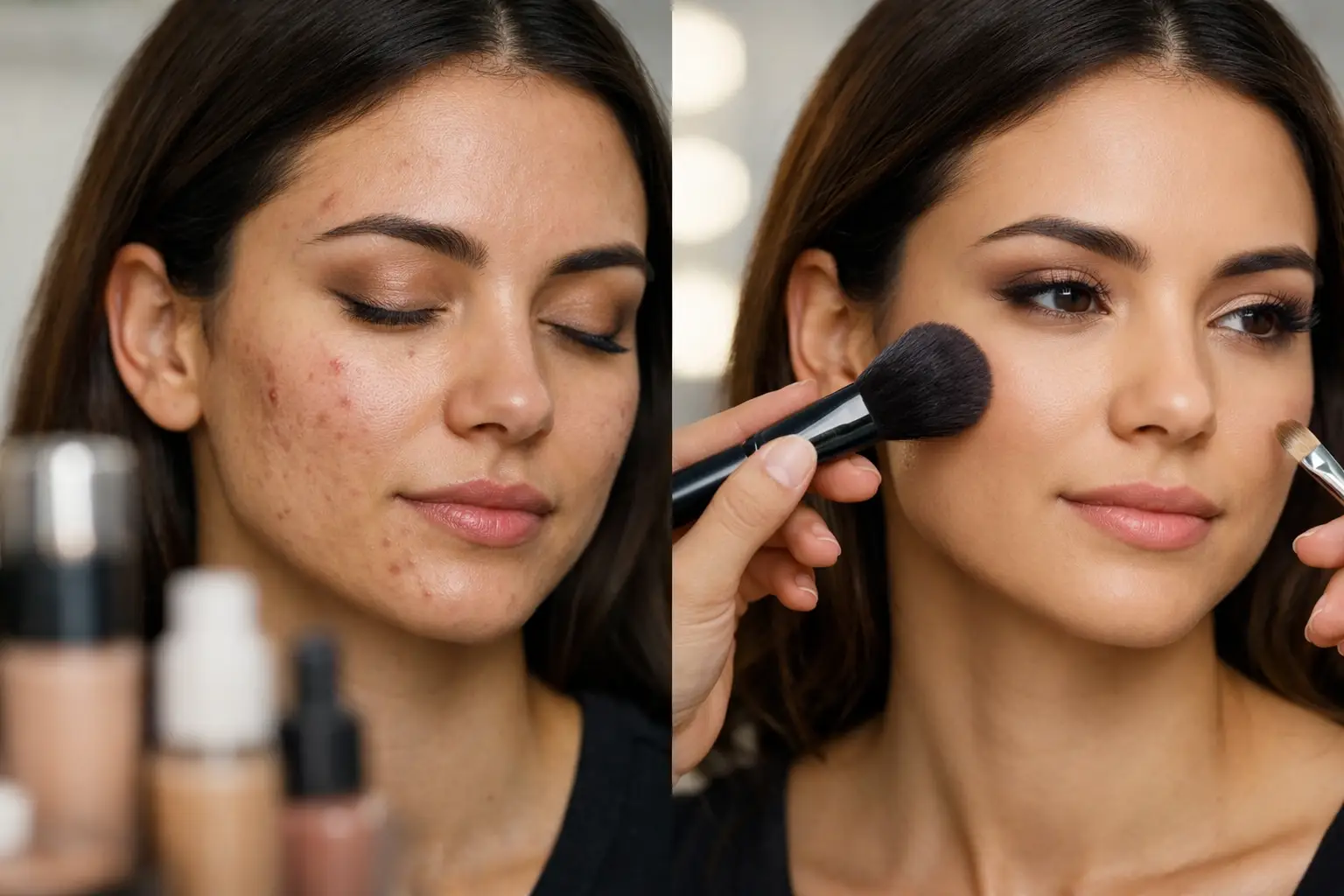
For textured areas, the instinct is often to cover more. In practice, careful prep and strategic product placement usually look more beautiful than layering thick foundation over uneven skin. Makeup sits best on skin that is comforted, not overloaded.
This is also where professional application can make a real difference. Skin-focused artistry is not about masking every pore or changing your features. It is about reading what the skin needs in real time and adjusting pressure, placement, and product amount accordingly. That is especially valuable for clients who do not wear makeup often and want to feel like themselves, just more polished.
A few days before your appointment: what to avoid
If your event is close, protect your skin from last-minute setbacks. Avoid trying new skincare, booking harsh resurfacing treatments, using retinoids more aggressively than usual, or picking at breakouts. Even a small amount of irritation can become more noticeable once makeup and photography enter the picture.
If you shave, wax, or dermaplane, timing matters. Some skin tolerates those services well, while some becomes immediately reactive. Give yourself enough time for your skin to settle before your event, especially if you already know you are sensitive.
Hydration, rest, and stress management sound basic, but they genuinely show up on the skin. A healthy-looking makeup finish is rarely just about the products. It is also about whether the skin feels balanced underneath.
The best prep plan is the one your skin can trust
There is no single formula for how to prep sensitive skin because sensitive skin is not one-size-fits-all. Some clients need more moisture. Some need fewer layers. Some need to avoid friction at all costs, while others simply need reassurance that makeup can still look soft, radiant, and long-lasting without feeling heavy.
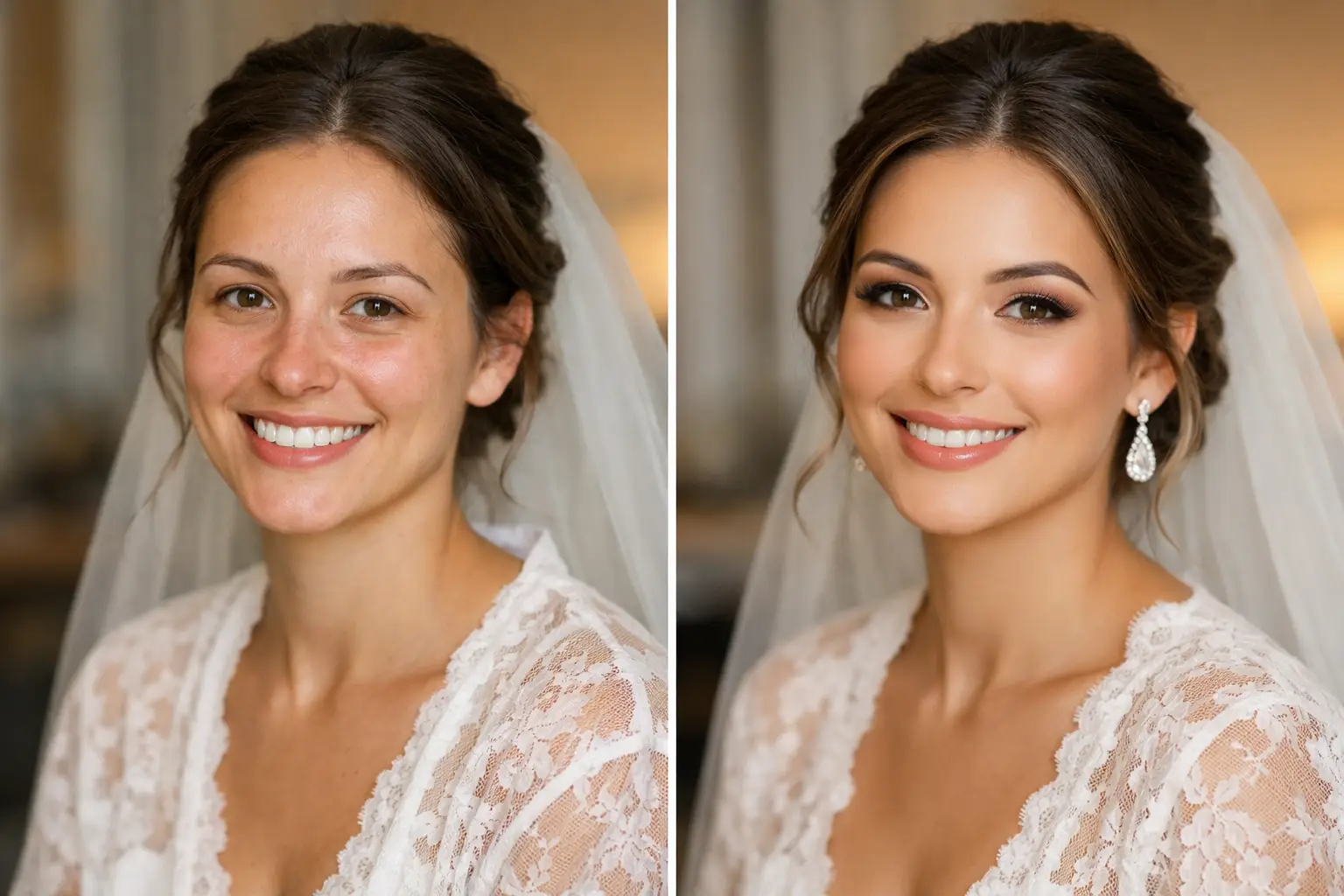
At Taylor Bailey Makeup Artist, that skin-first approach is part of creating makeup that looks refined in person and on camera. The most beautiful result is not the one with the most products. It is the one where your skin feels calm, your makeup wears comfortably, and you still recognize yourself when you look in the mirror.
If your skin tends to be reactive, give it gentleness, give it familiarity, and give it time. Sensitive skin responds best when it feels supported, and that kind of preparation always shows.