How to Make Makeup Last All Day
A makeup look can seem perfect at 9 a.m. and noticeably different by lunchtime. Foundation separates around the nose, concealer creases, blush fades, and shine starts to compete with the finish you wanted. If you have ever wondered how to make makeup last without piling on heavy product, the answer is usually not more makeup. It is better preparation, smarter layering, and products chosen for your skin rather than against it.
Long-wear makeup should still look like skin. Especially for weddings, photos, work events, and other meaningful occasions, the goal is not a flat mask that survives the day at all costs. The goal is makeup that stays polished, feels comfortable, and wears gracefully as the hours pass.
How to make makeup last starts with skin prep
The most common reason makeup breaks down early is not poor technique with foundation. It is skin that was either underprepared or overprepared. Dry patches catch pigment and make makeup look uneven. Excess oil breaks down product faster. Too many rich skincare layers can also cause slipping, pilling, or patchiness.
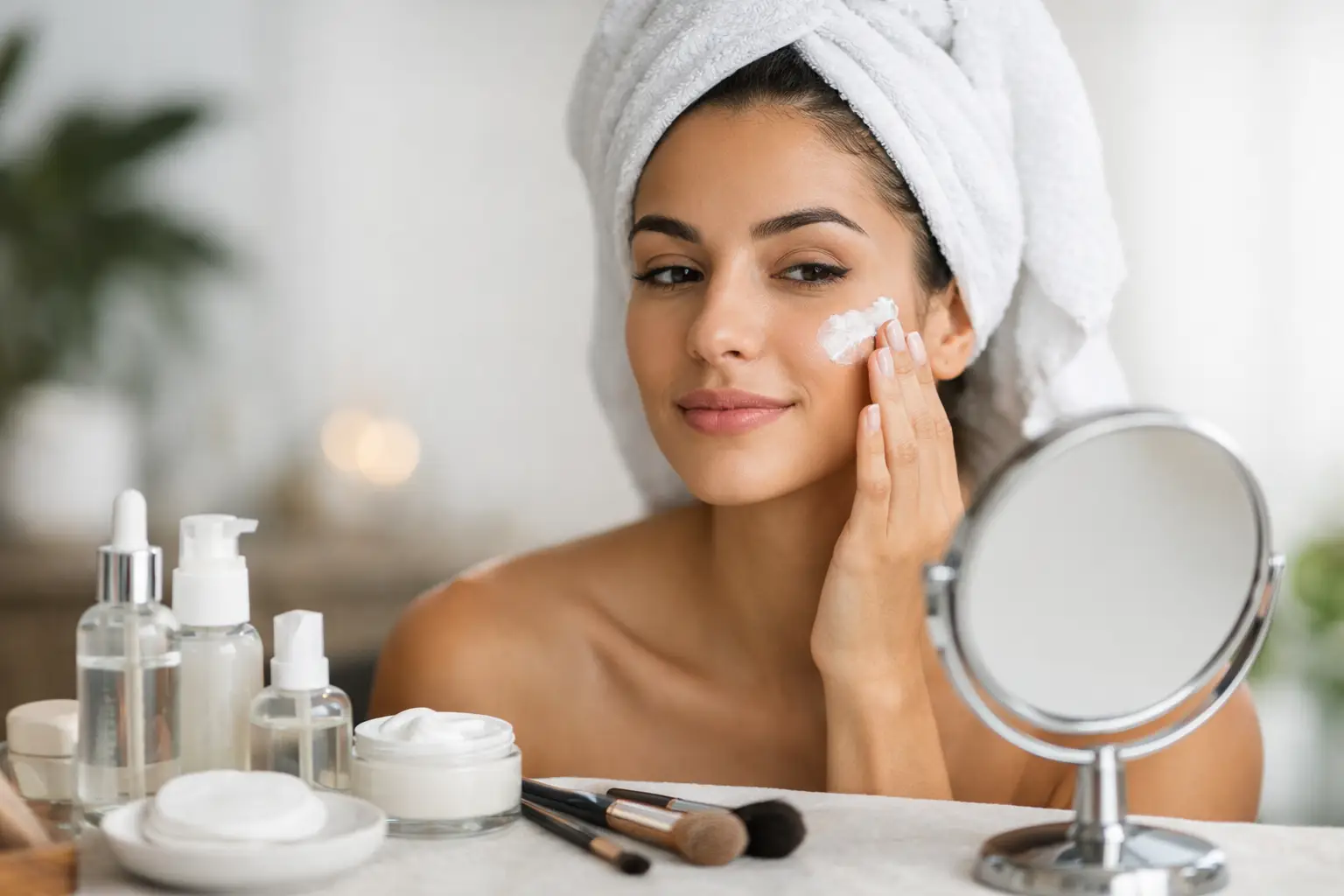
Start with clean skin and give your skincare a few minutes to settle. A lightweight moisturizer is often enough for balanced or combination skin, while dry skin may need a more nourishing cream pressed into areas that tend to feel tight. If your skin is oily, hydration still matters, but texture matters more. A gel or lotion formula usually sits better under makeup than anything overly emollient.
Sunscreen is non-negotiable for daytime wear, but the formula matters. Some sunscreens are beautiful on bare skin and difficult under makeup. If your base tends to separate, the issue may be product compatibility rather than your application. In that case, a thinner sunscreen or one designed to layer smoothly under cosmetics can make a noticeable difference.
Exfoliation also plays a role, but timing matters. Gentle exfoliation the night before an event can help makeup sit more evenly. Aggressive exfoliation the same day often does the opposite, especially if your skin is sensitive, acne-prone, or reactive.
Primer is useful, but not always in the same way
Primer can help makeup last, but it is not a magic fix. Think of it as targeted support. If you get oily through the T-zone, a mattifying primer just in the center of the face may help. If your concern is texture or enlarged pores, a smoothing primer around the nose and inner cheeks can create a more even surface. If your skin is dry, a hydrating primer may help foundation glide on without catching.
Using primer everywhere is not always necessary. In many cases, placing the right primer only where you need it gives a more natural finish and better wear.
Choose complexion products with wear time in mind
If you want to know how to make makeup last for a full workday, ceremony, reception, or photo session, product texture matters as much as shade match. Very dewy formulas can look beautiful at first and fade faster on oily skin. Extremely matte formulas can hold longer but may emphasize dryness or look heavier in person.
This is where balance matters. A natural or soft-matte foundation often gives the best of both worlds. It wears well, photographs beautifully, and still allows skin to look like skin. Build coverage only where needed instead of applying a thick layer everywhere. Thin, even layers almost always outlast one heavy application.
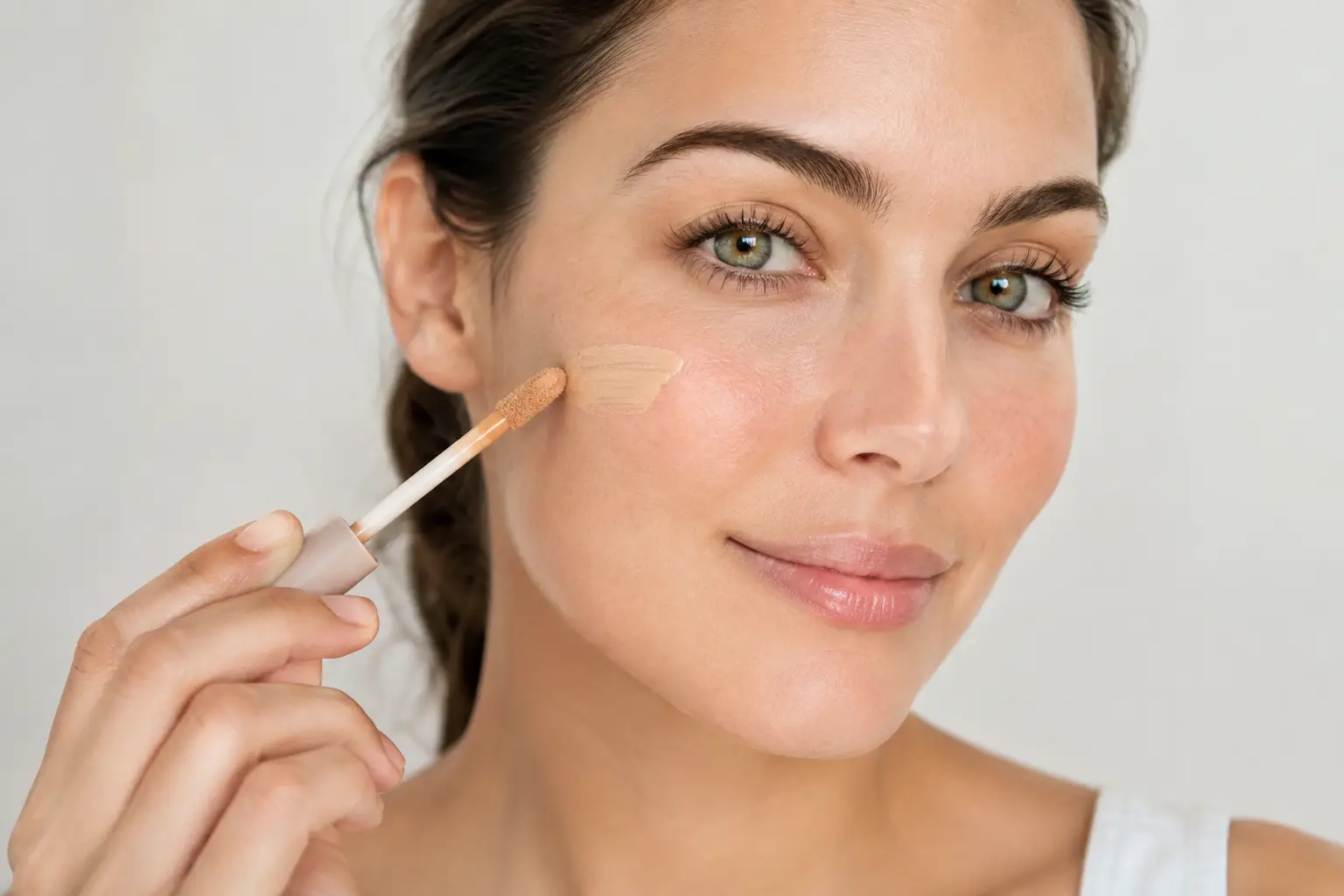
Concealer should be treated the same way. Applying too much under the eyes tends to create creasing no matter how expensive the formula is. A small amount placed strategically and blended well usually wears longer and looks fresher.
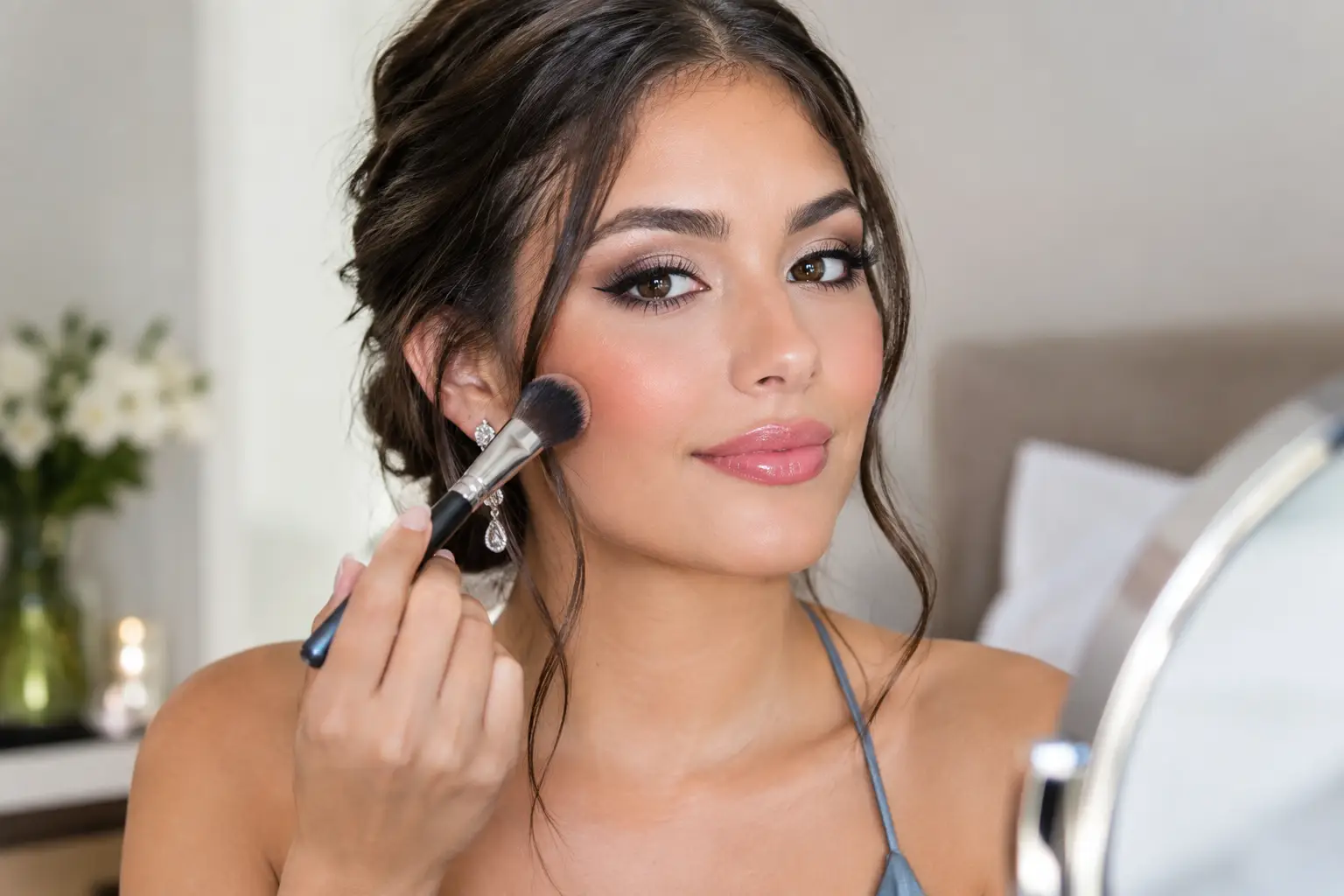
Cream products versus powders are often discussed as if one category is always better. In reality, it depends on skin type and the finish you want. Cream blush and bronzer can look especially natural, but on some clients they benefit from being lightly set with a coordinating powder. That layering technique helps preserve color without making the skin look overdone.
Application technique matters more than most people think
Even excellent products can fail if they are applied in a way that disrupts the layers underneath. Rubbing foundation around the face too aggressively can lift skincare and primer. Applying wet products over unset cream products can create patchiness. Adding powder too early or too heavily can make the complexion look textured and tired.
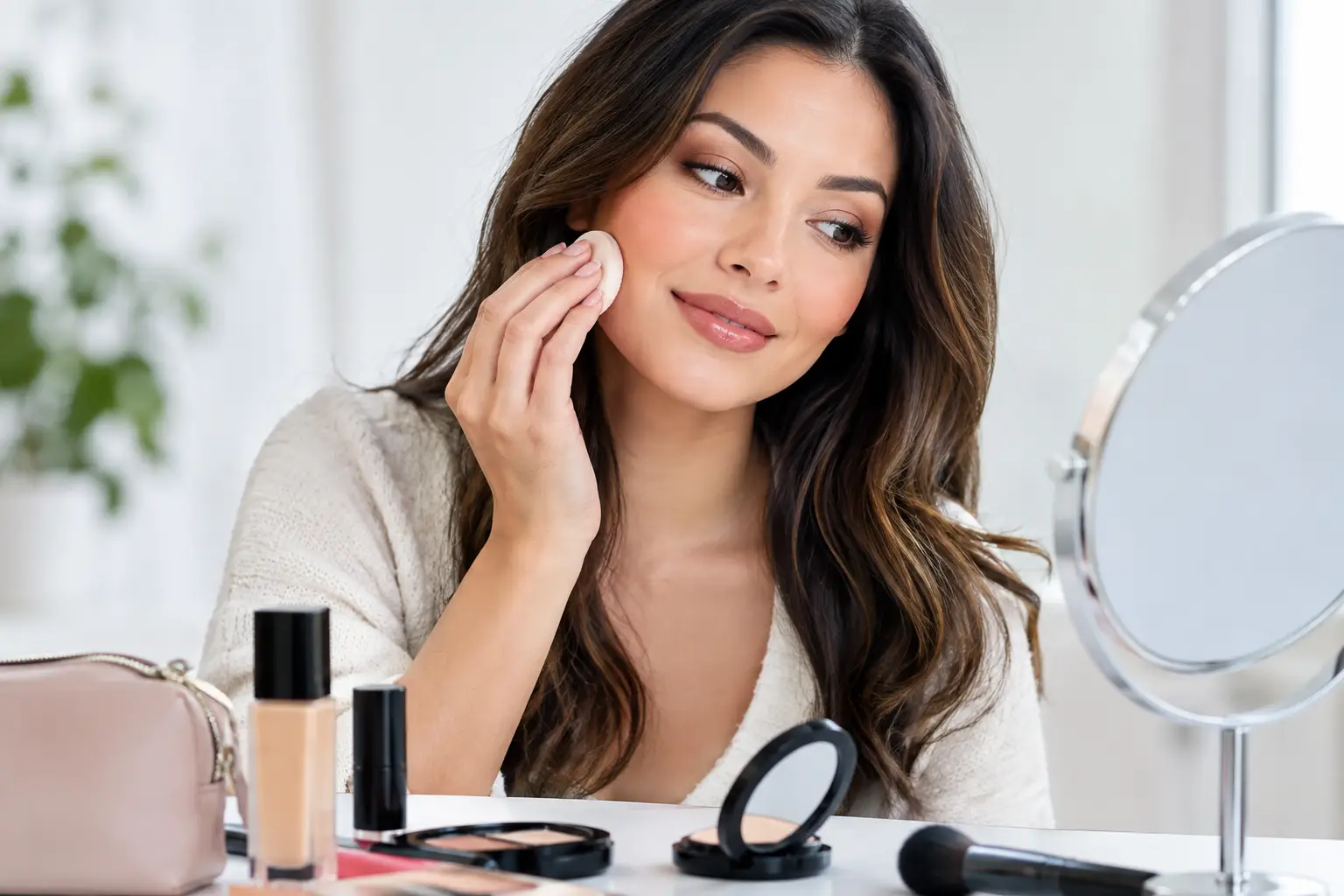
Pressing or stippling foundation into the skin usually creates better adherence than sweeping it around. Giving each layer a moment to settle before moving on also helps. That pause may feel small, but it allows products to grip properly.
One of the simplest ways to improve longevity is to work in thin layers. Foundation, concealer, cream blush, and even setting spray perform better when built gradually. You maintain more control over the finish, and the makeup tends to wear down more evenly.
Powder should be placed, not dusted everywhere
A common mistake is either avoiding powder completely or using far too much of it. To make makeup last, powder should be used with intention. Most faces do not need to be fully powdered from hairline to jawline.
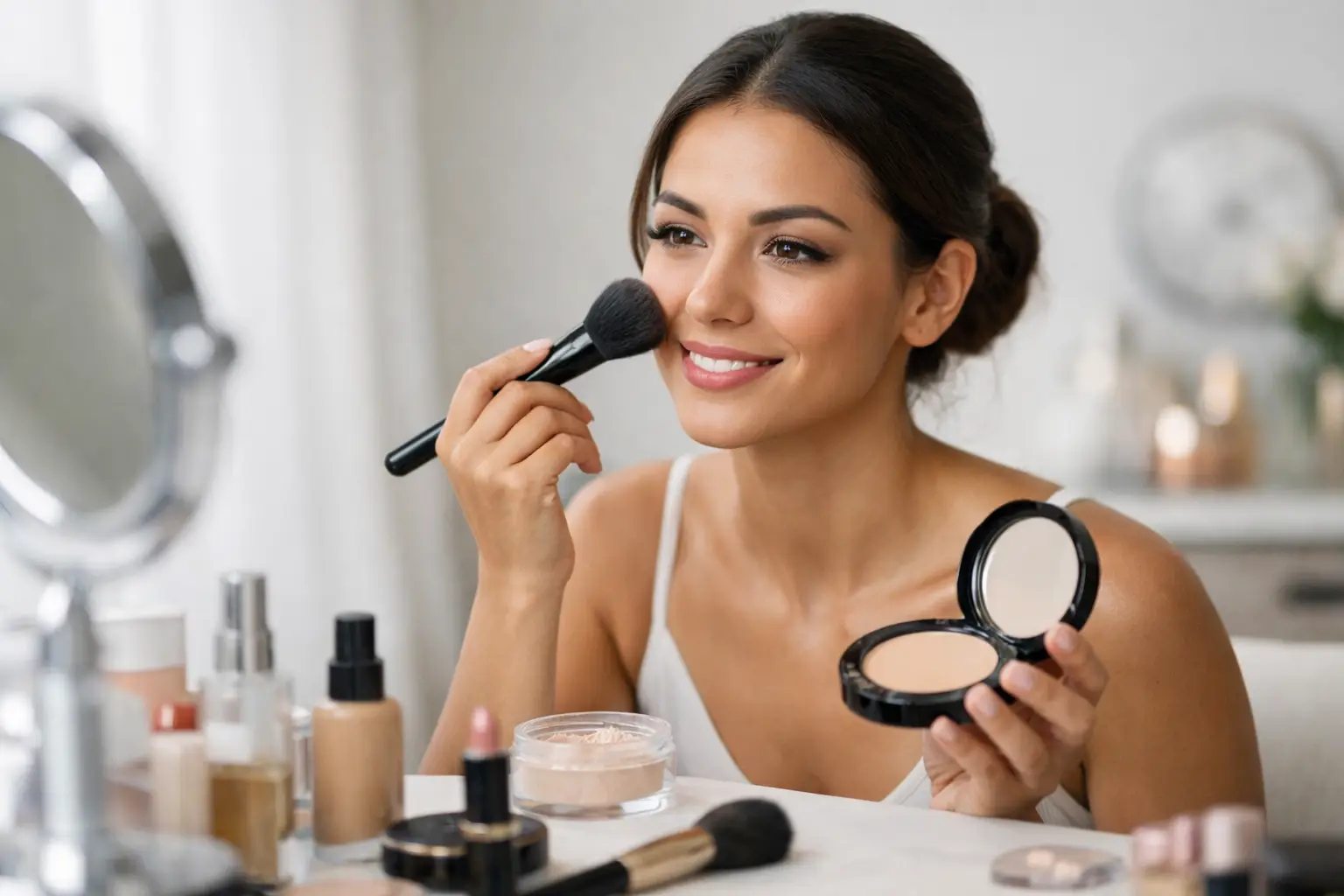
Focus on areas where makeup moves first: around the nose, chin, center of the forehead, and sometimes under the eyes. Pressing a small amount of powder into those areas helps lock in cream products without flattening the whole face. If your skin is dry, keeping powder minimal on the outer perimeter often preserves a fresher finish.
Loose powder is not automatically better than pressed powder. Loose formulas can be excellent for setting and oil control, while pressed powders are convenient for touch-ups and often easier to use lightly. The best choice depends on your skin type, the event, and how polished or natural you want the final look to feel.
How to make makeup last through heat, tears, and long events
Special occasions are different from everyday wear. Heat, humidity, emotion, hugs, dancing, and long hours all challenge a makeup look in different ways. That is why event makeup needs a little more structure behind it.
For warm weather or outdoor events, reducing excess skincare under makeup can help prevent slipping. Waterproof or water-resistant formulas are often worth it for mascara, eyeliner, and sometimes brow products, especially for weddings and photos. That said, not every product needs to be waterproof. Overdoing long-wear formulas everywhere can make the makeup feel stiff or more difficult to refresh.
For tear-prone moments, the eye area deserves extra planning. A well-set under-eye, cream shadow topped with powder shadow, and tubing or waterproof mascara can all improve wear. If you know you tend to touch your face when emotional, that awareness helps too. Pressing tears gently with a tissue is always kinder to makeup than wiping.
Lip color usually needs the most maintenance throughout a long event, even when the rest of the face stays intact. Layering helps here as well. A lip pencil to define and fill in the lips, followed by lipstick, usually lasts longer than lipstick alone. A gloss can be added for comfort or shine, but it will need reapplication sooner.
Touch-ups are part of long-wear makeup, not a sign of failure
Even the best application is meant to wear with you, not freeze in place for twelve hours. Knowing what to touch up and what to leave alone makes a real difference.
Blotting paper or a tissue pressed gently onto oily areas will usually revive the complexion better than adding more powder immediately. Too much powder on top of oil can look heavy fast. After blotting, a small amount of powder in the T-zone may be all you need.
For lips, reapplying after eating is normal. For under-eyes or smile lines, avoid layering more concealer on top of creased product. Smooth what is already there first, then add only a tiny amount if needed. Thoughtful touch-ups keep makeup elegant. Constantly adding more rarely does.
The best long-wear routine is personalized
There is no single formula for how to make makeup last because skin is not one-size-fits-all. Oily skin needs different support than dry or mature skin. Acne-prone skin may need careful product selection to avoid irritation and uneven texture. Clients who rarely wear makeup often want longevity without feeling like themselves in costume, which requires a lighter hand and strategic product placement.
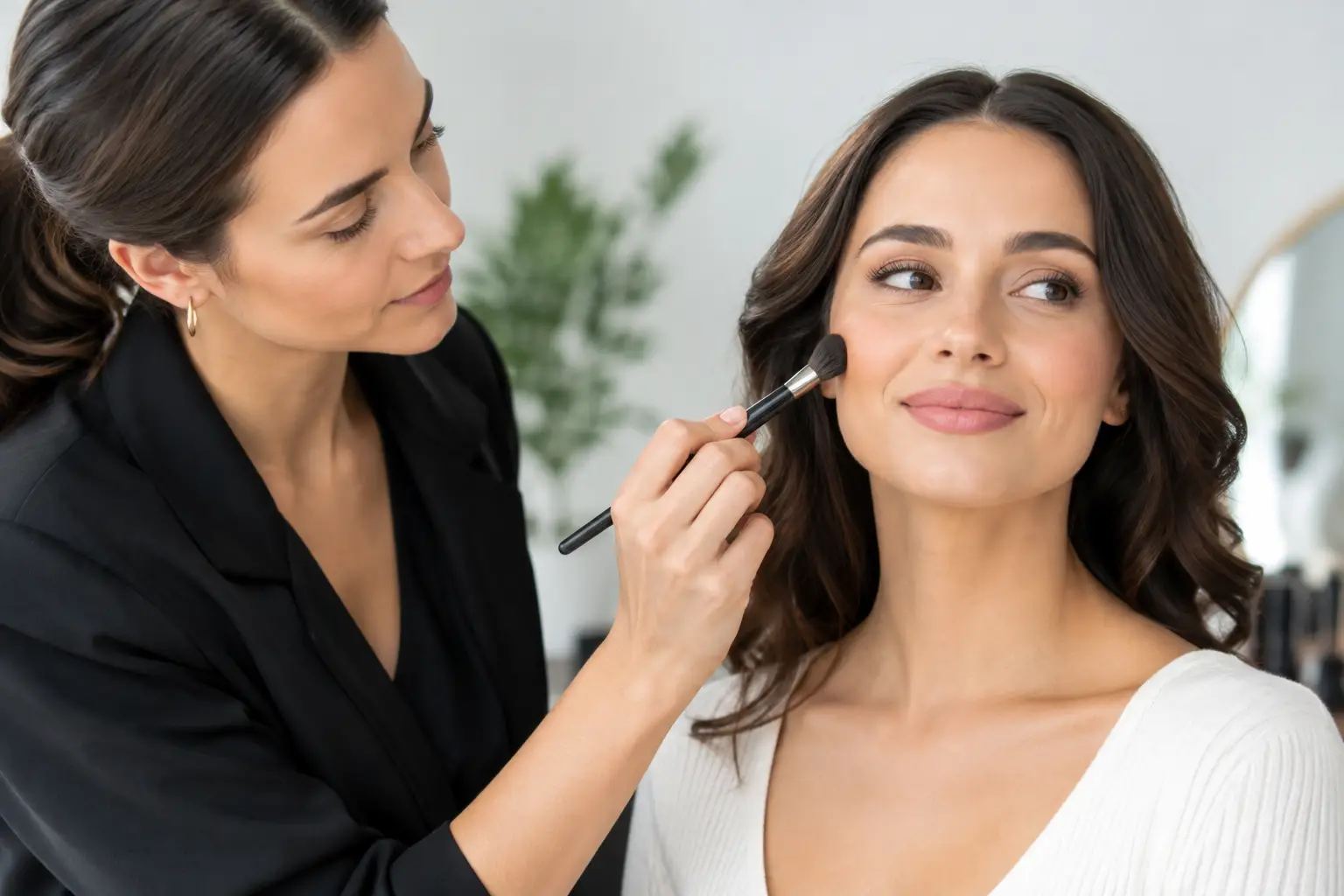
That is why professional application often lasts differently than an at-home routine, even when similar products are used. Technique, skin prep, and customization matter. At Taylor Bailey Makeup Artist, that skin-focused approach is a core part of creating soft glam makeup that stays polished and comfortable without looking heavy.
If your makeup never seems to last, it usually is not because you are doing everything wrong. More often, one or two steps in the routine need adjusting. The right prep, the right textures, and a little restraint can take a look from pretty at first application to consistently beautiful hours later.
The best makeup longevity tip is this: aim for makeup that wears gracefully, not rigidly. When your skin still looks like skin and your features still look like you, lasting power feels a lot more effortless.