Deep Skin Makeup for a Polished, Natural Look
A flattering makeup look should never ask you to become someone else for the camera. Deep skin makeup is at its best when it honors the richness, dimension, and natural undertones already present in your complexion, then refines everything with intentional skin preparation, carefully selected color, and a finish that wears beautifully from the first photo to the last dance.
For a wedding, gala, headshot session, or milestone celebration, the goal is not simply to find a foundation labeled deep. The goal is makeup that looks balanced in person, remains true in photographs, and still feels comfortable and recognizable when you look in the mirror.
Deep Skin Makeup Starts With More Than Foundation
Complexion depth and undertone are related, but they are not the same thing. Two people may wear similarly deep foundation shades while needing completely different color correction, blush tones, lip colors, and contour placement. Skin may lean golden, olive, neutral, red, or cool, and it can carry more than one undertone across the face and body.
This is why a thoughtful artist looks beyond a shade name. The jawline, neck, chest, and shoulder area all help determine the most natural match, particularly when you will be photographed in a strapless gown, formal dress, or off-the-shoulder top. A face that is too warm, too cool, or noticeably lighter than the body can be distracting in photographs, even when the makeup looked acceptable under bathroom lighting.
The right complexion product should disappear into the skin rather than sit on top of it. Sometimes that means using one shade across the face. Other times, a custom blend is the more polished choice, especially when the center of the face is naturally brighter or the perimeter has more depth.
Color Correction Should Be Precise, Not Heavy
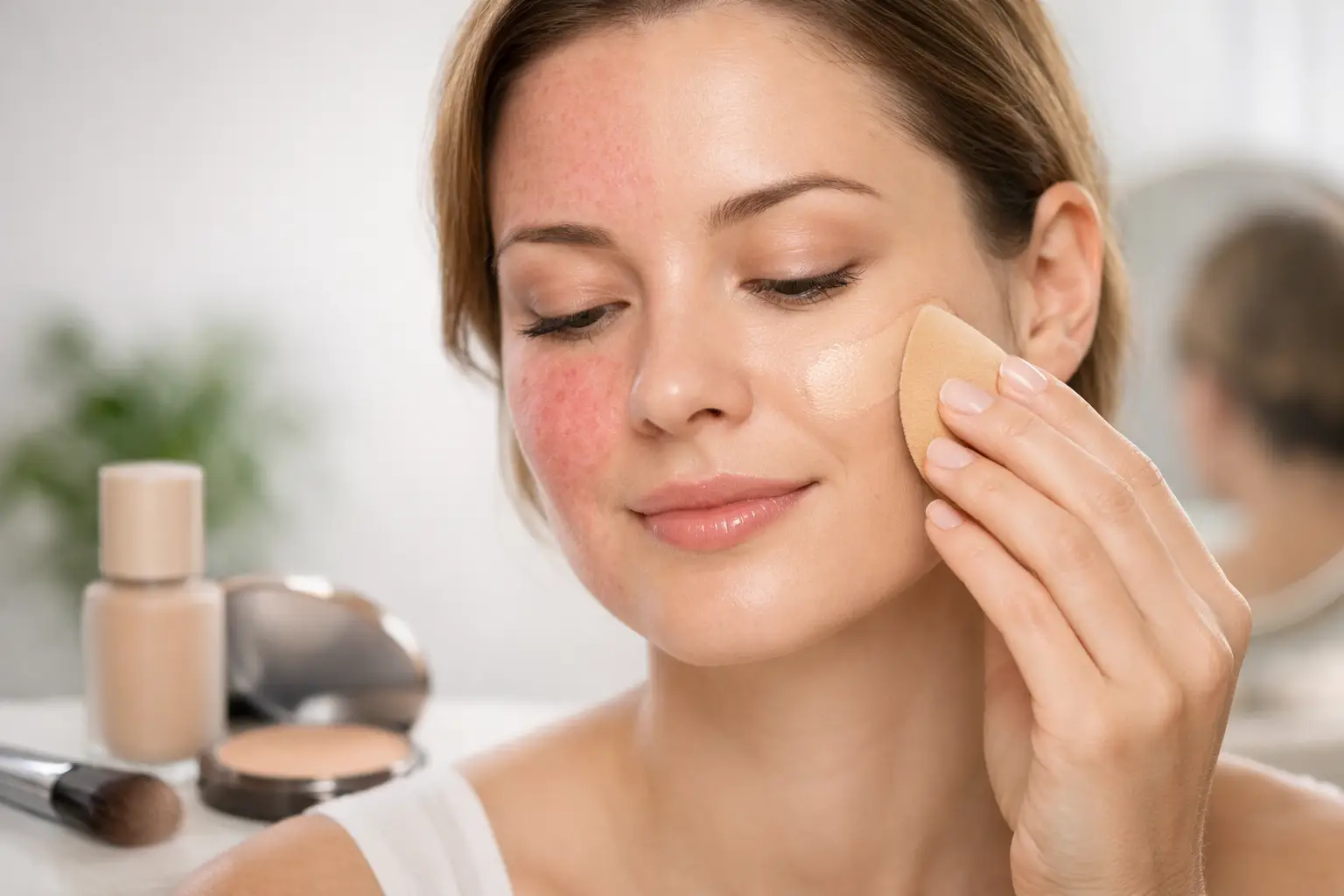
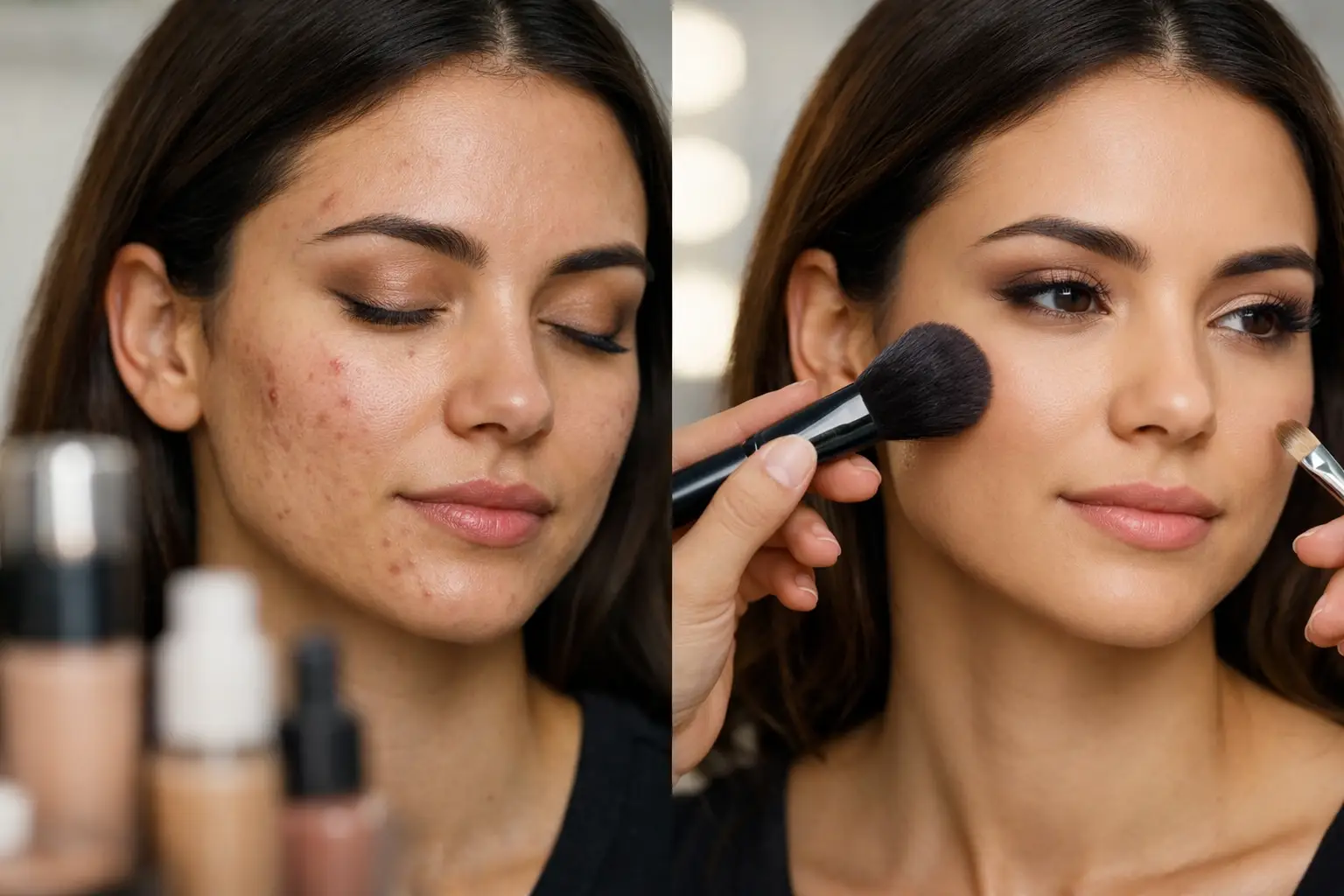
Dark circles, hyperpigmentation, acne marks, and discoloration are common concerns, and they deserve a careful approach. On deeper complexions, overly light concealer can turn gray or ashy. Applying too much corrector beneath foundation can also create a thick finish that creases as the day goes on.
A targeted corrector in a warm peach, red-orange, or deeper terracotta family can help neutralize darkness before concealer is applied. The best shade depends on the depth and tone of the discoloration, so there is no single corrector that works for every client. The key is using a thin layer exactly where it is needed, then building coverage gradually.
When correction is done well, skin still looks like skin. Freckles, beauty marks, and the natural variation in a complexion do not need to disappear for makeup to look polished.
Skin Preparation Creates the Finish
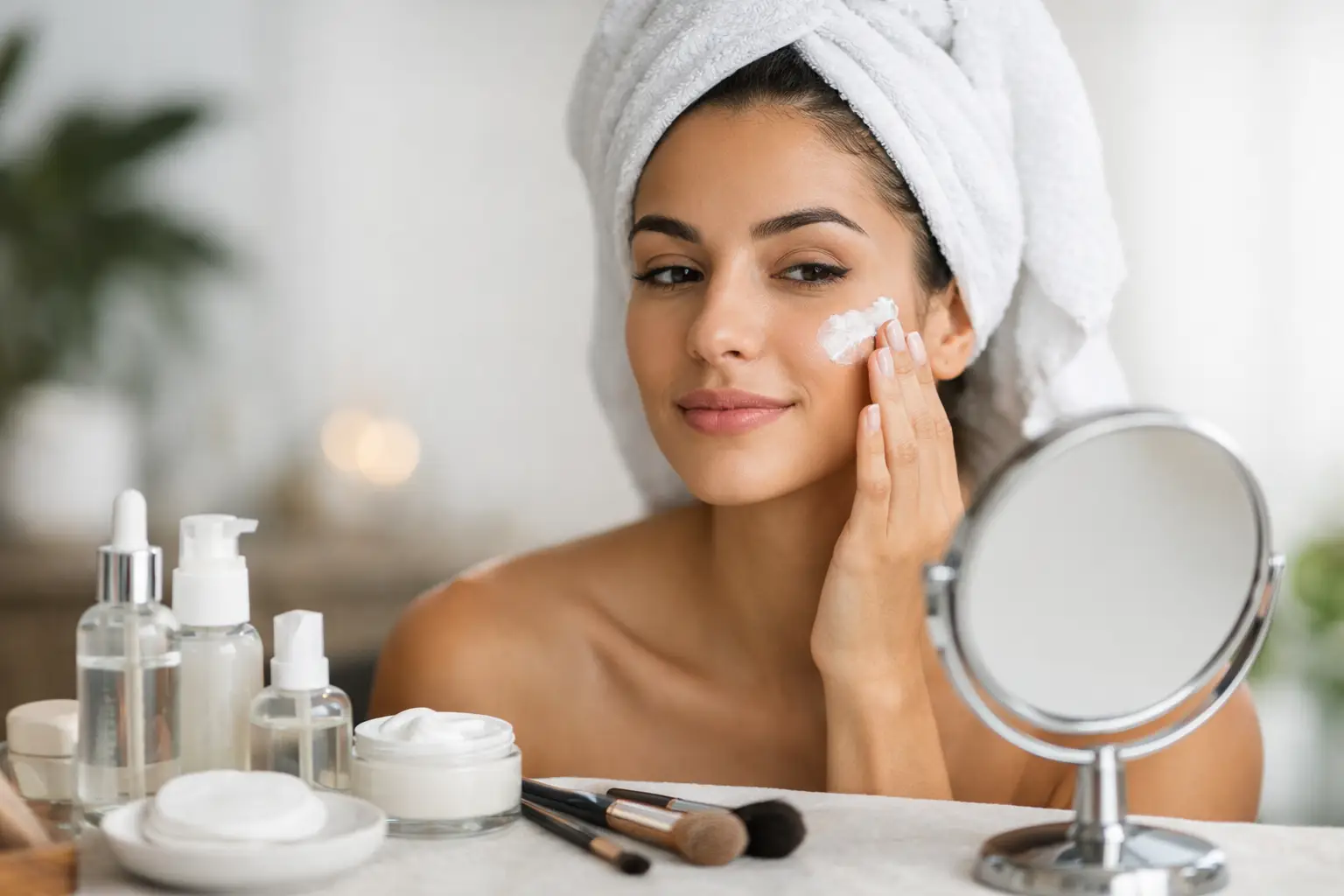
Long-wearing event makeup begins before foundation. Deep skin can be dry, dehydrated, oily, acne-prone, sensitive, or a combination of several concerns at once. A beautiful finish comes from responding to what the skin needs that day, not following the same routine for every face.
For dry or dehydrated skin, lightweight hydration and thoughtful layering can prevent foundation from catching on texture. For oily skin, preparation may focus on balancing shine while preserving a natural glow in the high points of the face. For acne-prone or sensitive skin, clean tools, gentle products, and avoiding unnecessary friction matter just as much as coverage.
A luminous finish is not the same as a greasy one, and a matte finish does not have to look flat. The most natural-looking results usually sit somewhere in between: skin has dimension, strategic areas are controlled, and the complexion still reflects light in a healthy way.
It also helps to arrive with clean, moisturized skin and to avoid testing an unfamiliar active skincare product immediately before a major event. A new exfoliant, peel, or strong retinol can cause dryness or irritation at exactly the wrong time. If you are planning a bridal trial or important photoshoot, consistency in your skincare routine is usually more helpful than a last-minute overhaul.
Choosing Color That Brings the Complexion Forward
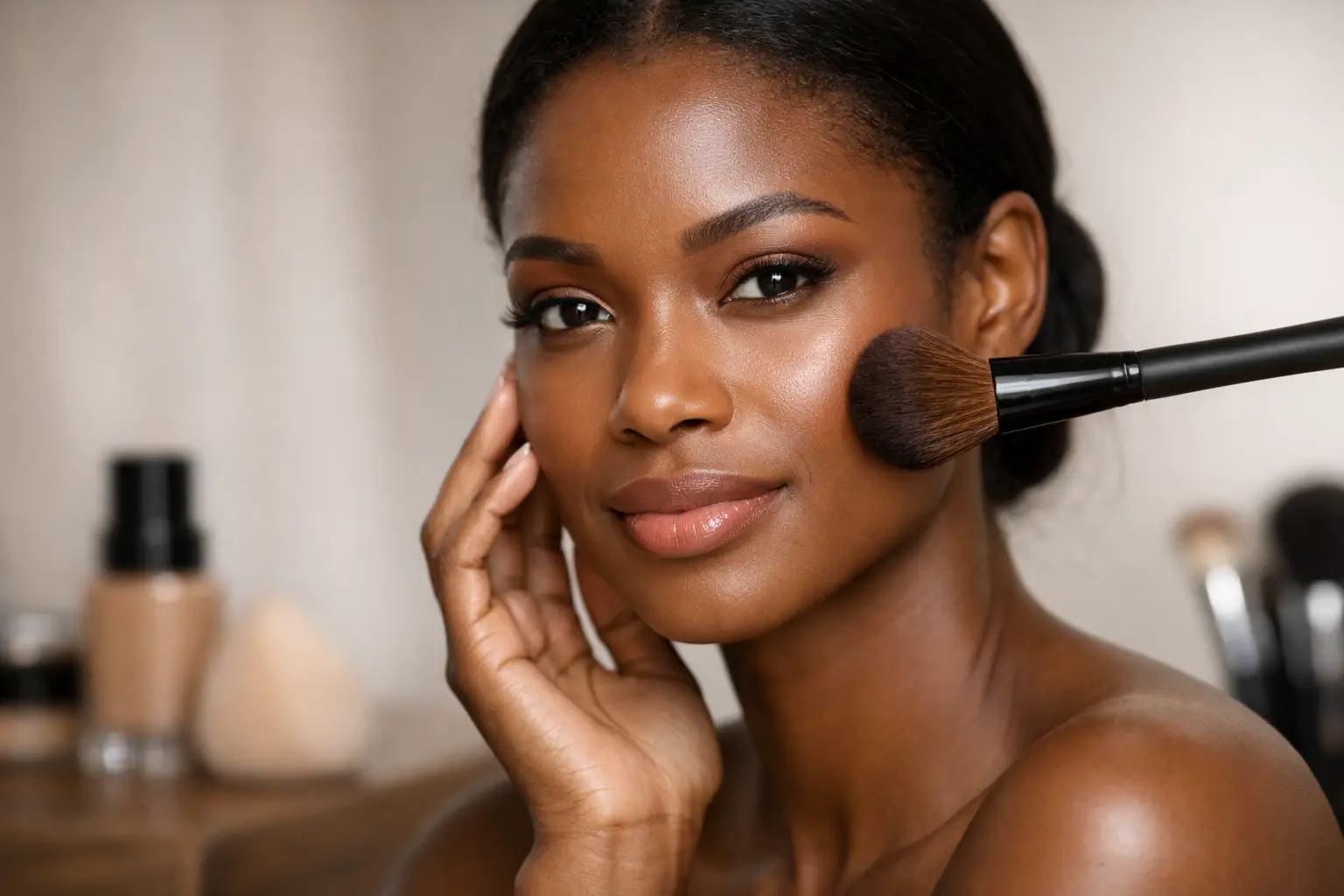
Foundation may create the canvas, but color brings a makeup look to life. On deep complexions, blush, bronzer, highlight, and lip color need enough pigment to remain visible after foundation and powder are applied.
Blush shades such as rich berry, warm coral, terracotta, burnt orange, plum, and vibrant rose can create a healthy, believable flush. The best choice depends on the rest of the look. A soft glam bridal look may call for a muted berry or warm rose, while a formal evening look may support a more pronounced terracotta or plum cheek.
Bronzer should add warmth rather than turn the skin orange or overly red. Contour, when desired, should create gentle structure without leaving a gray cast. These products are often confused, but they do different jobs: bronzer adds sun-kissed warmth, while contour creates subtle shadow. Not every makeup look needs both.
Highlighter is another area where restraint makes a difference. Champagne, bronze, copper, and warm gold tones can be beautiful on deep skin, but a highlighter that is too pale or frosty may read as stark in flash photography. A finely milled formula placed intentionally on the cheekbones and other high points creates radiance without making texture more visible.
Eye and Lip Color Can Be Soft Without Being Faint
Natural makeup does not mean beige makeup. A soft glam look can include rich brown liner, bronze shimmer, burgundy accents, chocolate matte shadows, or a softly diffused plum lip. These colors often provide definition that neutral shades alone may not deliver.
For lips, the liner matters. A deeper lip liner can create shape and help a nude lipstick feel intentional rather than washed out. Warm caramel, cinnamon, rosy brown, mauve, berry, and brick tones can all be considered nude-adjacent depending on the client’s complexion and desired effect.
The same principle applies to brows and lashes. Brows should frame the face without looking stamped on, while lashes should complement the eye shape and comfort level. Individual lashes may suit someone who wants a lighter, more customized finish, while a fuller strip lash can work beautifully for an evening event or high-impact photography.
How to Keep Makeup True in Photos
Camera-ready makeup is not automatically heavy makeup. Photography can soften color and dimension, so products must be layered with enough intention to remain visible. At the same time, too much powder, concealer, or reflective product can become apparent in close-up images and flash photography.
Lighting changes everything. Daylight, ballroom lighting, professional flash, and phone cameras can each make makeup appear different. An experienced makeup artist considers your event setting, wardrobe, and photo plans while choosing complexion depth, powder placement, and the level of definition around the eyes and lips.
Flashback is a common concern, particularly for evening weddings and events. It can happen when certain powders or sunscreen ingredients reflect light, leaving parts of the face noticeably lighter in photos. This is why product selection and controlled setting are essential. A light hand in the right areas often photographs better than a heavy layer of powder everywhere.
If your face and body will be visible, the overall effect should feel cohesive. Matching does not mean making every area identical. It means allowing the face, neck, chest, and shoulders to look naturally connected, with skin tone and finish considered as part of the complete look.
A Personalized Appointment Makes the Difference
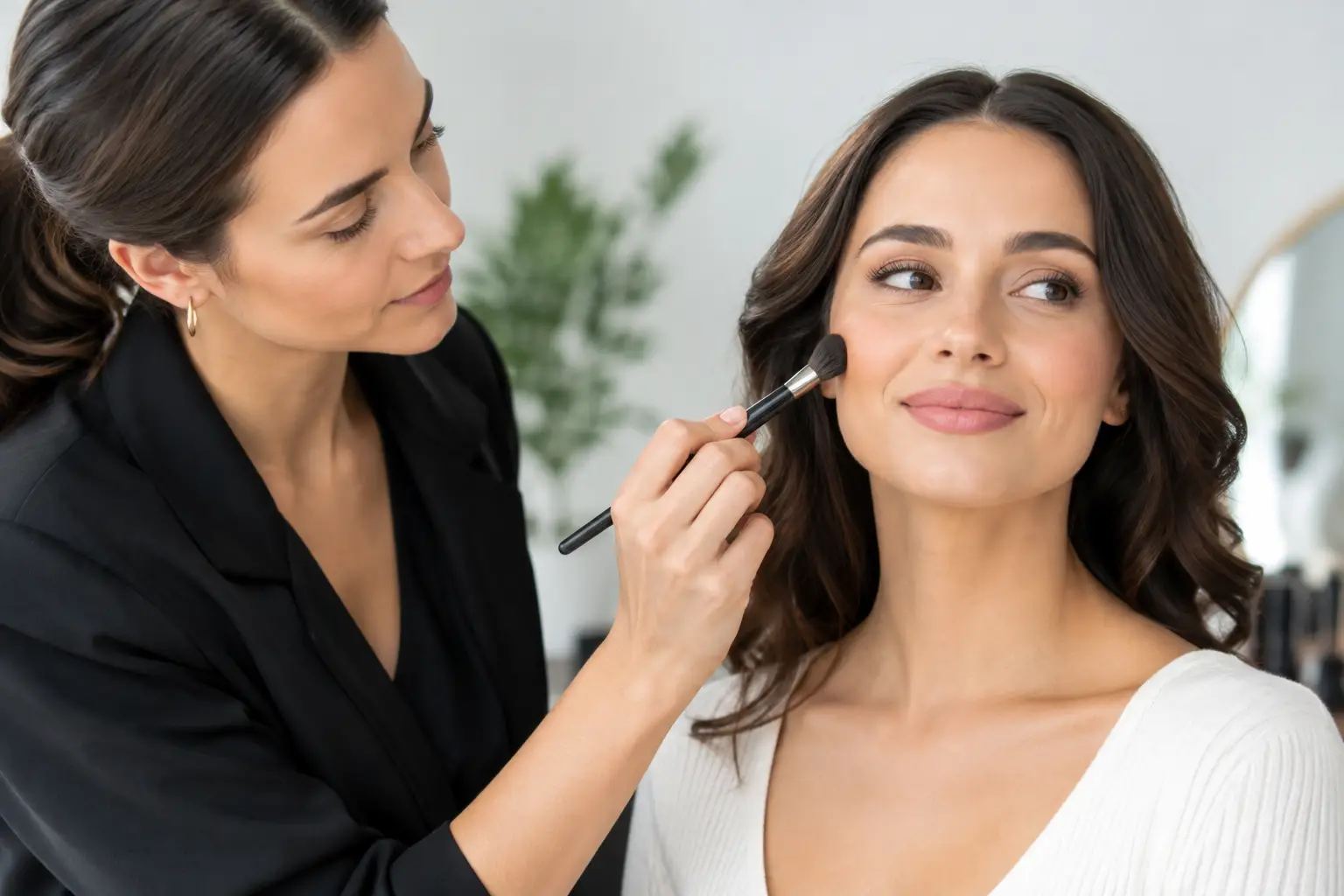
The best deep skin makeup services begin with listening. Your artist should ask how you normally wear makeup, what features you love, how your skin behaves, whether you have sensitivities, and how you want to feel at your event. A bride who rarely wears makeup may want softly perfected skin and a barely-there lash, while a client attending a gala may feel most confident in a defined eye and bold lip.
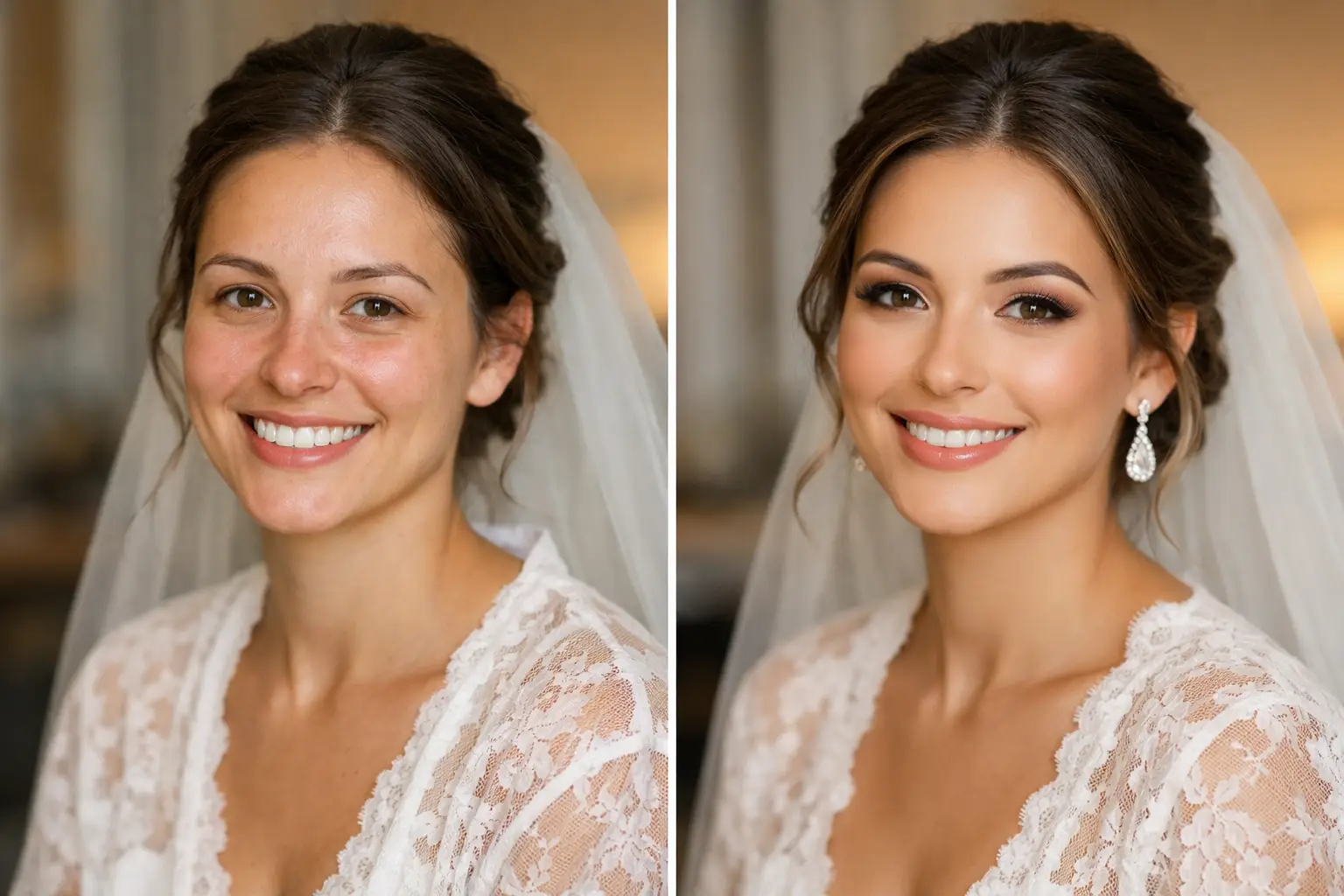
For weddings, a bridal trial provides room to test these details before the event day. It is a chance to see how the makeup wears, adjust the level of glow or coverage, and make sure the final look feels like an elevated version of you. Bringing inspiration photos is helpful, but your own skin tone, features, and personal style should guide the finished result.
At Taylor Bailey Makeup Artist, the approach is always centered on considered preparation, tailored product choices, and calm, attentive service. The result should feel polished enough for professional photos while remaining comfortable enough to enjoy every moment of your celebration.
Your makeup should support the occasion, not compete with it. When the shades are matched with care and the skin is treated with respect, you can step into the room knowing your look will hold up beautifully and still look unmistakably like you.