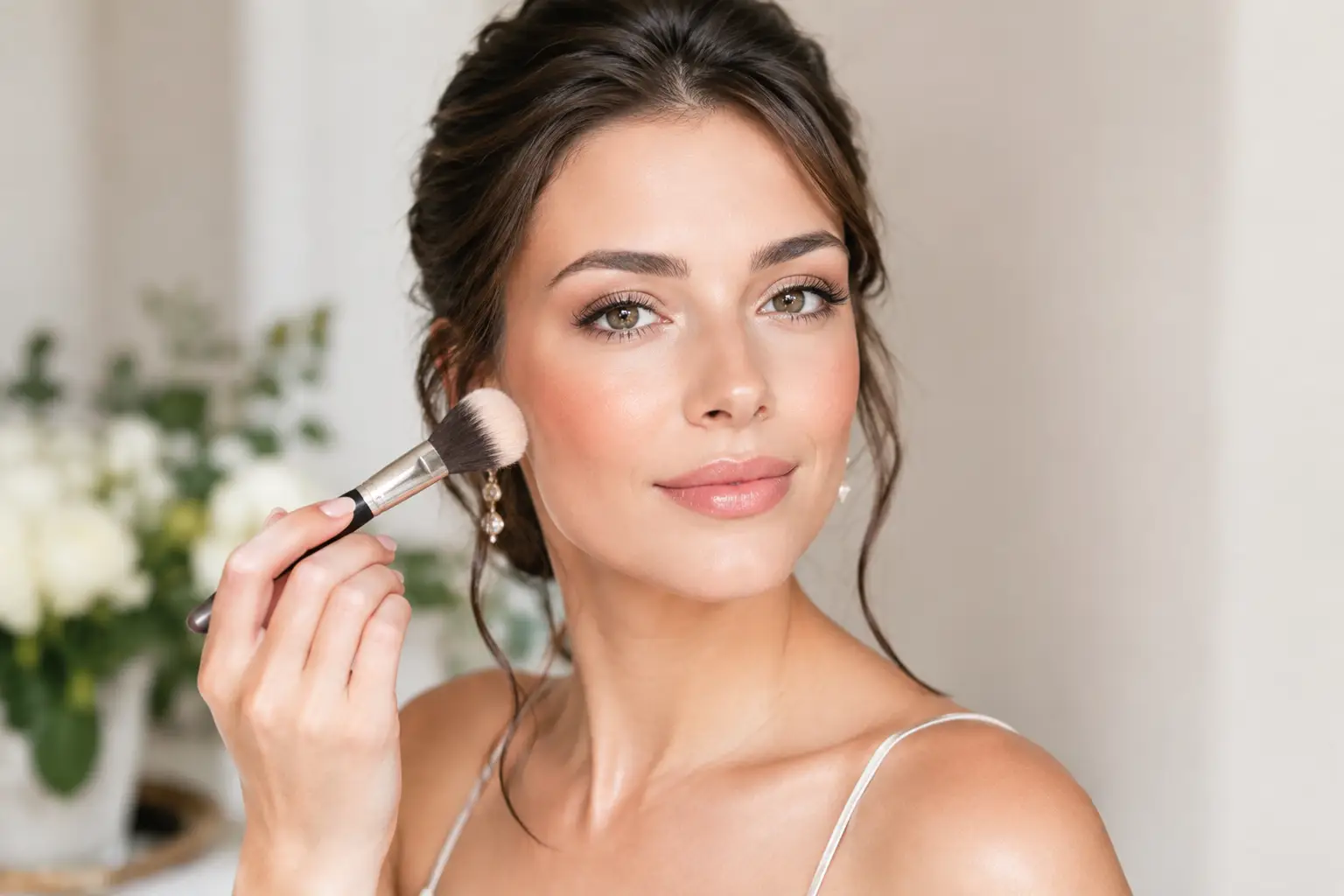
Skin First Makeup Trends for Polished Event Looks
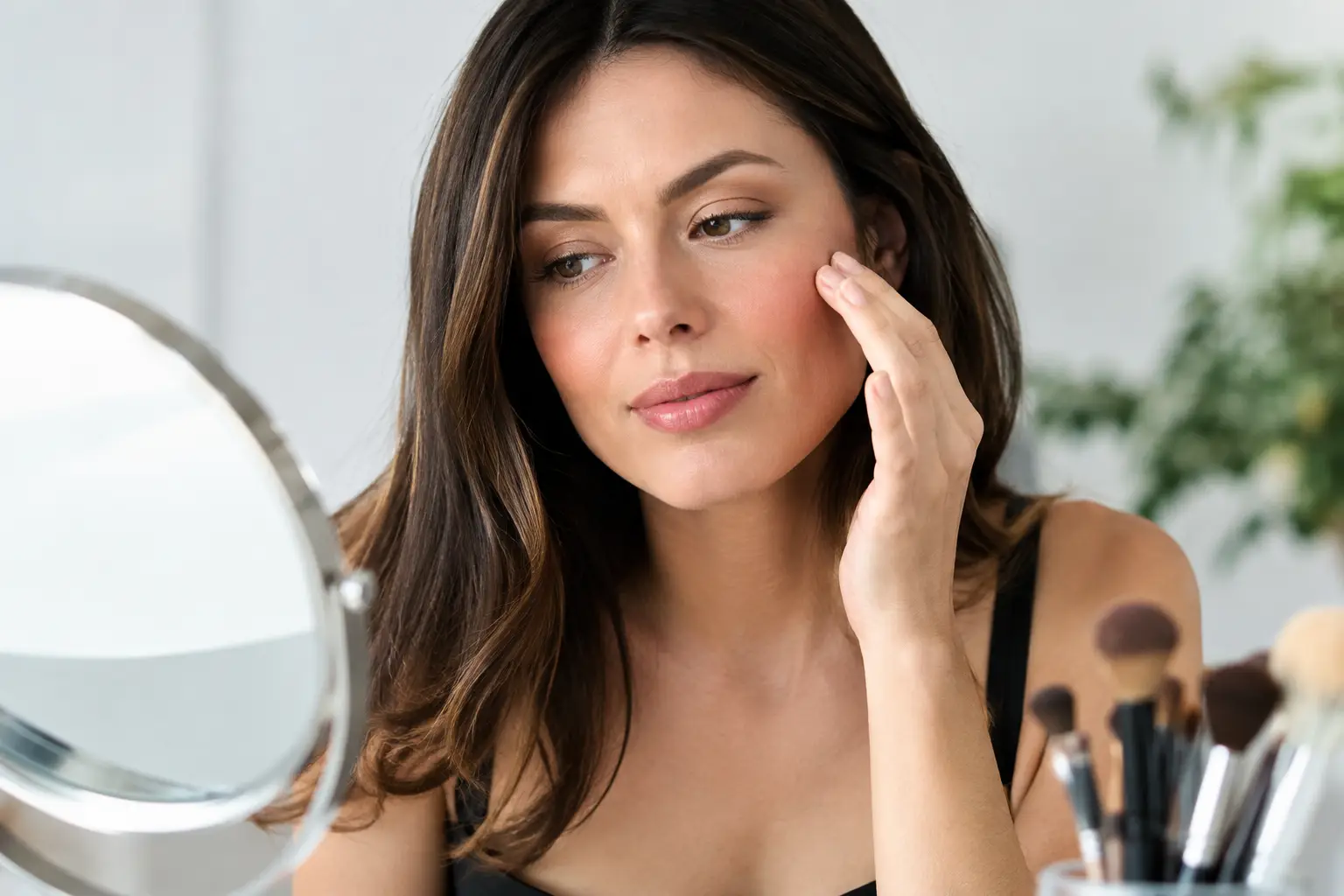
A beautiful event makeup look should not feel like a mask you cannot wait to remove. That is why skin first makeup trends have become such a natural fit for brides, professionals, and anyone preparing to be photographed: they prioritize healthy-looking, comfortable skin before foundation ever enters the picture. The result is polished and luminous, but still recognizably you.
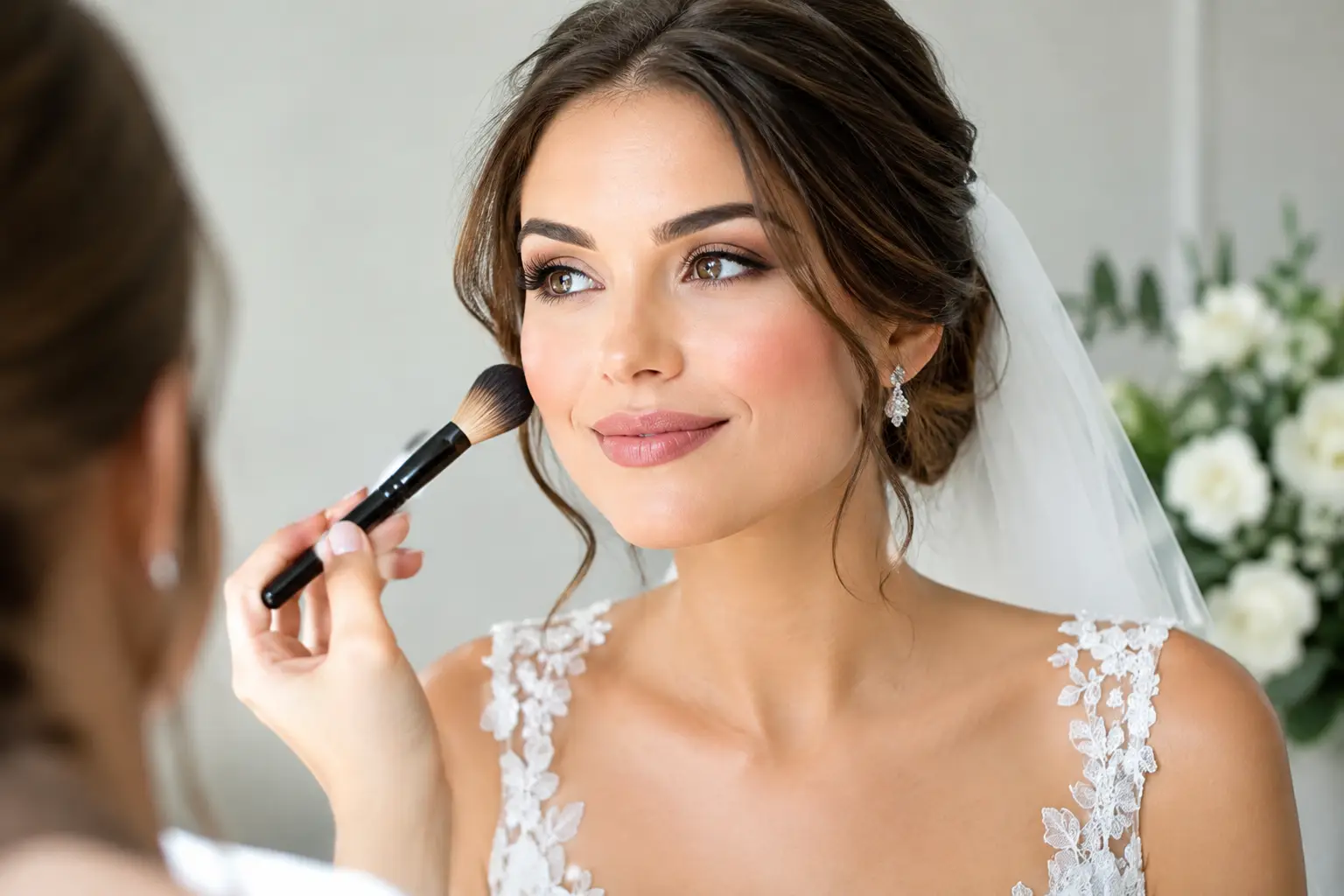
For a wedding day, headshot session, gala, or milestone celebration, skin-first beauty is not about wearing less makeup simply for the sake of it. It is about choosing the right preparation, coverage, and finish for your features, your skin, and the demands of your day. A soft glow may look effortless, but creating one that wears beautifully through hugs, flash photography, and a long schedule requires thoughtful artistry.
What Skin First Makeup Trends Really Mean
At its core, a skin-first approach treats makeup as enhancement rather than camouflage. Skin is hydrated according to its needs, complexion products are applied strategically, and dimension comes from carefully placed color instead of heavy layers. You may still wear foundation, concealer, blush, bronzer, lashes, and a defined lip. The difference is that every product has a purpose.
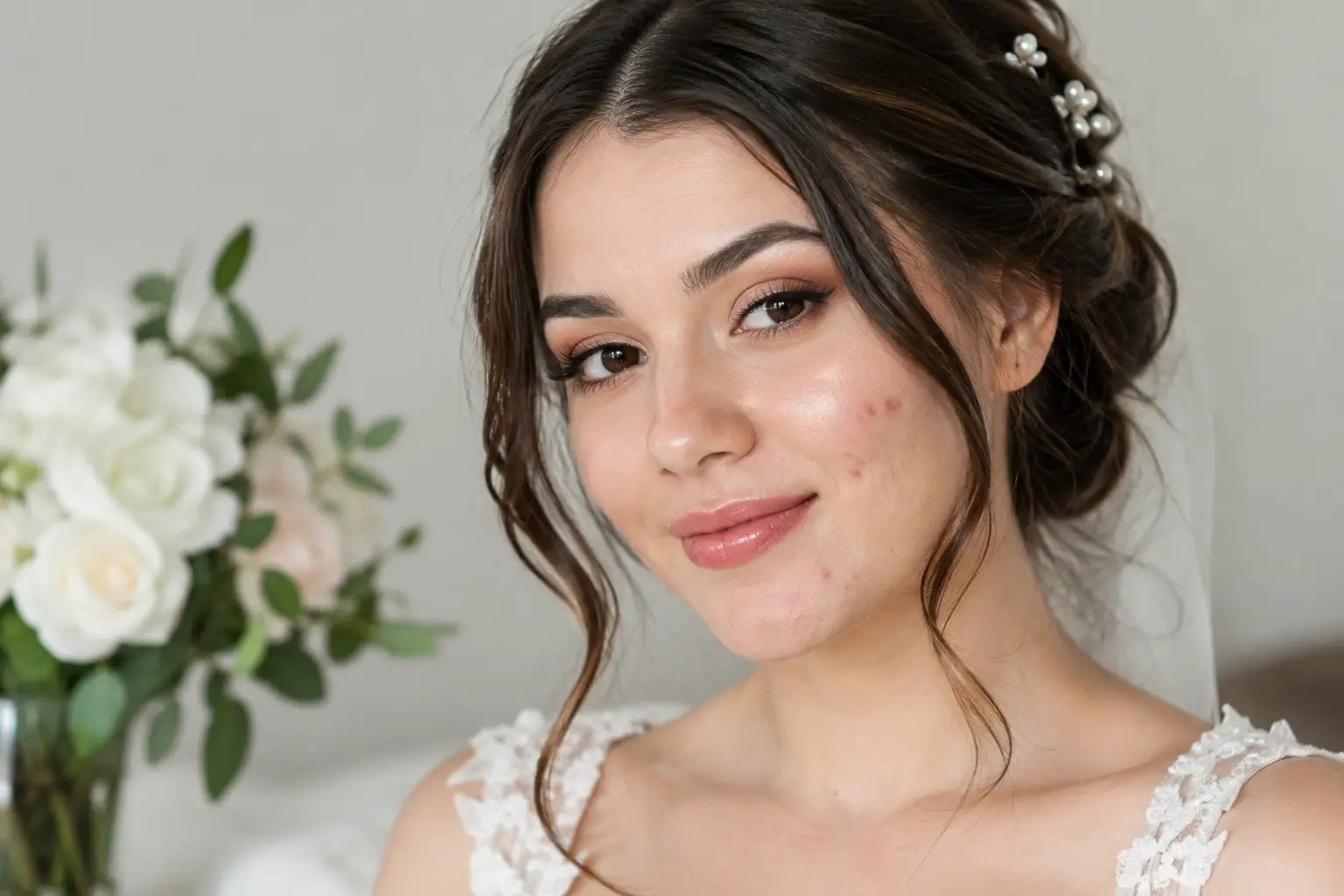
This approach is especially appealing for clients who do not wear makeup every day. Rather than asking you to become a different version of yourself for an important occasion, it creates a refined version of your familiar features. Freckles can remain visible. Natural texture does not need to be erased. A soft brow, lifted lashes, and balanced complexion can make a meaningful difference without feeling overly transformed.
It also reflects a practical truth: thick makeup does not automatically translate to better makeup on camera. Cameras respond to evenness, strategic brightness, and a finish that works with lighting. In person, your skin should still look like skin from a comfortable conversational distance.
Skin Preparation Is the Foundation of Soft Glam
The most flattering foundation formula cannot compensate for skin that is dehydrated, irritated, or layered with incompatible products. Skin preparation is where a long-wearing, natural-looking complexion begins. The right routine helps makeup sit smoothly, reduces the appearance of dry patches, and gives cream and powder products something stable to hold onto.
Preparation is never one-size-fits-all. Dry or mature skin may benefit from gentle hydration and a nourishing base, while oily skin often needs lightweight moisture and targeted shine control. Acne-prone or sensitive skin calls for a careful, hygienic approach that avoids unnecessary friction and overly aggressive products. The goal is not to make every complexion matte or dewy. It is to create balance.
For a major event, avoid experimenting with strong exfoliants, new retinoids, or an unfamiliar facial treatment in the days immediately before. Even a product that works beautifully for someone else can lead to redness, flaking, or congestion on your skin. If you are considering a professional skin treatment, plan it far enough in advance to give your complexion time to settle.
On the day of your appointment, arrive with clean skin and the skincare routine you have discussed with your artist. Heavy oils, thick sleeping masks, and rich products that pill under makeup can make it harder to build a smooth, long-lasting base. A makeup artist can then tailor prep to what your skin needs in that moment.
Healthy-Looking Skin Is Not the Same as Shiny Skin
One common misunderstanding around this trend is that “glowy” must mean glossy everywhere. For event makeup, that can become reflective through flash photography or break down quickly in humidity. A skin-first finish is usually more intentional: soft radiance on the high points of the face, balanced coverage through the center, and controlled shine where it is most likely to develop.
This is why a combination skin client may wear hydrating products on the cheeks and a more refining primer through the T-zone. It is also why setting powder is not the enemy of glow. Used with a light hand and placed selectively, it helps preserve the freshness of the complexion rather than flattening it.
The Skin First Makeup Trends That Work for Events
The most enduring versions of skin-first beauty are not defined by a single viral product. They are techniques that make sense for real people and real schedules.
Sheer-to-medium complexion coverage remains a favorite because it evens tone while allowing the face to retain movement and dimension. Coverage can be built precisely where it is needed, such as around the nose, on areas of discoloration, or over a blemish, instead of applying full coverage everywhere. This often looks more natural and photographs more beautifully than a uniformly heavy base.
Cream blush and bronzer continue to be popular for their soft, skin-like finish. When set appropriately, they bring warmth and life to the face without appearing powdery. The best shade placement depends on your face shape, preferred style, and the rest of the look. A bride wanting romantic softness may prefer a diffused cheek color, while a client heading to an evening gala may enjoy slightly more sculpted definition.
Underpainting, where cream contour or blush is placed before foundation, can create a subtly blended effect. It is useful when a client wants gentle structure without obvious lines. However, it is not required for every look. On certain skin types or with particular formulas, applying color over the complexion base provides better control and longevity. Trend-driven techniques should always serve the finished result, not dictate it.
Soft-focus setting is another valuable part of the skin-first makeup trend. Instead of heavily baking the entire face, a professional may use finely milled powder only where makeup needs support, then use a setting spray to bring the finish together. This preserves a realistic texture while helping makeup withstand a full day of photos, happy tears, dancing, and changing temperatures.
How to Keep the Look Camera-Ready
Natural-looking makeup still needs to account for the camera. Wedding photography, professional headshots, and indoor event lighting can soften facial dimension, which is why a little more blush, definition, and complexion refinement may be appropriate than you would choose for a casual lunch.
The key is thoughtful balance. A complexion that looks beautifully luminous in person may need controlled shine for flash photography. An extremely sheer foundation may be perfect for a daytime outdoor portrait but may not provide enough evening coverage if redness or discoloration is a concern. Conversely, very matte, full-coverage makeup can look polished under stage lighting but feel too formal for a garden wedding or relaxed family session.
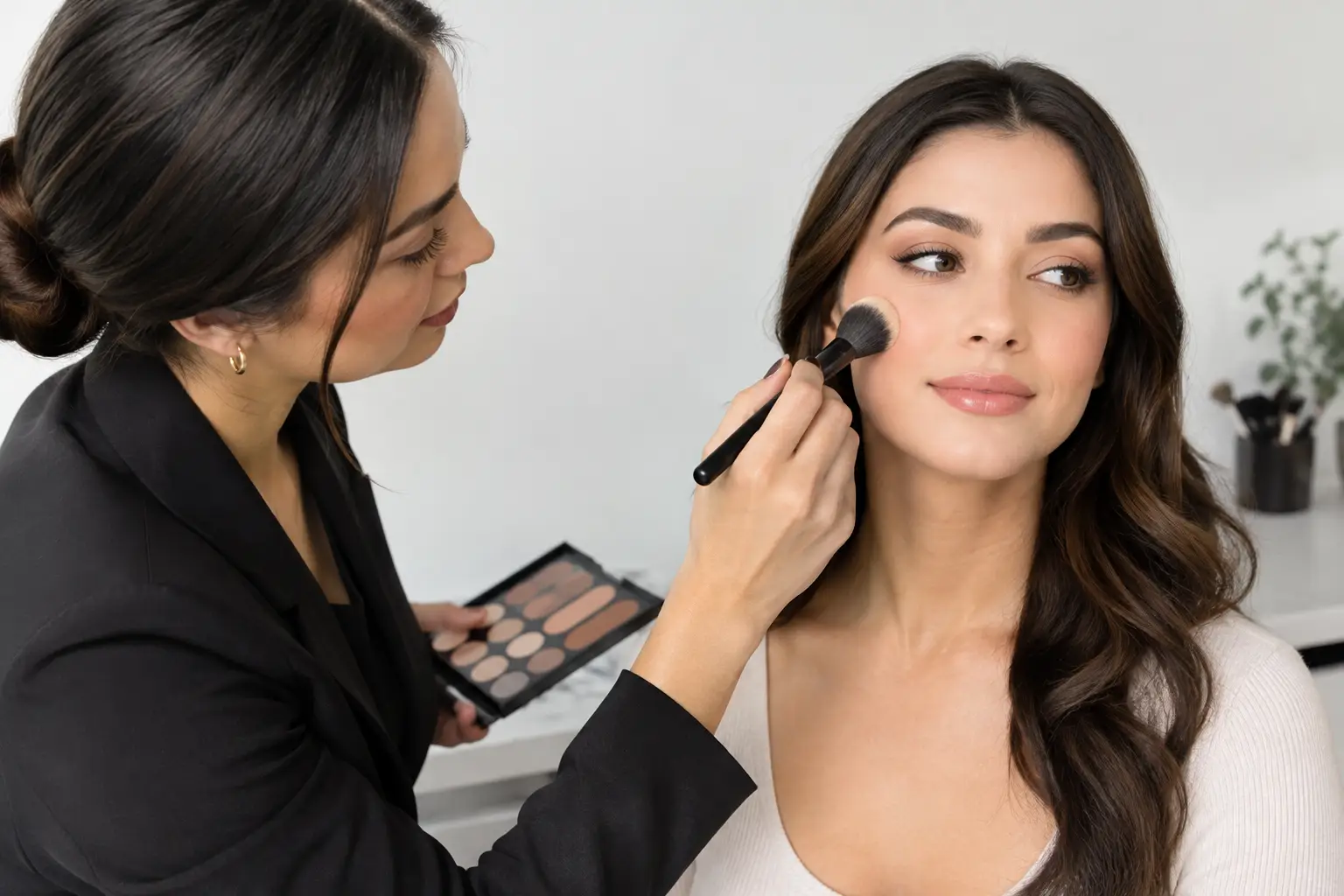
A trial appointment is helpful when the occasion carries emotional weight, especially for brides. It gives you space to discuss your vision, test wear time, refine coverage, and see how products sit on your skin. Bring inspiration photos, but pay attention to the qualities you like in them: perhaps it is the fresh skin, rosy cheeks, or softly defined eyes. Your artist can translate that feeling into a look suited to your coloring, features, and event.
Wear Time Comes From Layers, Not Weight
Long-wear makeup is often misunderstood as heavy makeup. In reality, durability usually comes from intentional light layers: appropriate skin prep, compatible complexion products, strategic setting, and professional application. Adding more foundation to a moving, dehydrated, or textured area can make the issue more visible rather than fixing it.
For all-day events, a small touch-up plan is sensible. Blotting papers, a lip product, and a compact powder if recommended can help you refresh without disturbing the base. If your schedule includes extended photography, outdoor heat, or multiple wardrobe changes, concierge-style touch-up support can be a worthwhile consideration.
Choosing a Look That Still Feels Like You
The most successful skin-first makeup looks begin with an honest conversation. Share how you normally wear makeup, what features you love, what makes you feel self-conscious, and whether you tend to prefer a matte, satin, or radiant finish. Mention any sensitivities, current breakouts, eczema, rosacea, or products that have caused reactions in the past. This information allows your artist to make careful, informed choices.
At Taylor Bailey Makeup Artist, the focus is always on creating elevated makeup that feels personal, comfortable, and appropriate for the occasion. Whether your version of soft glam includes barely-there complexion coverage or a more defined eye and lip, the skin should remain the starting point.
Your event makeup does not need to follow every trend to feel current. Choose the techniques that make you feel cared for, confident, and at ease when you look in the mirror. The best finish is one that lets you enjoy the moment without wondering whether you still look like yourself.