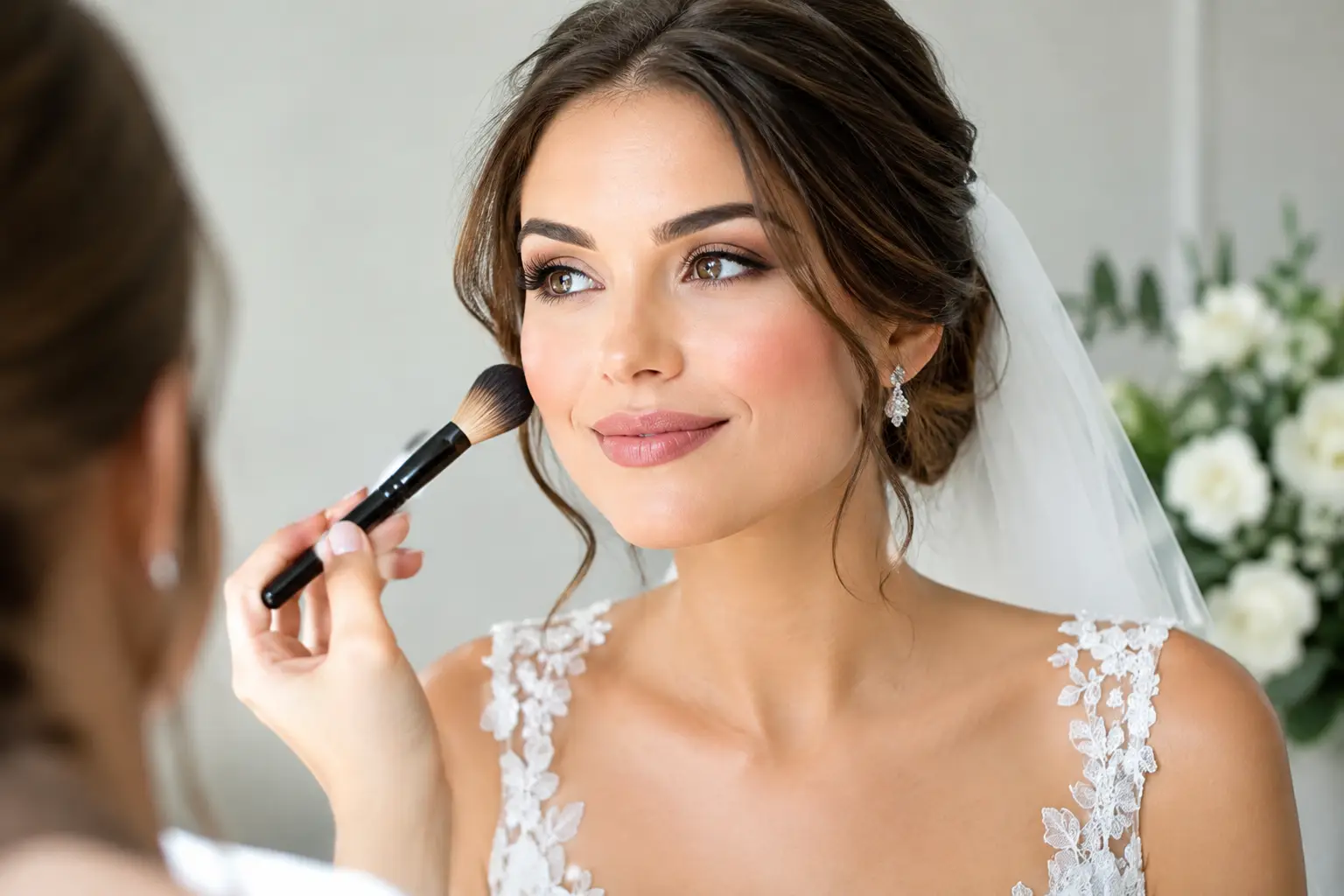
How Long Does Makeup Last at Weddings?
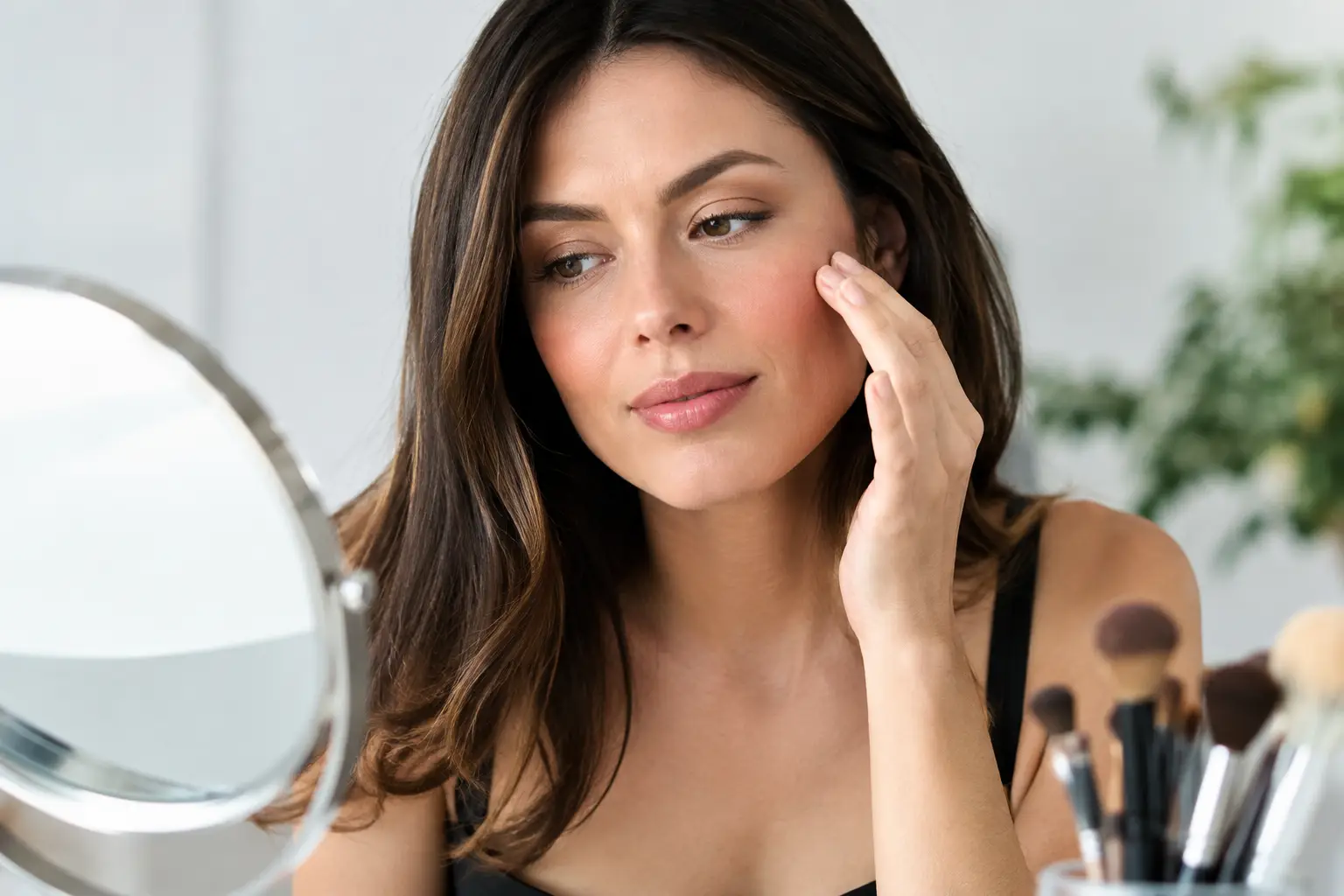
A polished wedding or event makeup look should feel as good at the end of the night as it did when you first saw it in the mirror. So, how long does makeup last? With thoughtful skin preparation, professional application, and the right products for your skin type, most special-event makeup can wear beautifully for 8 to 12 hours. The exact timeline depends on your skin, the weather, the look you choose, and what your day has in store.
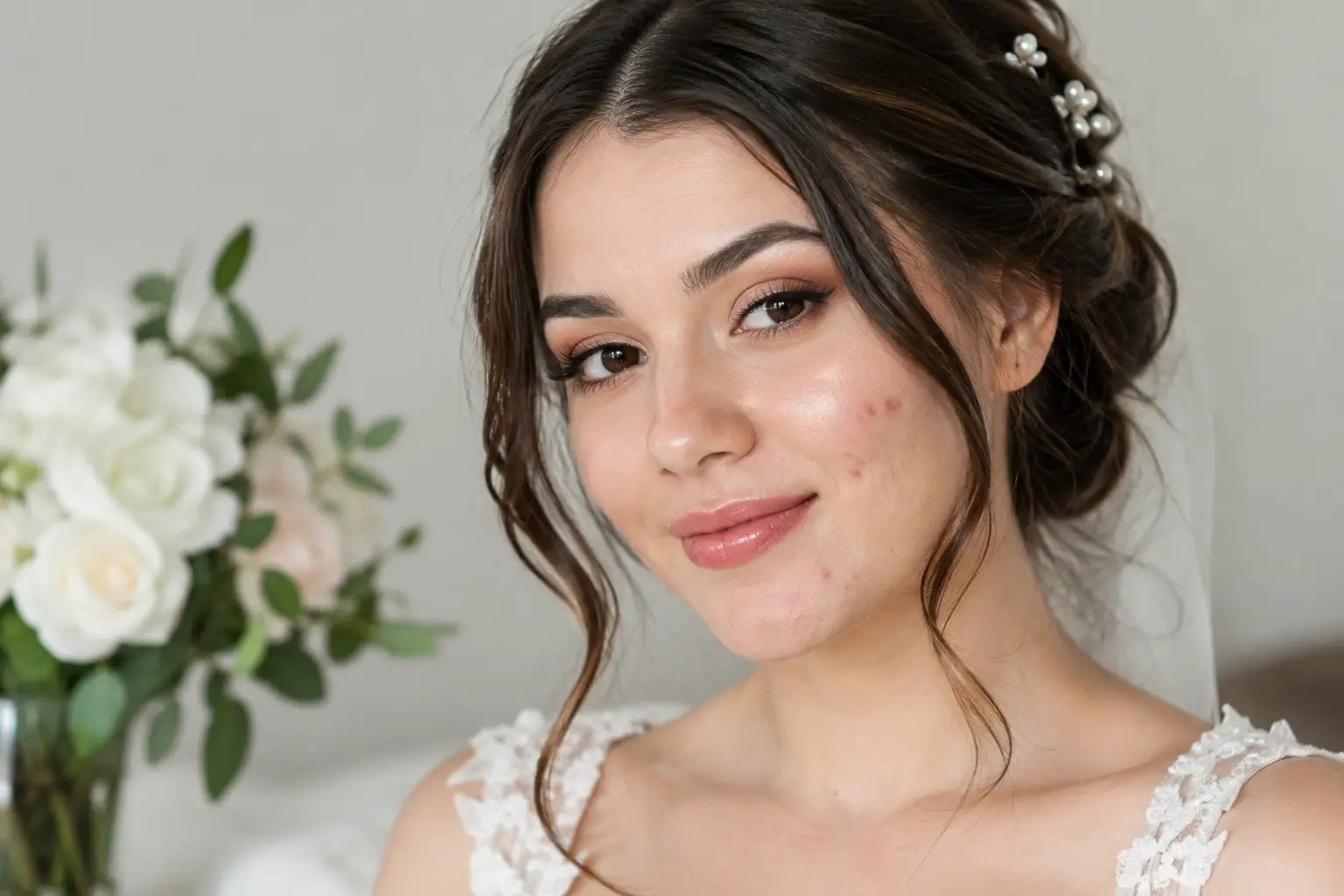
For a bride, that may mean makeup applied before sunrise still looking fresh through portraits, vows, dinner, and dancing. For a headshot session or gala, it may mean a comfortable, camera-ready finish that holds through a busy afternoon. Long wear should never require makeup to look heavy. The goal is a refined look that still looks like you.
How Long Does Makeup Last With Professional Application?
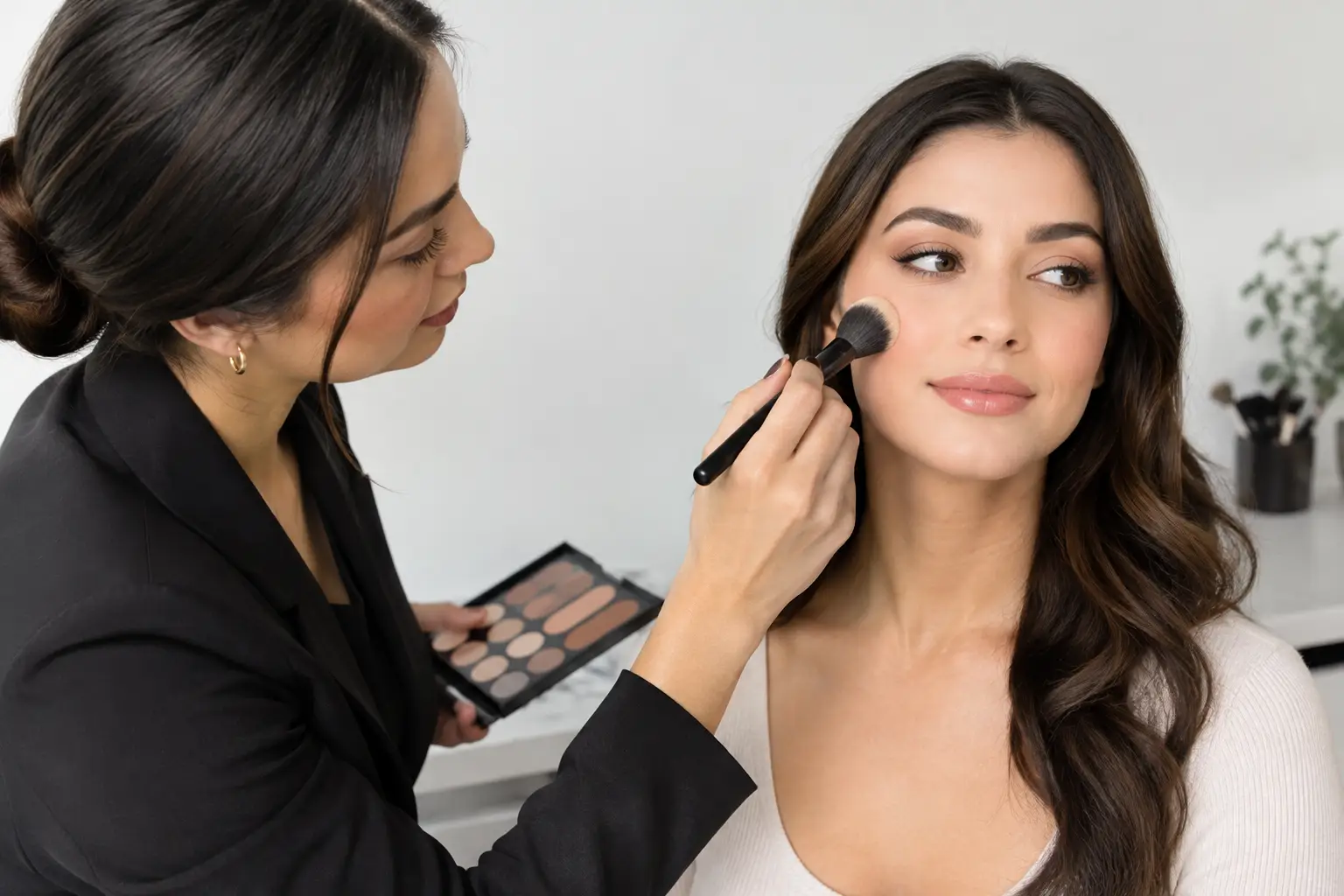
Professional event makeup is designed for more than a quick dinner reservation. A well-prepped, softly glam look generally lasts 8 to 12 hours, while certain areas may need a small touch-up sooner. Lip color is the most common example. Eating, drinking, kissing, and talking naturally wear down even a long-wear lipstick.
Complexion makeup, blush, contour, and eye makeup often hold much longer when the skin is properly prepared and products are layered with intention. A makeup artist considers how your skin behaves, whether you tend to become shiny through the T-zone, experience dryness around the nose, or have sensitive eyes that water easily. Those details affect product selection far more than simply choosing the most long-wear formula available.
There is a difference between makeup that stays put and makeup that feels tight, dry, or mask-like by hour six. For weddings and milestone events, the best result is usually a balanced one: enough longevity for photographs and a full celebration, with a finish that remains comfortable and natural in person.
What Affects How Long Makeup Lasts?
Your makeup wear time is personal. Two people can wear the same foundation on the same day and have very different results. Skin type matters, but so do preparation, climate, schedule, and the products applied underneath your makeup.
Your Skin Type and Current Skin Condition
Oily or combination skin may break through makeup more quickly around the forehead, nose, and chin. That does not mean matte, full-coverage makeup is the only answer. Often, strategic skin prep, a lightweight complexion formula, and targeted setting products create a more natural result than piling on powder everywhere.
Dry or dehydrated skin can cause makeup to separate, catch on texture, or look dull as the day goes on. Hydration is especially important here, but it must be balanced. A rich moisturizer applied immediately before makeup may make certain formulas slip, while the right amount of hydration helps makeup blend smoothly and stay flexible.
Breakouts, sensitivity, and active skincare treatments also change the approach. Freshly exfoliated, irritated, or peeling skin may not hold makeup predictably, no matter how skilled the application. This is why an individualized plan matters, especially for clients who do not wear makeup every day.
Weather, Heat, and Humidity
Northern Virginia and Washington, DC weather can be a factor in almost any season. Summer humidity, outdoor ceremonies, warm photo locations, and crowded dance floors can all increase shine and perspiration. Winter wind and indoor heat can leave skin feeling dry or flushed.
Long-wear makeup is not about pretending weather does not exist. It is about planning for it. In warm conditions, lighter layers and carefully placed setting products tend to wear better than a thick base. In dry conditions, complexion products may need more flexibility and hydration. If your event includes outdoor photos, a ceremony, and a reception in separate locations, tell your artist in advance so the makeup plan can support the full day.
The Makeup Look You Choose
A soft glam look with skin-like foundation, defined eyes, and a polished lip can wear exceptionally well. Very dewy makeup may need occasional shine control, while ultra-matte makeup can require more attention around dry areas. Neither choice is wrong. The right choice is the one that suits your skin, comfort level, and the overall feel of the event.
False lashes can remain secure all day when properly applied, but tears, rubbing the eyes, or high humidity may affect them. A bold lip is beautiful and photograph-ready, yet it asks more of you throughout the day than a nude satin lip or gloss. If minimizing touch-ups is a priority, choose a lip color family that fades gracefully and keep your chosen color nearby.
Your Schedule and Habits
A 10-hour wedding day asks more of makeup than a two-hour photo session. So does frequent hugging, happy tears, a champagne toast, or a packed dance floor. Makeup can be built to withstand these moments, but no application is entirely immune to friction, oil, food, and moisture.
Try not to touch your face once makeup is complete. It is a simple habit that makes a real difference. When you need to blot shine, press gently with a blotting paper or clean tissue instead of wiping. This preserves the foundation beneath it and keeps the finish looking more even.
How to Help Your Makeup Last Longer
The most effective long-wear strategy begins before your appointment. Arrive with a clean face and follow any skin-prep guidance from your makeup artist. Avoid trying a new facial, peel, retinol product, or intense exfoliation immediately before a major event. Even products that normally work for you can cause unexpected dryness or sensitivity when used too close to makeup day.
On the day of your event, give your artist a clear picture of what you want your makeup to do. Let them know if you will be outdoors, if you tear up easily, if you are wearing glasses, or if you prefer a low-maintenance lip. Bring a reference photo for the feeling of the look, not just the exact colors. A skilled artist can adapt that inspiration to your skin tone, eye shape, outfit, and event lighting.
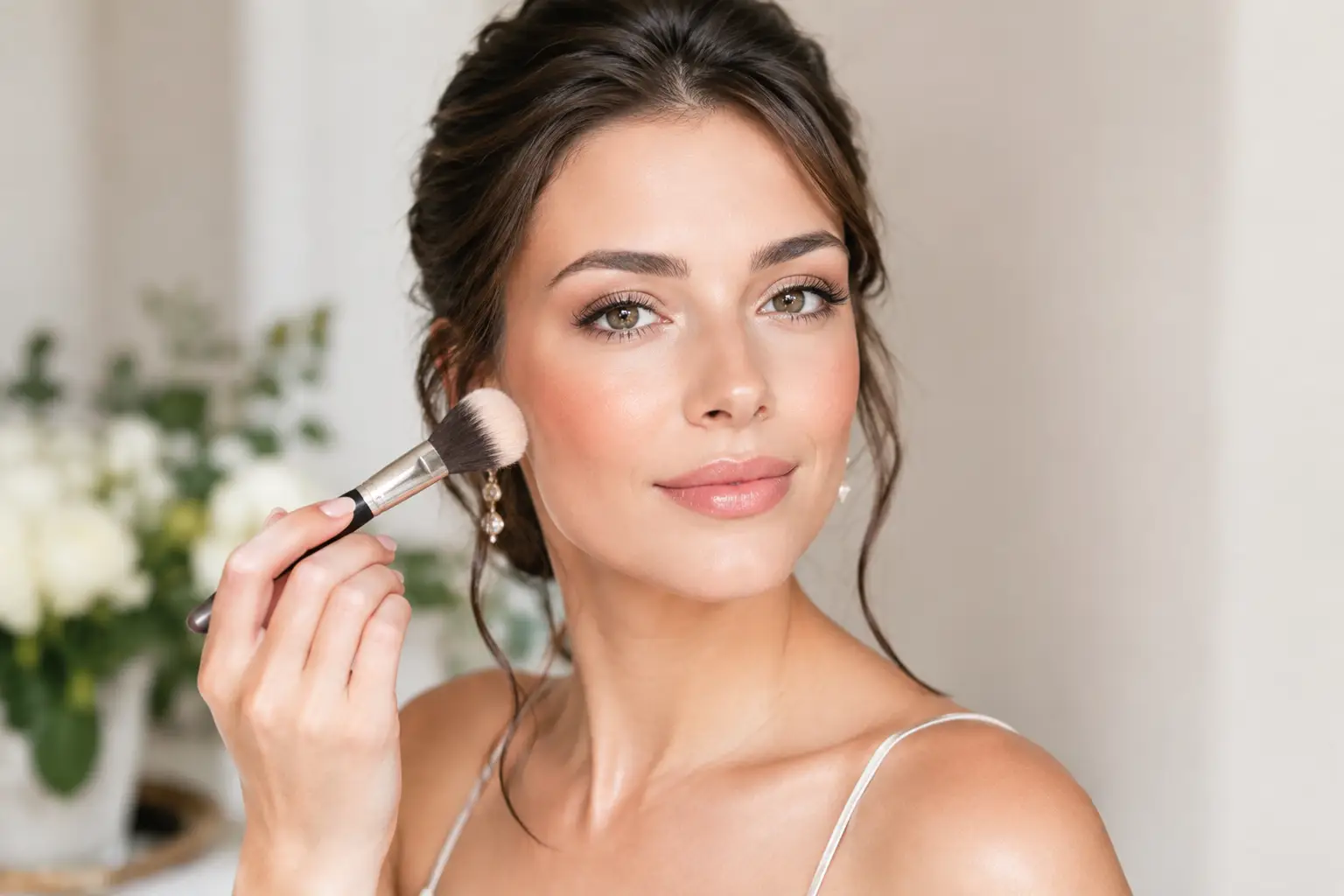
A small touch-up kit is worthwhile, particularly for weddings. You do not need a full makeup bag. A few thoughtful items are enough:
- Your lip color and a coordinating liner, if used
- Blotting papers or clean tissues for shine
- A small amount of translucent powder, if recommended
- A compact mirror
- A few cotton swabs for precise cleanup
For bridal clients, touch-up services can be especially helpful when the timeline includes a first look, outdoor portraits, travel between venues, or a reception outfit change. A quick refresh before photographs or after tears can restore the finish without starting over.
The Difference Between Makeup Wear Time and Product Shelf Life
“How long does makeup last?” can also refer to how long products remain safe to use after opening. That is a different question, and it matters for both skin health and makeup performance.
Mascara and liquid eyeliner should be replaced more frequently than powders because they are used close to the eyes and can harbor bacteria over time. Cream products, liquid foundations, concealers, and lip products also have a shorter usable life than powder blushes or eyeshadows. Changes in smell, texture, color, or performance are clear signs to stop using a product, even if it has not reached its listed period-after-opening symbol.
Clean brushes and properly sanitized products are part of a beautiful makeup result. They also matter for clients with acne-prone or sensitive skin. Professional artistry should never treat hygiene as an afterthought.
When a Makeup Trial Is Worth It
A trial is valuable when you want certainty before a wedding, have a specific vision, or are concerned about longevity. It gives you time to see how the makeup wears on your own skin rather than guessing from a photo taken immediately after application.
After your trial, wear the makeup for several hours if your schedule allows. Notice how your complexion looks in natural light, how your under-eyes feel, whether your lip color needs reapplying, and which areas become shiny or dry. Share that feedback before the event. A few thoughtful adjustments can make the final look feel more comfortable and more like you.
Makeup should support your day, not become another thing to worry about. When your skin is prepared, your look is tailored, and you have a simple plan for touch-ups, you can focus on the moments in front of you and feel confident in every photograph.