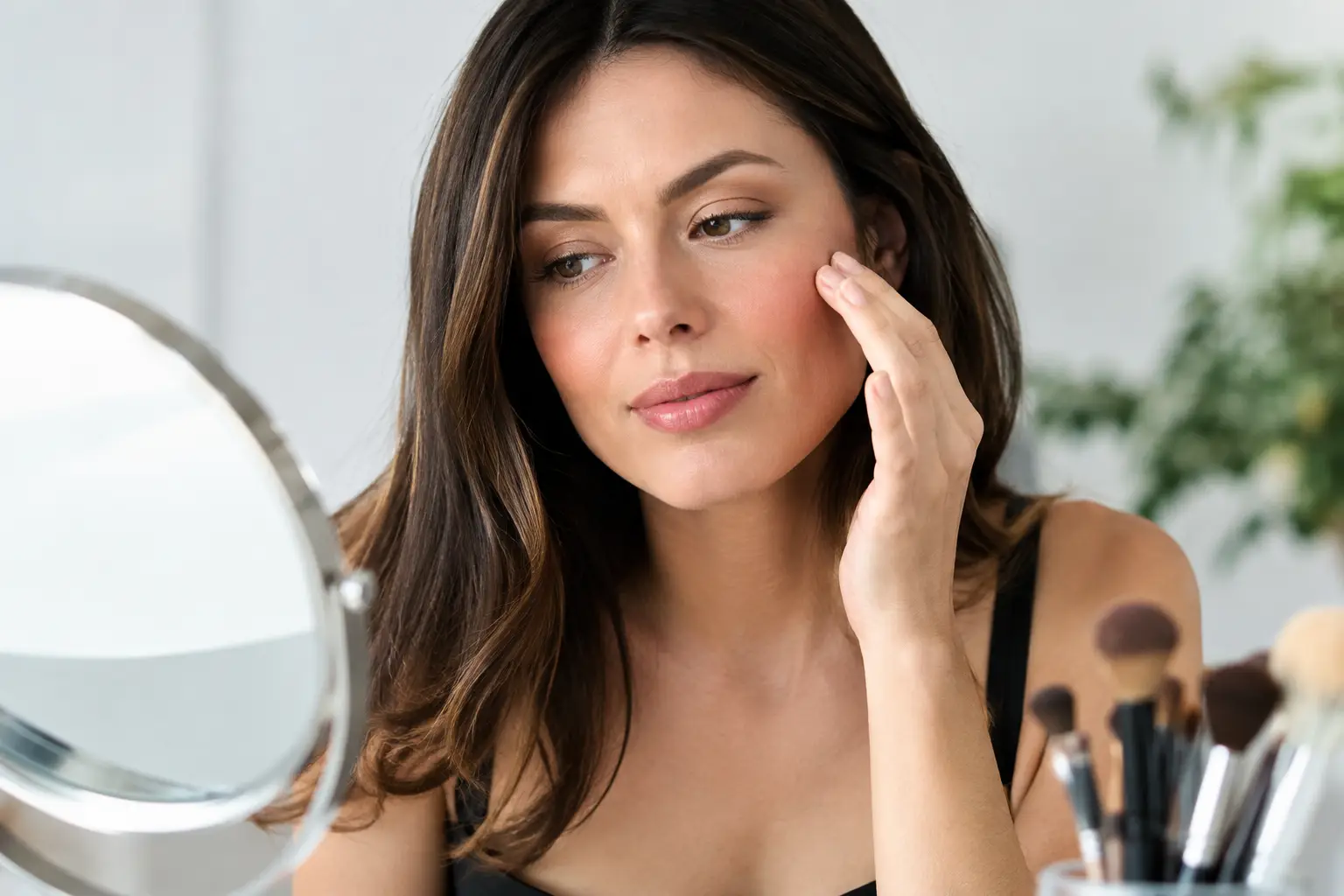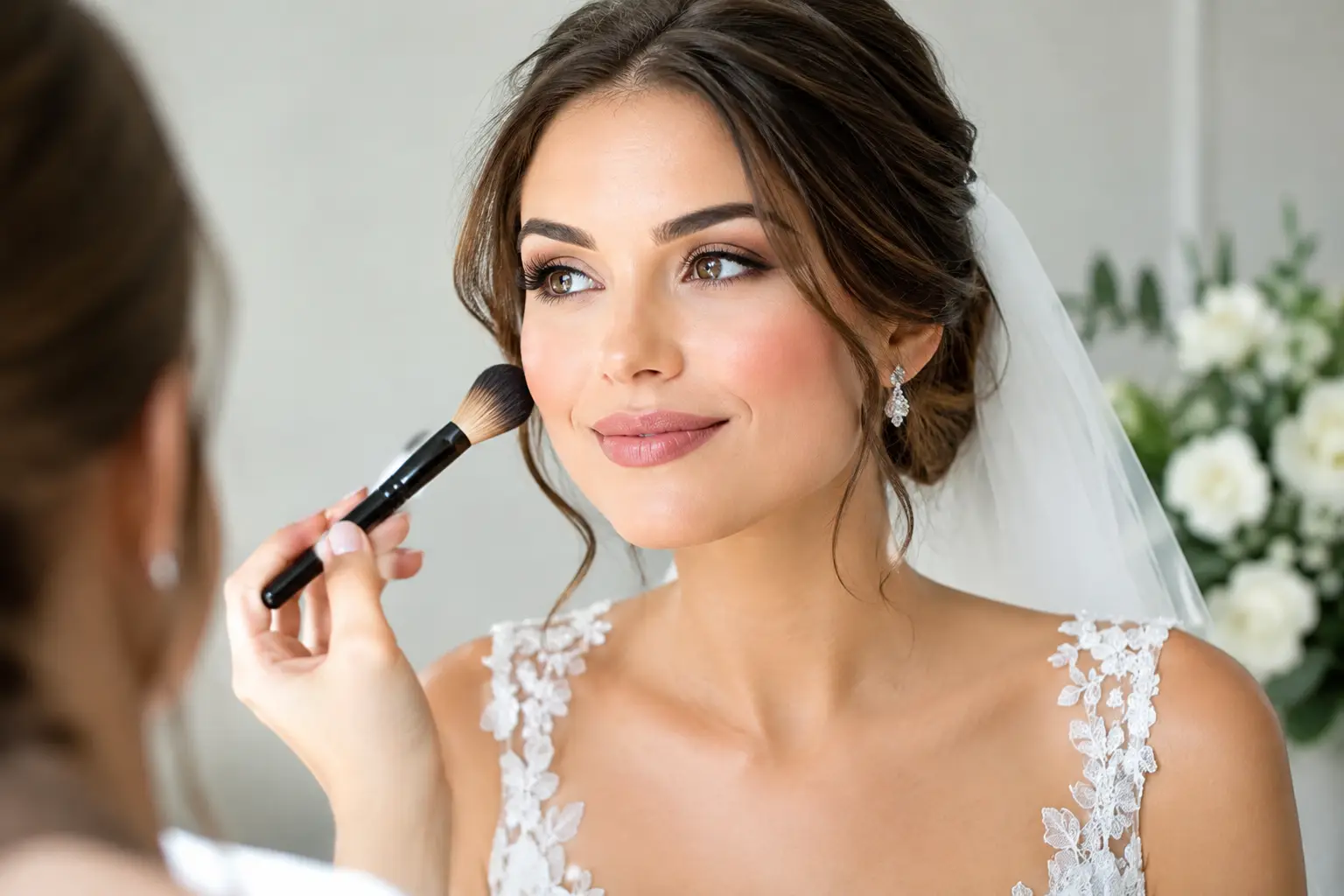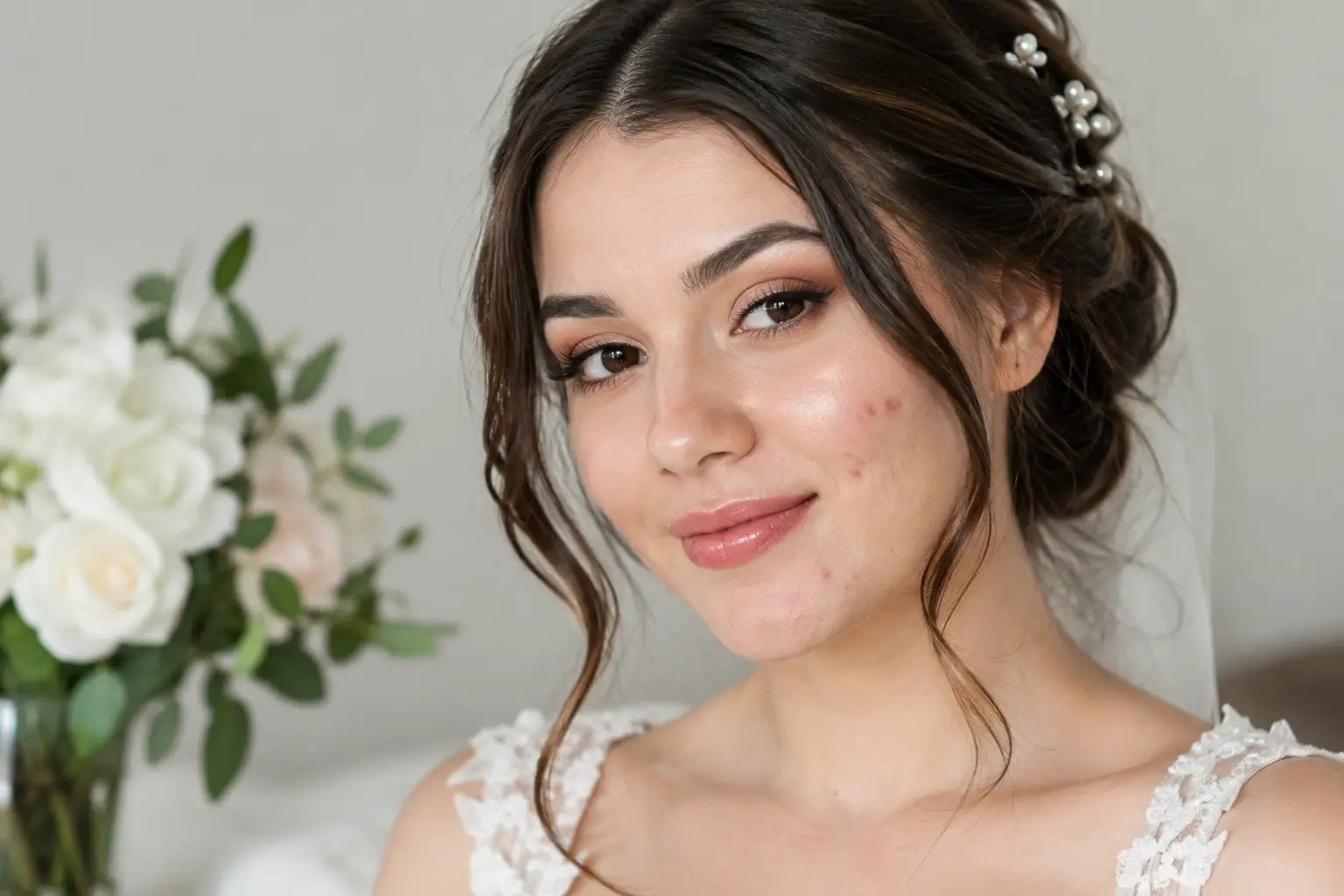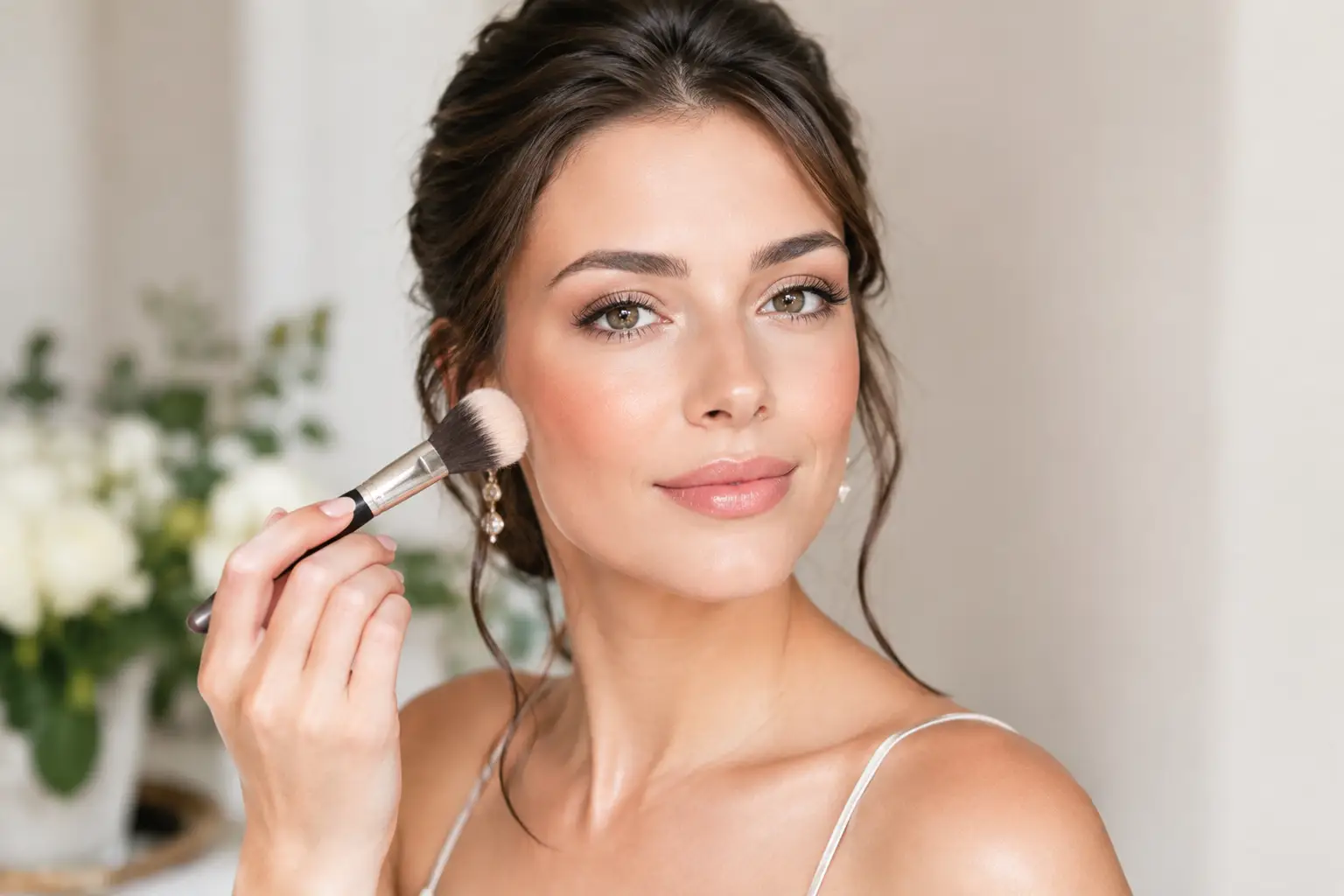
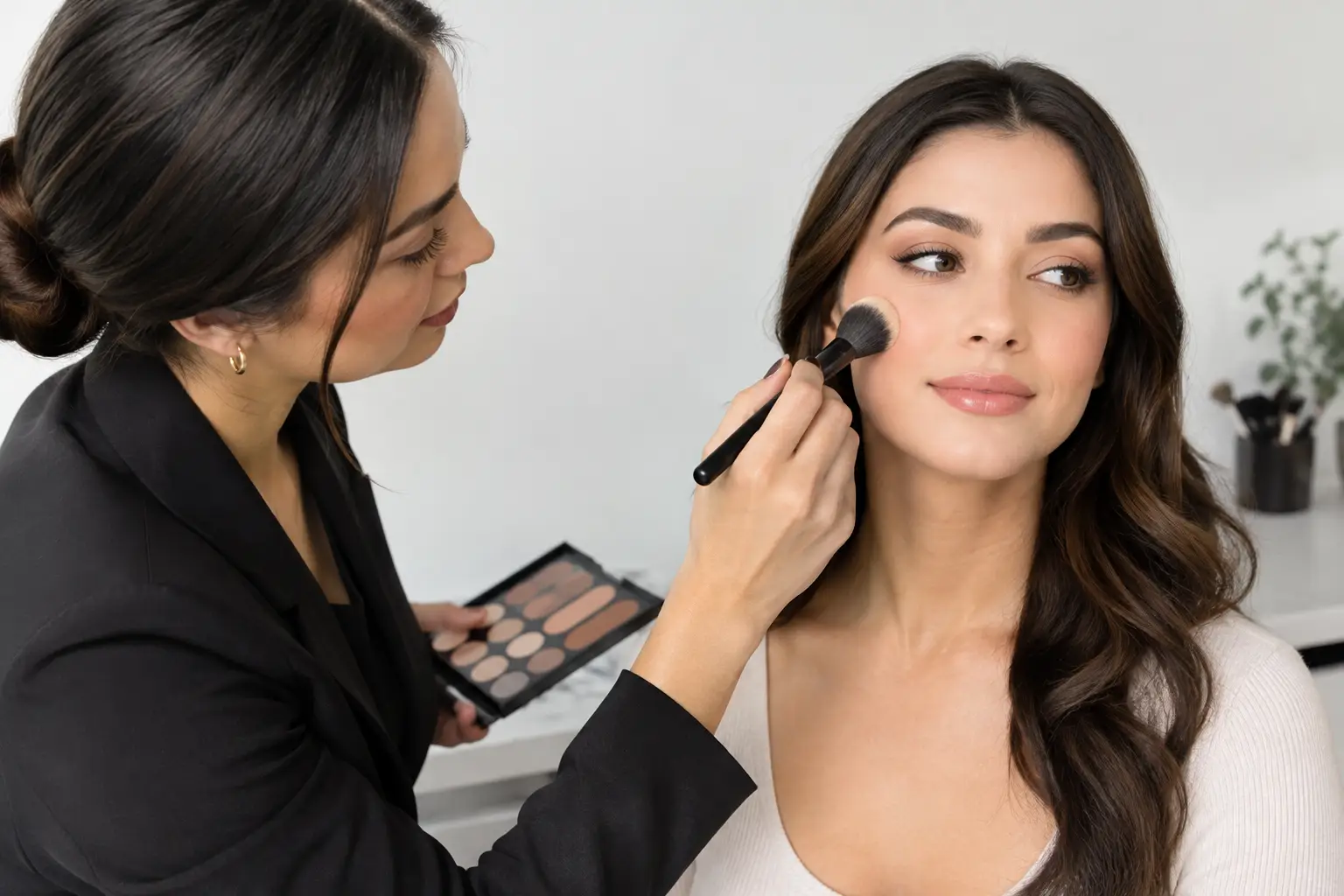
Professional Makeup Lesson Guide for Soft Glam
Most makeup frustrations do not come from a lack of products. They come from not knowing which steps matter for your skin, your features, and the occasion ahead. A professional makeup lesson guide should make the process feel clearer, not more complicated – giving you a routine that creates a polished, natural-looking result without asking you to become someone else.
For clients who want soft glam that feels comfortable and looks beautiful in person and on camera, a private lesson is less about chasing every trend and more about learning the techniques that work repeatedly. You leave with practical direction, a better understanding of your own face, and the confidence to recreate your look when an event, photo session, work presentation, or special dinner calls for a little more polish.
What a Professional Makeup Lesson Should Teach You
A thoughtful makeup lesson is personalized from the start. The same tutorial will not serve everyone equally, especially when skin texture, sensitivity, undertones, lifestyle, and comfort level vary so much from person to person. A technique that gives one client a luminous finish may make another feel overly shiny by lunchtime. A full-coverage complexion may photograph beautifully for one event but feel unnecessary for everyday wear.
The goal is to create a routine that makes sense for you. That often begins with discussing the looks you are drawn to, the products you already own, how much time you realistically have, and where your makeup needs to perform. A bride preparing for a long wedding day needs a different approach than a professional refreshing her makeup for headshots or a client who wants a simple routine for formal occasions.
A professional makeup lesson guide should cover the why behind each step. Rather than simply being told where to place a product, you learn why your skin needs a certain prep step, why one foundation finish works better than another, and how to adjust your application when your skin is dry, oily, acne-prone, or changing with the seasons.
Start With Skin, Not Foundation
Beautiful makeup starts before complexion products ever touch the skin. When skin is dehydrated, makeup can settle into fine lines or cling to dry areas. When it is overly slick or layered with incompatible products, foundation may separate sooner than expected. Skin preparation helps makeup apply more evenly, wear longer, and still look like skin.
During a lesson, this should be approached with care, particularly for sensitive or acne-prone skin. The answer is not always adding more products. Often, it is choosing fewer products that suit your skin type and allowing each layer to settle before moving to the next.
Your prep may include a gentle cleanse, a lightweight moisturizer, targeted eye hydration, sunscreen for daytime wear, and a primer only where it offers a real benefit. For example, someone with dryness around the nose and oiliness through the T-zone may need hydration in one area and light oil control in another. Makeup does not have to be applied identically across the entire face.
Learn to Read Your Makeup as You Apply It
One of the most useful skills you can take from a lesson is learning when to pause. If your base starts pilling, looks patchy, or appears heavier than you intended, more product rarely solves the issue. You may need less product, a different brush or sponge, more time between layers, or a change in skin prep.
This awareness makes your routine more flexible. It also prevents the common cycle of buying a new foundation every time makeup does not sit perfectly on the skin.
Build a Complexion That Still Looks Like You
Soft glam complexion is refined, not masked. The intention is evenness and luminosity where you want it, with coverage added strategically rather than applied heavily everywhere. A professional artist can help you identify the level of coverage that feels most comfortable while still giving you a camera-ready finish.
Foundation matching involves more than choosing light, medium, or deep. Undertone, overtone, neck and chest color, and the lighting where you will be seen all matter. A shade that looks right under store lighting may read too warm, too cool, or too flat in daylight and flash photography.
From there, concealer can be used with purpose. Brightening under the eyes is different from covering a blemish, and those areas often benefit from different placement and product amounts. Setting powder should be tailored as well. A light touch may be all that is needed for someone with balanced or dry skin, while a client who gets shiny in photographs may want more attention through the center of the face.
The best lesson teaches controlled application. You should know how to sheer a foundation out, build coverage only where needed, and recognize when your complexion is complete. That last part matters. Makeup can quickly lose its fresh quality when every area receives one more layer “just in case.”
A Professional Makeup Lesson Guide to Eyes and Brows
Eyes and brows often feel like the most intimidating part of makeup, but small adjustments can make them approachable. Your lesson should account for your eye shape, lid space, natural brow density, lash preferences, and the level of definition you enjoy wearing.
For a wearable soft glam eye, the focus is usually on soft dimension. A matte neutral can shape the crease, a slightly deeper tone can add definition near the lash line or outer corner, and a subtle shimmer can bring light to the lid without looking overly dramatic. Placement matters more than owning a large eyeshadow palette.
Brows should frame the face without becoming the first thing people notice. Some clients need only a tinted gel and a few light strokes where the brow is sparse. Others may prefer pencil, powder, or pomade. The right choice depends on your natural brow hair, your desired finish, and how precise you want the routine to be on a busy morning.
Liner and mascara are equally personal. A softly smudged liner may create definition without the precision of a sharp wing. Individual lashes can be a lovely option for photos or formal events, but they are not required for an elevated result. If false lashes feel uncomfortable, learning how to curl natural lashes and apply mascara cleanly may give you exactly the level of enhancement you want.
Make Your Products Work Harder
You do not need to replace your entire makeup bag before scheduling a lesson. Bringing the products you already use can be especially helpful. An artist can show you what is worth keeping, how to apply it differently, and where there may be a genuine gap in your routine.
Sometimes the missing piece is not another eyeshadow or lipstick. It may be a better foundation brush, a shade-correct concealer, a reliable setting spray, or a cream blush that brings life back into a powdered complexion. Recommendations should be specific to your skin, budget, and goals, not based on a one-size-fits-all kit.
There are trade-offs to consider. Luxury products can offer beautiful textures and shades, but an affordable option may perform just as well for your needs. Long-wear formulas can be useful for weddings, galas, and humid summer events, though they may feel less flexible than a light everyday base. The right products are the ones you will feel good using consistently.
Practice for the Moments That Matter
A makeup lesson becomes most valuable when it reflects the occasions you actually have ahead. If you have engagement photos, a maternity session, a speaking engagement, or a family celebration planned, ask to practice a look that fits the setting. You can also learn how to take that same base routine from daytime to evening with a deeper lip, added liner, or more defined cheek color.
For event makeup, timing matters. Practicing your routine lets you see how long it takes, where you tend to rush, and which steps need simplifying. It also gives you a chance to wear the makeup for several hours before the day that matters. Notice how it feels, how it photographs, and whether any area needs adjustment.
Keep Your Routine Easy to Repeat
Write down the order of your steps, the shades used, and any placement reminders that helped. A quick note such as “concealer only at inner under-eye and around nose” can be more useful than trying to remember every detail later. Take a photo in natural light as well, so you have a visual reference for a look that felt like you.
What to Ask During Your Lesson
Use your appointment as a conversation, not a performance. Ask how to prevent makeup from creasing, how to cover redness without looking heavy, and how to choose blush or lip colors that suit your undertone. If you wear glasses, have mature skin concerns, experience breakouts, or rarely wear makeup at all, say so. Those details shape the techniques that will serve you best.
You can also ask about brush hygiene, product expiration, and how to refresh makeup without starting over. These are small but meaningful details, especially when you want your investment in products and professional guidance to last.
At Taylor Bailey Makeup Artist, lessons are designed to feel calm, clear, and tailored to the person in the chair. The goal is never to hand you a complicated routine you will abandon after one attempt. It is to help you recognize your features, care for your skin, and create a finish that feels polished enough for the camera and comfortable enough to wear with confidence.
The most flattering makeup routine is not the one with the most steps. It is the one you understand well enough to make your own – whether you have ten minutes before work or are getting ready for a milestone moment.