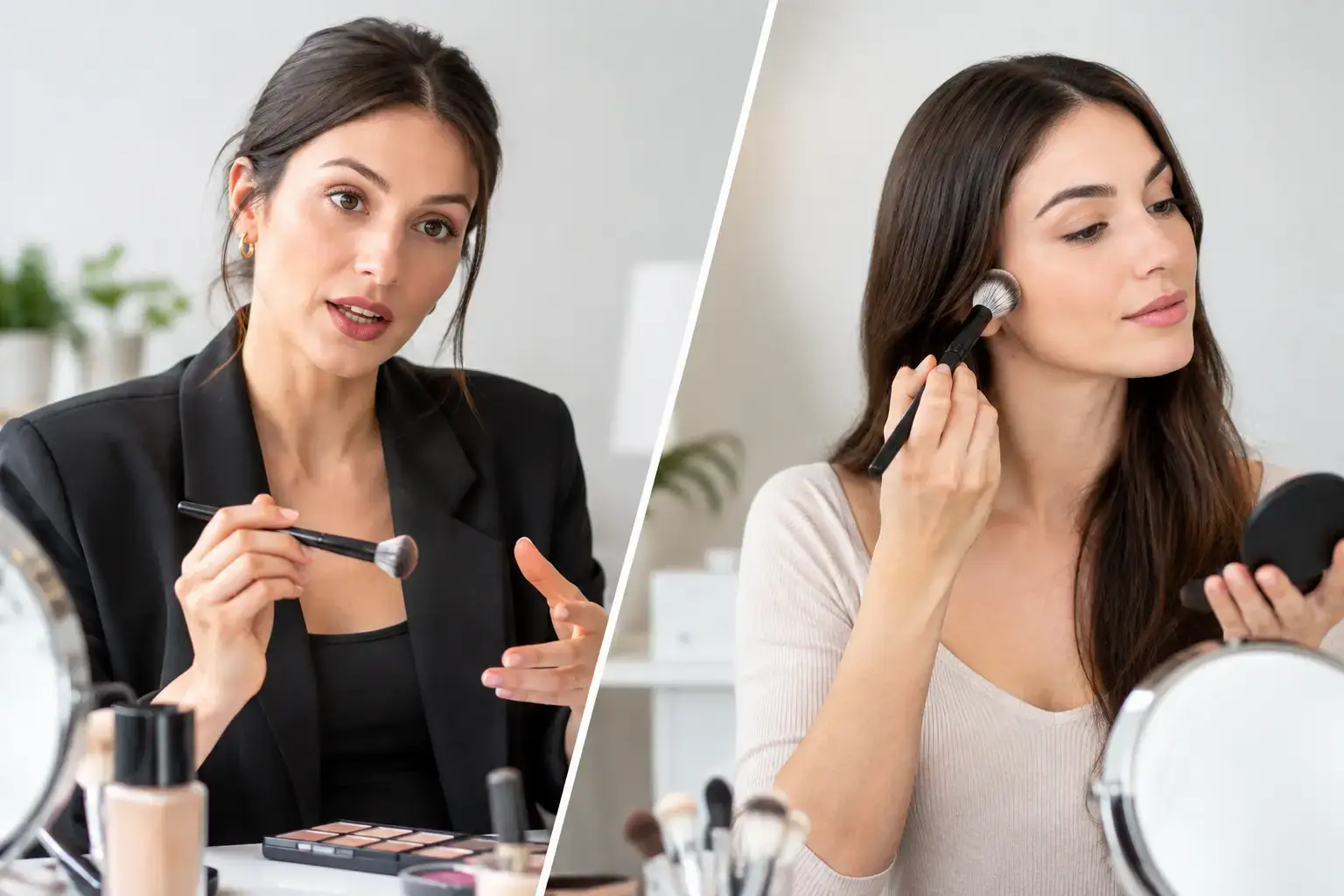
Makeup Lesson vs Tutorial: Which Is Right?
A makeup lesson vs tutorial is not simply a choice between learning in person or watching a video. It is a choice between general inspiration and guidance built around your face, skin, products, routine, and confidence level. Both can be useful, but they solve very different beauty concerns.
A tutorial can help you find a new eyeshadow placement or see how someone creates a soft-glam finish. A professional lesson helps you understand why that technique may or may not work for you – and what to do instead. If you have an upcoming wedding, photoshoot, professional headshot, gala, or simply want to feel more polished day to day, that distinction matters.
Makeup Lesson vs Tutorial: The Core Difference
A makeup tutorial is designed for a wide audience. Most are short, visual, and focused on one look, trend, or product. You can pause, replay, and practice at your own pace, often for free. For someone who already knows their complexion products, brushes, and basic application techniques, tutorials can be a fun source of fresh ideas.
The limitation is that the person on screen has a different bone structure, skin tone, skin texture, eye shape, lighting setup, and product collection. A technique that looks effortless on a creator with smooth, balanced skin may not wear the same way on dry patches, mature skin, active breakouts, or skin that becomes shiny by midday. You may follow every step and still wonder why the final result does not look like the video.
A makeup lesson is a personalized appointment led by a professional. Instead of trying to fit your face into a preset look, the lesson starts with your features and goals. You receive real-time instruction on preparation, product placement, brush technique, color selection, and wear time. More importantly, you can ask questions the moment something feels unclear.
For many clients, the most valuable part is the correction of small habits that have been holding them back. It might be applying too much concealer under the eyes, choosing a foundation that oxidizes, blending blush too low, or skipping skin prep before makeup. Small adjustments often create the soft, refined finish people are trying to achieve with a dozen saved videos.
When a Tutorial Is Enough
Tutorials have a place. They are a good fit when you are experimenting with a trend, recreating a simple look for a casual evening, or looking for visual inspiration before a special event. They can also be helpful between professional services, especially after you have already learned the basics of your own routine.
A tutorial may be enough if you are comfortable matching your foundation, know how to work with your skin type, and usually like the way your makeup photographs. It is also a low-pressure way to explore whether you enjoy a particular style, such as a brighter blush placement or a softly defined lip.
The key is to treat tutorials as inspiration, not a diagnosis. If the creator uses a full-coverage matte foundation and your skin is dry or sensitive, copying the exact product and process can leave your complexion looking heavy or uncomfortable. If you wear glasses, have hooded eyes, or need makeup to last through a humid outdoor event, you may need adaptations that a general video does not address.
There is also the practical issue of product buying. Tutorials can make it seem as though the answer is always another primer, palette, brush, or setting spray. Sometimes a new product is appropriate. Often, better application, skin preparation, or a more suitable shade will make a greater difference than expanding your makeup bag.
What You Gain From a Personalized Makeup Lesson
A professional makeup lesson is especially helpful when you want reliable results rather than another technique to test. The experience is collaborative and unrushed, with room to discuss what you like, what has not worked, and how much time you realistically want to spend getting ready.
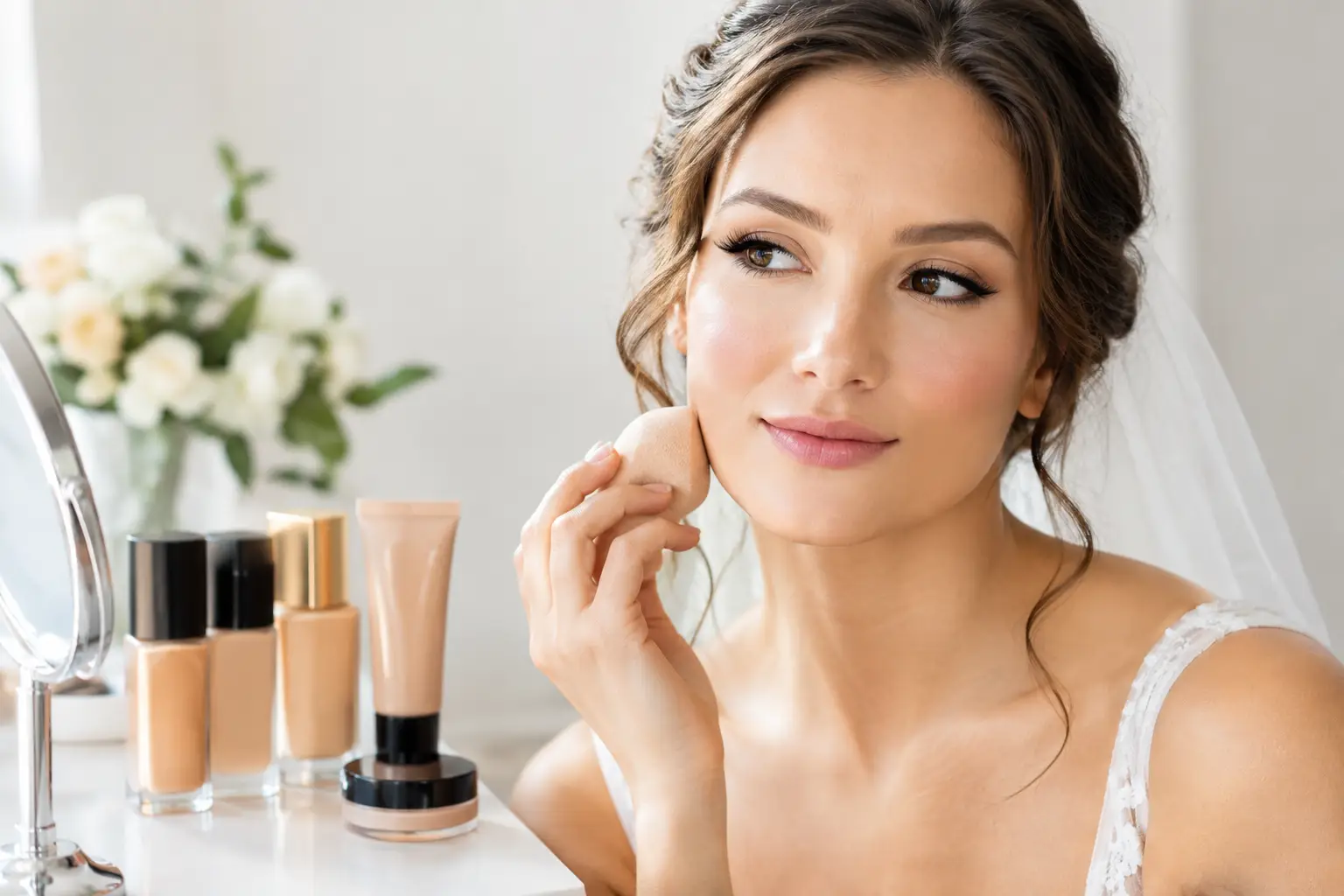
Your artist can assess the condition of your skin before recommending makeup steps. That may mean focusing on hydration and a lighter complexion routine for dry skin, using thoughtful layering for acne-prone skin, or selecting formulas that feel comfortable on sensitive skin. The goal is not to cover every bit of texture. It is to create a balanced, healthy-looking finish that still looks like you.
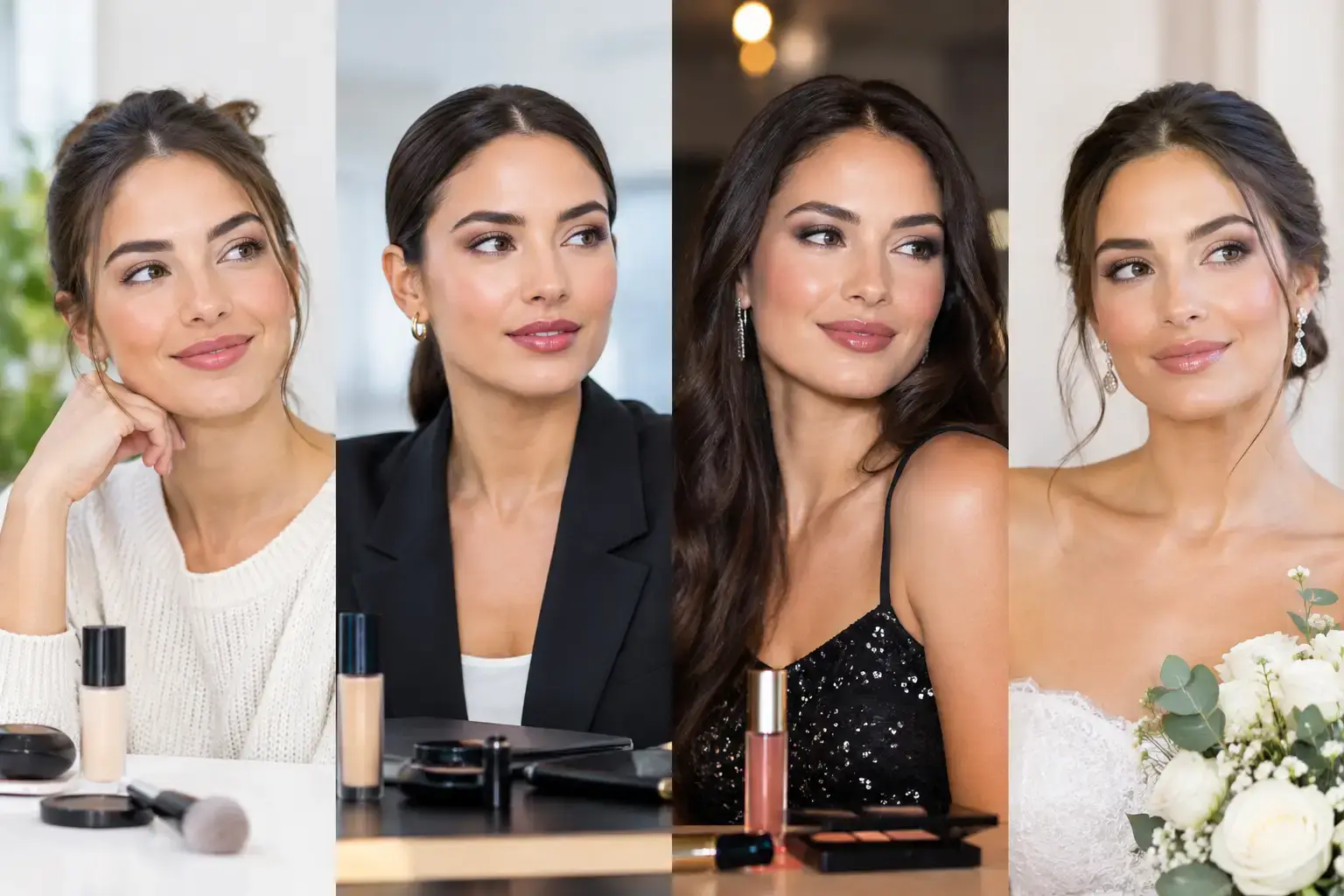
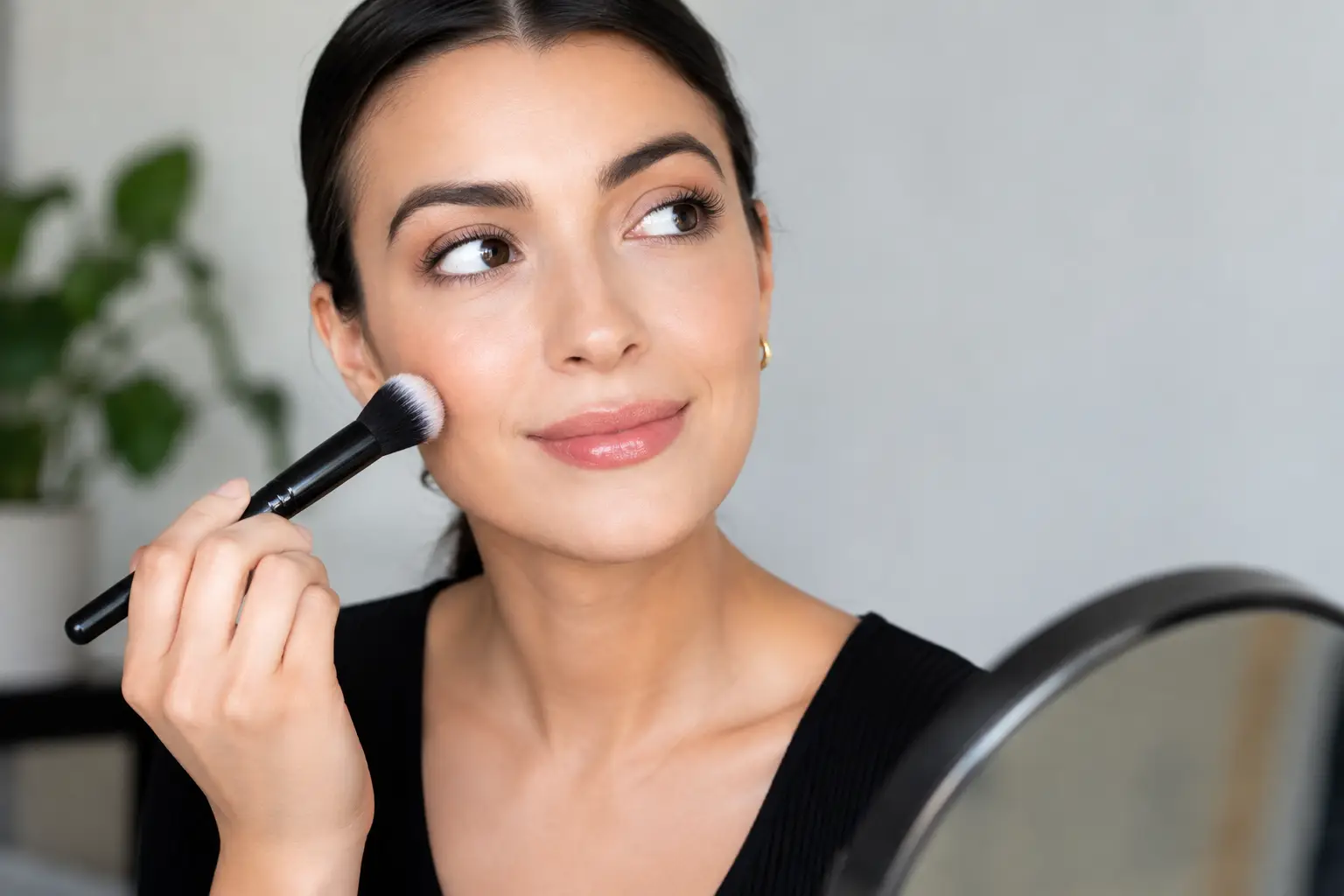
A lesson also allows you to learn placement that complements your features. For example, the right brow shape, eyeliner angle, blush placement, and lip tone can subtly lift and define the face without making the makeup feel dramatic. These are details that often matter in professional photos and event lighting, but they are equally valuable when you want to look polished in person.
You will also learn how to make your makeup last. Long wear is not just about applying more powder or setting spray. It comes from considered skin prep, compatible formulas, thin layers, strategic setting, and knowing where your makeup tends to shift during the day. For a bride preparing for a long celebration or a professional getting ready for headshots, this knowledge can be far more useful than copying a quick online routine.
A Lesson Is Not Only for Makeup Experts
Many people delay booking a makeup lesson because they think they need to arrive with a full makeup kit or a certain level of skill. In reality, lessons are often most beneficial for clients who feel uncertain about makeup. You do not need to know the names of every brush or be able to create a winged liner.
You may be someone who wears only mascara and tinted moisturizer but wants to feel more put together for work, dinners, and photographs. You may have worn the same routine for years and feel that it no longer suits your skin. You may be planning to do your own makeup for a wedding-related event and want the confidence of practicing with professional guidance. These are all excellent reasons to book a lesson.
At Taylor Bailey Makeup Artist, the focus is on helping clients build a routine that feels achievable, not complicated. A beautiful result should not depend on forty minutes of stress or products you will never use again. The right lesson leaves you with techniques you can repeat and choices that make sense for your lifestyle.
How to Decide Which Option Fits Your Needs
Think about the outcome you need. If you are browsing for a fun weekend look and do not mind a little trial and error, a tutorial may be all you need. If you are frustrated by your current routine, navigating changes in your skin, investing in new products, or preparing for meaningful photos, a lesson is likely the more efficient choice.
Consider the stakes as well. For an ordinary day, experimenting can be enjoyable. Before a milestone event, there is less room for uncertainty. A personalized lesson can help you practice a look in advance, understand what photographs well, and make decisions without the pressure of getting ready on the day itself.
Budget can be part of the decision, too. A tutorial is accessible, but repeated product purchases based on incomplete advice can add up quickly. A professional lesson is an investment in tailored knowledge. When it helps you use what you already own more effectively and avoid products that do not suit your skin, its value can extend well beyond the appointment.
Make Your Learning Time Count
If you choose a tutorial, select creators with similar coloring, skin type, and features where possible. Watch for whether they show the makeup in natural light, explain product textures, and demonstrate the preparation steps rather than only the final reveal. Practice the look before the event, not twenty minutes before you need to leave.
If you choose a lesson, arrive with your everyday makeup bag if you have one. Your current products give your artist useful information about your preferences, shades, and routine. Be honest about how much time you want to spend on makeup, what feels uncomfortable, and where you tend to get stuck. The best guidance is practical enough to become part of your real life.
Your makeup routine should feel less like a performance and more like a reassuring skill you can rely on. Whether a tutorial sparks your next idea or a personalized lesson gives you the clarity to refine it, choose the support that helps you feel like yourself – rested, radiant, and ready to be seen.