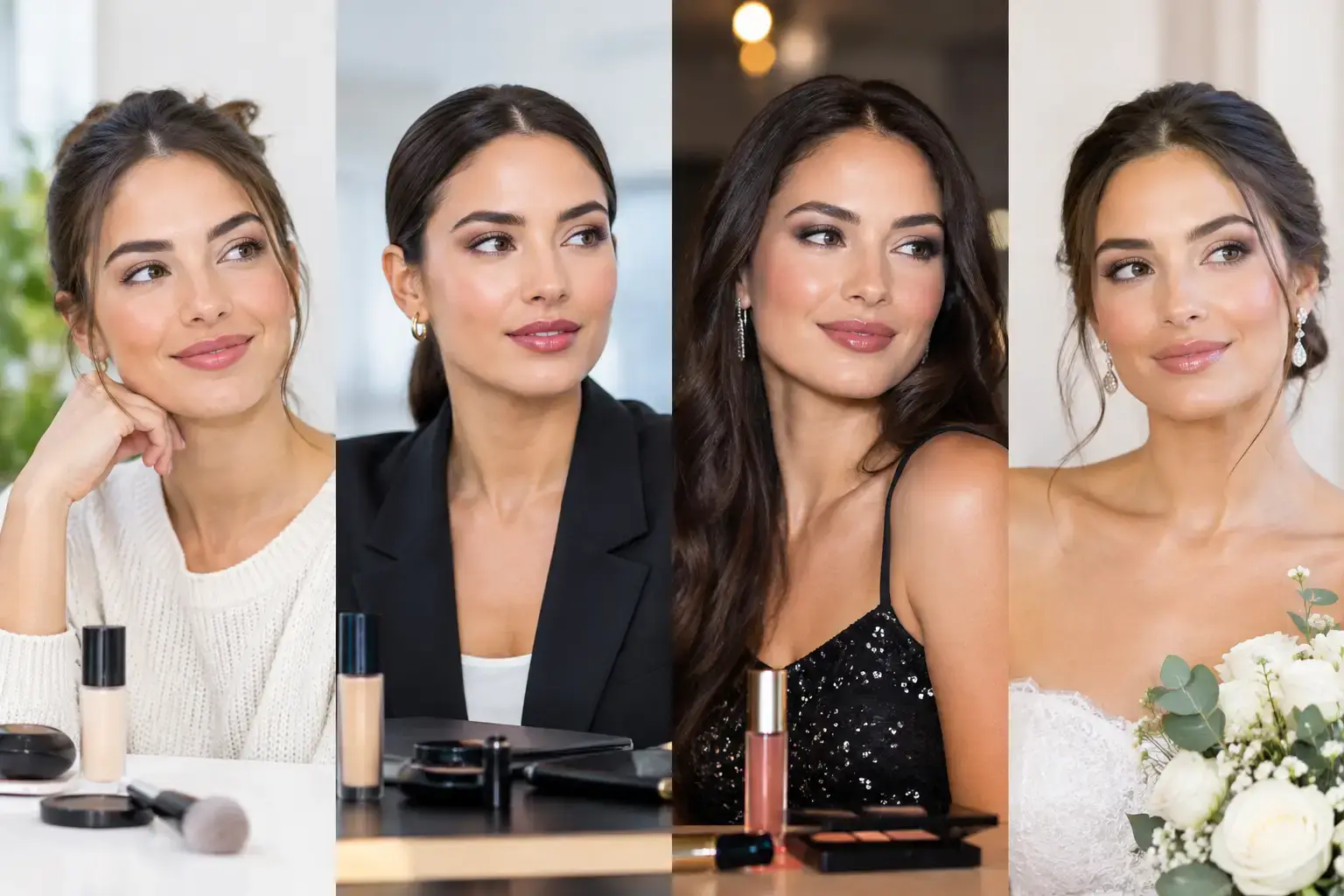
A Longwear Makeup Example for Every Event
A beautiful longwear makeup example is not a face that looks exactly the same at midnight as it did at 8 a.m. It is makeup that still looks polished, feels comfortable, photographs beautifully, and wears gracefully through the real moments of an event: happy tears, warm weather, hugs, dinner, dancing, and long stretches in front of the camera.
For a bride in Northern Virginia, that may mean soft, luminous skin that stays intact through an outdoor ceremony and a lively reception. For a Washington, DC professional preparing for headshots or a speaking engagement, it may mean an even complexion, defined eyes, and a lip color that remains refined under bright lighting. The right approach is personal, because lasting makeup starts with the person wearing it.
What a Longwear Makeup Example Looks Like in Real Life
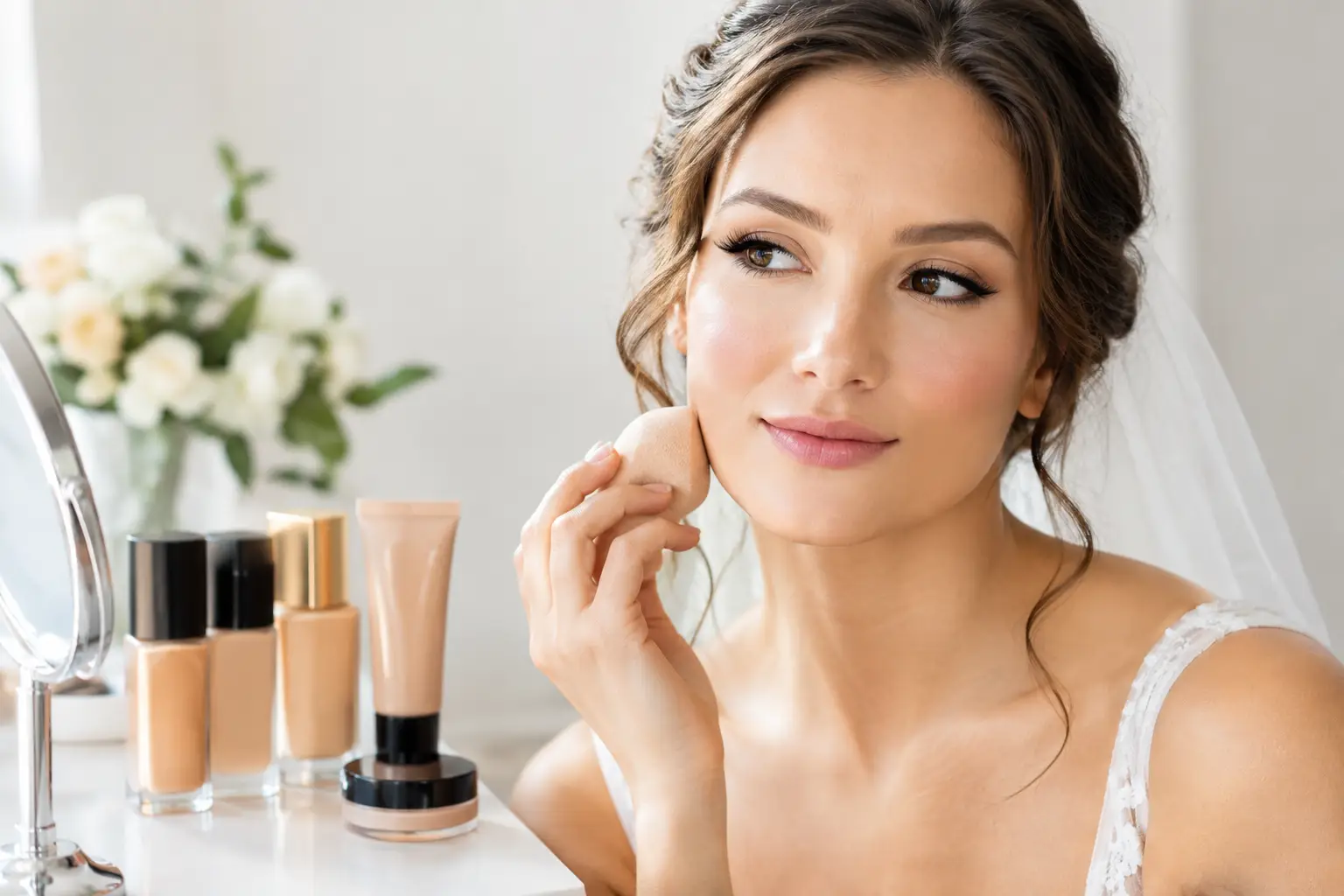
Picture a bride who wants to look like herself, only more rested, radiant, and camera-ready. Her skin is prepared with hydration that suits her skin type, followed by carefully layered complexion products rather than one heavy coat of foundation. Areas that tend to get shiny, such as the center of the forehead, nose, and chin, are set strategically. The natural high points of her face keep a soft glow, so the finish never becomes flat or overly powdered.
Her brows are softly shaped to frame the face without looking drawn on. Neutral shadows add gentle definition at the eyes, while long-wear liner and waterproof mascara help the look hold up through emotion and humidity. A cream blush is layered with a compatible powder blush for fresh color that lasts, and the lip is lined and built in thin layers for better wear. The finished look is soft glam: elevated enough for professional photography, but still unmistakably hers.
By the end of the night, a little natural sheen may appear and a lip touch-up may be helpful after a meal. That is normal. Longwear makeup is not about making skin behave like plastic. It is about choosing formulas and techniques that allow the makeup to fade evenly, resist breakdown, and keep the overall look intentional.
Longwear Makeup Is Built Before Foundation
The most common reason makeup separates, slips, or emphasizes texture is not necessarily the foundation. Often, the issue begins with skin preparation. Skin that is dehydrated may produce more oil, while rich products applied without enough time to settle can cause makeup to move. Sensitive, acne-prone, mature, dry, and combination skin all need a different balance of moisture, grip, and coverage.
A professional skin-focused application begins by observing the skin that is actually present that day. Is there dryness around the nose? Does the T-zone become shiny quickly? Are there active blemishes that need careful, hygienic spot concealing? Does the client prefer a breathable complexion, or does she need additional coverage for photos? Those details determine the prep and product choices.
For example, a dry-skinned client may benefit from lightweight, comforting hydration followed by a radiant foundation applied in thin layers. A client with an oily T-zone may still need hydration, but with targeted priming and setting through the areas most likely to break through. Applying more powder everywhere is rarely the answer. It can make the cheeks look dry while doing little to prevent shine where it matters most.
Thin Layers Wear Better Than Heavy Coverage
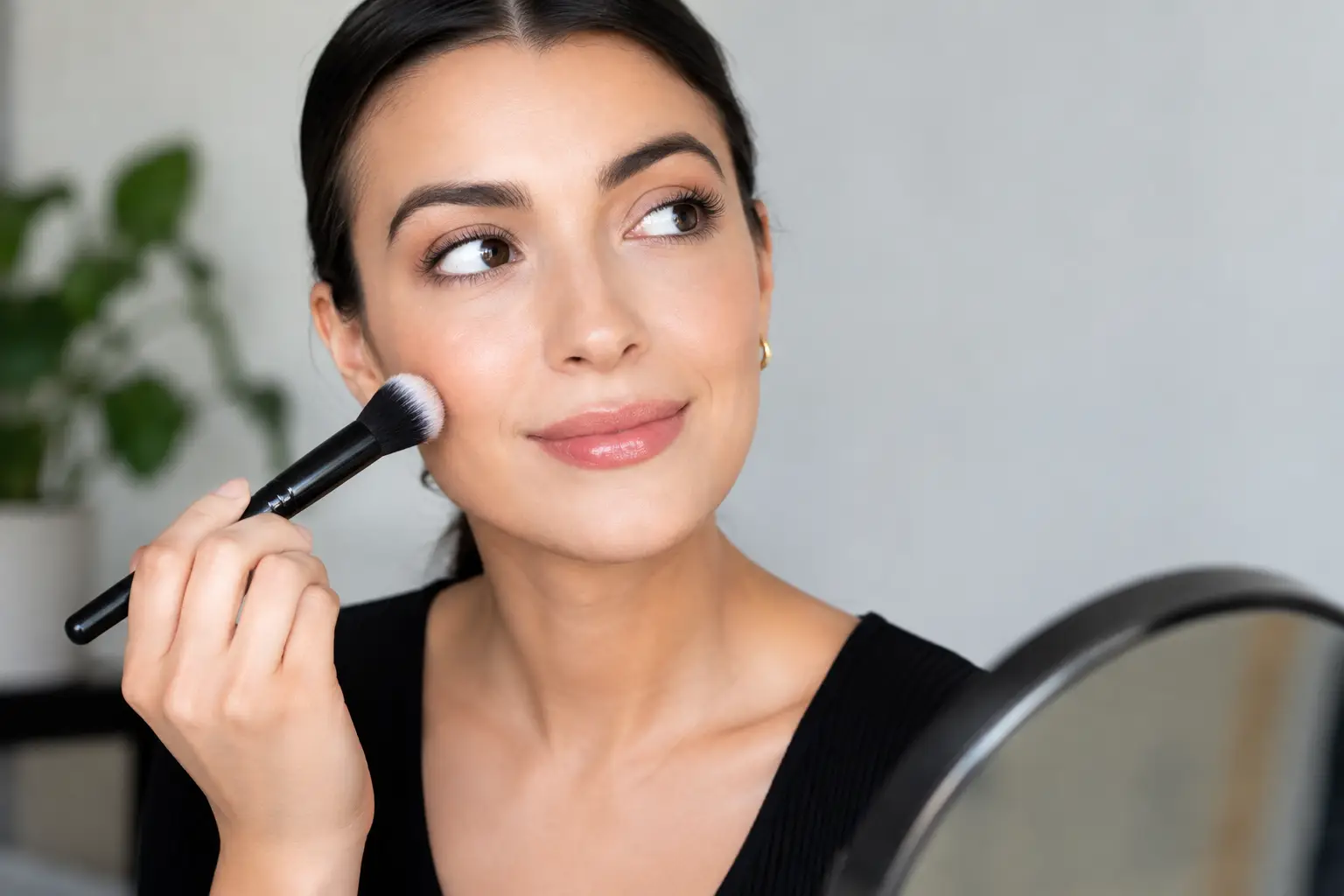
A long-lasting complexion is usually a series of light, purposeful layers. Color correction is used only where needed, then foundation is applied for evenness rather than to erase every natural dimension of the skin. Concealer adds coverage in specific areas, and cream and powder products may be layered selectively to reinforce color and structure.
This approach gives the artist more control. It also means the makeup is less likely to settle into lines, lift around the nose, or feel uncomfortable as the day goes on. Full coverage can absolutely be appropriate for certain preferences or photography needs, but it should still be built thoughtfully, not applied all at once.
The Details That Help Makeup Last Through Photos and Celebration
Different parts of the face wear differently. A lip color faces coffee, water, meals, and kisses. Eye makeup has to withstand blinking, moisture, and possible tears. Complexion makeup has to work with movement, body heat, and changing environments. Each area needs its own plan.
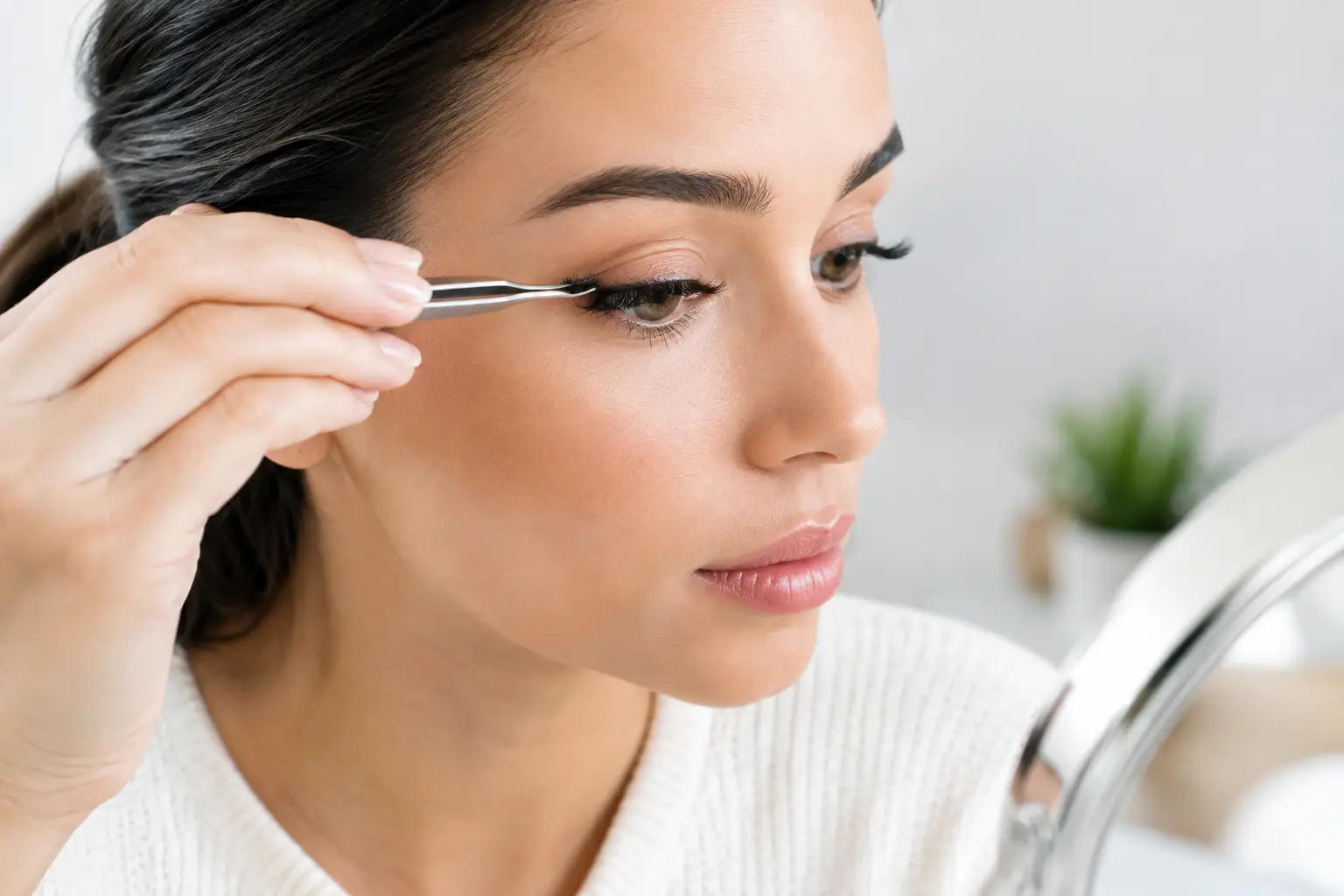
For eyes, long-wear performance often comes from proper lid preparation, buildable shadow formulas, and placing liner where it enhances the eye without transferring. Waterproof mascara can be especially valuable for weddings, but it is not always the only option. Some clients have sensitive eyes or prefer a tubing mascara that resists smudging while removing more gently. The best choice depends on comfort as much as endurance.
For lips, a satin or cream formula may feel more comfortable than a very matte liquid lipstick, but it will require more touch-up. A long-wear matte lip may last longer through photos, yet it can feel drying on some clients. A professional artist considers the event schedule, the client’s usual preferences, and how often she wants to reapply. There is no single “best” lip formula for every occasion.
Setting products also matter, but more is not better. A fine setting powder can reduce unwanted shine and help creams stay in place. A setting spray can bring layers together and improve the finish. Used with intention, they preserve a skin-like result. Used too heavily, they can leave the complexion looking textured, dry, or overly matte.
Why Event Conditions Change the Makeup Plan
Makeup for an air-conditioned studio headshot is different from makeup for a July wedding at an outdoor Northern Virginia venue. Makeup for a black-tie gala may need a bit more definition to read beautifully in low light, while a daytime baby shower may call for a softer, lighter finish. Camera flash, sun exposure, travel time, tears, masks, and outfit changes all affect what long wear looks like.
This is why a trial can be so valuable for bridal clients. It creates time to discuss references, test the desired level of coverage, and refine the details that help someone feel most confident. It is also an opportunity to talk honestly about skin sensitivities, lash preferences, and whether the client loves a dewy finish in person but prefers a little more strategic setting for photography.
For special events and photo sessions, clear communication before the appointment helps create the same tailored result. Sharing the event timing, location, outfit color, and desired makeup style gives the artist the information needed to build a look that fits the full experience, not just the first mirror check.
A Small Touch-Up Plan Keeps the Look Fresh
Even expertly applied makeup benefits from a few practical touch-up items. The goal is not to carry an entire makeup bag or recreate the face during the event. It is simply to maintain the areas that naturally wear first.
A thoughtful touch-up plan may include blotting papers for excess shine, the selected lip color, and a small amount of powder if needed. Blot before adding powder whenever possible. This prevents product buildup and keeps the complexion looking fresh rather than cakey. Brides may also choose concierge-style touch-up support when their timeline, weather, or photography schedule calls for extra reassurance.
Most importantly, avoid rubbing the face or repeatedly checking it in a magnifying mirror. Makeup that looks beautiful in photographs and at normal conversational distance does not need to look airbrushed from two inches away. Skin has texture. A well-executed long-wear look respects that reality while giving you a refined, confident finish.
The best makeup for a milestone day should let you focus on the people, photos, and memories in front of you. When skin preparation, product selection, and application are tailored to your features and event, you can feel polished for the occasion without feeling hidden behind the makeup.