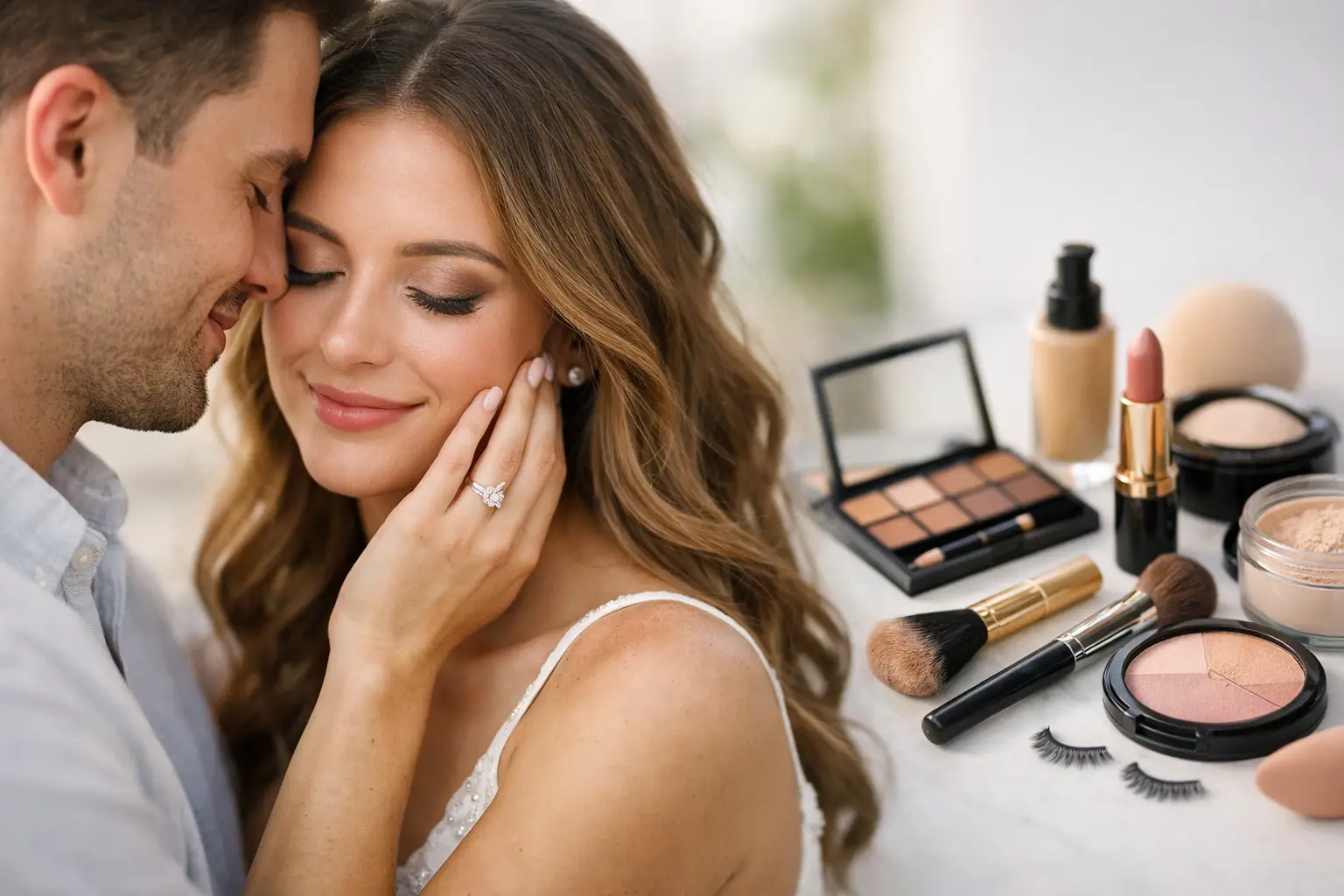
Best Makeup for Engagement Photos
The camera notices what everyday mirrors forgive. A base that looks perfect in your bathroom can read flat in photos, and a soft lip can disappear completely once you step into bright outdoor light. That is why the best makeup for engagement photos is rarely the heaviest makeup – it is the most intentional.
Engagement photos sit in a unique category. They are polished, personal, and often more relaxed than wedding-day portraits, but they still live on save-the-dates, wedding websites, social posts, and framed prints for years. You want makeup that feels like you, just more refined, more balanced, and more camera-ready.
What makes the best makeup for engagement photos?
The answer is usually soft glam with structure. In real life, very minimal makeup can look beautiful and fresh, but photography tends to soften contrast and wash out dimension. On the other hand, very heavy makeup may photograph well at first glance but can feel disconnected from your features, especially if you are not someone who wears a full face often.
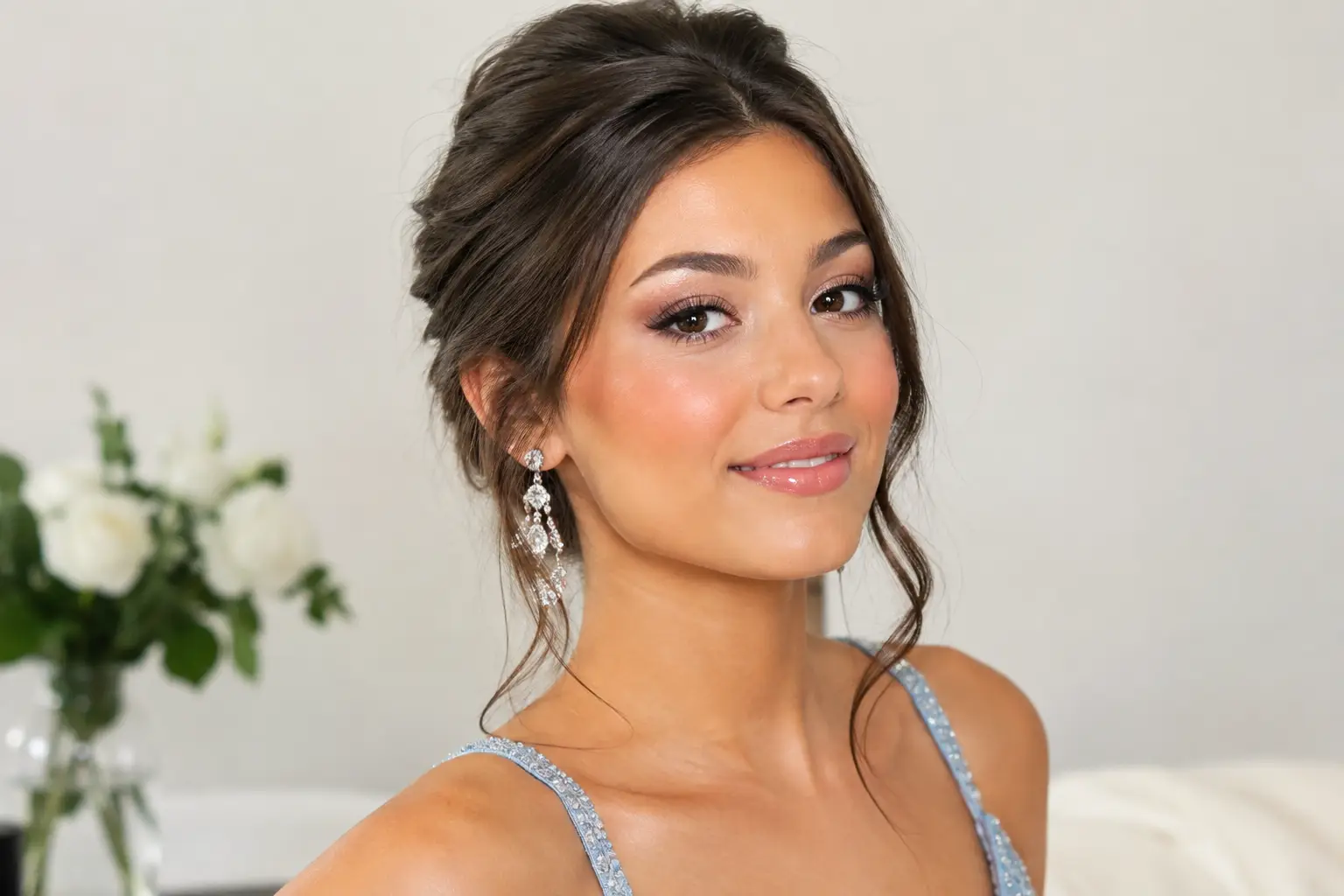
The sweet spot is makeup that brings life back into the skin, defines the eyes and brows, and adds enough shape to the face that the camera captures your features clearly. This usually means a thoughtfully prepped complexion, strategic concealer instead of a mask-like base, softly sculpted cheeks, well-groomed brows, and eye makeup with enough contrast to show up without taking over the entire look.
It also means choosing products and textures based on your skin type, your setting, and the time of day. A dewy finish can be gorgeous for a golden-hour session, but if you are prone to excess oil or shooting in summer humidity, too much glow can translate as shine. Matte products can wear beautifully, but a fully flat complexion often looks dry or severe in photos. The best result usually comes from balance.
Start with skin, not coverage
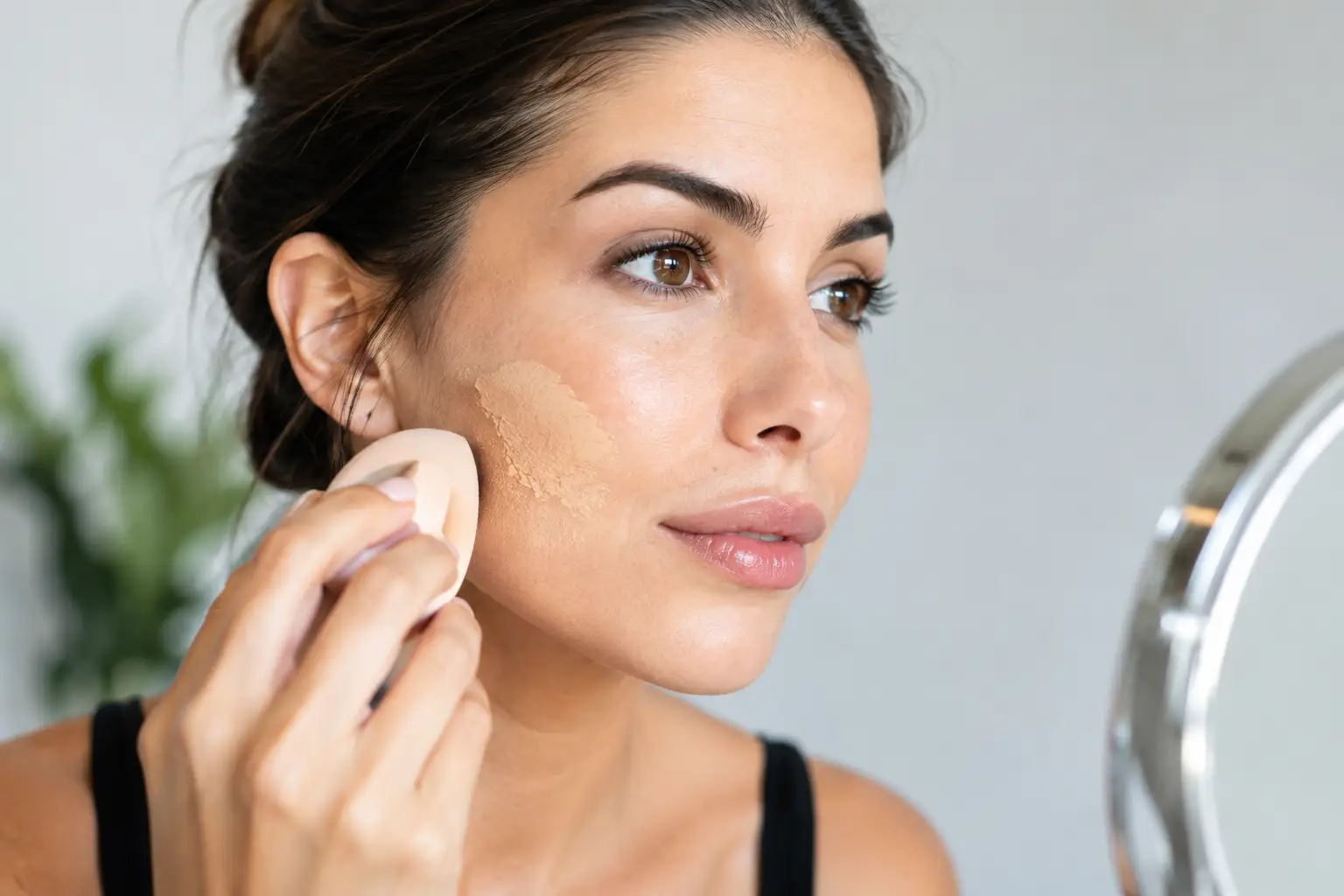
If there is one place where engagement photo makeup often goes wrong, it is trying to fix texture with more foundation. Cameras do not reward that approach. Dry patches, active breakouts, and rough texture usually look better with proper skin prep and lighter layers than with heavy product.
A smooth, hydrated base helps everything else sit better. That might include gentle exfoliation a few days before your session, consistent moisturizer, and avoiding last-minute experimentation with strong actives or facials that could trigger irritation. If your skin is sensitive, acne-prone, or reactive, a calm routine matters more than chasing perfection.
On the day of your shoot, prep should be tailored to your skin rather than copied from a trend. Dry skin benefits from moisture and a flexible primer. Oily or combination skin usually needs hydration too, but with more targeted oil control through the T-zone. The goal is skin that looks healthy and comfortable, because makeup wears best when the skin underneath is supported.
Complexion: even, natural, and long-wearing
For most clients, the best base for engagement photos is medium coverage applied selectively. That gives enough polish for the camera while still allowing skin to look like skin. Full coverage can work in certain cases, especially for redness or uneven tone, but it should still be layered with restraint.
Shade matching matters even more than coverage level. Engagement sessions often include movement, natural light, and close-up images, so a foundation that is too light, too pink, or too warm becomes obvious quickly. The right match should blend through the face, neck, and chest so everything reads cohesive in photos.
Concealer should brighten thoughtfully rather than create stark under-eye triangles. Powder should set the areas that need longevity, not blanket the entire face. When complexion products are balanced well, the finish looks polished and expensive instead of obvious.
Best eye makeup for engagement photos
Eyes need a bit more definition for the camera than many people expect. Without it, lashes can disappear and the eye area can look less expressive in still images. That does not mean dramatic smoky eyes are required. For most engagement sessions, soft definition is more timeless.
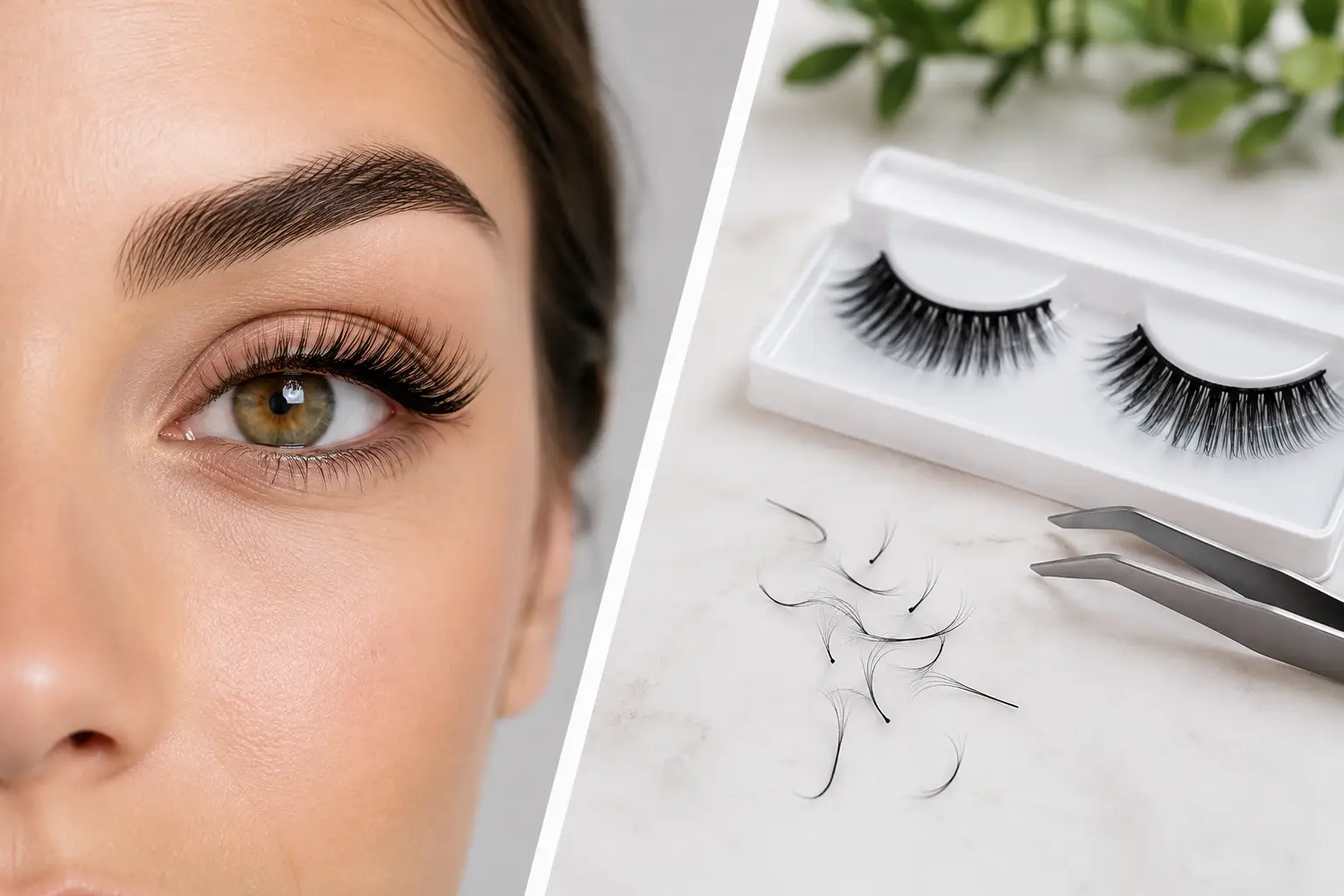
Neutral shadows in matte and satin finishes tend to photograph beautifully. A softly deepened lash line, subtle outer-corner shaping, and lashes that add lift without looking heavy all help the eyes stand out. Individual lashes or a natural strip lash are often ideal because they enhance the eye shape while keeping the overall look believable.
This is also where your outfit and location matter. If you are wearing a clean white dress or neutral tones in a garden, romantic eye makeup usually fits naturally. If your session is in the city with a sleek dress and a more editorial feel, a slightly stronger liner or more sculpted eye can make sense. The best choice is not one fixed style – it is the one that supports the overall look.
Brows, blush, and lip color do more work than you think
Brows frame the face in every shot, especially when the wind picks up or you are laughing mid-movement. They do not need to be bold, but they should be shaped and filled enough to look intentional. Sparse or underdefined brows can make the whole face look unfinished on camera.
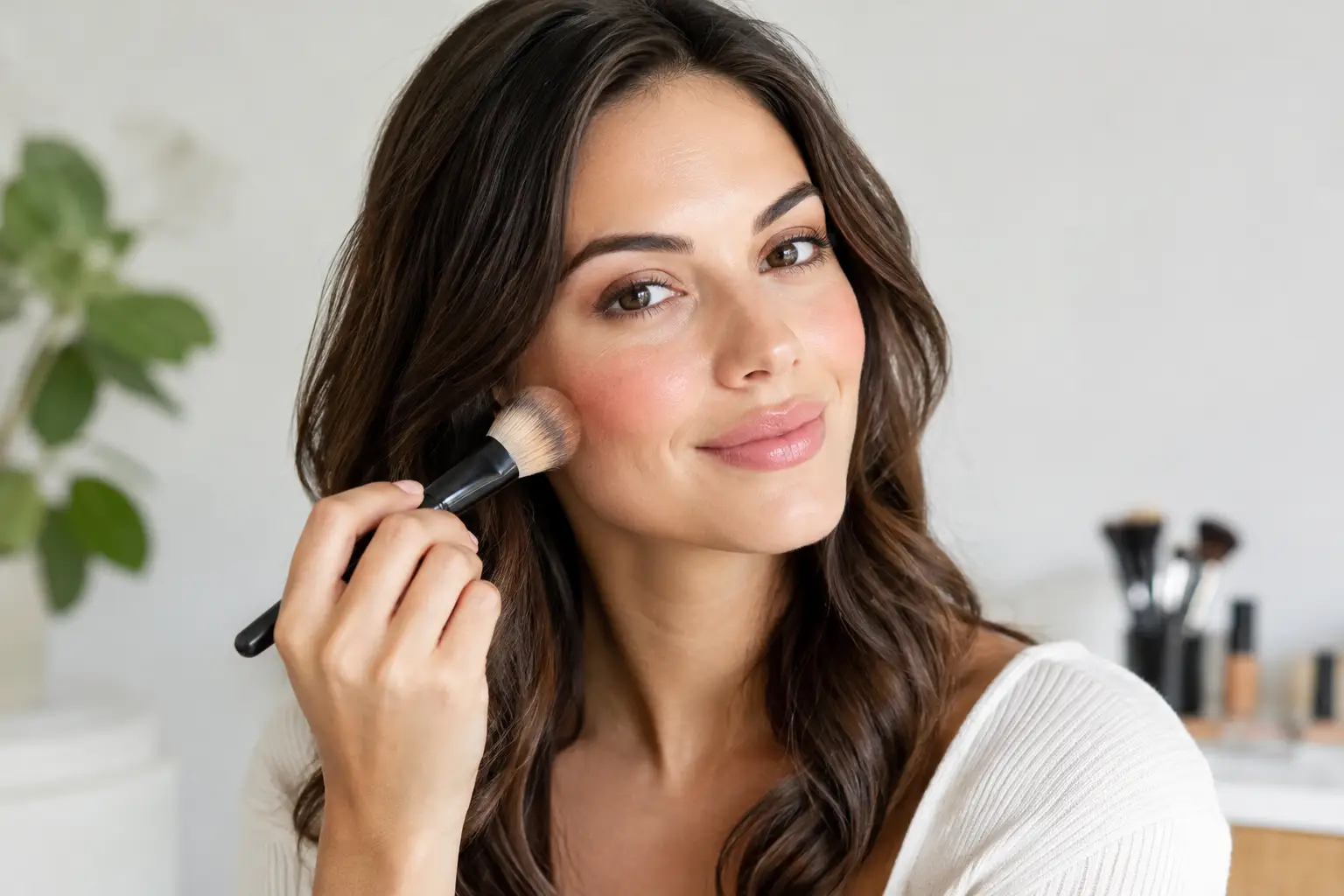
Blush is equally important. In everyday life, people often apply too little for photography. A soft wash of color brings warmth and vitality back into the face after foundation evens everything out. Cream and powder formulas can both work well, depending on skin type and desired finish. The right blush shade makes you look healthy and present, not overly made up.
Lip color should have enough pigment to define the mouth without distracting from your features. Very pale nude lips can disappear in photos, while overly dark or dry formulas may feel harsh for a soft romantic session. Rose, pink-beige, mauve, and soft berry tones are often flattering because they add life while staying classic.
Matching your makeup to the setting
The best makeup for engagement photos depends partly on where the photos are being taken. Outdoor sessions in Northern Virginia or Washington, DC can bring humidity, wind, seasonal light shifts, and long walking routes. Studio sessions create a different kind of demand, especially under stronger artificial lighting.
For outdoor sessions, longevity matters. Cream products may need to be reinforced with powder in key areas, and complexion products should be chosen with wear time in mind. SPF can also be a consideration. Daily sunscreen is essential for skin health, but certain formulas can create flashback under photography, so product choice matters.
For indoor or evening sessions, makeup may need slightly more structure to keep features from fading under lower light. This does not mean piling on product. It means being deliberate with contrast, placement, and finish.
Should you do your own makeup or hire a pro?
It depends on your comfort level, your skin, and how high the stakes feel for your photos. If you wear makeup regularly, understand your skin, and know how products perform in photos, doing your own makeup can work. But many people who are confident in daily makeup still struggle with translating that look to professional photography.
A professional artist brings more than application. She can adjust product selection for your skin type, control texture and shine, create balance that reads well on camera, and keep the look aligned with your features rather than trends. For clients who do not wear much makeup, that guidance can be especially reassuring.
This is also where a skin-focused approach makes a real difference. Makeup sits differently on mature skin, textured skin, dry skin, and acne-prone skin. The right artist knows how to adapt, not just apply the same routine to every face. That personalized approach is often what keeps the final result looking soft, elevated, and believable.
A few timing details that help
If you are planning professional makeup, schedule enough time so the experience feels calm. Rushed beauty services tend to show in the final result. If your engagement session is also serving as a trial run for wedding makeup, mention that clearly so the artist can shape the look with both occasions in mind.
It is also smart to avoid major skin treatments immediately before photos. If you wax, tint, or have facials done, leave a buffer in case your skin needs time to settle. Bring your lip color for touch-ups, and if your session is outdoors in warm weather, blotting papers can be helpful.
For clients who want a polished but still natural result, working with an artist who specializes in refined, skin-first makeup is often the best investment. That is especially true when the goal is to look like yourself at your absolute best, which is exactly how engagement photos should feel.
The right makeup should let you focus less on whether your concealer is creasing and more on the person standing next to you. That ease shows up in photos every time.