Top Makeup Tips for Headshots That Work
A great headshot can look polished, confident, and approachable in a fraction of a second – and makeup plays a bigger role than most people expect. The top makeup tips for headshots are not about wearing more makeup. They are about choosing the right finish, the right level of definition, and the right preparation so your skin and features read beautifully on camera.
For many women, especially if you do not wear a full face every day, headshot makeup can feel slightly confusing. What looks pretty in person may disappear under studio lights. What feels like enough in the mirror can look flat in photos. On the other hand, makeup that is too heavy can make a professional portrait feel less like you. The goal is balance: polished, camera-ready, and still natural.
Why headshot makeup is different
Headshots are close-up images, which means texture, tone, and definition matter more. In a casual social photo, small imperfections often go unnoticed. In a professional portrait, the camera pays closer attention to under-eye darkness, uneven redness, shine through the T-zone, and areas where makeup sits unevenly on the skin.
Lighting also changes everything. Soft natural light, studio strobes, and office lighting all affect how your complexion appears. Bright lighting can wash out dimension in the face, while flash can exaggerate shine or reflect incorrectly off certain formulas. That is why headshot makeup should be tailored not only to your features, but also to the setting and purpose of the session.
A corporate headshot for a law firm or consulting profile usually calls for a clean, understated look. An actor or branding headshot may allow a bit more warmth, shape, or polish. The best results come from knowing what the photo needs and adjusting the makeup accordingly.
Top makeup tips for headshots start with skin prep
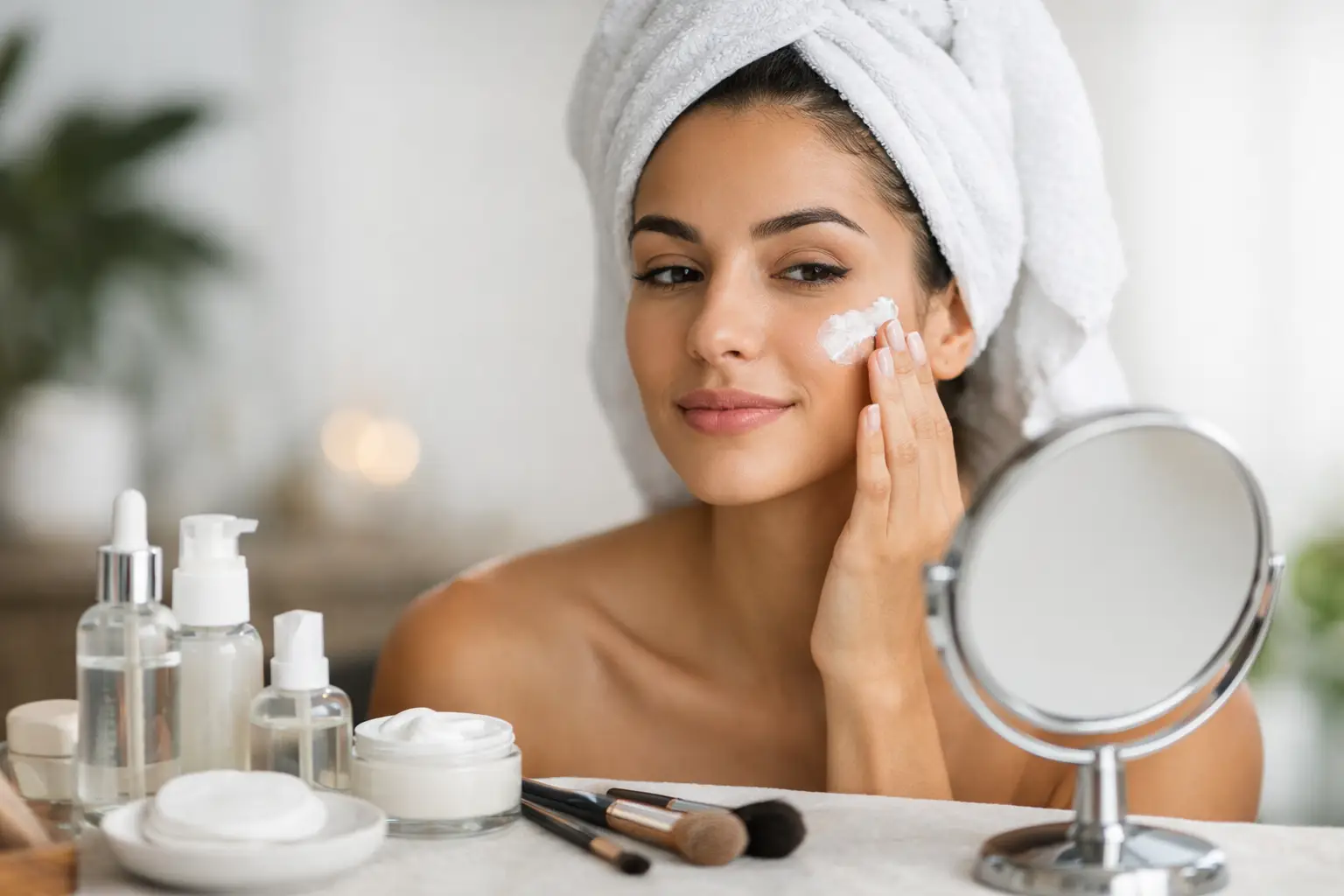
Makeup always performs better when skin is properly prepared. This is especially true in photography, where dry patches, congestion, and excess oil can become more visible than they seem in person.
The best prep is not aggressive. A headshot is not the time to experiment with a peel, a strong retinol, or any treatment that could trigger flaking or irritation. Instead, focus on calm, hydrated, balanced skin. Gentle exfoliation a few days before your session can help smooth texture. On the day of your photos, clean skin, lightweight hydration, and a thoughtfully selected primer are usually enough.
If your skin leans dry, hydration helps foundation sit more evenly and keeps the finish from looking tight or dull. If your skin gets oily, prep should still include moisture, but in a lighter formula. Dehydrated skin often produces more oil, so stripping it down rarely helps. The trick is using enough skincare to support the skin without creating slippage under makeup.
This is also where personalized product choice matters. Sensitive skin, acne-prone skin, mature skin, and combination skin all behave differently on camera. A one-size-fits-all routine tends to show its limits quickly in headshots.
Complexion should look like skin, just more even
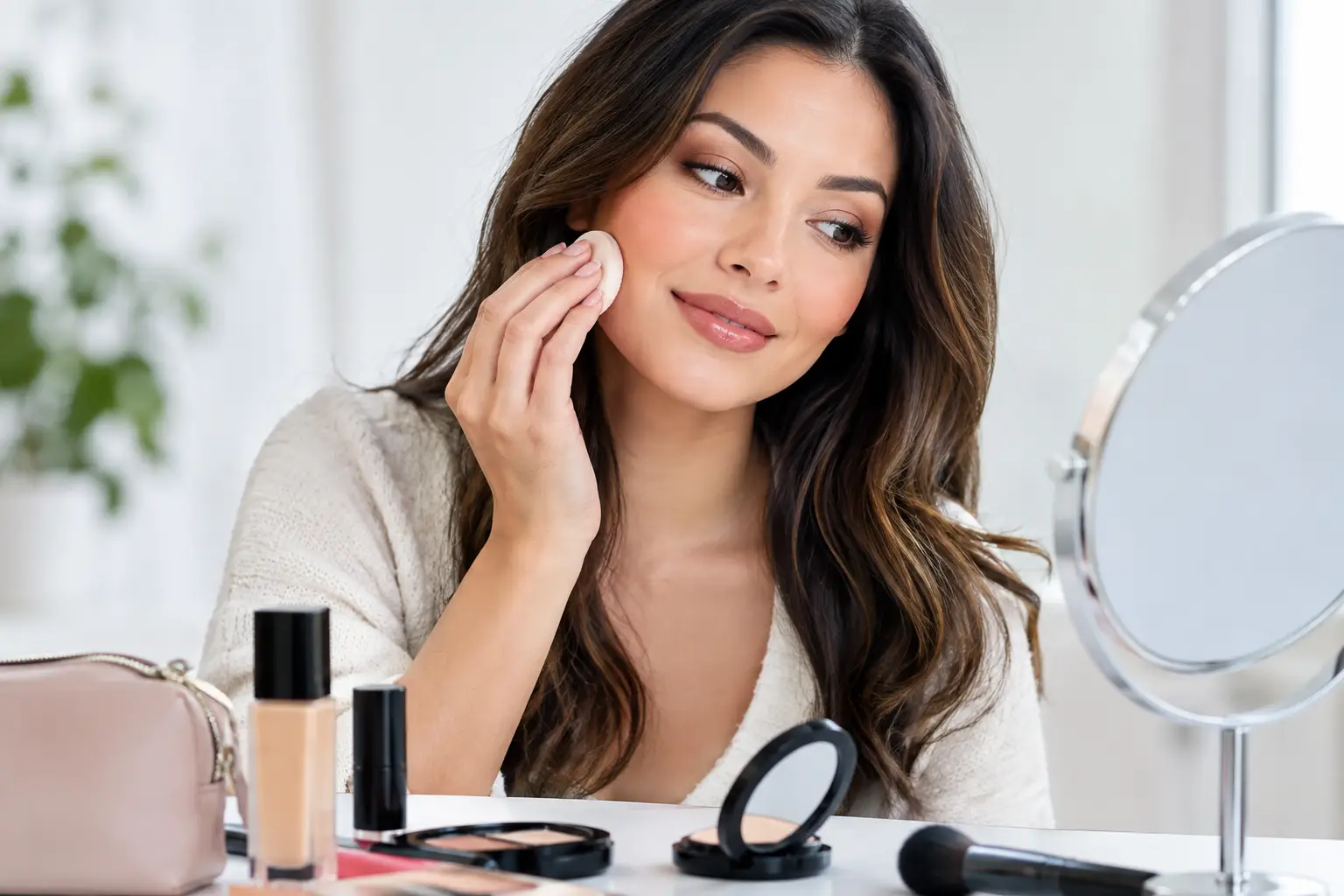
Foundation for headshots should not read as a mask. It should create a refined, even canvas while still allowing your natural skin to look like skin. In most cases, medium coverage with strategic spot concealing is more flattering than full, opaque coverage all over.
The finish matters as much as the coverage. Very dewy formulas can look overly shiny on camera, especially around the forehead, nose, and cheeks. Extremely matte formulas can flatten the complexion and emphasize dryness or fine lines. A natural or soft matte finish tends to photograph best because it gives the skin structure without making it look heavy.
Color match is another common issue. Makeup that is slightly too light can turn ashy under flash. Makeup that is too warm or too deep can look obvious at the jawline and chest. Headshots are close enough that these mismatches are easy to spot. The face, neck, and upper chest should look cohesive, especially if your neckline is visible.
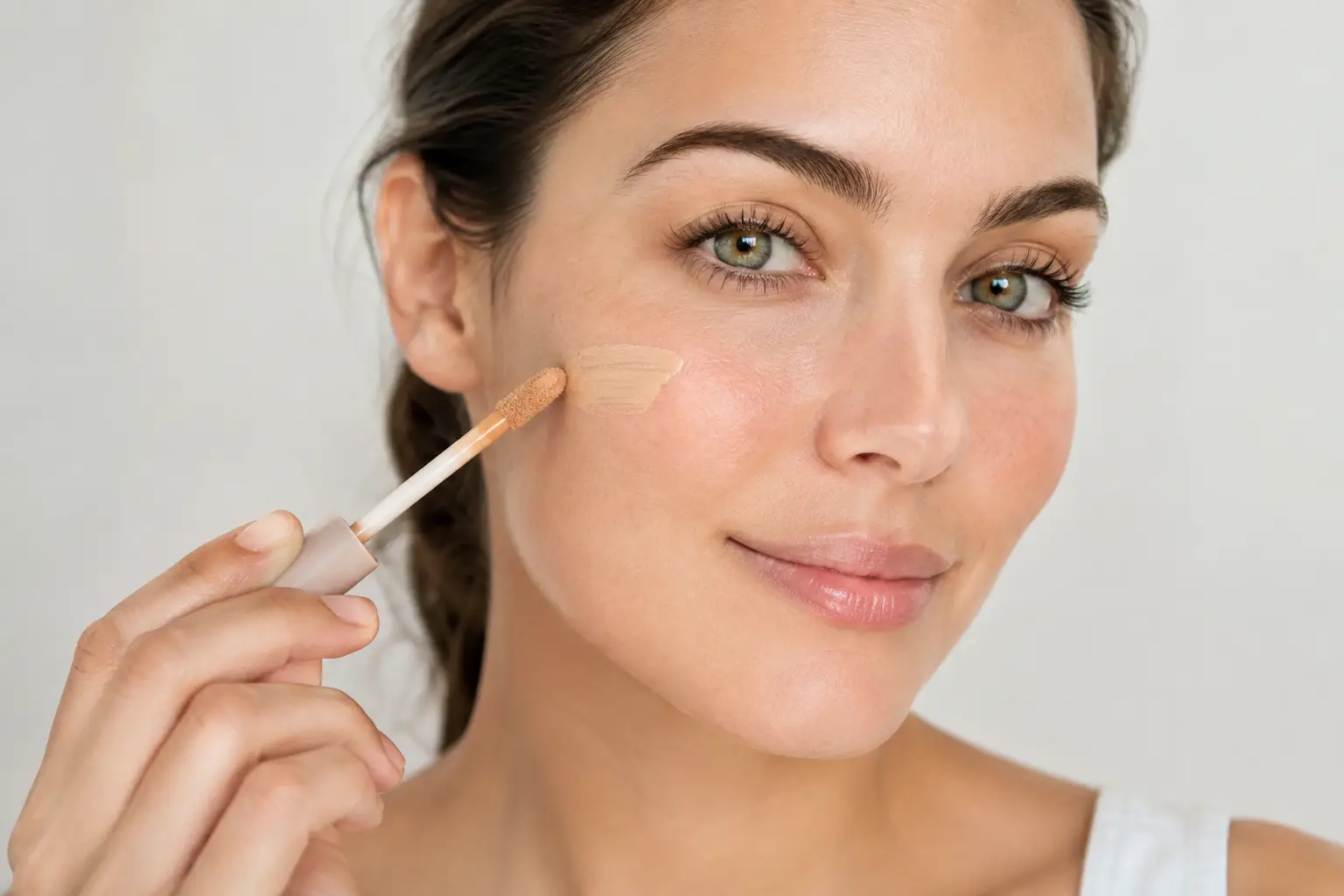
Concealer should brighten thoughtfully, not dramatically. Under-eyes that are too light can pull attention away from the eyes themselves and create a disconnected look. Usually, a subtle lift is more elegant than a stark brightening effect.
Definition matters more than heaviness
One of the best top makeup tips for headshots is to think in terms of structure, not intensity. Cameras often soften facial features, so a little more definition than your everyday makeup is usually helpful. That does not mean bold or dramatic. It means intentional.
Brows frame the face and deserve attention. Softly filled, well-groomed brows can make a headshot feel polished immediately. The goal is not to create harsh, blocky brows, but to refine shape and add enough depth that they remain visible in photos.
Eyes also need gentle enhancement. Neutral shadows, softly defined liner, and mascara help the eyes appear more open and expressive. If eye makeup is too minimal, the eyes can get lost. If it is too dark, it can overpower the portrait and distract from your expression. This is one of those areas where it truly depends on your coloring, eye shape, and the style of the shoot.
Lashes can be helpful, but subtle styles tend to work best for professional headshots. Overly dense or very long lashes can cast shadows, hide the lash line, or make the eyes look smaller in certain angles. A refined enhancement is usually more effective than a dramatic strip lash.
Blush, bronzer, and contour should restore dimension
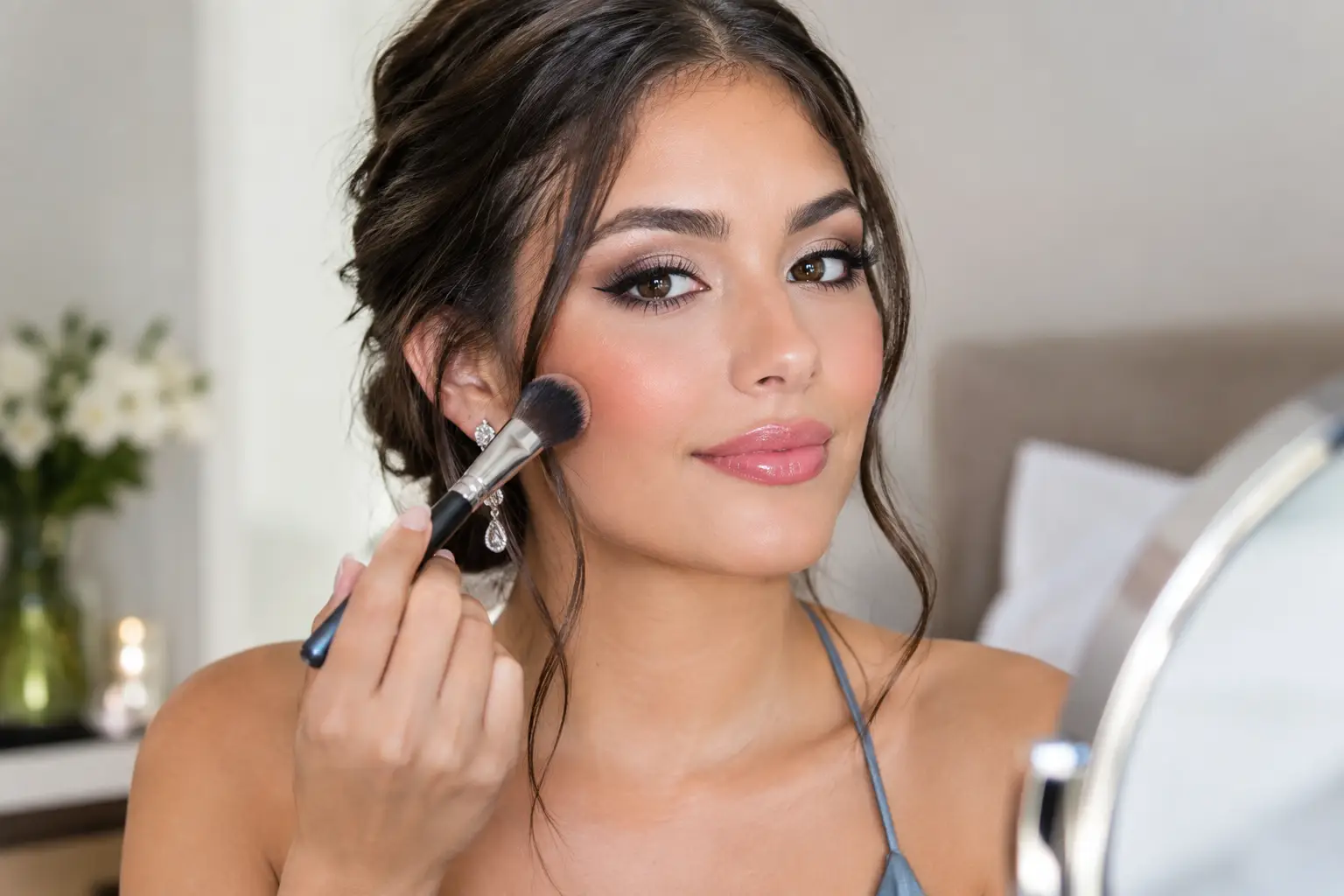
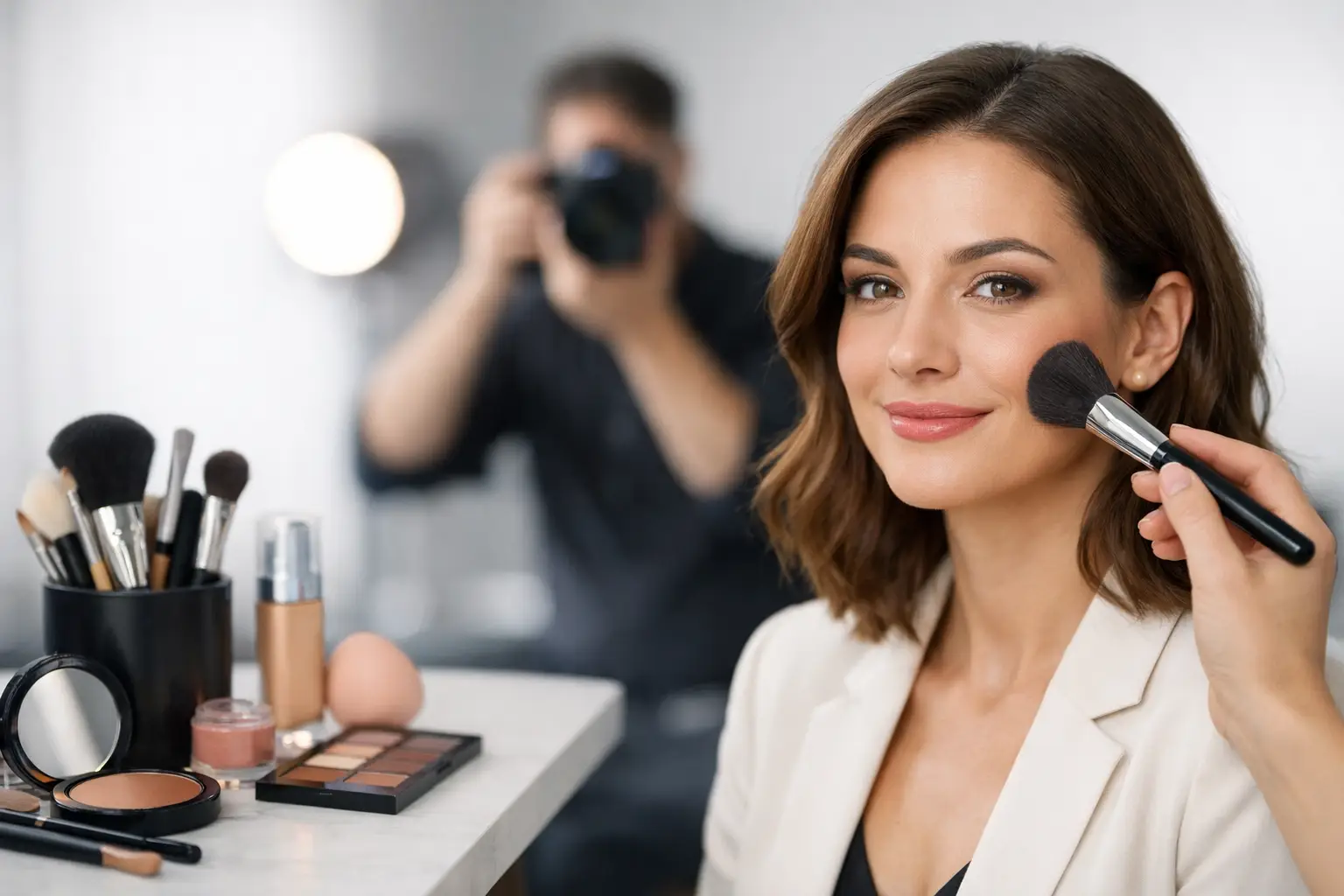
Studio lighting can flatten the face, which is why some warmth and shape are important. Blush keeps the complexion from looking one-dimensional and adds life to the skin. Soft rosy, peach, or neutral tones often photograph beautifully because they give a healthy freshness without competing with the rest of the makeup.
Bronzer and contour should be used with restraint. The purpose is to bring subtle structure back into the face, not to create an obvious sculpted effect. Harsh contour lines rarely translate well in close-up photography. A soft, blended application along the perimeter of the face and under the cheekbones is usually enough.
Highlighter deserves extra caution. In person, a glow can look lovely. In headshots, shimmer can turn into unwanted shine, especially under strong lighting. If you want luminosity, choose products with a refined sheen rather than visible sparkle and keep placement controlled.
Lip color should finish the look, not fight it
Lip color helps complete the portrait and keeps the face from looking unfinished. Nude lips are often requested, but the wrong nude can wash you out in photos. Usually, the most flattering option is a lip color that is slightly deeper or warmer than your natural lip tone.
Soft rose, pinky nude, mauve, peachy neutral, and muted berry shades tend to work well, depending on your skin tone and overall makeup look. Satin and soft matte textures are often the easiest to photograph. Very glossy lips can reflect too much light, while overly dry matte formulas may emphasize texture.
Lip liner can also make a quiet but meaningful difference. It gives the mouth definition, improves wear time, and helps lipstick look cleaner on camera. Like everything else in headshot makeup, the best lip look is polished without feeling forced.
What to avoid before and during your session
A few choices can undermine otherwise beautiful makeup. SPF-heavy complexion products sometimes create flashback, leaving the skin looking pale or chalky in professional lighting. This does not mean SPF is bad, only that daytime sunscreen and photo makeup are not always the same conversation. Product selection matters.
Over-powdering is another common mistake. Powder is useful for controlling shine, but too much can make the skin look dry, heavy, or textured. Powder should be targeted where needed rather than layered everywhere.
It is also wise to avoid trying a brand-new look right before your session. A headshot is usually tied to something important – a career milestone, a business launch, a speaking engagement, or a personal rebrand. You want to feel like yourself, just elevated. Familiarity builds confidence, and confidence always photographs well.
Professional makeup can make the process easier
If you have ever looked at your photos and felt that your makeup was either too flat or too much, you are not alone. Headshot makeup sits in a very specific middle ground. It requires enough polish to register on camera and enough restraint to stay believable up close.
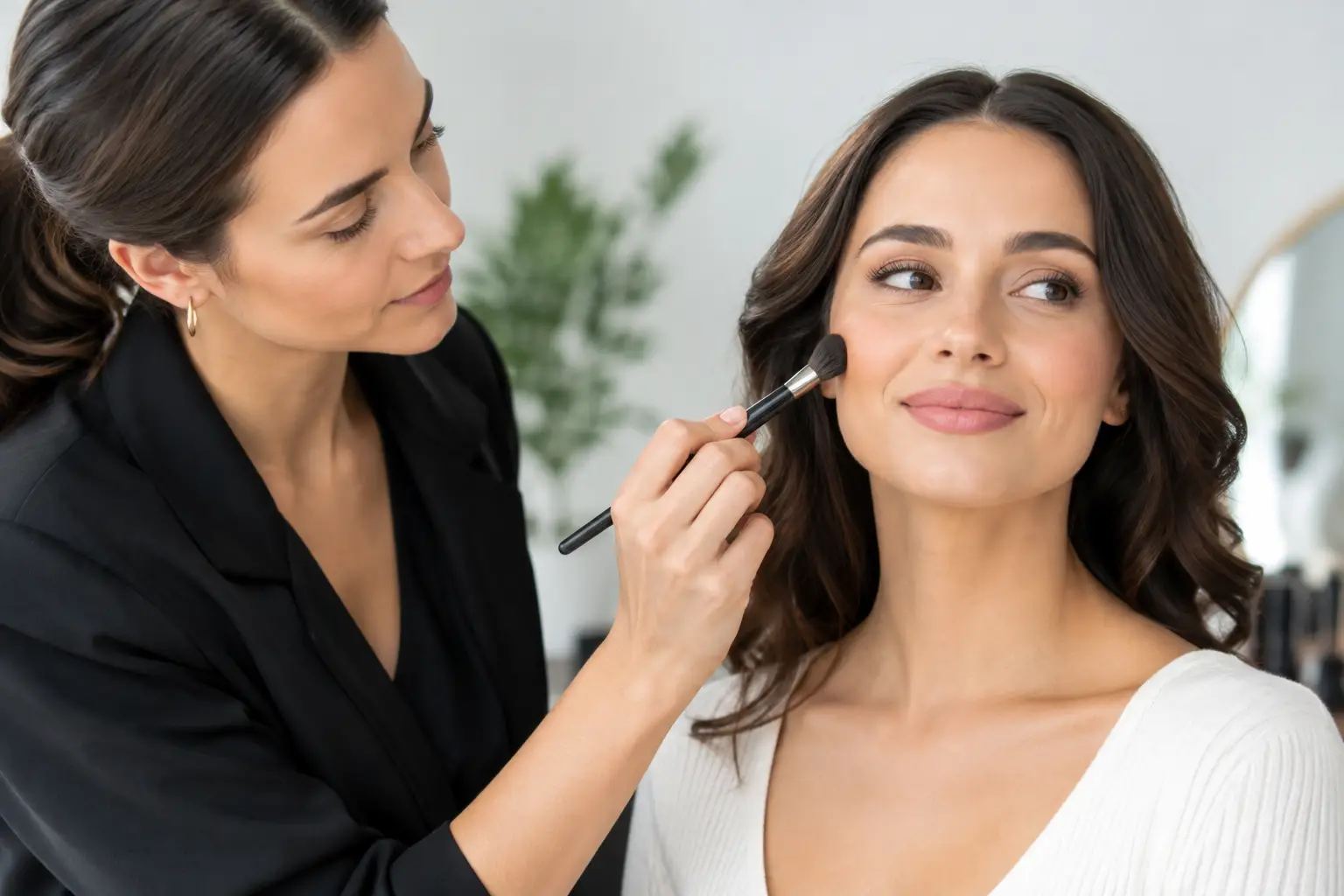
That is where professional application can be especially valuable. An experienced artist understands skin preparation, undertones, product layering, lighting considerations, and long-wear balance. Just as importantly, the process can feel calm and supportive rather than rushed. For clients who want to look refined and natural in their portraits, that combination often makes a visible difference.
If you are preparing for updated professional photos, the most flattering makeup is rarely the heaviest or trendiest. It is the makeup that lets your skin look healthy, your features look defined, and your expression remain the focus. When your makeup supports the photo instead of competing with it, your headshot feels polished, confident, and unmistakably like you.