Bridal Party Getting Ready Order That Works
A wedding morning can feel surprisingly fast. One minute everyone is sipping coffee in matching pajamas, and the next someone is asking who is in the makeup chair, where the steamer went, and whether the florist has arrived. A thoughtful bridal party getting ready order keeps that energy calm. It protects your timeline, helps everyone look fresh for photos, and gives you space to enjoy the start of your day instead of managing chaos.
The right order is not about a rigid rule. It is about choosing a flow that makes sense for your group, your hair and makeup team, your photography schedule, and your own comfort level as the bride. When the plan is built well, the morning feels easier for everyone.
Why the bridal party getting ready order matters
Hair and makeup timing affects more than beauty services. It shapes when people can get dressed, when detail photos happen, when the first look begins, and how rushed or relaxed the room feels. If the order is off, delays tend to stack. A late makeup start can push portraits back, which can affect transportation, ceremony timing, and the overall pace of the day.
There is also a comfort factor. Some clients love being first because they are naturally early risers and like being done ahead of time. Others prefer a later slot so their look feels freshest. The best schedule takes both timing and personality into account.
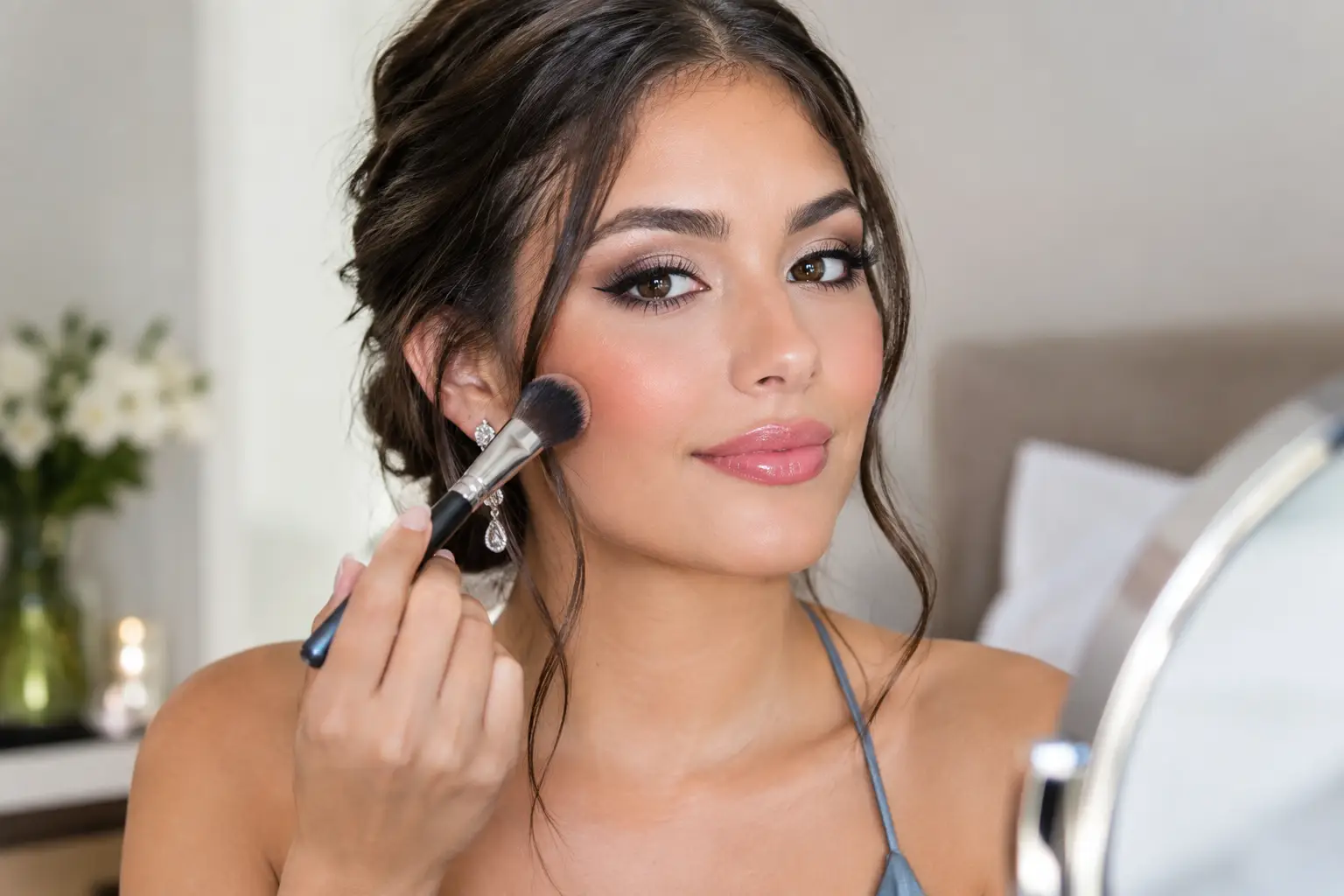
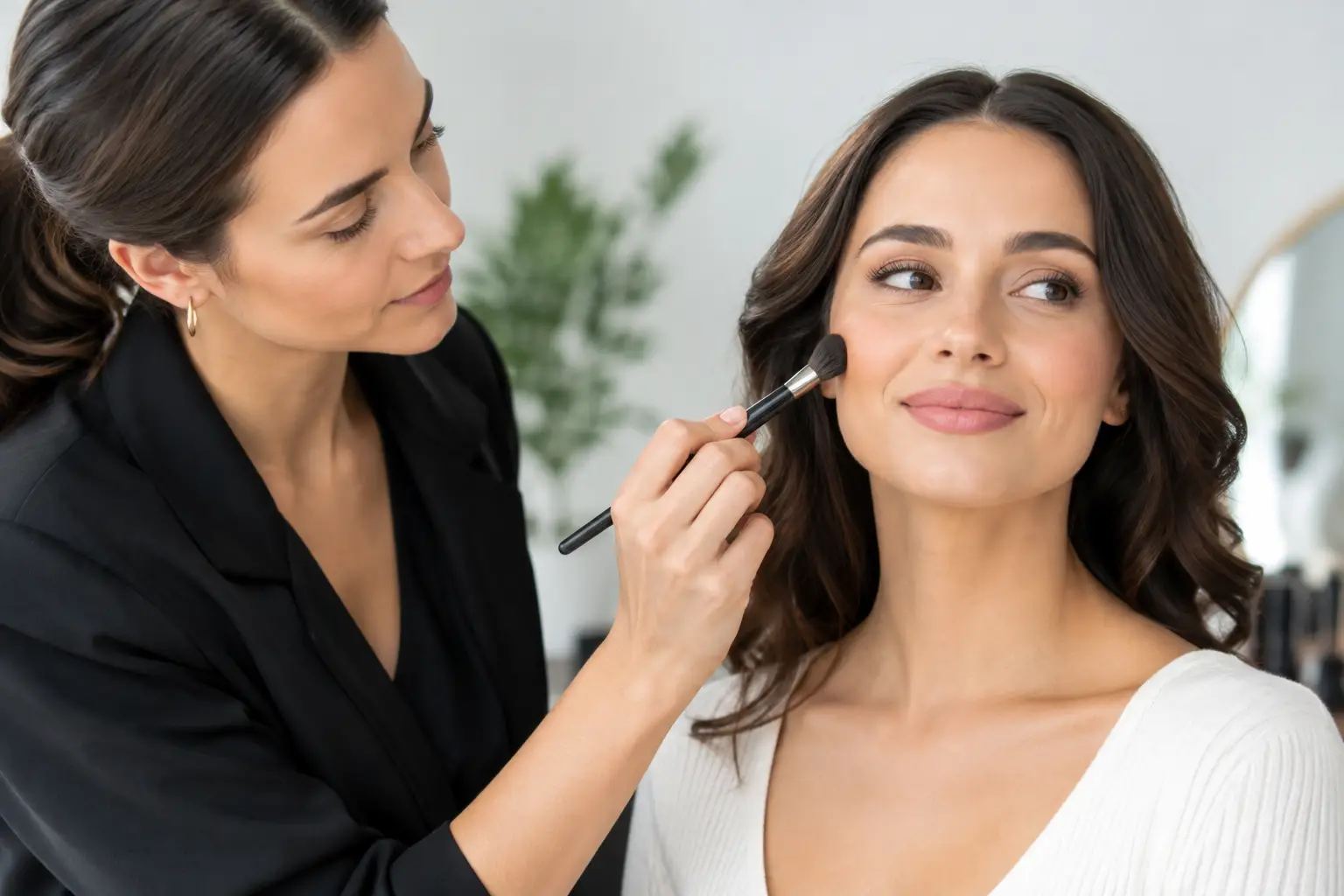
For makeup especially, the goal is long wear with a polished finish that still looks like skin. That means your artist is not simply painting faces in sequence. They are balancing skin prep, product performance, lighting, and each person’s features. A good order gives them room to do that well.
The best bridal party getting ready order for most weddings
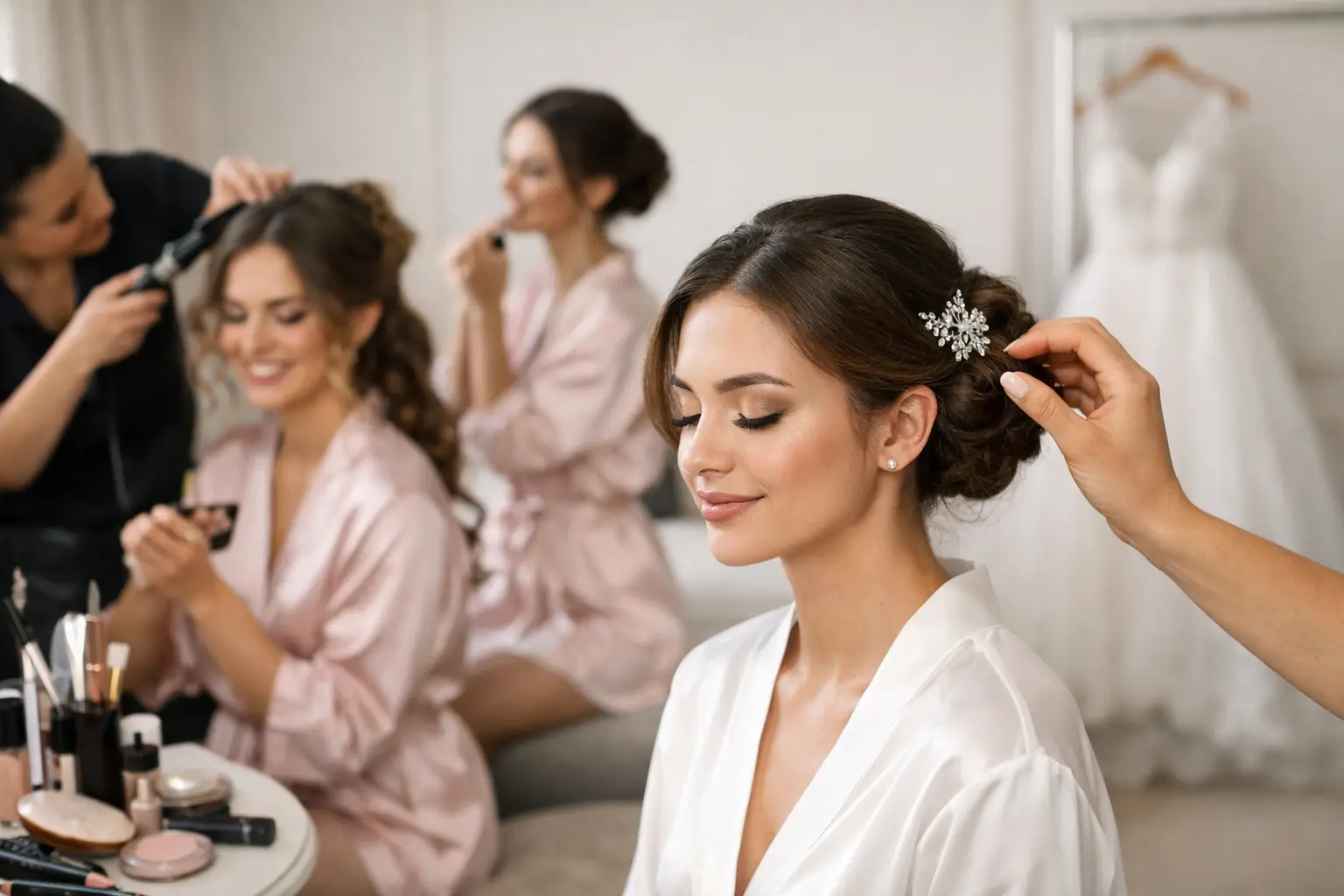
In most cases, bridesmaids and family members go first, and the bride goes toward the end. This is usually the smoothest sequence because it gives the bride a fresh final look for first look photos, portraits, and the ceremony. It also allows time for any last adjustments once the dress is on.
A common order looks something like this: attendants first, mothers somewhere in the middle, and the bride second to last or last. If the bride prefers a little breathing room before getting dressed, second to last can be ideal. If she wants makeup to be as fresh as possible and is comfortable with a little more activity around her, last often works beautifully.
That said, there are exceptions. If the bride tends to feel anxious waiting, going earlier can help. If there are cultural traditions, early photography, or travel between locations, the order may need to shift. A strong beauty timeline is personalized, not copied from someone else’s wedding.
Who should go first
The first appointments are often best for people who are low maintenance, flexible, and fully ready on time. This helps the morning start smoothly. Choose attendants who are dependable, comfortable sitting early, and unlikely to need extra time.
It can also make sense to place anyone with a simple service first. For example, if one bridesmaid wants very natural makeup and an easy hairstyle, she may be a good opening appointment. Starting with someone straightforward gives the beauty team momentum.
Where mothers fit in
Mothers are often most comfortable in the middle of the schedule. Too early, and they may feel finished long before they need to get dressed. Too late, and they can feel rushed during an emotional part of the morning.
Middle timing usually gives them the best of both worlds. They have time to settle in, enjoy the morning, and still be ready without pressure. If a mother is helping the bride get dressed or wants extra time for portraits, place her a little earlier.
When the bride should be scheduled
The bride is usually best near the end of the makeup schedule, but not so late that there is no cushion. A 30 to 45 minute buffer before getting dressed can be incredibly helpful. It leaves room for lipstick, a quick skin check, a touch of powder, or simply a quiet moment.
If your photographer is arriving early for robe photos, candids, or bridal details with you in the background, your makeup may need to finish earlier than expected. This is one of the biggest reasons beauty timelines should be built alongside the photo timeline, not separately.
How hair and makeup order work together
Hair and makeup do not always happen in the same order for every person. With larger groups, services often alternate to save time. Someone may have hair first and makeup second, while another person starts with makeup.
This is where professional coordination matters. The order should prevent bottlenecks and also respect how different services wear. For example, if someone has very fine hair that falls easily, her hairstyle may be better scheduled later. If another person has reactive skin that benefits from a calm, steady makeup application without rushing, her appointment may need a quieter slot.
The bride’s own sequence depends on hairstyle, dress style, and comfort. Many brides prefer hair first and makeup second so the face looks especially fresh at the end. Others prefer makeup first if their hairstyle involves heat tools, clips, or a lot of movement around the face. Neither is universally right. It depends on the look and the logistics.
What affects your getting ready order
The size of the bridal party is the obvious factor, but it is not the only one. Service complexity matters just as much. A party of five with extensions, textured styles, and fuller glam may take longer than a party of eight choosing soft waves and natural makeup.
Your venue setup also plays a role. A spacious, well-lit room allows the team to move efficiently. A tighter space with limited outlets or mirrors can slow things down. Travel between hotels and venues changes the schedule too, especially in Northern Virginia and the DC area where traffic can be unpredictable.
Then there are the details couples do not always think about at first: who needs to be dressed for photos earliest, who is stepping out for bouquet delivery or breakfast pickup, and whether anyone in the bridal party is especially prone to lateness. These practical realities matter more than people realize.
Common mistakes that throw off the morning
The biggest mistake is assuming everyone can just “rotate in” casually. Without a clear order, people wander, lose track of time, and are suddenly unavailable when their appointment starts. The second mistake is forgetting that beauty time includes setup, skin prep, touch-ups, and transitions between clients, not just application itself.
Another common issue is putting the bride dead last with no margin at all. On paper, that can look efficient. In real life, it leaves no room for normal wedding morning surprises. A little cushion is almost always worth it.
It is also easy to overlook how the room feels. If the bride’s appointment happens during the busiest, loudest stretch of the morning, that can affect her experience. The best schedules protect not only timing, but also the bride’s peace.
How to build a timeline that actually feels calm
Start with your ceremony time, then work backward from photography, getting dressed, and any first look or pre-ceremony portraits. From there, your beauty artist can estimate how many total service hours are needed and recommend how many artists should be on site.
Once the service count is set, assign people strategically instead of randomly. Put your most punctual attendants early. Schedule mothers when they will not feel rushed or forgotten. Keep the bride close enough to the end that her look feels fresh, but early enough to leave breathing room.
It also helps to tell everyone the order in advance. When people know their slot, they can arrive with clean, dry hair if needed, prepped skin, and the right expectations. That alone reduces a surprising amount of stress.
For clients who want a polished but natural finish, this planning matters even more. Soft glam makeup looks effortless when it is done well, but it still requires intention. Skin prep, tone matching, and layering for longevity all take time. A calm environment helps those details translate beautifully both in person and on camera.
When a custom order is the better choice
Not every wedding morning should follow the standard pattern. If the bride has a first look very early, she may need to go sooner. If one bridesmaid is pregnant, nursing, or caring for a child on-site, giving her a specific protected time can make the morning easier. If there are cultural dressing rituals or multiple outfits, the order may need to support those transitions.
This is why personalized planning matters. A beauty schedule should fit your day, not force your day to fit someone else’s template. At Taylor Bailey Makeup Artist, that client-centered approach is part of what makes the morning feel elevated rather than hurried.
The best bridal party getting ready order is the one that supports your timeline, respects the people in the room, and gives you a calm path into one of the most photographed days of your life. If your morning feels organized, your beauty services have room to breathe, and you are not checking the clock every five minutes, you are on the right track. A well-planned start does more than keep things on time. It lets you be present for the part you will actually remember.