Makeup Artist for Non Makeup Wearers
If the idea of getting your makeup done makes you worry you will look too done, too unfamiliar, or simply unlike yourself, you are not alone. Many clients searching for a makeup artist for non makeup wearers are not asking for less skill. They are asking for the right kind of skill – someone who knows how to create polish, longevity, and camera-ready skin without layering on a look that feels heavy.
That distinction matters more than most people realize. Event makeup is not the same as everyday makeup, and natural makeup is not the same as minimal effort. For weddings, headshots, galas, and milestone celebrations, the goal is usually to look refined in person, balanced in photos, and comfortable for hours. That takes technique, thoughtful product selection, and a very clear understanding of restraint.
What a makeup artist for non makeup wearers actually does
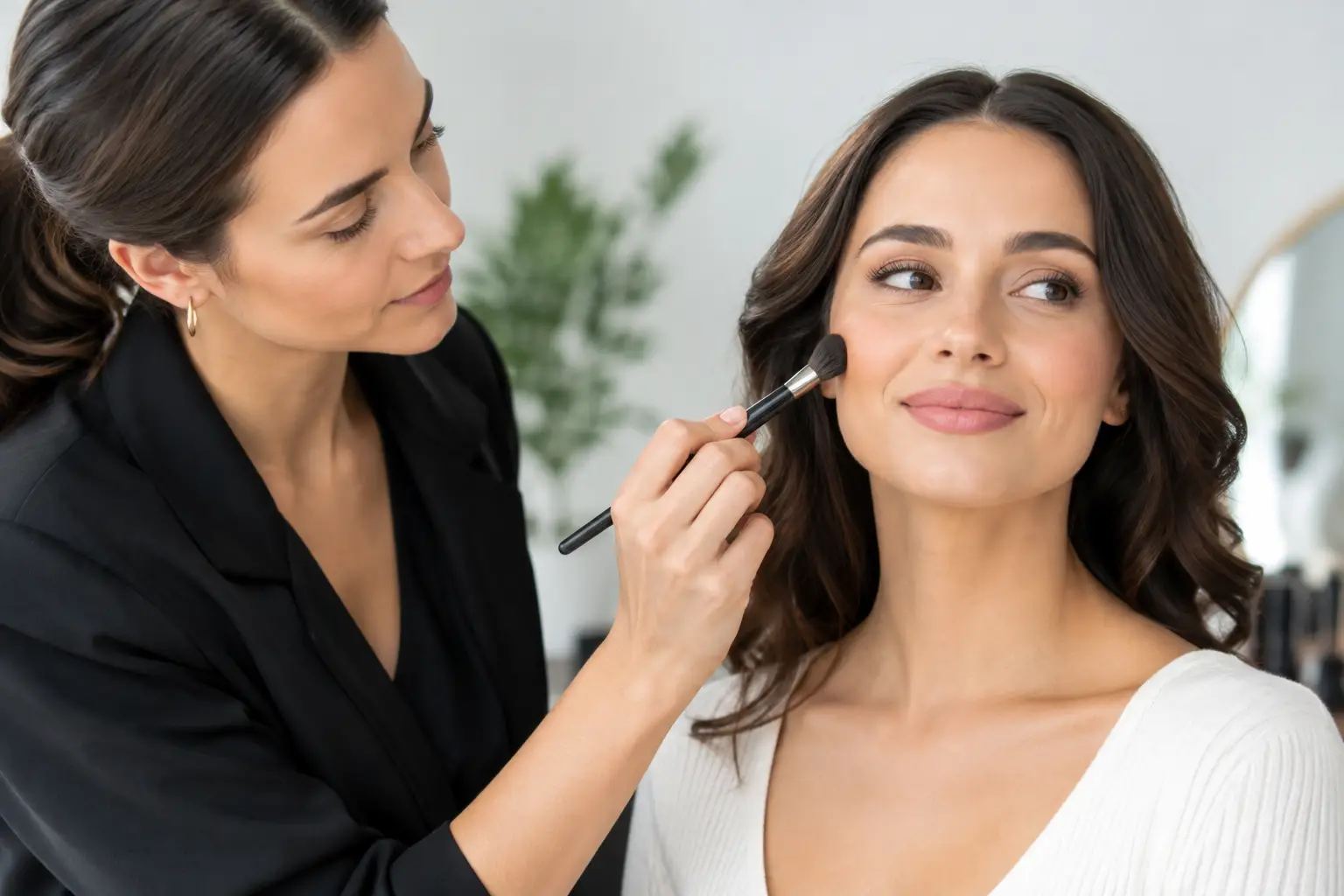
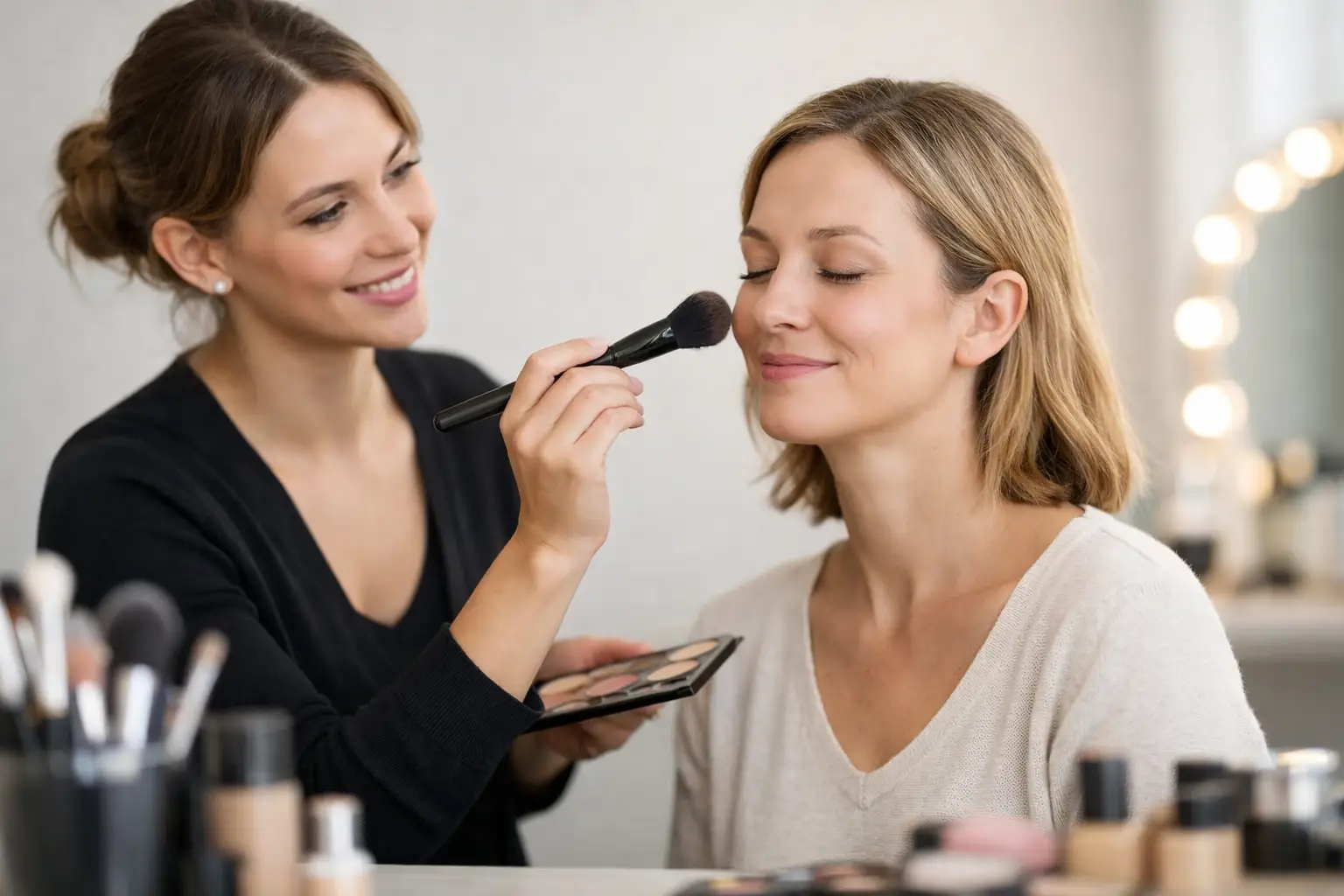
A strong artist in this space is not trying to turn a fresh-faced client into someone dramatically different. The work is more precise than that. It starts with reading skin correctly, understanding what features already stand out beautifully, and deciding where makeup should quietly support rather than compete.
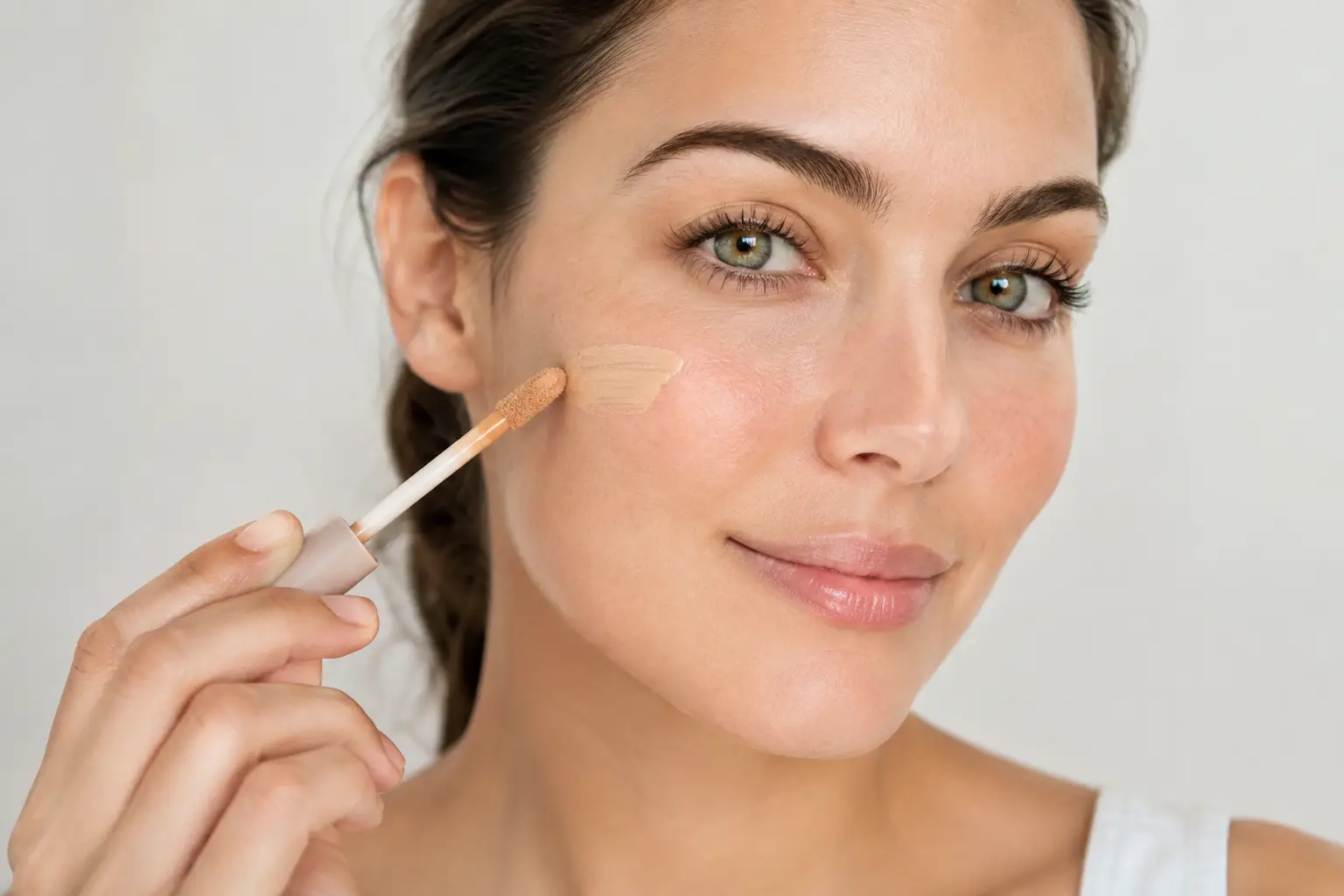
For some clients, that means evening out redness while keeping freckles visible. For others, it means defining the eyes softly so they look brighter in photos without introducing a dark, smoky shape that feels foreign. It may mean strategic concealing instead of full coverage foundation, cream products instead of heavy powder, or a lip color close to the natural lip tone rather than a statement shade.
The result should feel polished, not performative. You should still recognize yourself immediately, just a more rested, refined version.
Why non makeup wearers often need more personalization, not less
Clients who wear makeup daily usually have a sense of what they like and what bothers them. Non makeup wearers often come in with a different challenge. They may not know the language for what they want, but they know exactly what they do not want. Too matte. Too dry. Too contoured. Too shiny. Too much around the eyes. Too much product sitting on the skin.
This is where personalization becomes essential. A calm, attentive artist will ask better questions than, “What look do you want?” They will ask how you normally wear your skin, whether you are sensitive to fragrance, if mascara tends to bother your eyes, how you part your hair, whether you prefer glow or softness, and how you want to feel when you look in the mirror.
Those details are not extra. They are the difference between makeup that photographs well and makeup that still feels like you.
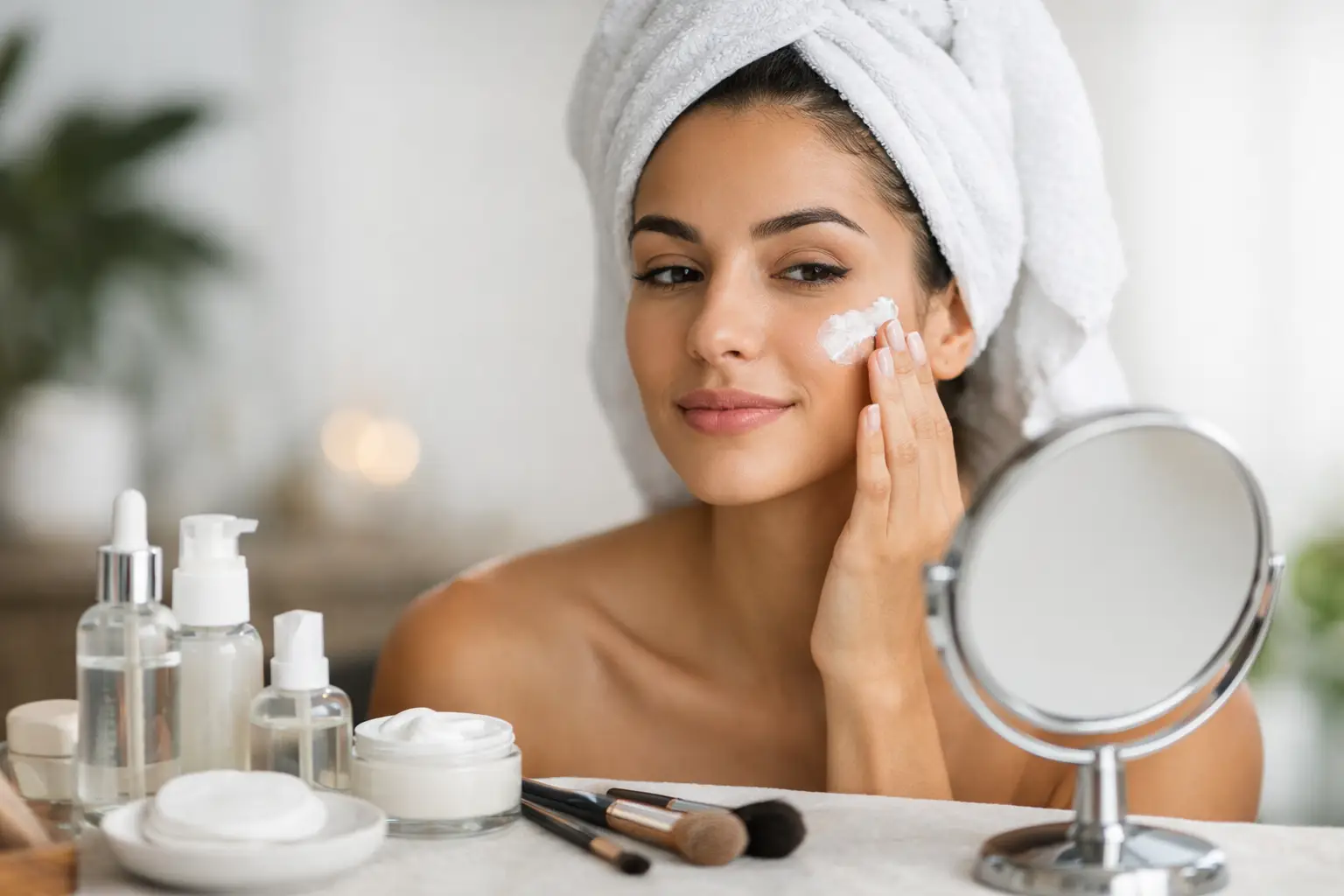
Skin prep is often the most important part
For clients who are not used to the feel of makeup, skin preparation can make or break the experience. Makeup sits better, wears longer, and looks more natural when the skin has been properly prepped for its condition that day. Dryness, dehydration, oiliness, texture, acne, and sensitivity all affect how products perform.
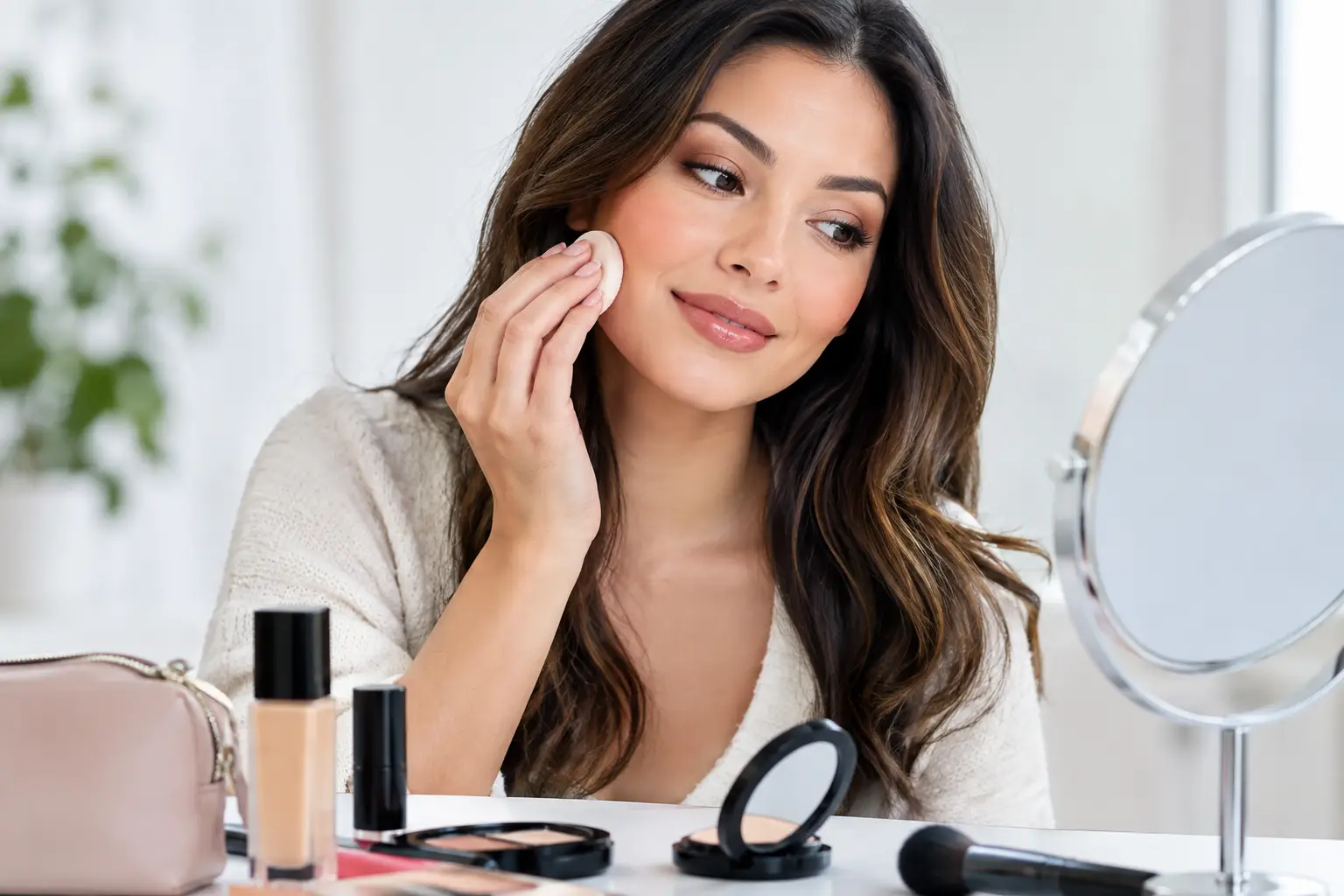
A skin-focused artist pays attention before foundation ever comes out. That may include adjusting hydration levels, choosing a primer only where needed, and selecting formulas that move with the skin rather than mask it. If your skin is acne-prone or reactive, the right prep and product choices matter even more. You want an artist who understands hygiene, ingredient compatibility, and how to build coverage selectively.
This is one reason soft glam done well does not look heavy. The softness comes from preparation and placement, not simply from using fewer products.
Natural-looking does not mean invisible
One of the biggest misconceptions non makeup wearers have is that natural event makeup should be undetectable from every angle. In reality, makeup for photography and formal events needs enough structure to read clearly under lighting, on camera, and across a full day or evening.
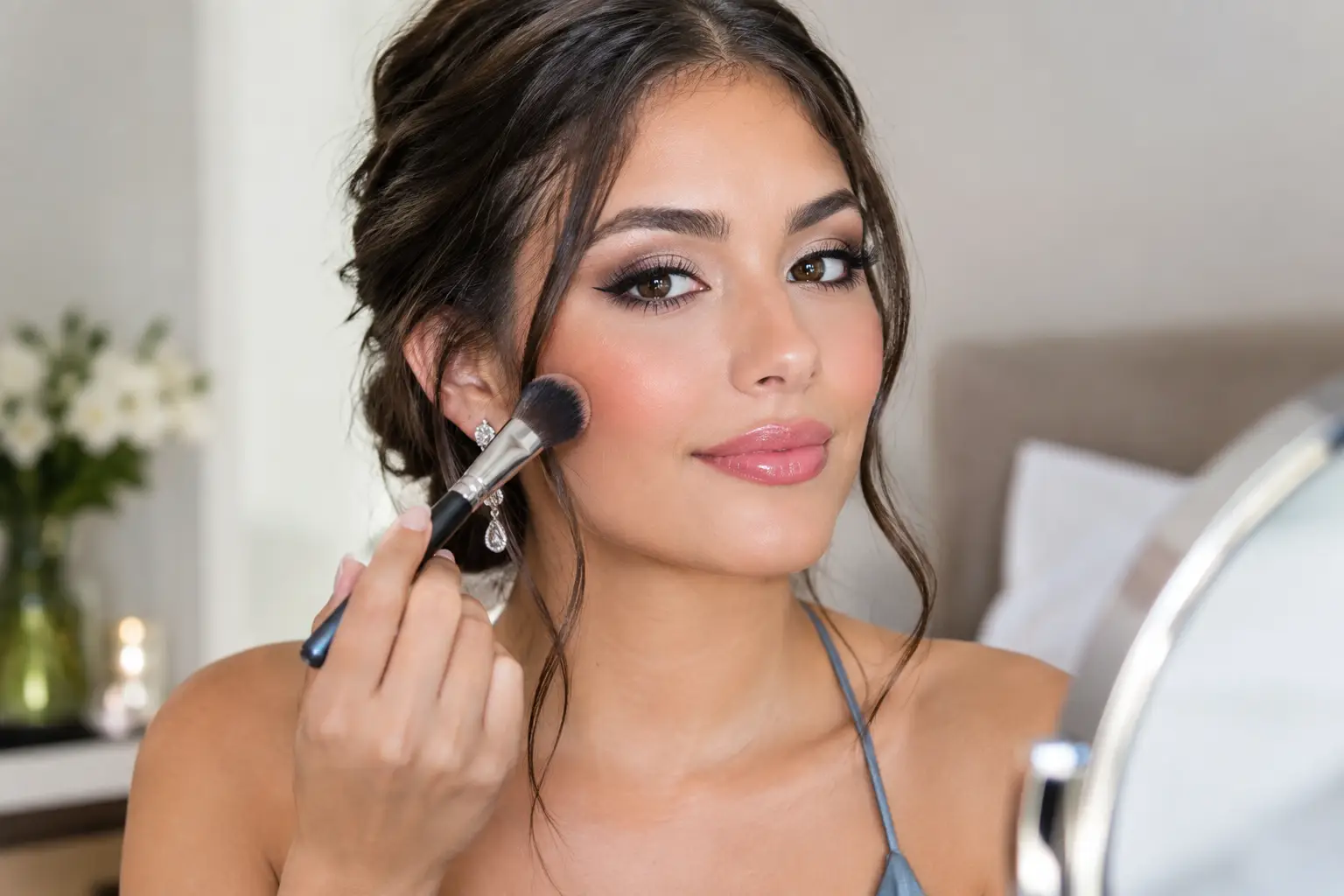
That does not mean thick foundation or dramatic contour. It means thoughtful balance. A little more complexion correction than you might wear to brunch. Slightly more definition at the lash line. A blush placement that brings life back into the face after the base is applied. Powder used with intention so the skin still looks like skin.
There is always a trade-off. If you want zero visible makeup up close, it may not translate as polished in professional photos. If you want maximum longevity through tears, humidity, and dancing, the finish may need a bit more structure. A skilled artist helps you find the version that feels right for your event, not someone else’s standard.
When to book a makeup artist if you rarely wear makeup
The right time is usually earlier than people expect, especially for weddings and major events. If you already know you do not want a full-glam result, that is a reason to book sooner, not later. You want time for a thoughtful consultation and, if relevant, a trial that lets you see how the makeup wears and how it feels.
For bridal clients, a trial is especially helpful because it removes pressure. You can test lash styles if you are unsure about lashes, adjust coverage if you prefer more skin showing through, and see whether you like a satin finish better than a dewy one. You can also discuss timing, touch-ups, and how your makeup should coordinate with hair, wardrobe, and the formality of the event.
For headshots, maternity sessions, black-tie events, and other special occasions, booking ahead still matters. It ensures you are not rushing through decisions and gives your artist time to prepare for your skin needs, schedule, and location.
How to know if an artist is the right fit
Not every talented makeup artist is the right match for a client who rarely wears makeup. Skill is only part of it. Philosophy matters.
Look for an artist whose portfolio shows skin that still looks like skin. Eyes should appear defined, not overworked. Brows should look polished but believable. Across different clients, there should be consistency in quality without every face looking identical.
Their communication should also feel reassuring. If you say, “I never wear makeup,” the response should not be pressure or dismissal. It should be curiosity, guidance, and a plan. A good fit will explain how they approach longevity, comfort, and photography in a way that makes the process feel collaborative rather than intimidating.
If mobile service is available, that can make the experience even more comfortable. Being able to get ready in your own home, hotel, or venue often helps clients relax, which matters when makeup is already outside their usual routine.
What to share before your appointment
You do not need a perfect beauty vocabulary to prepare well. It helps to share a few simple things: photos of yourself when you feel most confident, reference images that show the level of makeup you like, any known sensitivities, and whether there are features you prefer to keep very natural.
It is also worth mentioning if you do not usually wear foundation, if false lashes make you nervous, or if you tend to touch your face throughout the day. These are practical details your artist can work with. The more honest you are, the more tailored the final result can be.
The experience should feel calm, not corrective
One of the best signs you have found the right artist is how the appointment feels. Non makeup wearers do not usually need a lecture on what is wrong with their face or a hard sell on more services. They need an expert who can create confidence quietly.
That means an unrushed pace, clean tools, thoughtful shade matching, and a willingness to adjust when something feels like too much. It also means respecting the emotional side of getting ready. For a wedding day, a big birthday, a family portrait, or an important professional appearance, beauty services are never only about products. They are about being seen and feeling at ease while being seen.
At Taylor Bailey Makeup Artist, that philosophy is central to the work. The focus is not on covering you up. It is on refining what is already there with skin-focused preparation, soft glam artistry, and an experience designed to feel polished, personal, and comfortable from start to finish.
If you are someone who rarely wears makeup, you do not need to become a makeup person to benefit from professional artistry. You just need an artist who understands that your best look may be the one that feels the most like you.