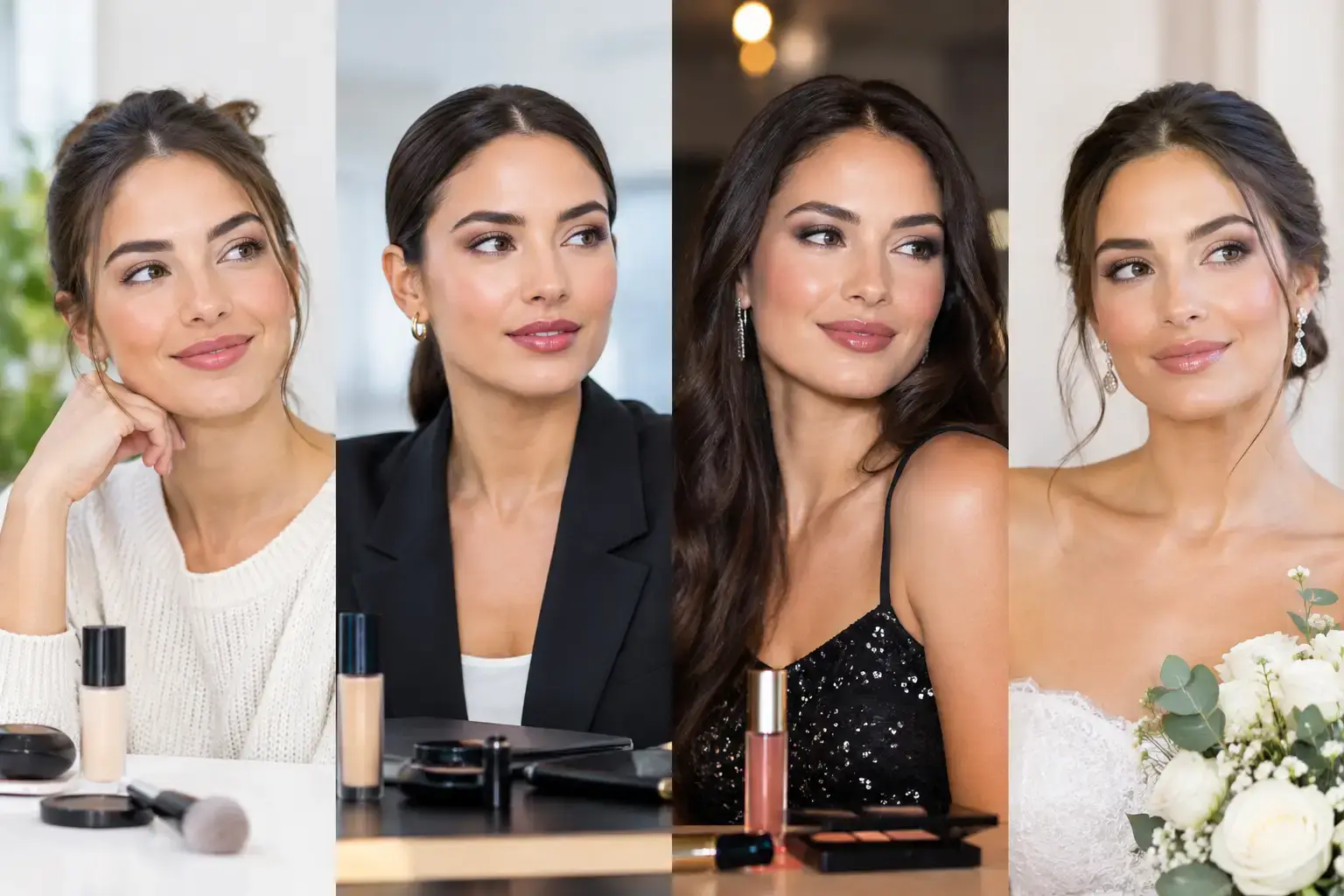
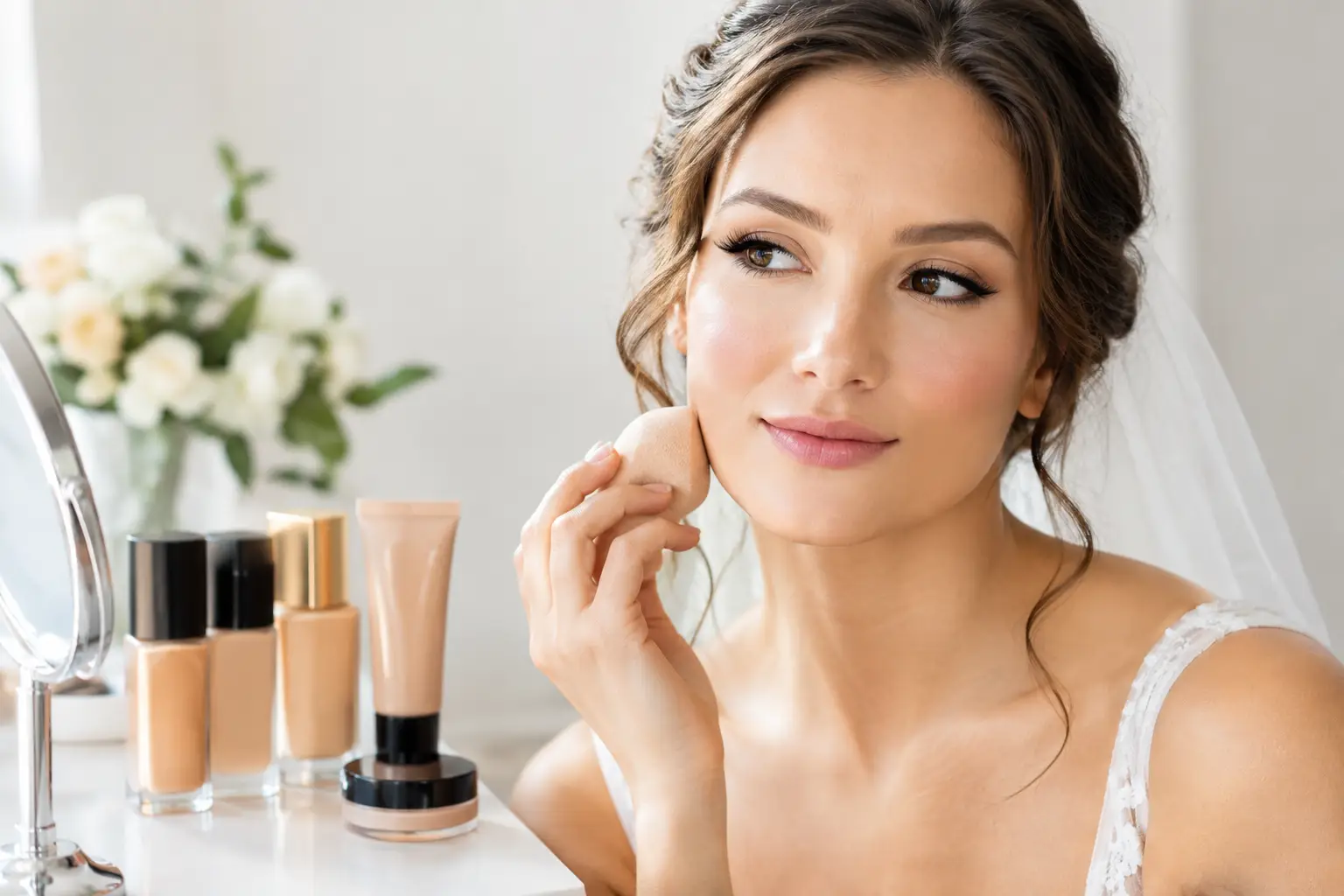
How to Choose Bridal Foundation for Your Wedding
Your wedding foundation has a bigger job than looking good in the mirror for five minutes. It needs to stay polished through hugs, happy tears, outdoor portraits, dancing, and every camera angle in between. Learning how to choose bridal foundation starts with one reassuring truth: the best choice is rarely the heaviest or most full-coverage option. It is the formula, shade, and finish that make your skin look like your skin – rested, even, and beautifully enhanced.
How to Choose Bridal Foundation for Your Skin
Start with your skin’s natural behavior, not the foundation trend currently filling your social feed. A radiant formula can be beautiful on dry or mature skin, but it may become too shiny on an oily T-zone after several hours. A soft-matte foundation can offer excellent longevity for oily or combination skin, yet it may emphasize dehydration if skin preparation is skipped.
The goal is balance. For most brides, a natural or satin finish is the most flexible place to begin because it gives the complexion dimension without reading overly dewy or flat in photographs. From there, your makeup artist can adjust shine where needed with targeted powder, cream products, and setting techniques rather than covering the entire face in a formula that does not feel right.
Consider your skin concerns, too. Acne-prone skin may benefit from carefully selected, non-comedogenic complexion products and clean application practices. If you experience redness, hyperpigmentation, or under-eye darkness, foundation does not need to do all the work. Strategic color correction and concealer often create a more believable result than applying a thicker base everywhere.
Choose the Coverage You Actually Want
Many brides request full coverage because they want makeup that will last. Coverage and longevity are related, but they are not the same thing. A well-prepped, medium-coverage foundation can wear more naturally and remain more flattering over time than a full-coverage formula that settles into texture by the reception.
Medium, buildable coverage is often ideal for bridal makeup. It evens the complexion while allowing freckles, skin texture, and the natural high points of the face to remain visible. If there are areas where you prefer more coverage, that can be built only where it is needed.
Full coverage can be the right choice if it is your everyday preference or if you want a more perfected, formal finish. The trade-off is that it can feel more noticeable on the skin and requires thoughtful prep to avoid a mask-like appearance. Your comfort matters as much as the final photograph.
Find a Bridal Foundation Shade That Matches More Than Your Face
A foundation that disappears into the skin is not always an exact match to your face alone. Your face, neck, chest, and shoulders may have slightly different tones due to sun exposure, skincare, or natural pigmentation. For a wedding look, the foundation should create harmony between your face and the visible skin around it.
This is especially relevant with strapless, off-the-shoulder, or low-back gowns. Your artist may select a shade that gently bridges your face and chest rather than matching an area with temporary redness or uneven color. If you plan to use self-tanner, schedule it before your bridal trial whenever possible. The shade selected at a trial should reflect the color you expect to wear on the wedding day.
Undertone matters just as much as depth. Skin can lean warm, cool, neutral, olive, or a combination that shifts by season. A foundation that is too warm can look orange in daylight, while one that is too cool can appear ashy or dull. Swatching along the jawline and allowing a few minutes for the formula to settle offers a more accurate read than matching on the wrist or hand.
Do Not Test It Only Under Store Lighting
Bridal makeup is seen in many kinds of light: window light during getting ready, direct sun during portraits, warm reception lighting, and flash photography after dark. A foundation can look lovely under indoor retail lighting and still feel too yellow, too pale, or too reflective outside.
When testing a potential formula, check it near a window or in natural daylight. Take a few photos with and without flash if you can. Look at the result after it has worn for several hours, not immediately after application. Oxidation can cause some formulas to deepen or warm slightly as they interact with skin oils, and that change is worth noticing before the wedding.
Let Your Wedding Conditions Guide the Formula
A summer ceremony in Northern Virginia can bring heat and humidity. A winter wedding in Washington, DC may mean dry indoor heat, cooler outdoor portraits, and a fuller schedule of travel between locations. The right foundation depends partly on the conditions your makeup needs to handle.
For a warm outdoor wedding, lightweight layers and thoughtful setting are usually more comfortable than starting with a very thick base. For colder months, hydration becomes essential, particularly around the nose, mouth, and under-eyes. If your ceremony and reception are in different locations, or you will be outdoors for portraits, tell your artist early. Details like timing, climate, and transportation help shape the product choices and finishing techniques.
Flashback is another consideration. This is the pale cast that may appear in flash photography, often when certain light-reflective ingredients or excess powder are used. It does not mean you need to avoid every luminous product. It means the complete complexion routine should be tested as a system, including foundation, concealer, powder, sunscreen, and setting spray.
Your Bridal Trial Is the Best Place to Decide
A bridal trial is more than a preview of lipstick and lashes. It is the most useful opportunity to see how your foundation preference translates into a complete, long-wearing look. Bring inspiration images, but describe what you like about them: perhaps the soft glow, the evenness of the skin, or the way the makeup still looks recognizable.
Be honest about your normal relationship with makeup. If you rarely wear foundation, saying that helps your artist build a finish that feels comfortable rather than unfamiliar. If you know you prefer a more polished base, that is equally helpful. There is no correct amount of coverage for a bride. There is only the level that makes you feel confident and still like yourself.
At your trial, share your skincare routine, known sensitivities, current breakouts, planned facial treatments, and whether you expect to tan. If you are considering a major skincare change, do it well before the wedding rather than introducing new active ingredients in the final week. Calm, hydrated skin gives every foundation a better surface to work with.
Wear the trial makeup for several hours if your schedule allows. Notice how it feels around your eyes and smile lines, how it photographs, and whether you still like the finish later in the day. A slightly dewier look may be perfect at the start but need more strategic setting for longevity. A more matte look may photograph beautifully but benefit from added cream products for dimension. These are useful refinements, not failures.
Prep Is Part of the Foundation Decision
Foundation cannot replace skincare, and it should not have to. On the wedding morning, skin preparation should support the finish you chose. Dry skin may need lightweight hydration and a smoothing primer in select areas. Combination skin may need hydration on the perimeter of the face and oil control through the center. Overloading skin with too many rich products can cause makeup to slip, while skipping moisture can make texture more visible.
Keep the days before your wedding simple. Avoid trying unfamiliar peels, aggressive exfoliation, or new products that could trigger irritation. If a blemish appears, resist the urge to pick at it. A skilled artist can neutralize redness and add coverage far more effectively over intact skin.
For brides who want an elevated yet natural-looking result, Taylor Bailey Makeup Artist approaches foundation as part of a complete complexion plan: skin prep, precise shade matching, thin intentional layers, and makeup that is refined enough for photography while still comfortable in person.
A Few Wedding-Day Details That Protect Your Finish
Once your foundation is applied, avoid touching your face as much as possible. Assign someone to keep a small touch-up kit nearby with your lip color, blotting papers, and a clean powder puff if needed. Blot before adding more powder so the skin stays fresh rather than overly matte.
If tears are likely, gently press a tissue at the inner corner of the eye instead of wiping downward. And if you are wearing a gown that goes on after makeup, use a button-down shirt or robe while getting ready. These small choices protect the time and care behind a polished complexion.
The right bridal foundation should not make you feel covered up. It should let you step into each photograph, each embrace, and each unexpected moment with the quiet confidence of knowing you still look like yourself – simply luminous, well-rested, and ready to celebrate.