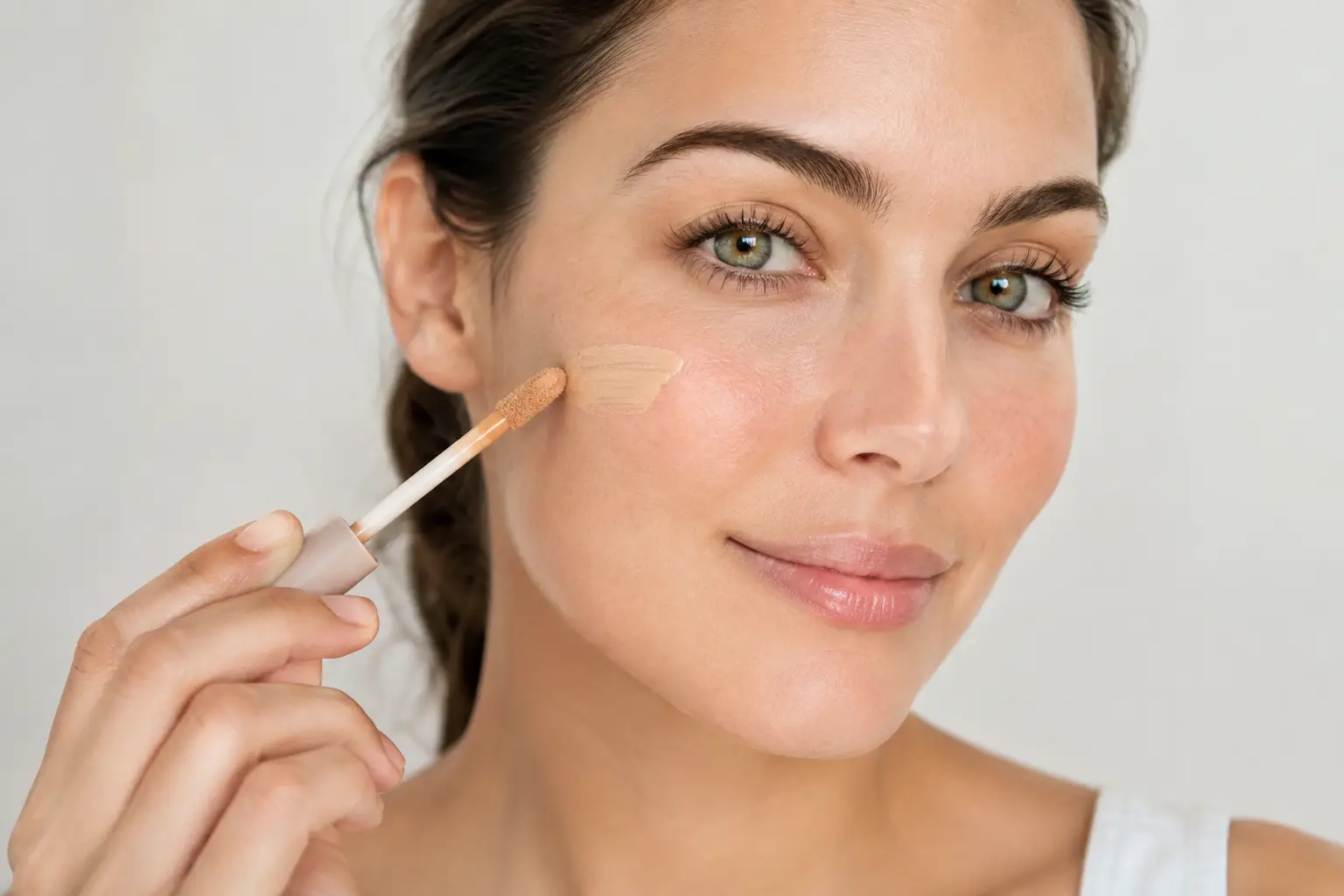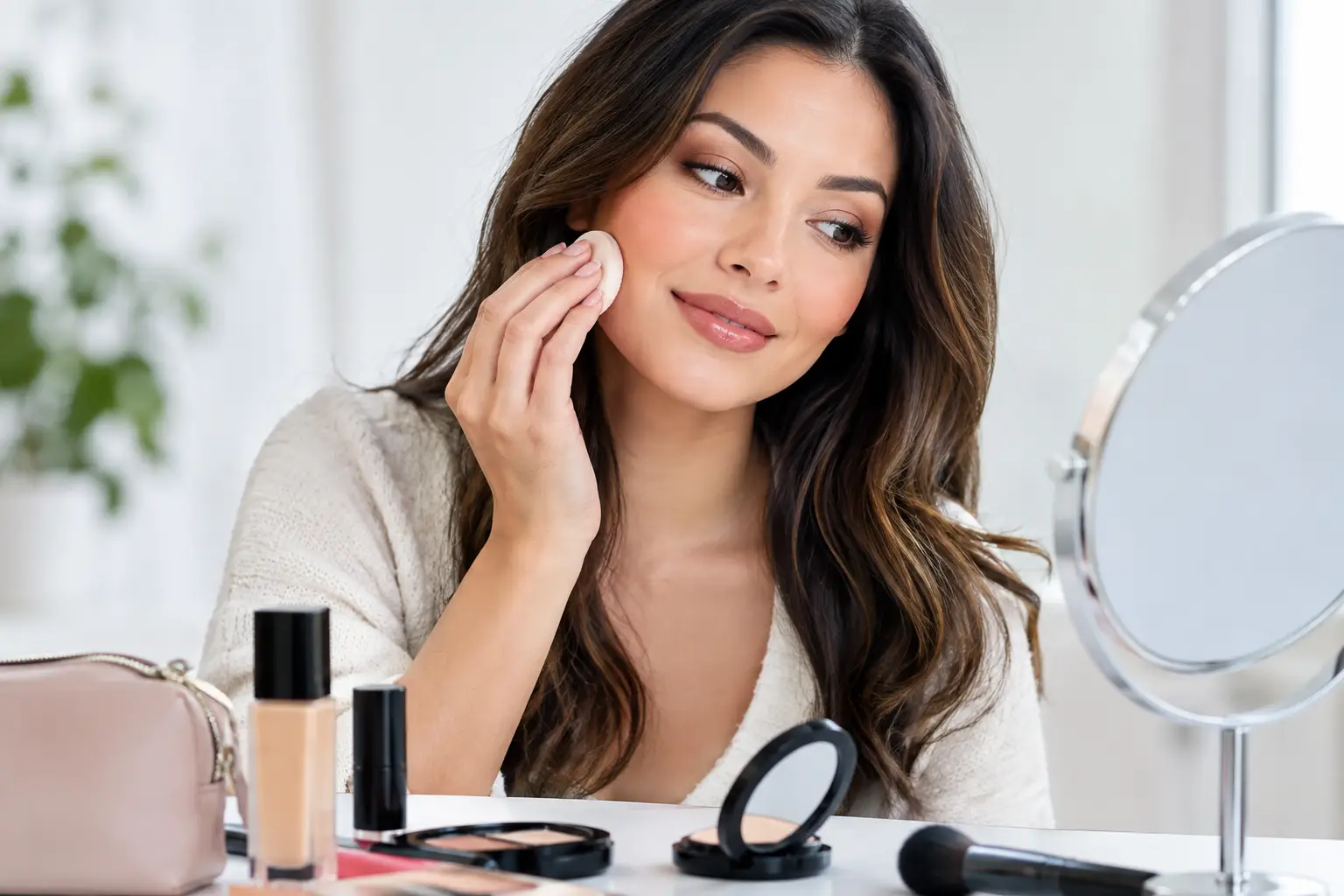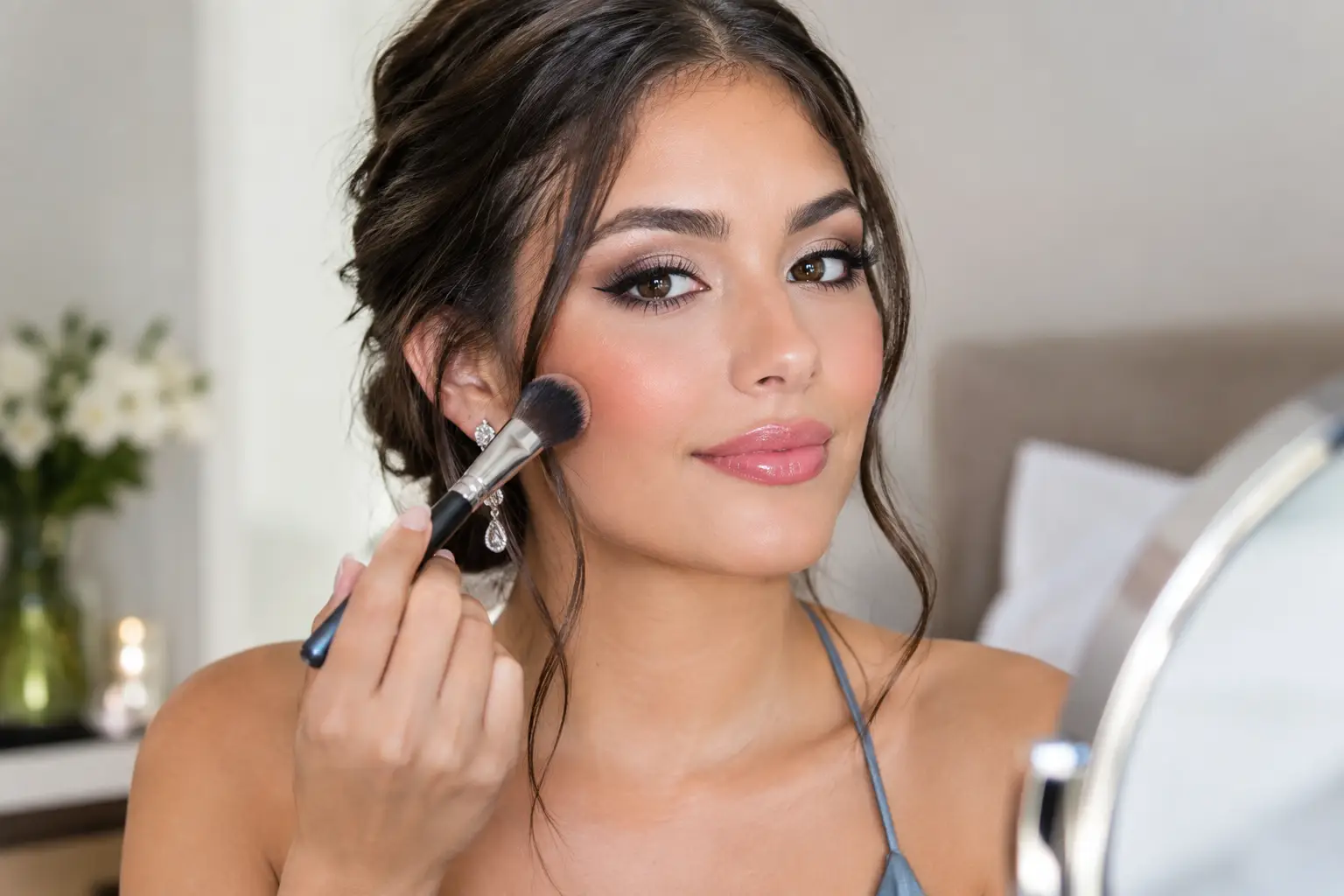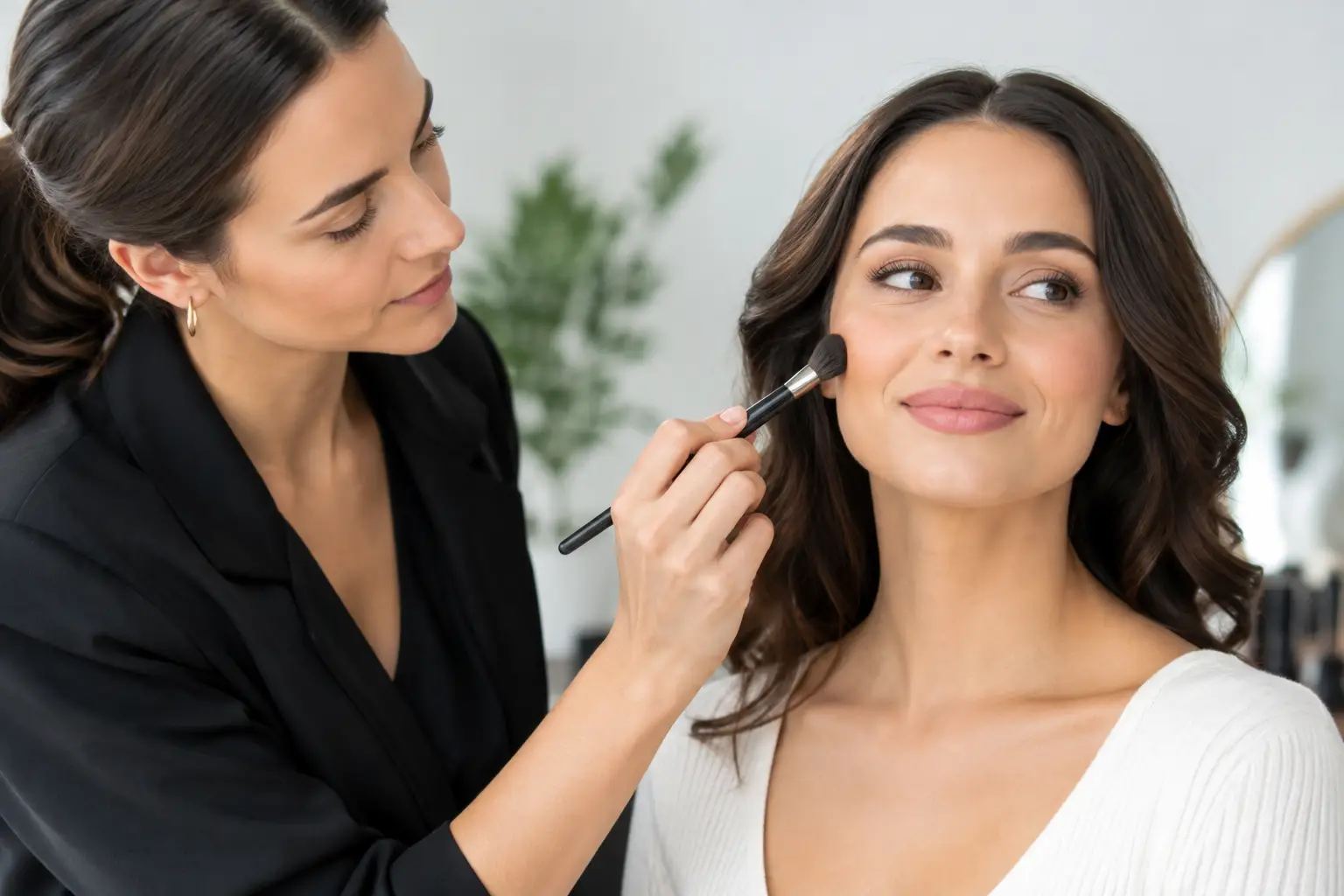
Bridal Makeup vs Event Makeup: What Changes?
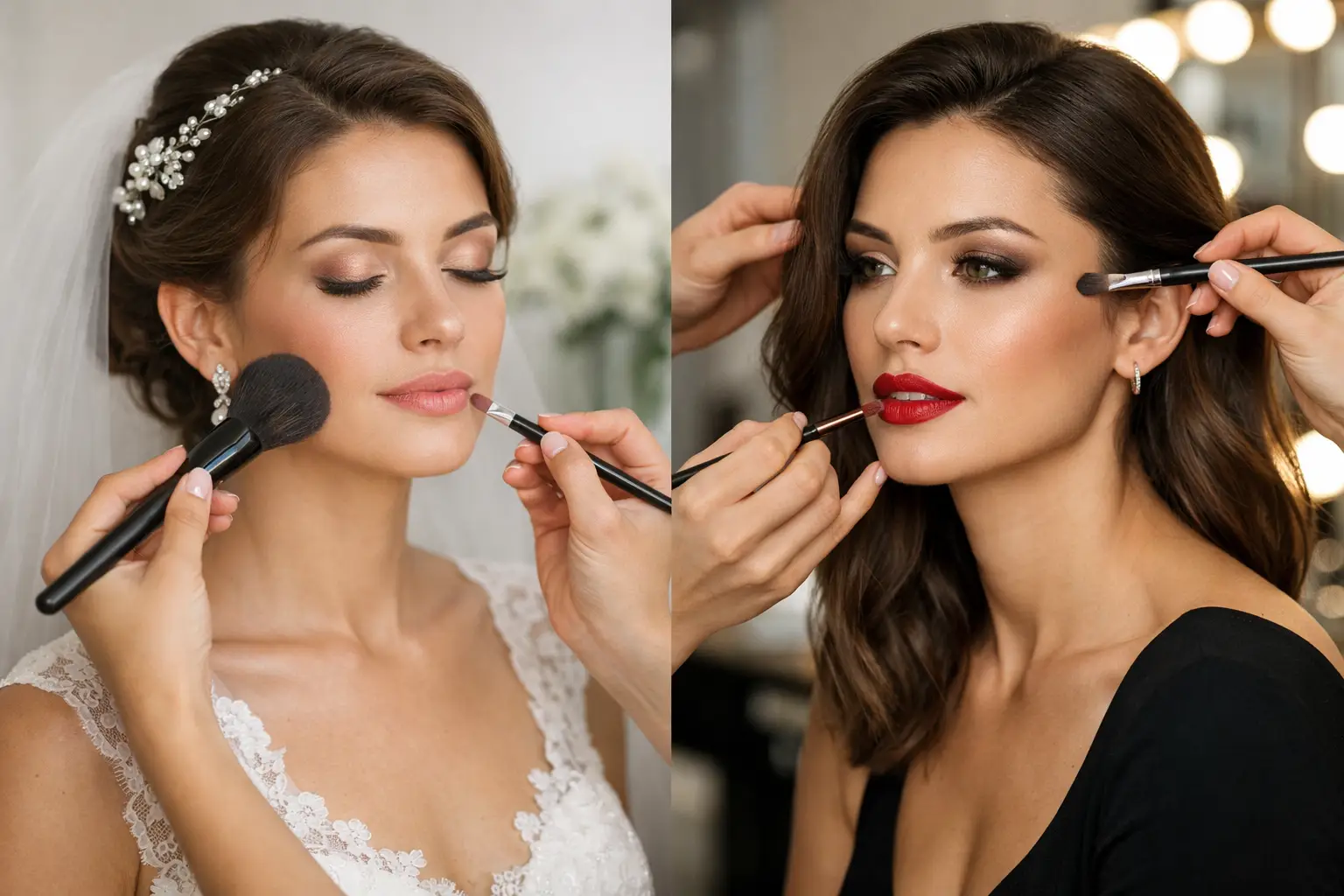
A wedding morning has a different rhythm than getting ready for a gala, headshot session, or birthday dinner. While both services can create polished, luminous soft glam, bridal makeup vs event makeup comes down to more than the final look. The difference is in the preparation, timing, wear expectations, photography needs, and level of personalized planning behind it.
If you want to look like yourself, only more refreshed, refined, and confident, knowing what each service is designed to do helps you book the experience that supports your day.
Bridal Makeup vs Event Makeup: The Core Difference
Event makeup is created for a specific occasion and a defined window of time. It may need to photograph beautifully, last through an evening, or complement a formal outfit, but the appointment is generally focused on one person, one look, and one event.
Bridal makeup is part of a larger wedding-day plan. It considers the ceremony schedule, first-look timing, weather, lighting, tears, hugs, kisses, photography, and the length of the celebration. It also often involves coordination with a bridal party, a trial appointment, and a more detailed conversation about skin, preferences, and the overall wedding aesthetic.
Neither service automatically means heavier makeup. A bride can wear a light, skin-focused look, and an event client can choose a more sculpted or glamorous finish. The distinction is not about how much makeup is applied. It is about the performance and planning required.
The Bridal Experience Begins Before the Wedding Day
For many brides, makeup planning starts weeks or months before the ceremony. A bridal trial gives you and your artist time to shape a look that feels true to you, rather than making every decision during an already full wedding morning.
A thoughtful trial is especially helpful if you do not wear much makeup day to day, have sensitive or acne-prone skin, are deciding between a natural glow and more defined soft glam, or have concerns about whether a look will translate in photos. It creates space to discuss what you love, what you do not, and how you want to feel when you see yourself in the mirror.
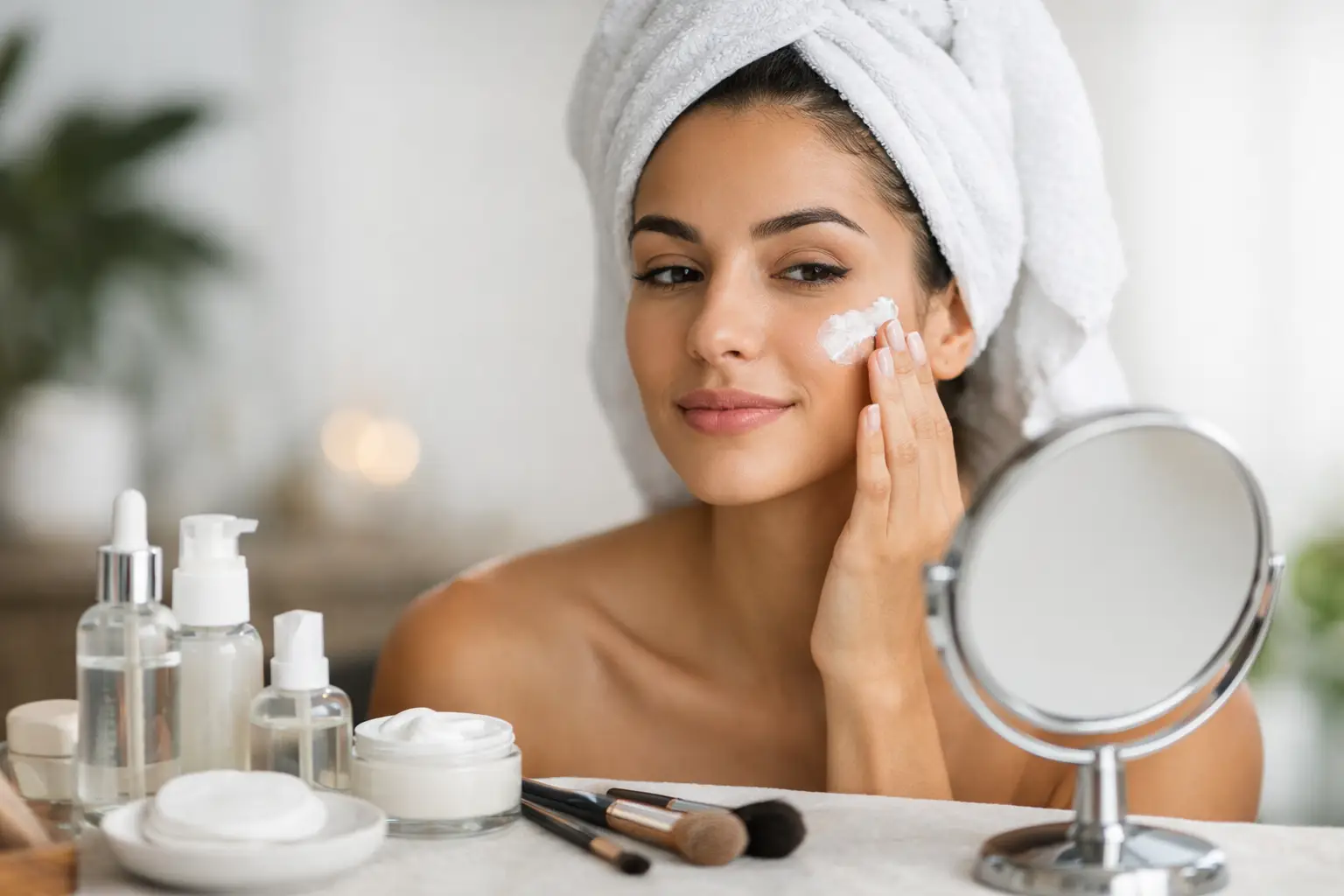
Skin preparation is also more intentional for bridal makeup. Your artist will assess hydration, texture, sensitivity, and how products are wearing, then select prep and complexion products accordingly. The goal is not to mask your skin. It is to create a balanced, comfortable base that holds up while still looking like skin in person.
A trial cannot guarantee that every product will behave identically on the wedding day, particularly if your skin changes with stress, travel, weather, or a new skincare routine. But it significantly reduces guesswork and gives your artist a clear plan.
Wedding-day timing is part of the service
Bridal makeup requires a realistic schedule. The bride is typically completed before photos, getting-dressed moments, or a first look, and the rest of the makeup timeline must work backward from there. If several people are receiving makeup, appointment timing, artist support, travel, and location logistics all need to be considered in advance.
This is one reason bridal services are generally more involved than a standard special-event appointment. The experience is designed to feel calm and organized, not rushed. A well-built timeline leaves room for final details, unexpected delays, and a few quiet minutes for the bride to take in the morning.
Event Makeup Is Designed for a Beautiful, Focused Occasion
Event makeup is ideal when you want an elevated look for a gala, engagement party, prom, maternity shoot, cultural celebration, speaking engagement, or dinner where you want to feel especially polished. It is also a strong choice for professional portraits and family photos, although makeup for photography may include a few tailored adjustments for camera lighting.
The consultation is usually more concise than a bridal trial, but it should still be personal. Your artist should ask about your skin, comfort level, outfit, event setting, and makeup preferences. A client who rarely wears makeup may want softly defined eyes, natural brows, and a satin complexion. Someone attending an evening celebration may prefer a fuller lash, a little more contour, or a bolder lip.
The best event makeup does not follow one formula. A daytime outdoor event in Northern Virginia calls for different choices than an indoor evening event in Washington, DC. Humidity, flash photography, commuting, and how long you expect to wear the look all affect product selection and finishing techniques.
More glam is optional, not required
There is a common assumption that special-event makeup must be dramatic and bridal makeup must be romantic. In practice, both can be natural, classic, softly glamorous, or more statement-making.
What matters is proportion. If you choose a bold lip, you may want a softer eye. If you love a smoky eye, a neutral lip can keep the look balanced. If your outfit, jewelry, or hairstyle already makes a statement, fresh skin and subtle definition may be exactly what completes the look.
A professional artist can guide these choices without pushing you toward a version of yourself that feels unfamiliar. You should still recognize the person in your photos.
Long Wear Means Different Things for Each Service
Both bridal and event makeup should be applied with longevity in mind, but a wedding often has the highest wear demands. Bridal makeup may need to remain fresh from early-morning preparation through the ceremony, portraits, reception, and dancing. It has to work across daylight, indoor lighting, and professional camera settings while remaining comfortable enough to wear for hours.
That often means strategic layering rather than simply adding more product. Proper skincare prep, thin layers of complexion product, cream and powder products placed intentionally, and careful setting can create durability without a flat or heavy finish.
Event makeup may need the same level of long wear if you are attending an all-day celebration or being photographed extensively. For a shorter dinner or cocktail event, the focus may be less intensive. This is why it helps to share your exact schedule when booking. A makeup artist can only plan for the wear your day actually requires.
Touch-ups are another consideration. Most clients benefit from carrying their chosen lip color, blotting papers, and a small powder compact if they are prone to shine. A bride may also choose touch-up support for portraits, the ceremony, or before the reception, especially in warm weather or during a full day of photography.
Camera-Ready Does Not Mean Unrecognizable
Makeup photographs differently than it appears in a bathroom mirror. Professional cameras, flash, outdoor sun, and venue lighting can reduce dimension or emphasize shine. That is why camera-ready makeup often includes thoughtful complexion balancing, gentle definition around the eyes, and enough color in the cheeks and lips to keep the face from looking washed out.
Still, camera-ready should never be confused with overly matte, overly contoured, or excessively filtered-looking makeup. Skin-focused artistry accounts for real texture. Freckles, natural skin tone variation, and expressive features do not need to disappear to create a polished result.
For bridal clients, photography is usually a central part of the makeup plan. For event clients, it depends. If your event includes a red carpet, professional photographer, or a major photo moment, mention it before your appointment. If it is a low-light dinner with a few phone photos, the approach can be different.
How to Choose the Right Appointment
Choose bridal makeup when the occasion is your wedding, you need a coordinated timeline for multiple people, or you want the added reassurance of a trial and wedding-day-focused planning. It is the right fit when your makeup needs to perform across many hours, changing environments, and meaningful photographs.
Choose event makeup when you are preparing for a single special occasion and want a personalized, professionally applied look without the broader wedding logistics. You can still request a soft, long-wearing, photo-friendly finish. Simply be clear about your event, preferred style, skin concerns, and how long you need the makeup to last.
If you are unsure, share the details rather than trying to select based on the level of glam alone. At Taylor Bailey Makeup Artist, the conversation starts with your plans, your skin, and the version of you that you want to see reflected back.
The right makeup service should leave you feeling prepared, not pressured. Whether you are walking down the aisle or walking into a room that matters, choose the experience that gives your skin thoughtful care, your schedule enough breathing room, and your confidence a place to settle in.