Should Bridesmaids Get Professional Makeup?
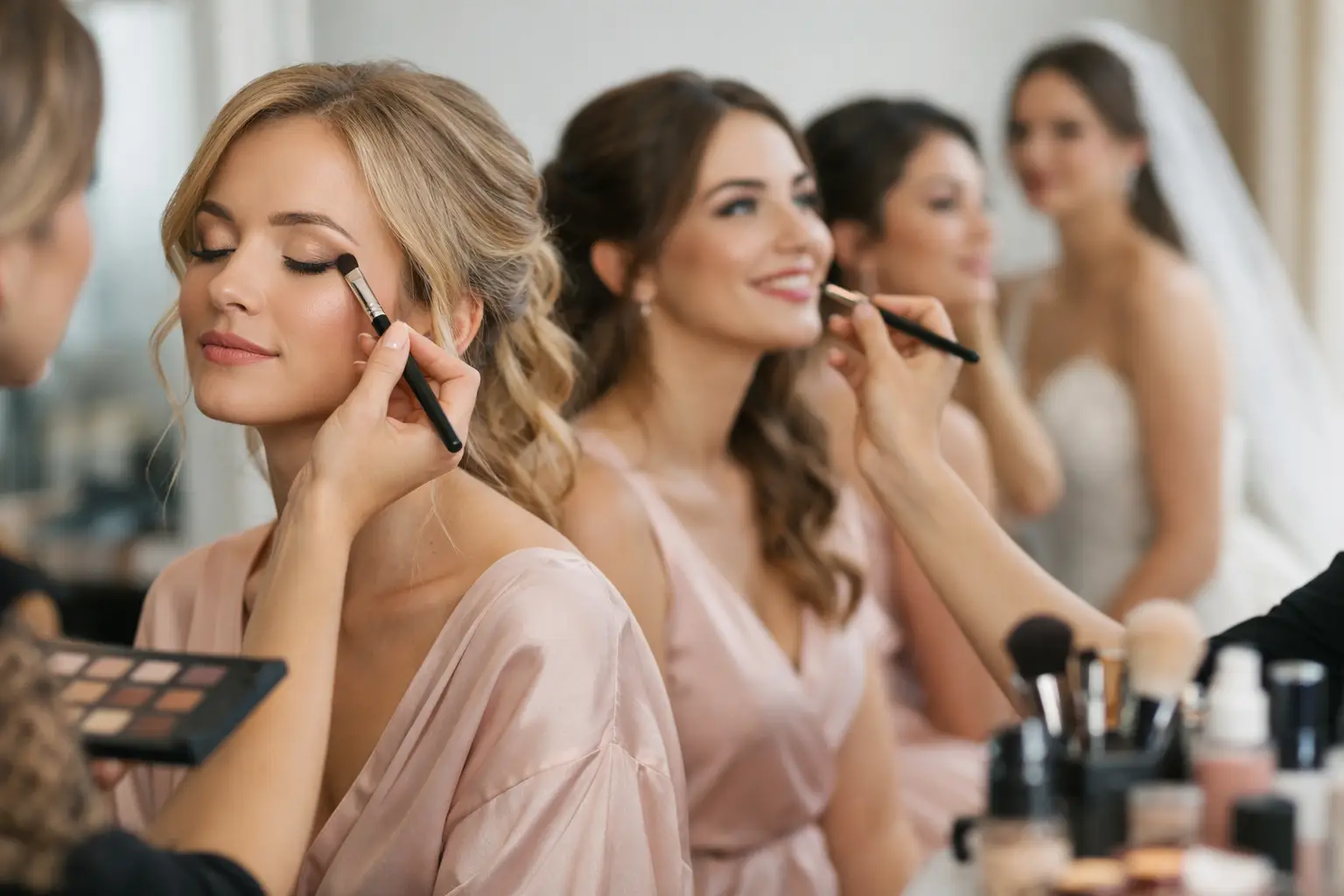
A wedding morning moves quickly: hair tools are warming up, dresses are steaming, someone is tracking down earrings, and photos may begin before the ceremony. So, should bridesmaids get professional makeup? Often, yes – especially when the couple wants a calm, cohesive getting-ready experience and makeup that holds up through tears, hugs, heat, and photography. But it should feel like a thoughtful option, not a demand that makes anyone feel unlike herself.
The best decision comes down to the wedding’s priorities, the size of the bridal party, the timeline, and each person’s comfort level. Professional makeup is not about making every bridesmaid look identical. It is about helping each person feel polished, comfortable, and like herself at an important celebration.
Why professional bridesmaid makeup can be worth it
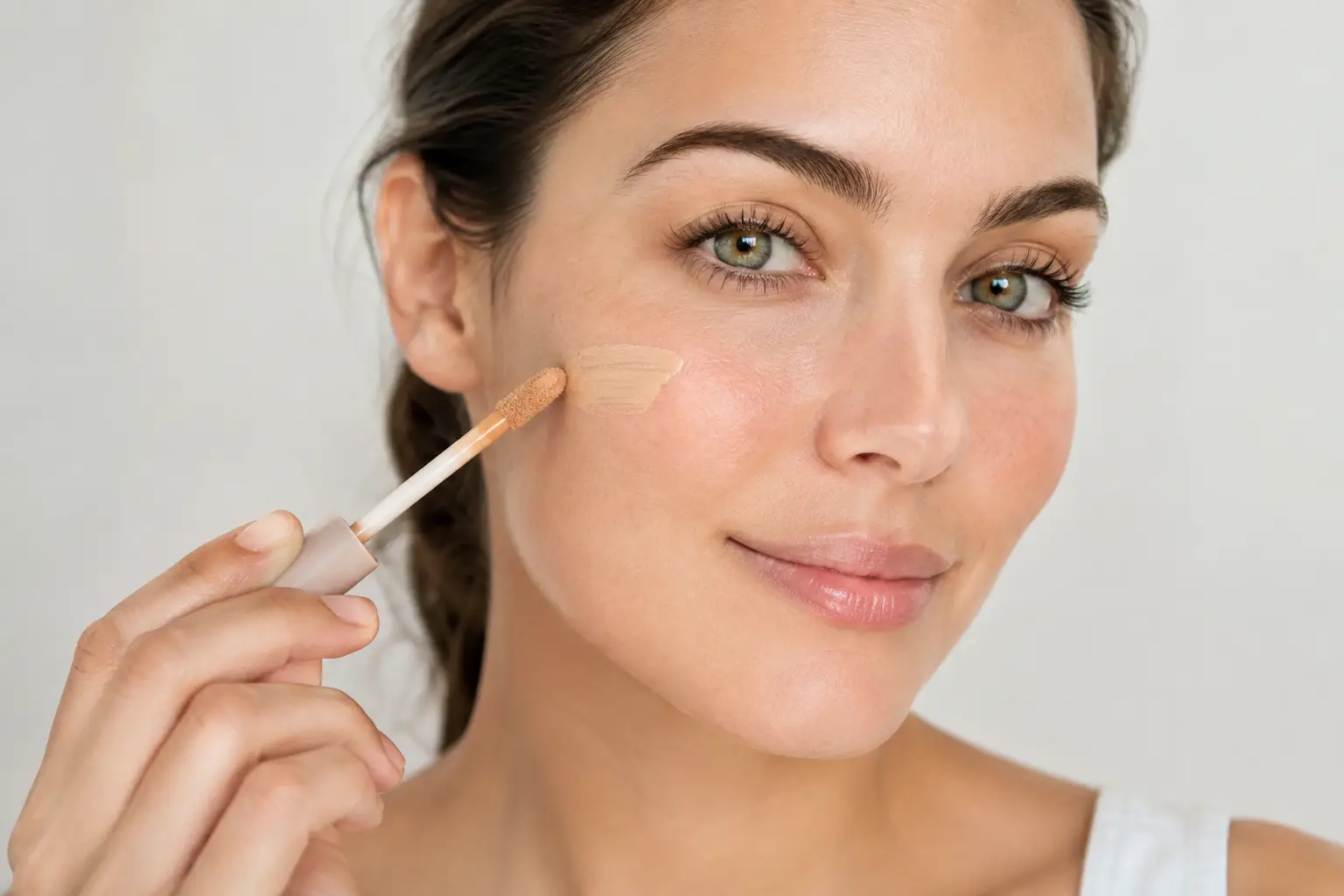
Wedding makeup has a different job than everyday makeup. It needs to look fresh in person, photograph beautifully in changing light, and stay balanced from the first look through the final dance. A professional artist considers skin preparation, product compatibility, flash photography, humidity, and the overall finish of the bridal party rather than simply applying more makeup.
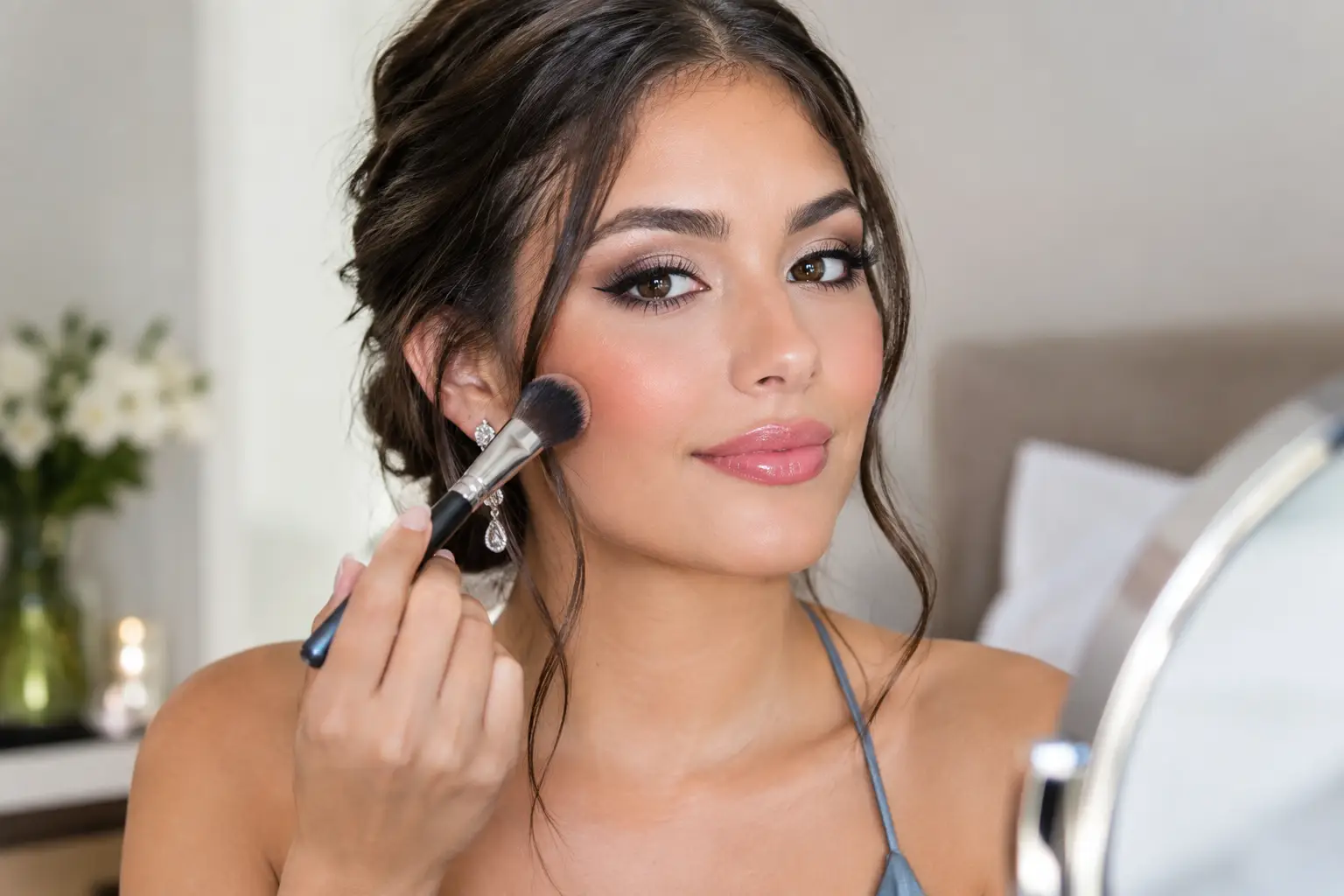
For bridesmaids, that can mean a soft, skin-focused look with even complexion coverage, thoughtfully placed blush and bronzer, defined eyes, and lips that suit both the wedding palette and the wearer. The goal is not a heavy transformation. It is a finish that reads as polished in photos while still feeling natural at conversation distance.
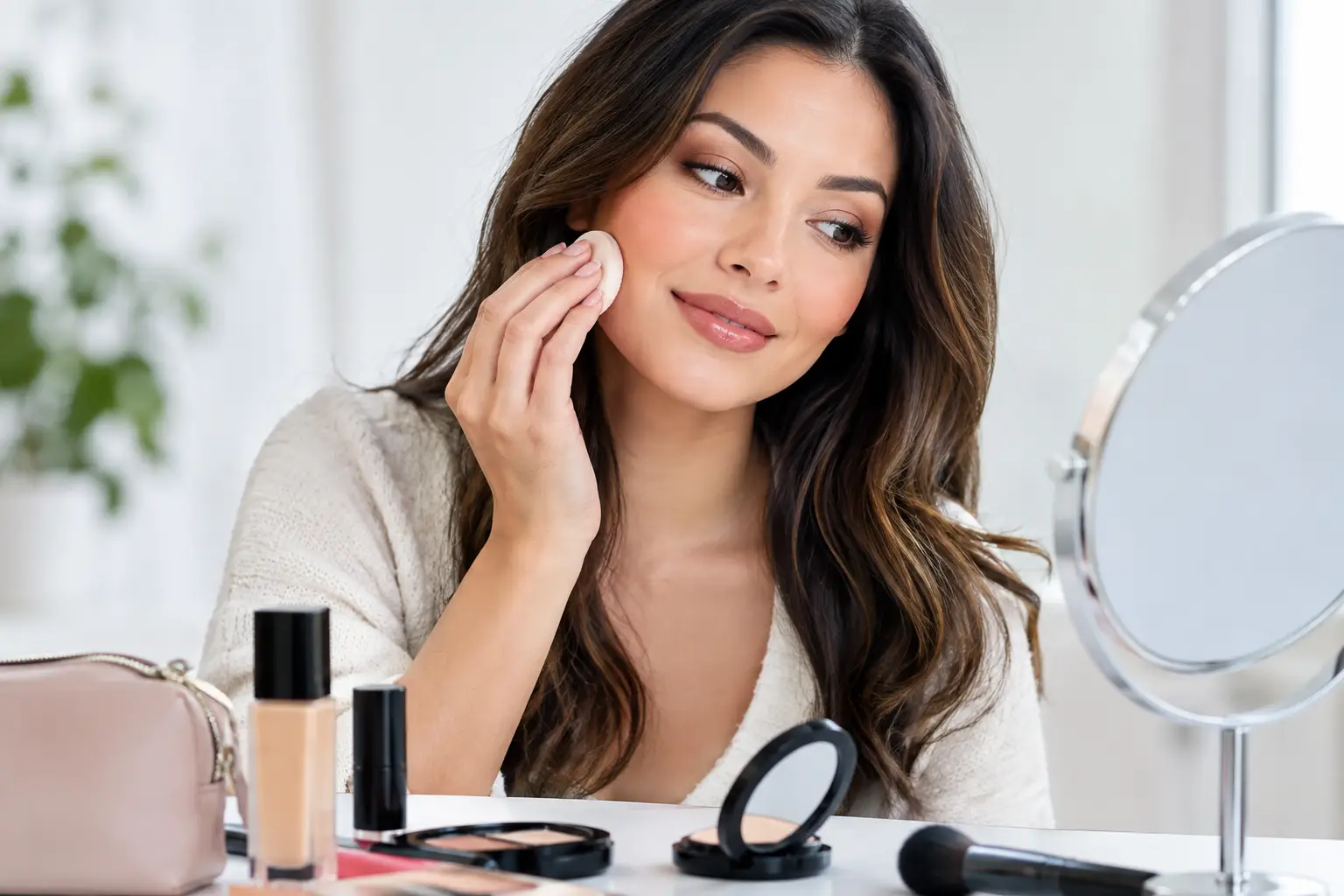
There is also a practical benefit: fewer people are trying to share a bathroom mirror, hunt for a missing lash curler, or troubleshoot makeup that is separating by noon. When a professional team handles makeup, the morning tends to have more structure and less last-minute pressure.
When should bridesmaids get professional makeup?
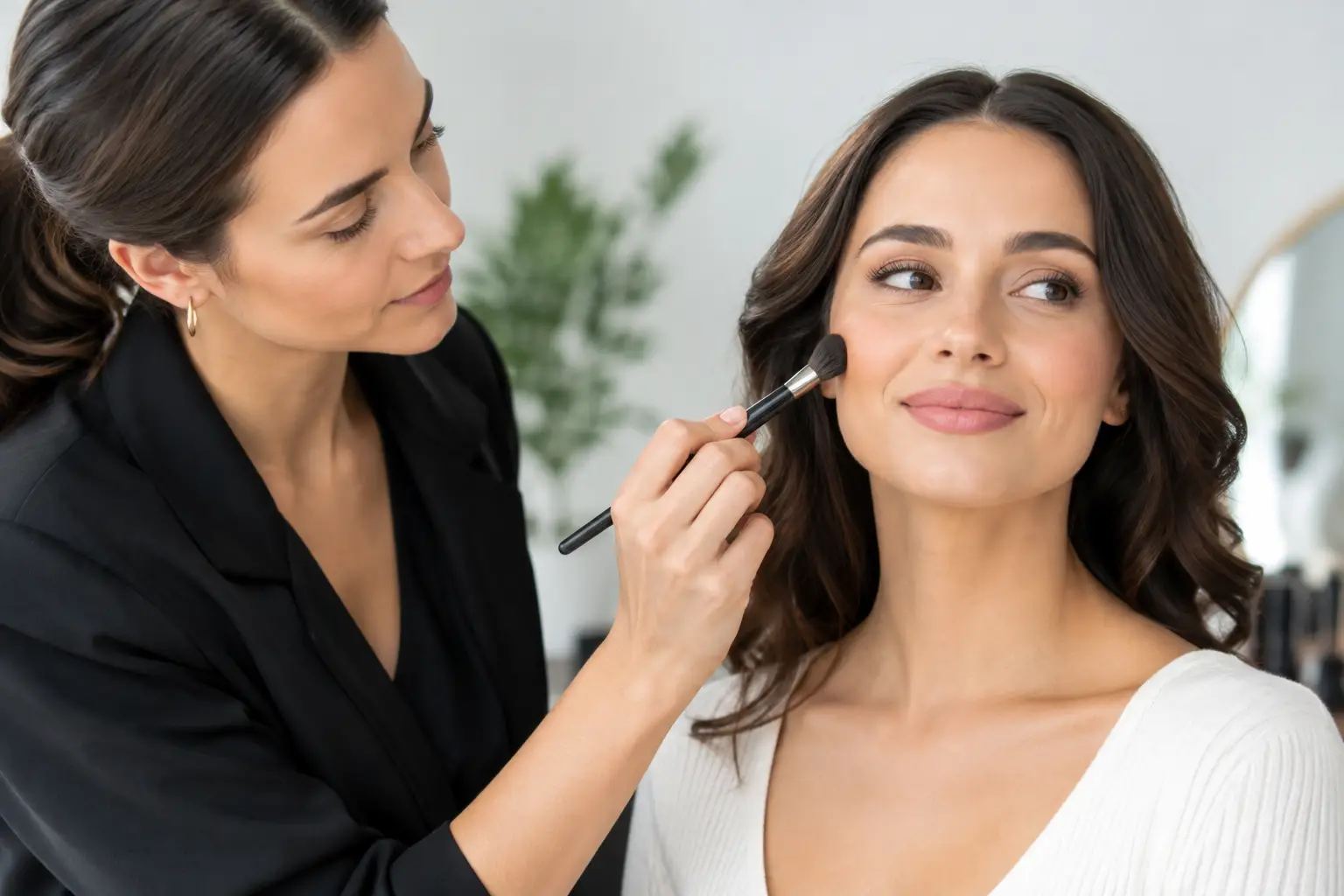
Professional services are especially helpful for formal weddings, outdoor celebrations, large venues, and events with extensive photography or video. They are also a strong choice when bridesmaids have different levels of makeup experience. One person may do a beautiful everyday face, while another may rarely wear makeup and feel unsure about where to begin. An artist can create looks that feel consistent in finish without asking everyone to use the same techniques or products.
Consider professional makeup if the wedding includes early photos, a first look, a long gap between the ceremony and reception, or a summer date in Northern Virginia or Washington, DC. Warm weather, humidity, and long wear require more than a quick application of familiar products. Skin prep, complexion layering, and strategic setting make a visible difference by the end of the day.
It can also be worthwhile when the bride wants a particular overall mood: luminous and understated, softly sculpted, romantic, modern, or elevated but barely-there. A professional can interpret that vision across different skin tones, skin types, eye shapes, and comfort levels. Cohesive does not mean copied. It means each bridesmaid belongs naturally in the visual story of the day.
When DIY makeup may make more sense
Professional makeup is not mandatory for every bridal party. A small, relaxed wedding may not need it, particularly if the group is confident doing its own makeup and the bride is comfortable with a more varied finish in photos. Some bridesmaids also have a signature routine that makes them feel most like themselves, and that preference deserves respect.
Budget matters, too. If the couple is not covering services, asking bridesmaids to pay for professional makeup can add a meaningful expense alongside attire, travel, and other wedding commitments. Clear communication is kinder than an assumption. If makeup is optional, say so. If it is required, share that early, along with the expected cost, so everyone can plan accordingly.
A middle ground often works beautifully. The bride may reserve professional makeup for herself, her mother or mother figure, and anyone who wants the service, while other bridesmaids get ready on their own. Another option is to bring in an artist for the full bridal party but allow a very natural makeup direction for guests who do not usually wear much makeup.
How to keep professional makeup personal
The concern many bridesmaids express is simple: “I do not want to look overdone.” That is a reasonable concern, and it is one a skilled makeup artist should welcome. Professional makeup should begin with questions about comfort, skin needs, and what the client wants to see – or avoid – in the mirror.
A bridesmaid with acne-prone or sensitive skin may need a carefully selected complexion routine and clean, hygienic application practices. Someone who never wears false lashes may prefer softly defined mascara and individual enhancements rather than a dramatic strip lash. A person who loves a bold lip may want that feature included, while another may feel best in a sheer neutral shade.
Photos can bring out the best in makeup when it is balanced correctly. That does not require a thick foundation layer or dramatic contour on every face. Thoughtful skin prep, natural-looking coverage, and products chosen for the person’s skin type create a more refined result than following a single makeup formula for the entire group.
Plan the beauty timeline before the wedding morning
The biggest factor in a relaxed bridal party experience is timing. Makeup appointments should be built around the photographer’s arrival, the time everyone needs to be dressed, and any travel to the ceremony or first-look location. Do not schedule the final makeup application at the exact moment dresses need to be zipped.
Ask the makeup artist how many services can be completed comfortably within the available window and whether an additional artist is needed. A larger bridal party usually benefits from a team, particularly when there is an early ceremony or multiple family members receiving services. Rushing makeup is rarely the best way to save time.
It also helps to decide in advance who is receiving makeup. Last-minute additions can disrupt a carefully planned schedule, while no-shows leave unused appointment time that may still be reserved. Confirm the final service count, location, parking or access details, and start time according to the artist’s booking process. If travel or touch-up support is desired, discuss that well ahead of the wedding date.
On the morning itself, bridesmaids should arrive with clean, moisturized skin unless the artist gives different preparation instructions. They should wear a button-down, zip-front, or wide-neck top to avoid disturbing makeup when changing into dresses. Having inspiration photos can be helpful, but the most useful images show the level of makeup they feel comfortable wearing, not only a filter-heavy result from social media.
Set expectations with kindness
How the bride presents professional makeup matters as much as whether she offers it. Frame it as part of an enjoyable, supported morning rather than a correction to anyone’s appearance. A simple message can make the difference: professional makeup is available because the bride wants everyone to feel pampered and photo-ready, with looks tailored to each person.
If bridesmaids are paying for their own makeup, provide pricing and the opt-in deadline early. If the bride is hosting the service, clarify what is included and whether gratuity, touch-up products, or extra services are separate. Direct communication prevents awkwardness and allows the bridal party to make decisions with confidence.
For brides who want a more coordinated look, a bridal trial can be useful. It gives the bride and artist time to refine the overall makeup direction, discuss how bridesmaid looks will relate to the bridal look, and identify any details that should stay soft or understated. The bridal party does not need to match the bride, but the makeup should complement her without competing for attention.
The choice should support the celebration
Professional bridesmaid makeup is most valuable when it creates ease: ease in the timeline, ease in the photos, and ease in how each person feels walking into the room. The right artist will not erase individual features or impose one look on every face. She will create a polished, long-wearing result that honors the wedding vision and the person wearing it.
Whether you book makeup for the full bridal party, offer it as an optional service, or encourage everyone to do what feels best, choose the approach that leaves room for confidence. The wedding day is not the time for anyone to feel pressured to become someone else. It is a chance to feel cared for, celebrated, and beautifully yourself.