Makeup for Professional Portraits That Lasts
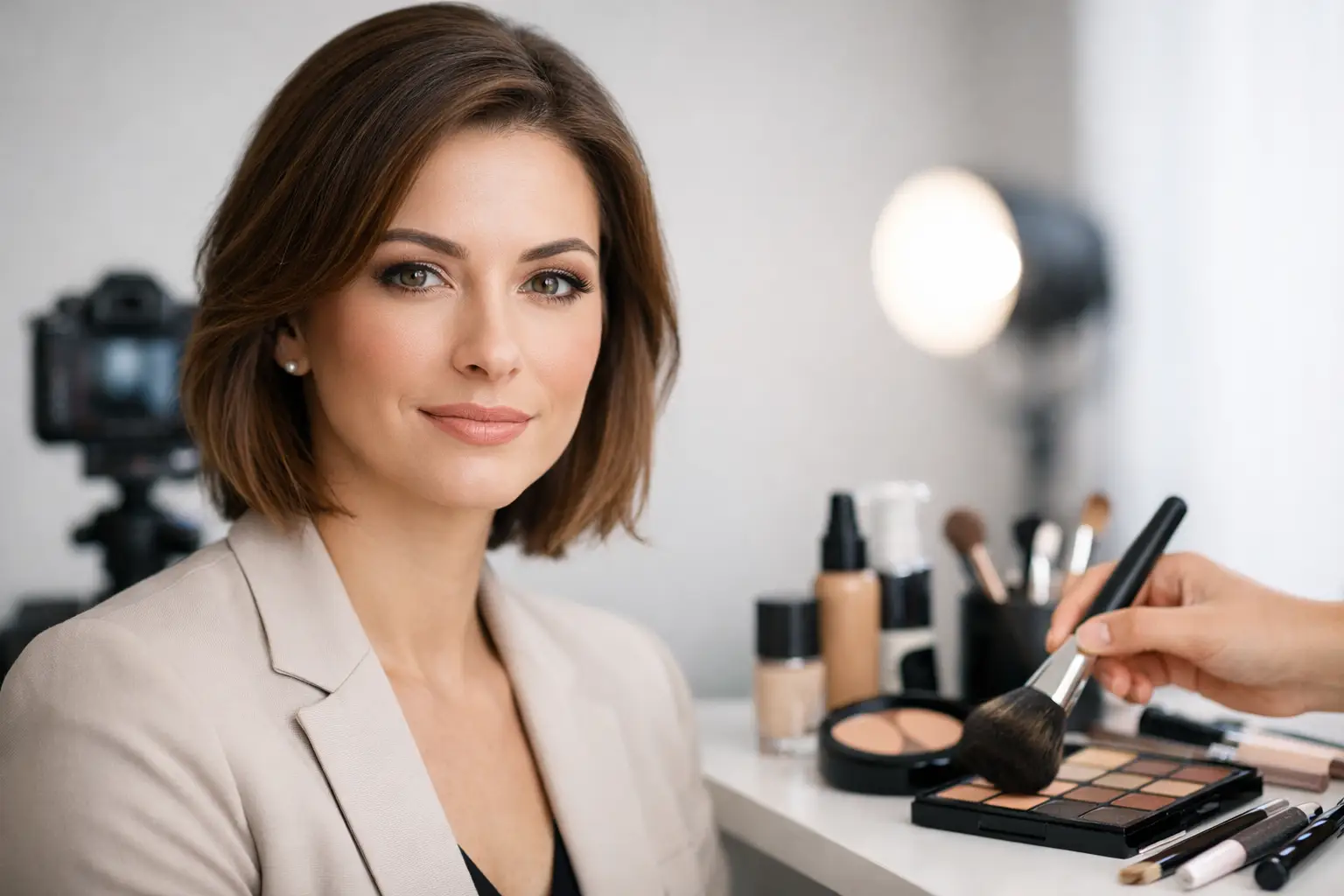
A professional portrait can be on your website, LinkedIn profile, speaker bio, press feature, or office wall for years. That is exactly why makeup for professional portraits deserves a little more thought than your usual morning routine. The goal is not heavier makeup. The goal is makeup that reads clean, polished, and natural on camera while still feeling like you.
For most clients, that balance is the hardest part. They do not want to look washed out in studio lighting, but they also do not want a full-glam look that feels too formal for a headshot. The best portrait makeup sits right in the middle. It is intentional, skin-focused, and tailored to how you want to be seen.
What makeup for professional portraits should actually do
Portrait makeup has a specific job. It needs to even out the complexion, bring gentle structure back to the face, and reduce distractions that cameras tend to exaggerate. Redness, under-eye shadows, uneven texture, and excess shine often appear more noticeable in photos than they do in person.
That does not mean every feature needs to be reshaped or every inch of skin fully covered. In fact, the most flattering professional portrait makeup usually looks refined rather than dramatic. Skin should still look like skin. Freckles can remain visible. Your lip color should still feel like your coloring, just slightly more finished. The overall effect should be rested, confident, and expressive.
There is also a practical side to this. Photography lighting can flatten the face, especially in corporate studios or bright indoor settings. A well-placed complexion product, soft cheek color, and subtle definition around the eyes help your features read clearly without looking overdone.
Why everyday makeup often falls short in portraits
Many people assume they can simply do what they always do, perhaps with a little extra concealer. Sometimes that works, especially if you already wear balanced, camera-aware makeup. Often, though, everyday makeup is designed for quick wear in natural light, not for flash, studio lighting, or high-resolution editing.
Tinted moisturizer may disappear on camera. Brows that look fine in the mirror can seem faint in a portrait. A favorite glowy sunscreen might create unwanted shine or flashback. Very sheer blush can vanish, while an overly reflective highlighter can pull attention to texture.
This is where product choice matters. The right formula is not always the most matte and it is not always the fullest coverage. It depends on your skin type, the lighting setup, and how the images will be used. A lawyer updating her firm bio may want a softer, more understated finish than a realtor creating personal brand photos, but both still need makeup that photographs with clarity.
Start with skin, not coverage
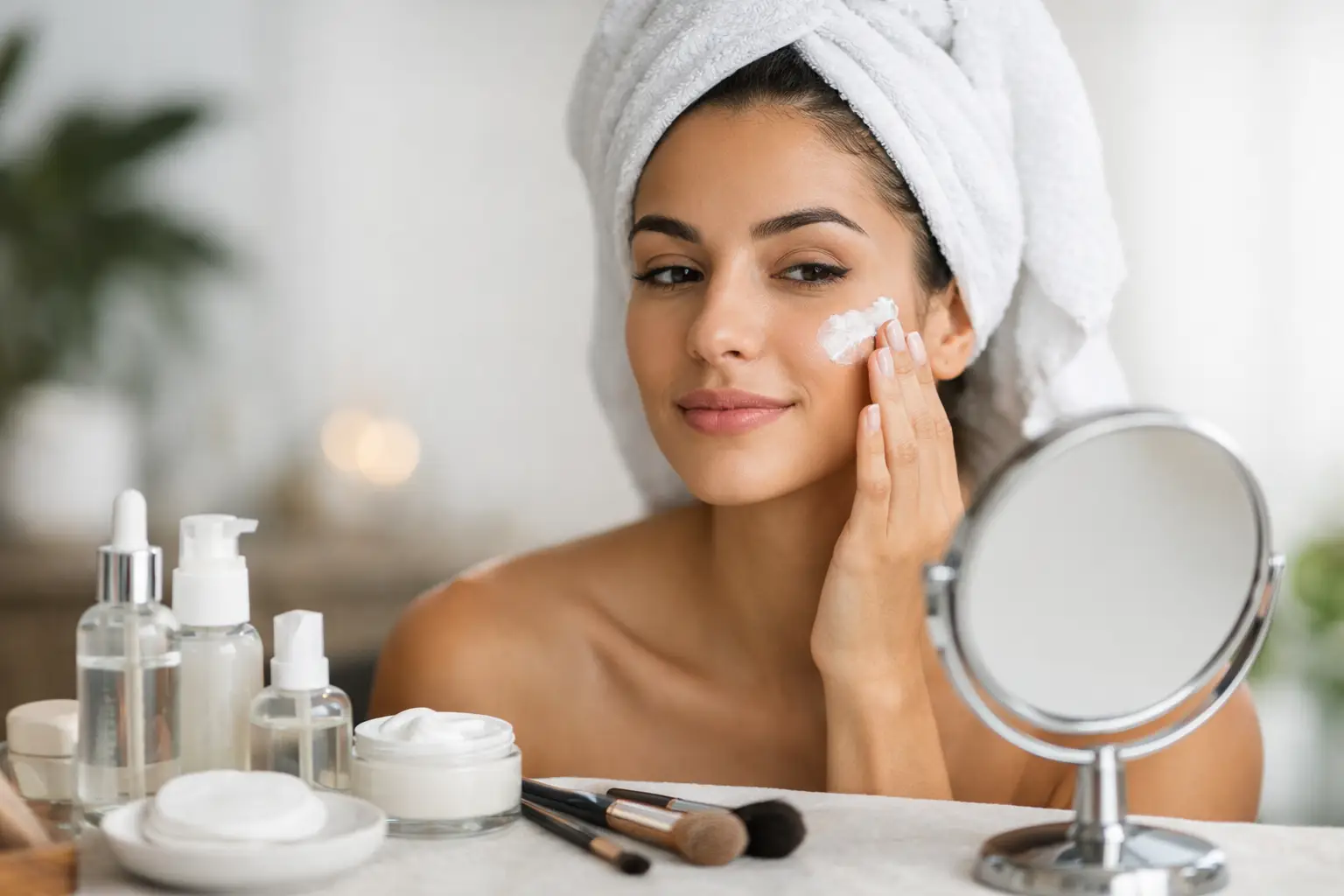
Beautiful portrait makeup begins before foundation touches the skin. If the skin is dehydrated, irritated, or overly textured, makeup tends to sit on top of it rather than blend into it. That can make even premium products look heavy.
Prep should match the skin’s actual condition that day. Dry or mature skin usually benefits from layered hydration and a smoother, more flexible base. Oily or acne-prone skin may need lightweight moisture and strategic priming to help with longevity and shine control. Sensitive skin calls for a calm approach with fewer variables, especially close to photo day.
This is one of the biggest reasons a personalized service matters. Skin is not one-size-fits-all, and portrait makeup should never be applied as if it is. At Taylor Bailey Makeup Artist, the approach is rooted in skin preparation as much as color cosmetics, because the finish is only as good as the canvas underneath it.
The complexion should look polished, not masked
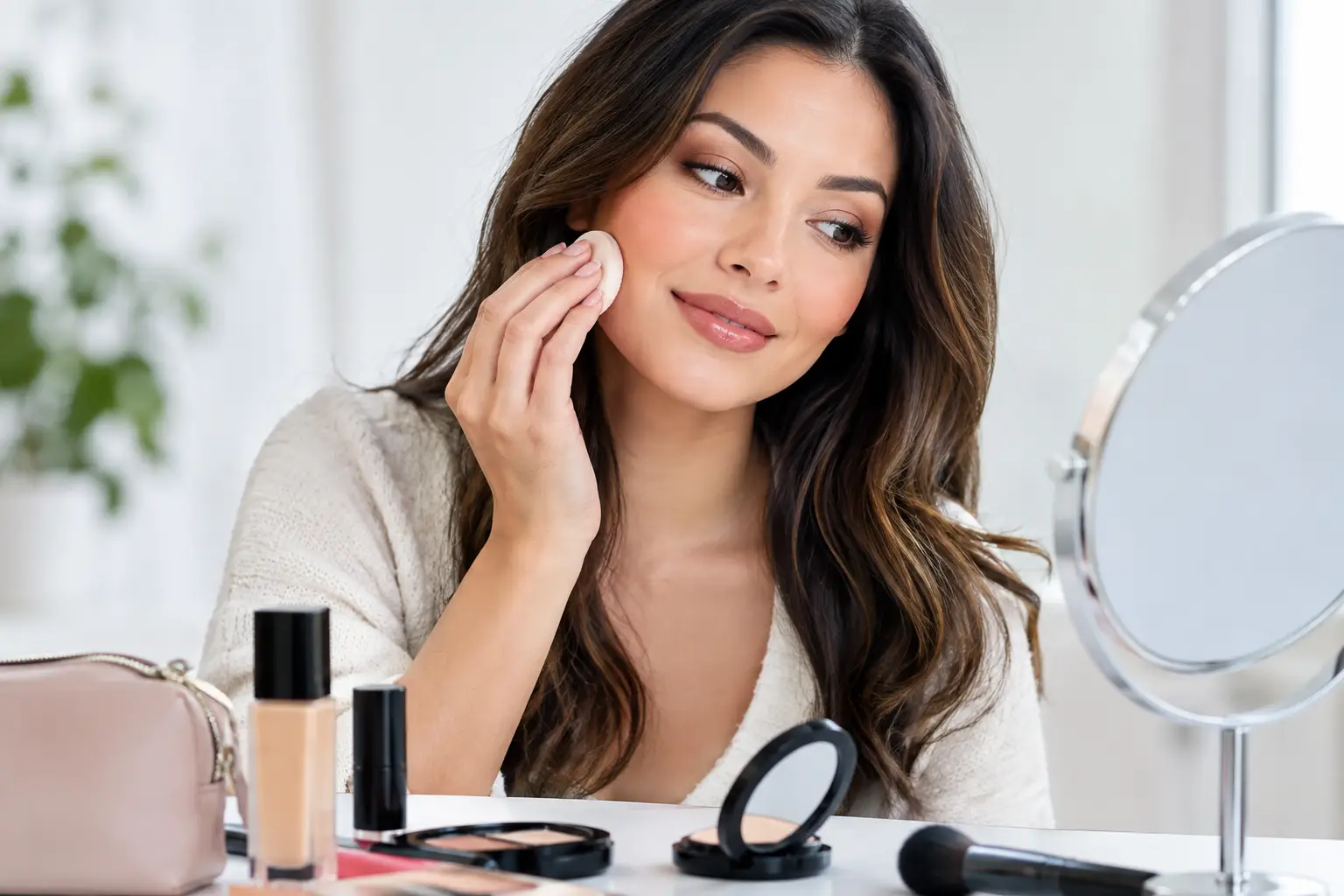
Foundation for portraits should create evenness without erasing dimension. When coverage is too heavy, the face can appear flat and less expressive. When it is too light, discoloration may pull focus in the final image.
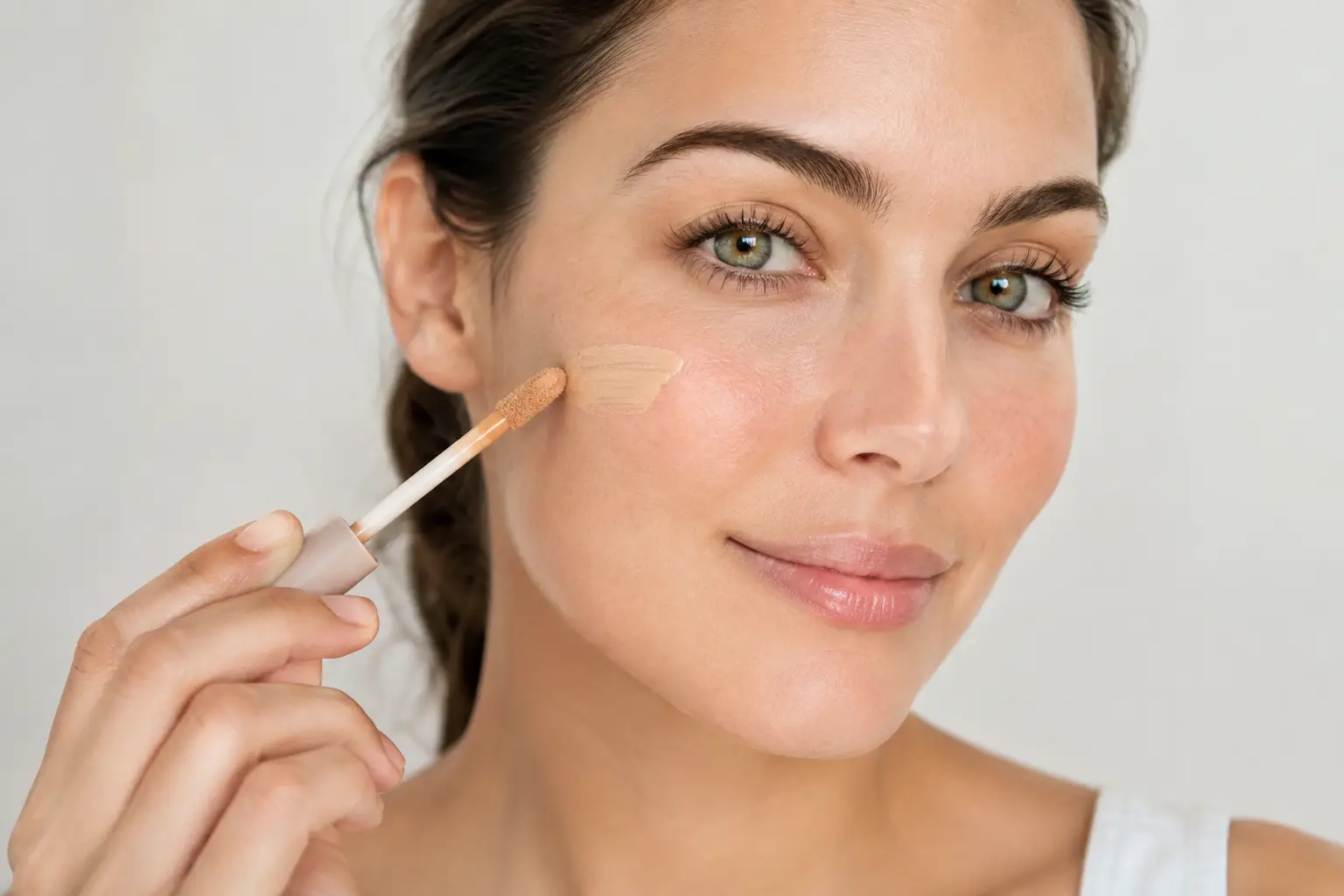
The best result usually comes from targeted correction. That might mean neutralizing redness around the nose, brightening under the eyes, and spot-concealing where needed rather than covering the entire face at maximum coverage. Once the skin tone looks more balanced, a thin layer of foundation can bring everything together.
Finish matters here. A satin or natural-matte finish tends to photograph beautifully because it controls excess shine but still lets the skin look alive. Very dewy products can read oily in certain lighting. Very flat matte formulas can make the complexion look dry or older than it is. There is rarely one perfect finish for everyone, which is why testing and thoughtful application make such a difference.
Soft definition is what makes portraits come alive
A camera can soften natural contours, so subtle structure helps the face keep its shape. This does not require dramatic contouring. Most professional portraits benefit more from gentle definition than from obvious sculpting.
Brows should be softly filled and shaped so they frame the eyes without becoming harsh. Eyeshadow is often best when it stays in a neutral family and adds depth at the lash line and crease rather than obvious color. Liner can be diffused and close to the lashes for definition, and mascara or natural-looking lashes can open the eyes without making them look too done.
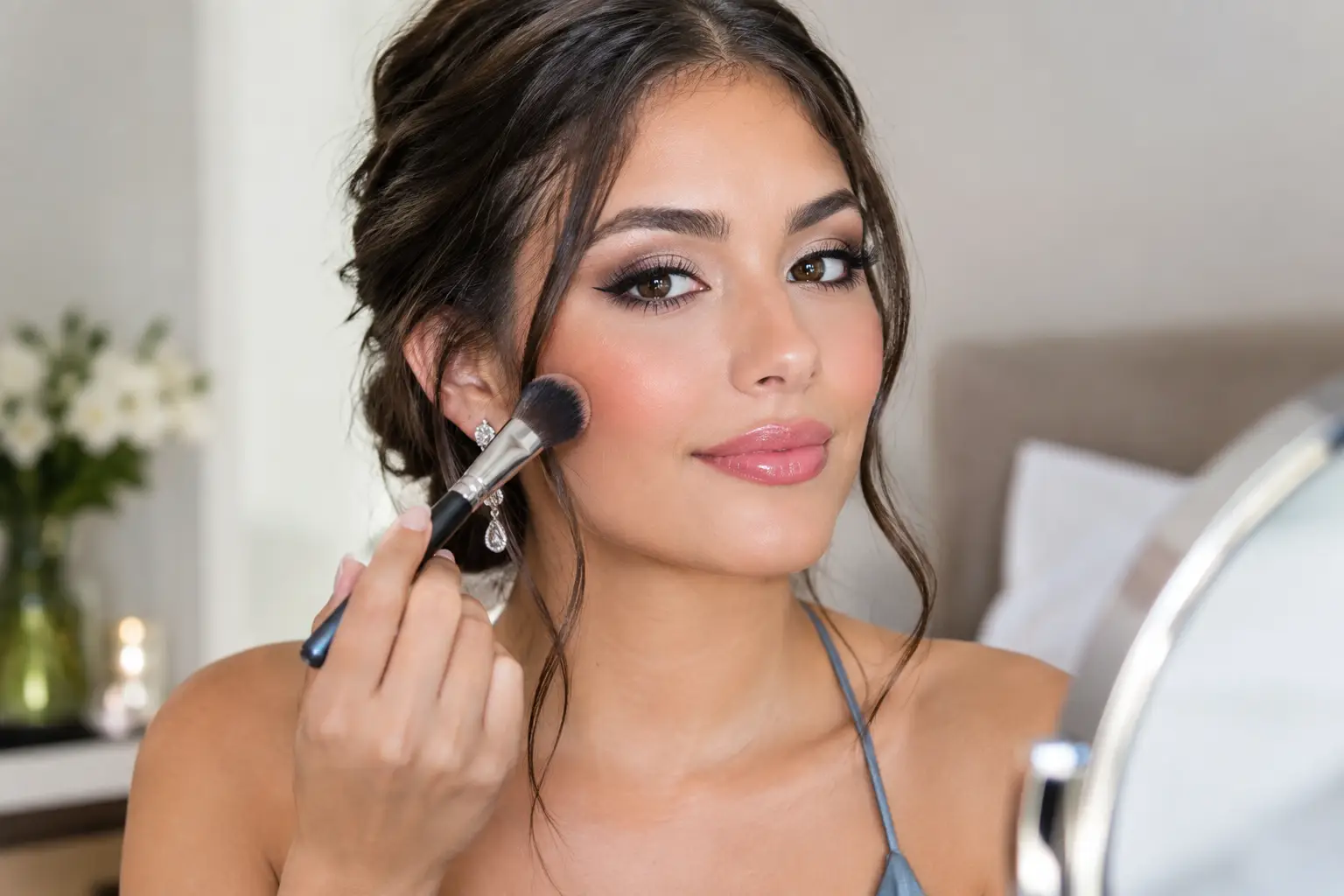
Blush is especially important in portrait work. It brings life back into the face and keeps foundation from looking too uniform. The right blush placement can also make you appear healthier, more rested, and more approachable in photos. Lip color should finish the look without distracting from your expression. Usually that means your natural lip tone, softly enhanced.
Flashback, SPF, and shine control
One of the most common portrait concerns is flashback, when parts of the face appear unusually light in photos. This can happen with certain SPFs, powders, and complexion products, especially in flash photography. It is not a reason to avoid skincare altogether, but it is a reason to choose formulas carefully on photo day.
Shine is another area where balance matters. Some glow looks fresh and healthy. Too much reflection across the forehead, nose, or cheeks can compete with your features and make retouching harder. Usually the answer is not to powder the entire face heavily. Strategic shine control in the center of the face keeps the complexion polished while allowing a more natural finish elsewhere.
What to consider before your appointment
If you are booking makeup for professional portraits, timing and preparation can shape the result more than people expect. Major skincare treatments, strong exfoliants, or trying new products right before your session can leave the skin reactive or uneven. If you are prone to sensitivity or breakouts, consistency is usually better than experimentation.
It also helps to think about wardrobe, background, and purpose. A portrait for a medical practice, a political campaign, and a lifestyle brand may all call for slightly different makeup choices. Not different versions of you, just different levels of softness, definition, and polish.
If you rarely wear makeup, say that clearly. A good artist will not take that as a challenge to do more. She will take it as guidance to create a look that feels comfortable, believable, and elevated enough for the camera.
Professional artistry is really about translation
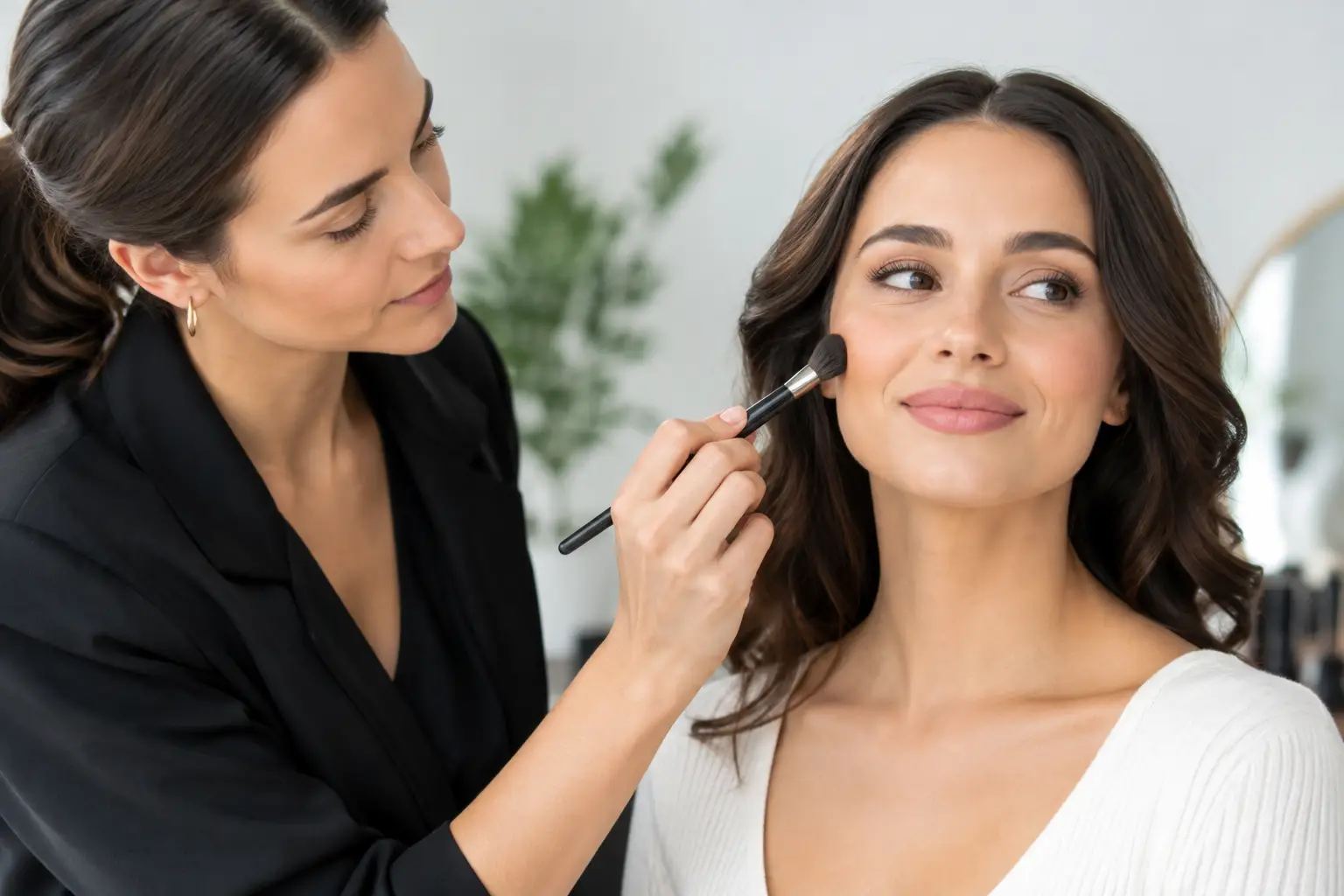
The value of professional portrait makeup is not simply that someone else applies your products. It is that an experienced artist understands how skin, light, color, and texture translate through a camera lens. She can adjust undertones, finishes, and placement so that what appears balanced in person also appears balanced in the image.
That translation is especially helpful if you are juggling a busy schedule, preparing for an important career moment, or simply want the process to feel calm. Mobile, on-location makeup adds another layer of ease. Instead of rushing through your routine and hoping for the best, you can step into your session already polished and photo-ready.
There is also confidence in knowing your look has been built to last. Long-wear products, thoughtful layering, and touch-up awareness help makeup stay fresh through warm weather, long shoot windows, and multiple outfit changes. That kind of preparation tends to show in the final portraits because you are able to focus on your posture, expression, and presence instead of wondering whether your concealer has creased.
The best portraits still look like you
This is the part that matters most. Good portrait makeup should never compete with your identity. It should support it. Whether you want to appear warm and approachable, polished and authoritative, or soft and sophisticated, the makeup should reinforce that impression without feeling theatrical.
That is why the strongest professional portraits rarely come from the heaviest application. They come from thoughtful choices, skin that has been prepared well, and makeup placed with restraint. When everything is working together, people notice your face, your confidence, and your expression first.
If you are preparing for new headshots or brand photos, give yourself permission to treat makeup as part of the planning, not an afterthought. A calm, personalized approach almost always photographs better than rushing to fix things at the last minute.