Headshot Makeup Before and After Tips
A professional headshot can make you look polished, credible, and approachable – or simply tired, shiny, and slightly unlike yourself. That is why headshot makeup before and after results matter so much. The difference is rarely about looking heavily made up. It is about how skin texture, tone, definition, and balance translate once a camera, lighting setup, and high-resolution editing are involved.
For many women, especially those who do not wear much makeup day to day, headshots can bring up a specific concern: I want to look like myself, just better. That is the right goal. The best headshot makeup does not cover your features or compete with your expression. It supports your skin, defines the face with intention, and holds up under studio light, office light, or natural outdoor light without reading flat, greasy, or overdone.
Why headshot makeup before and after looks so different
In person, a bare face can look fresh and beautiful. On camera, that same face may lose dimension. Redness can appear stronger, under-eye shadows can deepen, and areas of natural shine often become more noticeable than they do in the mirror. Features that create balance in real life, like lashes, brows, and lip color, may photograph lighter or less defined.
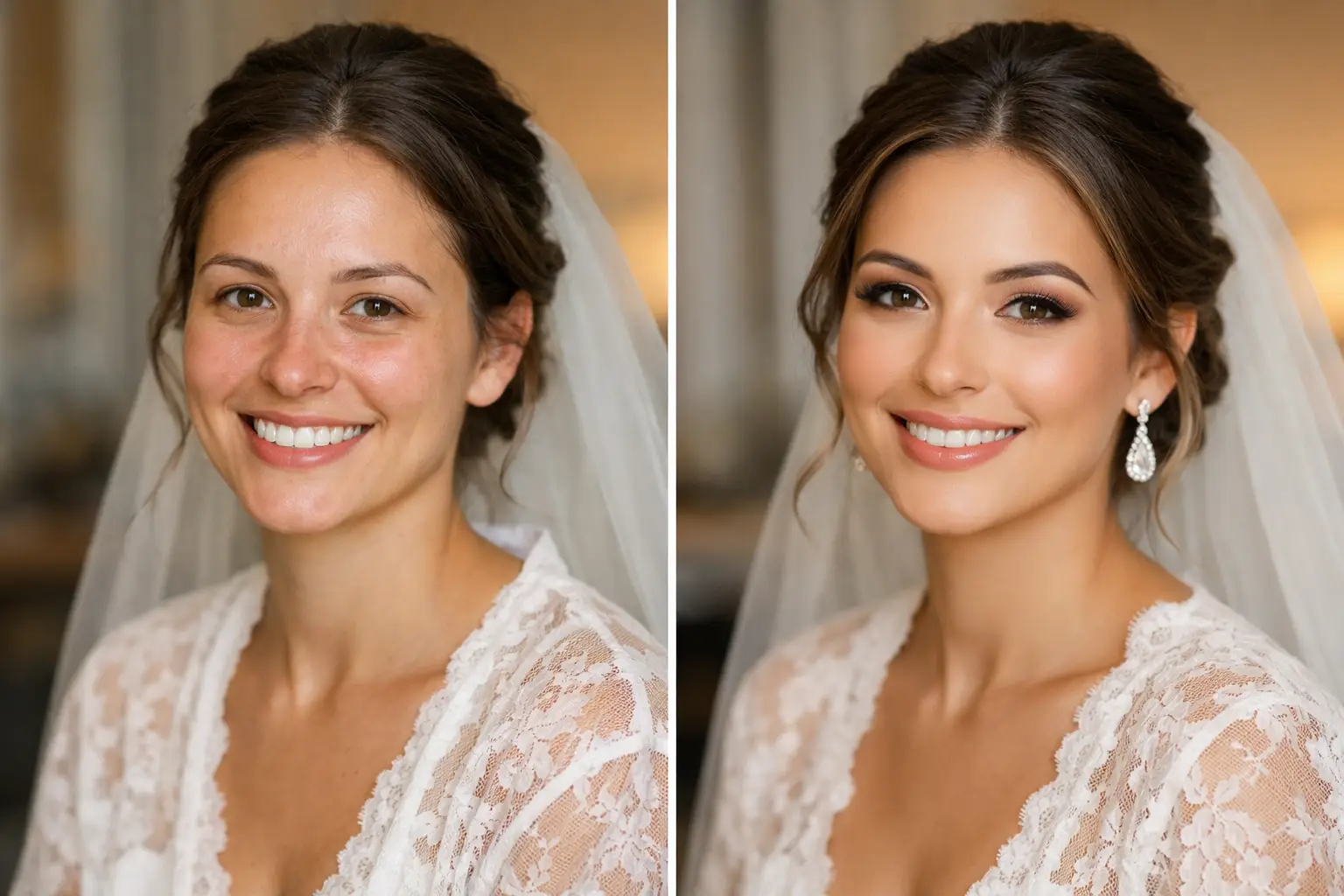
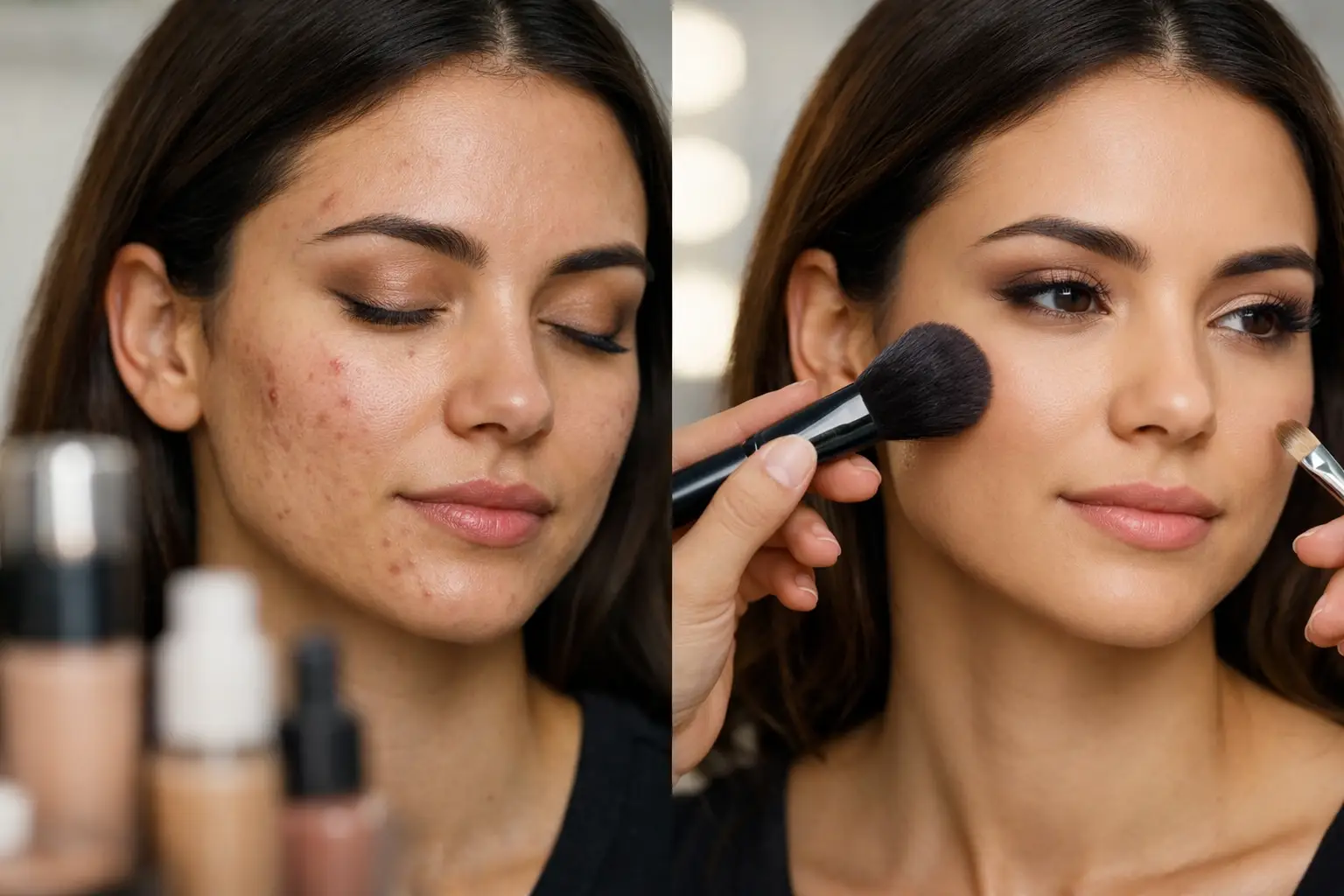
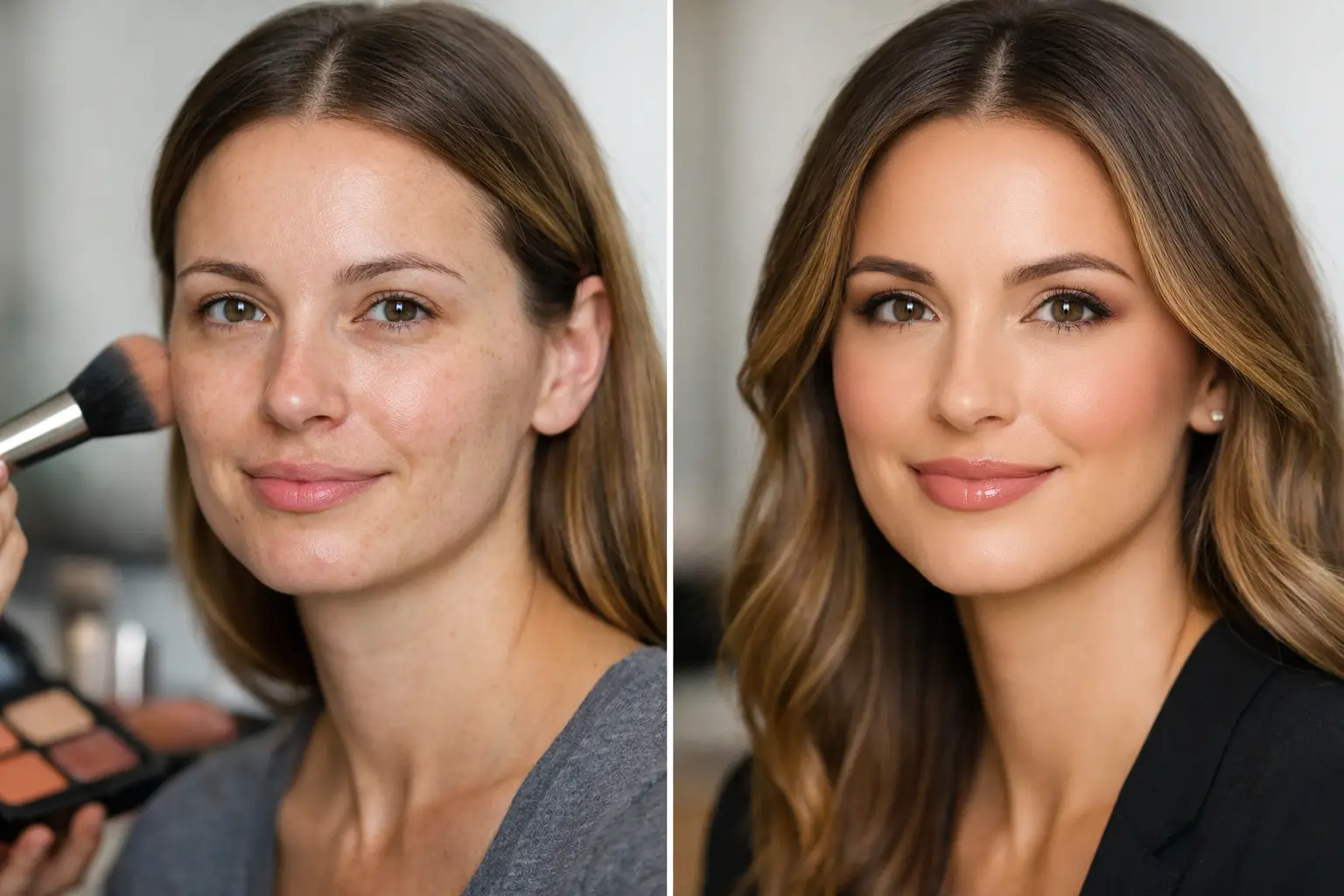
That is why headshot makeup before and after images can feel surprisingly dramatic even when the makeup itself is soft. A carefully prepped complexion reflects light more evenly. Spot concealing helps reduce distraction without masking the skin. Gentle structure around the eyes and cheeks creates definition that the camera can read. The finished result still looks natural, but it feels more polished and intentional.
There is also a practical side to this. Professional cameras capture detail. If the skin is dehydrated, makeup can cling. If products are too emollient, the face can look overly shiny. If the foundation is too heavy, texture may become more obvious rather than less. Good headshot makeup is less about adding more and more about choosing the right amount of the right products.
What actually changes in a before and after
The most noticeable improvement in headshot makeup before and after transformations is usually the skin. Not because the skin becomes airbrushed, but because it appears more even, rested, and healthy. Dullness is softened. Redness is neutralized. Under-eye darkness is brightened in a way that still looks believable.
The second change is definition. Brows frame the face more clearly. Lashes and liner help the eyes stay visible in photos. A touch of contour or bronzing can restore shape that bright lighting tends to flatten. Lip color adds life and balance, especially in professional portraits where wardrobe tends to be tailored and clean.
The third change is longevity. Headshots often involve more time than clients expect – setup, wardrobe adjustments, multiple poses, and perhaps both indoor and outdoor shots. Makeup that looks lovely for twenty minutes is not the same as makeup designed to stay refined through an entire session.
The skin-first approach matters most
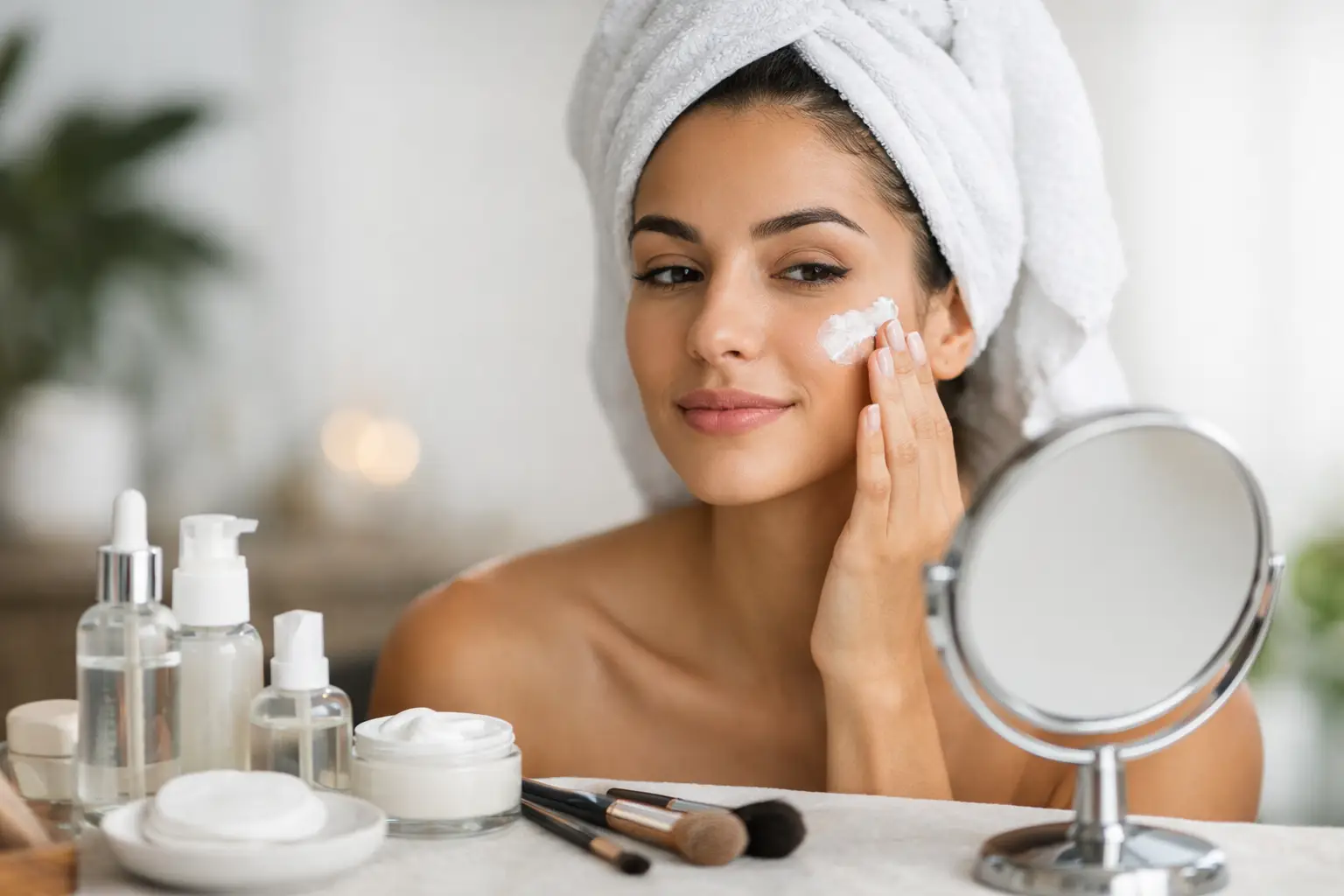
If you want a beautiful before and after, skin preparation is where the work begins. Makeup sits best on skin that has been gently exfoliated, properly moisturized, and assessed for what it actually needs that day. Oily skin does not always need to be stripped down. Dry skin does not always need thick cream. Sensitive or acne-prone skin needs especially thoughtful product selection.
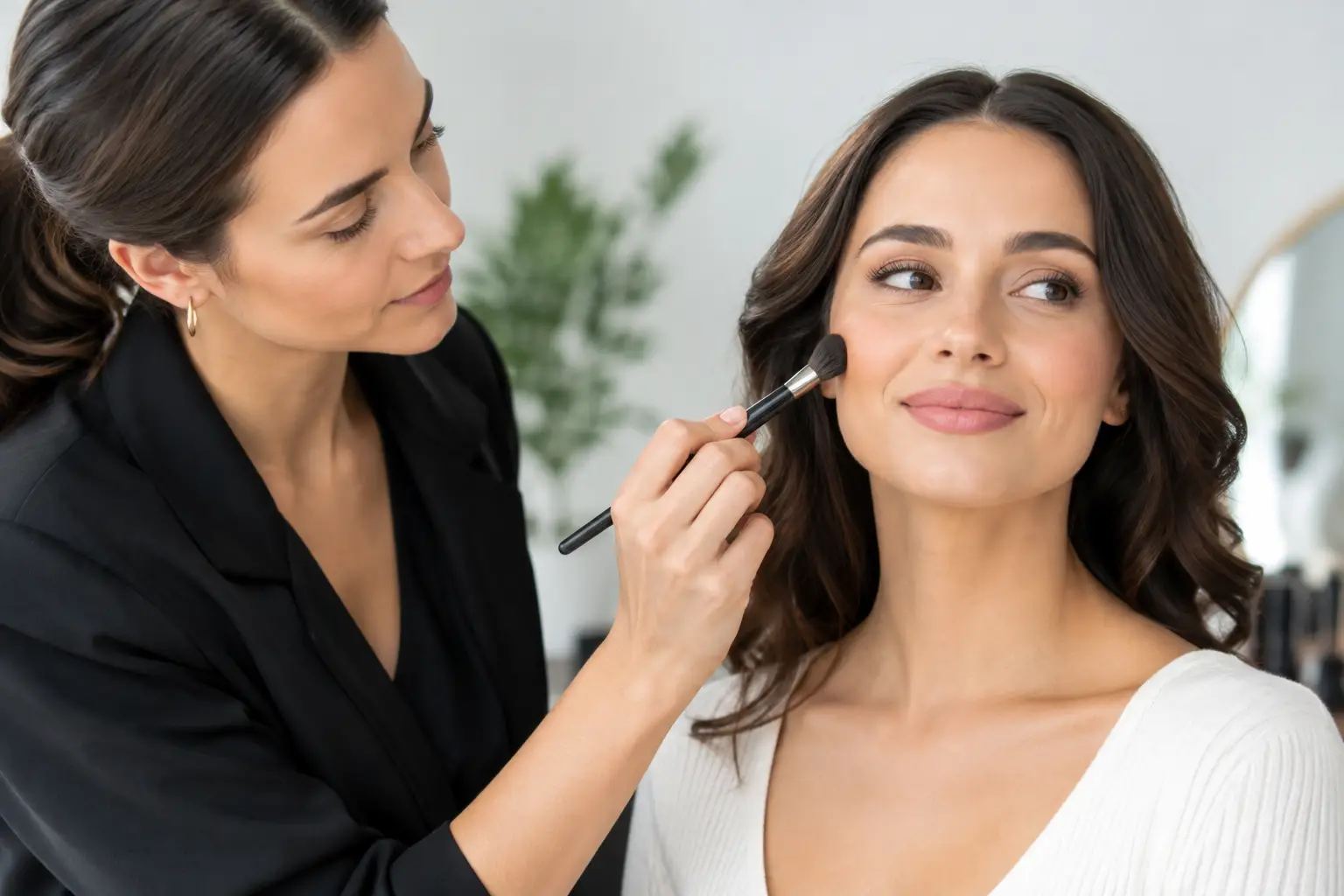
This is one reason professional application makes such a difference for headshots. A skin-focused artist is not just matching foundation. She is evaluating texture, hydration, sensitivity, and how products will wear under cameras and lighting. That level of care creates a finish that looks refined instead of simply applied.
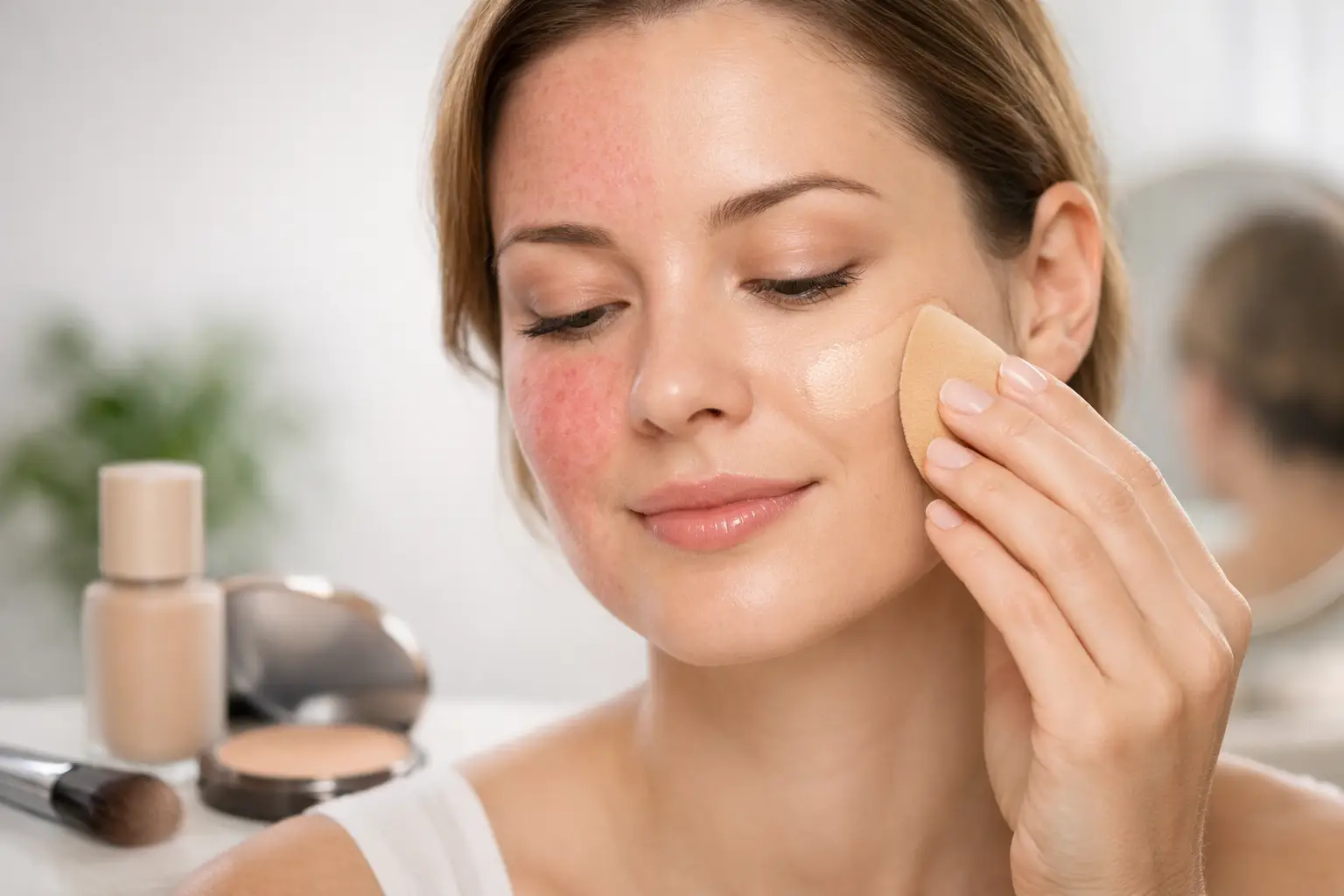
For clients with active breakouts, rosacea, or uneven texture, the goal should never be perfection. It should be harmony. Strategic correction and blending can reduce visual distraction while still keeping the complexion believable and comfortable. When makeup is too corrective, it often stops looking like skin.
Soft glam is usually the sweet spot
For most professional portraits, soft glam photographs better than either no makeup or full-event glam. It gives enough structure to read on camera while still feeling appropriate for LinkedIn profiles, company websites, speaking engagements, branding sessions, and editorial features.
That usually means a medium, skin-like base rather than a full mask of foundation. It means concealer where it helps, not everywhere. It means blush that brings healthy color back into the face, brows that look groomed rather than stamped on, and eye makeup that defines without overpowering.
There is some flexibility here. A real estate professional may want a brighter, more polished look. A therapist or educator may want a softer, more understated finish. A personal brand photographer might be shooting content with more personality and style. The right headshot makeup depends on how you want to be seen, not just what is technically possible.
Common mistakes that hurt headshot results
The most common issue is going too light or too heavy. Too little makeup can disappear under lighting and leave the face looking unfinished. Too much can make the skin look dry, textured, or unlike you. The middle ground is where the most flattering results usually live.
Another mistake is relying on products that work well for social plans but not for photography. Very dewy foundations, sunscreen-heavy formulas, glittery highlighters, or powders that flash back can create problems on camera. This does not mean headshot makeup has to be matte or dull. It simply needs controlled radiance and products selected with photography in mind.
Color mismatch is another issue. Foundation that is slightly too warm, too pink, or too deep becomes very obvious in professional images. The same is true for concealer that is excessively bright under the eyes. In person, those differences may seem minor. In a headshot, they can pull attention away from your expression.
How to prepare for your appointment
Come with clean, well-moisturized skin unless your artist gives different instructions. If you are trying any active skincare products, peels, or treatments, avoid introducing something new right before photo day. A fresh breakout, irritation, or flaking patch is never ideal before a session.
It also helps to think through your wardrobe before makeup begins. Your clothing color, necklines, and overall style affect how makeup should be balanced. If your outfit is very minimal and tailored, the makeup may need a bit more warmth or structure. If your outfit is bold, the makeup may need to stay quieter.
If you have inspiration, bring it, but choose examples that feel aligned with your real features and your professional goals. The most flattering headshot makeup is personal. It is not about copying someone else’s face.
Should you do your own makeup for headshots?
It depends on your comfort level, your skin, and how important the images are to your work. If you wear makeup regularly, understand your face well, and know which products photograph beautifully, you may be able to create a solid result yourself. But even then, headshots can be less forgiving than everyday life.
If you rarely wear makeup, feel unsure about product choices, or need the images for a major milestone, professional application is often worth it. It removes guesswork and stress. It also gives you a calm start to the session instead of a rushed one.
For clients in Northern Virginia and Washington, DC, mobile artistry can be especially helpful because it keeps the experience relaxed and efficient. Having your makeup done on location or before you leave for your shoot makes the entire process feel more supported.
What a polished result should feel like
The best before and after is not the one where you look transformed. It is the one where people recognize you immediately, then notice how rested, confident, and elevated you appear. Your skin looks healthier. Your eyes look brighter. Your features feel balanced. Nothing distracts from you.
That is the standard Taylor Bailey Makeup Artist brings to headshot makeup – polished, skin-focused, and tailored to the person in the chair rather than a one-size-fits-all formula. When makeup is approached that way, the camera captures more than coverage. It captures presence.
If you are planning a headshot session, think less about wearing more makeup and more about wearing the right makeup. A thoughtful, professionally balanced application does not change your face. It lets your face show up clearly, confidently, and beautifully in the moments that matter.