Bridal Preview Appointment Checklist
A bridal preview can tell you a lot before a single wedding photo is taken. You find out how your makeup wears, how your skin responds, and whether the look in your head translates beautifully in real life. A thoughtful bridal preview appointment checklist helps you walk in prepared, ask better questions, and leave with clarity instead of guesswork.
For many brides, the preview is where nerves start to settle. It turns your beauty plan into something tangible. You get to see how soft glam reads on your features, how much coverage feels like you, and what needs adjusting before the wedding day timeline is locked in.
What a bridal preview appointment is really for
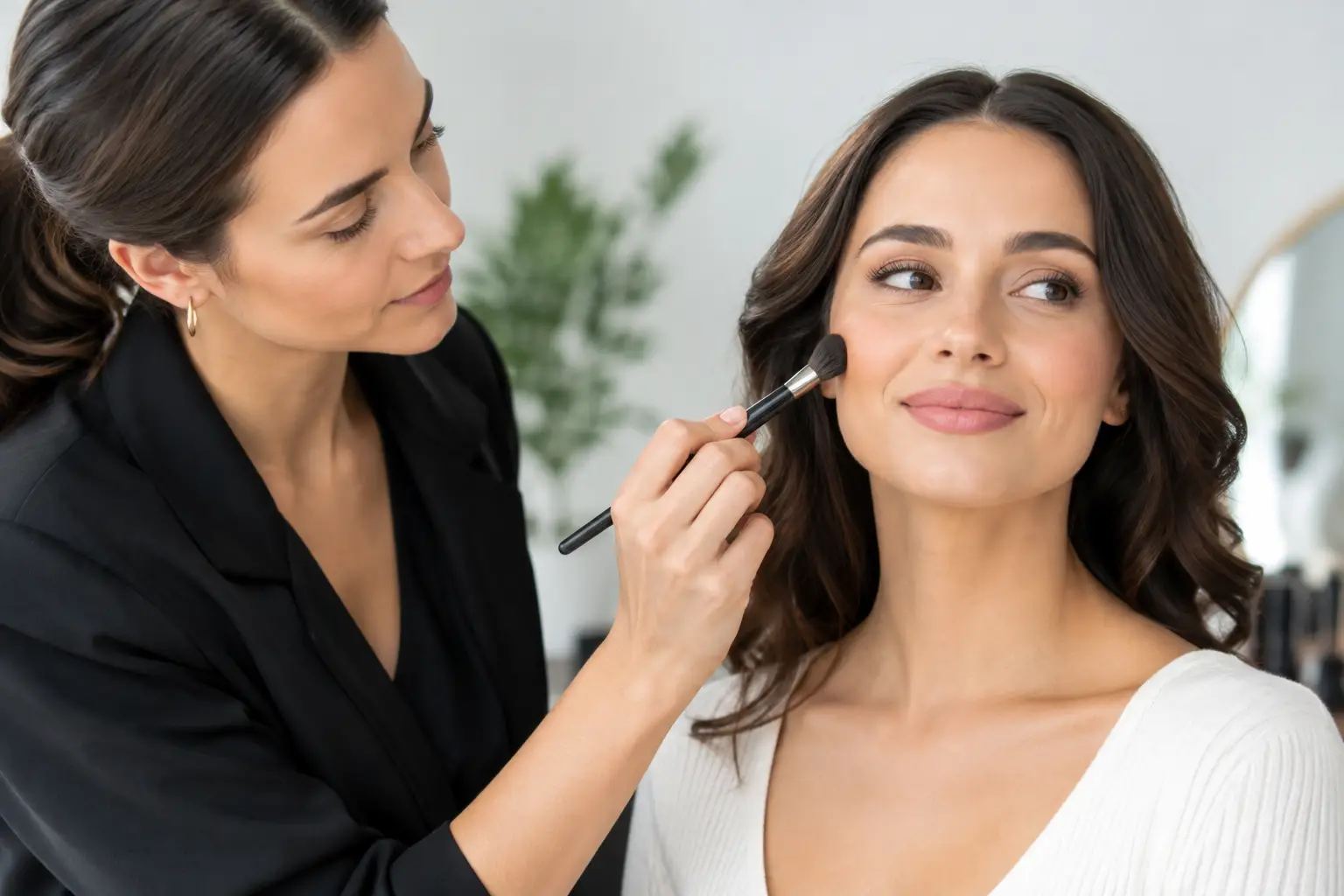
A preview is not just a practice run. It is a working appointment designed to refine details. Your artist assesses your skin, reviews your inspiration, studies your natural features, and tailors product choices to your comfort level, event timing, lighting, and photography needs.
This is also where expectations become specific. “Natural but polished” can mean very different things from one person to the next. A preview helps define that phrase in a way that fits your face, your dress, your venue, and your personal style.
If you rarely wear makeup, this appointment matters even more. It gives you space to speak up, make changes, and get comfortable without the pressure of a wedding morning schedule.
Your bridal preview appointment checklist before you arrive
The most helpful prep starts a few days before your appointment, not in the parking lot. Come with clean reference points and realistic context.
Start by saving inspiration photos that reflect the kind of bride you actually want to be. Try to choose images with similar skin tone, eye shape, hair color, and overall style. A heavily filtered celebrity close-up can be useful for one detail, like lip tone or lash shape, but it should not be the whole plan. Clear, well-lit images are much easier to translate into a wearable bridal look.
Think through your wedding details as well. Your makeup should make sense with the full picture, including your gown neckline, hairstyle, jewelry, ceremony setting, season, and whether your event is more formal or understated. Soft, skin-focused glam can be adjusted in many directions, but those surrounding details guide the level of definition that will feel cohesive.
Wear a top in a color similar to your dress or the tone family of your wedding palette if possible. This is a small thing, but it can help you visualize the finished look more accurately than showing up in a bright gym tank and trying to imagine ivory satin.
If you have known skin sensitivities, acne concerns, or products that have caused irritation in the past, make a note of them ahead of time. The same goes for lash allergies, contact lens sensitivity, or dryness around the eyes. These details are not minor. They affect product selection, prep, and wear time.
What to bring to your bridal preview appointment checklist
You do not need to bring an entire makeup bag. In most cases, your artist will have what is needed. What helps most is bringing information, not clutter.
A few useful items include your inspiration photos, a photo of your dress, and any accessories that may influence the look, such as a veil, statement earrings, or hairpiece. If your wedding lipstick has cultural, sentimental, or wardrobe significance, bring that too. The same applies if you have a complexion or brow product you use daily and want your artist to see what feels familiar to you.
It can also help to bring photos of yourself wearing makeup you liked and makeup you did not like. Sometimes saying “this felt too heavy” or “I loved how my skin looked here” is more helpful than trying to describe preferences in abstract terms.
If you are doing your hair preview on the same day, mention that in advance and plan accordingly. Seeing hair and makeup together can be very useful, but timing matters. If the appointments are rushed or far apart, you may not get the most accurate read.
How to prep your skin for the most accurate results
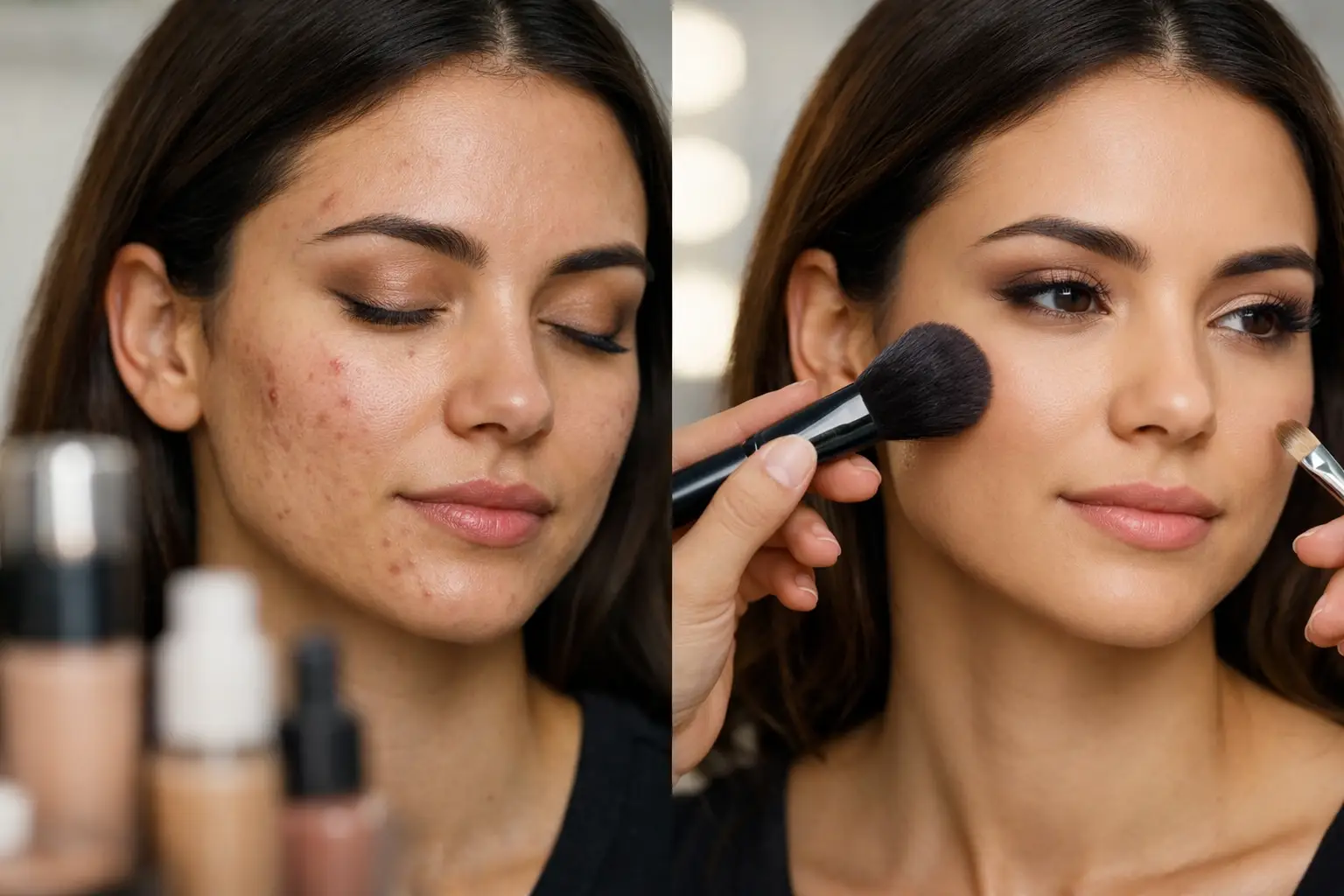
Skin preparation can change the entire outcome of a preview. The goal is not perfect skin. The goal is predictable skin.
In the week leading up to your appointment, try not to introduce new skincare products or schedule treatments that could leave you irritated, flaky, or unexpectedly sensitive. A facial may sound like smart prep, but if it is too close to the appointment, it can create more variables than benefits. The same goes for aggressive exfoliation or strong at-home peels.
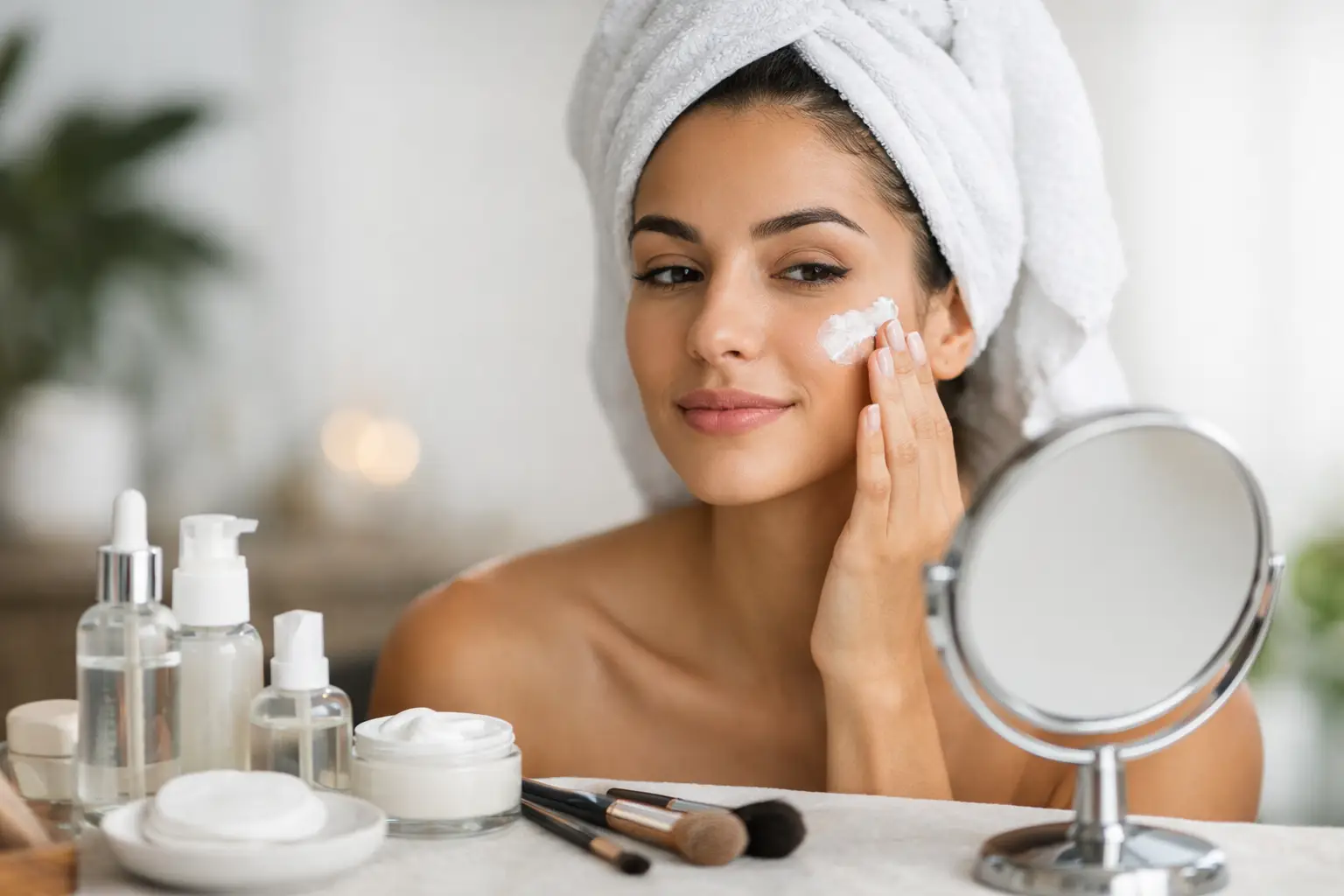
Hydration matters. Well-moisturized skin tends to accept makeup more evenly and wear it more gracefully. If you are acne-prone or oily, that does not mean layering on heavy creams. It means using the right balance so your skin is not overcompensating or dehydrated under makeup.
On the day of your preview, arrive with a clean face unless your artist has advised otherwise. Skip sunscreen only if instructed for the appointment itself, especially if flash photography testing is part of the plan. Product choices depend on skin condition in the moment, so coming in fresh gives your artist the clearest starting point.
Questions to ask during the appointment
A good preview should feel collaborative, not intimidating. You do not need technical beauty vocabulary to have a productive conversation. You just need to be honest.
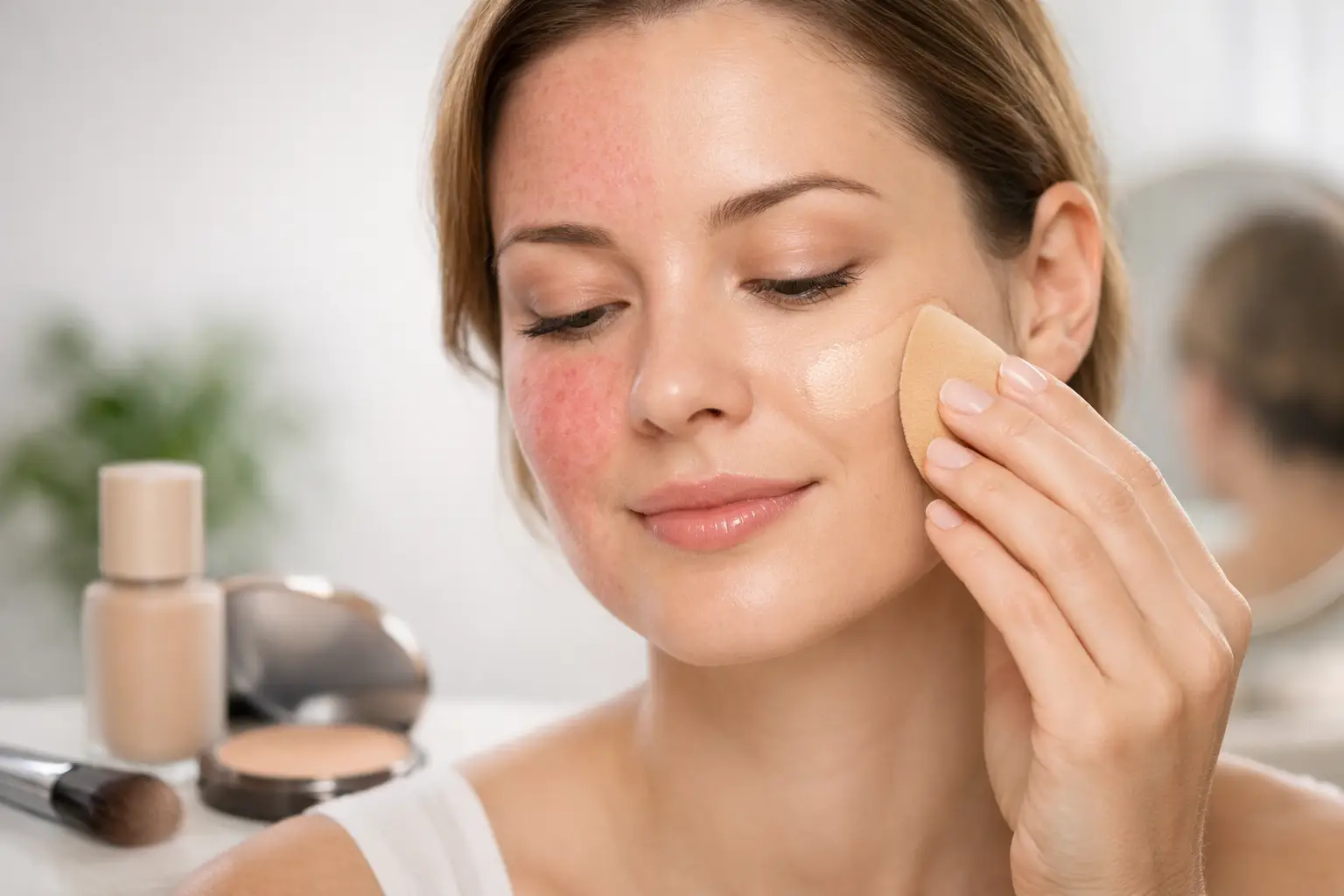
Ask how the look is expected to wear over time and what might shift first on your skin type. Ask whether any part of the application can be softened, deepened, or changed if it feels less like you. If you are concerned about under-eye creasing, lash comfort, lipstick longevity, or coverage around breakouts, say so directly.
This is also the right time to ask practical wedding-day questions. How long will your makeup service take? When should skincare be finished before the artist arrives? Will touch-up products be recommended? If you are booking services for a bridal party, ask how the schedule will flow and whether there is a minimum for on-location bookings.
A preview is not about proving you can be low-maintenance. It is about making sure you feel confident and understood.
What to look for once the makeup is on
The first reveal matters, but the second and third check matter too. Look at your makeup in natural light if possible. Then look at it indoors. Take photos from straight on and from the side. Smile, talk, and let your face move.
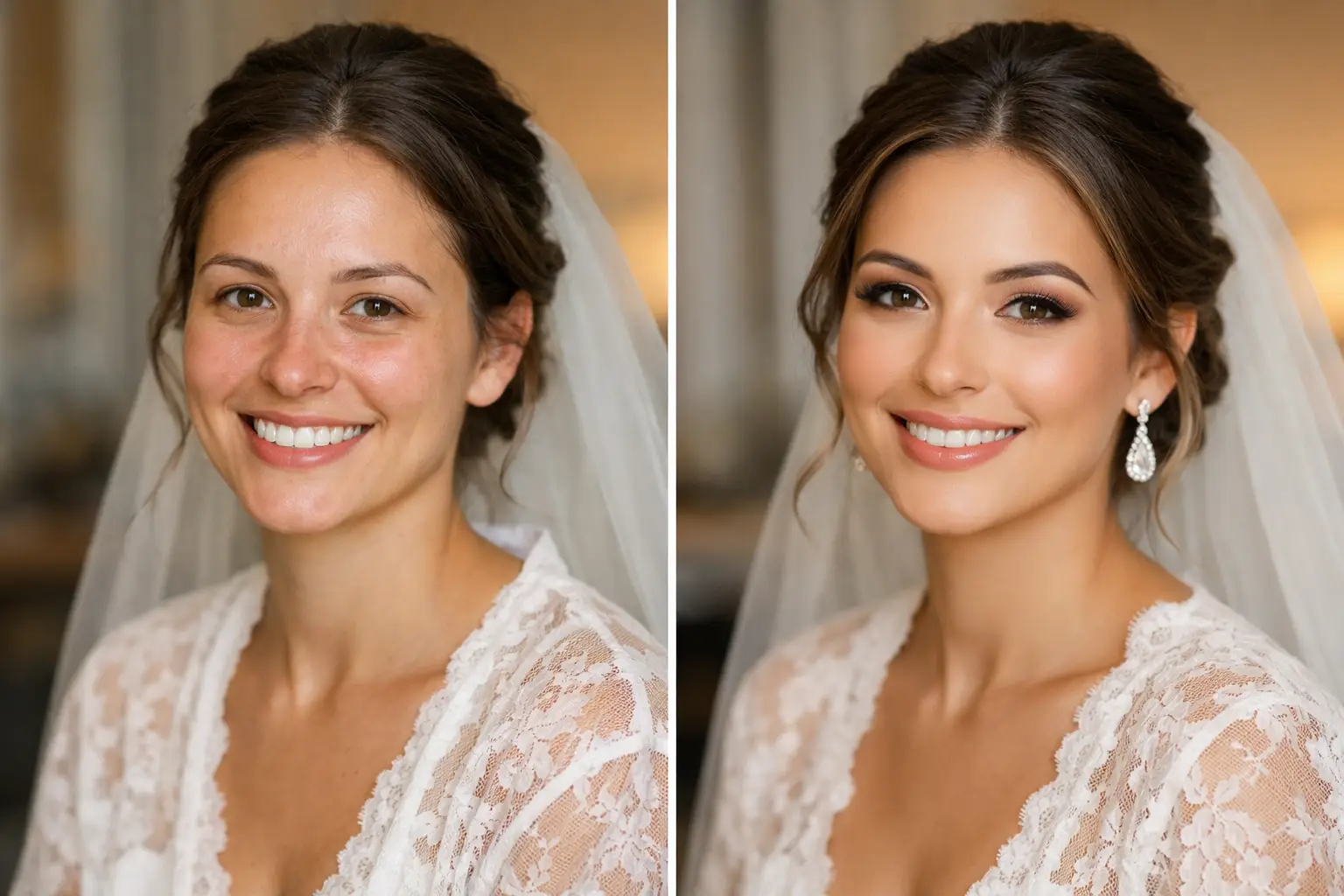
Pay attention to whether your skin still looks like skin. Bridal makeup should photograph beautifully, but it should also feel balanced in person. A look can be technically polished and still feel too unlike you. That is worth adjusting.
Notice the details that are easy to miss at first – foundation match through the jawline, brow shape, lash weight, lip tone, under-eye brightness, and how much definition you want around the eyes. A bridal look does not have to be dramatic to be finished, and it does not have to be barely there to feel natural. Often the right answer sits in the middle.
If possible, wear the makeup for several hours after your appointment. This is where a bridal preview appointment checklist becomes especially valuable. You are not only judging the fresh application. You are learning how it settles, whether it separates around certain areas, and how confident you still feel in it later.
Common mistakes brides make at previews
One common mistake is bringing too many conflicting inspiration photos. If one image is barely-there makeup and another is full red-carpet glam, your artist has to interpret what you actually want. It is better to bring a smaller set of consistent references and explain what specifically you like in each one.
Another is staying quiet when something feels off. Many brides worry about seeming picky, especially if the makeup is beautiful but not quite right for them. This is exactly what the preview is for. Thoughtful feedback is part of the process.
Timing can also become a problem. Scheduling a preview too far from the wedding can work if your skin and vision are stable, but many details may change. Scheduling too close can leave little room for refinement. It depends on your planning calendar, but the sweet spot is usually when your dress, hair direction, and event details are mostly decided.
After the appointment: what to note before wedding day
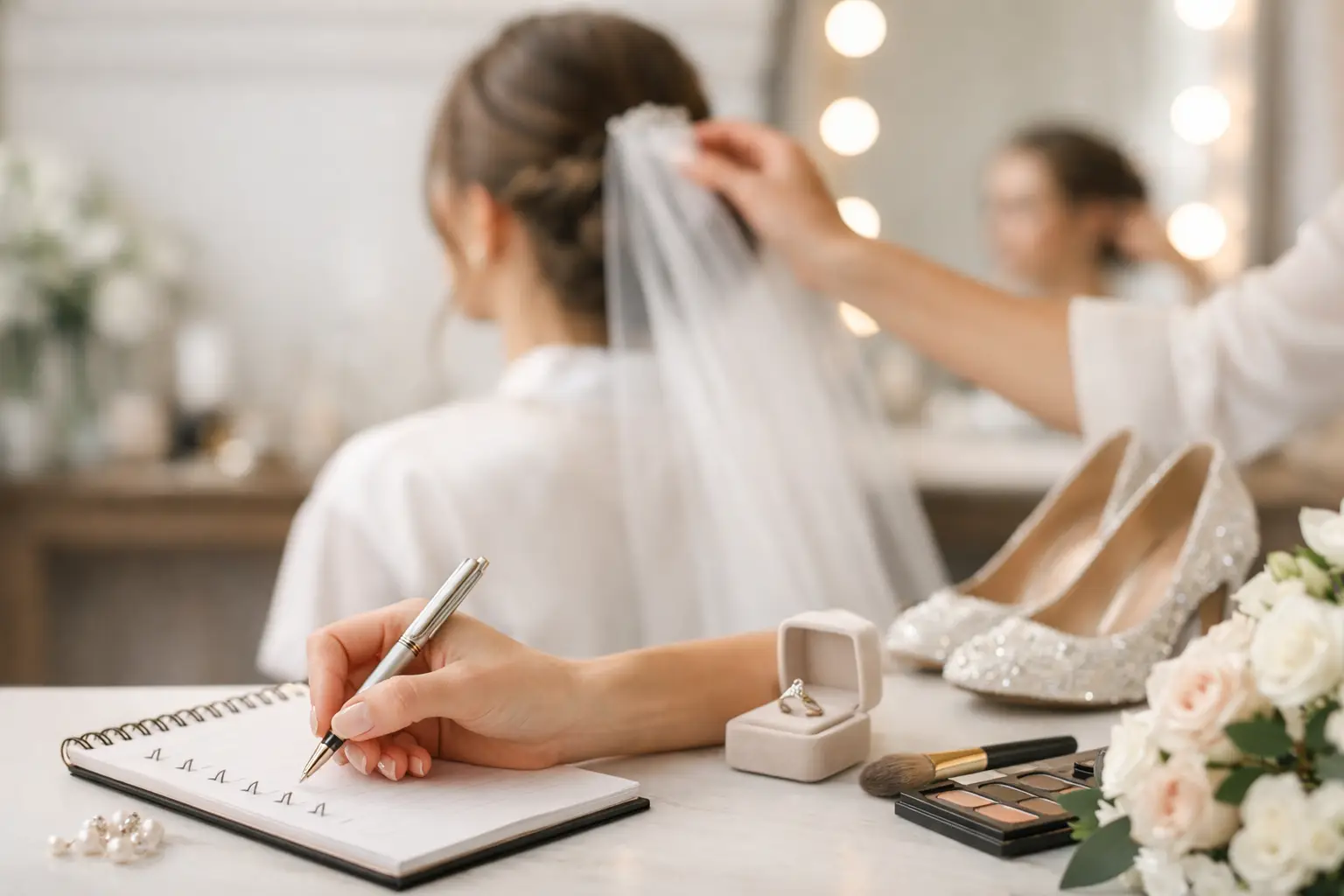
Once you leave, write down your impressions while they are still fresh. Note what you loved, what you would tweak, and how the makeup wore throughout the day. If your lipstick faded beautifully but your T-zone got shiny after three hours, that is useful information.
Save a few well-lit photos from the appointment for your own reference. If adjustments are needed, specific feedback is always easier than broad feedback. Saying “I want slightly less darkness on the outer corners” is more helpful than “something about the eyes felt off.”
For brides in Northern Virginia and Washington, DC, where wedding days often involve travel, weather shifts, and long timelines, these details are especially helpful. The more clearly your preview answers questions ahead of time, the calmer your wedding morning can feel.
A bridal preview should leave you feeling more like yourself, not less. When you come prepared, communicate openly, and give the look time to wear, the appointment becomes more than a trial. It becomes a steady, reassuring step toward a wedding day beauty experience that feels polished, personal, and fully aligned with you.