Airbrush vs Traditional Makeup: Which Fits?
Some clients come to their trial convinced they need airbrush makeup because it sounds more professional. Others have worn traditional makeup for years and assume airbrush will feel heavy or look too perfect. When it comes to airbrush vs traditional makeup, the best choice is rarely about what sounds fancier. It is about your skin, your comfort level, your event schedule, and how you want to look when you catch your reflection.
For weddings, portraits, galas, and other milestone moments, both techniques can photograph beautifully and wear well. The difference is in how the product sits on the skin, how customizable the finish feels, and which method supports your features rather than competing with them.
Airbrush vs Traditional Makeup: What is the actual difference?
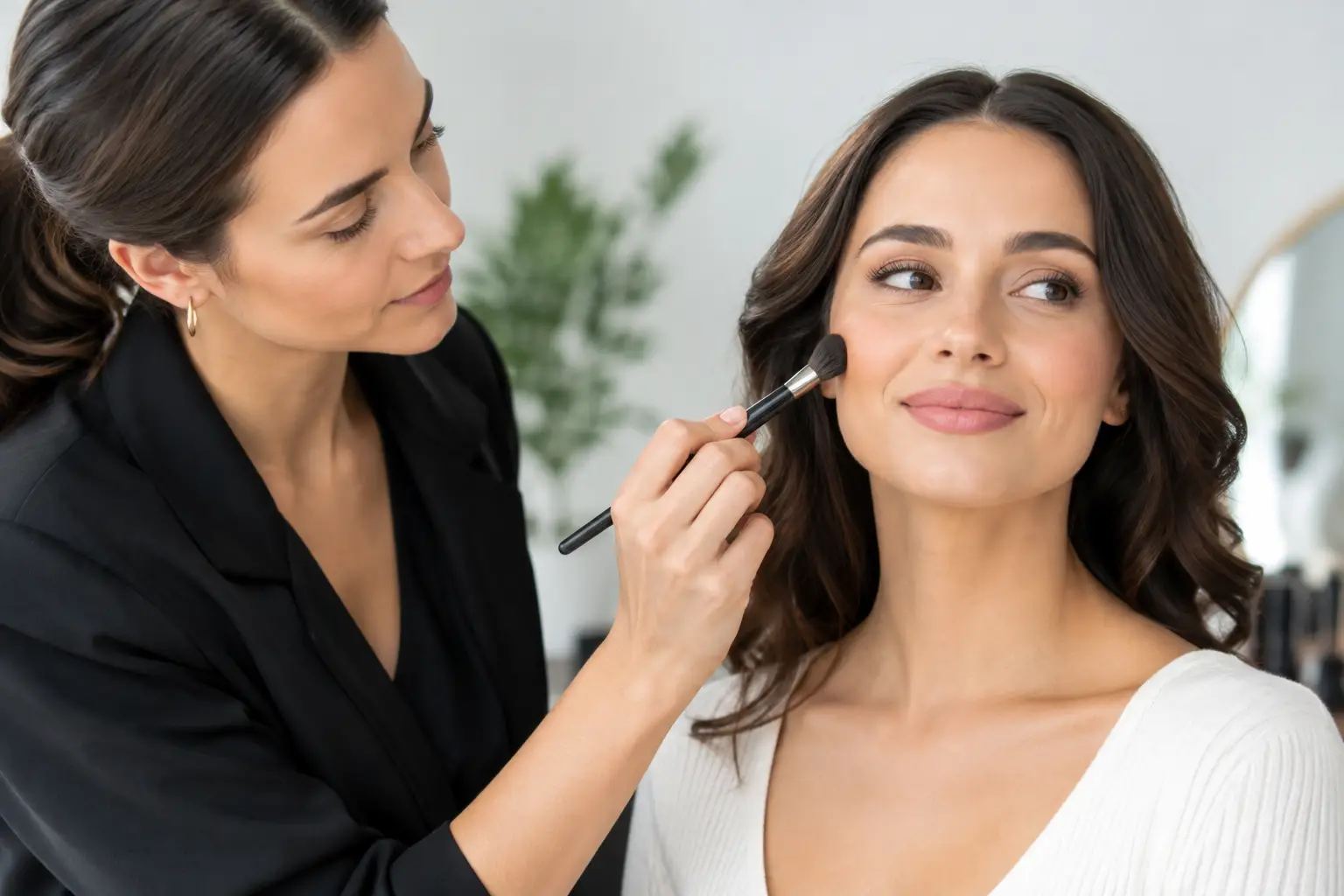
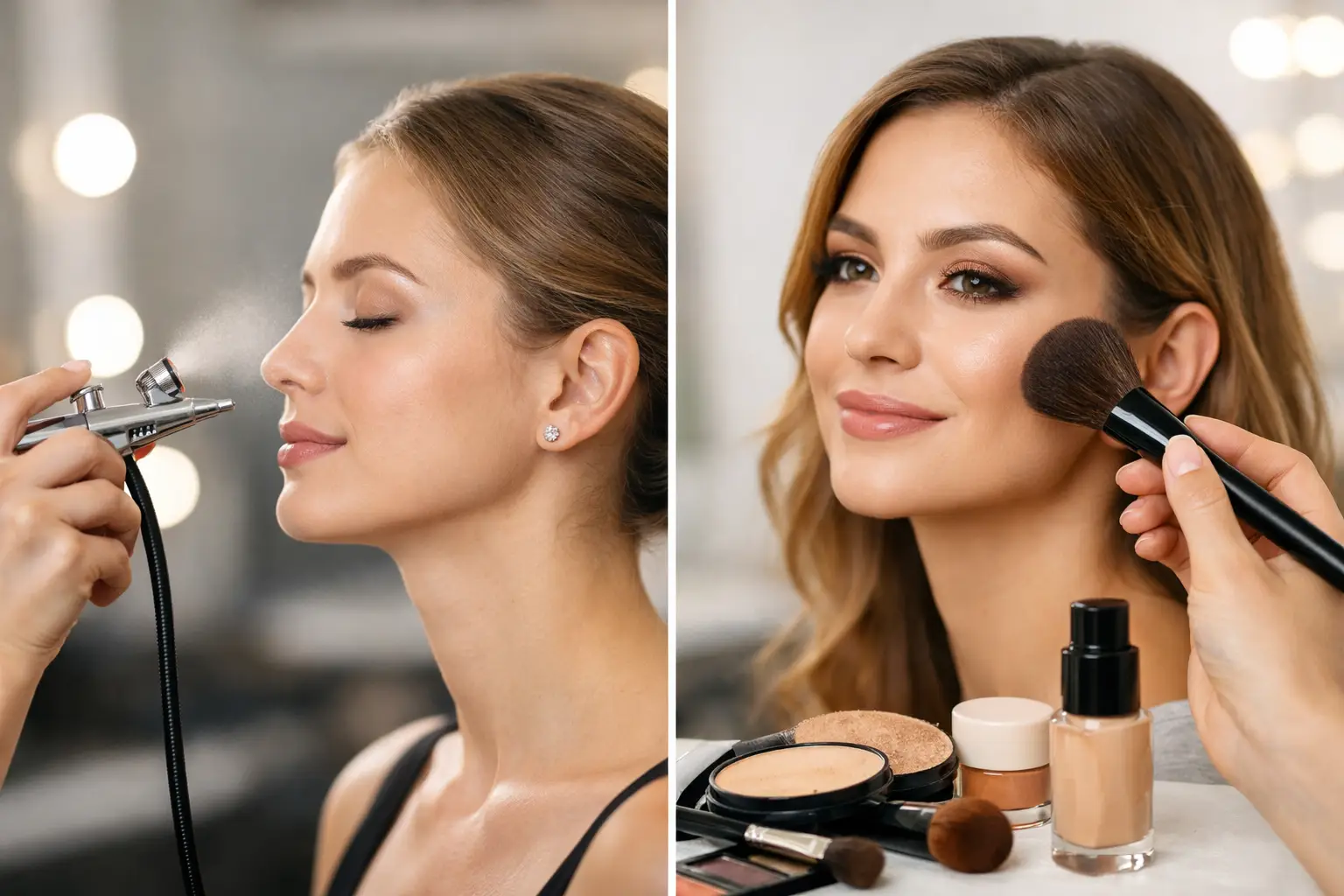
Airbrush makeup is applied with a small compressor system that sprays a fine mist of foundation onto the skin. Traditional makeup is applied with brushes, sponges, and other hand tools using liquid, cream, or powder formulas. Both can create polished, camera-ready results.
What clients often notice first is the finish. Airbrush tends to look very even and lightweight on the surface, with a soft diffused effect. Traditional makeup usually offers more flexibility in texture and coverage because products can be layered and adjusted in smaller areas. That matters if you want skin that still looks like skin, especially up close.
The method itself is only part of the story. Product selection, skin prep, and the artist’s technique have just as much influence on the final result. A beautiful application does not come from the tool alone.
Which looks more natural?
This is usually the real question.
If your goal is natural-looking, soft glam makeup that enhances rather than masks, either option can work. The more useful question is which one will look most natural on your specific skin. Airbrush can create a refined, polished veil of coverage that works especially well for clients who want a smooth, uniform finish. Traditional makeup can be more forgiving when the skin has dryness, texture, active breakouts, or areas that need strategic correction.
For many clients, traditional makeup offers a more tailored result because it allows for precise placement. Around the nose, under the eyes, over blemishes, and across areas of redness, coverage can be built exactly where it is needed and kept sheer where it is not. That often creates the most believable skin finish in person and on camera.
Airbrush is not automatically more natural, and traditional is not automatically heavier. A soft hand, proper prep, and thoughtful layering matter more than the category.
Airbrush vs traditional makeup for weddings and long events
Longevity is one of the biggest reasons clients ask about airbrush. There is a common belief that airbrush always lasts longer, but wear time depends on more than the formula. Skin type, weather, tears, touching the face, skincare underneath, and whether touch-ups are available all play a role.
Airbrush formulas are often designed to be long-wearing and resistant to transfer, which can be appealing for weddings and humid outdoor events. If you are getting married in Northern Virginia or Washington, DC during a warm season, that sounds like a clear win. But traditional makeup can also be extremely long-lasting when skin is properly prepped and products are layered with intention.
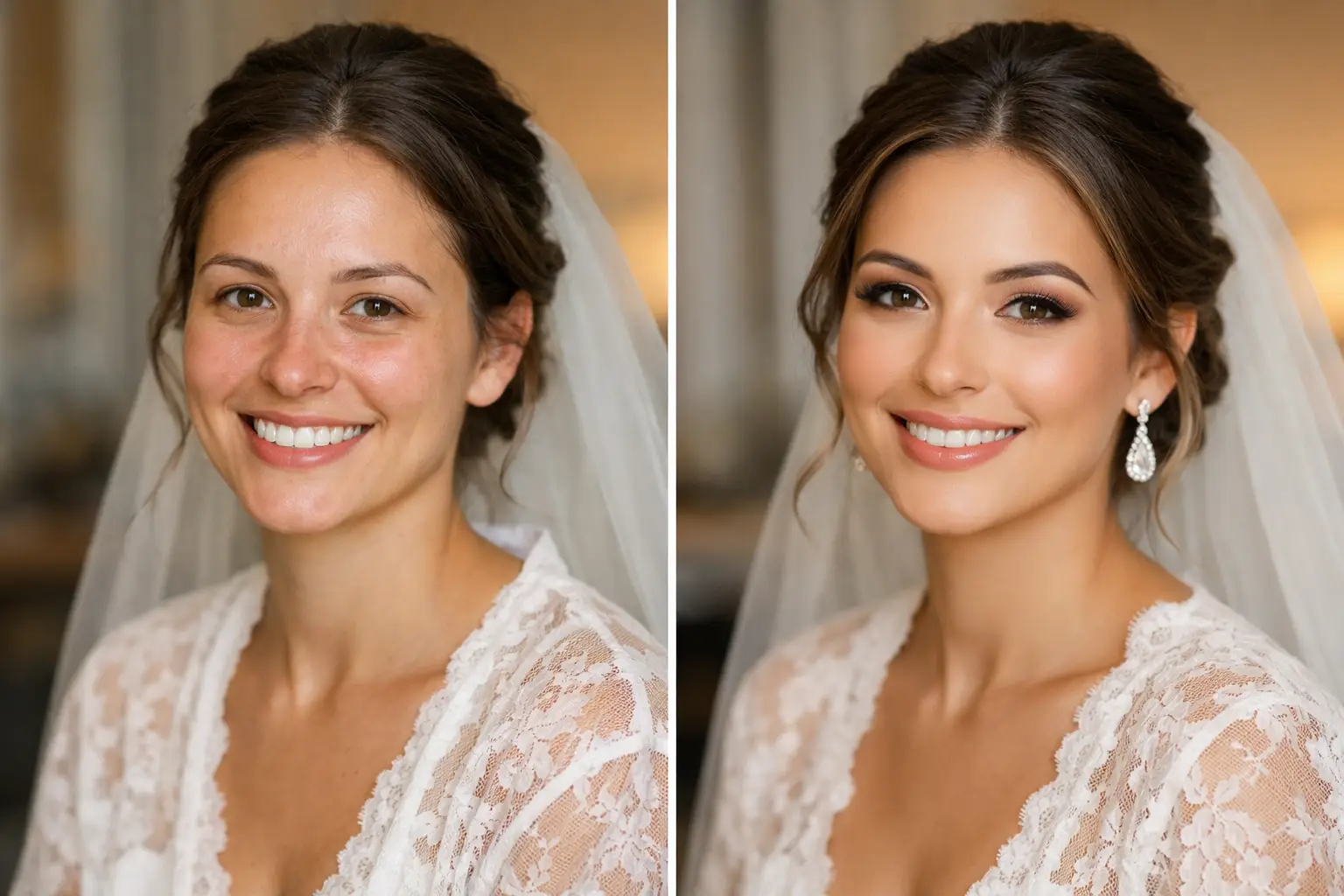
For brides, I often think about the full day rather than one selling point. You may need your makeup to look fresh in daylight, hold up through photos, remain comfortable during a ceremony, and still flatter your skin at the reception several hours later. Traditional makeup can make it easier to refresh strategically without disturbing the entire complexion. That can be especially helpful if your day is long or emotional and you want touch-ups to feel simple.
If your artist offers concierge touch-up support, the airbrush versus traditional question becomes less about which one survives untouched for twelve hours and more about which one looks the most beautiful and feels the most comfortable on you.
Skin type matters more than trends
This is where a personalized recommendation matters.
If your skin is oily, airbrush can sometimes wear beautifully because of its thin, set finish. But oily skin can also break down any makeup if prep is off or if the skin becomes very active throughout the day. Traditional products can be customized with oil-control primers, targeted powdering, and thin layers that help makeup fade more gracefully.
If your skin is dry, textured, mature, or sensitized, traditional makeup is often the better choice. It allows the artist to work with emollient formulas, spot-conceal selectively, and avoid overemphasizing flakes or uneven texture. Airbrush can cling to dry patches if the skin is not ideally prepped, and it is less forgiving if certain areas need extra attention.
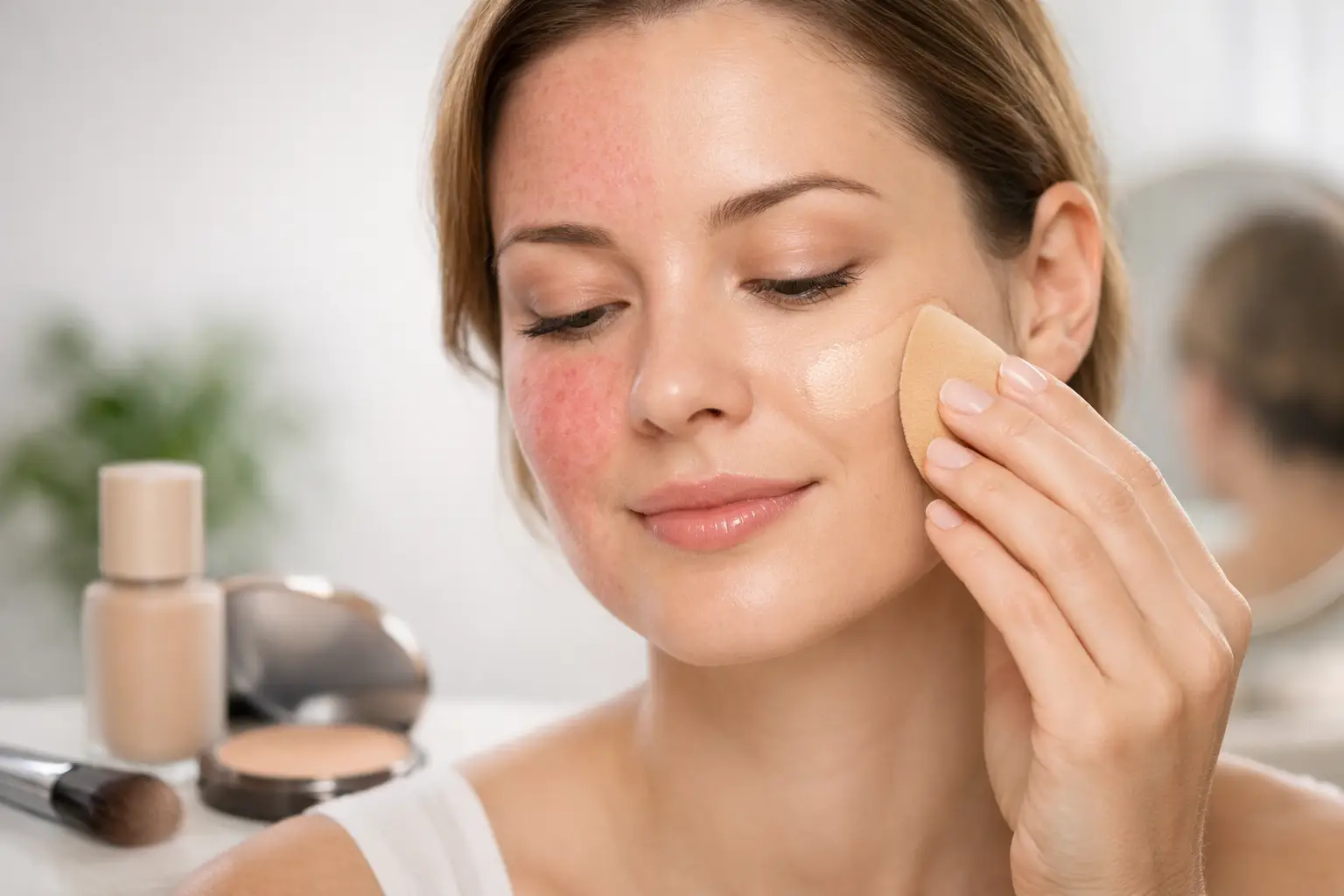
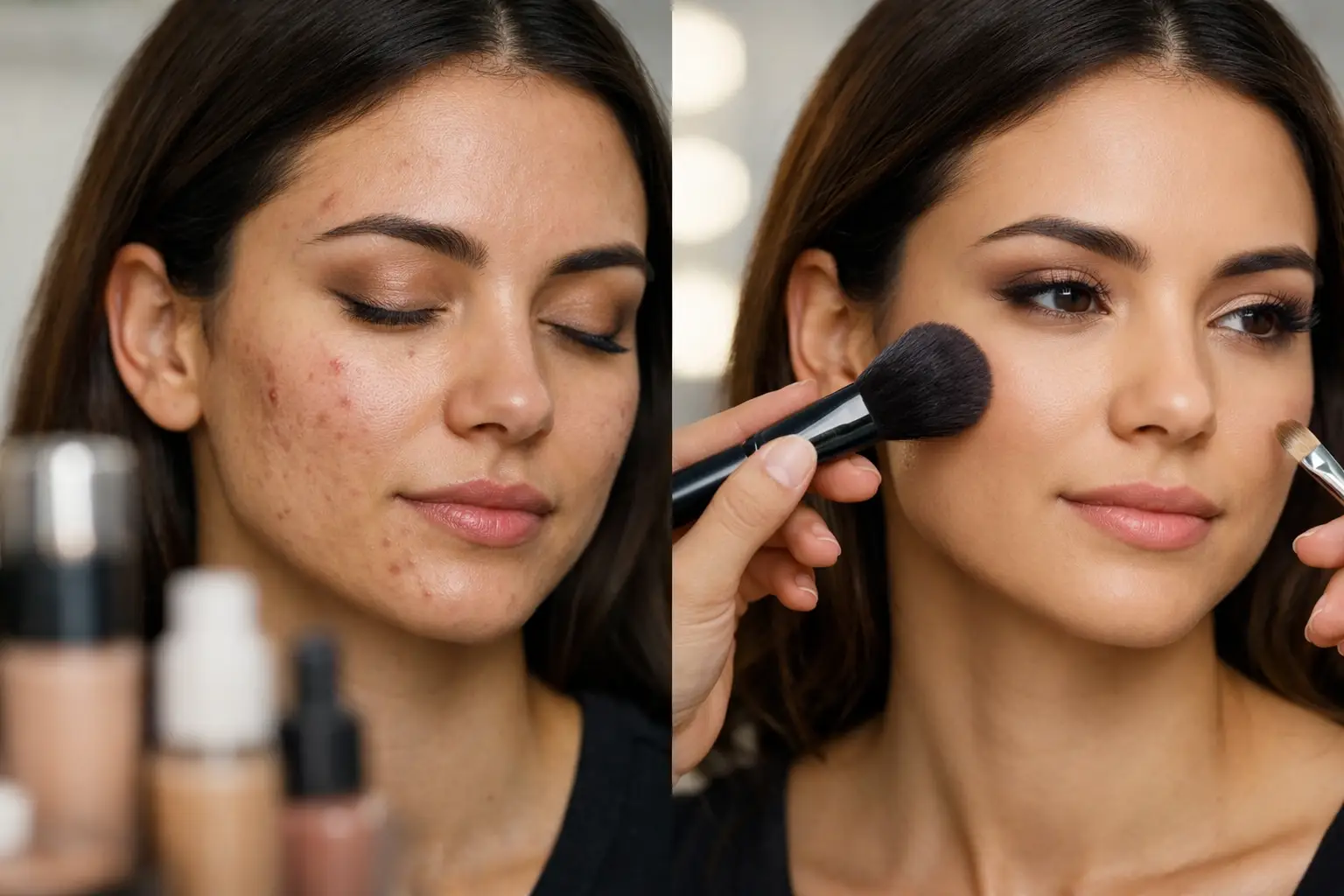
If you are acne-prone or have redness, either option can work, but traditional makeup often gives more control. Instead of coating the entire face to achieve coverage, the artist can neutralize discoloration and build coverage only where needed. That usually keeps the complexion looking fresher and less flat.
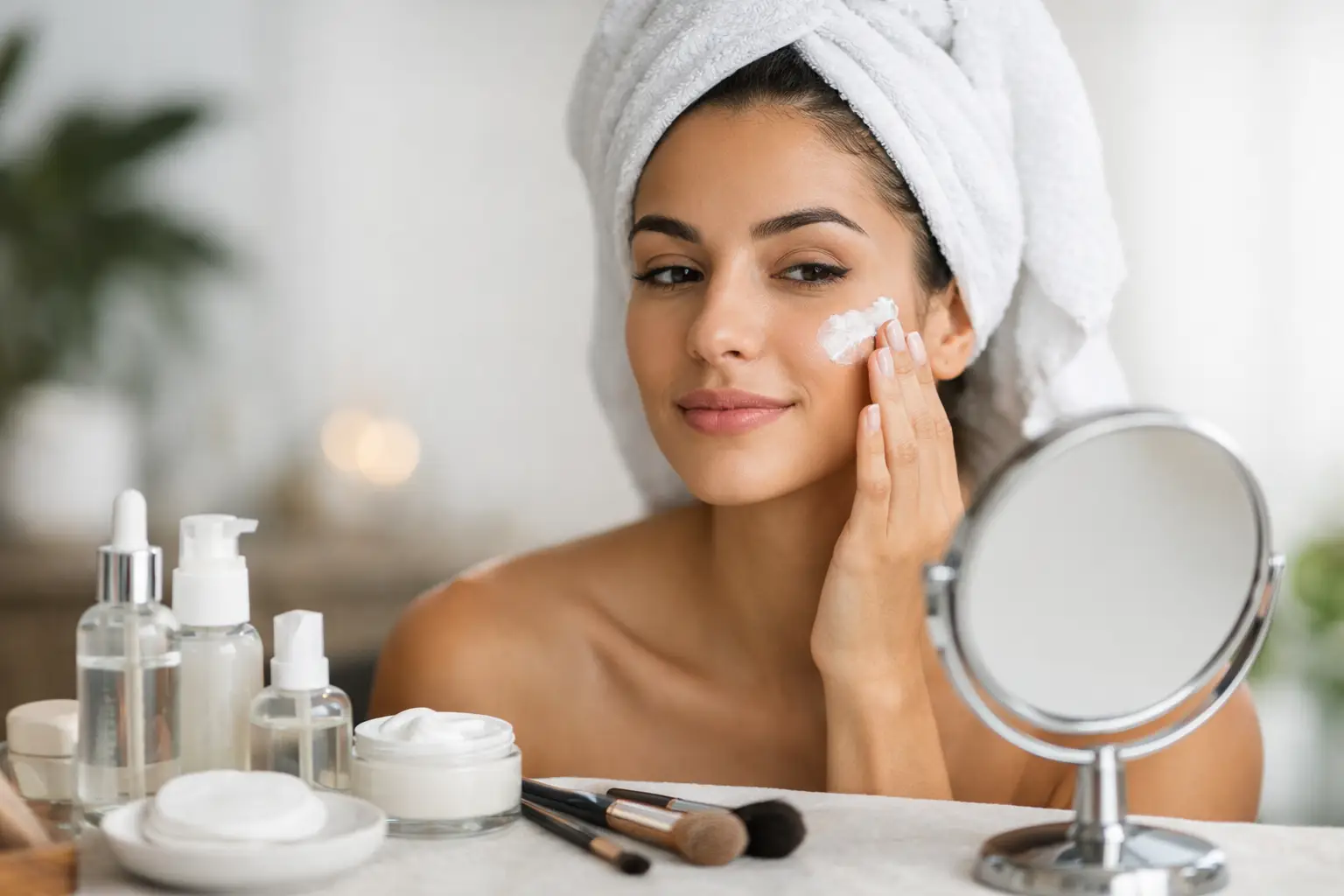
Sensitive skin adds another layer. Ingredients matter. Fragrance, alcohol content, and the way products are layered can affect comfort more than whether makeup is sprayed or brushed on. This is one reason skin-focused artists take prep seriously.
What photographs better?
Both photograph well when they are done correctly.
Airbrush has long been associated with HD photography because it can create a smooth, perfected finish. That can be lovely in photos, especially from a slight distance. Traditional makeup, however, is often better for dimension. Cream and liquid formulas applied by hand can be shaped around the face in a way that keeps the skin alive rather than overly uniform.
For professional photos, bridal portraits, and event photography, what matters most is balance. You want enough coverage to even the complexion, enough structure to define the features, and enough softness that the makeup still looks like you. Makeup that is technically flawless but feels unfamiliar can show up in photos too. Confidence is visible.
This is also why blush placement, under-eye correction, bronzer tone, and skin finish matter just as much as foundation choice. The camera reads the whole face, not just the application method.
Comfort, feel, and flexibility
Some clients love the feeling of airbrush because it can feel weightless once it sets. Others do not enjoy the spraying sensation or find that it feels less adaptable if they want small changes during the appointment. Traditional makeup tends to feel more familiar, especially for clients who do not wear much makeup day to day.
Flexibility is one of traditional makeup’s strongest advantages. If you want to shift the finish from satin to more radiant, increase coverage only around the chin, or soften the under-eye area, those adjustments are easy to make. It is a very responsive method.
For bridal services and special events, that flexibility supports a calmer experience. You do not need to fit yourself into one formula. The makeup can be built around you.
So which should you choose?
If you love the idea of a polished, transfer-resistant finish and your skin wears spray formulas well, airbrush may be a great fit. If your priority is a customized complexion, skin-like texture, and the ability to adapt the makeup precisely to your features and skin condition, traditional makeup is often the better choice.
For many clients, especially those who want elevated beauty without looking overly done, traditional makeup offers the most nuance. It can still be long-wearing. It can still be camera-ready. And it often allows for the kind of soft glam finish that feels refined, modern, and personal.
That said, there is no universal winner in airbrush vs traditional makeup. The best option depends on your skin, your event, and your preferences. A bride with balanced skin and an outdoor summer ceremony may choose one route. A client with dryness, sensitivity, or acne texture heading into a formal indoor event may choose another.
The most reassuring answer is also the most honest one: you do not have to decide based on marketing language. You need an artist who understands skin, asks the right questions, and can recommend the method that will help you look like yourself at your absolute best.
If you are booking makeup for a wedding, photoshoot, or special event, make room for that conversation. Share how your skin behaves, how makeup usually wears on you, and what kind of finish makes you feel confident. The right application should not just last. It should feel like you, only a little more luminous.