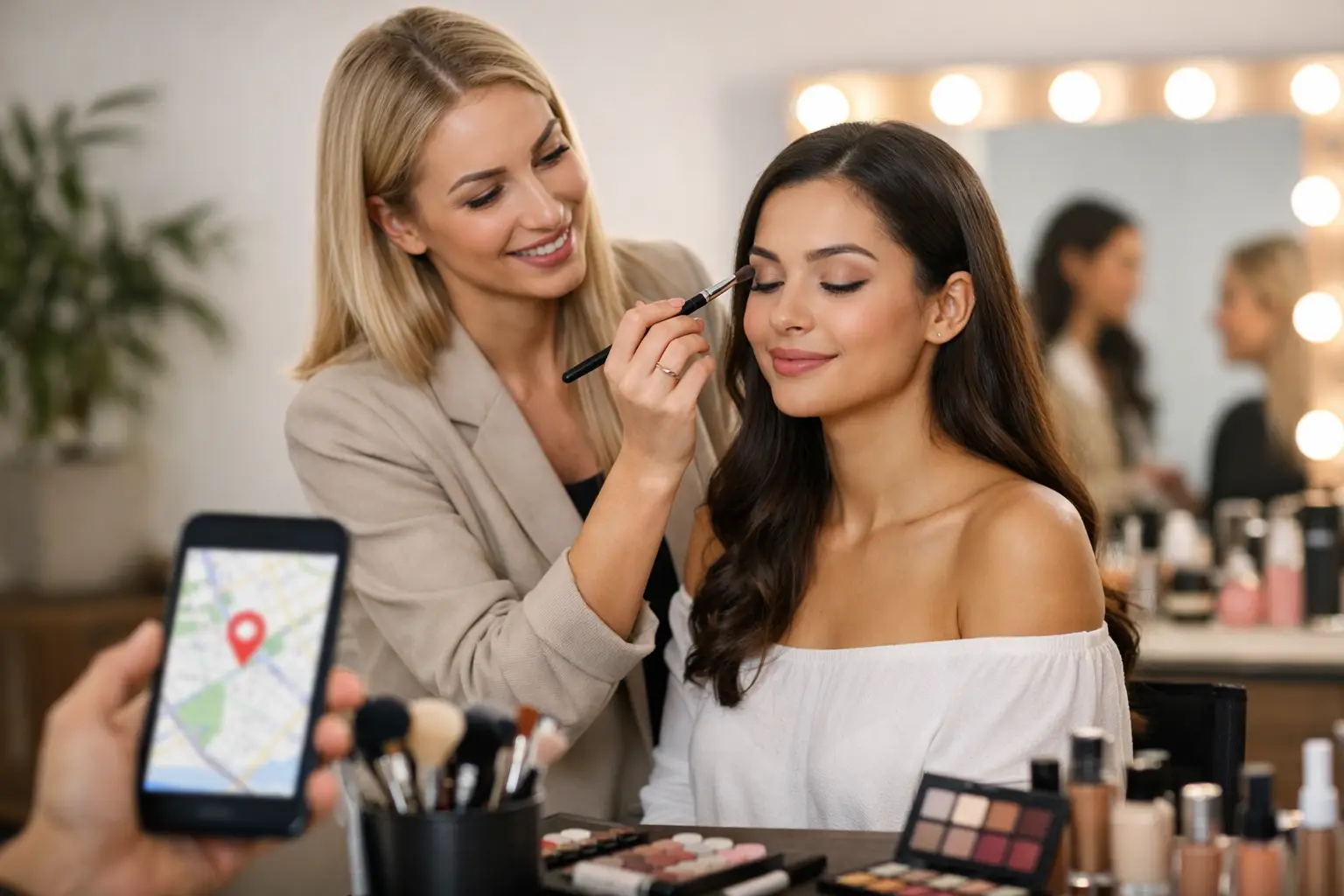
How to Find the Right Makeup Lesson Near Me
Typing makeup lesson near me into a search bar usually happens for a reason. Maybe you have a wedding on the calendar, professional photos coming up, or a formal event where you want to feel polished without looking overly done. Maybe your makeup bag is full, but your routine still feels unclear. A good lesson should do more than teach steps – it should help you understand your face, your skin, and what actually works for your lifestyle.
That is why choosing the right lesson matters. Not all makeup instruction is created for the same client, and not every artist teaches in a way that feels personal, calm, and easy to apply in real life.
What a makeup lesson near me should actually teach
A worthwhile lesson is not a rushed product demo or a one-size-fits-all script. It should be tailored to your features, your comfort level, and the occasions you are getting ready for. For many women, especially those who do not wear makeup every day, the real goal is not learning a dramatic transformation. It is learning how to look refreshed, balanced, and confident in a way that still feels like you.
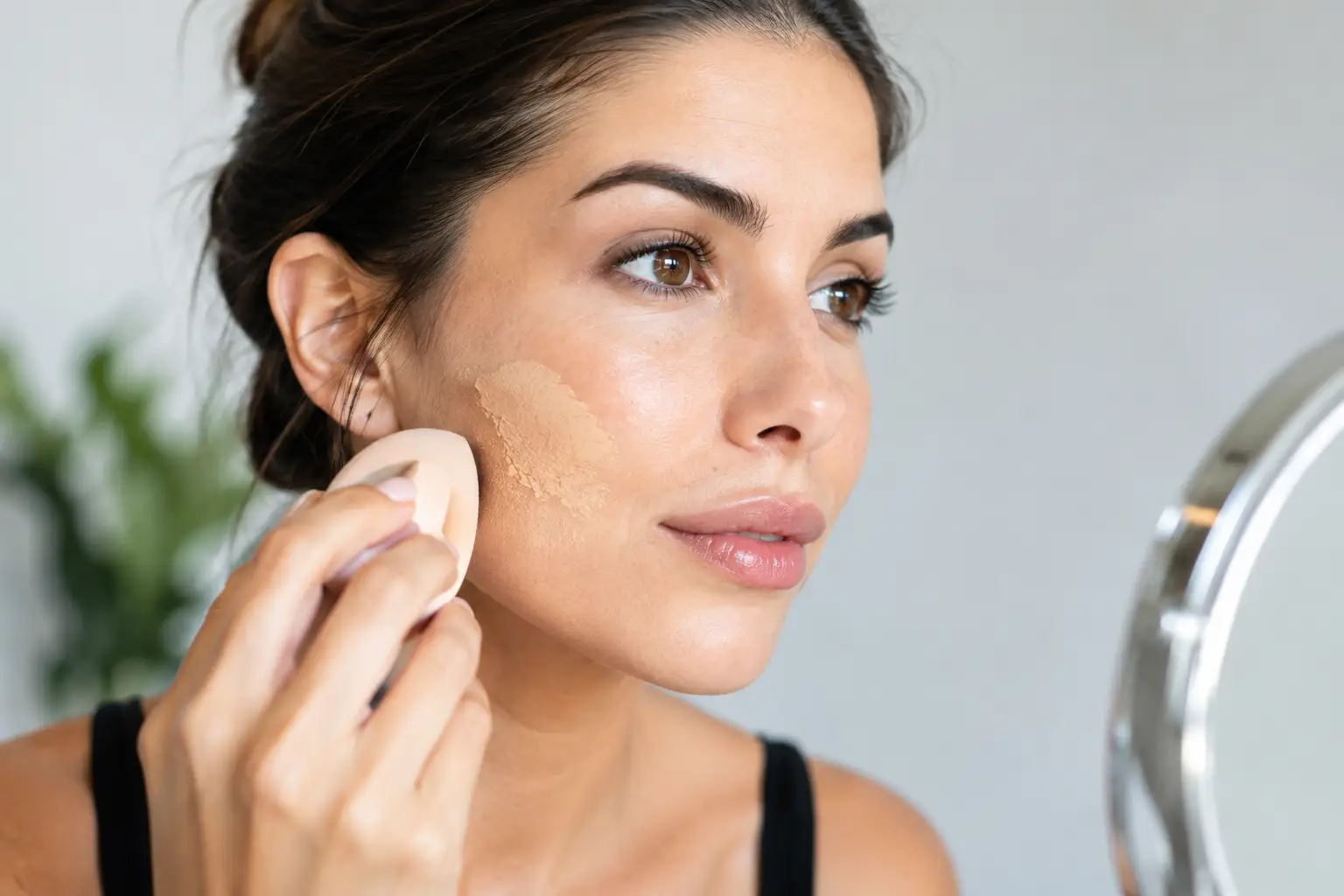
That starts with skin. An experienced artist should talk through prep, hydration, texture, and product compatibility before getting deep into color cosmetics. If your foundation sits unevenly, your concealer creases, or your makeup fades by midday, the issue is often not your technique alone. It may be the order of application, the finish of the products, or the condition of the skin underneath.
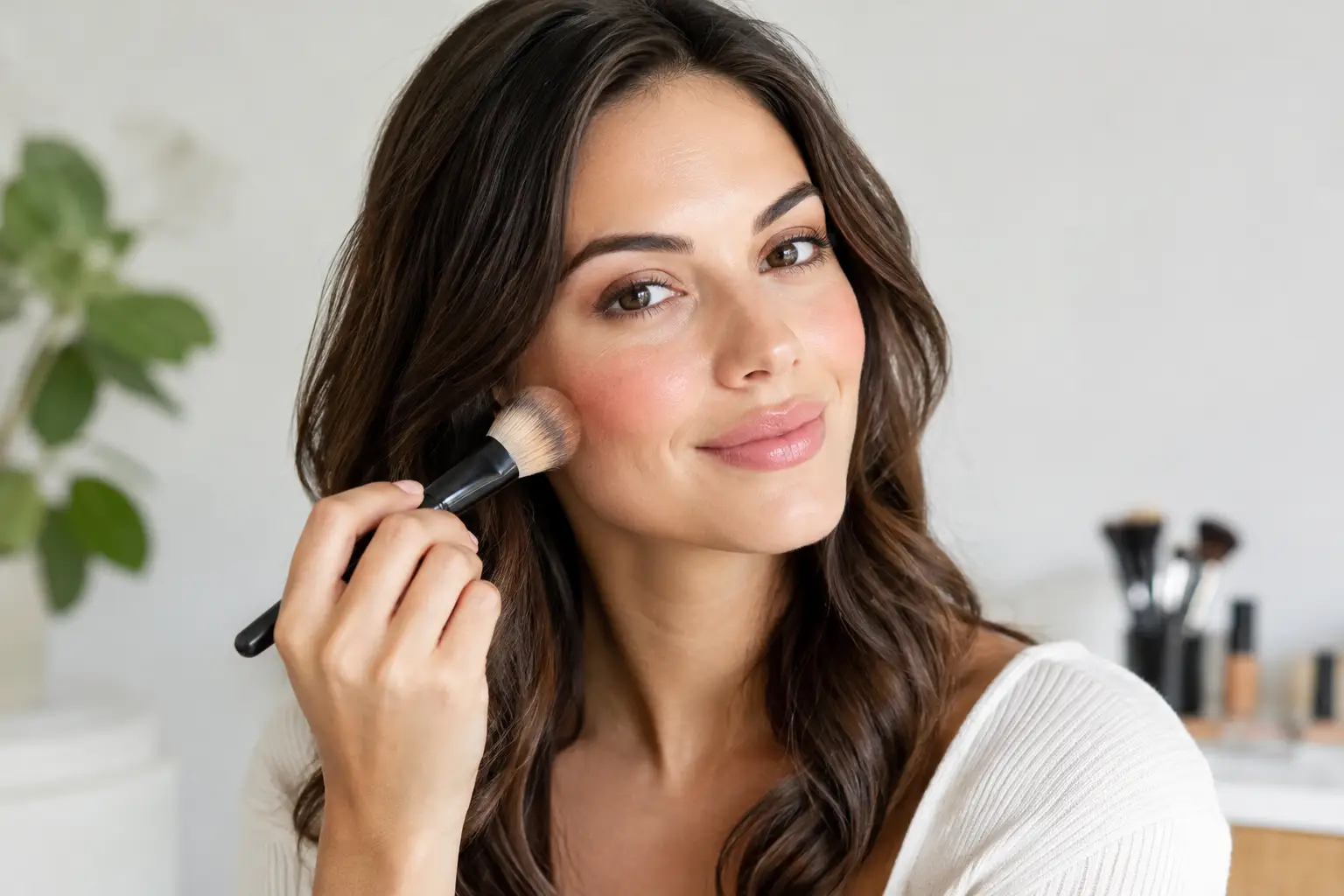
A strong lesson should also address proportion. The right blush placement, brow shape, or eye definition can make a significant difference, but those details depend on your bone structure, eye shape, coloring, and personal style. What works beautifully on social media may not flatter your features, and a good instructor will explain why.
Who benefits most from booking a lesson
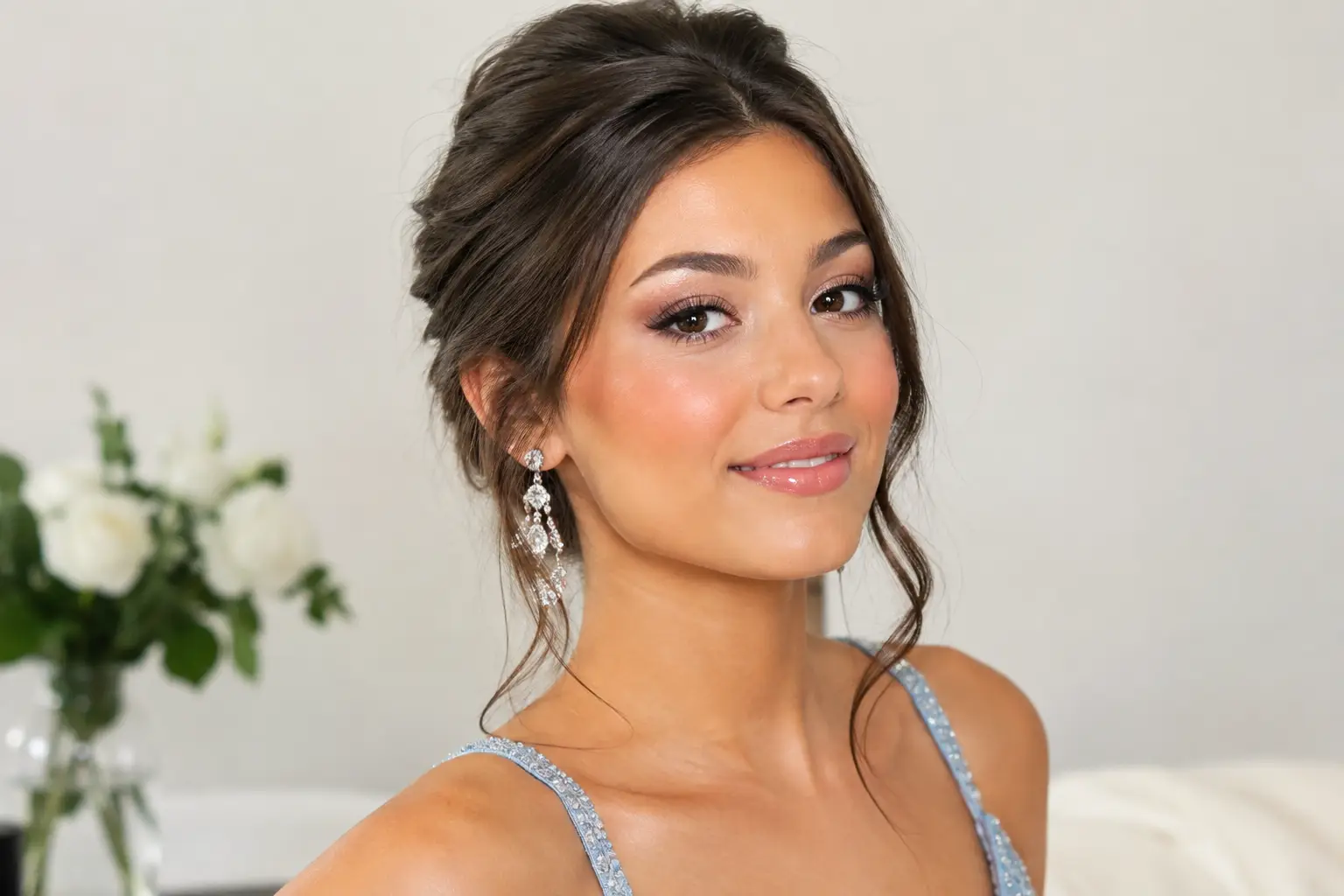
Many clients assume makeup lessons are only for beginners. In reality, they are useful at several stages. If you are preparing to do your own makeup for engagement photos, maternity portraits, family sessions, or professional headshots, personalized instruction can save you from trial and error. If you are attending galas, showers, cultural celebrations, or other milestone events, a lesson can help you recreate a polished look with more confidence.
They are also especially valuable if your skin has changed. Hormonal acne, dryness, sensitivity, rosacea, or shifting texture can make an old routine stop working. In those cases, a lesson is not just about application. It becomes a guided reset, with professional feedback on product choice, skin prep, and how to create a finish that looks fresh in person and on camera.
For brides, lessons can be useful even when hiring a makeup artist for the wedding day. Not every event around the wedding includes professional beauty services. A lesson can help with engagement parties, bridal showers, rehearsal dinners, or travel days when you still want to feel put together.
What to look for when comparing artists
When you search for a makeup lesson near me, convenience matters, but it should not be the only deciding factor. Skill, teaching ability, and overall experience matter more than proximity alone. A talented event makeup artist is not automatically a strong educator. Teaching requires patience, clear communication, and the ability to translate professional technique into something you can repeat at home.
Look for an artist whose work feels aligned with your preferences. If you want skin-focused soft glam, natural enhancement, and polished makeup that does not hide your features, the portfolio should reflect that consistently. If every image shows heavy contour, full-coverage matte skin, or dramatic eye looks, the lesson may not match your goals.
It also helps to look for signs of personalization. Does the artist mention skin prep, product selection, hygiene, and adapting techniques for different skin types? Do they speak to clients who are not makeup experts themselves? The best lessons feel supportive, not performative. You should leave feeling more capable, not more overwhelmed.
Questions worth asking before you book
A quality makeup lesson should feel clear before the appointment even begins. If you are reaching out to an artist, ask how the lesson is structured and whether it is customized to your routine and skill level. Find out if you will be practicing on your own face, whether the artist will review your current products, and if the instruction includes notes or product recommendations.
You can also ask about timing. A lesson that is too short may leave no room for questions or hands-on practice. If you are learning complexion, brows, eyes, and lip application from start to finish, a more unrushed appointment is often the better investment.
If skin sensitivity is a concern, ask how the artist handles sanitation and whether they can work thoughtfully around acne-prone or reactive skin. That conversation matters. Makeup should improve how you feel, not create new irritation.
In-studio or on-location lessons
For many busy clients, convenience is part of the value. On-location lessons can be especially helpful if you want to learn in your own lighting, using your own mirror, and alongside the products you already own. That setup often makes the experience more practical because it reflects how you will actually get ready day to day.
An in-studio lesson can offer its own benefits, particularly if the space is designed for professional lighting and uninterrupted focus. Neither option is automatically better. It depends on your schedule, your learning style, and whether home-based instruction would make it easier to apply what you learn.
In the Northern Virginia and Washington, DC area, many clients are balancing work, family, and event schedules. A mobile lesson can remove friction and make the appointment feel less like another errand and more like meaningful personal care.
What happens during a personalized lesson
A personalized lesson should begin with conversation, not immediate application. Your artist should ask where you feel stuck, what kind of look you are trying to achieve, how much time you realistically spend getting ready, and whether the makeup is for daily wear, special occasions, or photos.
From there, the lesson should move in a logical order. Typically that includes skin prep, complexion, concealer placement, brows, eyes, cheeks, and lips, with explanation woven into each step. You should understand not only what product is being used, but why that texture, tone, or technique works for you.
The best instruction also leaves room for adjustment. If you do not like how something feels or looks, that feedback should shape the lesson. This is where personalization matters most. Makeup is not successful just because it is technically correct. It needs to feel comfortable and believable on your face.
Why natural-looking makeup is harder than it seems
Many clients ask for makeup that looks effortless, but natural-looking makeup often requires the most precision. Heavy makeup can mask. Soft glam has to balance. Skin has to look like skin. Coverage has to even tone without flattening the face. Definition has to enhance the eyes without overpowering them.
That is why lessons focused on natural enhancement can be so valuable. They teach restraint as much as technique. You learn where to add coverage and where to let your skin show through. You learn how to place color so it lifts rather than overwhelms. You learn how to build longevity without creating a finish that feels stiff or overly matte.
For clients who want to look polished for weddings, professional events, or photos while still recognizing themselves in the mirror, this approach tends to age better, photograph beautifully, and feel more comfortable throughout the day.
A lesson should leave you with clarity
The best makeup lesson near me is not the one that sends you home with the longest shopping list. It is the one that makes your routine feel clearer. You should know which steps matter most for your face, which products are worth keeping, and how to recreate your look without second-guessing every decision.
That kind of clarity is especially valuable if beauty counters and online tutorials have left you with conflicting advice. A private lesson cuts through the noise. Instead of chasing trends, you get a routine that suits your features, your skin, and your real life.
For clients who want a calm, personalized experience, working with a professional artist such as Taylor Bailey Makeup Artist can turn makeup from a source of uncertainty into something much more useful – a skill that supports your confidence every time you sit down to get ready.
If you are considering a lesson, look for someone who teaches with patience, pays close attention to skin, and understands that most clients do not want to look different. They want to look like themselves, only more rested, refined, and ready for the moment ahead.