Which Makeup Suits Textured Skin for Events?
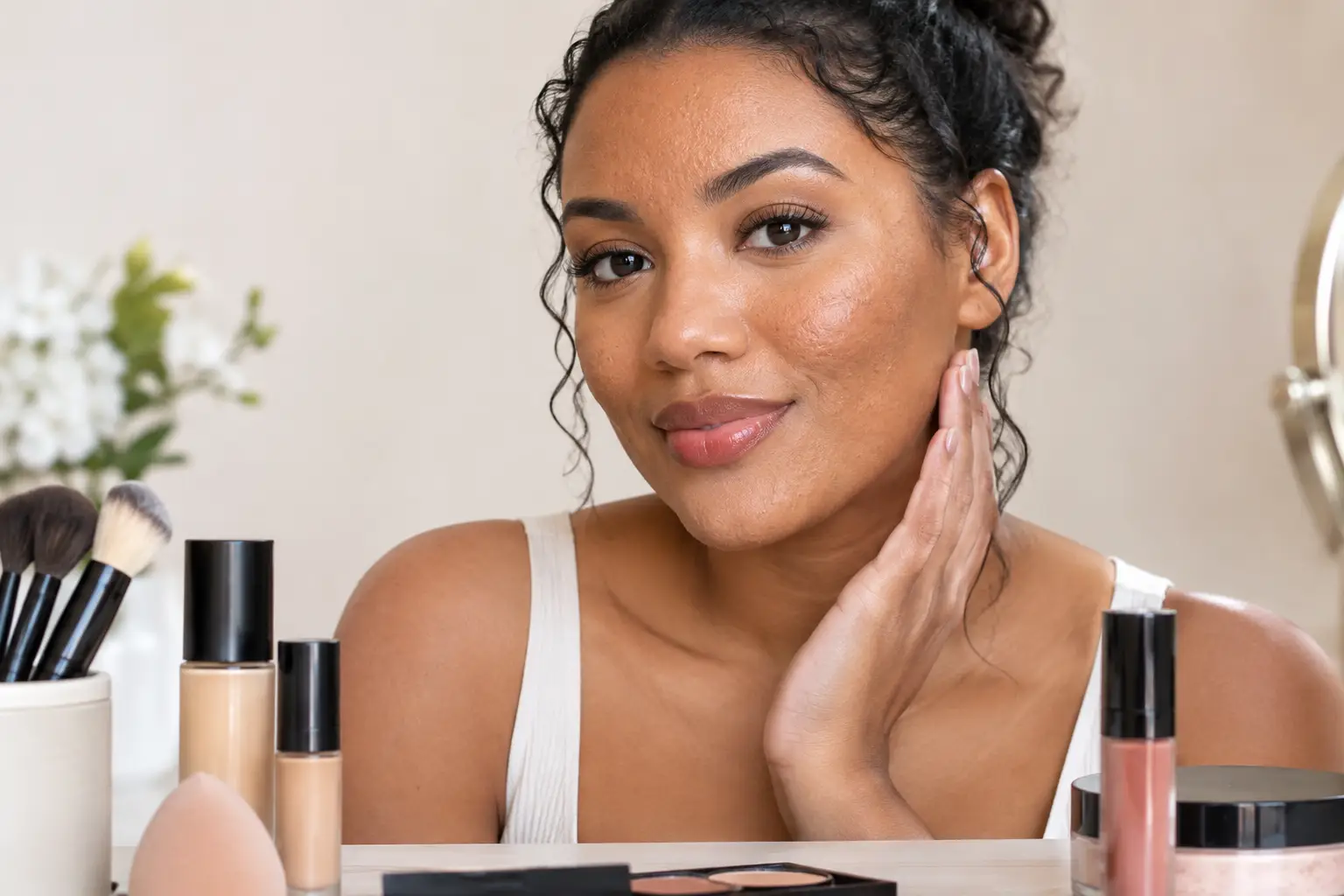
Texture is not a flaw to erase before a wedding, headshot session, gala, or special event. Skin has pores, fine lines, healed blemishes, and natural variation. The goal is not to make it look like a filter in person. It is to choose makeup that sits comfortably, wears beautifully, and lets you feel polished and recognizable in every photograph.
If you are asking which makeup suits textured skin, the answer is usually a skin-focused soft glam look with intentional prep, strategic coverage, and a finish tailored to your skin’s needs. Heavy layers can seem like the obvious solution, but they often emphasize the very areas you are trying to soften. A lighter, more flexible approach tends to look fresher from the first look through the last dance.
Which Makeup Suits Textured Skin Best?
For most clients with textured skin, the most flattering choice is a natural satin or softly radiant complexion. It offers enough coverage to even the appearance of redness or discoloration without creating a flat, mask-like surface. This finish has dimension, so it reflects light in a way that can make the skin look healthier and more balanced on camera.
That does not mean everyone needs a dewy foundation. If you are oily through the T-zone, attending a warm outdoor celebration, or wearing makeup for many hours, a soft-matte finish may be a better fit. The key is choosing a formula that stays flexible rather than drying down too tightly. Texture often becomes more visible when a foundation is overly matte, heavily powdered, or applied in thick layers.
Coverage should be placed where it is needed instead of spread evenly everywhere. A sheer-to-medium base can be built gently over the face, while a fuller-coverage concealer can address a spot, under-eye darkness, or areas of redness. This creates a more refined result than applying a full-coverage foundation across every inch of skin.
Skin Preparation Does More Than a Primer Alone
Beautiful makeup begins well before foundation. Texture can come from dehydration, active breakouts, dry patches, oil production, scarring, or the natural structure of the skin. Each calls for a slightly different approach, which is why a personalized consultation matters more than copying a routine from social media.
For dehydrated or dry skin, the focus is comfort and hydration. A gentle moisturizer allowed to absorb fully can help makeup glide on rather than catch around dry areas. For oily or combination skin, lightweight hydration is still essential. Skipping moisturizer can encourage makeup to separate or create an uneven finish later in the day.
Primer is useful when it solves a specific concern, not when it is applied automatically. A smoothing primer may help on areas with more visible pores, such as the sides of the nose or center of the cheeks. A hydrating primer may be more appropriate where makeup tends to cling. Using a different primer only where needed keeps the complexion from feeling overloaded.
For an event, avoid trying aggressive exfoliants, peels, new retinoids, or unfamiliar facial treatments immediately beforehand. These can leave skin sensitized, flaky, or reactive at exactly the wrong time. If you are planning a bridal trial or a major photoshoot, it is helpful to discuss your current skincare routine early so makeup preparation can work with it, not against it.
Foundation Technique Matters as Much as Foundation Type
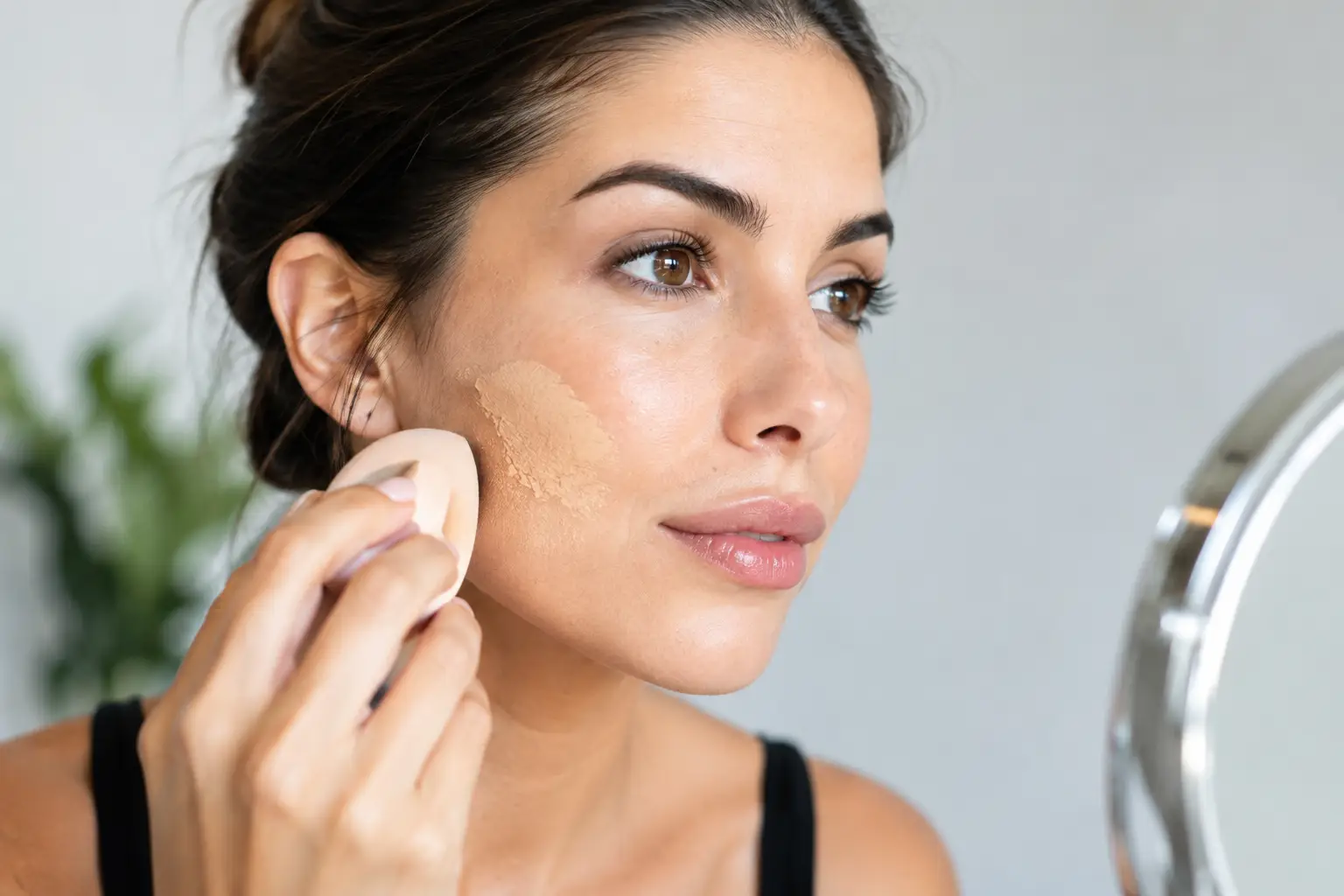
The same foundation can look completely different depending on how it is applied. On textured skin, pressing and lightly buffing thin layers into the skin is generally more effective than dragging product across the face. A damp sponge can give a soft, skinlike finish, while a brush can add coverage where needed. Often, both tools have a place in one application.
Rather than applying more product as soon as texture shows, allow each light layer to settle. Then assess what actually needs coverage. Texture is a physical surface, so no foundation can truly remove it. Adding product to chase a perfectly smooth appearance often makes pores, lines, and dry spots more noticeable in natural light.
Color matching also plays a quiet but significant role. A foundation that is too light, too dark, or too yellow can draw attention to unevenness. The right shade disappears into the neck and chest, allowing the eye to notice your features rather than the makeup itself.
Concealer should be precise, not widespread
Concealer is most flattering when it is used thoughtfully. A small amount over a blemish or discoloration is often enough, especially after the complexion has been evened out. For the under-eyes, a hydrating formula in a thin layer helps maintain a smooth appearance as you smile, talk, and move.
If under-eye texture is a concern, avoid bringing a bright, heavy concealer too close to the lower lash line. A softer transition and minimal setting powder will usually look more natural in person and in photographs.
Powder and Glow Need a Balanced Approach
Powder is not the enemy of textured skin. The issue is usually too much powder, placed too broadly, or layered over a base that has not settled. A finely milled setting powder can help makeup last through humidity, happy tears, hugs, and a long event schedule. It is especially useful around the nose, chin, forehead, and under-eyes when those areas tend to crease or shine.
The most polished approach is selective setting. Keep powder light on drier or more textured areas, then use it where longevity calls for it. A setting spray can help melt powders and complexion products together so the finish looks less like separate layers.
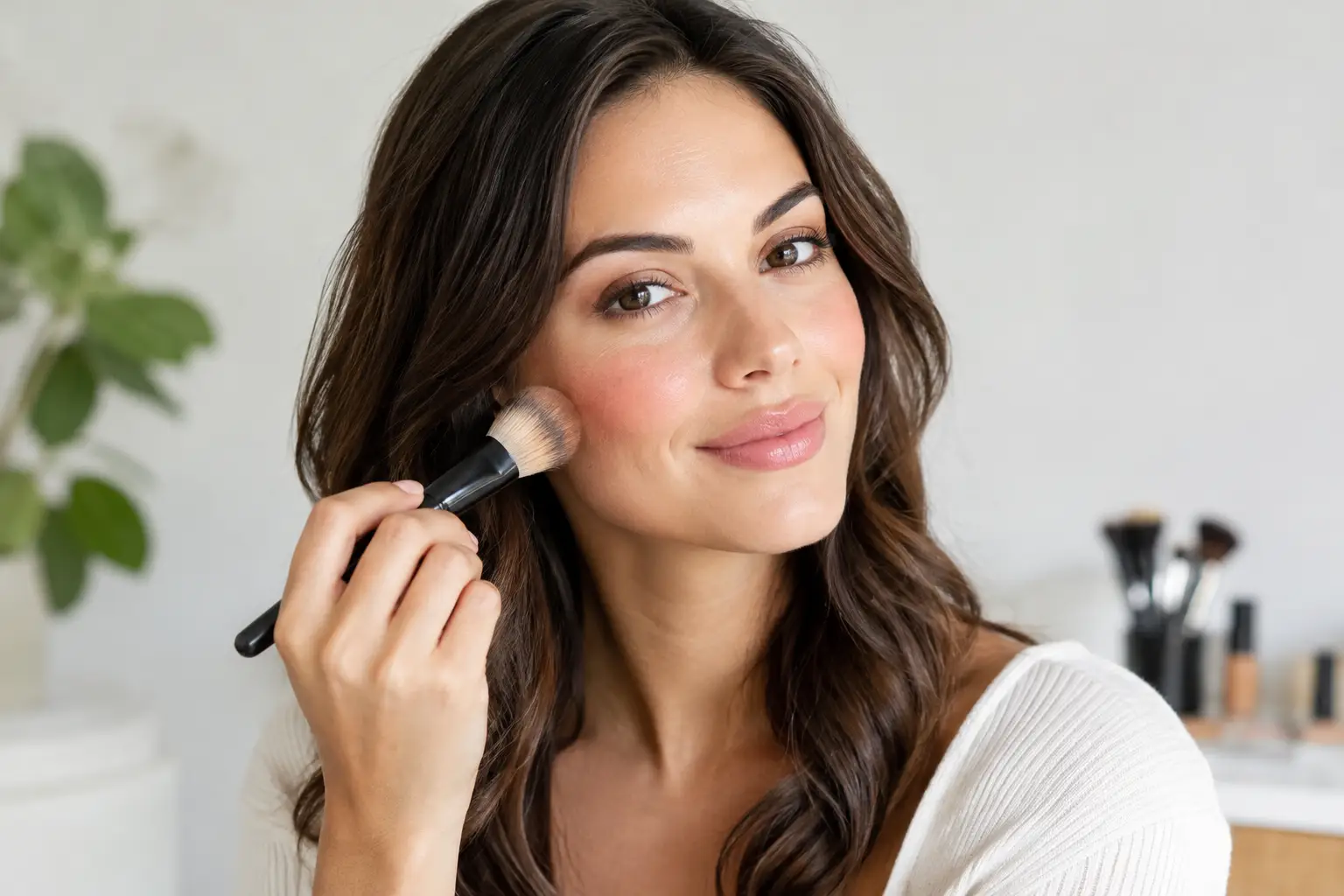
Glow should also be intentional. A cream blush or softly luminous bronzer can bring life back to the face, but highly reflective highlighter may emphasize raised texture on the cheeks. Instead of applying sparkle directly over areas with visible pores or acne scarring, place a subtle radiance on the high points that are naturally smoother, such as the temples or just above the outer cheekbone.
Let the Rest of the Makeup Create Balance
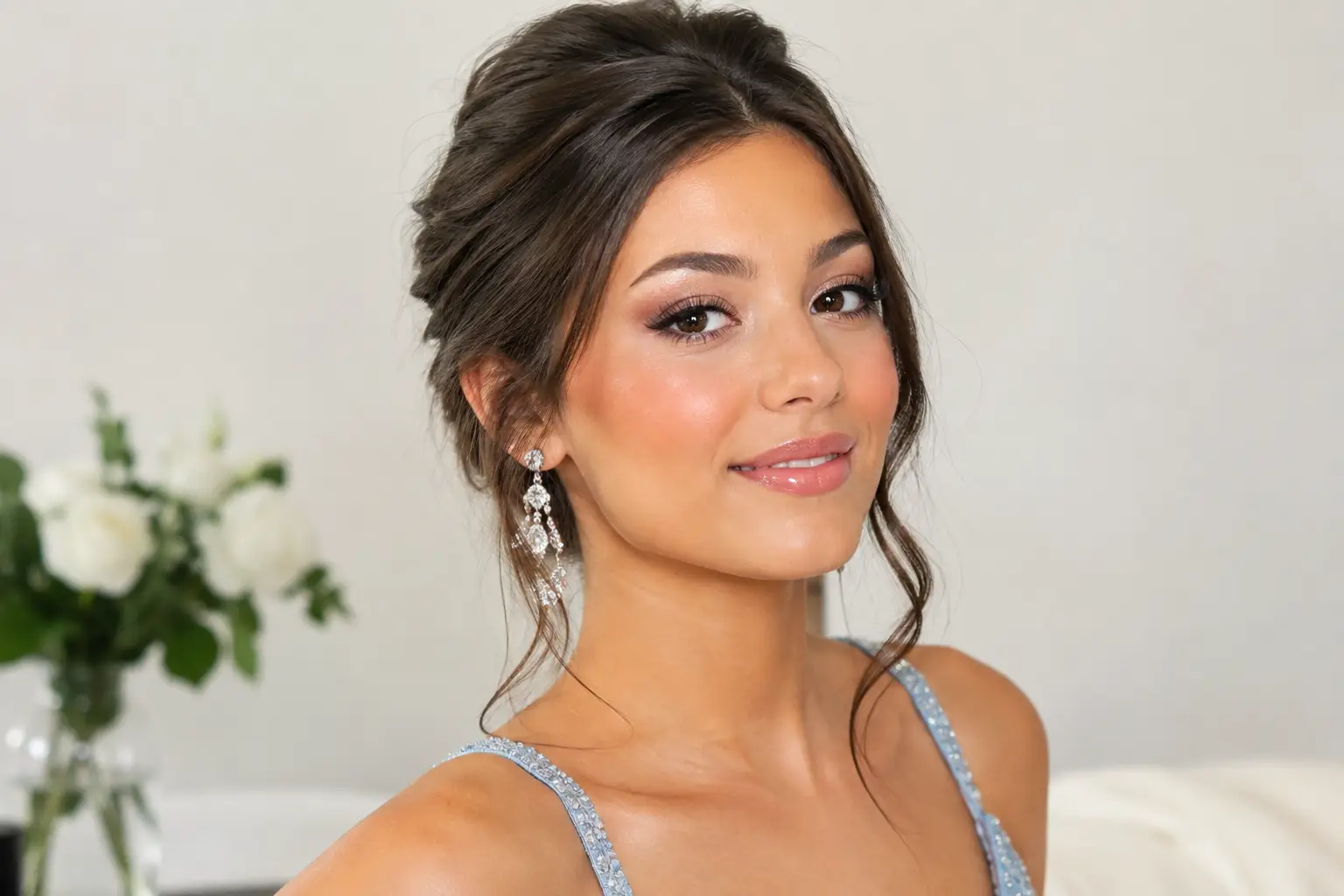
When the complexion is softly perfected, defined eyes, groomed brows, and a flattering lip can create beautiful balance. This is one reason soft glam works so well for textured skin. It gives the face structure and polish without requiring a heavy base.
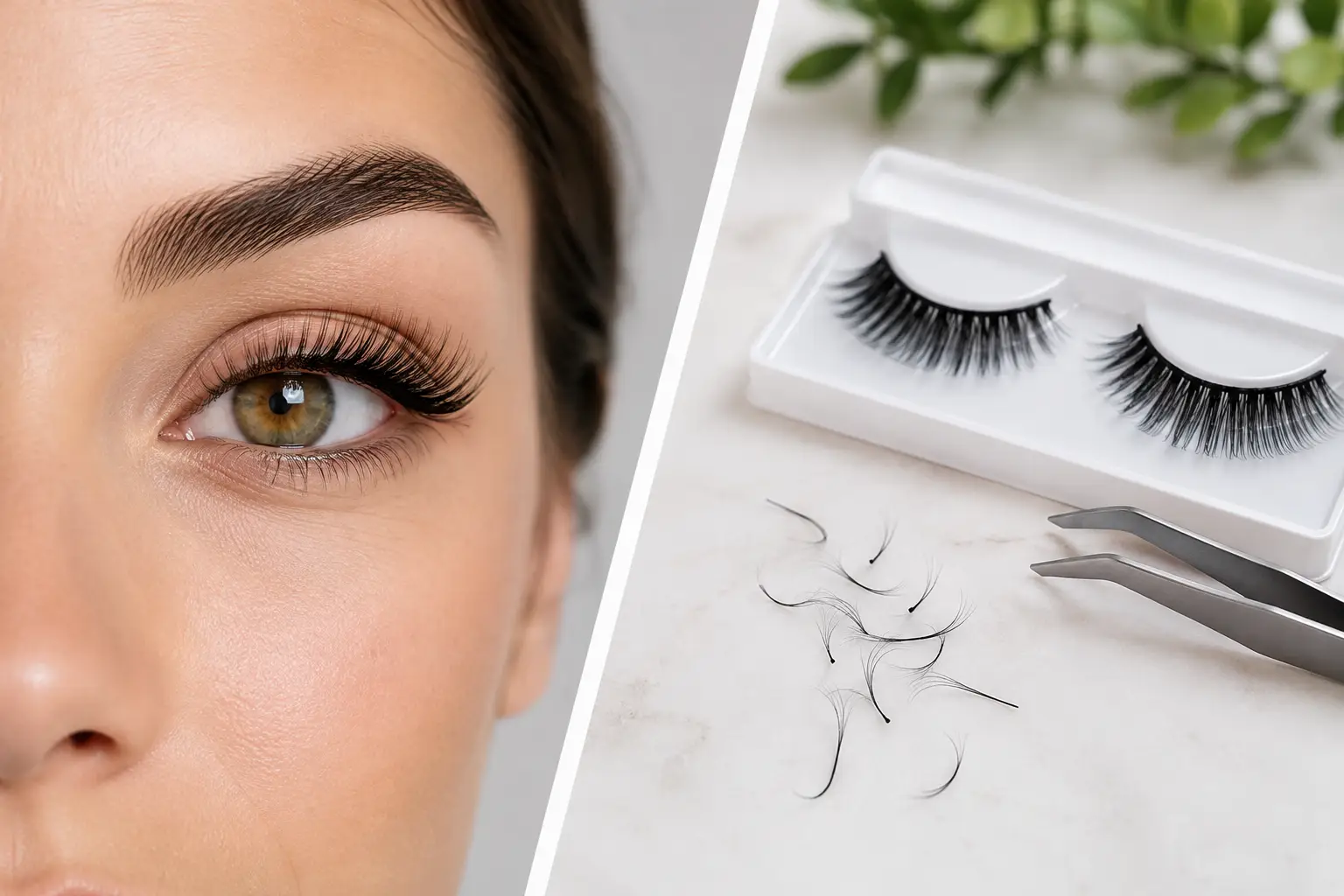
For a bride or event guest who does not normally wear much makeup, this can mean softly shaped brows, neutral eye definition, individual or natural-style lashes, blush with a healthy finish, and a lip color that enhances the natural tone. For a more formal evening look, a richer lip or softly smoky eye can elevate the result while keeping the skin believable.
Makeup should also suit the setting. Flash photography, daylight portraits, candlelit receptions, and a professional headshot session all interact with products differently. A skilled artist adjusts the finish for the lighting, timing, and how long the makeup needs to wear, rather than relying on a single look for every occasion.
What to Bring Up at Your Makeup Appointment
You do not need to arrive with a perfect diagnosis of your skin. Simply share what you notice: makeup clinging to certain areas, foundation separating by midday, sensitivity, breakouts, rosacea, dryness, or concerns about pores and scarring. Mention any prescription skincare or treatments you use, especially if your skin is reactive.
It is also helpful to say how you want to feel. Some clients want their freckles visible. Others want more coverage for a photo-heavy celebration. Neither preference is wrong. The best makeup plan respects your comfort level while considering what will translate well in real life and on camera.
At Taylor Bailey Makeup Artist, that conversation is part of creating a calm, personalized experience. Thoughtful sanitation, skin-aware product selection, and an unrushed application make room for adjustments before you head into an important moment.
The right makeup for textured skin should never ask you to hide your face. It should help you see your features clearly, feel comfortable up close, and step into your event knowing that you still look beautifully like yourself.