Why Does Foundation Separate? Makeup Artist Tips
Foundation can look beautiful when it is first applied, then begin to break apart around the nose, chin, smile lines, or forehead an hour later. If you have ever asked, “why does foundation separate?” the answer is rarely that you chose a bad product. More often, it is a matter of how your skin, skincare, primer, foundation, and application method are working together.
For wedding days, photo sessions, and special events, makeup needs to do more than look lovely in the mirror. It needs to stay smooth through changing temperatures, hugs, happy tears, flash photography, and a full day of celebrating. The good news is that separating foundation is usually fixable with a few thoughtful adjustments.
Why Does Foundation Separate on Your Skin?
Foundation separation happens when makeup no longer sits evenly on the skin. It may look patchy, streaky, flaky, textured, or as though the pigment is lifting away from certain areas. Sometimes it gathers in fine lines; other times, it seems to disappear in oily areas while clinging to dry patches.
Skin naturally produces oil, loses moisture, sheds dead cells, and changes with weather, hormones, stress, and medication. Foundation has to sit on top of all of that. When the skin’s surface is not balanced or the layers beneath the makeup are incompatible, the foundation can lose its smooth, even finish.
This does not mean you need to pursue perfectly poreless skin. Real skin has texture, movement, and dimension. The goal is a polished complexion that looks like skin, feels comfortable, and wears gracefully rather than heavily.
Skin Prep Is Often the Missing Step
The best foundation routine starts before foundation ever touches the face. Dry, dehydrated skin and oily skin can both cause separation, although they tend to show it differently.
When skin is dry or dehydrated, foundation may catch on flakes, settle around the nose, or look uneven across the cheeks. A gentle exfoliation routine, used consistently rather than aggressively, can help remove surface buildup. On the day of an event, follow with a hydrating moisturizer and give it time to absorb. Applying foundation over skincare that is still sitting on the surface can cause slipping and pilling.
Oilier skin can experience separation when excess oil breaks through the makeup, particularly in the T-zone. It is tempting to skip moisturizer, but that can make the situation worse. Skin that is stripped or dehydrated may produce more oil in response. A lightweight moisturizer, paired with strategic oil control where needed, usually creates a more stable foundation base than going without hydration entirely.
Combination skin often needs a tailored approach. You may need extra hydration on the cheeks while using a smoothing or oil-controlling primer only around the nose, forehead, and chin. One product applied uniformly across the entire face is not always the best answer.
Give Each Layer a Moment to Set
One of the simplest ways to improve makeup longevity is to slow down. Apply skincare in thin layers, then allow it to settle before primer and foundation. If your face feels overly slick before makeup begins, gently press away excess product with a clean tissue instead of adding more powder immediately.
This small pause matters especially for brides and clients getting ready early in the morning. Rushing through skin prep can create a foundation base that looks smooth at first but shifts as the day goes on.
Your Primer and Foundation May Not Be Pairing Well
Not every primer works with every foundation. A common cause of separation is mixing formulas that do not layer well together. While ingredient lists can be helpful, you do not need a chemistry degree to troubleshoot your routine. Pay attention to what happens when products meet.
For example, a very emollient, silicone-rich primer under a thin, water-based foundation may cause the foundation to move around rather than grip. Likewise, a gripping primer can sometimes feel too dry or textured beneath a luminous foundation if the skin needs more moisture first. There is no universal rule that one type is always better. The right pairing depends on your skin and the finish you want.
Test your makeup combination before an important occasion. Apply it as you normally would, then check your skin after two to four hours in natural light. If the foundation begins separating right away, try removing either the primer or a heavy skincare layer from the routine. Often, fewer layers create a better result.
Application Technique Can Make Foundation Separate
Even a beautiful formula can look uneven when too much is applied at once. Heavy layers tend to sit on top of the skin instead of blending into it, making them more likely to crease, crack, or separate as facial expressions and natural oils come through.
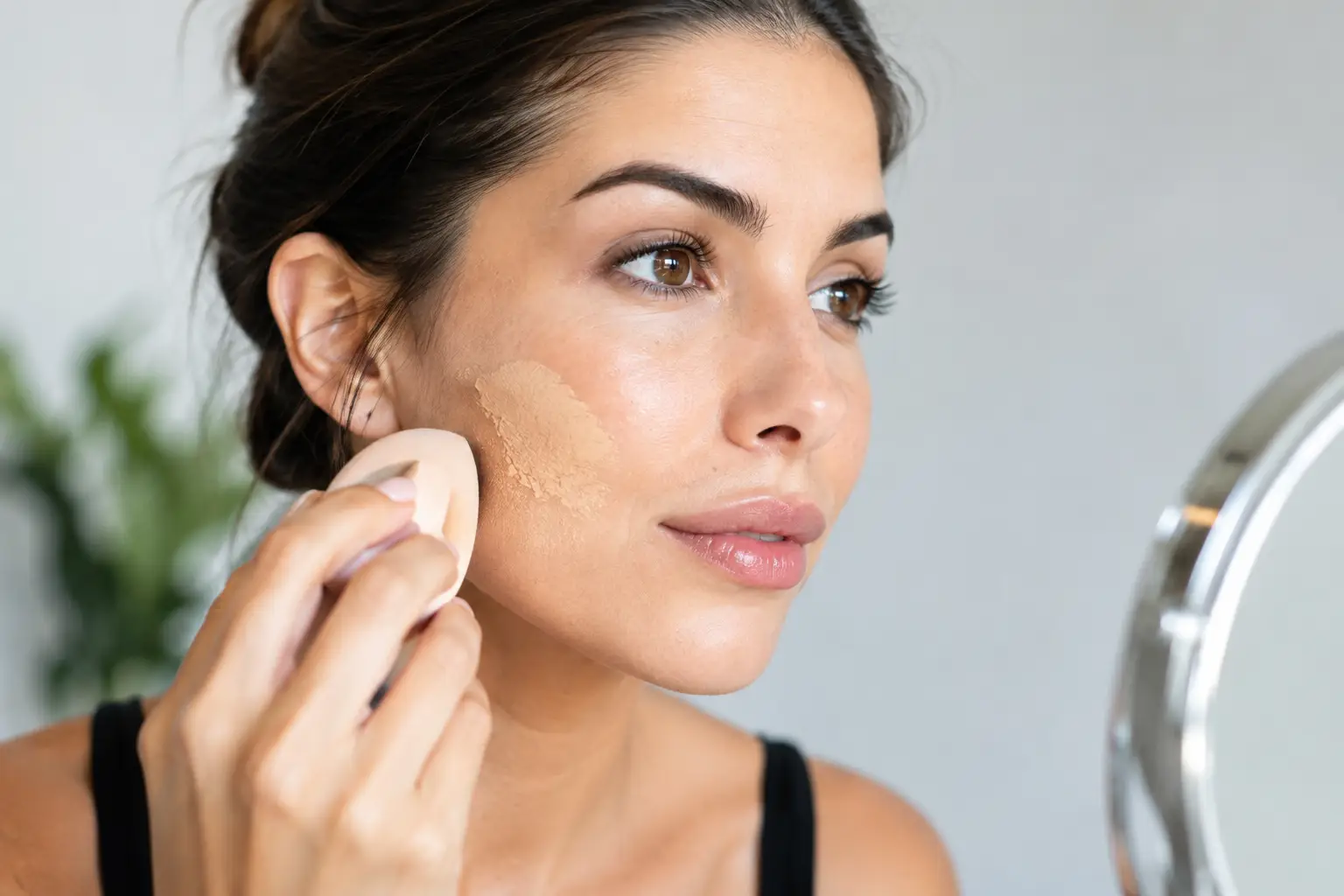
Start with a small amount of foundation, concentrating it where you need the most evening out. Then blend outward in thin layers. A damp makeup sponge can create a soft, skin-like finish, while a brush can offer more coverage and precision. Neither is automatically superior. What matters is using a light hand and pressing the product into the skin instead of repeatedly dragging it across the face.
If you need more coverage for redness, acne marks, or under-eye darkness, targeted concealer is often more effective than adding another full layer of foundation. This keeps the complexion refined and comfortable, especially in close-up photos.
Powder Is Helpful, but It Is Not a Cure-All
Setting powder can extend wear, but too much can create a dry, textured appearance that later separates when the skin produces oil. Apply a finely milled powder sparingly in areas that tend to crease or become shiny. Press it in rather than sweeping it across freshly applied foundation.
For dry or mature skin, powder may only be needed around the nose, chin, and under the eyes. For oilier skin, you may use a little more through the center of the face, then bring blotting papers or a clean powder puff for touch-ups. Blot oil first. Adding powder directly over shine without blotting can create buildup and make separation more noticeable.
Weather, Hormones, and Your Event Timeline Matter
Makeup does not wear the same way during a humid Washington, DC summer wedding as it does on a crisp Northern Virginia fall afternoon. Heat, humidity, cold air, indoor heating, and perspiration all affect how foundation behaves.
Hormonal changes can also influence oil production, sensitivity, and dryness. If your skin is acting differently than usual before a major event, resist the urge to overhaul your entire routine the night before. New exfoliants, strong treatments, or unfamiliar products can lead to irritation and unpredictable texture. Consistent, gentle care is the safer choice.
For a long event day, plan for realistic touch-ups. A polished makeup look should still allow you to eat, laugh, greet guests, and move through the day without worrying about every expression. A few intentional touch-up products are more useful than trying to make foundation completely immovable.
How to Fix Foundation That Has Already Separated
When foundation begins to separate, avoid layering more foundation over the area. That usually emphasizes the texture. Instead, lightly press a clean sponge over the skin to lift excess oil and re-meld the makeup. If needed, tap on a tiny amount of concealer or foundation only where coverage has lifted, then set that spot lightly.
If flaking is the issue, do not scrub or aggressively blend. Press a small amount of moisturizer onto the dry area with clean fingertips, allow it to soften the patch, and gently tap the existing makeup back into place. This works best when done with restraint. The more product you add, the harder it can be to restore a natural finish.
When Professional Makeup Makes a Difference
For a wedding, headshot, gala, or milestone celebration, professional makeup is not simply about owning more products. It is about reading the skin in front of you and adjusting the prep, formula, coverage, and setting technique accordingly. A skin-focused artist can build a complexion that is camera-ready without masking your features or leaving you feeling overdone.
At Taylor Bailey Makeup Artist, that individualized approach begins with skin preparation and thoughtful product selection, because long-wearing makeup should still look like you. Foundation is meant to support your confidence, not become something you have to manage all day. With the right balance of hydration, compatible layers, and a lighter application, your complexion can stay fresh, radiant, and comfortably your own.