How to Prepare for a Makeup Appointment
The best makeup appointments do not start when the first brush comes out. They start a few days earlier, when your skin is calm, your schedule is realistic, and you know how you want to feel when you look in the mirror. If you want to prepare for makeup appointment day in a way that helps everything go smoothly, a little planning makes a noticeable difference.
For many clients, especially if you do not wear much makeup every day, the process can feel surprisingly personal. You are trusting someone with your face for a wedding, photoshoot, gala, or another meaningful event. Good preparation is not about doing everything perfectly. It is about giving your artist a clean, comfortable canvas and enough context to create makeup that looks polished, photographs beautifully, and still feels like you.
Why it helps to prepare for makeup appointment day
Professional makeup is designed to perform under specific conditions. It needs to hold up through lighting, flash photography, long hours, weather, and emotion. Skin prep, timing, and communication all affect how makeup sits, how long it lasts, and whether the overall result feels refined rather than heavy.
This is especially true for soft glam and natural enhancement. The more skin-forward the finish, the more important the underlying prep becomes. Smooth texture, balanced hydration, and a well-paced appointment allow for a result that looks effortless, even though a great deal of care goes into it.
In the week before your appointment
The week leading up to your appointment is not the time for experimentation. If you are tempted to try a new exfoliating treatment, switch skincare, or schedule an aggressive facial, it is usually better to wait until after your event. Even products that work well for other people can trigger irritation, dryness, or breakouts when your timing matters most.
Instead, keep your routine steady and supportive. Cleanse gently, moisturize consistently, and stay hydrated. If your skin is acne-prone or sensitive, consistency matters more than intensity. Over-treating breakouts often creates flaky areas that are harder to perfect with makeup than the blemish itself.
If you plan to do any grooming, such as brow shaping, waxing, or dermaplaning, give your skin a bit of breathing room. A same-day wax can leave redness or sensitivity, while last-minute brow changes can alter the balance of your face in ways you did not expect. A few days in advance is usually a safer window, though it depends on how reactive your skin tends to be.
Skin preparation the day before
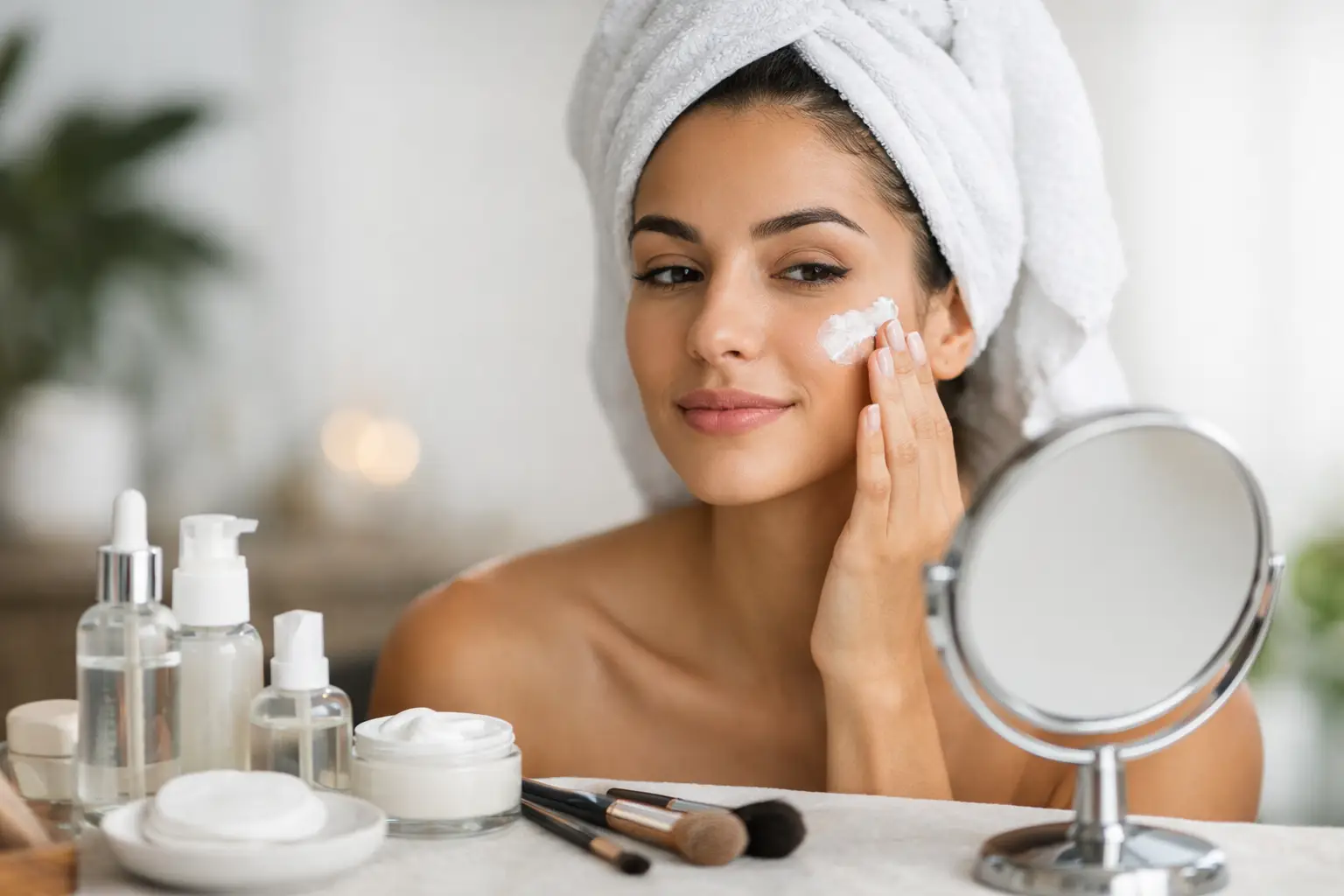
The day before your appointment should feel calm. Remove makeup thoroughly that evening, cleanse gently, and follow with hydration that suits your skin type. A lightweight serum and moisturizer can help, but this is still not the moment for anything unfamiliar.
If your lips tend to get dry, start there too. A gentle lip scrub or soft washcloth, followed by a nourishing balm, can make a big difference in how lipstick or gloss applies the next day. Dry, peeling lips are easy to overlook until color starts catching on texture.
Try to get adequate rest as well. Makeup can brighten under-eyes and even out tone, but it cannot fully replace what sleep does for your skin. When you are well-rested, makeup generally looks fresher and settles better.
How to prepare for makeup appointment morning
On the day of your appointment, arrive with a clean face unless your artist has given different instructions. That usually means no leftover mascara, no heavy skincare residue, and no makeup to remove before beginning. Clean skin helps preserve appointment time for the artistry itself rather than extra prep.
Moisturizer is often appropriate, but the amount matters. Skin should feel comfortable, not slick. If you tend to get very dry, a light layer of moisturizer can be helpful. If you are oily, applying multiple rich products beforehand may cause makeup to break down faster. This is one of those areas where it depends on your skin and your artist’s process, so if you are unsure, ask in advance.
SPF can also be a gray area. Daily sun protection is important, but some formulas create flashback in photography or pill under makeup. If your appointment is for professional photos, bridal events, or evening occasions, it is wise to follow your artist’s guidance on what to apply before arrival.
What to bring and what to share
A successful appointment is not only about products. It is also about communication. If you have inspiration photos, bring a few that feel genuinely aligned with your features, skin tone, and event style. The most helpful references are not just pretty images. They show the level of coverage, finish, and definition you actually want.
It also helps to mention anything that affects wear or comfort. That might include sensitive skin, watery eyes, contact lenses, allergies, recent breakouts, or a history of makeup sliding off by midday. These details let your artist adjust product selection and technique for better performance.
If there is a product you love and wear regularly, you can mention that too. Sometimes it is useful context. That said, professional artists often use products chosen for longevity, photography, and compatibility with the full look, so your favorite everyday formula may not always be the best fit for the occasion.
Dressing and timing matter more than people expect
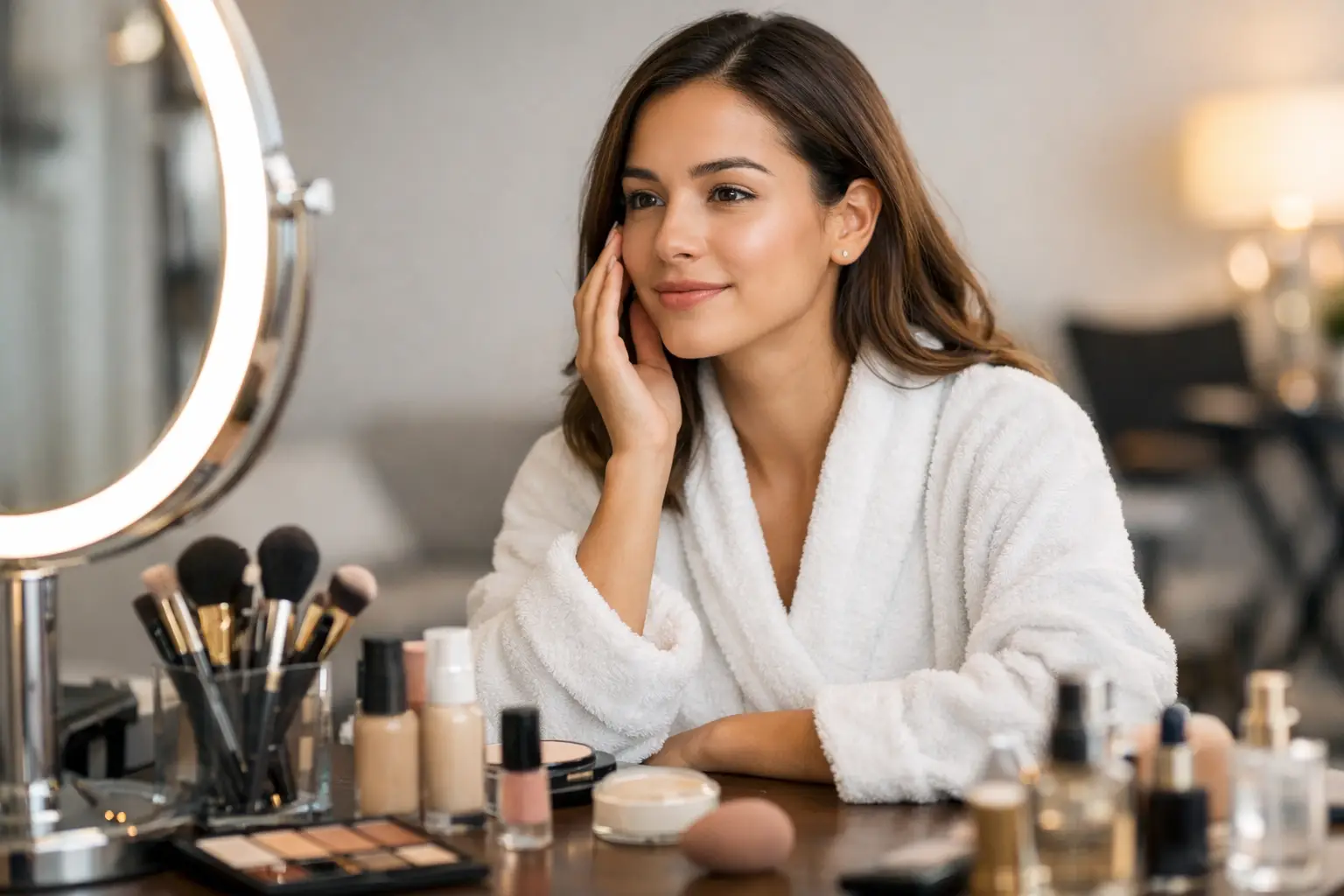
One of the easiest ways to protect finished makeup is to think about what you will wear while getting ready. A button-down shirt, robe, or wide-neck top makes changing much easier than pulling a tight garment over your face. It is a small detail, but it can prevent smudging and save time.
Your schedule matters just as much. If your event starts at a specific time, avoid booking makeup too close to the moment you need to leave. Rushed beauty appointments rarely feel luxurious, and they are not ideal for precision either. Build in time for setup, application, final adjustments, getting dressed, and a few unexpected delays.
For weddings and group services, timing becomes even more important. Hair, makeup, photography, and transportation all overlap. A realistic beauty timeline helps the entire day feel calmer.
If you are getting makeup for photos, not just in person
Makeup for photography is slightly different from makeup for everyday life. Cameras can flatten features and soften contrast, which means a look that appears polished in a photo may feel a touch more defined in person. That does not mean it has to look heavy. It means balance is key.
If your appointment is for engagement photos, maternity portraits, headshots, or a formal event with professional photography, let your artist know. Lighting, flash, and the length of wear all matter. A skin-focused artist can adjust coverage, powder placement, and structure so your makeup still reads beautifully on camera while looking like you up close.
What not to do right before your appointment
Last-minute decisions are usually the ones clients regret. Avoid trying new skincare, over-exfoliating, popping blemishes, or showing up sunburned if at all possible. Even the best makeup application has limits when skin is actively irritated.
It is also best not to arrive dehydrated, stressed, and eating your first meal of the day in the chair. Your appointment should feel composed, not chaotic. A little preparation allows you to enjoy the process instead of treating it like one more errand.
If you are bringing other people into the getting-ready space, think about the environment too. A calm setup with good light and minimal interruption can make the experience feel much more elevated.
The goal is not perfection
When clients prepare well, the result is rarely a look that seems overly done. It is usually the opposite. Makeup sits better, skin looks healthier, and the finished look feels more natural because the foundation underneath it is strong.
That is the real reason preparation matters. It gives your artist the ability to focus on refinement instead of correction. And it gives you the chance to settle in, trust the process, and enjoy seeing a polished version of yourself come together.
If you are wondering whether you are doing enough, keep it simple. Clean skin, steady skincare, thoughtful timing, and clear communication go a long way. The rest can be guided by a professional who knows how to tailor the experience to your features, your skin, and the way you want to show up that day.
A makeup appointment should leave you feeling cared for, comfortable, and unmistakably like yourself – just with every detail working a little harder in your favor.