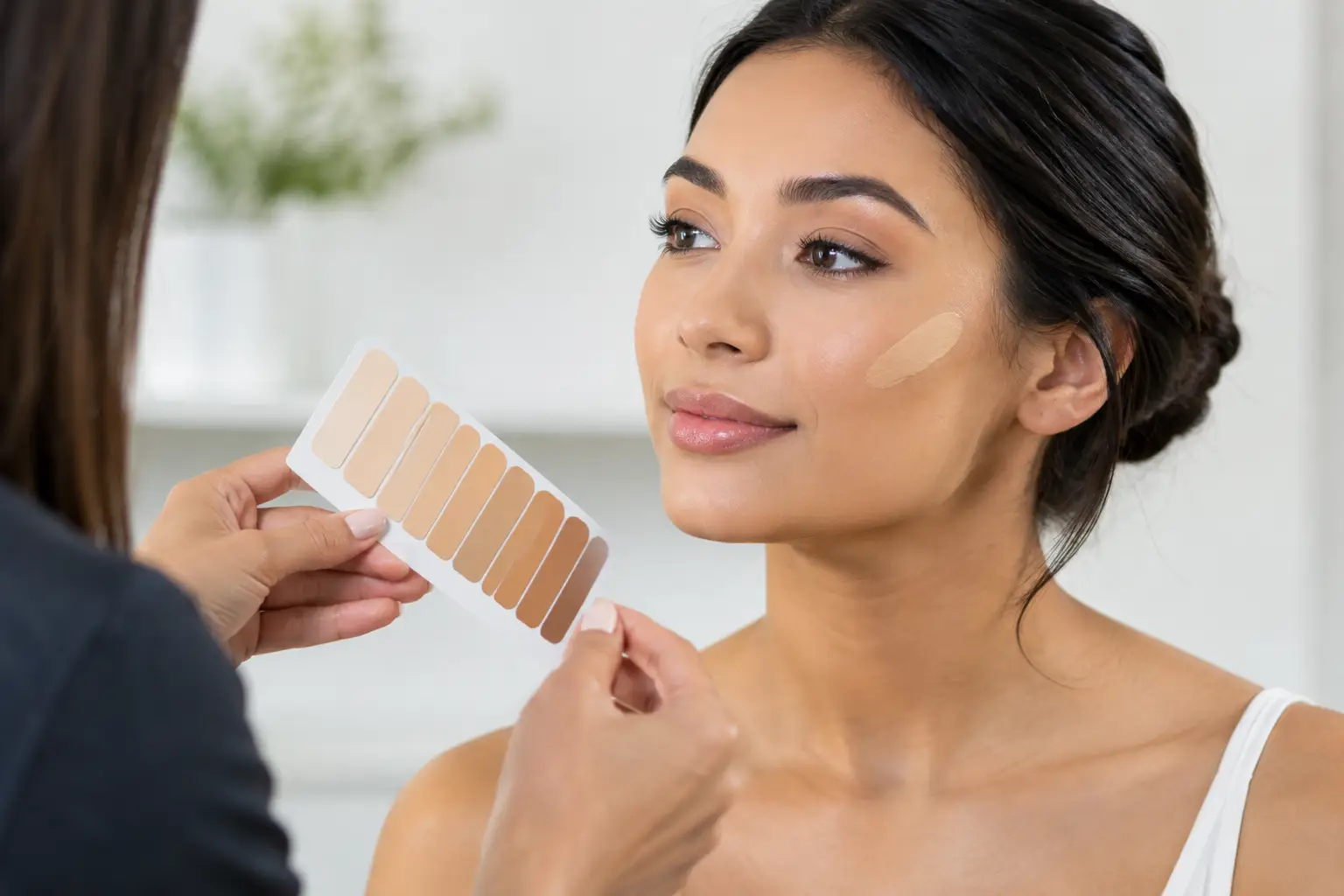
Custom Foundation Shade Matching That Looks Like Skin
A foundation can appear flawless under a bathroom mirror and completely different by the time you step outside, sit near a window, or face a camera. That is why custom foundation shade matching is more than finding a bottle that looks close to your skin tone. It is a thoughtful process that considers your complexion, your skin’s current condition, the finish you enjoy, and where you will be seen.
For a wedding, portrait session, gala, or special event, the goal is not to cover your face with a new color. It is to create an even, radiant complexion that still feels recognizably like you. When the shade, formula, and skin preparation work together, foundation should look like healthy skin – just more rested, refined, and camera-ready.
What Custom Foundation Shade Matching Really Means
A true shade match starts with skin depth, but it does not end there. Depth is how light or deep the skin appears. Undertone is the subtle color beneath the surface, often described as warm, cool, neutral, olive, or a balanced mix. Two people may have a similar skin depth while needing entirely different foundation shades because one has golden tones and the other has rosy, neutral, or olive tones.
Surface tone matters, too. Redness around the nose, post-acne marks, a recent breakout, under-eye darkness, or natural flushing can make someone believe their foundation should match those areas. Usually, it should not. A makeup artist looks at the complexion as a whole, including the jawline, neck, chest, and shoulders, to create continuity rather than accidentally emphasizing temporary discoloration.
Custom matching also accounts for the way your skin behaves. Dry or dehydrated skin can make a matte foundation look heavier than intended. Oil-prone skin may need strategic prep and a long-wear formula that remains balanced through photos, hugs, dancing, or warm weather. Sensitive and acne-prone skin benefit from a careful product selection process and clean, hygienic application practices.
Why a Wrist Swatch Is Not Enough
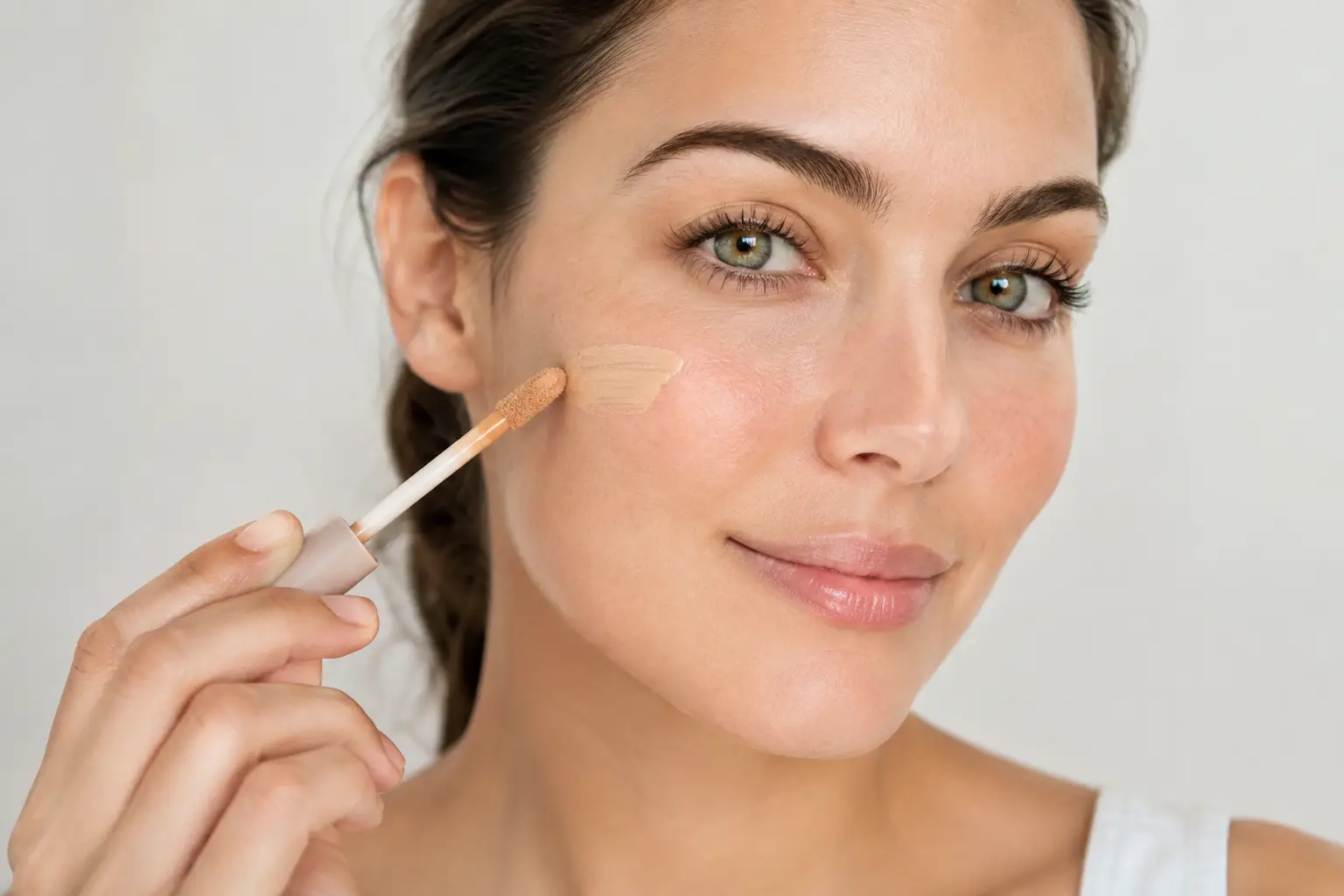
The wrist is convenient, but it is rarely the best place to choose foundation. It may be lighter, darker, warmer, or cooler than the face and neck because of sun exposure, circulation, or simply your natural coloring. The best test area is typically along the jawline, where a few close shades can be blended downward toward the neck.
A match should seem to disappear rather than sit visibly on the skin. It also needs a few minutes to settle. Some formulas deepen slightly as they dry or interact with the skin’s natural oils, a process often called oxidation. This is especially relevant for a long event day, when a color that seemed correct at application can start to look too warm or too deep several hours later.
Natural daylight is useful whenever possible, but it is not the only lighting that matters. Brides may be photographed outdoors, then move into a warmly lit reception space. A professional headshot may be taken under studio lighting. Foundation needs to look harmonious across those settings, not perfect in only one mirror.
The Role of Skin Preparation in a Better Match
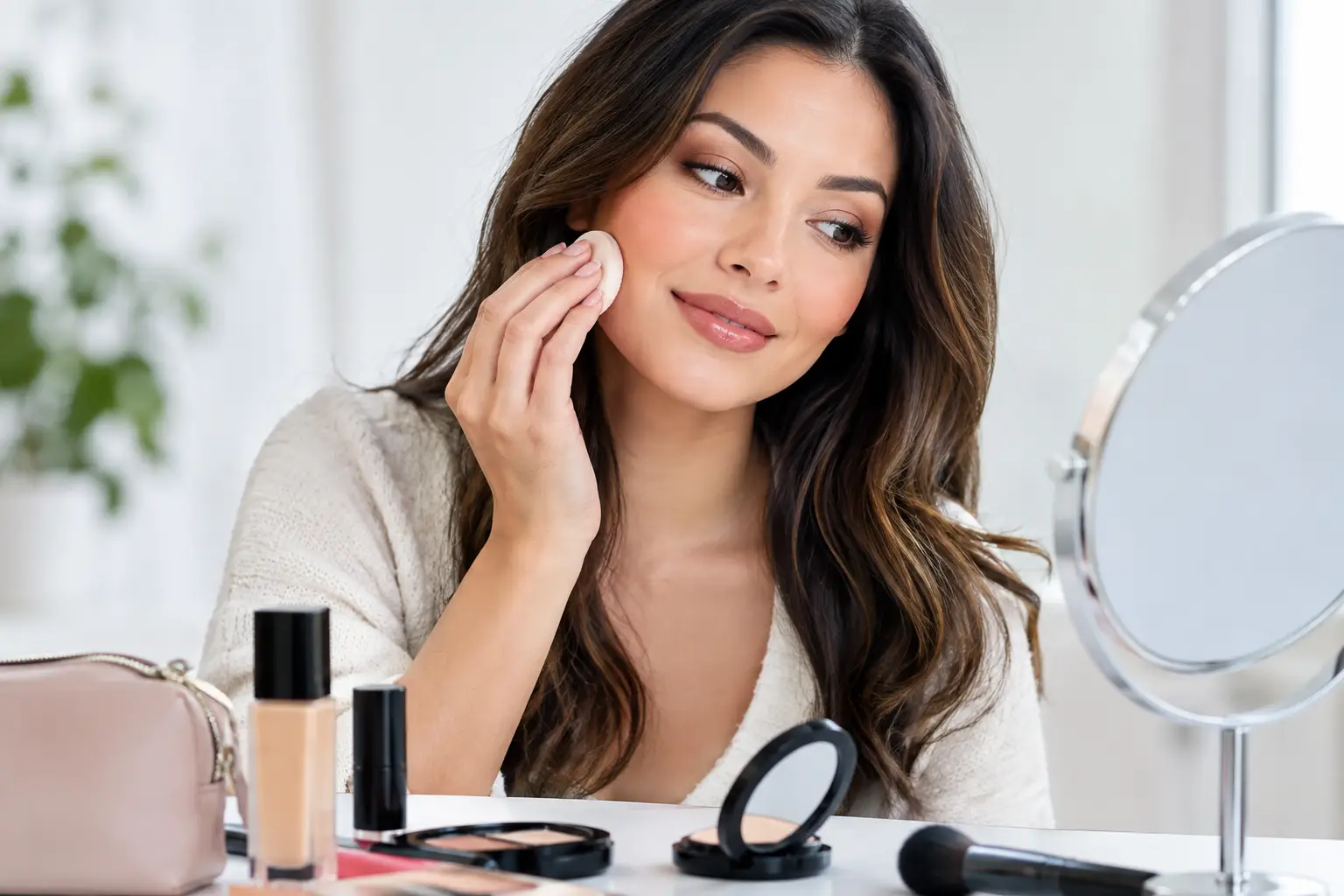
Even the right shade can look uneven on unprepared skin. Foundation reflects texture, dryness, excess oil, and product buildup, which is why skin preparation is a meaningful part of a polished makeup application rather than an optional extra.
The right prep is personalized. It may include gentle hydration for dry areas, targeted moisture around the eyes, smoothing products where makeup tends to separate, or lightweight layers that help the complexion stay comfortable without becoming overly shiny. For oily skin, more powder is not always the answer. Thoughtful skin prep and controlled placement of complexion products can create a finish that wears beautifully without looking flat.
This is also where timing matters. If you are preparing for a major event, avoid experimenting with strong exfoliants, new peels, or unfamiliar skincare immediately beforehand. A calm, supported skin barrier makes shade matching and makeup wear far more predictable. If you are managing acne, sensitivity, or texture, a professional makeup application can still be soft and luminous. The approach simply needs to respect what your skin needs that day.
Custom Foundation Shade Matching for Photography
Cameras notice contrast differently than the eye does. Foundation that is too light can create a pale cast against the neck and body, particularly in flash photography. A shade that is too dark can make the face appear disconnected or overly bronzed. The camera may also emphasize an overly matte base, heavy powder, or foundation that has settled into dry areas.
For professional photos and wedding imagery, the best result is usually a skin-like satin finish with coverage placed where it is needed. That might mean applying a lighter layer of foundation overall, then using concealer precisely around redness, discoloration, or blemishes. This preserves dimension in the skin and keeps the final look fresh at close range.
Flashback is another consideration. Certain powders or sunscreen-based products can reflect light and appear noticeably lighter in flash photography. That does not mean every client needs a full-coverage, heavily powdered base. It means product choices should be made with the event, lighting, and level of photography in mind.
Your Neck and Chest Are Part of the Picture
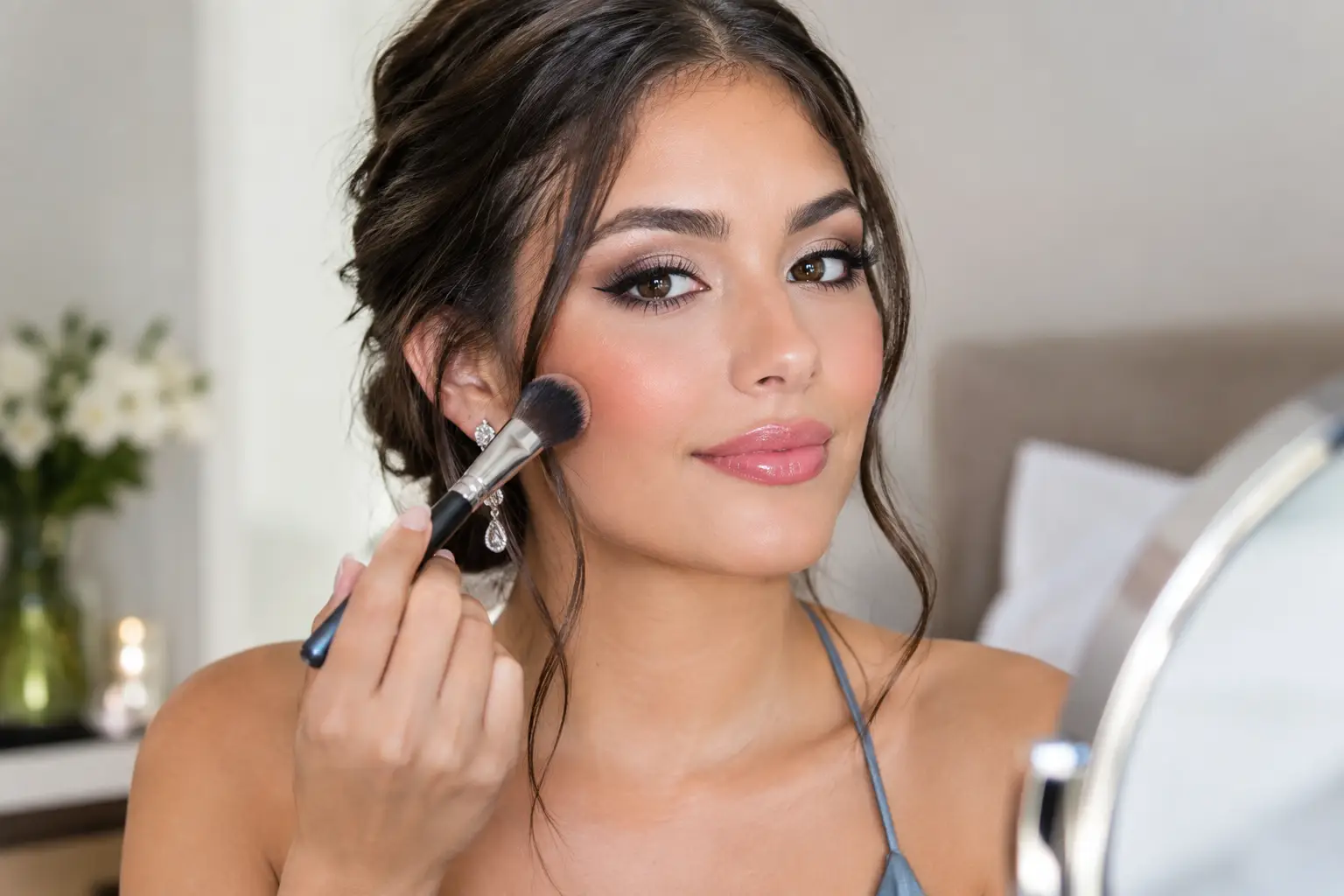
Formal dresses, bridal gowns, and off-the-shoulder styles reveal more skin, so matching only the center of the face is not enough. A makeup artist may adjust the complexion shade, use subtle complexion warmth, or lightly balance visible areas so the face, neck, and chest read as one cohesive tone.
The goal is never to make skin look artificially uniform. Natural skin has variation, and that is part of what makes makeup feel believable. The focus is on softening obvious contrast so your makeup complements your overall look from every angle.
When Your Summer and Winter Shades Differ
It is normal to need more than one foundation shade across the year. Even with consistent sunscreen habits, many people are slightly deeper or warmer during the summer and lighter during the winter. Travel, outdoor events, hormonal changes, and skincare routines can also affect the way skin looks and feels.
Rather than forcing one bottle to work all year, consider a small seasonal adjustment. A lighter and deeper shade from the same formula can be mixed as your complexion changes. If your undertone stays consistent, this can be a practical way to maintain a natural match without starting over each season.
For brides, timing is especially worth considering. A trial held months before the wedding may take place when your skin is a different shade than it will be on the event date. The trial remains valuable for refining your desired finish, coverage, and overall look. On the wedding day, small shade adjustments can keep the complexion aligned with your current coloring.
How to Arrive Prepared for a Makeup Appointment
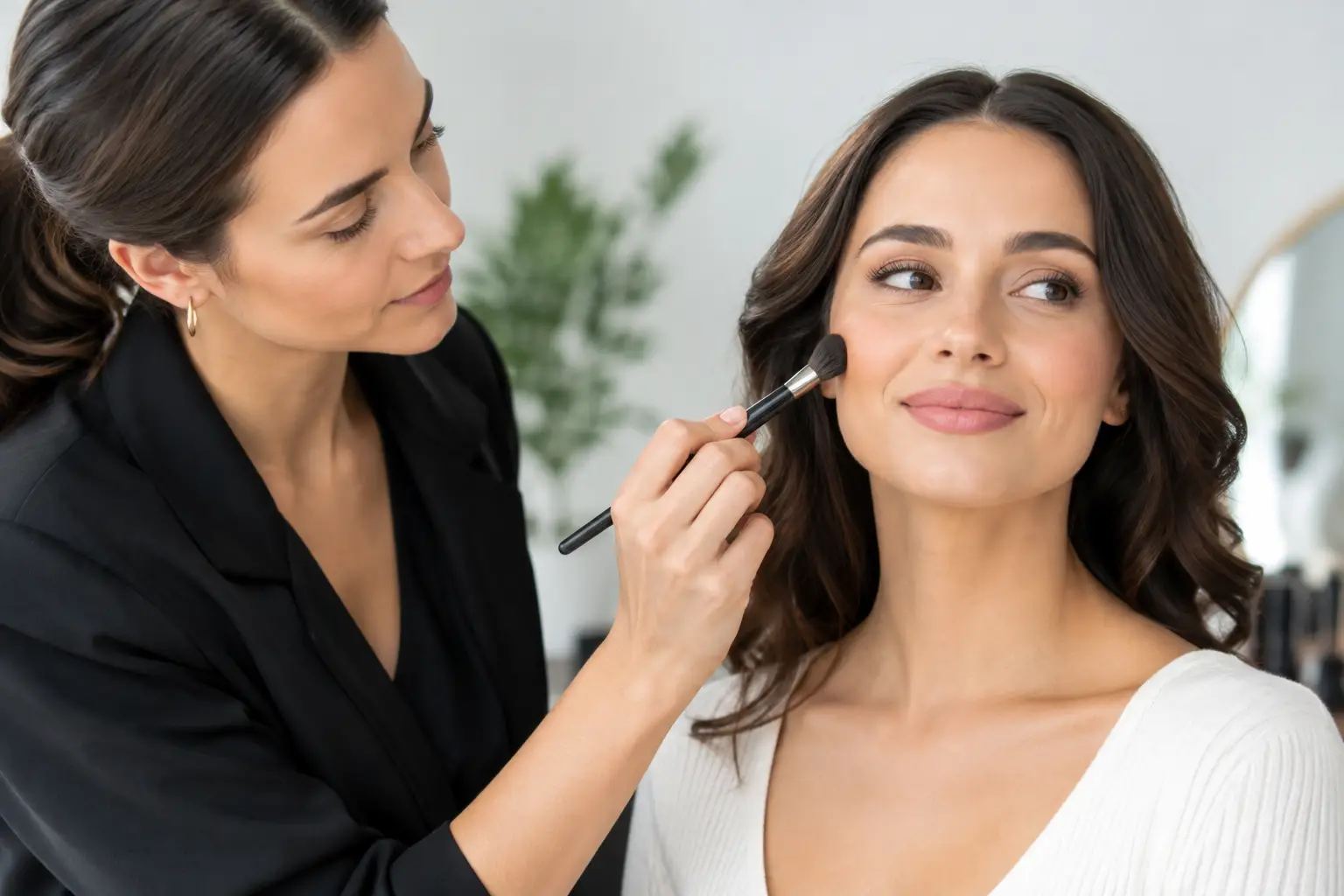
You do not need to know your exact undertone or bring a full makeup bag to receive a personalized match. Arriving with clean skin and sharing what you typically wear, what tends to bother your skin, and how you want to feel in your makeup gives your artist useful direction.
It also helps to mention your event setting. Tell your artist if you will be outdoors, wearing a high-neck dress, getting photographed with flash, or attending a long celebration. If you have a favorite foundation, bring it or take a photo of the shade name. It can provide a helpful reference, even when a different formula is the better choice for your event.
Most importantly, be honest about your comfort level. Some clients love a perfected full-coverage finish; others feel most confident when freckles and natural skin texture remain visible. Neither preference is wrong. The right foundation application is the one that supports your vision while wearing comfortably and looking polished in person and in photos.
At Taylor Bailey Makeup Artist, custom foundation shade matching is approached with the same care as the rest of your service: attentive skin preparation, intentional product choices, and a finish that enhances your features rather than hiding them. Before your next milestone event, give your complexion the time and professional attention it deserves. Feeling like yourself is a beautiful place to begin.