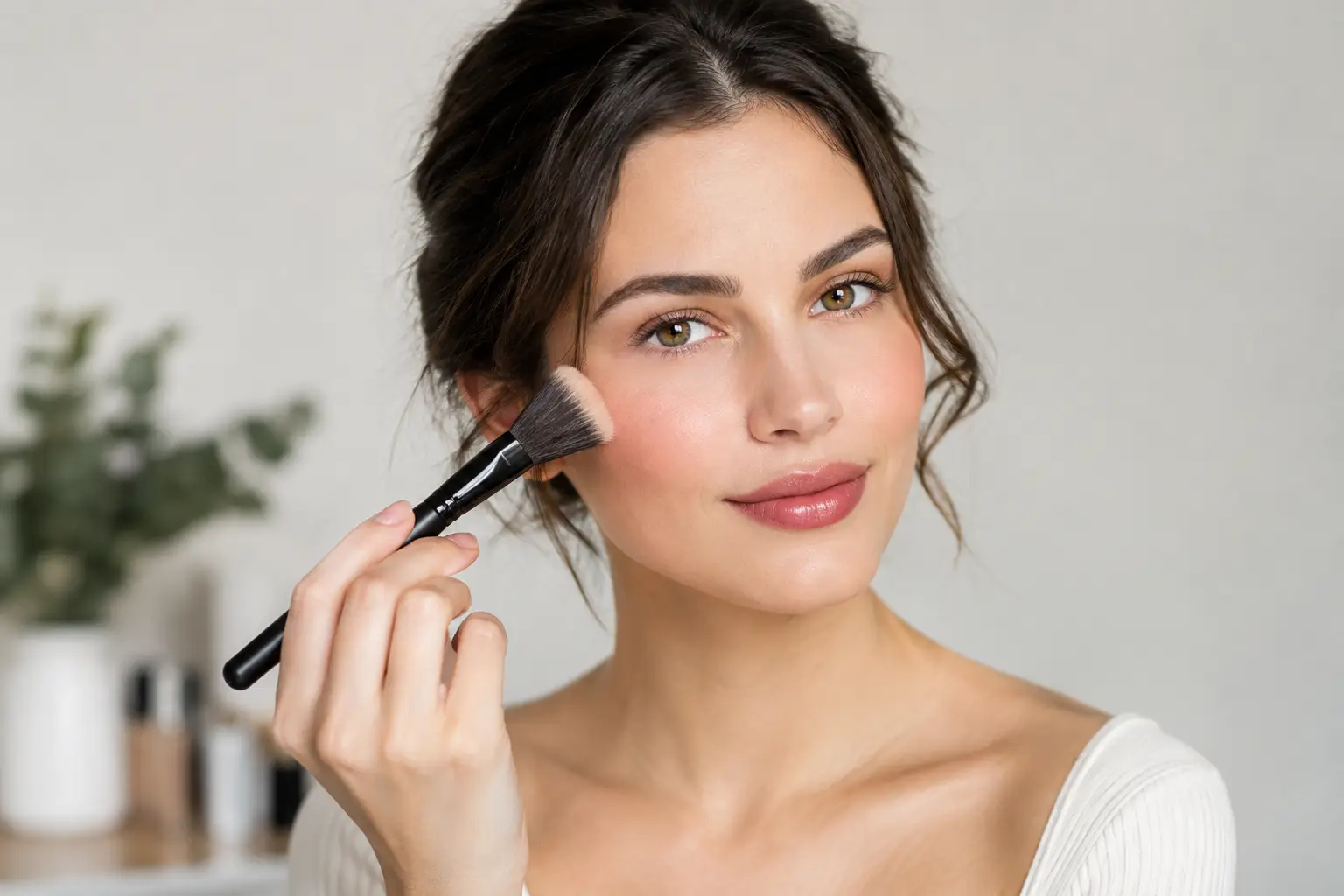
Professional Photo Makeup Guide for Natural Skin
A camera can pick up the details that feel almost invisible in person: a dry patch around the nose, foundation that shifts at the jawline, under-eye makeup that settles by the second outfit change. A thoughtful professional photo makeup guide is not about wearing more makeup. It is about preparing the skin, refining the complexion, and creating definition that still feels like you when the photos are shared, printed, and revisited years from now.
Whether you are planning professional headshots, maternity portraits, a family session, engagement photos, or a milestone celebration, the goal is the same: polished, comfortable makeup that reflects your features at their best. The right approach should feel calm and personalized, especially if makeup is not part of your daily routine.
Start With Skin, Not Foundation
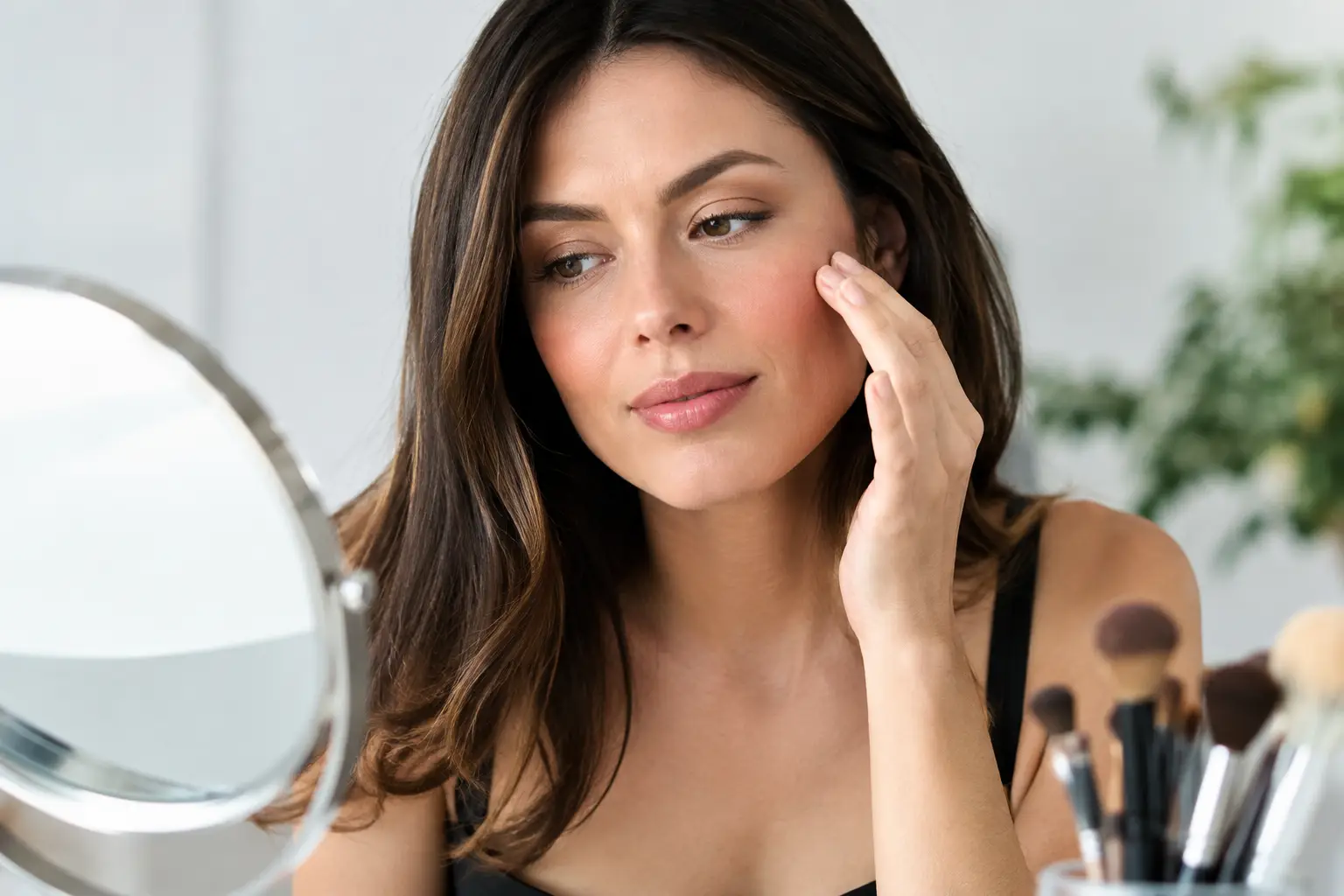
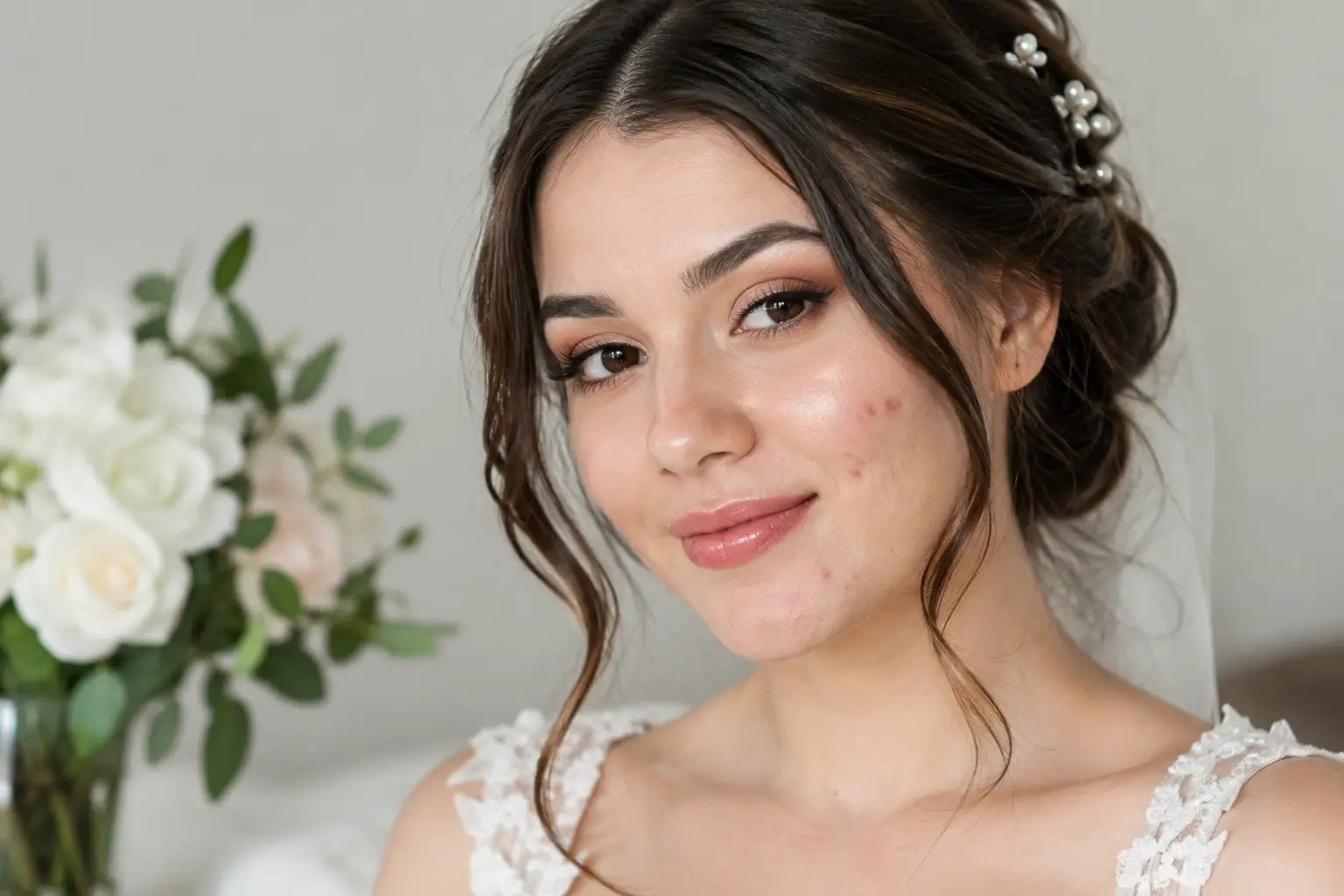
Beautiful photo makeup begins well before foundation. Camera-ready skin does not need to be perfectly texture-free. Real skin has pores, movement, and dimension. What it needs is balanced hydration and the right product layers so makeup applies smoothly and remains fresh throughout your session.
In the week leading up to photos, avoid trying a new active skincare ingredient, peel, or facial treatment unless it has already been part of your routine. A last-minute product experiment can leave skin irritated, flaky, or unexpectedly congested. Focus instead on gentle cleansing, consistent moisturizer, and sunscreen during the day.
On the morning of your appointment, arrive with clean skin and your usual moisturizer if requested. Very rich balms, facial oils, and thick sunscreen formulas can be lovely in everyday life, but they may affect how complexion products adhere. The best preparation depends on your skin type. Dry skin often benefits from thoughtful hydration and a luminous base, while oily or acne-prone skin may need lightweight moisture and targeted shine control rather than an all-over matte finish.
Why Makeup Looks Different on Camera
Photography softens some features while emphasizing others. Studio lighting, daylight, flash, and editing style all influence the final image, which is why makeup for photos should be adjusted to the setting instead of copied from a social media tutorial.
A little complexion coverage helps even out tone, but a heavy layer of foundation can look flat, feel uncomfortable, and settle as the day goes on. Skin-focused makeup uses strategic coverage: foundation where it creates balance, concealer where extra correction is helpful, and carefully blended cream or powder products to restore natural dimension.
Flash photography is one area where product selection matters. Some SPF ingredients and overly reflective complexion formulas can create a pale cast under direct flash. This does not mean every product must be completely matte. A refined glow on the high points of the face can photograph beautifully. The difference is intentional placement rather than widespread shine.
Definition Matters More Than Drama
Brows, lashes, eyes, and lips often need slightly more definition for photography than they do for a casual lunch or video call. That does not mean you need a dramatic eye or a bold contour. It means creating enough contrast for your features to remain visible without making the makeup feel disconnected from your personal style.
Softly shaped brows frame the face. Neutral shadow tones can add depth to the eyes, and individual or natural-looking strip lashes can help open them in a way mascara alone may not. A blush shade with warmth or freshness brings life back to the complexion, while a lip color close to your natural tone, but more polished, helps balance the full look.
If you normally wear little makeup, this is especially important. A minimal approach can still be camera-ready when each product is selected with care. The finished result should read as rested, radiant, and refined, not like a different person.
A Professional Photo Makeup Guide for Every Session
The ideal makeup look depends on what the images need to communicate. A corporate headshot calls for a different level of polish than an anniversary session or a black-tie gala portrait.
For professional headshots, clean skin, groomed brows, softly defined eyes, and a flattering lip color create confidence without distracting from your expression. Avoid trend-driven details that may date the image quickly, unless they are central to your personal brand. If you wear glasses, let your artist know in advance. Makeup can be adjusted to account for frames, under-eye shadows, and where foundation may transfer near the nose.
For family, maternity, or engagement photos, consider your wardrobe, location, and the time of day. A warm, softly luminous look often pairs beautifully with outdoor golden-hour photography, while indoor sessions may call for a little more complexion refinement and eye definition. If you are coordinating with a partner or family, your makeup should complement the overall visual mood without requiring everyone else to be heavily styled.
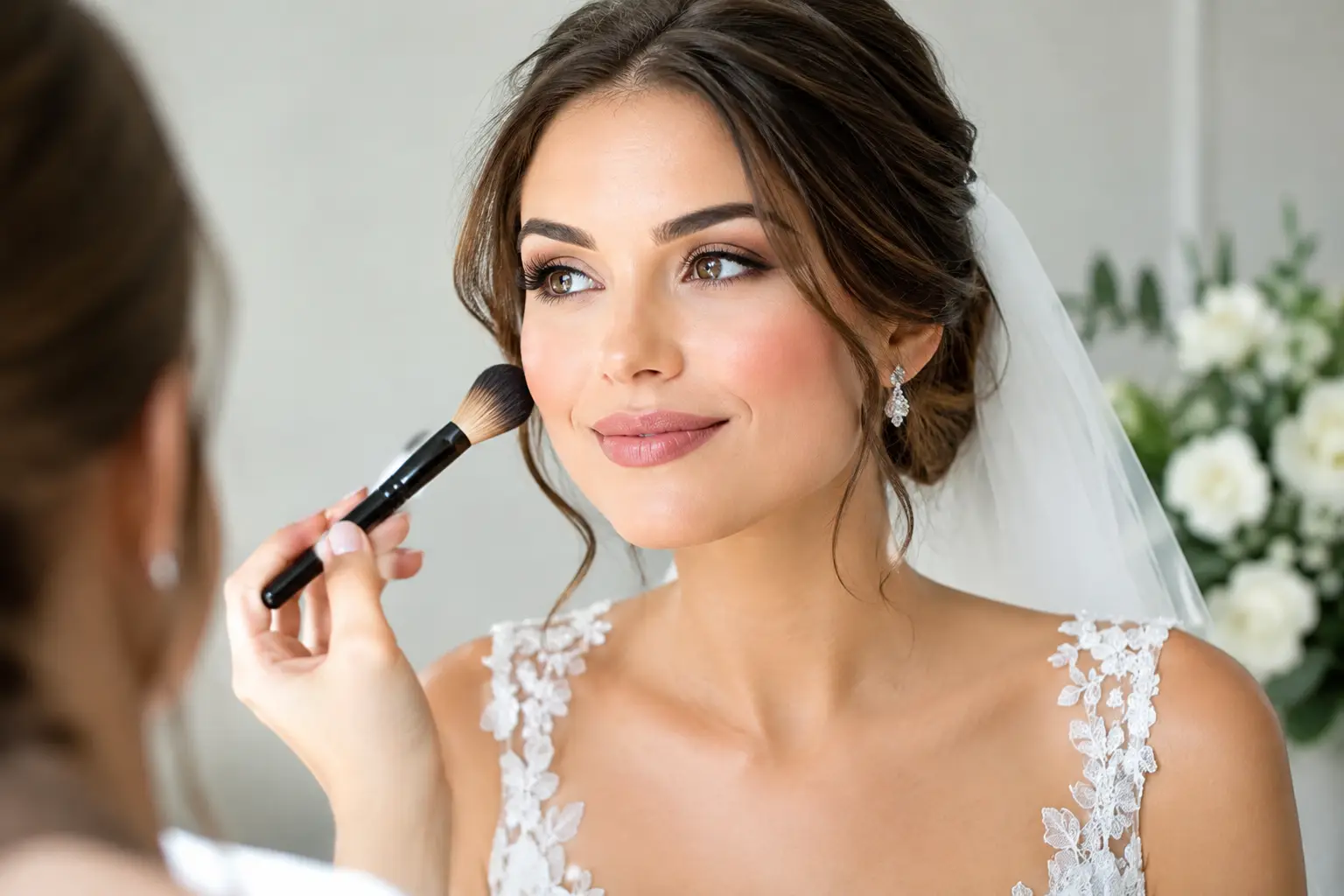
For formal events that include photography, longevity becomes even more important. You may need to look polished through ceremony tears, hugs, dinner, dancing, and flash photography. Layering long-wear products in light amounts, setting strategically, and choosing an appropriate lip formula can make the difference between makeup that lasts and makeup that simply feels heavy.
Plan Your Appointment Timing Carefully
Makeup should be complete before you need to leave for your photo location, get dressed, or welcome a photographer into your home. Rushing through the final steps can create unnecessary stress and leave no room for small adjustments.
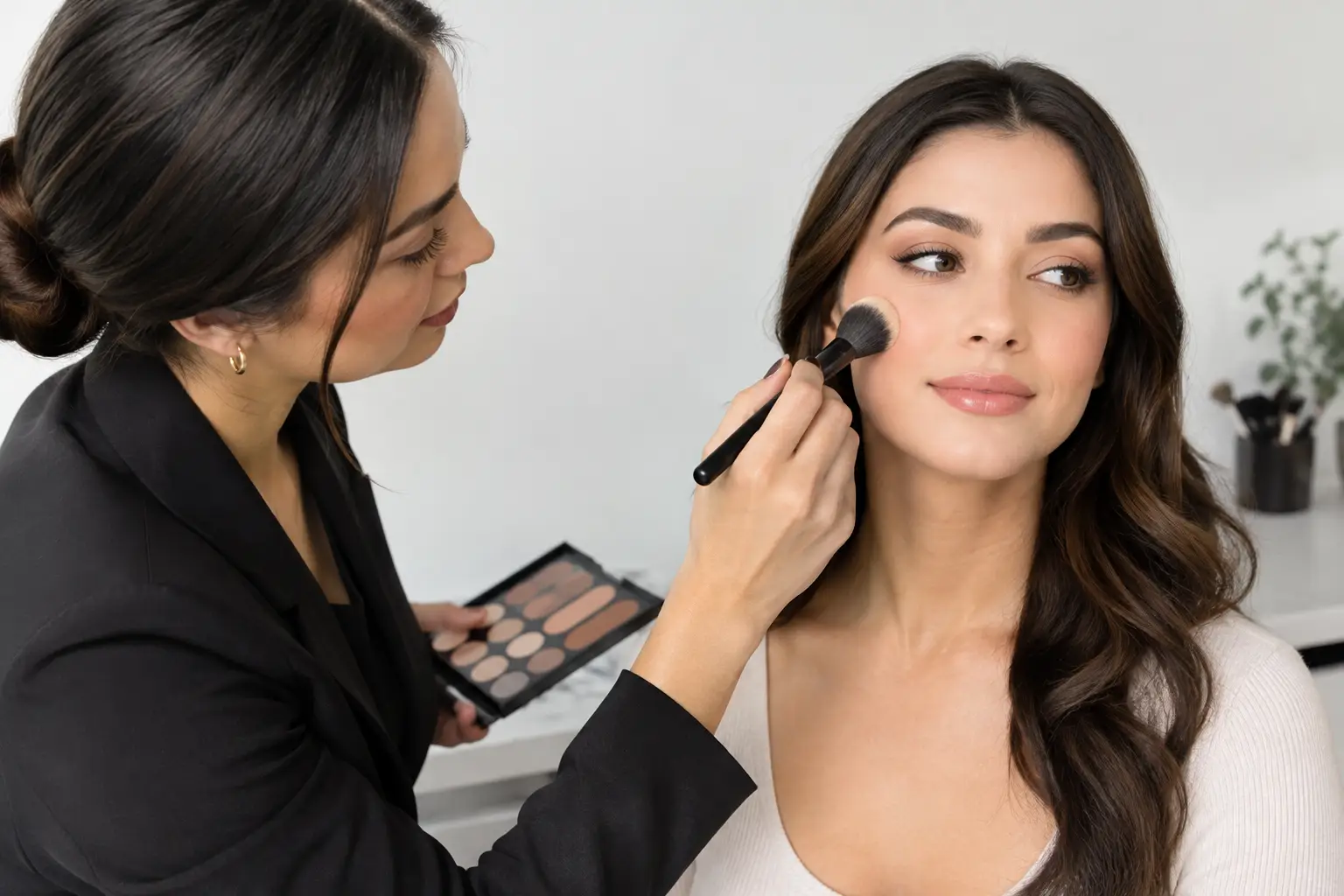
For a single client, plan for enough time to consult, prep the skin, complete the application, and make final refinements. If a photographer is capturing getting-ready images, having makeup finished near the beginning of your preparation window can be especially helpful. Your artist can then create a polished look while you still have time to change, settle in, and enjoy the experience.
Bring reference images if they help you communicate, but focus on the qualities you like rather than trying to recreate someone else’s face. You might be drawn to luminous skin, softly bronzed eyes, a natural brow, or a rose-toned lip. Sharing those details gives your artist a clearer starting point while leaving room for a look that suits your coloring, features, skin needs, and comfort level.
Wear the Right Clothing to Your Makeup Appointment
Choose a button-front, zip-front, or wide-neck top so you do not need to pull clothing over your finished makeup. If your outfit is light-colored, place a clean towel or robe around your shoulders while you get ready. These simple details protect your look and keep the transition from makeup chair to camera smooth.
If you will be wearing a lip color with more depth or shine, keep it close for touch-ups. A blotting tissue and a clean puff can also be useful for removing excess shine without disturbing the makeup underneath. Resist the urge to repeatedly add powder throughout the day. Too much powder can make the skin look dry, especially in close-up images.
Choose an Artist Who Listens to Your Skin and Your Vision
A professional makeup appointment should feel supportive, not prescriptive. Your artist should ask about your skin type, sensitivities, acne concerns, comfort with makeup, event timeline, and photography plans. Hygiene also matters. Clean tools, thoughtful product practices, and attention to skin compatibility are part of a professional experience, not optional extras.
For clients in Northern Virginia and Washington, DC, Taylor Bailey Makeup Artist provides on-location makeup with a calm, skin-centered approach. Mobile service can be particularly valuable on photo day, when staying in your own space helps you feel more relaxed and gives you one less appointment to coordinate.
A trial can be worthwhile for weddings, major events, or anyone feeling uncertain about how much makeup they want. It offers time to refine the finish, test a lash preference, discuss skin preparation, and ensure the final look feels familiar in the best possible way. For a straightforward headshot or family session, a detailed consultation before the appointment may be all you need.
The most memorable photos rarely come from chasing perfect skin or a dramatic transformation. They come from feeling comfortable enough to smile fully, move naturally, and be present. Give your makeup the same thoughtful planning as your wardrobe and photographer, then let the finished look support the person already worth photographing.