What Makeup Works for Dry Skin Best?
If your makeup looks smooth for the first hour and then starts catching on dry patches by lunchtime, the issue usually is not that you need more makeup. It is that dry skin asks for a different approach. When clients ask what makeup works for dry skin, the answer is never just one product. It is the combination of skin prep, texture choice, and application technique that keeps makeup looking fresh, comfortable, and naturally radiant.
Dry skin can be easy to misunderstand because it does not always look flaky at first. Sometimes it shows up as tightness, dullness, foundation that seems to disappear in some places and cling in others, or fine lines that suddenly look more visible once makeup is on. This is especially noticeable before a wedding, photoshoot, gala, or headshot session, when you want makeup to wear beautifully for hours and still look like skin.
What makeup works for dry skin starts with skin prep
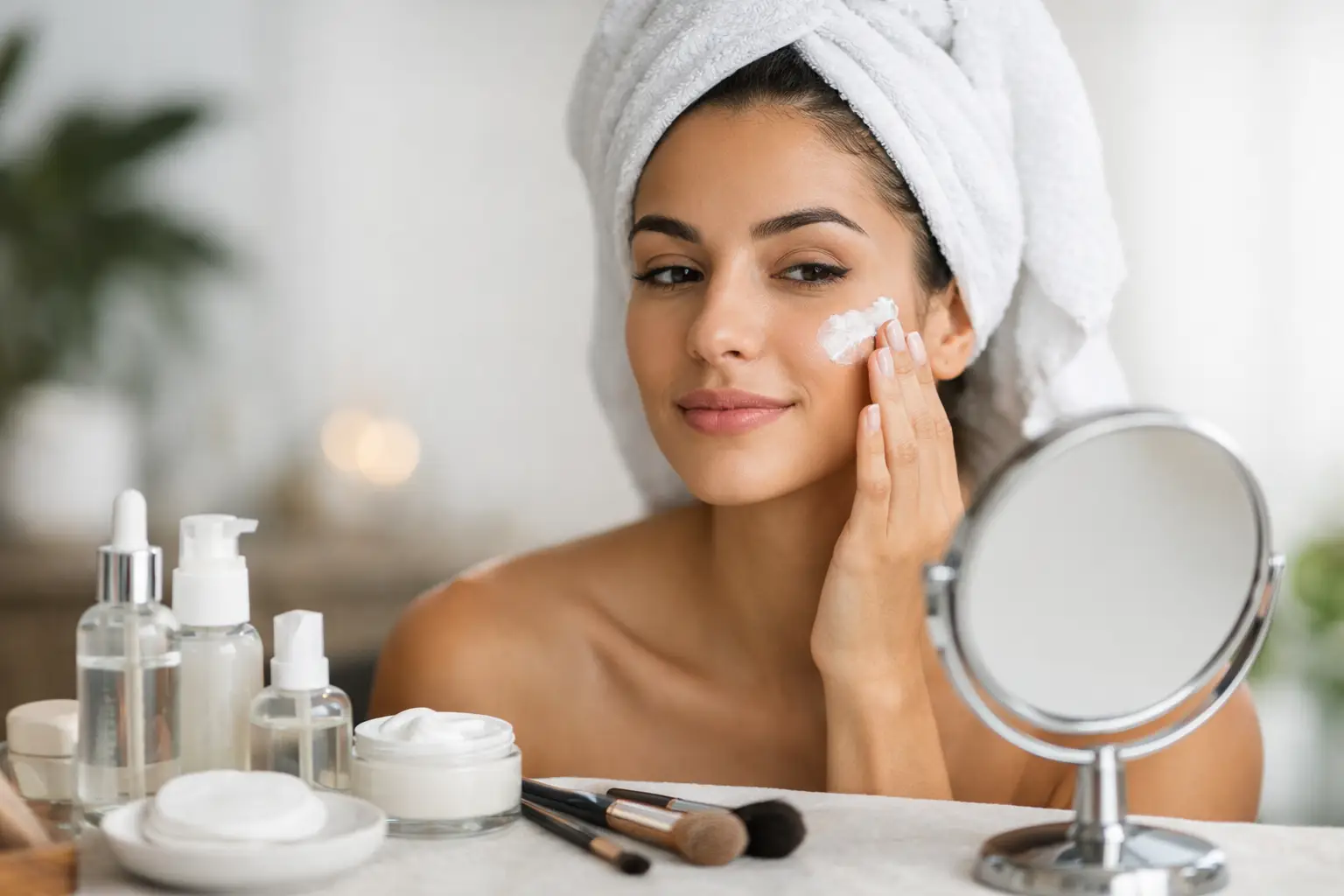
The most flattering makeup for dry skin begins before foundation ever touches the face. If the skin is dehydrated, compromised, or textured from dryness, even an expensive foundation can look uneven. On the other hand, well-prepped skin allows makeup to sit more smoothly and wear longer without looking heavy.
A gentle skincare routine matters here. Harsh exfoliants, overuse of acne treatments, or foaming cleansers that leave the skin feeling squeaky can make makeup harder to wear. Before an event, the goal is calm, balanced skin. A nourishing moisturizer is usually the step that makes the biggest difference, and for some clients, a hydrating serum underneath adds flexibility and bounce.
That does not mean piling on rich products until the skin feels slippery. Too much emollient texture can cause foundation to move, separate, or lose structure, especially under warm lights or during a long day. The sweet spot is skin that feels comfortably moisturized and slightly plump, not greasy.
For event makeup, timing also matters. Applying foundation immediately after heavy skincare can create slipping. Letting skincare absorb for several minutes often improves the finish.
Choosing complexion products for dry skin
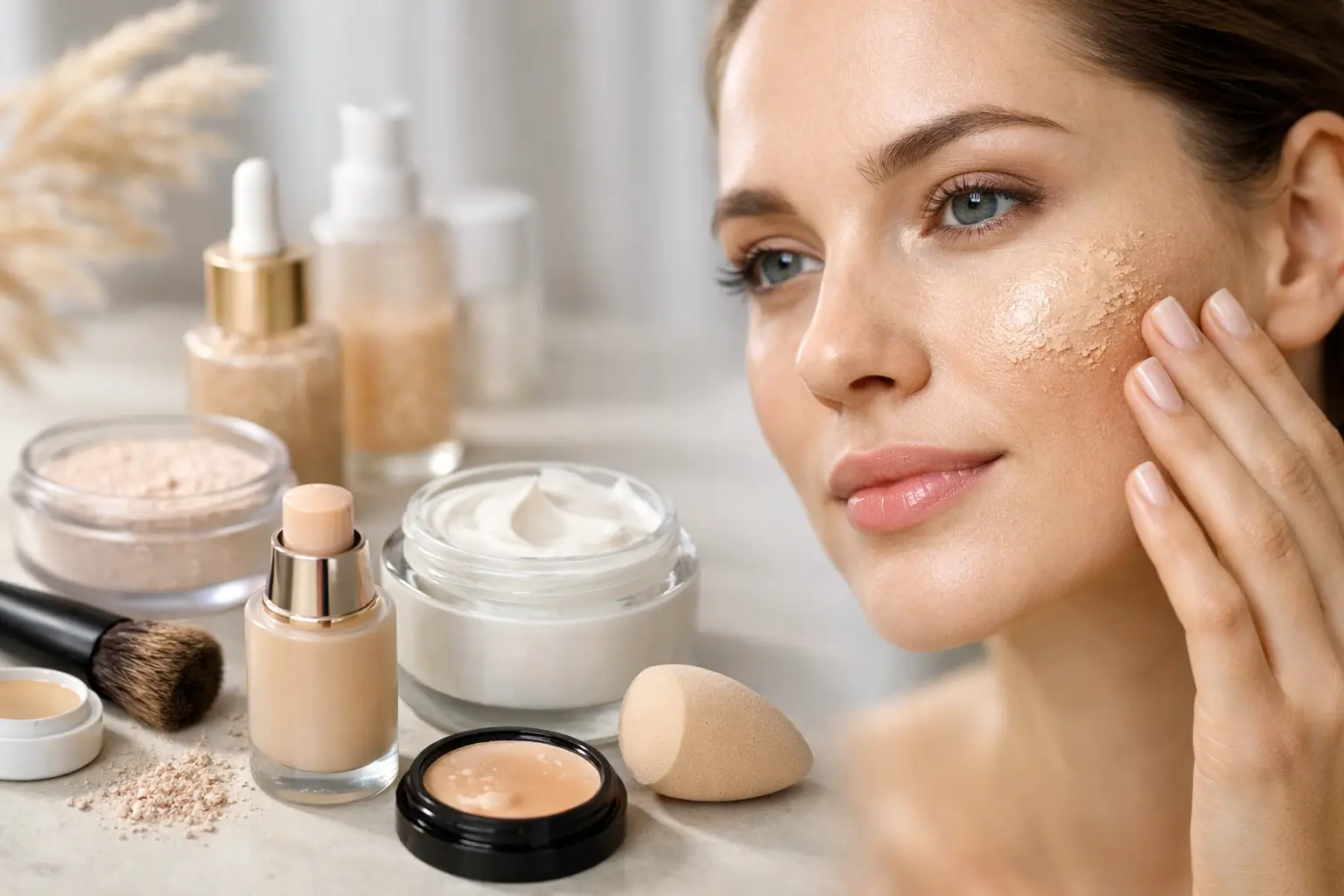
When people think about what makeup works for dry skin, foundation is usually the first concern. The best formulas tend to be liquid or cream-based, with a skin-like or radiant finish. These textures move more naturally across dry areas and are less likely to emphasize flakes than matte, powder-heavy products.
A light to medium coverage foundation is often more forgiving than a full-coverage formula, especially if dryness is concentrated around the nose, mouth, or forehead. Coverage can always be built where needed, but a heavy base all over the face can make dry skin look more obvious rather than less. For clients who want polished but natural enhancement, this is where technique matters as much as formula.
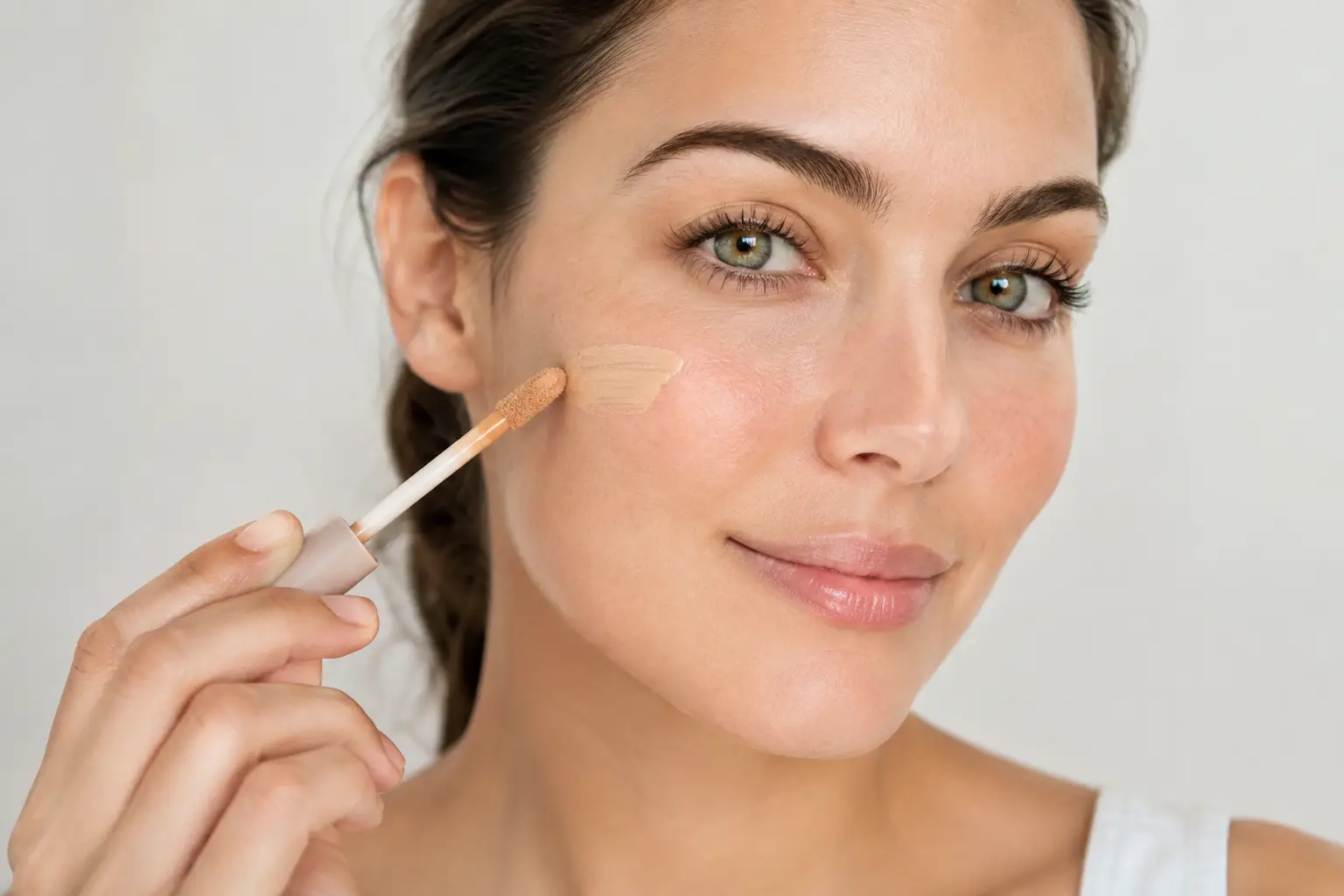
Skin tints, serum foundations, and hydrating long-wear foundations are often strong options. Cream concealers also tend to look more natural than very dry, fast-setting concealers. That said, long-wear does not automatically mean drying. Some long-wear formulas are beautifully balanced, while some radiant formulas break apart quickly. It really depends on the product and the condition of the skin underneath.
Primer is helpful, but not always necessary
A hydrating primer can be useful if the skin needs extra smoothing or if makeup has a tendency to catch in certain areas. It can also help create a more even canvas for foundation. But primer is not a requirement in every case. If skincare is doing its job and the foundation pairs well with the skin, adding another layer may not improve the result.
This is one of the most common misconceptions in makeup. More products do not always create a better finish. On dry skin, too many layers can start to look textured.
Less powder usually looks better
Powder has a place, especially for setting around the nose, under the eyes, or through the center of the face where makeup tends to shift. But all-over powdering is one of the quickest ways to flatten and dry out the look of the skin.
A more refined approach is to set only where needed and leave the rest of the complexion with a natural finish. This helps the skin retain dimension and keeps the makeup from taking on that tight, overdone appearance in photos.
Cream products often flatter dry skin
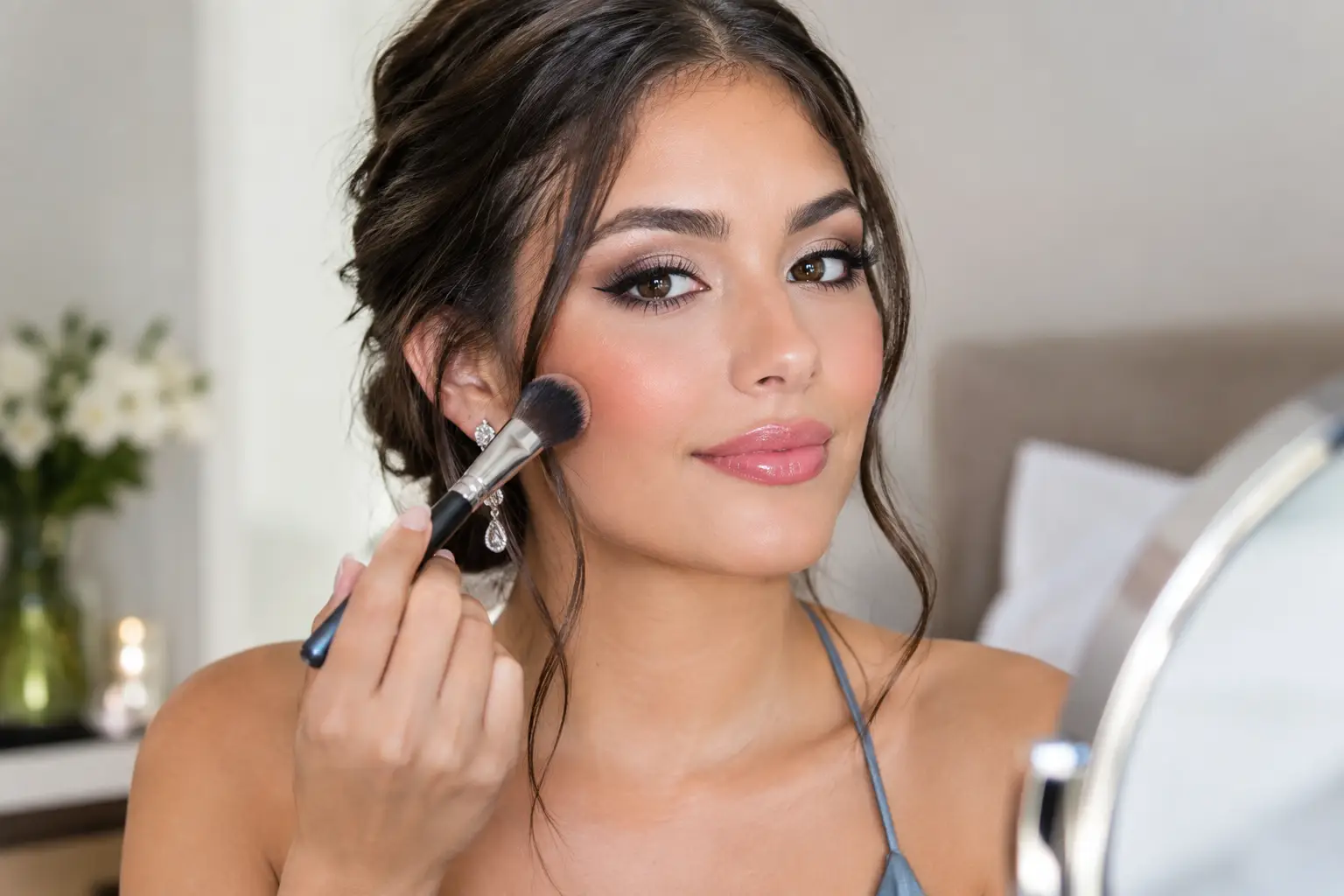
Blush, bronzer, and highlight can either revive dry skin or make it look more textured, depending on the formula. In most cases, cream products are more forgiving because they melt into the complexion instead of sitting on top of it.
Cream blush is especially helpful for bringing life back to a dry or dull complexion. It adds color and a healthy-looking finish without the chalkiness that some powder blushes can create. Cream bronzer can do the same, as long as it is blended softly and not over-applied.
Highlighter deserves a little caution. A dewy balm or finely milled cream highlight can look beautiful on dry skin. A glittery or overly frosty formula can accentuate texture very quickly. Radiance should look like skin catching light, not sparkle resting on top of dryness.
Eye and lip makeup for dry skin needs balance too
Dryness does not stop at the complexion. It can affect the eyelids and lips as well, which changes how makeup wears in those areas.
On the eyes, cream shadows or finely milled powder shadows usually look softer than dry, dusty formulas. If the eyelids are textured, heavy matte shadow can sometimes make that texture more obvious. Satin or soft shimmer finishes often bring more life to the eyes without looking harsh. Of course, if someone loves a matte eye, it can still work – it just benefits from thoughtful prep and blending.
Lips are often where dryness shows up fastest. A beautiful lip color can still look uneven if the lips are chapped underneath. Gentle exfoliation and hydration before makeup make a major difference. Cream lipsticks, satin finishes, and hydrating lip liners tend to be more comfortable than flat liquid mattes. Matte lips are not off-limits, but they usually need more preparation and occasional touch-ups to stay flattering.
Application technique changes everything
Even the right products can underperform if they are applied too heavily or with the wrong tools. Dry skin usually responds best to thin, flexible layers. Instead of applying a full face of coverage at once, building gradually allows the complexion to stay believable and smooth.
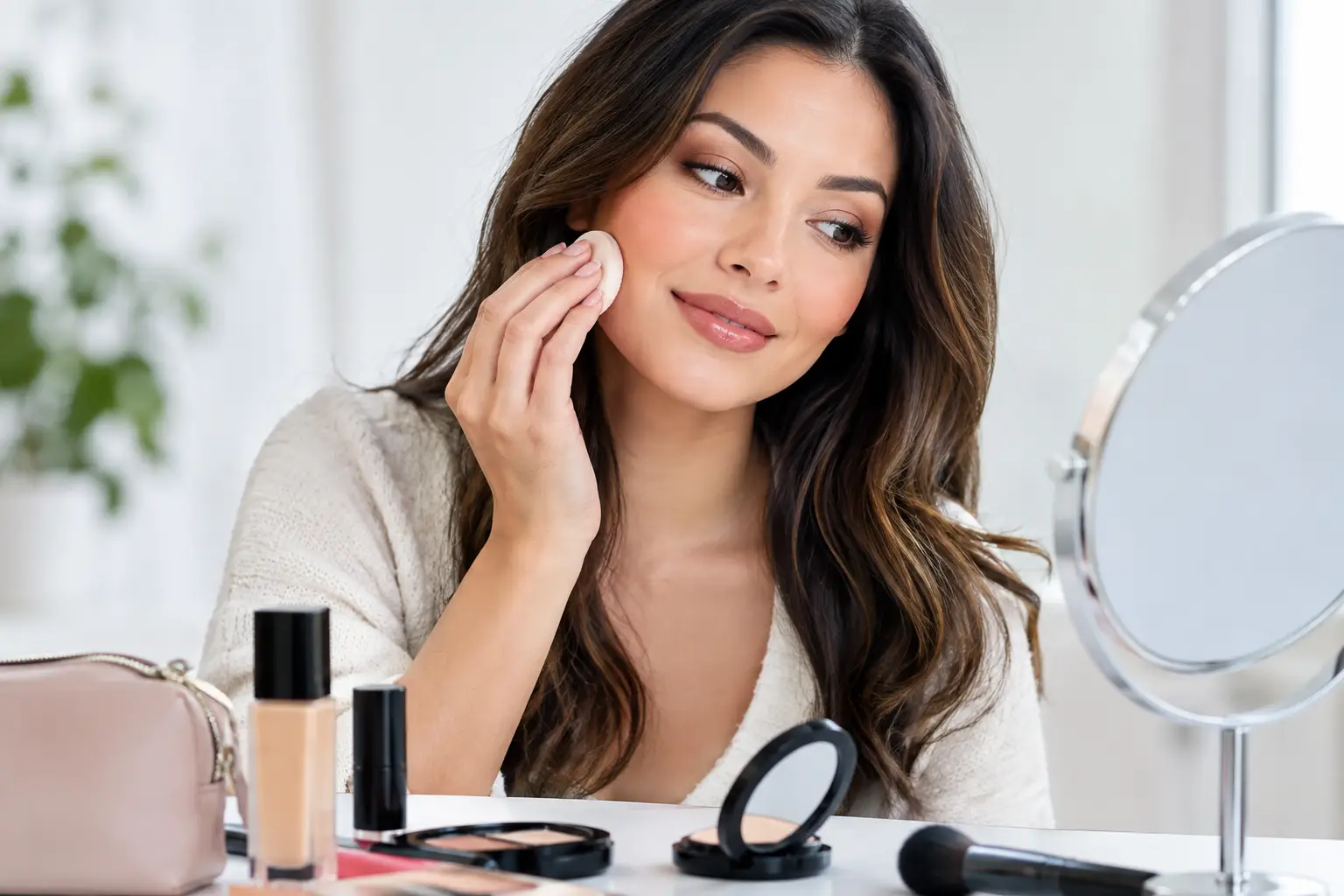
A damp sponge often helps foundation settle into the skin in a more natural way. Brushes can work beautifully too, especially for controlled placement, but some brush application methods can leave product sitting more visibly on dry areas. Pressing and stippling are generally more flattering than aggressive buffing.
The same principle applies to concealer. Spot conceal where needed, then blend softly. Bringing full-coverage concealer too far across dry under-eyes can make that area look heavier than it needs to.
What makeup works for dry skin for photos and long events
For weddings, formal events, and photography, clients often worry that hydrating makeup will not last. The good news is that long wear and comfortable wear are not opposites. The key is strategic structure.
That usually means hydrating the skin properly, using complexion products with natural longevity, layering cream and selective powder where needed, and finishing with a setting spray that helps everything settle together. Makeup for dry skin should not feel mask-like to survive a long day. In fact, when the skin is balanced and the product choice is right, lighter layers often hold up better than thicker ones.
This is especially true on camera. Heavy makeup can photograph beautifully in some settings, but if it exaggerates texture in person, it may not feel like you. For many clients, the most timeless result is soft glam with skin that still looks like skin.
Common mistakes that make dry skin makeup worse
One of the biggest mistakes is chasing coverage instead of treating the surface issue. If foundation is clinging, adding more foundation rarely fixes it. Another common issue is using matte products across the entire face in the hope that they will wear longer. On dry skin, that can create a tired, flat finish.
There is also the temptation to exfoliate aggressively right before an event. While gentle exfoliation can help, overdoing it can leave the skin sensitized, patchy, and harder to work with. The final mistake is assuming one viral product is the answer. Dry skin varies widely. Some people need more moisture, some need barrier support, and some are actually dehydrated rather than truly dry. The best makeup plan reflects that.
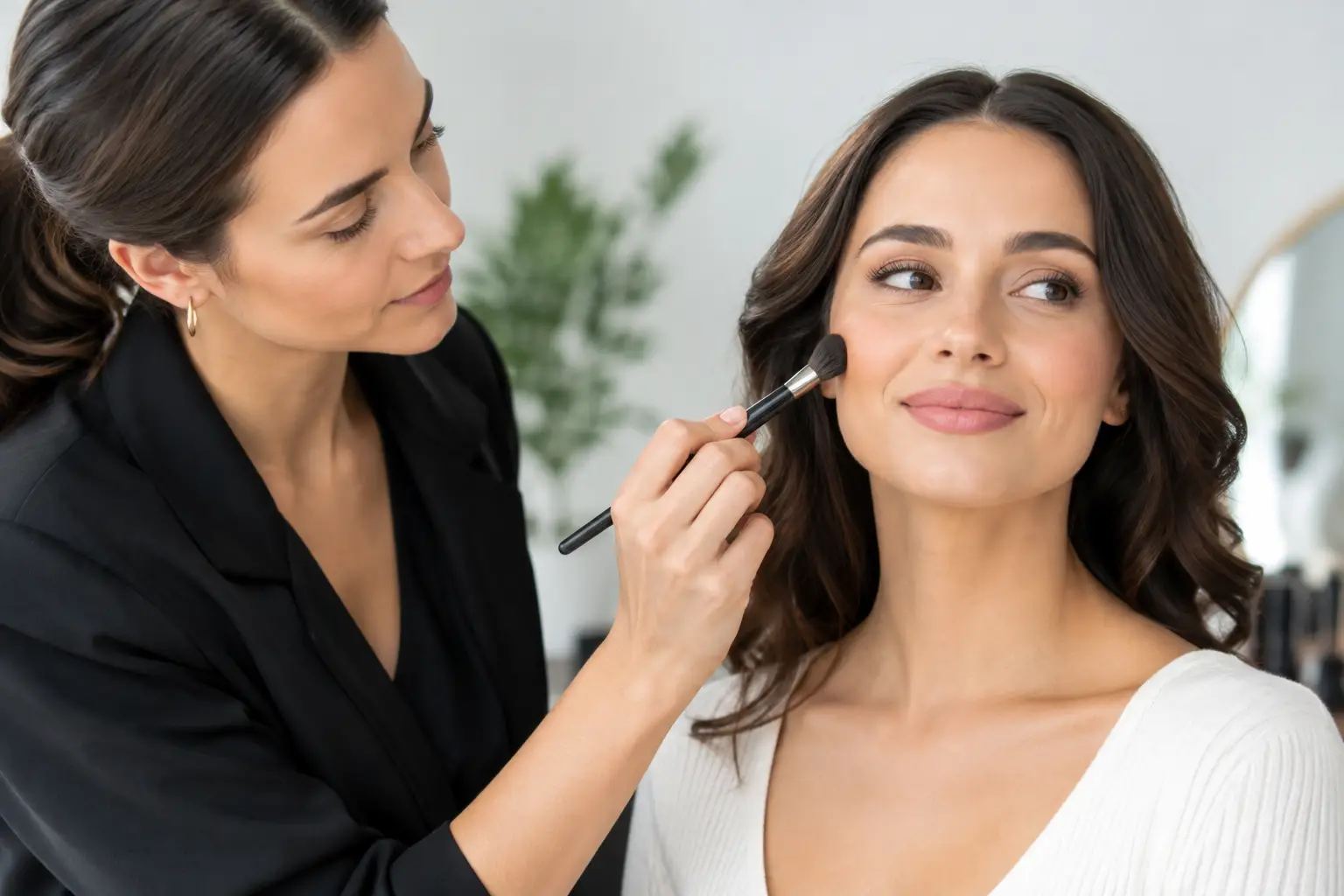
For clients who do not wear makeup every day, this can all feel like a lot to sort through alone. That is why a professional makeup application or lesson can be so helpful. A personalized approach takes your skin condition, comfort level, event timeline, and finish preference into account so the makeup looks elevated without feeling unfamiliar.
Beautiful makeup on dry skin is rarely about covering more. It is about creating enough comfort and balance that your skin can carry the makeup gracefully, from the first photo to the last glance in the mirror.