Wedding Makeup Artist Checklist for Brides
Booking your beauty team should feel exciting, not like one more wedding task you have to decode. A thoughtful wedding makeup artist checklist helps you ask the right questions early, avoid last-minute stress, and choose an artist whose work, timing, and approach actually fit your day.
For many brides, makeup is not just about how it looks in person. It also has to wear beautifully through photos, hugs, happy tears, changing light, and a very full schedule. That is why the best checklist goes beyond price and portfolio. It should help you evaluate communication, skin knowledge, hygiene, logistics, and whether the overall experience feels calm and personalized.
What to look for in a wedding makeup artist checklist
A strong checklist starts with the basics, but it should not stop there. Availability, rates, and location matter, especially if you need on-location services in Northern Virginia or Washington, DC. Still, the real difference often comes down to how an artist works with skin, how they build a schedule, and whether they create makeup that feels like you on your best day.
If you prefer soft glam, natural enhancement, or makeup that looks polished without feeling heavy, your checklist should reflect that. Not every artist defines natural the same way. One bride’s soft, radiant finish is another bride’s full-glam look. That is why clear questions and visual references are so helpful.
Before you inquire
Before reaching out, take a few minutes to define what you want. Think about your venue, season, ceremony time, dress details, and overall wedding aesthetic. A black-tie evening celebration may call for a slightly different finish than a spring garden ceremony, even if both are still natural and elegant.
It also helps to know how many people need services. Bridal parties, mothers, flower girls, and touch-up requests all affect timing and booking minimums. If you wait too long to finalize those details, you may end up with a rushed morning schedule or fewer options for your preferred artist.
Questions to answer before contacting artists
Know your wedding date, getting-ready location, ceremony start time, and the number of services requested. Have a general sense of your preferred makeup style, whether you want lashes, and whether you would like a bridal preview before the wedding day.
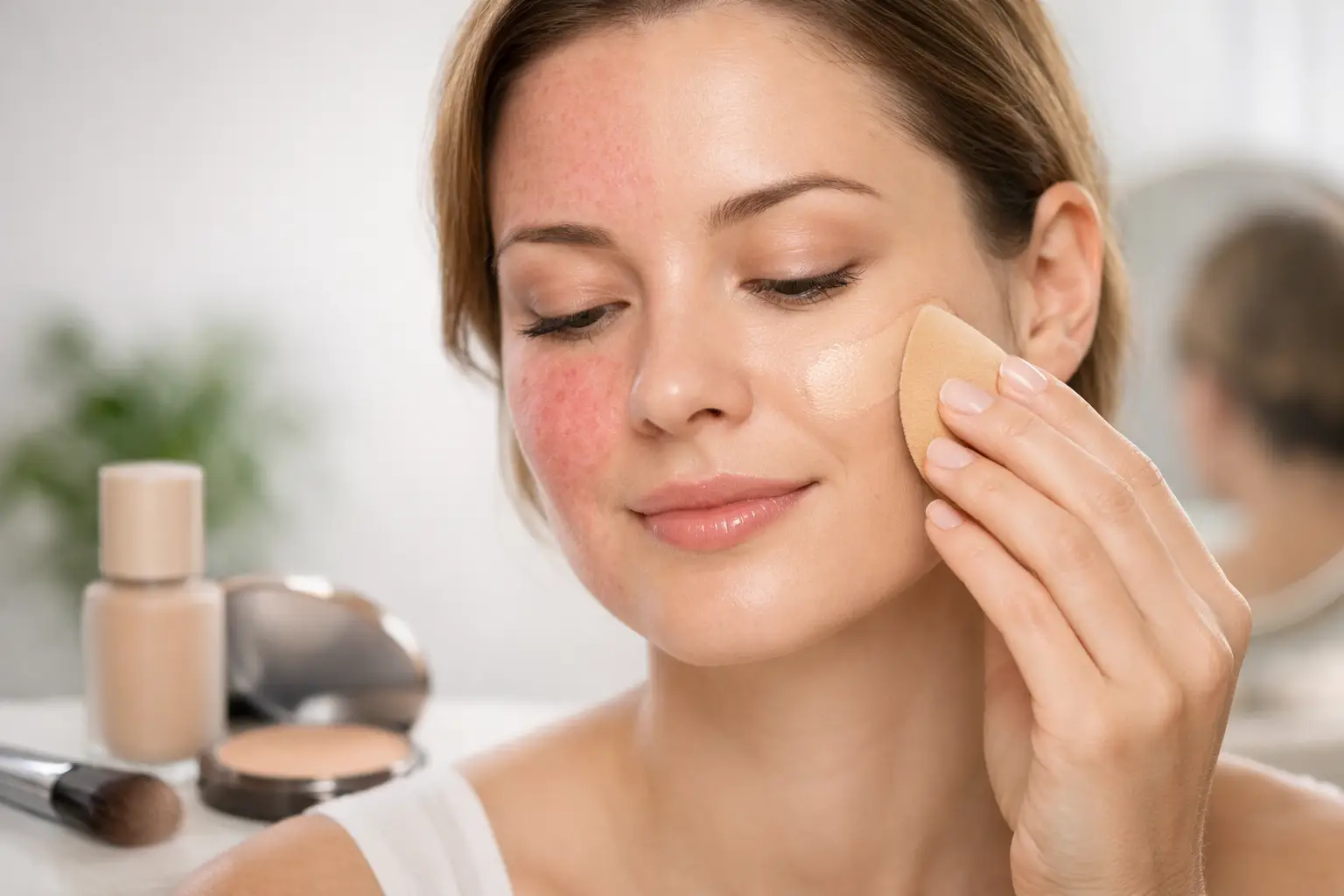
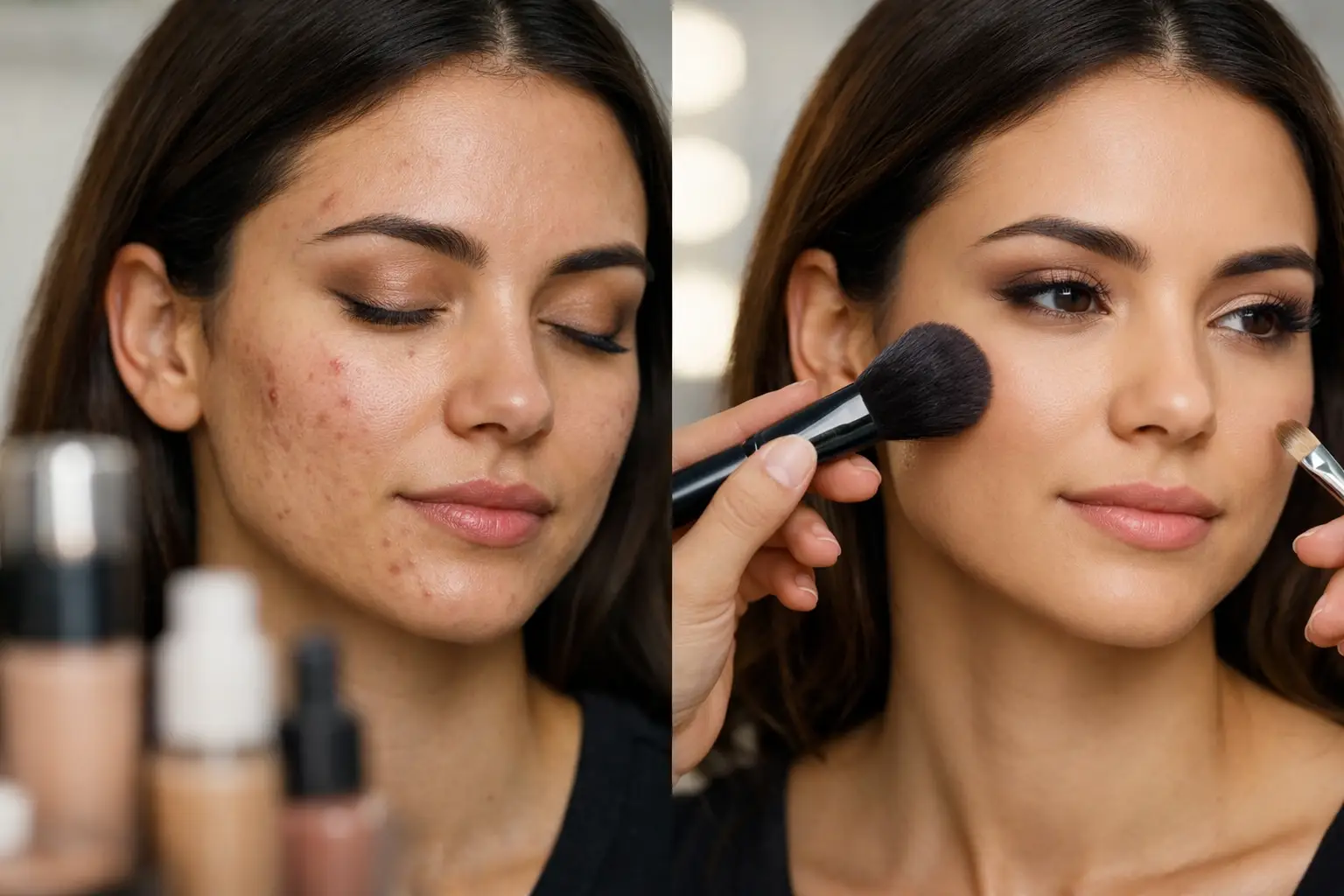
You should also note any skin concerns such as acne, rosacea, sensitivity, dryness, or texture. A skilled artist can work with many skin types, but it is useful to mention these details early so product choices and prep can be tailored properly.
The booking section of your wedding makeup artist checklist
Once you start reaching out, responsiveness matters. Brides often focus on photos first, which makes sense, but communication is just as important. If an artist is difficult to reach during the inquiry stage, that can become more stressful as the wedding gets closer.
Ask whether your date is available and whether the artist travels to your location. Confirm what is included in bridal makeup, whether a preview is offered or recommended, and how pricing works for the bridal party or additional attendants. A premium service may cost more, but it often includes a more attentive experience, more thoughtful scheduling, and a higher level of readiness for real wedding-day demands.
Booking questions worth asking
Your checklist should include deposit requirements, final payment timing, travel fees, start time needs, and any minimum booking requirements for weekends or peak season dates. It should also cover cancellation or rescheduling policies, especially if your plans shift.
This is also the right time to ask how long each service takes. Bridal makeup usually needs more time than attendants because the look is more customized and often includes more detailed skin prep. If an artist cannot clearly explain their timing, that is worth noticing.
Portfolio and style fit
A beautiful portfolio is helpful, but the best way to read one is to look for consistency. Can the artist create polished results on different skin tones, ages, and facial features? Do close-up images still look clean and skin-like? Are the makeup looks aligned with what you actually want to wear?
Try not to get distracted by heavily filtered images or inspiration photos created under studio conditions that do not reflect a wedding day. Makeup for real events needs to hold up under natural light, flash photography, humidity, and long wear. A strong bridal artist understands that balance.
Signs the style is a good fit
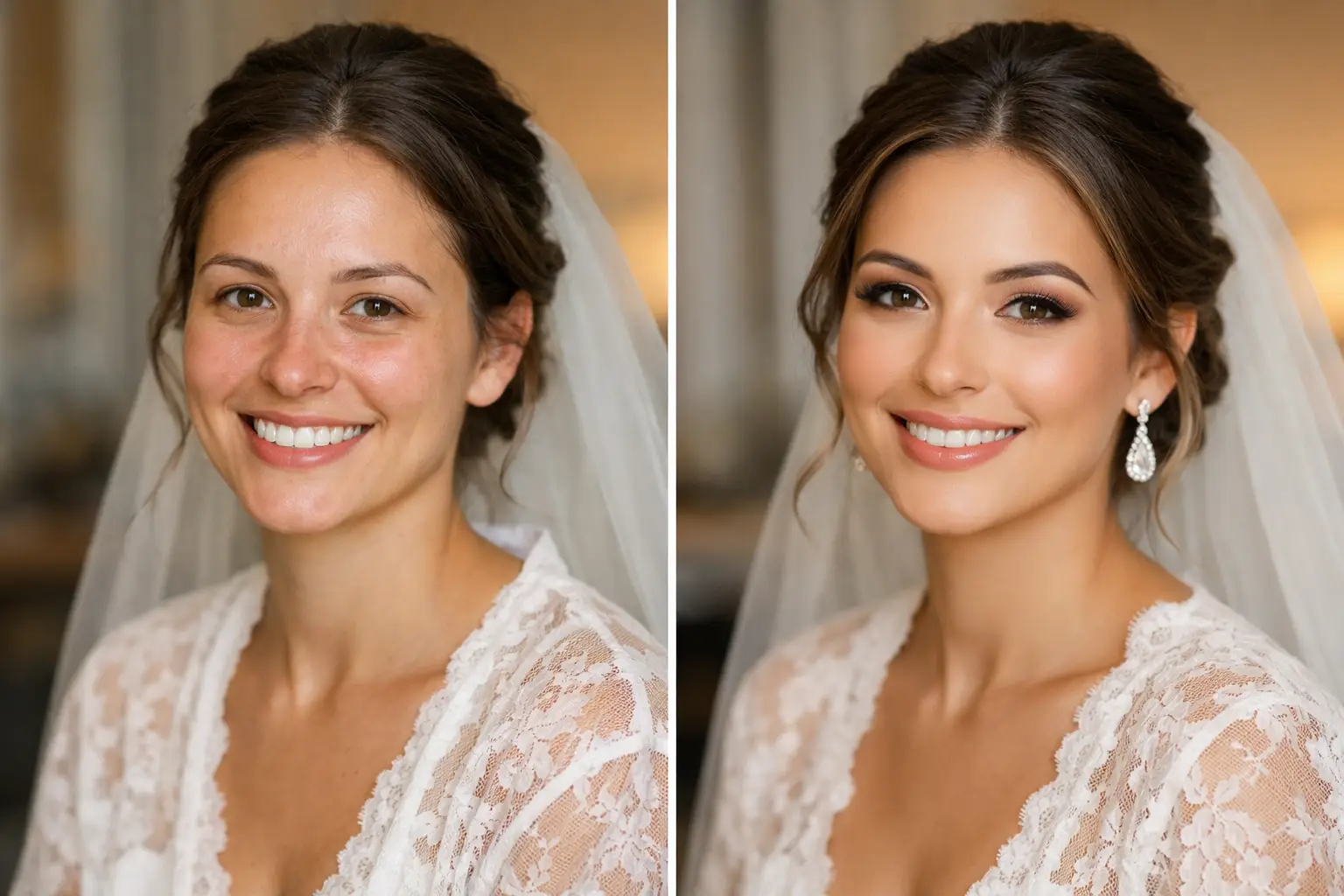
Look for healthy-looking skin, well-blended complexion work, and features that appear enhanced rather than masked. If every bride in a portfolio looks like she is wearing the exact same makeup, that may not be the best fit if you want a more individualized result.
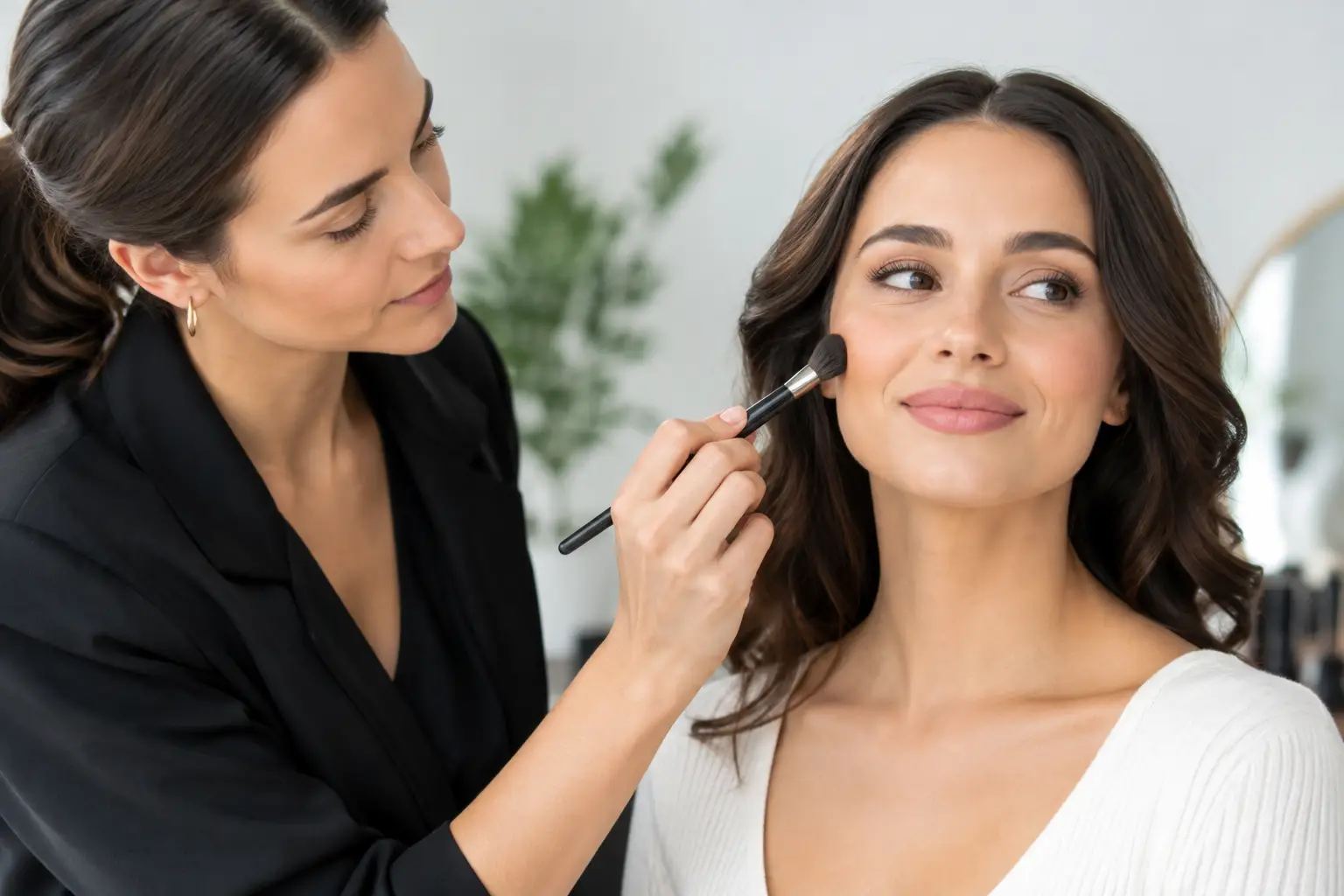
This is where a personal approach matters. An artist who listens carefully can adjust coverage, finish, color palette, and lash style to suit your comfort level. That makes a real difference for clients who do not wear much makeup day to day.
Skin prep and product knowledge
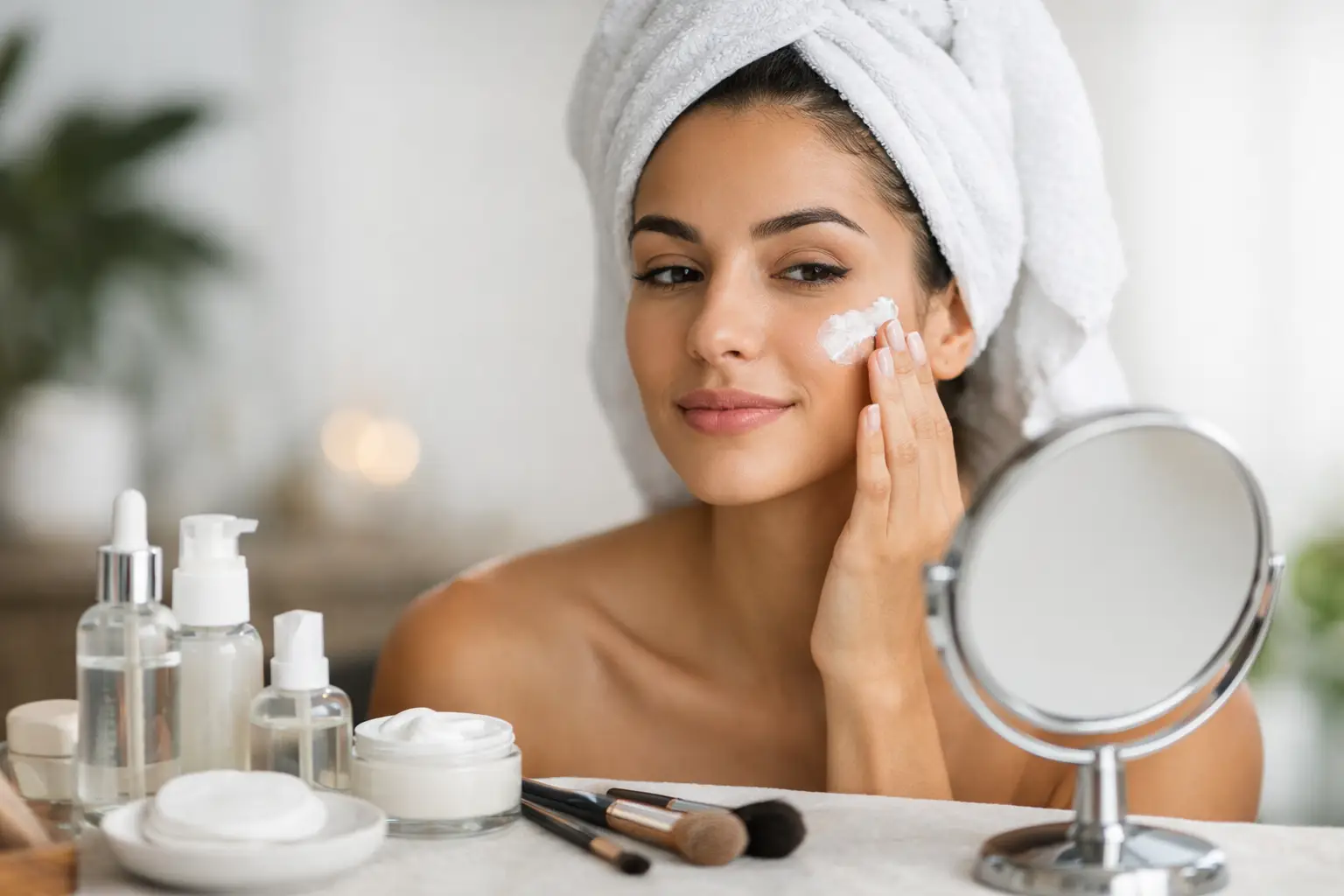
One of the most overlooked parts of any wedding makeup artist checklist is skin preparation. Beautiful makeup starts before foundation ever touches the face. Proper prep can improve longevity, texture, and overall comfort, especially for brides with dry, sensitive, mature, or acne-prone skin.
Ask how the artist approaches skin prep and whether they adapt products based on your skin type. This matters because bridal makeup is not one-size-fits-all. Rich products can be wonderful for dry skin and less ideal for oily areas. Matte formulas may photograph well in some situations but can emphasize texture if they are not balanced carefully.
An experienced artist should be able to explain how they create a long-wear finish without making the skin look flat or overdone. That conversation often reveals more about expertise than trend-based language ever could.
Hygiene, professionalism, and peace of mind
Clean tools and hygienic practices are not extras. They are essential. Your checklist should include whether brushes are sanitized between clients, mascara is applied with disposable wands, and cream products are used in a sanitary way.
Professionalism also shows up in quieter details. Does the artist arrive prepared, organized, and calm? Do they create a steady environment that helps you feel taken care of? On a wedding morning, energy matters. A talented artist who brings stress into the room is rarely the right choice.
If you are booking for a group, ask how the artist manages timing and whether an assistant or second artist is available if needed. Larger parties can absolutely be done well, but only when the schedule is realistic.
The bridal preview checklist
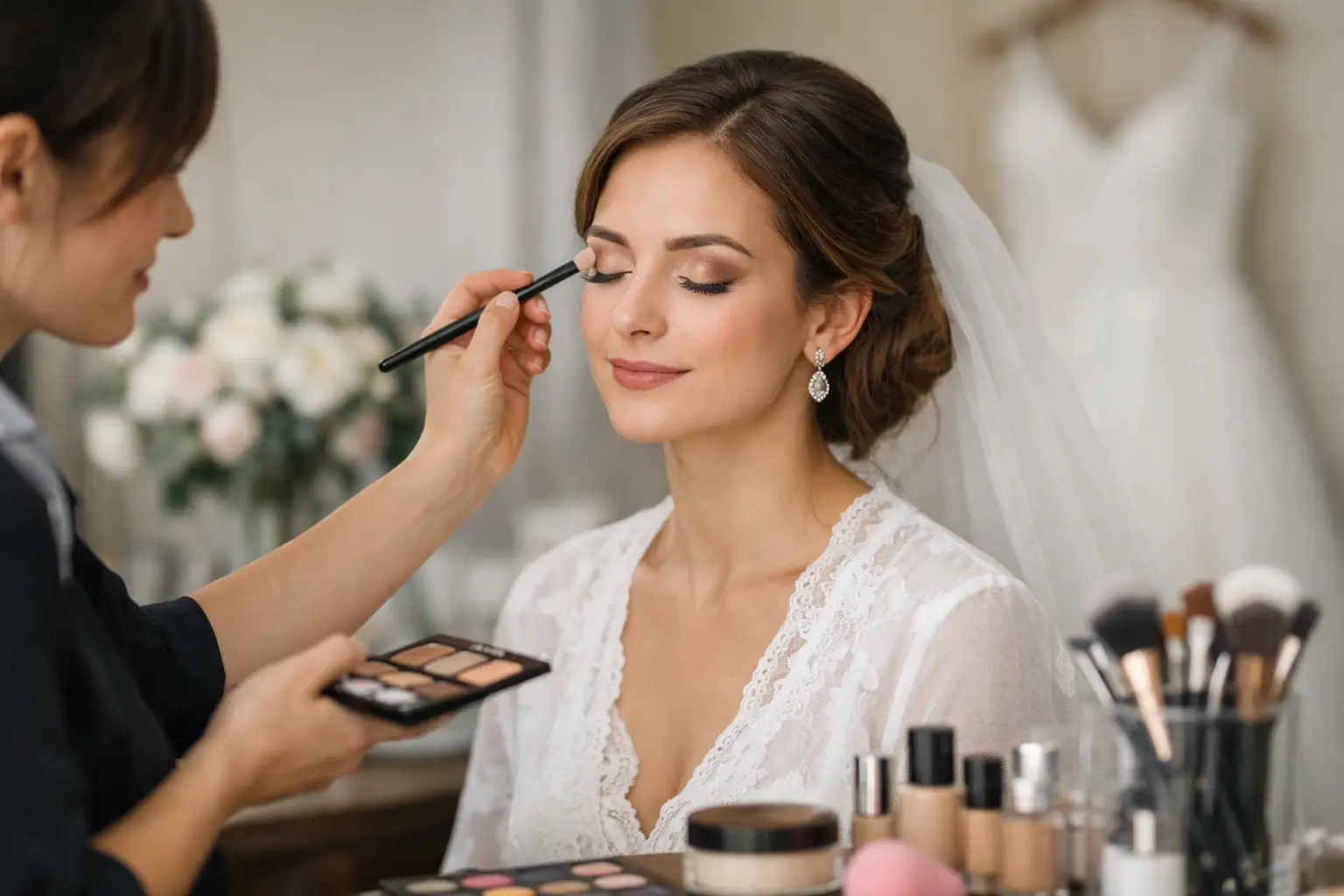
A bridal preview, sometimes called a trial, is one of the most valuable parts of the process. It gives you the chance to test not only the look, but also the communication, product feel, and wear time. If your artist offers previews, it is usually worth booking one.
Come prepared with inspiration images, but keep them focused. Too many unrelated references can make it harder to define what you actually like. It is more useful to show a few images and explain specifically what appeals to you, whether that is soft eyes, fresh skin, or a certain lip tone.
What to bring to your preview
Wear a top in a similar color to your wedding attire if possible, and bring inspiration photos, any known allergy information, and a photo of your dress if you have one. If you plan to wear hair extensions, a veil, or statement earrings, mentioning those details helps the artist create a more balanced final look.
After the preview, pay attention to how the makeup wears over several hours. Does the skin still look fresh? Do you still feel like yourself? Minor adjustments are normal. That is exactly why previews are so helpful.
Wedding day logistics to confirm
As the wedding gets closer, your checklist should shift from choosing the artist to preparing for a smooth service day. Confirm the address, parking instructions, start time, and final service count. Make sure there is a clean, well-lit area with a table and outlet access if needed.
You should also ask what your artist wants from you that morning. Most prefer clients to arrive with a clean, moisturized face and to avoid last-minute skin treatments that could trigger irritation. If you are considering a facial, peel, or new skincare product near the wedding date, ask for timing guidance first. Great makeup can do a lot, but it always works best on skin that has been treated gently.
If touch-ups are important to you, ask whether that service is available or whether your artist provides a small custom touch-up plan. This can be especially helpful for long wedding days, summer events, or ceremonies followed by multiple photo sessions.
A checklist that protects your experience
The most useful wedding makeup artist checklist is not just a list of tasks. It is a way to protect how you want to feel. Confident. Comfortable. Seen. Beautiful in a way that still feels familiar when you look in the mirror.
If an artist’s work is lovely but the process feels rushed, vague, or impersonal, it may not be the right fit. The best bridal beauty experience pairs technical skill with calm communication and thoughtful care. That is what turns makeup from one more appointment into a meaningful part of getting ready.
When you choose an artist who understands skin, listens closely, and builds a polished look around your features rather than over them, the result is more than long-wear makeup. It is the kind of confidence that lets you stay present for every moment that matters.