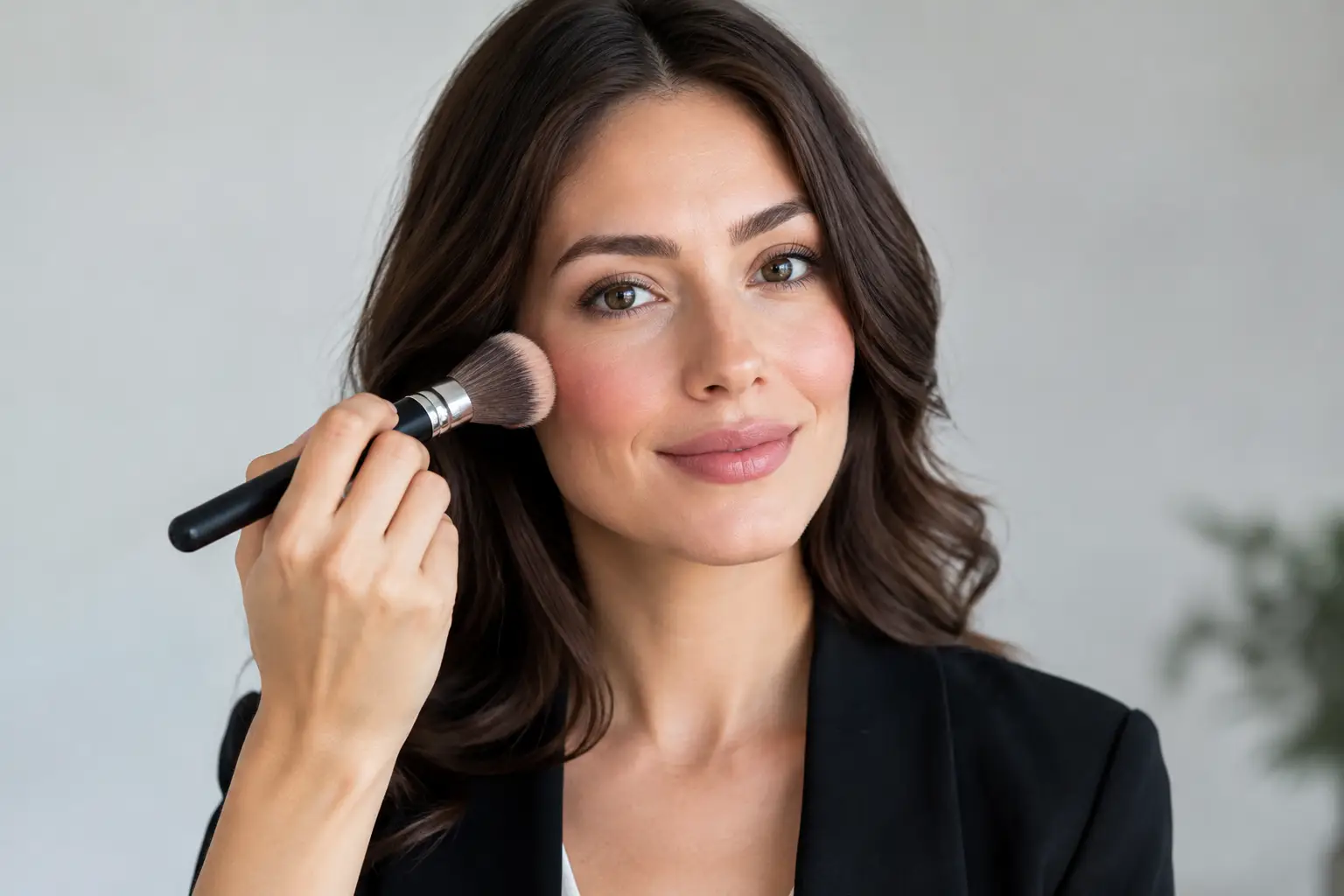
Professional Portrait Makeup That Looks Like You
A portrait session can feel surprisingly vulnerable. The camera catches small details, but it also captures how you felt in the moment. Professional portrait makeup is not about creating a different face for the lens. It is about thoughtful skin preparation, balanced color, and long-wear application that lets your features read clearly while you still feel entirely like yourself.
Whether you are preparing for a professional headshot, maternity session, family portraits, graduation photos, or a meaningful personal milestone, makeup should support the story those images will tell. The right approach is polished enough for the camera, comfortable enough to wear, and tailored enough that you recognize yourself when the gallery arrives.
Why Portrait Makeup Needs a Different Approach
Makeup for a photo session has a specific job: it needs to look refined in person while holding its shape, tone, and dimension under lighting and through the camera. That does not automatically mean heavier makeup. In fact, adding too much product can emphasize texture, settle into fine lines, or make skin look flat in high-resolution images.
Professional portrait makeup relies on strategic layering instead. Skin is prepped according to its needs, then complexion products are applied in light, purposeful layers. Concealer is placed where coverage is actually needed. Color is added with enough definition to prevent the face from being washed out, but not so much that it competes with your expression.
Lighting changes the equation. Natural window light, outdoor shade, studio strobes, and office lighting all affect how makeup appears. A look that feels beautifully subtle in a bathroom mirror may disappear in a bright studio, while a very sculpted contour can look more noticeable than intended in daylight. Your artist should consider the setting, time of day, wardrobe, and desired final image before choosing the level of coverage or glam.
What Professional Portrait Makeup Should Do
The most successful portrait look creates a sense of ease. Your skin looks fresh rather than masked. Your eyes look awake. Your lips have shape and color without requiring a bold statement unless that is part of your vision.
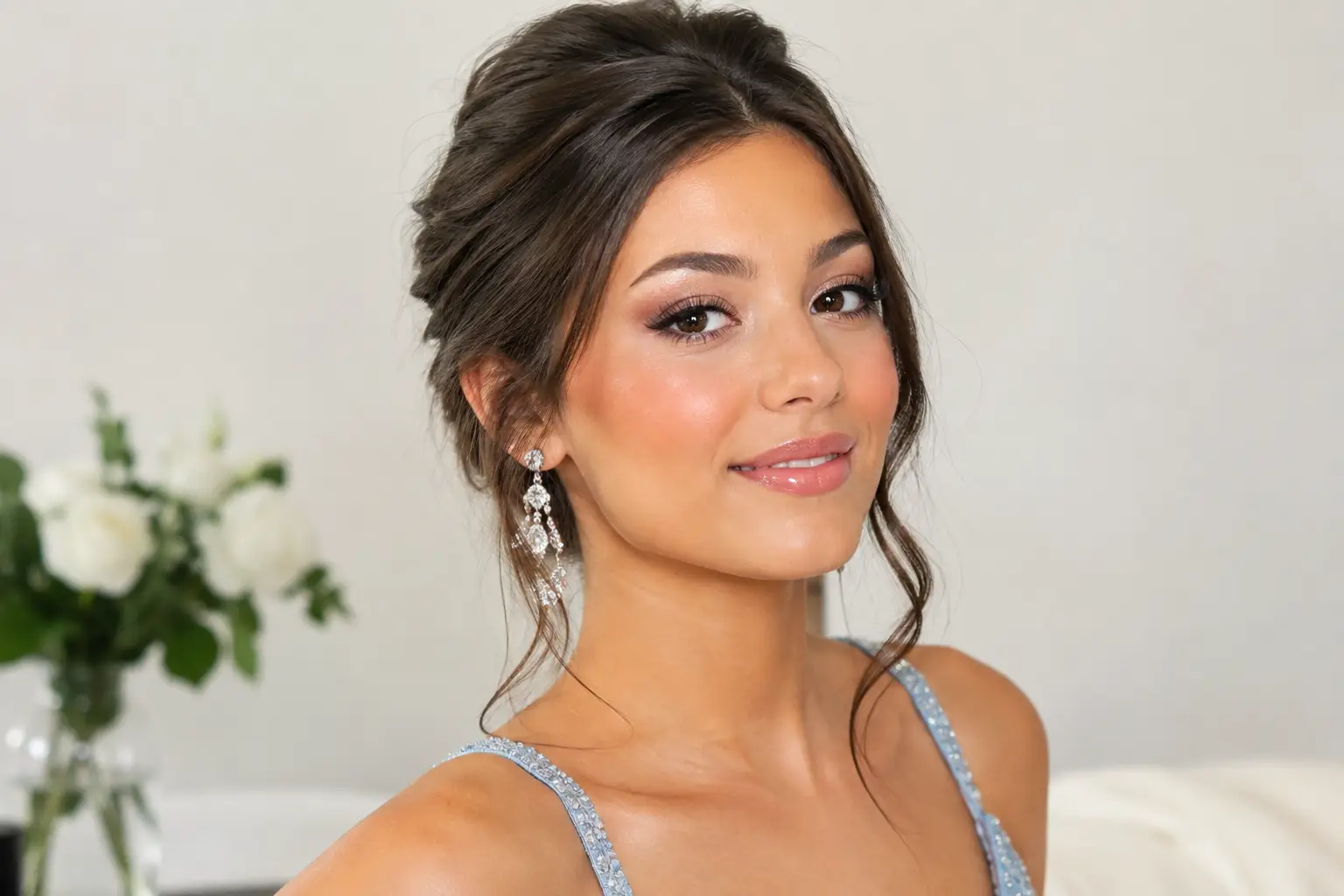
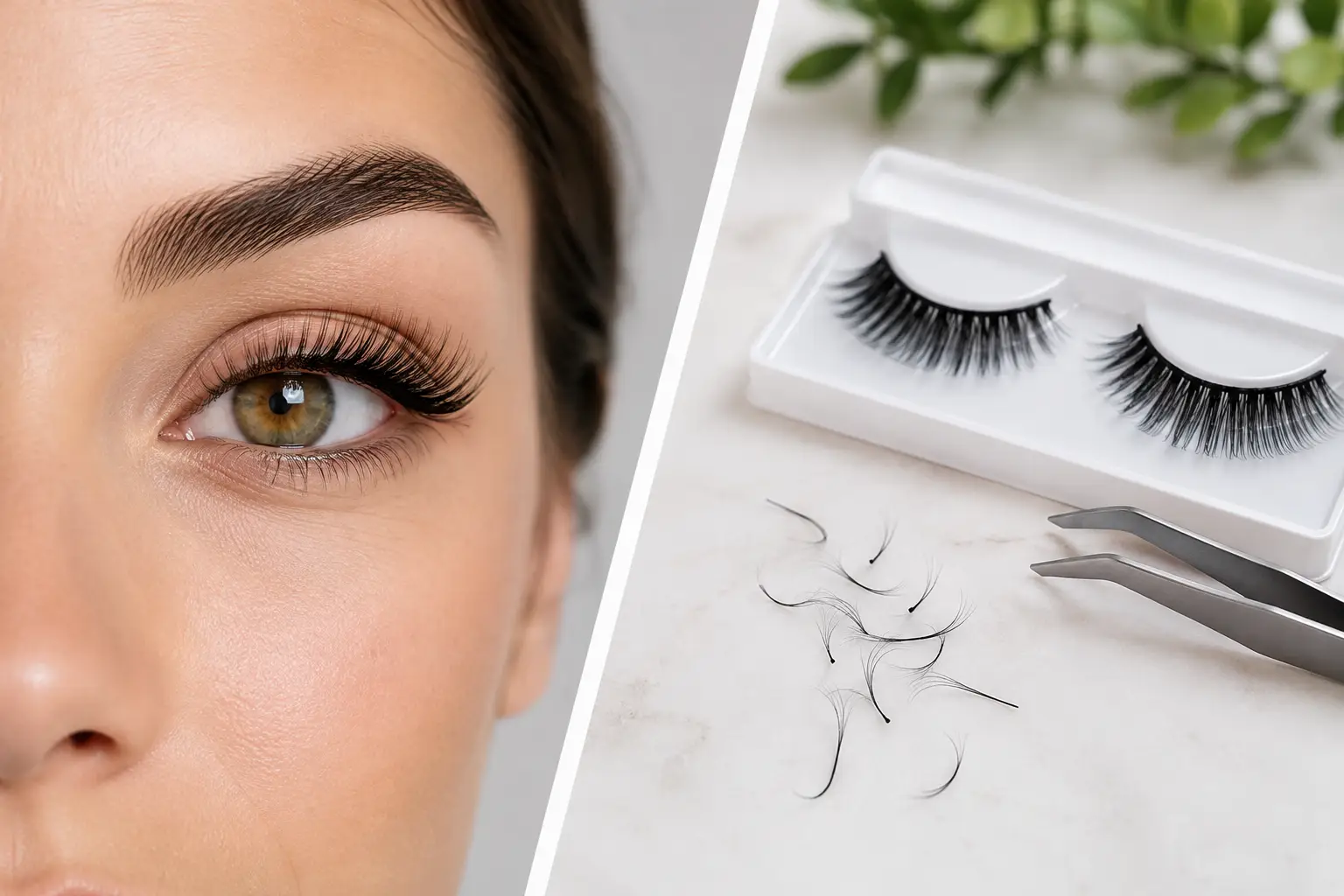
For many clients, a skin-focused soft glam look is ideal. It may include softly groomed brows, neutral or warmly defined eyes, individual lashes or a natural strip lash, cream and powder complexion products for dimension, and a lip color that brings life back to the face. The exact details vary widely. A corporate headshot may call for quiet polish, while an anniversary session or editorial portrait can support more glow, depth, or a stronger lip.
The goal is not one standard version of beauty. It is to make choices that work with your natural coloring, facial features, personal style, and comfort level. If you rarely wear makeup, your appointment should not feel like a transformation you have to manage. If you love a more elevated look, you should not be limited to barely-there makeup either. A good artist listens first, then translates your preferences into a camera-ready finish.
Skin Prep Is the Foundation of the Finish
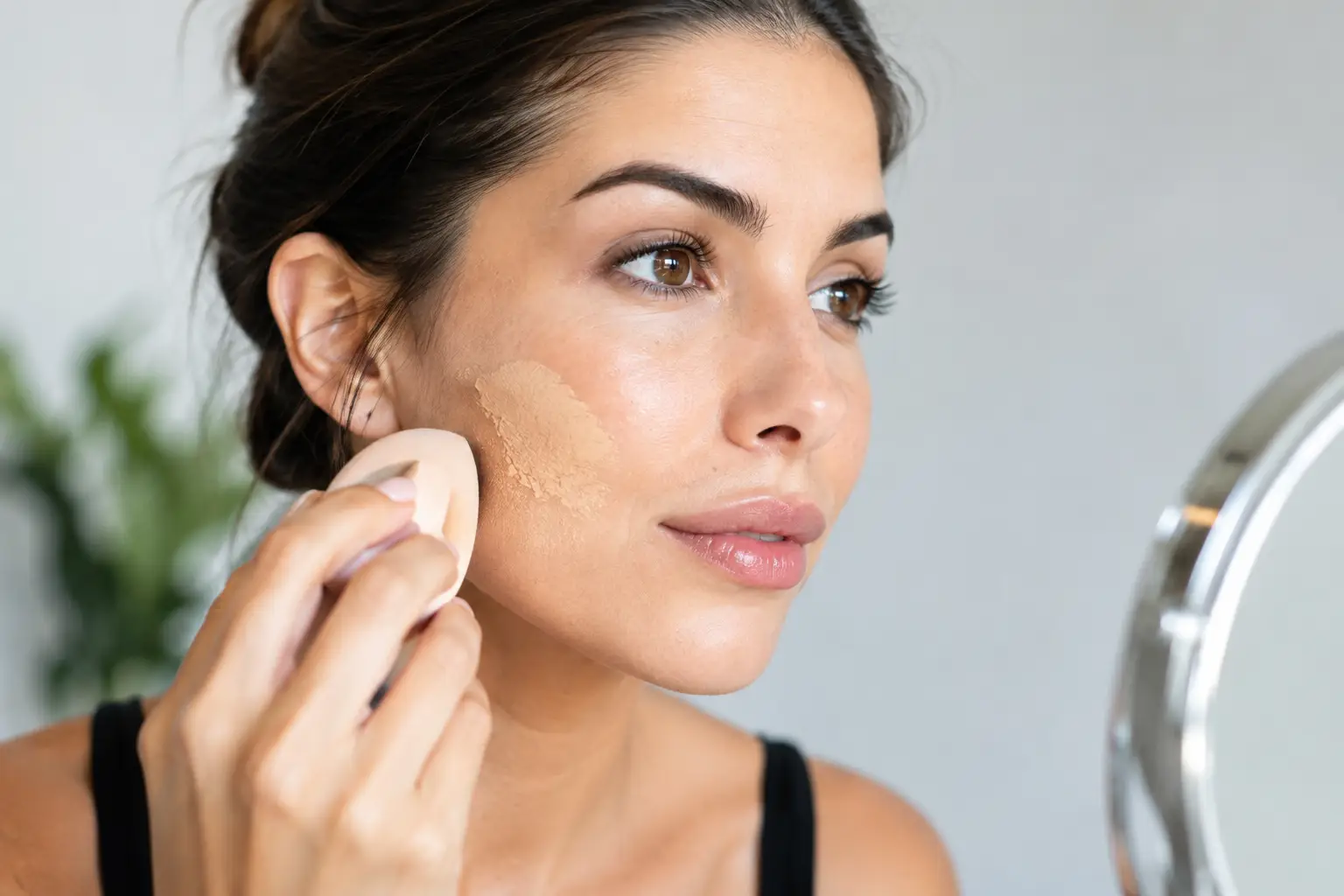
A smooth makeup application begins before foundation. Hydration, gentle exfoliation when appropriate, and products selected for your skin type can make a visible difference in how complexion makeup wears. Dry skin may need nourishing layers and a flexible base. Oily or combination skin often benefits from targeted mattifying products rather than a drying formula applied everywhere.
For acne-prone or sensitive skin, product selection and clean application practices matter just as much as coverage. The purpose is to help makeup sit comfortably without aggravating the skin or creating a thick, uneven finish. Communicating sensitivities, current breakouts, allergies, and skincare treatments ahead of time gives your makeup artist the information needed to plan thoughtfully.
Avoid introducing a brand-new active skincare product immediately before photos. Strong exfoliants, peels, retinoids, or unfamiliar treatments can cause irritation or unexpected dryness. Consistent, gentle care in the week leading up to your session generally serves you better than a last-minute attempt to overhaul your skin.
Camera-Ready Does Not Mean Matte Everywhere
Many people worry that makeup will look shiny in photographs, so they request an entirely matte finish. Others prefer a very dewy look because they want luminous skin. Both preferences can work, but portraits usually benefit from balance.
A controlled glow gives the complexion life, especially on the high points of the face. Powder can be used selectively through the T-zone or any areas that tend to break down first. This leaves skin looking like skin while minimizing distracting shine. The right finish depends on your skin type, the weather, the lighting, and how long you will be in makeup before the session begins.
This is also why a makeup artist may adjust a look after seeing your skin in person. A foundation that photographs beautifully on one client may not be the best match for another. Personalized application is not an extra detail. It is what makes the finished look believable and enduring.
How to Prepare for Your Makeup Appointment
Arrive with a clean face unless your artist has given you different instructions. Skip heavy oils, thick balms, and products that pill beneath makeup. Bring reference images if they help you communicate, but choose images for the feeling and overall direction rather than expecting an identical result. Different skin tones, eye shapes, facial structures, and lighting setups will naturally create different outcomes.
Wear a button-front top or something that can be removed without pulling over your face. If your photo outfit has a bold color or a distinctive neckline, share that information in advance. Makeup should complement your wardrobe rather than exist separately from it.
Plan your timing with the full session in mind. Makeup typically happens before hair, getting dressed, and travel to the shoot location. Giving yourself room in the schedule helps you enjoy the process and protects against the rushed feeling that can show up in your photos. For early-morning sessions, ask your artist about a realistic start time when booking.
If you have a lipstick you wear often, you are welcome to mention it. Your artist may match its tone, suggest a more camera-friendly variation, or recommend a touch-up option for later. Lip color is one of the few parts of a look that may need refreshing after coffee, meals, or a long drive.
When a Trial Is Worth Considering
A makeup trial is especially helpful when your portraits carry personal or professional weight. This includes branding sessions, engagement photos, milestone birthdays, maternity portraits, or images connected to a wedding weekend. A trial gives you time to discuss coverage preferences, lash comfort, finish, and color choices without the pressure of the photo day.
It can also be useful if you do not wear makeup regularly or have had an experience where makeup felt too heavy, too matte, or unlike you. Seeing the look in several kinds of light, taking a few phone photos, and wearing it for a few hours can clarify small adjustments before your session.
That said, a trial is not essential for every appointment. For a straightforward headshot or family session, a clear consultation and an experienced artist may be all you need. The right choice depends on your schedule, your confidence in the vision, and how much customization you want before the day.
Small Details That Make a Noticeable Difference
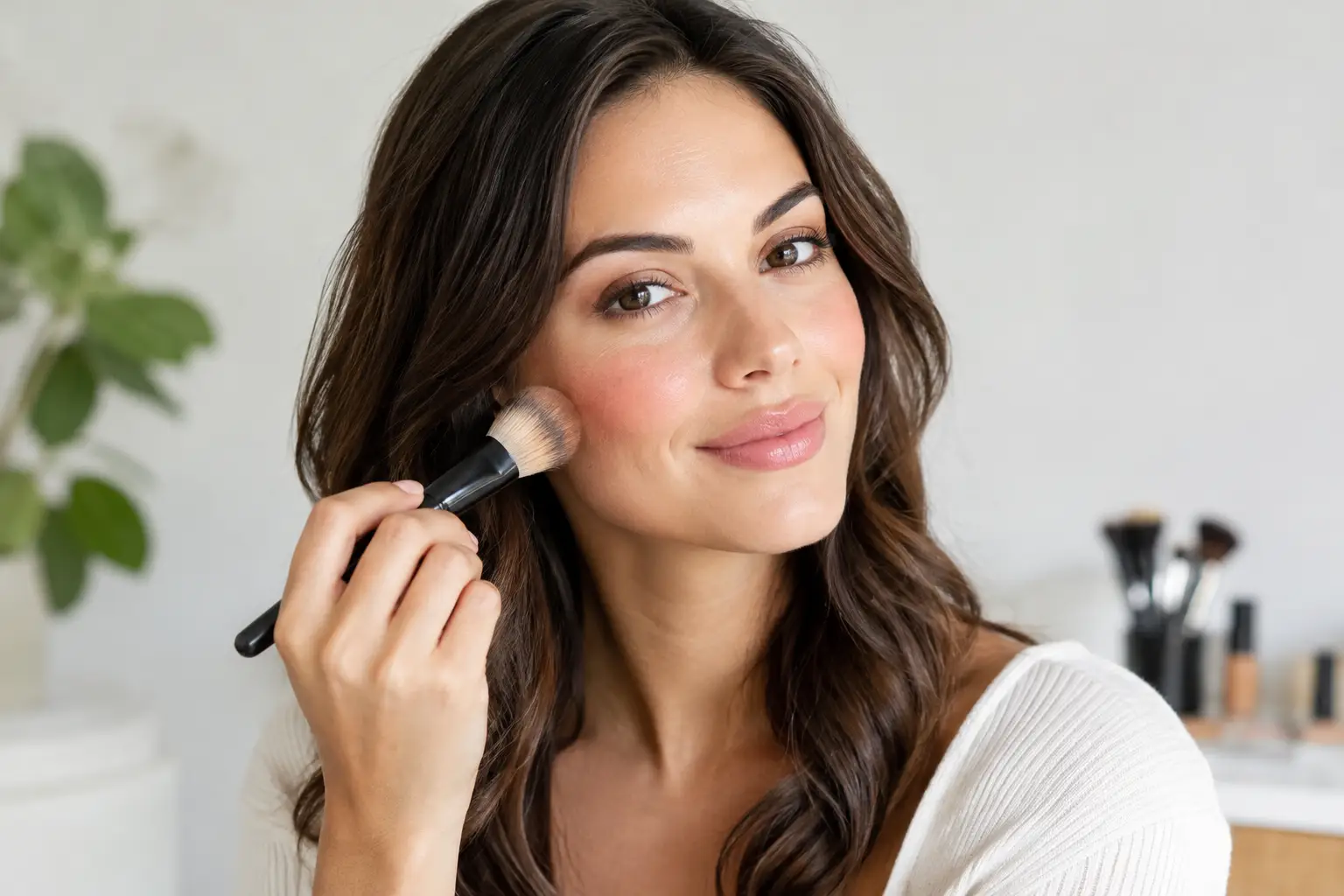
Portrait makeup is not only about foundation and eyeshadow. Brows frame the face, so soft shaping and filling can create structure without looking drawn on. Blush keeps the complexion from appearing one-dimensional. Subtle contour and highlight can restore dimension that lighting may soften. Defined lashes often make the eyes more visible, even when the rest of the look remains natural.
These details should be adjusted for the person in the chair. A mature complexion may benefit from creamier textures and less powder around the eyes. A client with hooded eyes may prefer carefully placed shadow and lifted lash placement. A deeper skin tone may need blush and bronzer shades with enough richness to remain visible on camera. There is no one-size-fits-all portrait face.
For clients in Northern Virginia and Washington, DC, on-location service also offers a practical advantage. Getting ready at home, a hotel, office, or photo location can preserve your calm and save valuable time before a busy day. For larger sessions or events with multiple people being photographed, clear scheduling and sanitation practices help everyone feel cared for and ready on time.
A Look You Can Feel Good Wearing
The best portrait makeup should give you confidence before anyone sees the final photographs. You should be able to smile, speak, move, and focus on the moment rather than wonder whether your foundation is settling or your lashes feel too dramatic.
When you choose an artist who prioritizes skin, listens closely, and understands how makeup performs under a camera, the experience becomes less about covering perceived flaws. It becomes a quiet form of preparation: a chance to sit down, be cared for, and step in front of the lens looking polished, recognizable, and fully yourself.