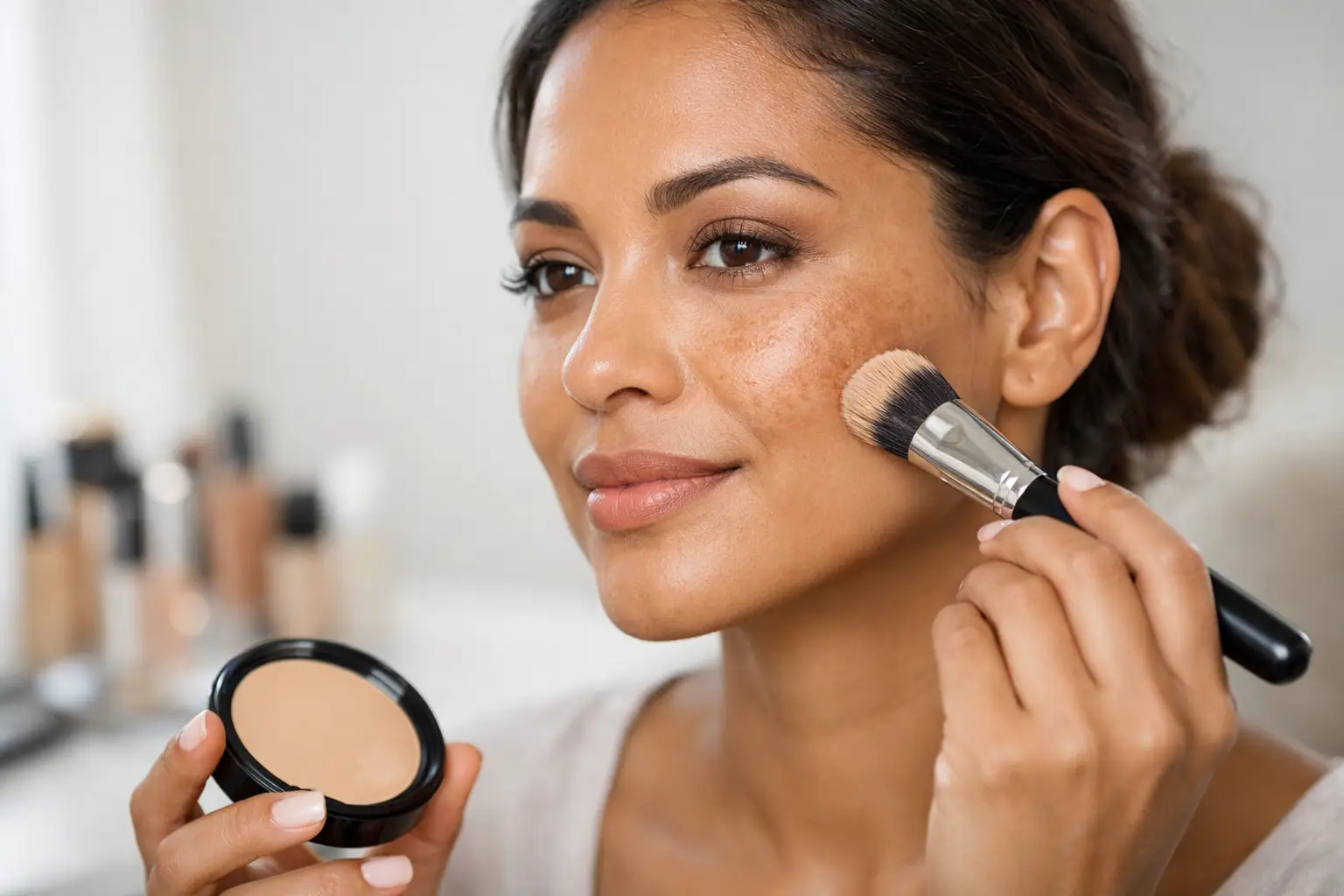
Makeup for Melasma That Looks Like Your Skin
Melasma does not need to dictate how much makeup you wear or how recognizable you feel in photos. The best makeup for melasma is not about applying the heaviest possible foundation. It is about carefully balancing color correction, targeted coverage, skin preparation, and finish so your complexion looks even, luminous, and still like your own.
For a wedding, portrait session, gala, or other meaningful event, that balance matters. You want makeup that holds up through a long day and photographs beautifully, but you also want to feel comfortable when someone is standing close to you. A skin-first approach makes both possible.
Why Melasma Needs a Different Makeup Approach
Melasma often appears as soft-edged patches of brown, gray-brown, or tan discoloration, most commonly across the cheeks, forehead, upper lip, or jawline. Its appearance can shift with sun exposure, heat, hormones, certain medications, and skin irritation. That variation is one reason a one-size-fits-all coverage routine can feel frustrating.
The instinct is often to add more foundation. In practice, too much base makeup can make texture more visible, separate around dry areas, or create a flat mask-like effect in photographs. A more polished result comes from correcting the visible undertone first, then using complexion products in thin, intentional layers.
Melasma can also coexist with sensitivity, acne, dehydration, or mature-skin concerns. Product choices should support the skin you have on the day of your appointment, not force it into a trend-driven finish that does not feel right for you.
Skin Preparation Comes Before Coverage
Makeup will sit more smoothly when the skin is calm, hydrated, and protected. Before an event, avoid introducing a strong new active ingredient, aggressive exfoliation, or an unfamiliar peel. Even a well-intended treatment can leave the skin irritated or flaky, which makes discoloration more difficult to conceal gracefully.
On the day, preparation should be customized. Some clients need lightweight hydration and a smoothing primer through the center of the face. Others benefit from richer moisture on drier areas but less product around the nose or forehead, where makeup may move more easily. The goal is not to make skin feel coated. It is to create a comfortable surface for makeup to adhere to.
Daily broad-spectrum sunscreen is also an essential part of caring for melasma, even when makeup is part of your routine. Makeup can provide an added cosmetic layer, but it should not be treated as your only sun protection. If melasma is new, changing quickly, or causing concern, a board-certified dermatologist can help guide treatment options beyond cosmetics.
Plan Around Your Appointment, Not Against It
If you are booking professional makeup for a major event, share that you have melasma before your appointment. A few clear notes about your skin, current routine, sensitivities, and the areas you prefer to soften help your artist plan the right products and timing.
For brides, a trial is especially useful. It allows you to see how coverage wears over several hours, how it looks in indoor and outdoor lighting, and whether you prefer a more satin or soft-matte finish. It also creates space to adjust without the pressure of the wedding morning.
Makeup for Melasma Starts With Color Correction
Color correction is what keeps coverage from becoming unnecessarily heavy. Brown and gray-brown discoloration often responds well to a warm peach, apricot, orange, or red-orange corrector, depending on the depth of your skin tone and the darkness of the pigmentation.
Lighter skin tones may need only a sheer peach or apricot veil. Medium to deep skin tones may benefit from a richer orange, terracotta, or red-orange tone. The correct shade should neutralize the darkness without looking bright or obvious beneath foundation. When a corrector is too light, it can turn gray. When it is too intense or overapplied, it may show through the base.
Application matters as much as shade selection. A small amount pressed precisely onto the darker area is usually enough. Corrector should not be swept over the entire face unless there is a specific reason to do so. Keeping it targeted preserves the natural dimension of the skin and prevents buildup.
Build Coverage in Thin, Flexible Layers
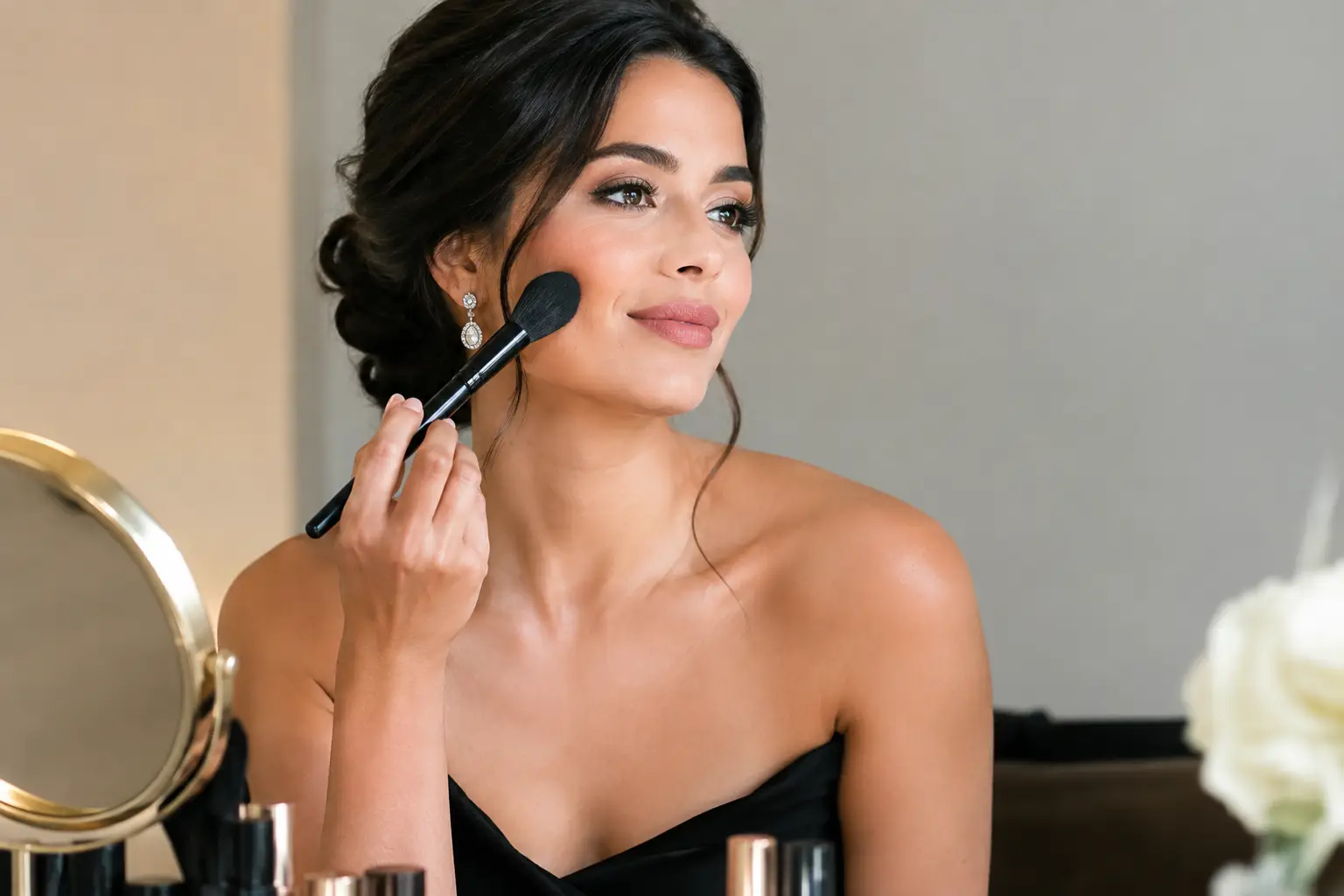
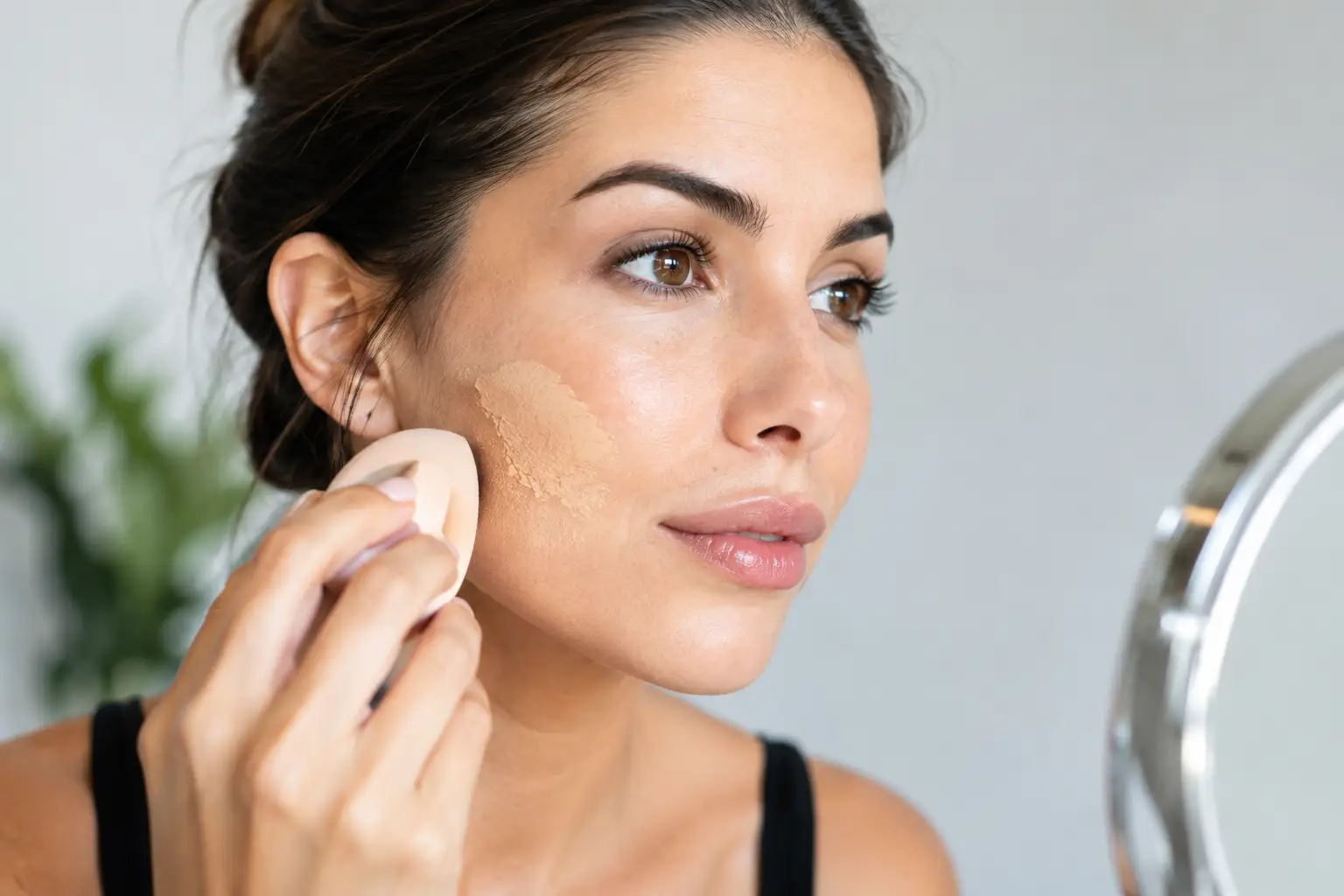
After correction, foundation can be applied in a thin layer across the complexion to even the overall tone. A professional artist may use a brush for controlled placement, then press the product into the skin with a sponge for a more natural finish. The exact formula depends on your skin type, desired finish, and event conditions.
A radiant foundation can be beautiful on melasma-prone skin when the skin is balanced and the formula has enough staying power. A satin finish is often a particularly flattering middle ground: it reflects light gently without emphasizing every bit of texture. Soft matte formulas can wear exceptionally well for humid outdoor events, dancing, or flash photography, but they need thoughtful skin prep to avoid looking dry.
Concealer belongs where it is needed, not automatically everywhere. Rather than blanketing the face, add a matching concealer over areas that need a little more coverage after foundation. Patting the product on, allowing it to settle, and repeating only if necessary creates a far more believable result than one thick layer.
Set Strategically for Long Wear
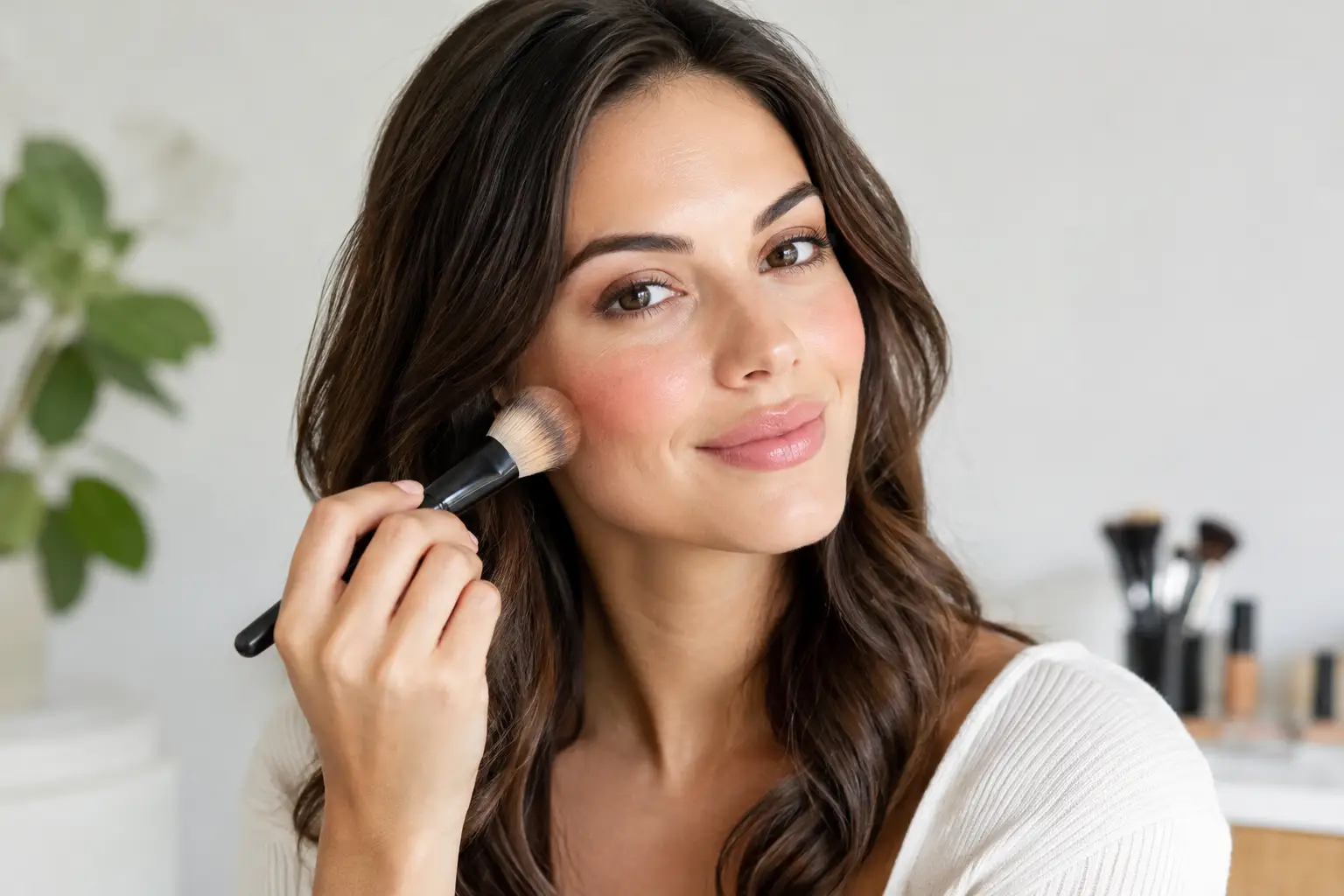
Powder is useful, but it should be placed with purpose. Lightly setting areas prone to creasing or shine, such as around the nose, chin, and center of the forehead, can help makeup wear longer. Leaving the outer face and high points of the cheeks less powdered keeps the complexion from looking overly matte.
For photography, the goal is not zero shine. Healthy-looking skin has dimension. A controlled sheen on the cheeks can look fresh and refined, while excess shine through the T-zone may read as uneven in flash. Setting spray and careful pressing techniques can further improve wear without adding a heavy finish.
Choose the Right Finish for Your Event
There is no single best foundation finish for melasma because the right choice depends on your skin and the setting. A daytime garden wedding, a winter ballroom celebration, and a professional headshot session each place different demands on makeup.
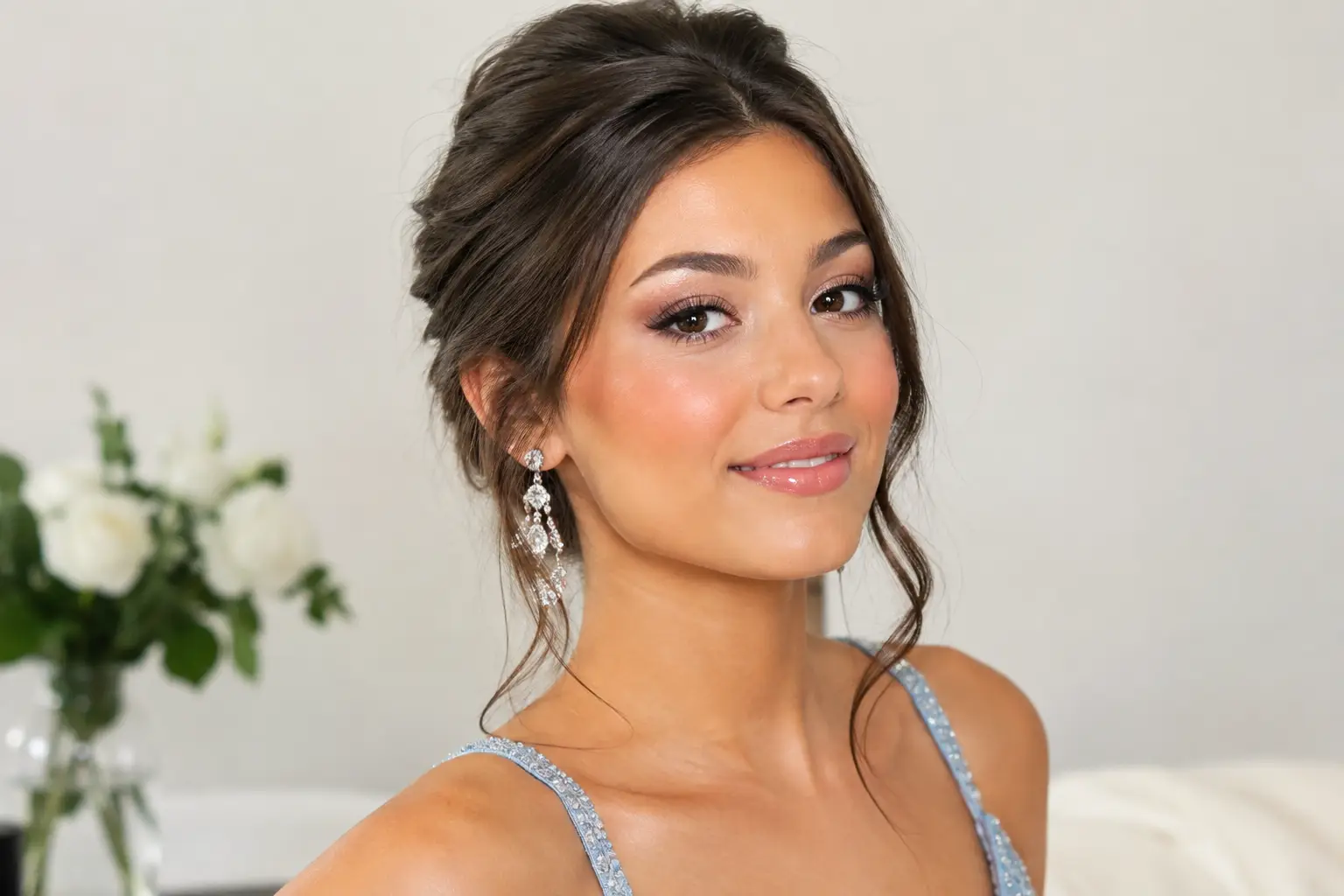
For a long outdoor event in Northern Virginia or Washington, DC, humidity and heat may call for lighter layers, strategic powder, and touch-up planning. For an evening event with formal photography, a bit more perfected coverage may feel appropriate, especially if you prefer a polished soft glam look. The key is making sure the added coverage still moves naturally with your expressions.
Lighting also changes how makeup reads. Window light tends to reveal texture and uneven blending, while flash can make certain powders look dry or create unwanted brightness if products are not balanced correctly. This is why camera-ready makeup is not simply heavier makeup. It is makeup designed with finish, placement, and light in mind.
Common Mistakes That Can Make Coverage Look Heavy
The most frequent issue is skipping correction and trying to cover everything with foundation alone. Another is using a concealer that is much lighter than the foundation, which can draw attention to the area instead of blending it away.
Applying too much powder is another common culprit. It may seem like the safest route to long wear, yet excessive powder can catch on texture and make the complexion appear dull. Finally, mixing several new skincare and makeup products right before an event introduces unnecessary risk, particularly if your skin is reactive.
A calmer, more reliable plan is to use familiar skincare, build coverage gradually, and bring a few touch-up essentials. Blotting papers, a small amount of powder, and your lip color are often more useful than carrying a full makeup bag.
Let Your Makeup Enhance, Not Erase
Melasma is part of many people’s skin story, and choosing to cover it is a personal preference, not a requirement. Some clients want a softly evened complexion where a little natural variation remains visible. Others want fuller coverage for photographs or a milestone occasion. Both choices are valid.
At Taylor Bailey Makeup Artist, the focus is always on listening first: how you want to look, how you want your skin to feel, and what will help you feel most at ease in the room and in the photographs afterward. With the right preparation and layered technique, melasma coverage can look polished without looking overdone.
The most beautiful event makeup is the kind that lets you focus on the moment rather than checking your reflection. Give your skin thoughtful preparation, allow time for a personalized application, and choose coverage that helps you feel confidently yourself.