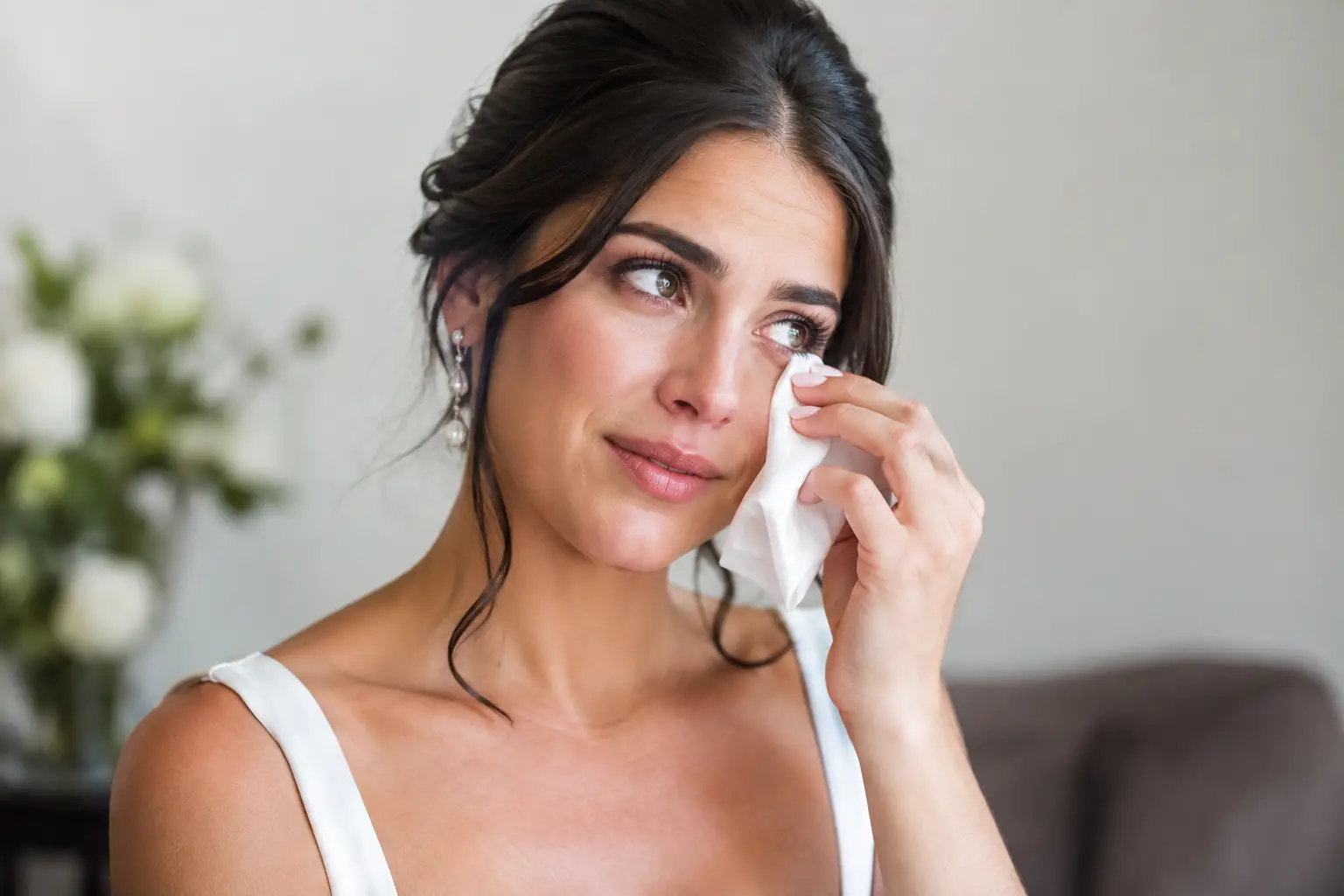
How Makeup Lasts Through Tears at Big Events
A wedding ceremony, a heartfelt toast, a parent dance, a reunion with someone you love – meaningful events often come with tears. The good news is that makeup lasts through tears when it is designed around your skin, your features, and the moments you expect to experience. Long wear is not about piling on more product. It is about thoughtful preparation, strategic formulas, and knowing how to protect the makeup once emotion takes over.
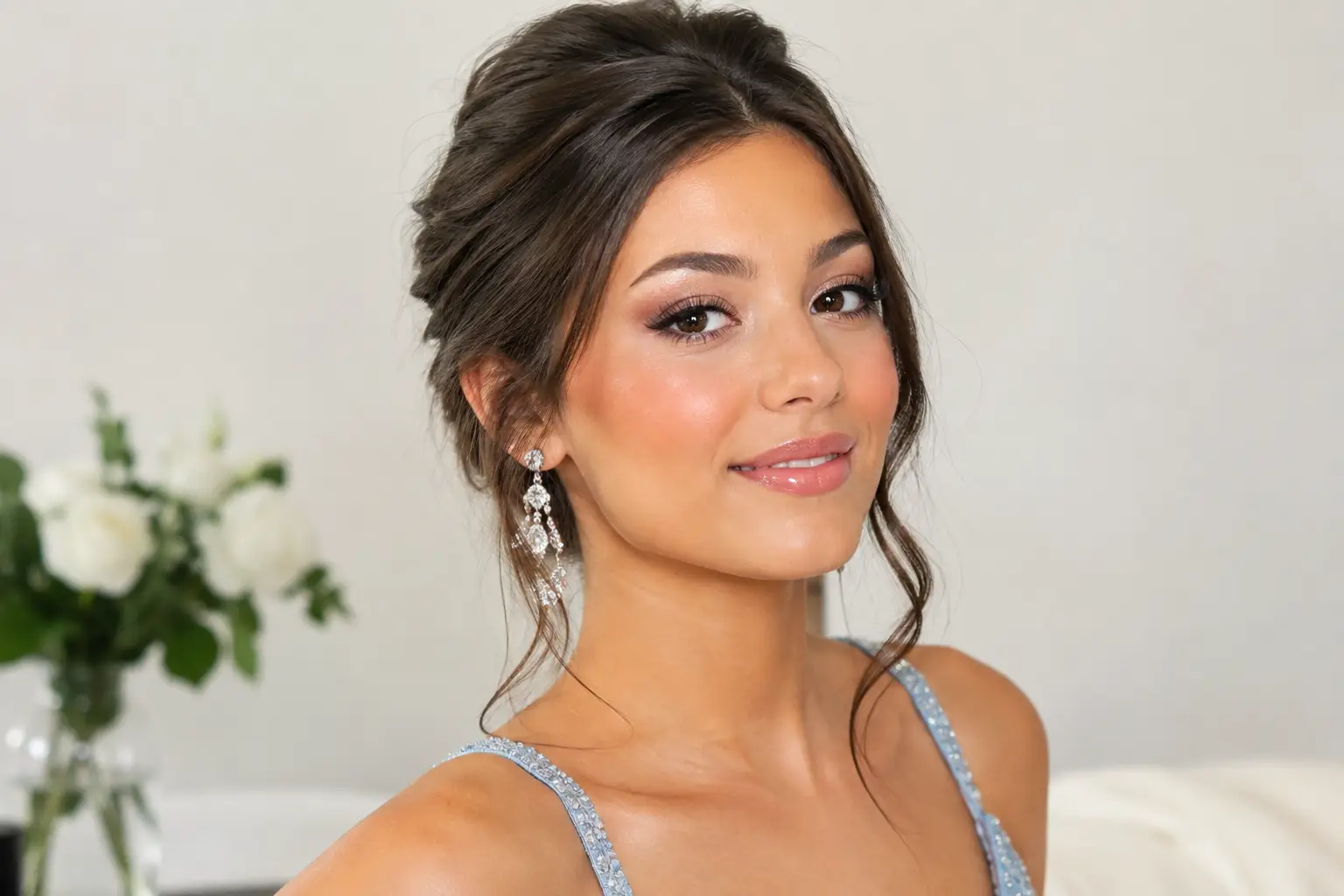
For brides, bridal parties, speakers, and anyone preparing for professional photos or a formal celebration, the goal is simple: look polished in person and on camera while still feeling like yourself. Soft glam can absolutely hold up to real life, including happy tears.
Why Tears Challenge Makeup
Tears do not usually cause an entire face of makeup to disappear. The bigger issue is where moisture collects and what happens next. Tears can gather at the inner corners of the eyes, travel along the lower lash line, and break down complexion products around the nose and upper cheeks. Rubbing with a tissue can then lift concealer, foundation, blush, or powder right along with the moisture.
The eye area is especially vulnerable because it moves constantly. Heat, natural oils, watery eyes, contact lenses, and a long event can all affect wear. That is why a beautiful tear-resistant look begins long before mascara is applied.
It also helps to set realistic expectations. Waterproof makeup is highly durable, but it is not meant to be scrubbed repeatedly. A long-wear application protects your makeup from tears; a gentle response protects it from being disturbed.
How Makeup Lasts Through Tears Without Looking Heavy
A lasting application should still look like skin. The best approach is to build thin, intentional layers rather than relying on one thick, heavy layer that may crease or separate as the day goes on.
Begin with balanced skin preparation
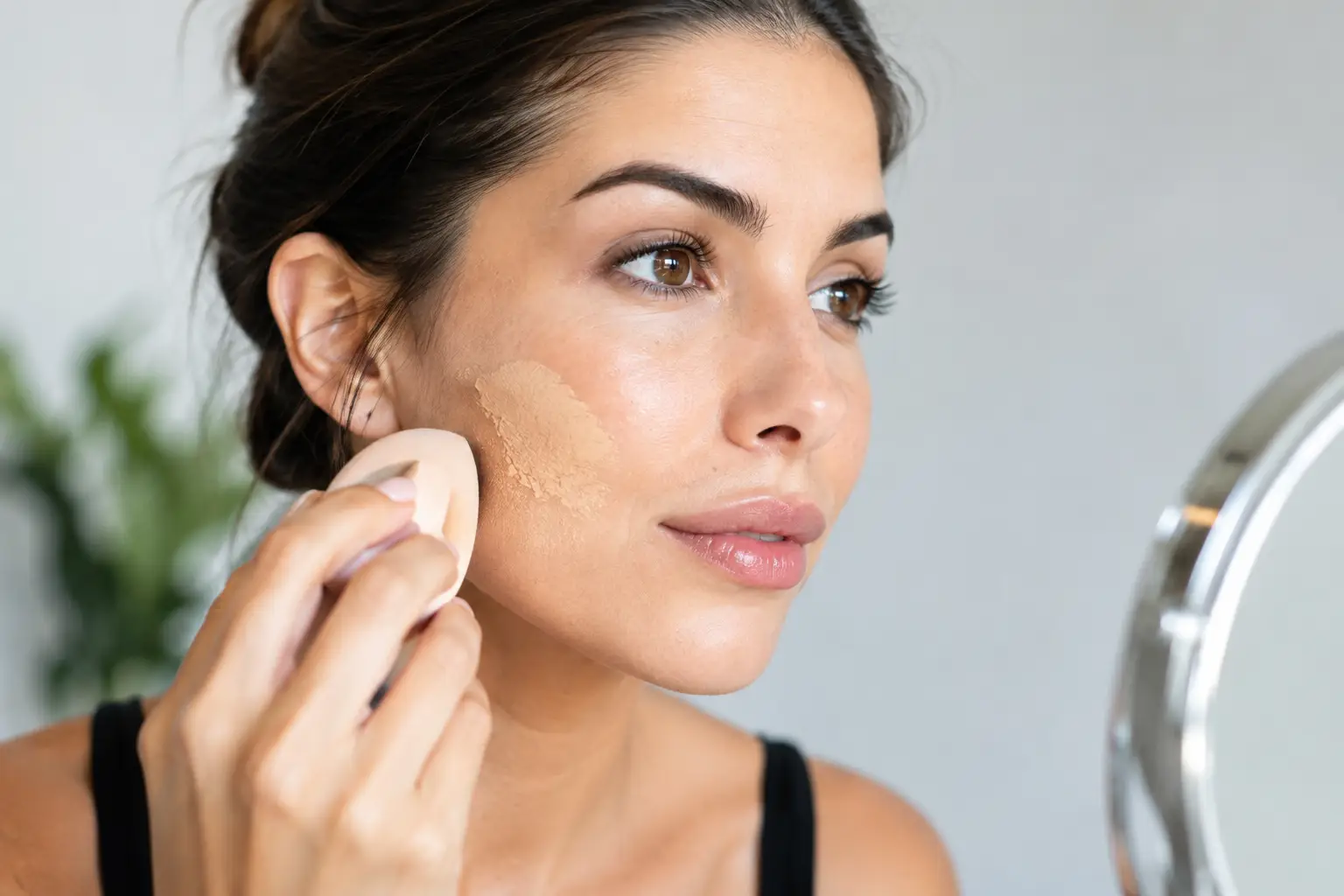
Skin prep is the foundation of makeup longevity. Dry, flaky areas can cause foundation to catch, while excess oil can make makeup shift. Before an event, your artist should assess what your skin needs that day rather than treating every complexion the same way.
Hydration matters, but so does absorption time. Skincare that is still sitting on the surface can interfere with makeup, particularly around the nose, chin, and under-eyes. Lightweight hydration, targeted eye preparation, and an appropriate primer help create a smooth base without making the face feel overloaded.
If you are trying a new skincare product before a major occasion, give yourself time to see how your skin responds. Avoid experimenting with strong exfoliants, aggressive facials, or unfamiliar treatments in the days immediately before your event. Calm, comfortable skin gives makeup its best chance to wear beautifully.
Use long-wear layers in the right places
Not every area needs the same amount of coverage or setting. A professional application may use a flexible complexion product across the face, then add more targeted coverage only where it is needed. Under the eyes, a small amount of color correction and concealer can look fresher than a thick layer that settles into fine lines.
Around the eyes, long-wear cream and powder products can be layered for added staying power. The placement matters as much as the formula. A soft, lifted eye look with properly prepared lids is less likely to crease or transfer than an eye makeup look applied over excess moisture or oil.
Choose waterproof products thoughtfully
Waterproof mascara and liner are usually worth it for weddings, emotional ceremonies, and photo-heavy events. They are particularly helpful on the lower lashes, where smudging can quickly become visible in photos.
There is a trade-off: waterproof formulas can be more difficult to remove and may feel less flexible than traditional mascara. For clients with sensitive eyes, lash extensions, or a tendency toward irritation, the right choice may be a water-resistant formula, a tubing mascara, or strategically placed individual lashes. The best option depends on your eyes, your comfort level, and the look you want.
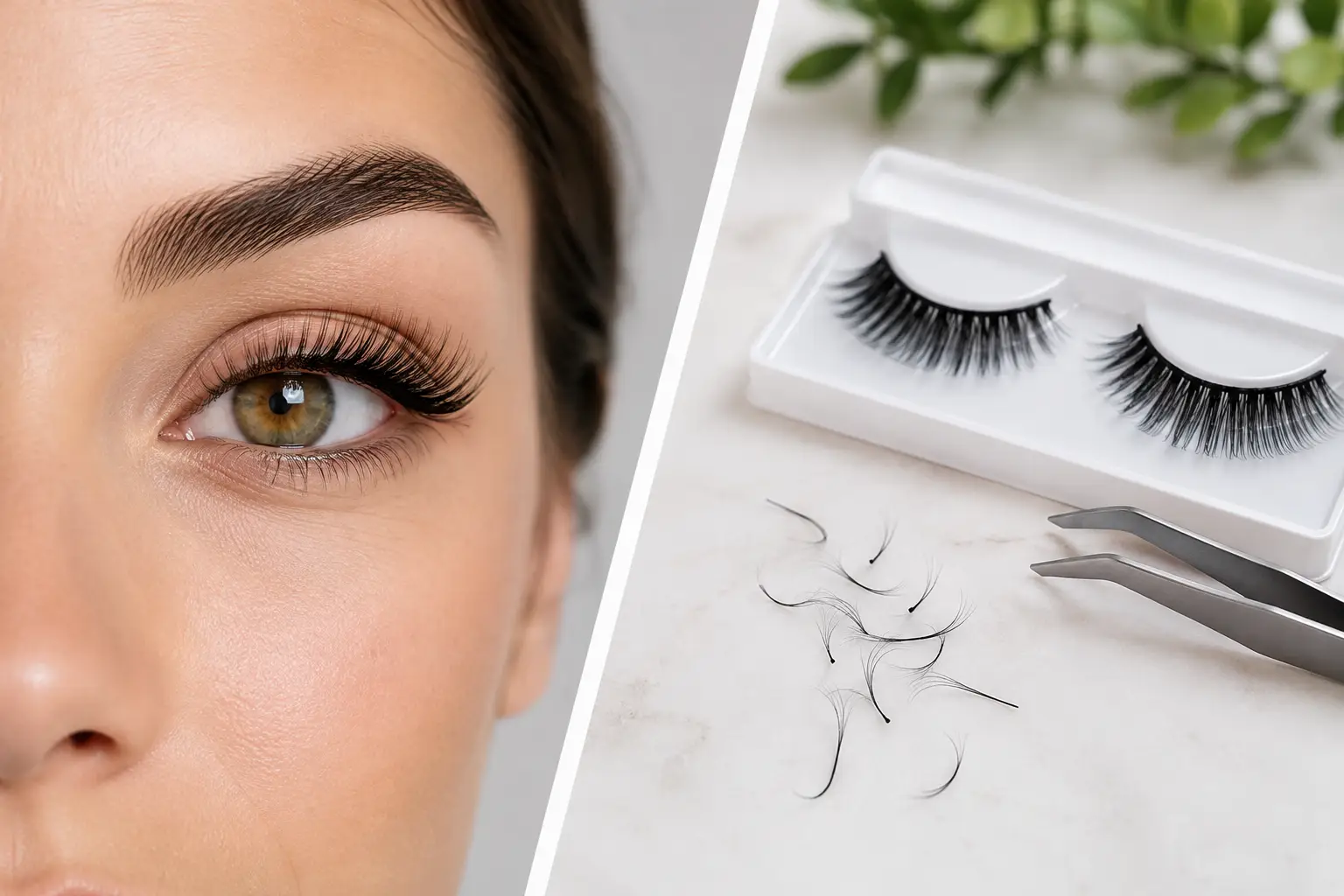
False lashes can also make a difference. They add definition even if your natural lashes get damp, but they should be applied with professional-grade adhesive and allowed to set fully. If you know you may cry, let your artist know during your appointment. That detail helps guide product selection and placement.
Set, then preserve the finish
Setting powder and setting spray serve different purposes. Powder can help control shine and keep cream products in place, while setting spray can help melt layers together for a more natural-looking finish. Neither should leave your skin flat, dry, or mask-like.
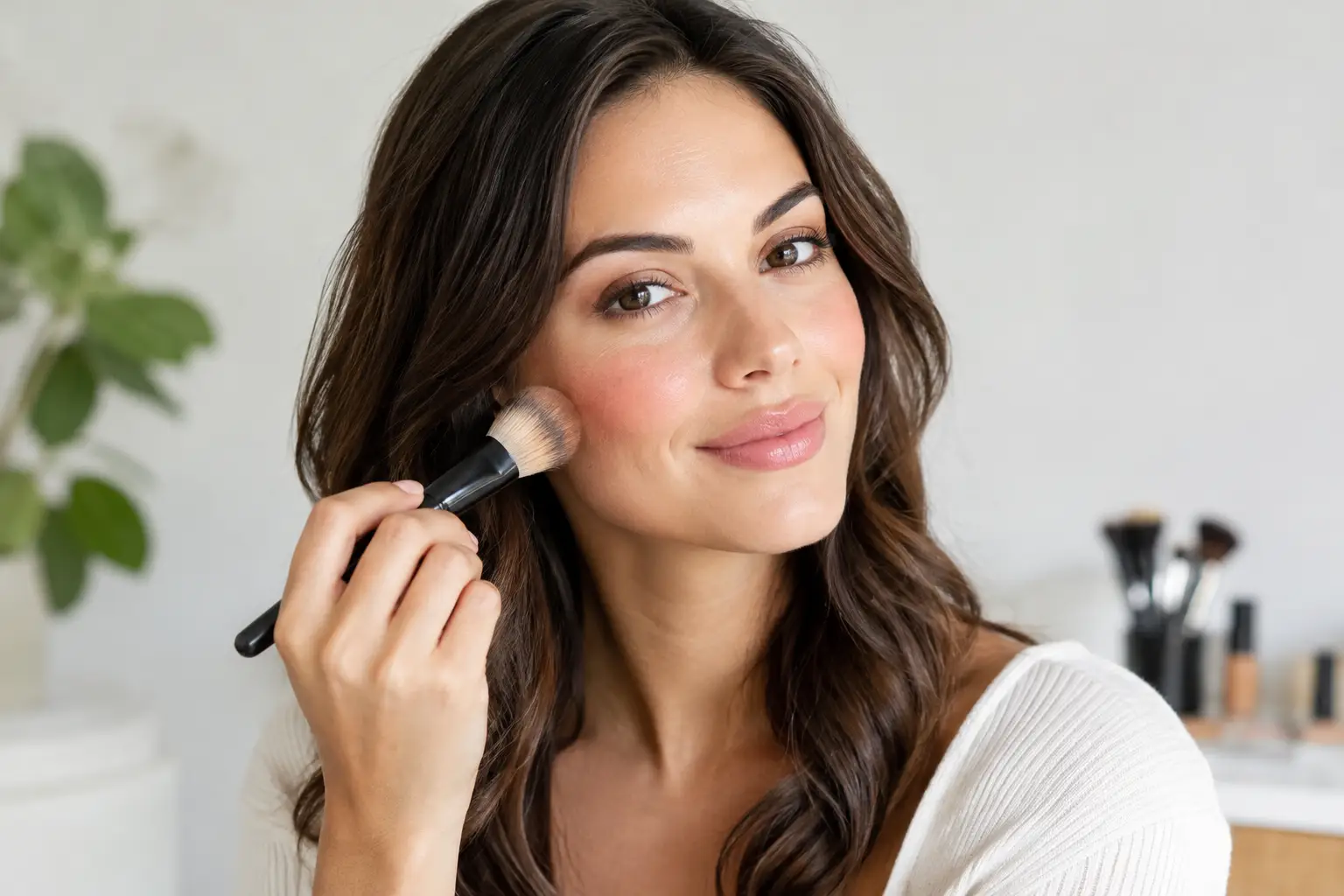
The most flattering finish is usually one that is softly set through the center of the face, under the eyes, and around the nose, while allowing a healthy glow to remain on the high points of the cheeks. This is especially true for bridal makeup and photography, where skin should look refined without appearing overly powdered.
What to Do When You Start Crying
The first instinct is often to wipe. Instead, pause and blot. Hold a clean tissue at the inner corner of the eye or beneath the lower lash line, then gently press. Do not drag the tissue across the skin.
If a tear travels down your cheek, lightly catch it before it reaches your blush or foundation. A clean fingertip can also gently tap a small area back into place if needed. Pressing is kinder to makeup than rubbing, and it is much less likely to create a visible patch in photographs.
Try to avoid fanning your face with a program or napkin after crying. This can make the skin flush and can move loose hair into freshly damp areas. Give yourself a quiet moment, blot gently, and let your makeup settle.
A Small Touch-Up Kit Is Worth Bringing
For a long wedding day, gala, or photo event, a few well-chosen items offer more reassurance than a large makeup bag. Keep the kit simple and ask your makeup artist which products are most useful for your specific look.
- Clean tissues or soft blotting sheets for tears and shine
- A small pressed powder for the nose, chin, and forehead
- Your lip color and lip liner for refreshing after eating or drinking
- A few cotton swabs for precise cleanup around the eyes
If touch-ups feel stressful or you have a full day of events ahead, concierge-style touch-up support can be especially valuable. It allows you to stay present for photos, greetings, and emotional moments while someone else watches the details.
Plan for Tears During Your Bridal Trial
A bridal trial is the right time to talk honestly about what you expect from your makeup. Share whether you usually cry easily, wear contact lenses, have sensitive eyes, or plan to use false lashes. Bring inspiration photos, but also explain how you want to feel: softly polished, luminous, classic, or more defined.
At Taylor Bailey Makeup Artist, this conversation is part of creating a look that feels personal rather than copied. The most successful bridal makeup is not simply waterproof. It is tailored to your skin, your wedding timeline, your photography needs, and your comfort.
You may also want to test your makeup under real conditions after the trial. Wear it for several hours, step outside, take photos in daylight, and notice how it feels around your eyes. If something creases, transfers, or feels too heavy, adjustments can be made before the wedding day.
The moments that move you are the ones you will remember most. Let your makeup be quietly dependable in the background, so when the tears come, you can feel them fully and still look beautifully, unmistakably like yourself.