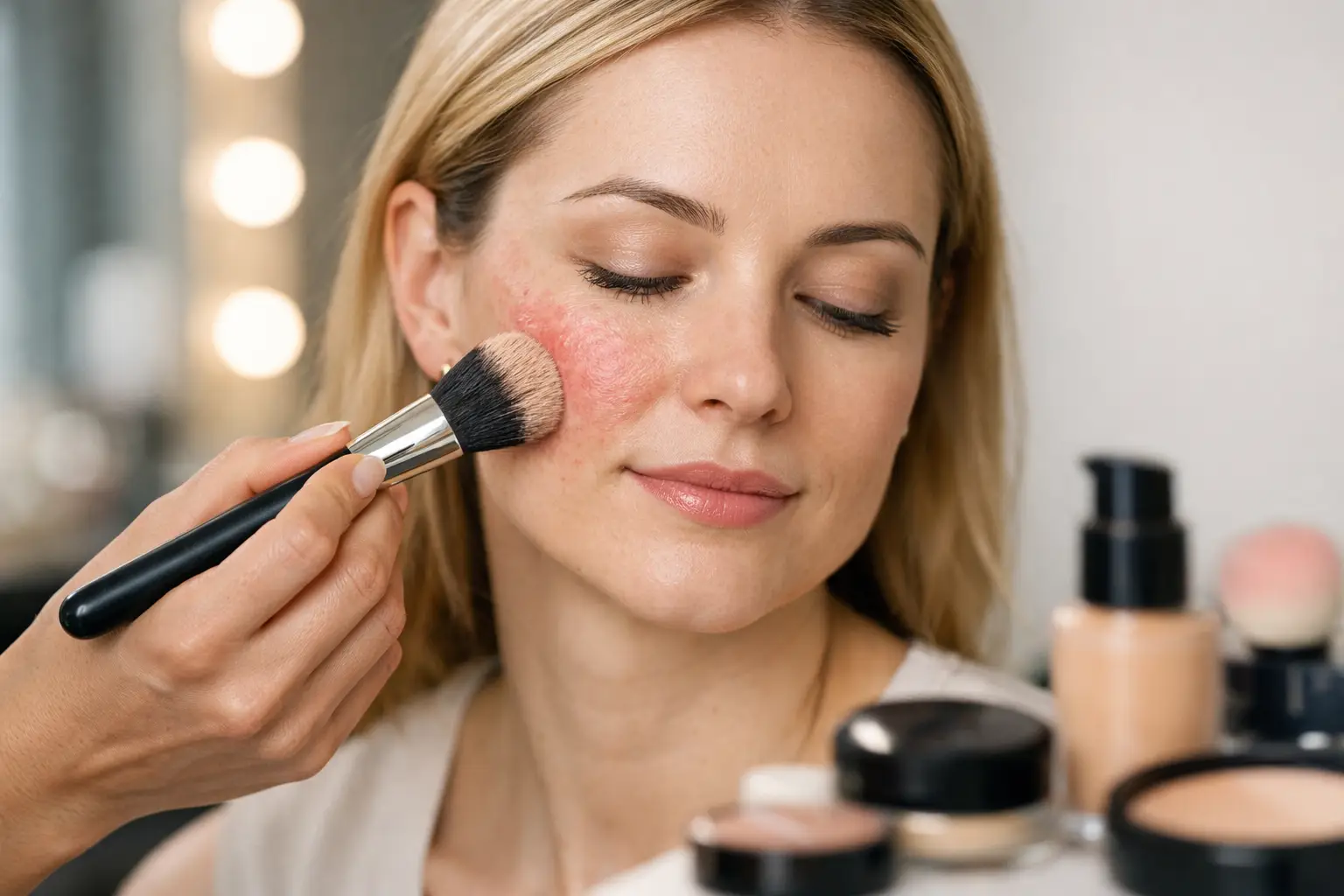
Can Makeup Help With Rosacea Without Irritation?
A makeup appointment should not leave you worried that your skin will look more reactive by the end of the night. If you experience flushing, visible redness, or sensitivity, you may be asking: can makeup help with rosacea? It can help soften the appearance of redness and create an even, polished finish, especially for photos and milestone events. The difference is in the approach. Rosacea-friendly makeup should feel comfortable on the skin, look like skin in person, and avoid the heavy layers that can emphasize texture or cause discomfort.
Makeup cannot treat rosacea or prevent a flare-up, but thoughtful skin preparation, product selection, and application can make a meaningful visual difference. For a wedding, gala, headshot, or special occasion, the goal is not to erase every sign of natural skin. It is to help you feel confident, radiant, and recognizably yourself.
Can Makeup Help With Rosacea? Yes, With a Gentle Plan
Rosacea can show up differently from person to person. Some clients experience persistent redness across the cheeks and nose, while others notice intermittent flushing, dryness, small bumps, visible capillaries, or a stinging sensation when products are applied. That is why a one-size-fits-all coverage routine rarely delivers the best result.
Makeup can visually neutralize redness by using color correction and a complexion product that matches your neck and chest, rather than trying to match the redder areas of the face. A soft green-toned corrector may help counteract diffuse redness, but it should be applied sparingly and only where needed. Too much color corrector can make the complexion look flat or require extra foundation to cover it.
For many people with rosacea, a thin, strategically placed layer of correction followed by a flexible medium-coverage foundation is more flattering than a full-coverage mask. The skin retains dimension, and the finished makeup is less likely to settle around dry patches or texture as the day goes on.
Skin Prep Often Matters More Than More Coverage
When skin is dehydrated, irritated, or actively flaring, foundation can cling no matter how well it is applied. A calm, hydrated base allows makeup to sit more smoothly and gives an artist the option to use less product overall.
Before an event, keep your skincare routine familiar. This is not the time to test a new exfoliating acid, retinol product, facial tool, or strong peel. Even products that work beautifully for a friend can be too stimulating for reactive skin. If you have a trusted rosacea treatment or dermatologist-recommended routine, consistency is usually more helpful than adding something new right before an important date.
On the day of makeup, gentle cleansing, a simple moisturizer, and enough time for skincare to settle can make a noticeable difference. Some clients benefit from a barrier-supporting moisturizer or a hydrating primer, while others find that too many layers cause slipping. It depends on your skin’s current condition, the weather, and how long the makeup needs to wear.
For Northern Virginia and Washington, DC events, seasonal conditions are worth considering. Summer humidity can increase shine and flushing, while cold weather and indoor heat can make the skin feel dry and tight. The best complexion plan balances hydration with targeted setting, rather than applying powder everywhere.
Avoid the Last-Minute Facial Experiment
A facial can be lovely when it is part of your regular skincare schedule, but an aggressive treatment shortly before a wedding or photo session may trigger redness or sensitivity. If you are planning a new facial, peel, laser treatment, or prescription skincare adjustment, discuss timing with your dermatologist or esthetic provider well ahead of your event.
For makeup specifically, arrive with clean skin and avoid using a product that you already know causes stinging, burning, or visible irritation. A professional makeup artist can tailor the makeup application, but preserving your skin’s comfort begins before the appointment.
Choosing Makeup That Looks Soft, Not Heavy
Clients with rosacea often assume they need the fullest-coverage foundation available. Sometimes that is appropriate for a brief photo moment, but for an all-day celebration, heavy formulas can become less convincing over time. They may separate around the nose, catch on dryness, or create a texture-heavy finish in close-up photos.
A skin-focused soft glam approach typically uses lightweight layers. Rather than applying one thick foundation layer, an artist can build coverage gradually in the areas where redness is most visible, then use concealer only where additional refinement is needed. Cream formulas can restore natural dimension to the cheeks, while carefully placed powder helps the complexion last without taking away its healthy finish.
Ingredient preferences are personal, and rosacea triggers vary. Fragrance, alcohol-heavy products, essential oils, and certain active ingredients can be uncomfortable for some people, but no single ingredient rule applies to everyone. What matters most is your personal history with a product. If a foundation, primer, or setting spray has worked comfortably for you, mention it during your consultation or trial.
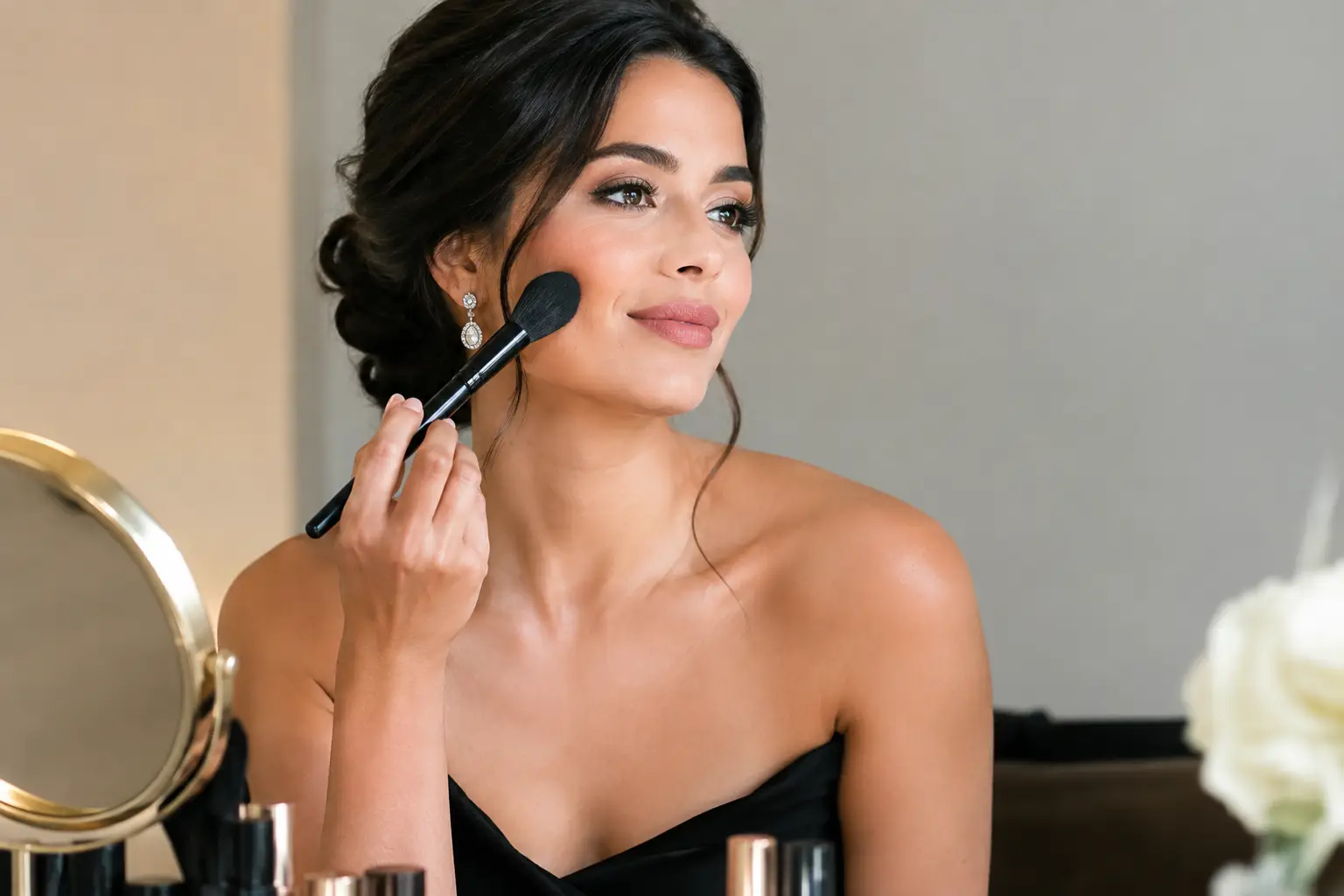
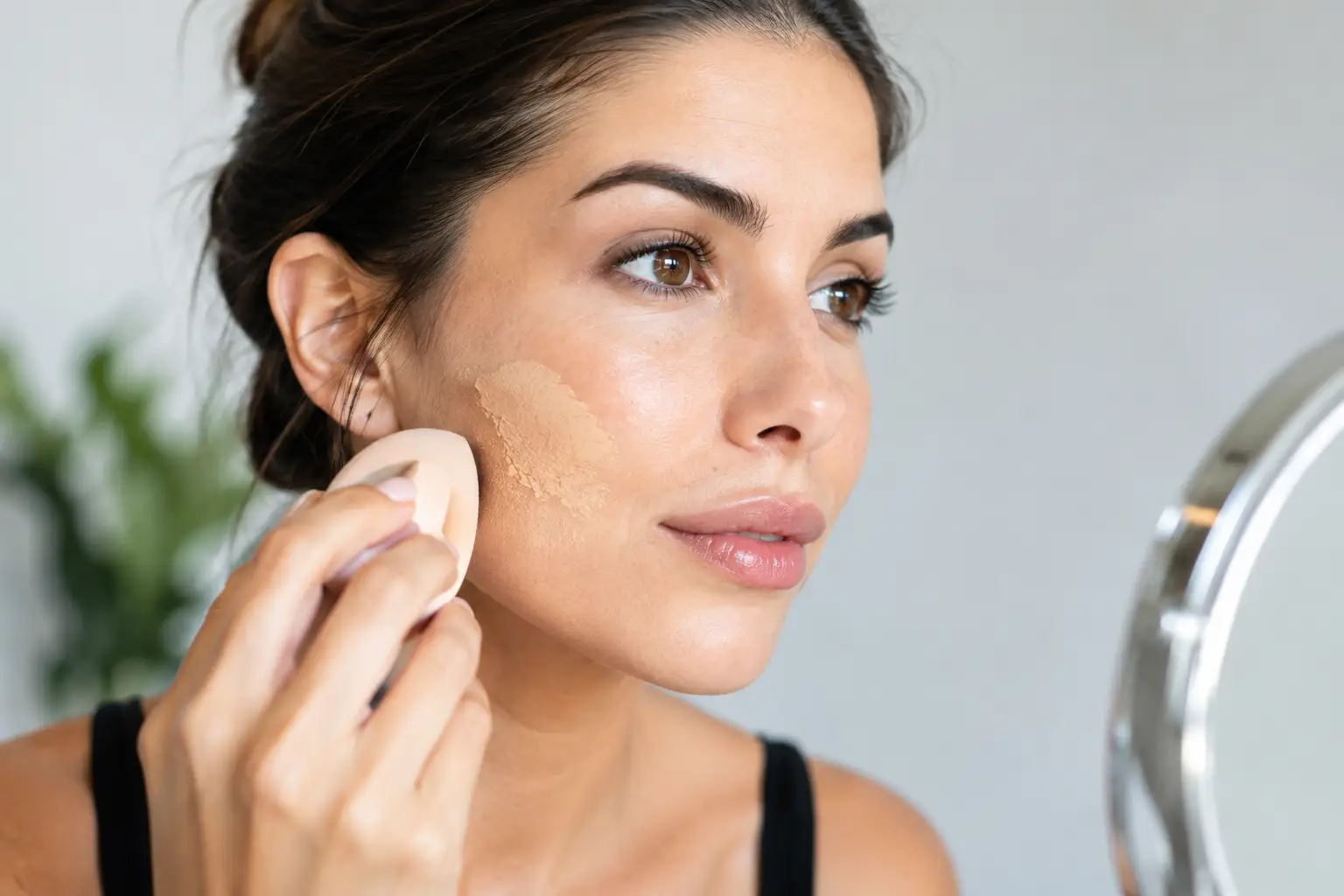
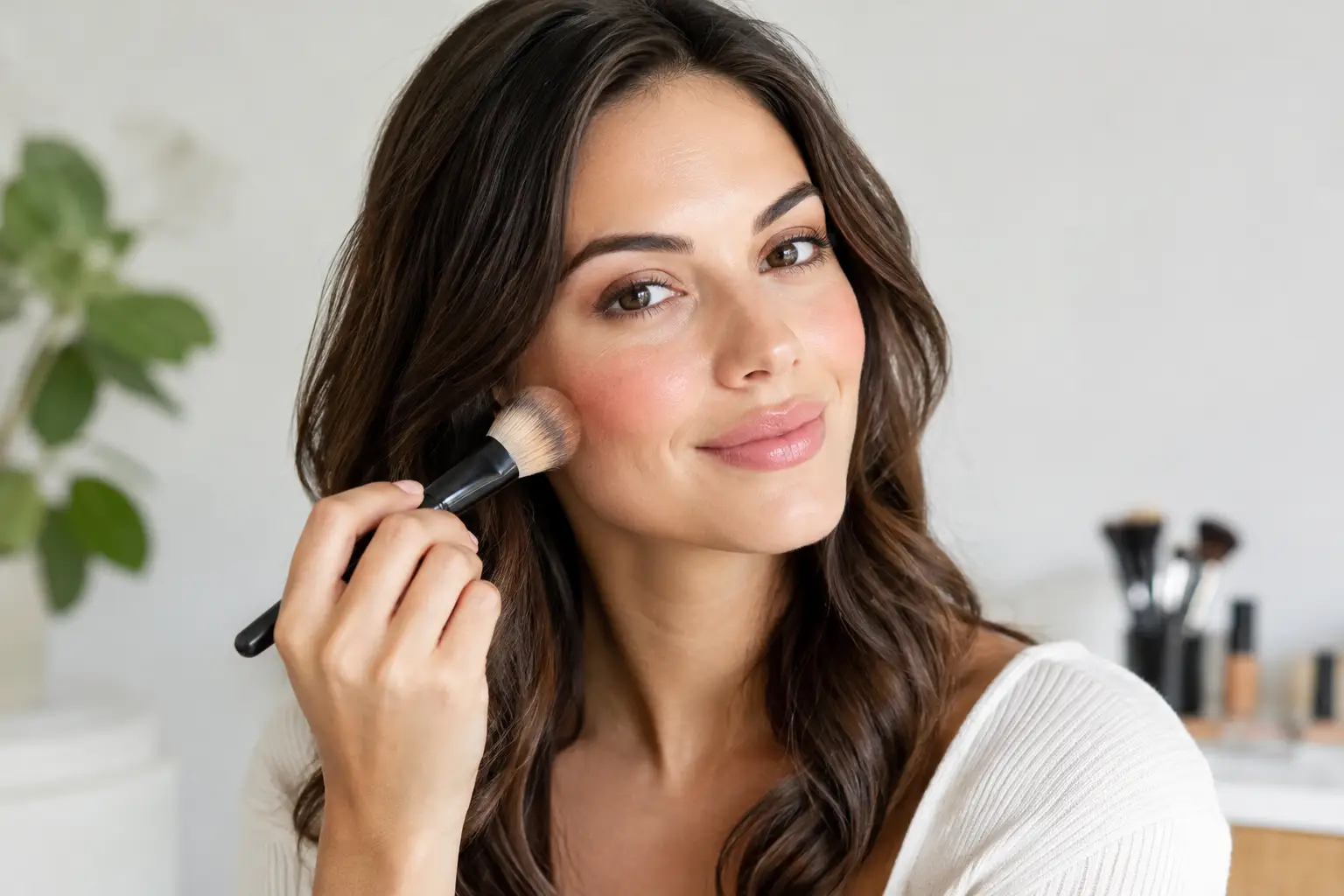
Tools and technique also play a role. Clean brushes, fresh sponges, and a gentle pressing motion can be more comfortable than aggressive buffing. Pressing foundation into the skin in thin layers helps preserve coverage while minimizing friction, which is especially valuable when the skin already feels warm or sensitive.
A Bridal Trial Creates Breathing Room
For brides with rosacea, a makeup trial is more than an opportunity to choose an eyeshadow color. It is time to evaluate how the complexion feels and wears. Your artist can assess whether you prefer a more natural satin finish or a slightly more perfected look, and whether you are comfortable with color correction in the areas of concern.
Bring photos that show makeup finishes you are drawn to, but also be honest about your usual comfort level. A reference image may show a full-coverage complexion under studio lighting, while you may feel most confident in lighter coverage that lets some natural skin show through. Both preferences are valid. The right look is the one that aligns with your vision and still feels like you.
During a trial, share details that affect wear: known triggers, skincare products you use, medications that cause dryness, and whether you tend to flush when nervous, warm, or emotional. Wedding days are full of movement, hugs, happy tears, camera flashes, and temperature changes. These details help create a realistic plan, including whether a small touch-up kit or on-site touch-up support would make you feel more at ease.
How to Keep Rosacea-Friendly Makeup Looking Fresh
Once makeup is complete, the goal is to refresh thoughtfully, not continually add product. Reapplying powder over warmth, moisture, and natural skin texture can create a dry or cakey appearance. If shine appears, gently press it away first with a clean blotting sheet or tissue, then add a small amount of powder only where necessary.
If your cheeks become flushed during an event, resist the urge to rub at the skin. A light press with a clean sponge can help settle the area. Depending on the situation, a small amount of complexion product may be tapped over the redness, but frequent layering can draw more attention to texture. Often, a graceful flush is far less noticeable to others than it feels to you.
At the end of the evening, remove makeup gently. Avoid scrubbing, hot water, or several strong cleansing products in a row. A soft, familiar cleansing routine and simple hydration can help your skin recover after a long day.
When Makeup Is Not the Whole Answer
If rosacea causes persistent discomfort, eye irritation, painful bumps, or frequent flare-ups, makeup should be a complement to professional medical care, not a replacement for it. A board-certified dermatologist can help identify triggers and recommend treatment options suited to your skin. This can make your everyday routine, and your special-event makeup experience, much more comfortable.
You also do not need to wait for perfectly calm skin to be photographed, celebrated, or seen. With attentive preparation and an application designed around your skin rather than against it, makeup can offer polished coverage without asking you to hide who you are. The most beautiful finish is one that lets you enjoy the moment with confidence.