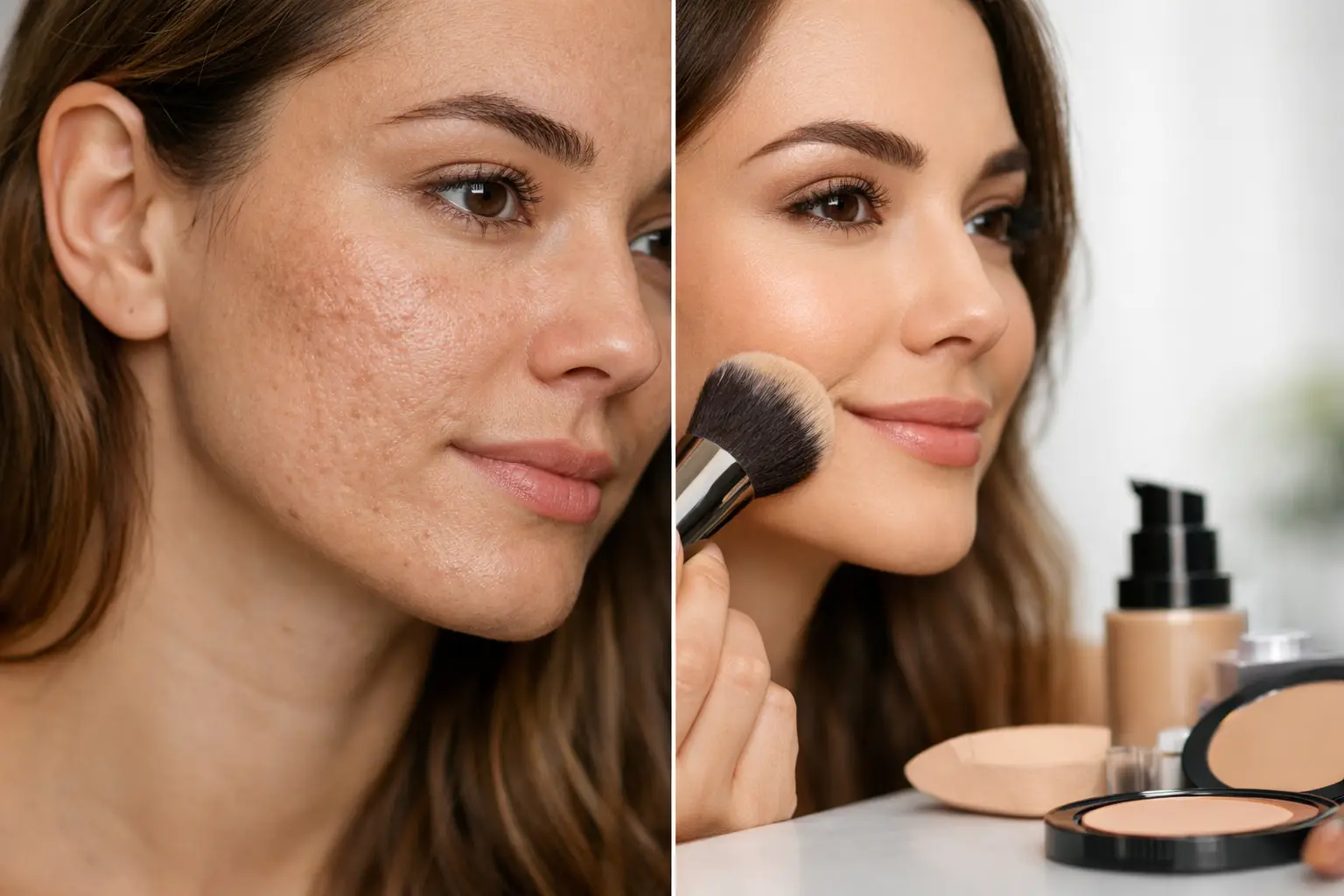
Can Makeup Cover Textured Skin? What Works
A foundation that looked beautiful in the car mirror can suddenly feel much more noticeable in a close-up photo or under reception lighting. If you have ever wondered, can makeup cover textured skin, the reassuring answer is that makeup can soften the appearance of texture beautifully. It cannot erase skin’s natural surface completely, nor should it have to. The goal is a fresh, refined finish that looks like your skin, feels comfortable, and holds up through the moments you want to remember.
Texture is normal. Pores, fine lines, healing blemishes, acne scarring, dryness, and natural variation are all part of real skin. The most flattering makeup does not try to create a filter in real life. Instead, it uses preparation, placement, and carefully chosen formulas to create a more even visual effect.
Can Makeup Cover Textured Skin Completely?
Makeup can reduce contrast, blur uneven tone, and help texture appear less prominent, but it cannot physically fill or remove every indentation, bump, or line. In fact, applying more product in an effort to cover texture often has the opposite result. Heavy foundation can settle around dry patches, emphasize pores, or create a flat, mask-like finish that is more visible in person and on camera.
A better approach is strategic coverage. A thin, even complexion layer creates a balanced base, while concealer is placed only where additional coverage is needed. This lets the skin retain dimension and flexibility. For a bride greeting guests outdoors, a professional sitting for headshots, or a client attending an evening gala, that flexibility matters. Makeup needs to move naturally with facial expressions and remain polished over hours of wear.
The exact result depends on the type of texture, your skin’s current condition, lighting, and the finish you prefer. Skin that is dehydrated needs a different plan than skin with active breakouts or deeply indented acne scars. A soft satin finish may be ideal for one person, while another may prefer a more luminous look that brings healthy-looking light back to a dull complexion.
Why Texture Can Look More Noticeable With Makeup
Texture does not always become more pronounced because the makeup itself is wrong. Sometimes the issue begins before foundation is applied. Dehydrated skin can absorb moisture unevenly, leaving complexion products to cling to dry areas. Excess oil can break through a base that is too rich or too emollient. A primer that feels smooth at first may not pair well with the foundation layered on top of it.
Lighting also plays a major role. Direct sunlight, flash photography, and strong overhead lighting can reveal every bit of dimension in the skin. This is why a makeup application that looks balanced in daylight may need subtle adjustments for a photo session or formal event. The answer is not automatically more powder or fuller coverage. It is choosing products and techniques that create an even, believable finish under the lighting you will actually encounter.
Certain application habits can also draw attention to texture. Rubbing product repeatedly across the face, piling on concealer, or using a very reflective highlight over enlarged pores can make the surface appear more pronounced. Gentle pressing and controlled layering usually provide a more elegant result.
Skin Preparation Makes the Biggest Difference
For textured skin, makeup application starts with skin preparation. The right prep helps makeup sit on the surface more evenly, rather than catching on areas of dryness or shifting throughout the day. It should always be personalized, because there is no single moisturizer, primer, or foundation finish that suits every complexion.
For dry or dehydrated skin, lightweight hydration and time to let products absorb can make a visible difference. The skin should feel comfortable and supple, not slippery. If skincare is still sitting heavily on top of the skin when foundation goes on, makeup may separate or slide.
For oily or combination skin, preparation is about balanced hydration rather than stripping the skin. Overly drying products can trigger more oil production and make makeup harder to maintain. A tailored approach might include hydration where the skin needs it, followed by light oil control through the center of the face.
If you are preparing for a wedding, photoshoot, or special occasion, avoid introducing aggressive new exfoliants, peels, or treatments right before the event. Skin can react unpredictably, even to products that work well for someone else. If you are managing persistent acne, irritation, rosacea, or significant sensitivity, a licensed dermatologist can help address the underlying concern. Makeup can complement healthy skin care, but it should not be expected to replace it.
The Makeup Techniques That Soften Texture
A skin-focused application usually begins with a small amount of product and builds only where necessary. A complexion product with a natural or satin finish often photographs beautifully because it has enough coverage to even the skin tone without looking overly dry or overly shiny. Matte formulas can be lovely, especially for oilier skin, but an ultra-matte finish may make dry texture look more obvious.
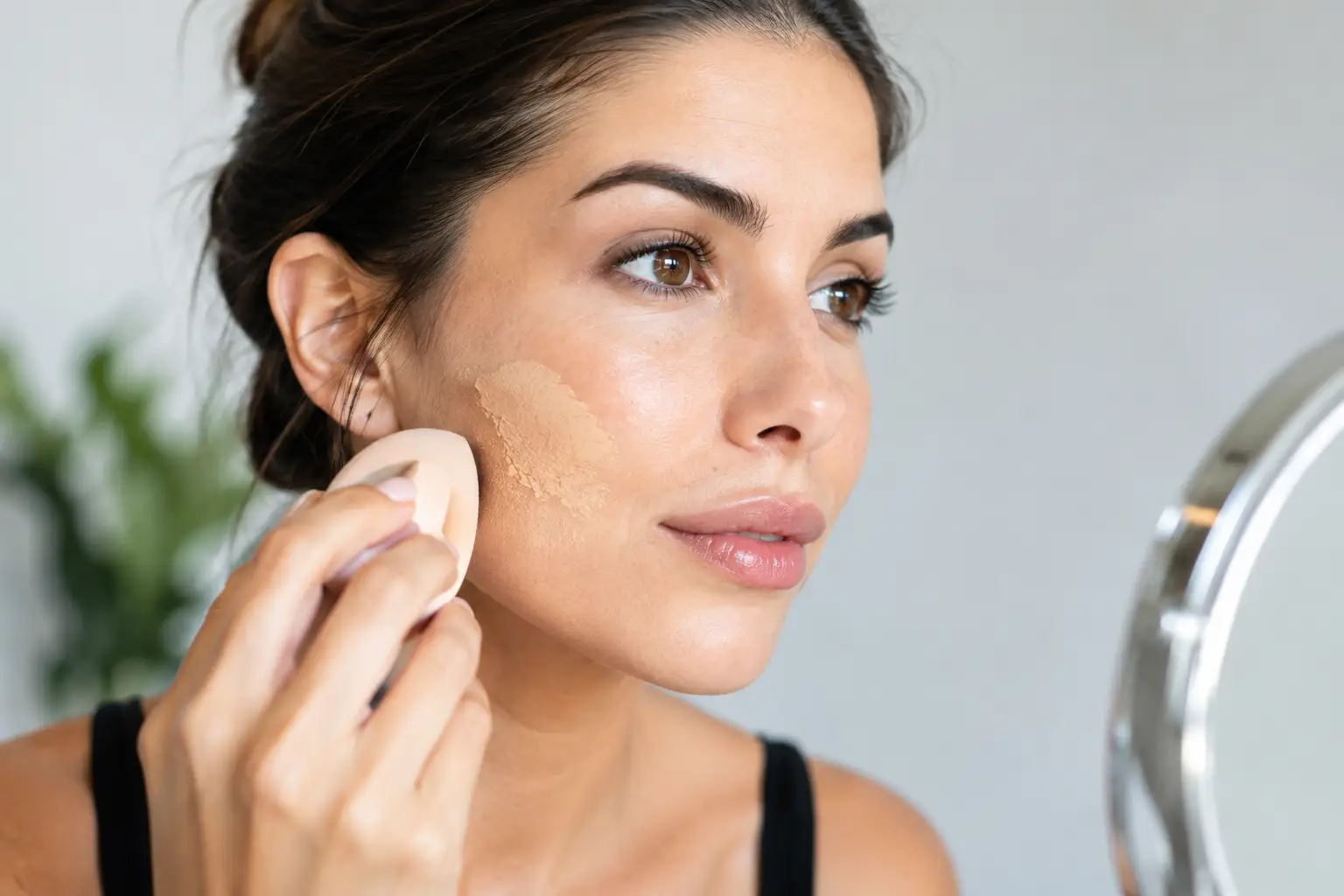
Application method matters as much as formula. Pressing foundation into the skin with a sponge or using a brush with a light hand can create a more seamless look than aggressively buffing in every direction. The goal is to distribute product evenly, not to work it into the skin until the surface becomes irritated or patchy.
Concealer is most effective when it is targeted. A little extra coverage around redness, discoloration, or a blemish can create a cleaner overall complexion without making the entire face look heavier. With raised blemishes, the focus is often on reducing redness rather than layering product directly over the bump. With indented scarring, thin layers and soft blending can reduce the shadowing, but thick product may settle into the area.
Powder should be used with intention. A light setting powder can help makeup last longer and reduce unwanted shine, particularly around the nose, forehead, and chin. Pressing a small amount into the skin is often more flattering than sweeping powder everywhere. Areas with fine lines or dryness may need very little powder, if any.
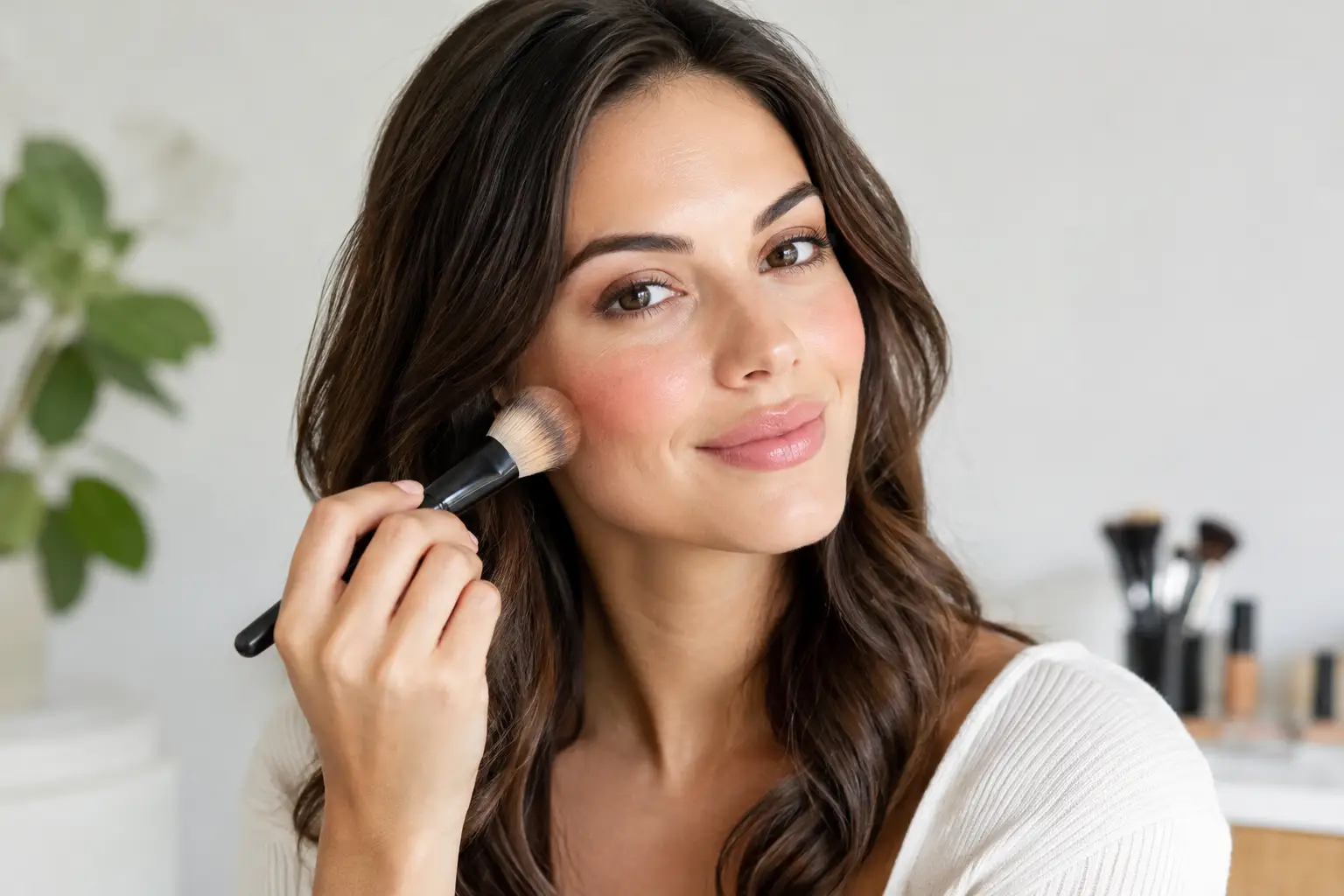
Cream blushes and soft bronzing products can bring dimension back to the face without emphasizing a powdery finish. Highlight can be beautiful, but placement is key. Rather than applying a reflective product across textured cheeks, it may be more flattering to use a subtle glow on the high points where the skin is naturally smoother.
Planning Makeup for Photos and Long Events
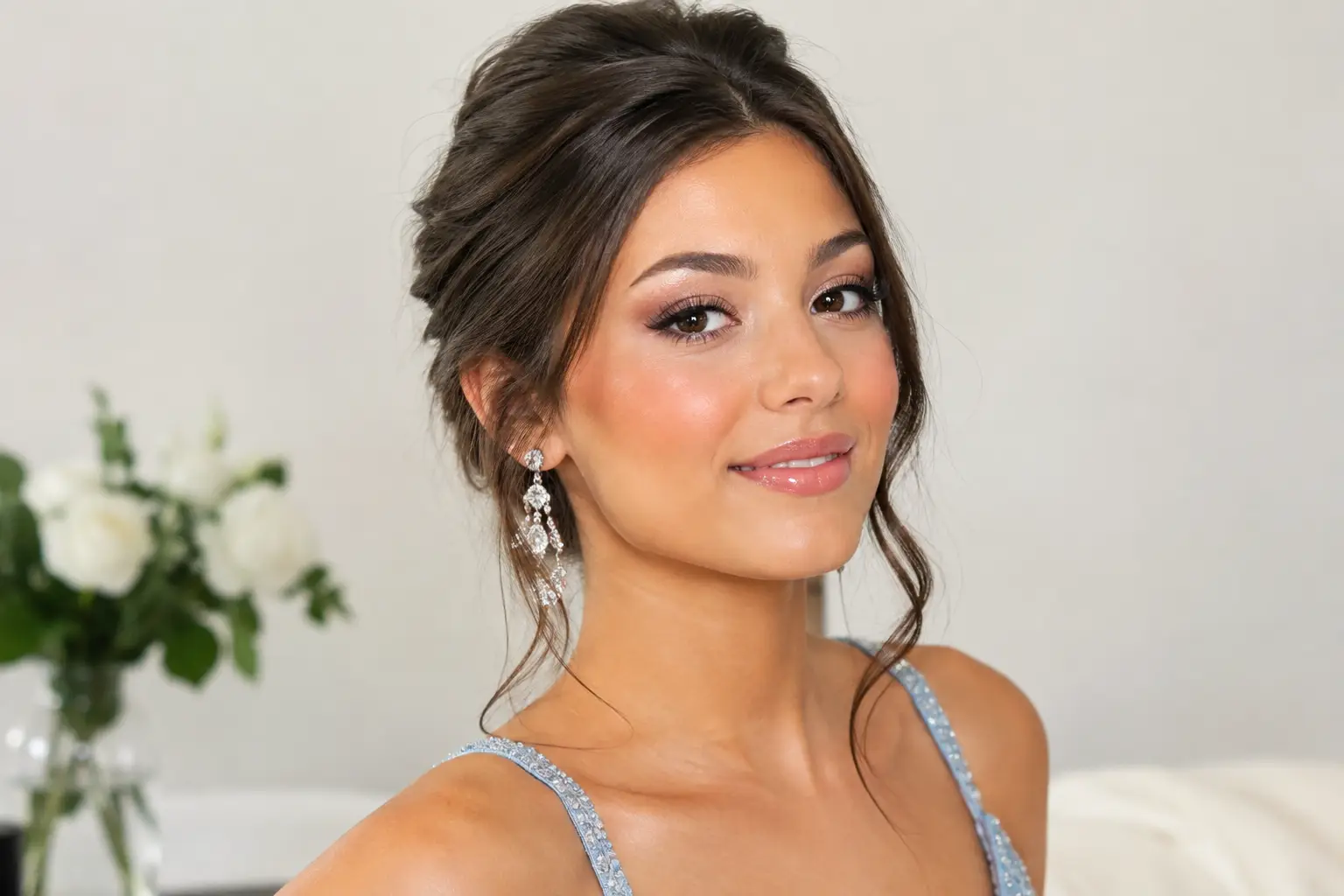
Camera-ready makeup is not necessarily heavy makeup. It is makeup that has been adapted to your skin, the event schedule, and the photography conditions. For daytime portraits, a wedding ceremony, or an outdoor celebration in Northern Virginia or Washington, DC, the complexion should look polished in natural light while still wearing well through warmth, movement, and happy tears.
For flash photography or evening events, coverage may be slightly more refined in areas of redness or discoloration, but it should still be layered gradually. The right balance avoids a white cast, excess shine, and a finish that looks noticeably different from your neck or chest.
A makeup trial is especially valuable for brides or anyone with specific skin concerns. It gives you and your artist time to assess how products wear, adjust the level of coverage, and decide which finish makes you feel most like yourself. Arriving with clean skin, sharing any sensitivities, and being honest about what you usually dislike about makeup all help create a better result.
When Less Coverage Can Look Better
There is a common belief that textured skin requires full-coverage foundation. Sometimes it does, but not always. If your skin has visible texture with relatively even tone, a lighter base may look far smoother than a high-coverage formula. If discoloration is the main concern, selective concealing can give you the confidence of added coverage without covering every inch of your complexion.
The most successful makeup looks honor the difference between perfection and polish. Skin can still look like skin in close conversation. A small blemish or a fine line does not take away from the warmth of your smile, the detail of your dress, or the confidence you bring into the room.
At Taylor Bailey Makeup Artist, the focus is always on personalized skin preparation and soft glam application that enhances your features rather than hiding them. Your makeup should feel considered, comfortable, and appropriate for the version of you you want to see in the mirror and in your photos.
Textured skin deserves patience, not panic. With the right preparation and a thoughtful application, you can walk into your event feeling polished, radiant, and completely recognizable as yourself.