A Bridal Makeup for Rosacea Example That Lasts
A bridal makeup for rosacea example should never begin with the goal of covering every trace of redness. On a wedding day, that approach often leads to too much product, uncomfortable skin, and a finish that looks unlike you in person. The better goal is a calm, thoughtfully balanced complexion that photographs beautifully while allowing your natural features to remain recognizable.
Rosacea can look different from one bride to the next. Some experience persistent cheek redness, while others have flushing, visible texture, dryness, sensitivity, or occasional bumps. Your makeup should respond to what your skin is doing on the day, not force it into a one-size-fits-all bridal look.
What a Bridal Makeup for Rosacea Example Can Look Like
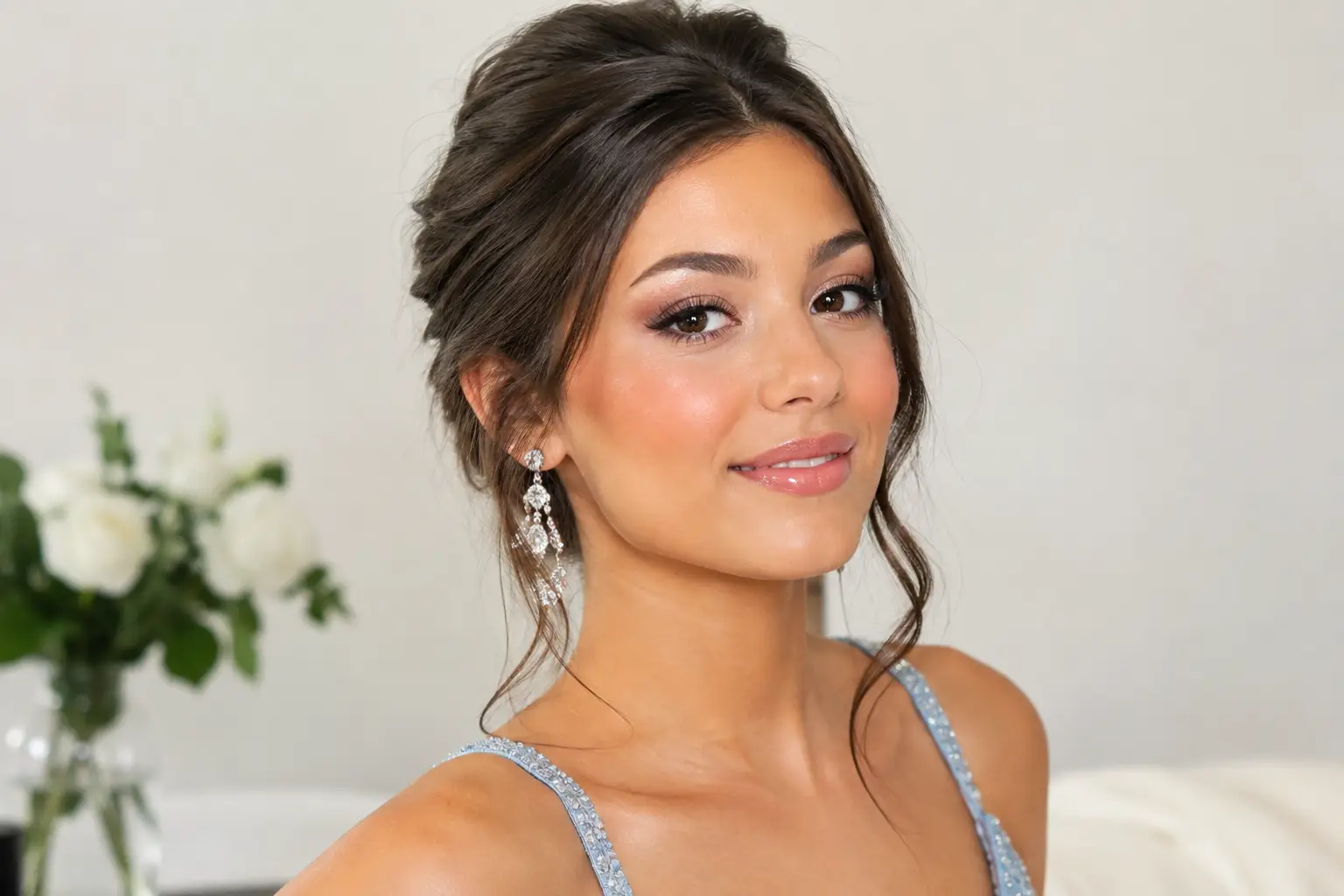
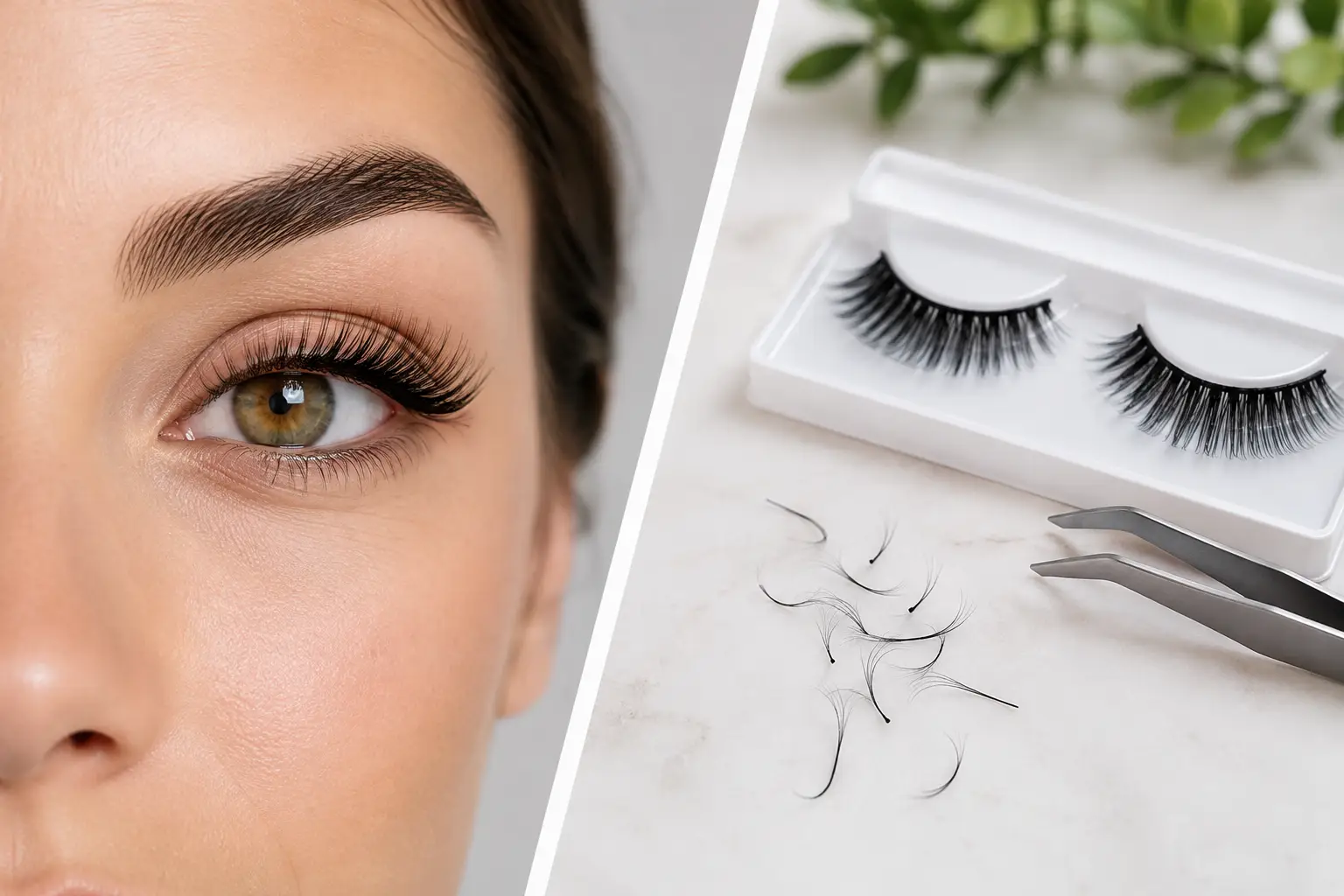
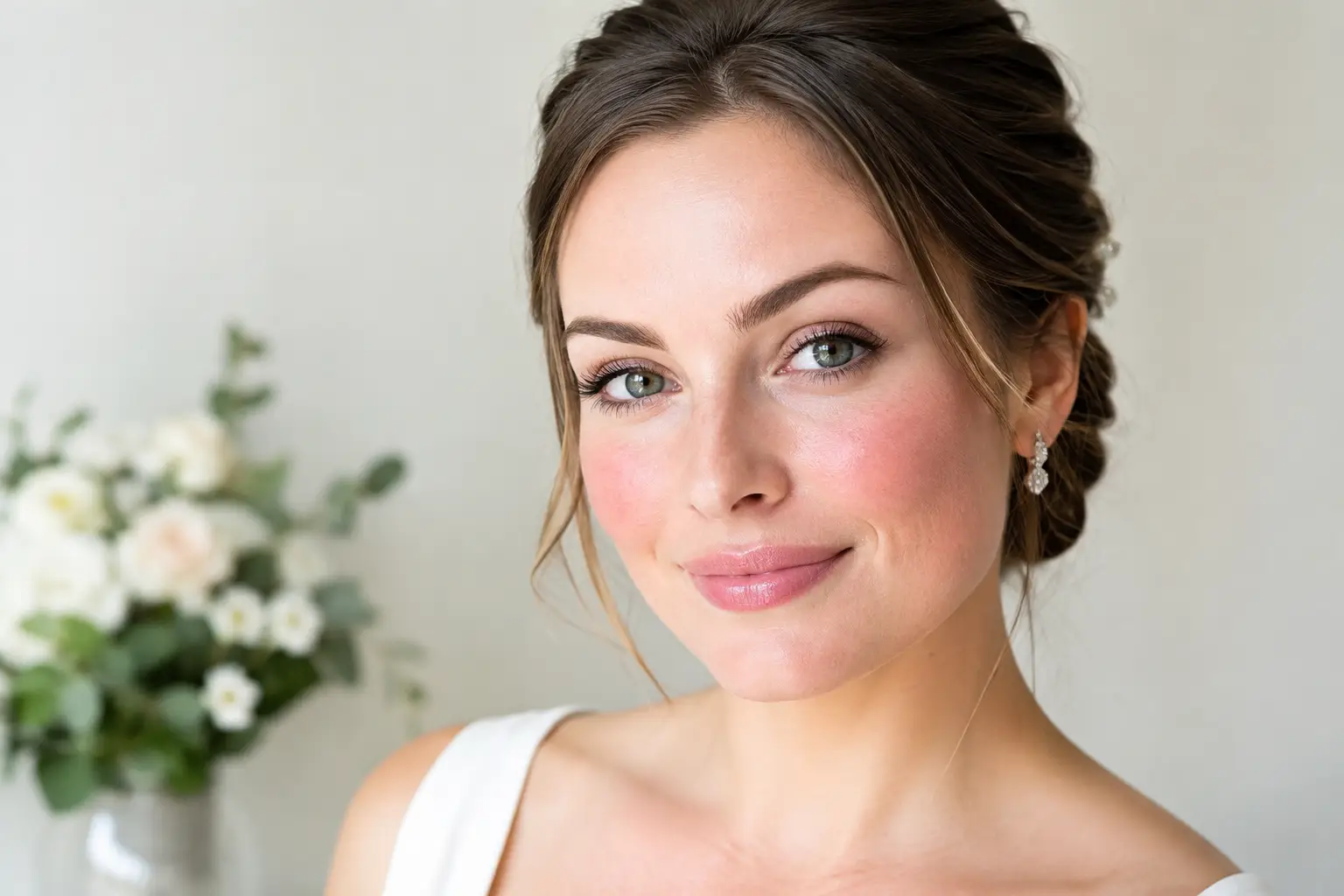
Picture a bride wearing a softly defined neutral eye, brushed brows, individual lashes, and a satin rose lip. Her complexion has a natural satin finish rather than a flat, fully matte mask. The redness around the center of her cheeks and nose is gently neutralized, but her skin still has dimension, warmth, and a believable skin-like texture.
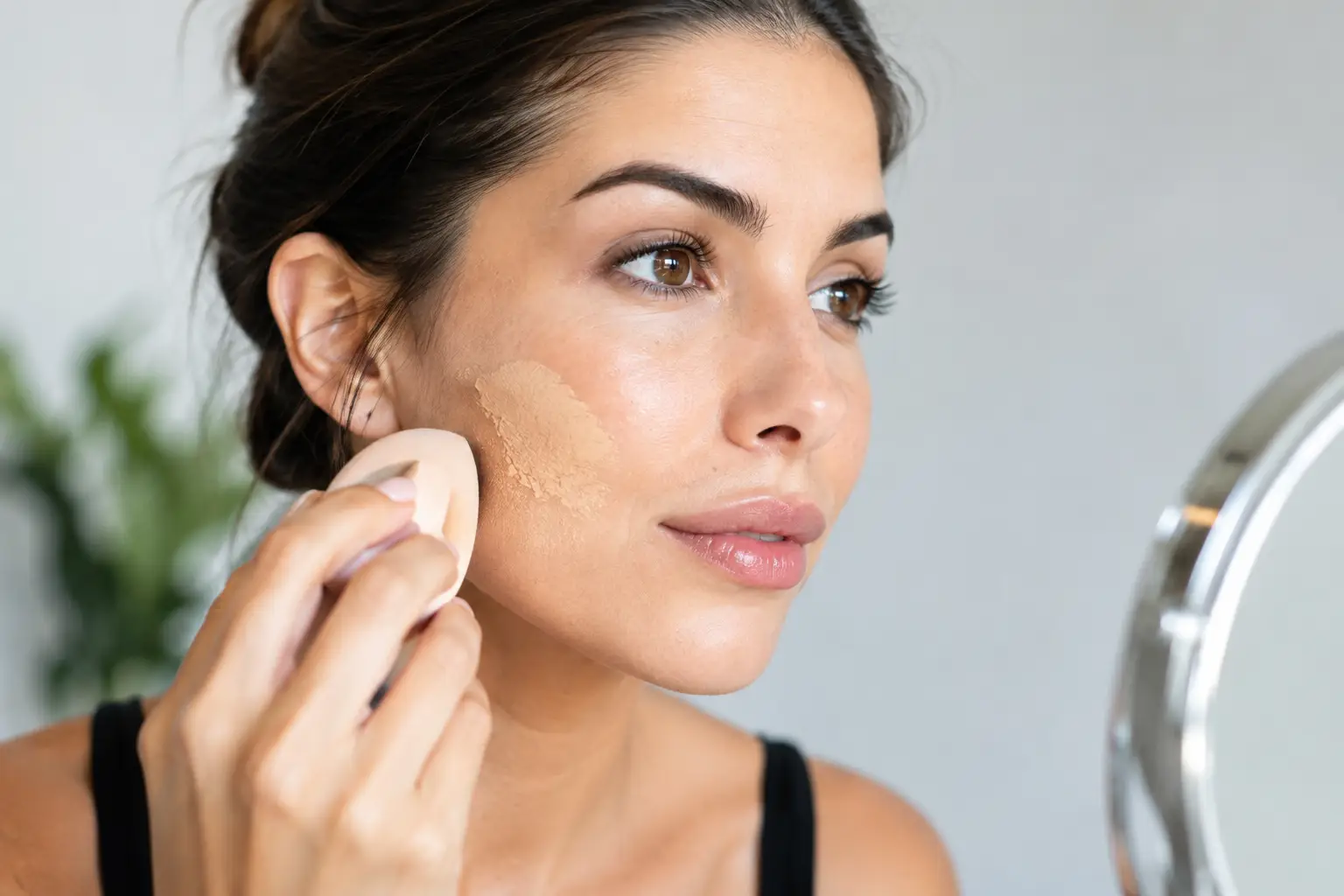
The base begins with a lightweight, soothing moisturizer selected for her skin’s needs, followed by a small amount of gripping primer only where makeup needs additional hold. Rather than applying a green corrector over the entire face, a makeup artist places it sparingly on the areas where red tones are most visible. A thin layer of complexion product is then pressed over the skin in light applications.
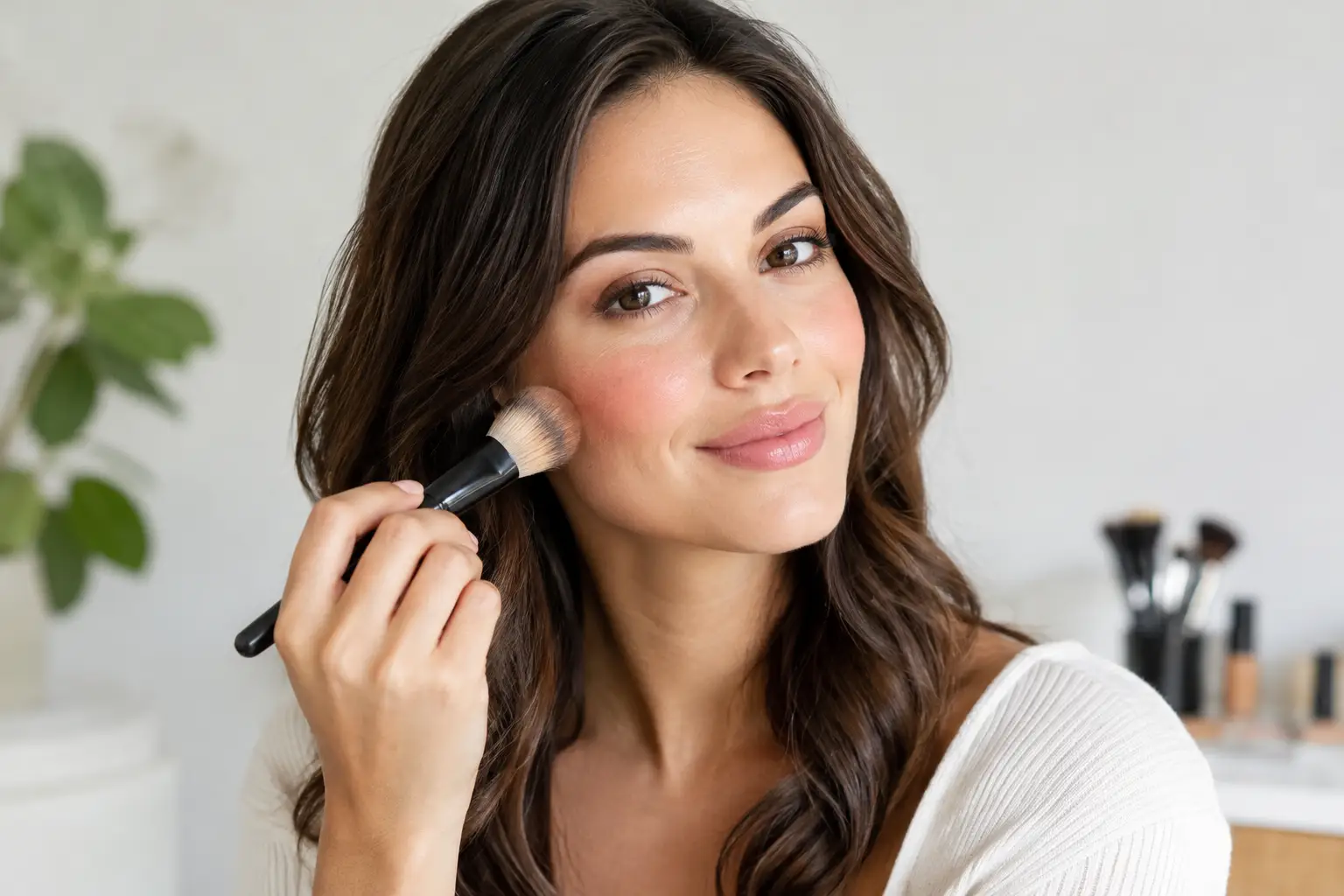
Under the eyes, a flexible concealer brightens without creating a dry, heavy contrast against the cheeks. Cream bronzer is placed around the perimeter of the face, away from areas that are easily irritated or flushed. A muted cream blush, perhaps soft peach, rose, or neutral mauve, restores intentional color to the complexion. The final effect is polished and fresh: the bride looks rested, radiant, and like herself.
That is the distinction that matters. The makeup does not pretend she has a different complexion. It gives the skin an even, camera-ready appearance and keeps the attention on her eyes, smile, and overall presence.
Why Skin Preparation Matters More Than Heavy Coverage
Rosacea-prone skin can react to friction, heat, fragrance, aggressive exfoliation, or unfamiliar products. On a wedding morning, skin preparation should feel gentle and purposeful. More products are not necessarily better.
A thoughtful artist evaluates whether the skin is dry, oily, flaky, warm, or actively irritated before deciding on the finish and coverage level. If the cheeks are dry and reactive, a luminous foundation may sit more beautifully than a traditional long-wear matte formula. If a client becomes shiny through the T-zone but has sensitive cheeks, the complexion can be set selectively instead of powdered from hairline to jaw.
This individualized approach also protects the comfort of the makeup. A base that looks flawless for the first twenty minutes but feels tight or begins separating by the ceremony is not a successful bridal base. Skin-focused soft glam is built in thin, intentional layers so it can move naturally and wear gracefully through photographs, hugs, happy tears, and a full reception.
If you work with a dermatologist or have a prescribed rosacea treatment, keep that routine consistent in the weeks before the wedding unless your provider advises otherwise. The last few days before the event are not the time to introduce a new acid, peel, retinol, facial treatment, or highly fragranced product. Even a normally reliable treatment can create unexpected sensitivity before a major occasion.
The Color-Correction Balance
Color correction can be helpful, but it is often misunderstood. Green tones counter visible redness, yet too much corrector can leave skin looking dull, gray, or overly neutral once foundation is applied. It may also add an unnecessary layer to skin that already feels sensitive.
For most bridal applications, precise spot correction is more flattering than blanket correction. The artist may use a sheer green or yellow-green tint around the nostrils, across the center of the cheeks, or on a concentrated flush, then blend it carefully into the surrounding skin. Foundation and concealer can do the rest of the balancing.
The amount of correction depends on the bride’s preference, lighting, and photography plans. A bride who wants to see a little of her natural skin may choose sheer-to-medium coverage. Someone who feels most confident with more evenness may prefer a medium, buildable base. Neither choice is wrong. What matters is creating a finish that feels comfortable and aligned with how she wants to look in her wedding photos.
Choosing the Right Bridal Finish
The ideal finish for rosacea is not automatically dewy or matte. It depends on your skin, the season, the venue, and how you want your makeup to wear.
A soft satin finish is often a beautiful middle ground. It reflects enough light to keep the complexion from looking flat, while controlled powder placement helps limit excess shine in photographs. For a summer wedding in Northern Virginia or Washington, DC, where heat and humidity can be factors, strategic setting is especially helpful. For a winter ceremony, extra attention to hydration and minimal powder may create a more comfortable result.
Texture deserves the same respect as redness. Heavy powder can emphasize dry patches, while overly luminous products can draw attention to areas of raised texture. An experienced makeup artist adjusts product placement instead of applying the same finish everywhere. Perhaps the high points of the face receive a soft glow, while the cheeks remain smooth and satin rather than intensely highlighted.
Why a Bridal Trial Is Worth Considering
A bridal trial gives you the space to see how a proposed look wears on your actual skin. This is particularly valuable for clients with rosacea, sensitivities, or a history of makeup reacting unpredictably.
During a trial, you can discuss your typical triggers, your current skincare routine, any products you know do not work for you, and how much coverage feels like you. Bring inspiration images, but also be open about what you do not like. If you feel uncomfortable in a very matte base, dramatic contour, or bright blush, that information is just as useful as a photo of a look you love.
The trial is also an opportunity to assess wear. Notice whether the complexion remains comfortable after several hours, whether your T-zone needs more setting, and whether the blush color still looks balanced once the base has settled. A few thoughtful adjustments at the trial can make wedding-day decisions feel easy and calm.
At Taylor Bailey Makeup Artist, the goal is never to apply a predetermined version of bridal beauty. It is to create a polished look around your skin, your features, and the way you want to feel when you see yourself in the mirror.
A Few Wedding-Week Considerations
Keep your skincare familiar, hydrated, and gentle in the week leading up to the wedding. Avoid picking at blemishes or dry areas, even though it can be tempting. If you have an active flare, let your makeup artist know before the appointment. It does not mean you cannot have a beautiful result. It simply helps with product planning and timing.
On the morning of the wedding, arrive with clean skin and follow any preparation instructions provided by your artist. Try to keep the room temperature comfortable if possible. Heat, rushing, and stress can contribute to flushing, so building a little breathing room into the beauty schedule is a practical form of preparation, too.
Rosacea does not take away from bridal beauty. With gentle preparation, selective correction, and the right finish, your makeup can feel elevated rather than heavy – and your wedding-day reflection can still feel completely, confidently yours.