How to Prepare for a Makeup Lesson With Confidence
A makeup lesson should feel like a relaxed conversation at your vanity, not a test you need to study for. Knowing how to prepare for a makeup lesson simply helps you spend more of your appointment learning techniques that suit your features, lifestyle, and comfort level. The goal is not to leave with a dramatically different face. It is to leave feeling capable of creating a polished version of yourself.
Whether you are getting ready for your wedding events, updating your everyday routine, preparing for headshots, or learning makeup for the first time, a little preparation allows your artist to personalize every step. Here is how to arrive ready, comfortable, and open to learning.
Start With the Look You Want to Wear
Before your lesson, think less about a specific product and more about the result you want. Perhaps you want your skin to look fresh and even without feeling covered. Maybe you struggle with eyeliner, want brows that frame your face softly, or need a simple routine that looks polished in professional photos.
Save a few inspiration photos if that feels helpful, but choose images thoughtfully. Look for people with a similar skin tone, eye shape, age range, or overall style. A beautiful look on social media may rely on studio lighting, filters, or features that are different from your own. Reference photos are useful for communicating a mood – soft glam, luminous skin, defined eyes, neutral lips – rather than requesting an exact copy.
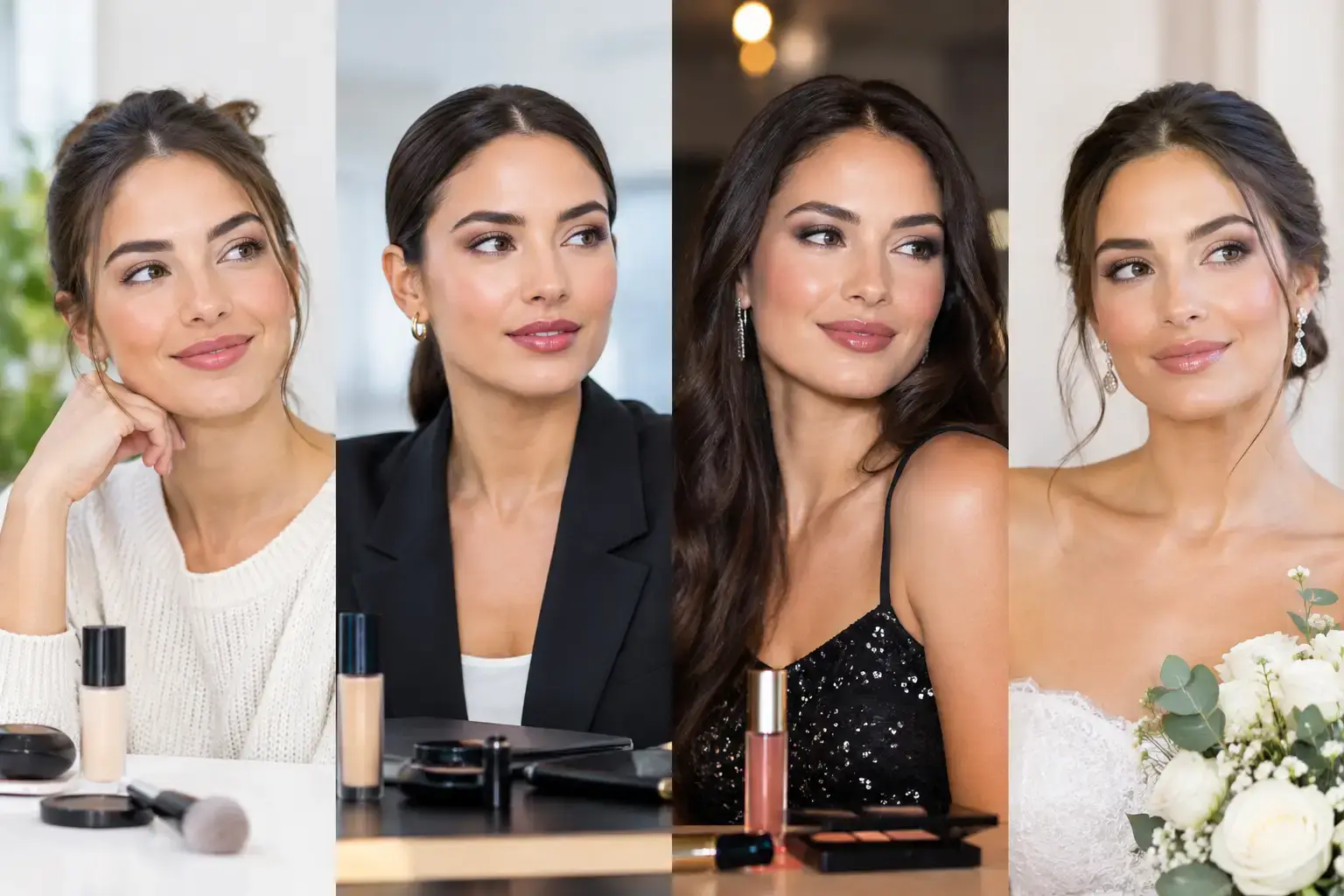
It also helps to consider where and when you will wear the makeup. A routine for a busy workday may call for fewer steps and cream-based products that can be applied quickly. Makeup for a gala, engagement photos, or a special occasion may need more structure, strategic setting, and richer color payoff. There is no single right version of polished makeup. The best approach is the one you will feel confident wearing.
How to Prepare for a Makeup Lesson: Care for Your Skin First
Your makeup will perform best on skin that is clean, comfortable, and well moisturized. The evening before your appointment, keep your skincare routine familiar. Avoid trying a new exfoliant, peel, retinol product, facial treatment, or self-tanner right before your lesson. Even products that usually work well for others can cause irritation, dryness, or unexpected sensitivity.
On the day of your lesson, arrive with a clean face whenever possible. Use your usual gentle cleanser, then apply your regular moisturizer and sunscreen if you are heading out during the day. Give skincare a few minutes to settle before applying anything else. Unless your artist has given you different instructions, skip foundation, concealer, and eye makeup so the lesson can begin with a fresh canvas.
If you have acne-prone, sensitive, mature, dry, or highly reactive skin, share that information before the appointment or at the start of the lesson. Mention known allergies, ingredients you avoid, prescription skincare, recent treatments, and areas that tend to crease, flake, or become oily. These details are not minor. They guide product selection, skin prep, and the order of application.
A small breakout or texture concern does not mean you need to postpone learning makeup. In fact, a personalized lesson can help you understand how to use thin layers, color correction when appropriate, and strategic concealer placement without making skin feel heavy.
Bring Your Makeup Bag, Even If It Feels Incomplete
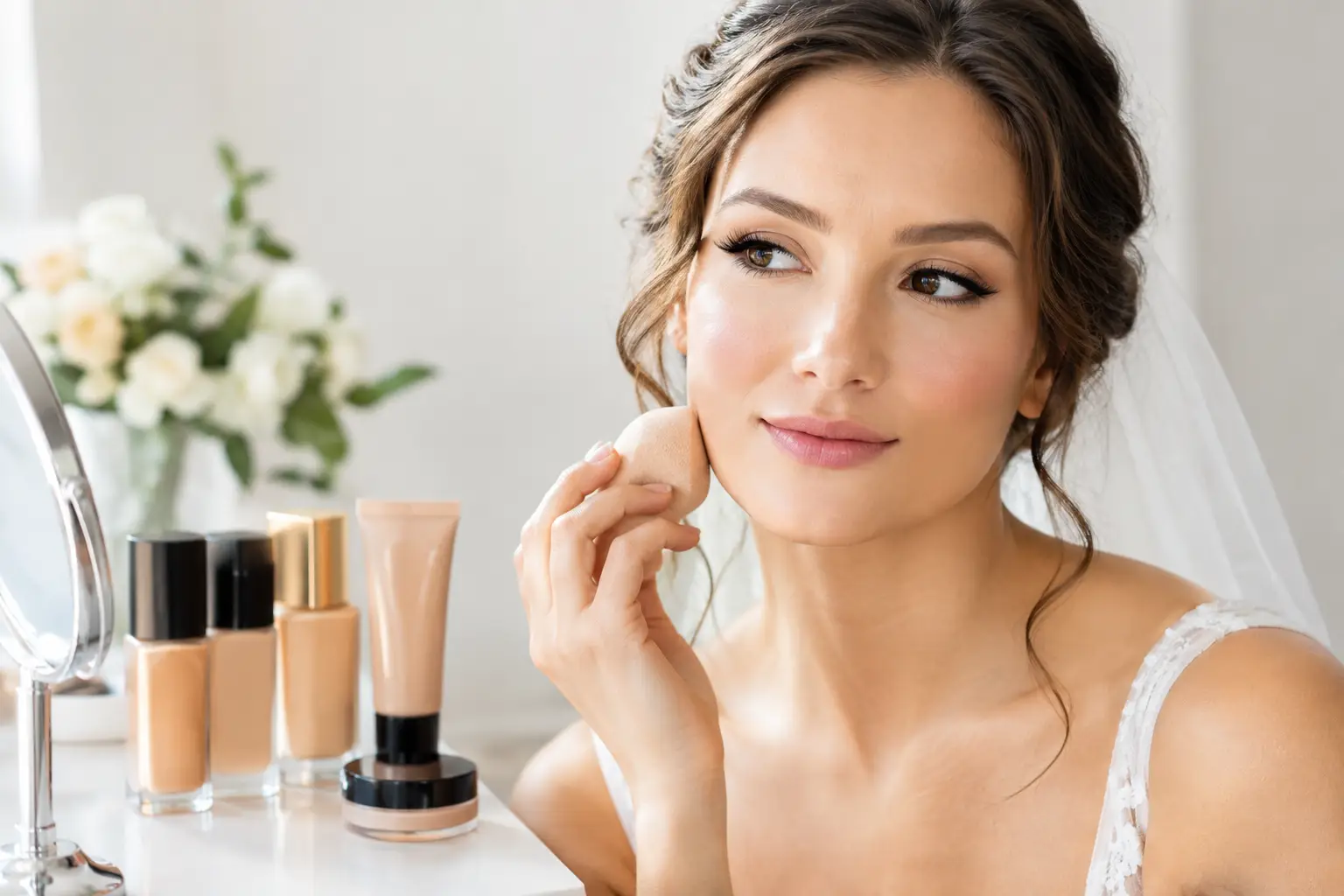
Your existing makeup bag is one of the most useful tools you can bring. It shows what you already reach for, what colors you are drawn to, and which products may not be serving you as well as they could. Bring the items you use most often, including complexion products, concealer, brow products, mascara, eye shadow, blush, lipstick, brushes, and sponges.
Do not worry if your bag contains drugstore products, luxury products, old favorites, or items you have barely touched. A lesson is not an audition for having the perfect collection. It is an opportunity to learn what works, what can be used differently, and where a future purchase might actually make a difference.
If you are unsure what to pack, bring these four categories: your daily skincare and SPF, your usual complexion and concealer products, your most-used color makeup, and every brush or tool you own. Your artist can assess whether a foundation shade is still a match, whether a brush shape is making application harder, and whether a product is worth keeping.
There is also value in knowing what not to buy yet. Many clients arrive expecting a long shopping list, but the right recommendation depends on your skin type, desired finish, budget, and the amount of time you realistically want to spend each morning. A professional lesson should give you clarity, not a cart full of unnecessary products.
Wear What Helps You See the Full Picture
Choose a comfortable top that reflects how you usually dress for work, events, or photos. A neckline that allows you to see the transition from face to neck and chest can be helpful when selecting foundation and bronzer placement. If you are learning makeup for a specific outfit or event, a photo of the outfit can also help guide color choices.
Wear your hair in a way that keeps it mostly off your face, especially around the hairline and temples. A clip, headband, or loose ponytail is usually enough. If you wear glasses regularly, bring them. Makeup that looks balanced without glasses can feel different once frames are on, particularly with brows, under-eye concealer, and eye makeup.
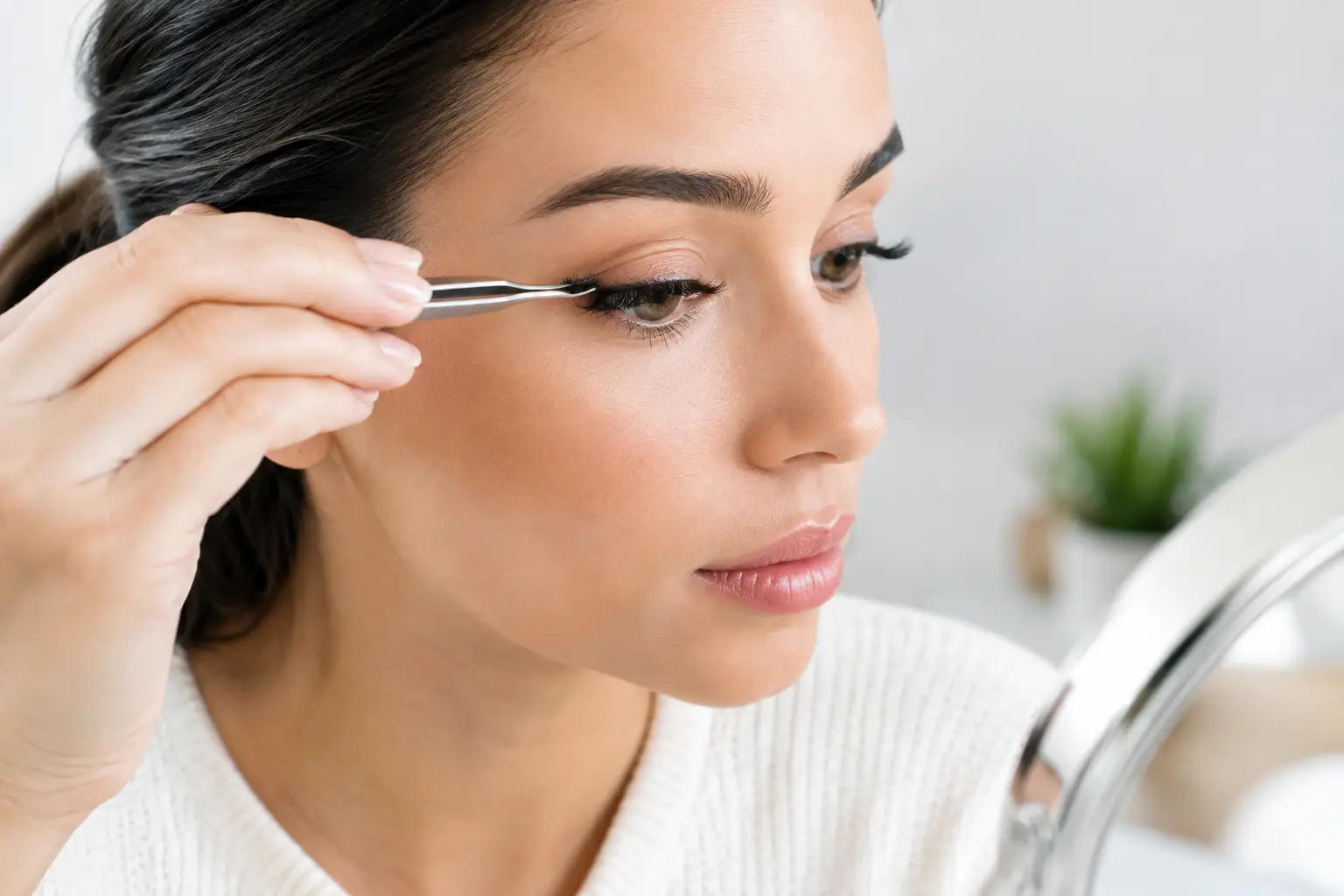
If false lashes are part of your desired look, mention it early. Lashes can be beautiful for photos and formal occasions, but they are not necessary for every client or every routine. Your lesson should account for your comfort with them, any sensitivities, and how much maintenance you want at home.
Come With Questions and Real-Life Challenges
The most valuable questions are often very specific. Instead of asking, “What makeup should I use?” try asking, “Why does my concealer crease by lunchtime?” or “How can I make my eyes look more awake for video calls?” If your makeup disappears by mid-afternoon, pills over sunscreen, turns orange, or feels dry around your nose, say so.
You may also want to ask about the techniques that tend to make the biggest difference with the least effort. For many people, those are skin preparation, sheer complexion application, natural brow shaping, blush placement, and setting only where it is needed. A full glam routine can be fun to learn, but an everyday routine you can repeat in 10 or 15 minutes is often more empowering.
Take notes during the lesson, especially on product order and placement. Photos of your finished look in natural light can be useful, too. If you are comfortable, ask your artist to pause while you repeat a technique on the other side of your face. Watching is helpful. Doing it yourself is what builds confidence.
Make Room for a Personalized Process
Try not to schedule your lesson so tightly that you need to rush out the door. Makeup education is most effective when there is time to ask questions, adjust placement, and understand the reason behind each recommendation. A small technique change can feel unfamiliar at first, especially if you have applied your makeup the same way for years.
Be honest about your routine, your budget, and your comfort level. If you do not want to wear full coverage foundation, say so. If you prefer a softer eye, dislike sticky lip gloss, or need products that hold up through a humid Northern Virginia summer, that information helps create a routine you will actually use.
At Taylor Bailey Makeup Artist, the focus of a lesson is always natural enhancement and practical confidence. You should feel seen, listened to, and never pressured to become someone else through makeup.
Leave your lesson with curiosity rather than the expectation of instant perfection. Practice one or two techniques the next time you get ready, then build from there. The most flattering makeup routine is not the most complicated one – it is the one that helps you look in the mirror and recognize yourself, only more rested, refined, and ready for the moment ahead.